- English
- French
- German
- Portuguese
- Spanish
- Russian
- Japanese
- Korean
- Arabic
- Greek
- German
- Turkish
- Italian
- Danish
- Romanian
- Indonesian
- Czech
- Afrikaans
- Swedish
- Polish
- Basque
- Catalan
- Esperanto
- Hindi
- Lao
- Albanian
- Amharic
- Armenian
- Azerbaijani
- Belarusian
- Bengali
- Bosnian
- Bulgarian
- Cebuano
- Chichewa
- Corsican
- Croatian
- Dutch
- Estonian
- Filipino
- Finnish
- Frisian
- Galician
- Georgian
- Gujarati
- Haitian
- Hausa
- Hawaiian
- Hebrew
- Hmong
- Hungarian
- Icelandic
- Igbo
- Javanese
- Kannada
- Kazakh
- Khmer
- Kurdish
- Kyrgyz
- Latin
- Latvian
- Lithuanian
- Luxembou..
- Macedonian
- Malagasy
- Malay
- Malayalam
- Maltese
- Maori
- Marathi
- Mongolian
- Burmese
- Nepali
- Norwegian
- Pashto
- Persian
- Punjabi
- Serbian
- Sesotho
- Sinhala
- Slovak
- Slovenian
- Somali
- Samoan
- Scots Gaelic
- Shona
- Sindhi
- Sundanese
- Swahili
- Tajik
- Tamil
- Telugu
- Thai
- Ukrainian
- Urdu
- Uzbek
- Vietnamese
- Welsh
- Xhosa
- Yiddish
- Yoruba
- Zulu
Pressure Sensors Suitable for Diesel SCR Emission Systems
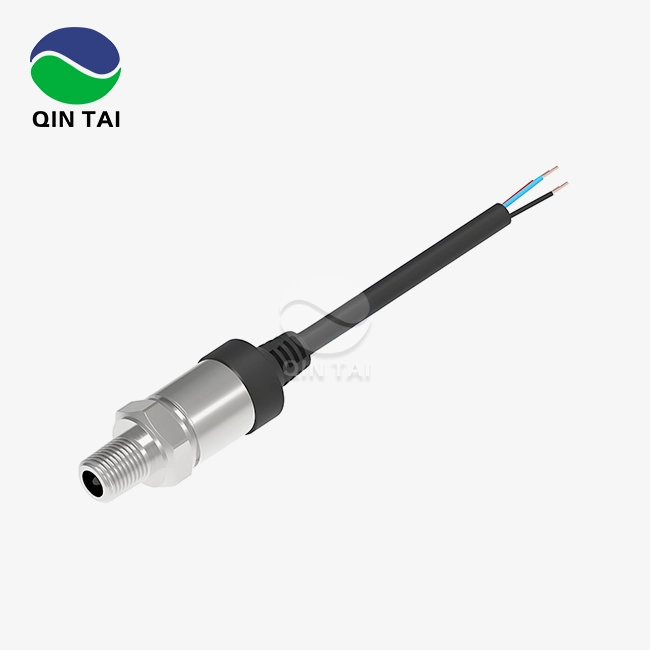
Pressure sensors that work with diesel SCR pollution systems are what make sure that the right amount of urea is added, which has a direct effect on how well NOx is reduced and how well the rules are followed. The Urea dosing pressure sensor is one of these important parts. It checks the hydraulic pressure in the AdBlue delivery system to make sure that the right amount of AdBlue is injected into the waste stream. This real-time feedback system helps Engine Control Units keep the right dose settings, which stops both the wasteful over-injection and non-compliance with under-injection situations that happen a lot in modern diesel operations.
Understanding Urea Dosing Pressure Sensors and Their Role in SCR Systems
What Makes These Sensors Essential
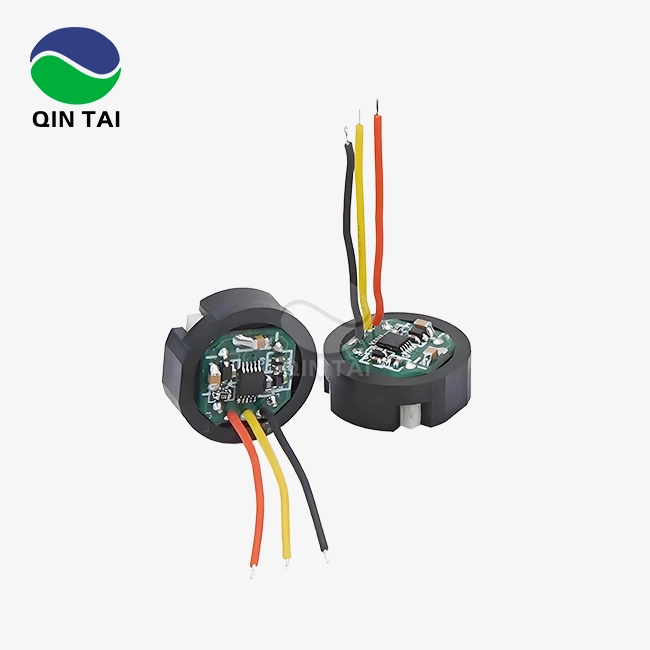
Pressure sensors are precise measuring tools that keep an eye on the Diesel Exhaust Fluid delivery pressure between the dosing pump and spray tip in diesel SCR aftertreatment systems. These parts send analogue voltage signals to the SCR control unit, usually between 0.5 and 4.5 VDC. This makes a closed-loop feedback system that changes the rate of urea input based on the exhaust conditions and engine load.
Core Sensing Technologies
Piezoresistive technology is used in modern SCR pressure sensors. In this technology, tiny strain gauges built into a silicon plate pick up on deformations caused by pressure. When the urea solution puts force on the detecting element, the electrical resistance changes in a way that can be measured. This mechanism is accurate to within 0.5% across operating ranges of -14 psi to +130.5 psi. It meets the strict requirements of Euro VI and EPA Tier 4 Final for precise emission control.
Preventing System Failures
The Urea dosing pressure sensors do more than just measure; they also protect the system. These devices set off diagnostic trouble codes before major problems happen by finding changes in pressure, which could be caused by a worn-out pump, a blocked line, or a clogged injector. This early warning feature stops the engine from going into limp mode, which greatly reduces power output to keep emission systems from getting damaged by incorrect urea delivery.
Choosing the Right Urea Dosing Pressure Sensor for Your Diesel SCR System
Critical Selection Parameters
To choose the right SCR pressure sensors, you have to weigh a lot of technical details against operational needs. We've learned that accurate specs, temperature adjustment range, and chemical compatibility are the most important things for a sensor to work well. The range of measurements must include both normal operating pressures and short-lived spikes that happen when the system is purging or starting up from a cold start.
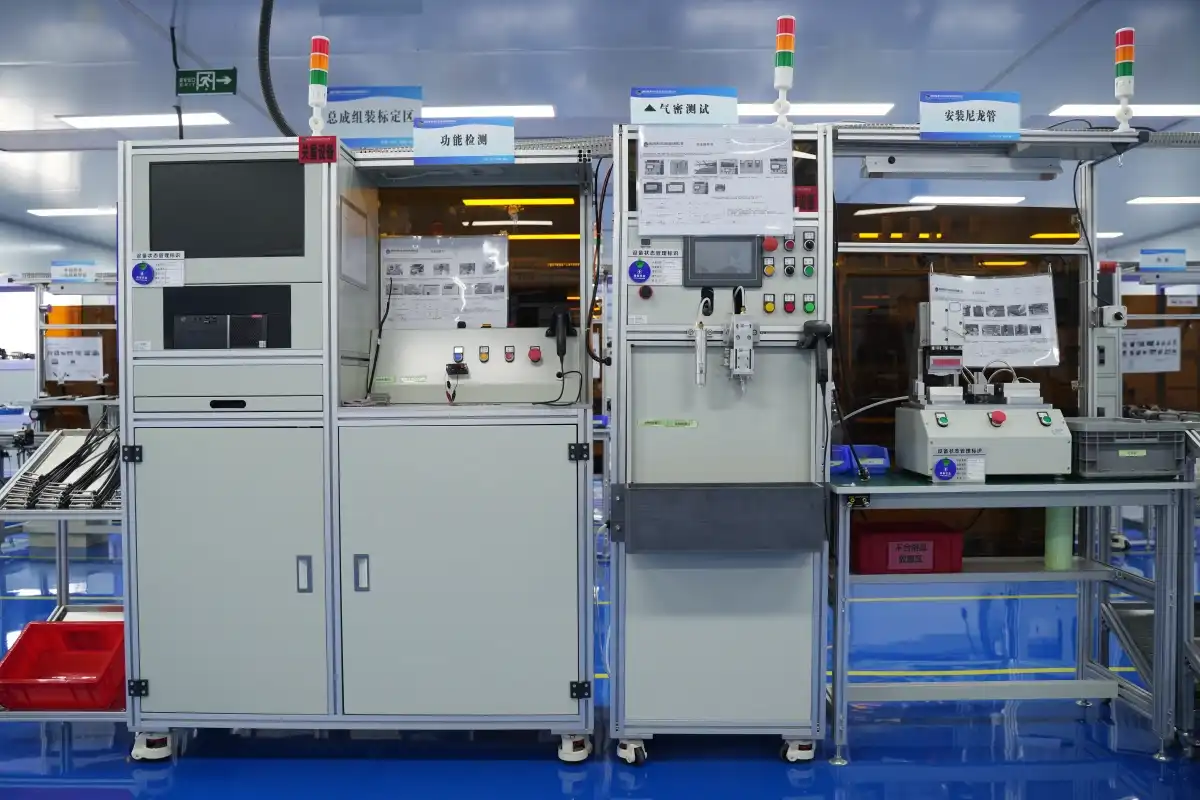
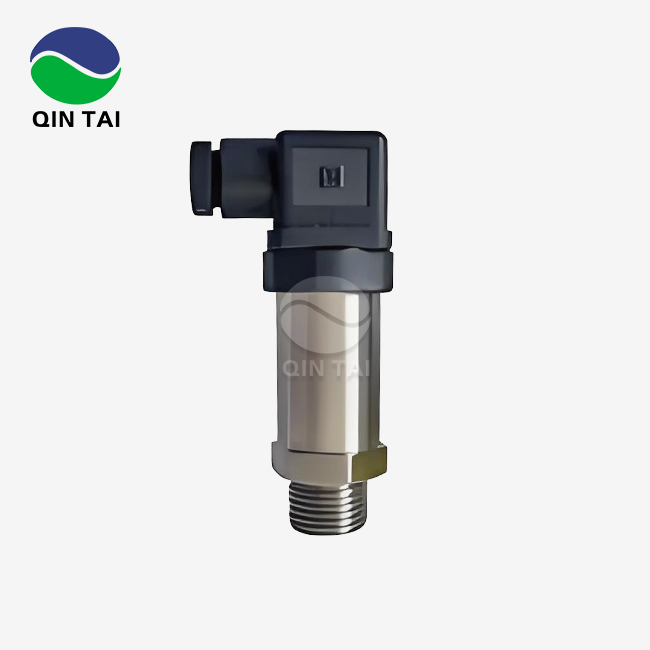
Durability in tough diesel uses depends on how well it can handle the environment. Sensors that are placed near exhaust parts have to deal with temperatures that range from -40°F in the winter to 200°F or more inside the engine. As urea solution's alkaline (pH 9.5) and corrosive qualities wear down less durable sealing materials over time, chemical protection becomes just as important. During its entire working life, our QS-P226 model has strong sealing that can handle wetness, particle contamination, and chemical exposure.
Evaluating Compatibility and Integration
It's important to think about both mechanical and electrical aspects of physical contact compatibility. Thread sizes like M12x1.5 or M10x1 must match existing dosing module ports. For electrical connectors, the pin layout must be correct for your ECU platform. It doesn't matter if the signal output is ratiometric analogue or SENT digital protocol; it has to match the requirements of the control unit input in order for the data to be correctly interpreted.
The Urea dosing pressure sensor response time standards affect how well a system works in changing driving situations. Agricultural and construction equipment need sensors that can track changes in pressure within milliseconds because the loads on them change quickly. The QS-P226 provides constant monitoring with immediate feedback, which lets exact dosing changes keep emission compliance even when operating profiles change.
Manufacturing Quality Standards
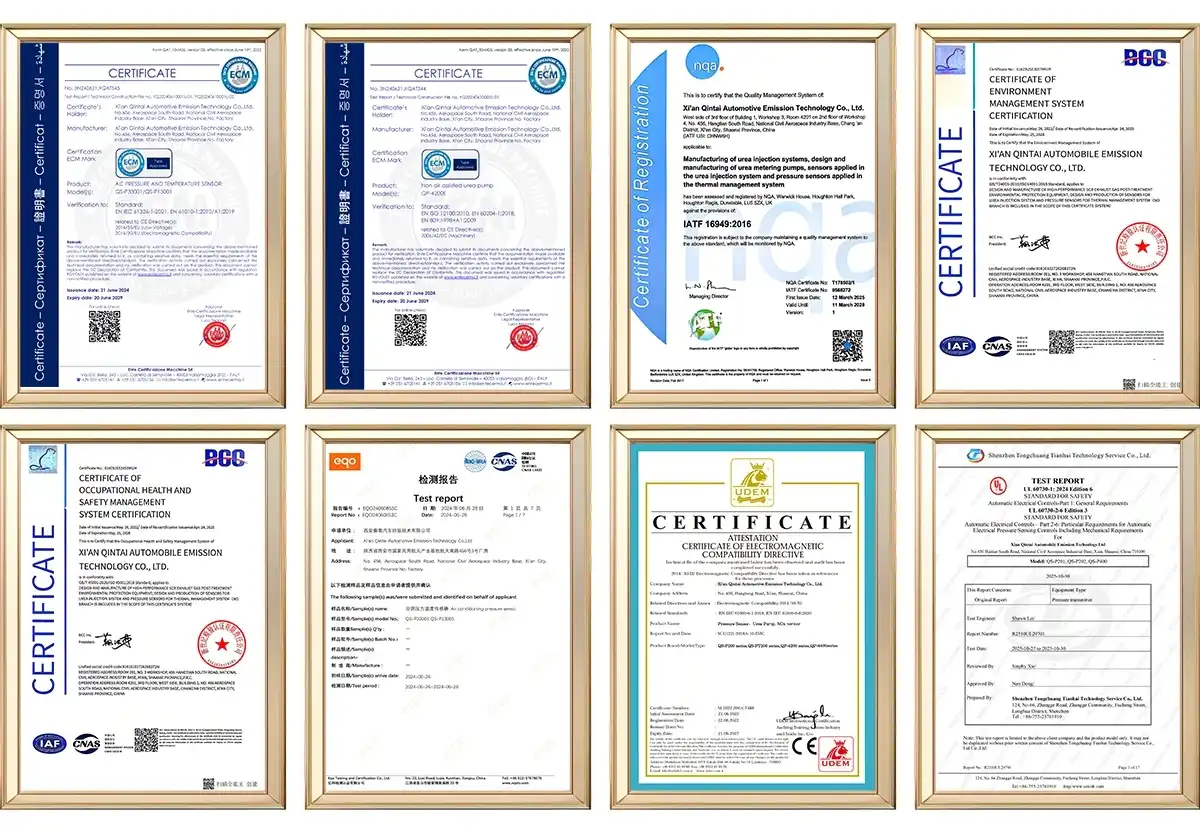
Certification badges are physical proof of high-quality production and following all rules. Our plant follows ISO9001 quality management and IATF16949 vehicle standards, which means that before being shipped, every sensor is tested to make sure it works perfectly. These licenses aren't just formalities; they're part of a system for quality control that keeps bad parts from getting to the production lines, where they could cause expensive recalls and damage to the company's image.
Installation, Calibration, and Maintenance Best Practices for Urea Dosing Pressure Sensors
Installation Guidelines That Prevent Future Problems
If the mounting is done correctly, air pockets that cause readings to be all over the place can't form. Make sure the pressure port on the sensor faces either down or horizontally, never up, so that any trapped air bubbles can naturally escape through the urea flow. Specifications for torque are very important. If you tighten something too much, the sealing surfaces can crack or leak contaminants in, and if you tighten something too little, the sealing surfaces can become deformed.
The same level of care must be taken with electrical links. To make sure they are properly engaged, connector pins must seat all the way down and make audible clicks. We suggest using dielectric grease on contact surfaces to create moisture shields that stop corrosion in places under the hood that are open to the elements. When directing wires, they should stay away from sharp edges, moving parts, and heat sources above 250°F, which wears down shielding over time.
Calibration Procedures and Intervals
Factory calibration gives you a basic level of accuracy, but field verification confirms how well it works in the way it was installed. To calibrate, you need to connect precise pressure sources to the sensor input and watch the output voltage at the ECU. As long as the variations are less than 2%, the signal should follow a straight line across the whole test range.
How often calibration is done depends on how hard the operation is. Heavy-duty applications that are used continuously in mining or power generation settings should be checked once a year. On the other hand, light-duty commercial cars usually only need to be checked when they need major service or when diagnostic codes show up. This process is made easier by specialised diagnostic tools that can set specific dosing pressures. This lets techs check the accuracy of the Urea dosing pressure sensor without taking parts off of cars.
Extending Sensor Service Life
The main goal of routine maintenance is to stop the main failure processes that make sensors less useful. AdBlue crystallisation is the most common threat. It happens when the solution evaporates, leaving behind urea crystals that block pressure ports or cover sensing diaphragms. When stored for a long time, flushing the dose system gets rid of any leftover fluid that would otherwise crystallise.
Visual inspection can find wear and tear before they become functional problems. Connector housings with white powder deposits show that water has got inside and caused corrosion. If the outside of the sensor body is stained, it means that the seals have failed, letting urea leak out. Taking care of these warning signs ahead of time by replacing the faulty parts stops crashes on the side of the road and keeps the emission system working properly.

Troubleshooting Common Issues with Urea Dosing Pressure Sensors
Identifying Fault Patterns
Diagnostic trouble codes are useful for finding problems and fixing them. P204B codes mean that there are problems with the circuit's range or performance, which are usually caused by signal power that isn't within the expected range. There are several possible reasons for these problems, including Urea dosing pressure sensor drift from old parts, faulty electrical connections that cause resistance, or real pressure changes that the sensor correctly records.
Intermittent problems are especially hard to figure out what's wrong. When sensors work fine in static tests but not when moving, it's usually because the wiring is damaged by vibrations or the connectors aren't properly engaged. If sensors only stop working when they are cold or hot, this could be because of problems with thermal expansion that affect the electrical connections or the integrity of the seal.
Diagnostic Procedures That Save Time
Systematic testing is a good way to quickly find problems. During engine operation, measuring the voltage at the sensor connection shows that the power source is working properly and that signals are being sent. Readings should show a reference voltage of 5.0V on the supply pin and a signal voltage that changes from 0.5V to 4.5V based on the dose pressure that was given. If the static number is outside of this range, it means the sensor is broken and needs to be replaced.
Replacement Decision Criteria
Repair vs. replace choices are based on economic research. When sensors have internal electrical problems that can't be fixed affordably, replacement is the only choice. On the other hand, cleaning methods using AdBlue solution and compressed air to flush pressure ports may work on sensors that show normal electrical traits but are clogged with outside debris.
Proactive replacement methods are based on how long the service is expected to last. Statistically, sensors that have been used for close to 15,000 hours are more likely to fail. This means that replacing them during planned maintenance is more cost-effective than fixing them when they break down unexpectedly, which causes the vehicle to be off the road. This preventative method helps fleet operators the most, since the reliability of their hundreds of cars has a direct effect on their ability to make money.
Procurement and Supply Chain Insights for Urea Dosing Pressure Sensors
Supplier Selection Criteria
Successful long-term relationships are different from transactional vendor arrangements because they involve working together with manufacturers who offer full technical support. Qintai Automotive Emission Technology Co., Ltd. uses this method with our 86-person R&D team, which does more than just ship parts and offers application engineering help. Our 58 invention patents show that we are always coming up with new ideas, which leads to better Urea dosing pressure sensor performance for changing emission laws.
Navigating Global B2B Purchasing
To handle lead times well, you need to know how to keep track of inventory and how production processes work. Customised sensors with special connectors or pressure ranges need longer ordering windows—usually 8 to 12 weeks from when the order is placed to when it is delivered. Standard catalogue items, like our QS-P226 type, can be shipped within days from stock. This helps just-in-time manufacturing methods keep working capital from getting stuck in large inventories of parts.
Cost Considerations and Value Analysis
Total cost of ownership includes more than just the price of a single unit. It also includes costs related to quality that happen over the lifecycle of a product. Premium sensors, which cost 15-20% more than cheaper options, have 40–50% lower failure rates in the field. This saves a lot of money because there are fewer insurance claims, expert troubleshooting time, and customer happiness problems that hurt the brand's image.
When you make a volume promise, you can get better prices and make sure that the supply keeps going. Setting up yearly purchase agreements with guaranteed amounts lets suppliers make the best use of production schedules and raw material purchases, which saves money for customers through volume discounts. These plans also give your orders priority when there are shortages of goods in other places.
Conclusion
When choosing pressure sensors for diesel SCR emission systems, you need to carefully look at the technical specs, the quality of the manufacturing, and the supplier's abilities that go beyond the initial purchase. The Urea dosing pressure sensor is an important part of the feedback loop that makes sure regulations are followed and protects expensive aftertreatment parts from damage that could happen from bad fluid delivery.
Understanding sensor technologies, following the right steps for installation and maintenance, and building relationships with reliable manufacturers are the building blocks for a reliable emission control system. When OEM engineers and procurement managers are looking for parts for tough heavy-duty applications, our QS-P226 model is a great example of the kind of engineering excellence and manufacturing quality they expect.
FAQ
How often should urea dosing pressure sensors be calibrated?
Calibration intervals depend on how serious the application is and what the rules say. Heavy-duty environments with continuous operation profit from being checked once a year, while in standard business settings, calibration is usually only needed when diagnostic codes show up or during major overhauls. Always look at the OEM service paperwork to get specific advice that fits with the warranty standards.
What distinguishes dosing pressure sensors from level sensors?
To make sure the right injection force and flow rates are used, the Urea dosing pressure sensors check the hydraulic pressure in the urea delivery system between the pump and the injector. Level sensors check how much fluid is left in storage tanks and sound an alarm if the level drops too low. In full SCR systems, these two units work together in different ways, but they both help keep emissions under control.
Do aftermarket sensors match OEM performance reliability?
Thanks to advanced engineering and strict testing protocols, quality aftermarket sensors from reputable manufacturers often meet or beat OEM specifications. Our QS-P226 type has self-developed sensor core technology that gives it accuracy of ±0.5%, the same as the original equipment. Certifications such as ISO9001 and IATF16949 show that the quality of the manufacturing is on par with OEM production standards.
Partner with Qintai for Reliable Urea Dosing Pressure Sensor Solutions
Xi'an Qintai Automotive Emission Technology Co. has all the options that purchasing managers and research and development experts need to find reliable SCR pressure sensors. Ltd. As China's top original equipment manufacturer (OEM) supplier to Weichai Power, Yuchai Power, and Quanchai Power, we bring 20 years of experience in emission control to markets in over 60 countries around the world.
As a maker of the Urea dosing pressure sensor, we can offer customised interfaces, quick shipping thanks to our high-volume production, and expert support backed by 58 invention patents. You can email our engineering team at info@qt-sensor.com to talk about your unique application needs, get technical specs, or get competitive quotes for large orders. Visit qt-sensor.com to see our full line of sensors and learn why top diesel engine makers trust Qintai to provide them with emission-critical parts.
References
1. Society of Automotive Engineers. "Surface Vehicle Recommended Practice for Diesel Exhaust Fluid Quality and Handling." SAE International Standard J2906, 2021.
2. Environmental Protection Agency. "Nitrogen Oxides Control for Stationary Combustion Sources." EPA Technical Bulletin Series, 2020.
3. Johnson, T. "Diesel Emissions in Review." SAE International Journal of Engines, Vol. 14, No. 4, 2021, pp. 535-563.
4. International Organization for Standardization. "Road Vehicles—Selective Catalytic Reduction Systems—Part 3: Pressure Sensors." ISO 22241-3:2019.
5. Continental Automotive Systems. "SCR Dosing Systems for Commercial Vehicles: Technical Reference Manual." Third Edition, 2022.
6. Zhang, L. and Kumar, R. "Advances in Automotive Emission Control Sensor Technologies." Journal of Automotive Engineering, Vol. 235, No. 8, 2021, pp. 2145-2160.

Our customers’ satisfaction speaks for our quality — contact us to experience the same reliable service.