- English
- French
- German
- Portuguese
- Spanish
- Russian
- Japanese
- Korean
- Arabic
- Greek
- German
- Turkish
- Italian
- Danish
- Romanian
- Indonesian
- Czech
- Afrikaans
- Swedish
- Polish
- Basque
- Catalan
- Esperanto
- Hindi
- Lao
- Albanian
- Amharic
- Armenian
- Azerbaijani
- Belarusian
- Bengali
- Bosnian
- Bulgarian
- Cebuano
- Chichewa
- Corsican
- Croatian
- Dutch
- Estonian
- Filipino
- Finnish
- Frisian
- Galician
- Georgian
- Gujarati
- Haitian
- Hausa
- Hawaiian
- Hebrew
- Hmong
- Hungarian
- Icelandic
- Igbo
- Javanese
- Kannada
- Kazakh
- Khmer
- Kurdish
- Kyrgyz
- Latin
- Latvian
- Lithuanian
- Luxembou..
- Macedonian
- Malagasy
- Malay
- Malayalam
- Maltese
- Maori
- Marathi
- Mongolian
- Burmese
- Nepali
- Norwegian
- Pashto
- Persian
- Punjabi
- Serbian
- Sesotho
- Sinhala
- Slovak
- Slovenian
- Somali
- Samoan
- Scots Gaelic
- Shona
- Sindhi
- Sundanese
- Swahili
- Tajik
- Tamil
- Telugu
- Thai
- Ukrainian
- Urdu
- Uzbek
- Vietnamese
- Welsh
- Xhosa
- Yiddish
- Yoruba
- Zulu
Materials Used in Ceramic Pressure Sensor Manufacturing
Ceramic Pressure Sensors have become important parts in many fields that need accurate, long-lasting ways to monitor pressure. These high-tech devices use special ceramics, mostly alumina and zirconia, that are very strong, don't react with chemicals, and stay stable at high temperatures. Ceramic pressure sensors are better than metal or silicon options because they can handle corrosive media, high temperatures, and harsh industrial settings while still measuring accurately. Knowing the materials used to make these sensors helps procurement professionals and research and development engineers make decisions that meet emission standards, can be mass-produced, and will work reliably for a long time.
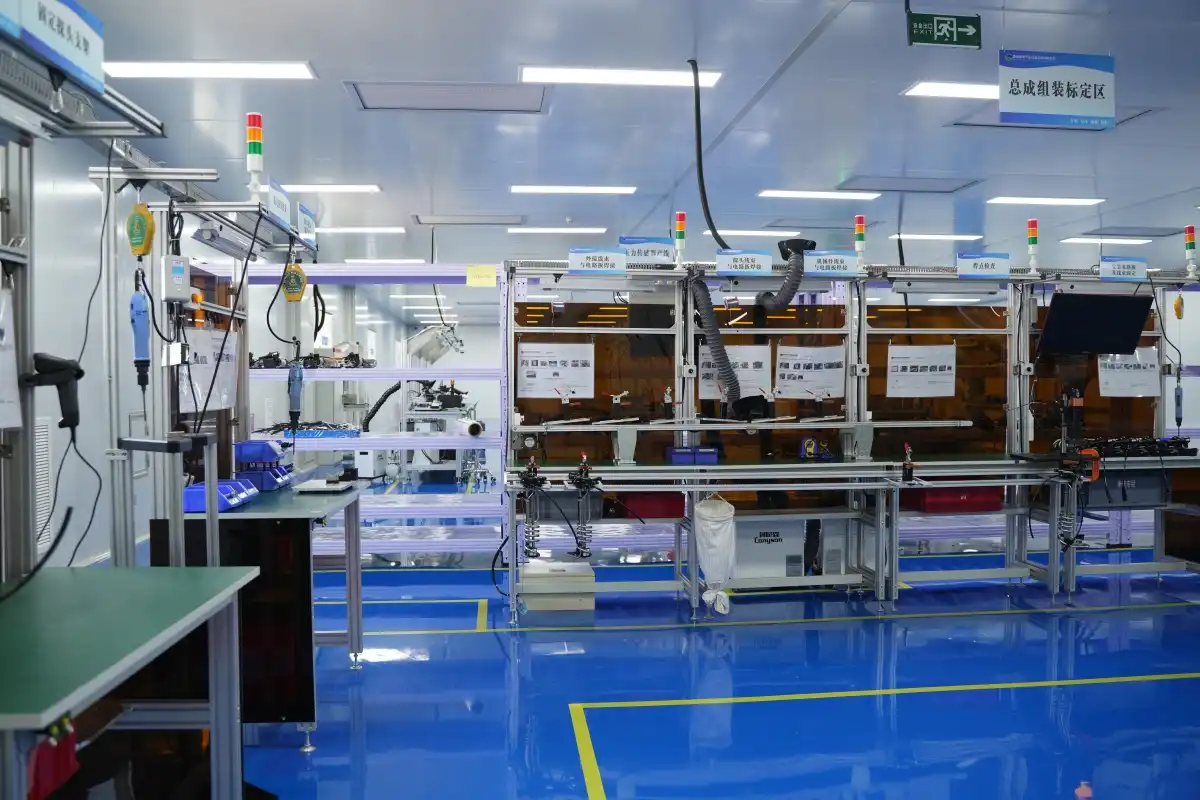
Understanding Ceramic Materials in Pressure Sensors
Choosing the right material is the first step in making an effective pressure monitor. Ceramic materials have special qualities that make them useful in situations where regular sensors cannot do their job.
Why Ceramics Excel in Pressure Sensing
Ceramic products are naturally good at measuring pressure because of the way they are made. Their chemical structure makes them mechanically stiff, so they do not deform when loads are applied for a long time. Chemical inertness makes sure that it can be used with harsh fluids like diesel exhaust gases, hydraulic oils, and corrosive chemicals without breaking down over time. Electrical insulation properties keep signals from getting mixed up, so measurements stay accurate even in places with a lot of electrical noise, like heavy machinery and generator sets.
Piezoresistive concepts explain how these Ceramic Pressure Sensors work. When pressure is put on the ceramic diaphragm, it slightly changes shape. This mechanical stress changes the electrical resistance of integrated pathways, which creates a voltage signal that can be measured and is related to the pressure that is being applied. Because the ceramic is stable, this relationship stays the same after millions of cycles. This makes it useful in situations where measurement drift could threaten safety or legal compliance.
Structural Components and Material Roles
A standard ceramic pressure monitor is made up of a few important parts. The part that is directly exposed to the measured media is called the detecting diaphragm. It is made of high-purity ceramic, which is resistant to wear and chemical attack. Behind this diaphragm, piezoresistive parts turn changes in the shape of the material into electrical signals. The case of the sensor, which usually has ceramic insulators built in, protects the electronics inside and keeps its shape at temperatures ranging from -40°C to 135°C.
The function of the sensor as a whole is affected by the materials used at each level of its structure. The diaphragm's high alumina content (96% Al₂O₃) makes it very hard and resistant to wear, which is important for uses with diesel aftertreatment systems that use exhaust streams that are full of particles. Ceramic bases that hold electronic parts have thermal expansion factors that are the same as sensing elements. This keeps stress-related failures from happening during thermal cycling, which happens a lot when building and farming equipment is used.
Types of Ceramic Materials in Sensor Manufacturing and Their Functions
Manufacturers can improve performance for particular applications by using a variety of materials in Ceramic Pressure Sensors. Knowing about these materials helps technical managers decide if a sensor will work for their integration needs.
Alumina: The Industry Standard
Aluminum oxide (Al₂O₃) is the most common material used to make ceramic sensors because it has a balanced set of properties. Alumina that is 96% pure has a hardness close to 9 on the Mohs scale, which means it does not wear down easily when it comes into contact with particles in hydraulic systems and exhaust gases. Its insulating strength is higher than 10 kV/mm, which protects signals in places with a lot of electrical activity.
The thermal conductivity of alumina makes it easier for heat to escape, which stops measurement errors caused by temperature. In generator set uses, where sensors check temperatures near hot engine parts, this feature is very useful. The chemical stability of the material means that it can handle acidic condensates that are made during the aftertreatment of diesel exhaust. This makes the sensors last longer in SCR and DPF systems, where metal ones break down quickly.
Manufacturing processes leverage alumina's sintering characteristics to produce complex geometries with tight tolerances. This makes it possible to combine pressure ports, mounting features, and electrical connections into small units that can be installed in commercial trucks and building equipment with limited room.
Zirconia: High-Performance Applications
Zirconium dioxide (ZrO₂) is better than alumina at resisting breaking, which makes it perfect for situations with high pressure and shock. Its transformation toughening mechanism absorbs crack-propagation energy through phase changes caused by stress. This makes it resistant to pressure spikes above 600 bar, which are common in hydraulic systems and industrial compressors.
Zirconia's ability to conduct oxygen ions at high temperatures makes it possible for the same ceramic element to be used for both structure and sensing. This property is useful for making exhaust pressure sensors for emission control systems. The materials used in these sensors have to be able to handle being exposed to 800°C+ combustion gases for a long time while still measuring accurately.
Zirconia sensors are more expensive, but they work so well that the higher price is worth it. For example, they are used in backup power systems in mines and power plants where a sensor failure could cause expensive downtime, or they are used for regulatory compliance where measurement accuracy directly affects emission certification.
Specialized Ceramics: Silicon Carbide and Titanates
Silicon carbide (SiC) makes pressure monitors for the harshest conditions very hard and good at conducting heat. It is more resistant to wear than alumina, which means that it can be used for longer periods of time in abrasive slurry tracking and pneumatic moving systems. Because it conducts heat four times better than alumina, it can be used for accurate measurements when temperatures change quickly without drifting.
Titanate-based piezoelectric ceramics can be used to measure dynamic pressure in situations where reaction time is important. These materials create electrical charges straight from mechanical stress without needing an outside excitation voltage. This makes sensor electronics easier to use and lowers power usage, which is helpful for battery-powered mobile devices and remote tracking systems.
Comparing Ceramic Materials with Alternative Sensor Materials
The choice of material has a big effect on how well a sensor works, how much it costs, and whether it is right for a certain application. Ceramic Pressure Sensors have a clear value offer when compared to other options.
Ceramic versus Silicon Sensors
Silicon pressure sensors are used a lot in household gadgets and cars because they are easy to make and work with integrated circuits. In industrial settings, though, their flaws become clear. Because silicon is weak and does not have a high fracture toughness, it can be damaged by mechanical shocks and vibrations that happen a lot in building and farming equipment.
Temperature capabilities show another important difference. Ceramic sensors can work continuously at 135°C with peaks up to 200°C, while silicon sensors usually only work reliably up to 125°C. In diesel engine applications, where temperatures regularly rise above 100°C under the hood and much higher levels are reached during direct exhaust monitoring, this temperature margin is very important.
Chemical interaction makes ceramics very good. Silicon oxidizes in humid, high-temperature places, which shortens its useful life in exhaust aftertreatment uses. Because ceramics are harmless, they can keep working even when they are constantly exposed to the toxic NOx, sulfur compounds, and acidic condensates that are found in emission control systems.
Ceramic versus Metal Sensors
Metal diaphragm pressure monitors are more expensive and harder to make than ceramic ones. In many hydraulic uses, stainless steel versions are strong enough to prevent corrosion. However, metals have fundamental problems that ceramics solve.
Differences in corrosion resistance become very important for long-term dependability. When metal sensors are exposed to road salt, chemical leftovers from farming, or industrial process fluids, they break down faster. Ceramic sensors stay structurally sound and measure accurately for decades in these conditions, which lowers the number of replacements needed and the cost of their whole life.
When used in cyclic loading situations, ceramics are better at withstanding fatigue. After millions of pressure cycles, metal diaphragms break because of stress buildup at welded joints and changes in shape. Ceramic materials are better at resisting wear, which makes them useful for hydraulic load sensing in building equipment, where sensors have to deal with constant changes in pressure over long service intervals.
An engine manufacturer case study demonstrated this advantage. Because the diaphragms wore out after 3,000 hours of use, metal sensors in hydraulic systems had to be replaced. Ceramic alternatives lasted more than 15,000 hours without losing performance, which cut repair costs by 70% while increasing machine uptime—a compelling value proposition for fleet operators focused on total cost of ownership.
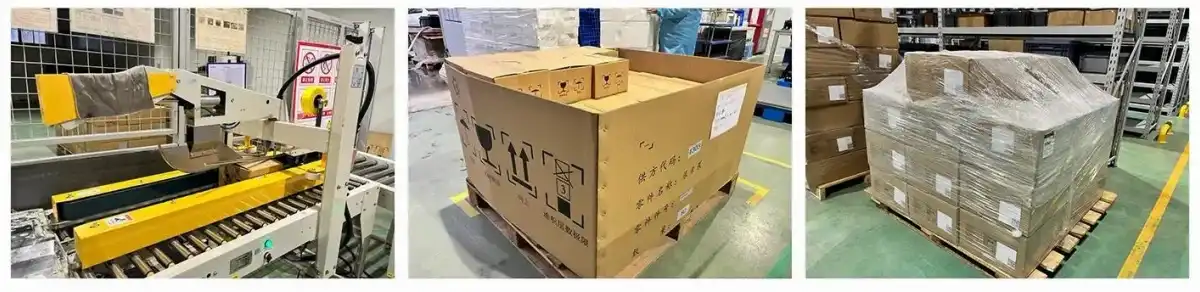
Materials Impact on Sensor Manufacturing Process and Quality
During the manufacturing process, raw ceramics are turned into precise Ceramic Pressure Sensors. Knowing about these steps helps people who buy things judge the skills and quality control methods of suppliers.
Powder Processing and Sintering
Making ceramic sensors starts with making the powder. Milling is the process of separating raw materials into particles of the right size for their density and mechanical properties. Binders and sintering tools are examples of additives that are used to make formulations that meet specific performance needs.
Green bodies, which are unsintered ceramic parts, are pressed into form to make diaphragms, housings, and structural parts. Isostatic pressing techniques make sure that the density is spread out evenly, which stops weak spots that could cause cracks to form during service. Final sensor accuracy depends on how accurate the dimensions are at this stage, since there are not many options for machining after the sintered part is made.
Powder particles are pressed together during sintering to make dense, strong ceramic structures. When alumina's temperature rises to 1600°C, it needs to be carefully managed to reach its target density (98%+ of theoretical) while also controlling grain growth that changes its mechanical properties. Controlling the atmosphere keeps out contaminants that could weaken electrical insulation resistance or cause measurement drift.
Advanced manufacturers use fast sintering methods that shorten the time that materials are exposed to heat. This makes the microstructures finer and the mechanical qualities better. These process improvements directly lead to sensors that are more resistant to shock and have more stable measurements. Aftertreatment system designers value these performance traits because they need sensors that can handle vibration and temperature changes throughout the duration of an emission system.
Quality Control and Customization
During production, the features of the materials are checked. Testing of incoming raw materials confirms their purity and the characteristics of their particles. Monitoring the sintering density and accuracy of the dimensions is done during the process. Electrical testing, pressure cycling, and temperature characterization are all done on finished sensors to make sure they meet performance requirements.
OEM makers stand out because they can customize products. Pressure range optimization by changing the thickness of the diaphragm can be used for a wide range of applications, from vacuum sensing to hydraulic systems with 600 bar or more of pressure. Customizing the electrical output by adjusting the sensitivity and matching the bridge resistance makes it possible to use a drop-in alternative that works with current system designs.
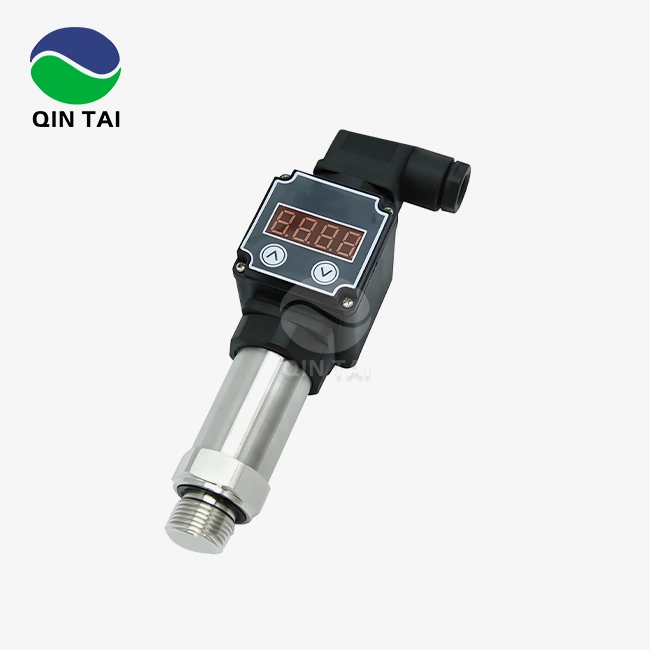
The Qintai QS-P105 model exemplifies this customization approach. Because it is made of 96% Al₂O₃ ceramic, it is accurate to within 0.5% of the full scale from a vacuum to 600 bar of pressure. Non-linearity kept below 0.3% FS provides measurement accuracy for emission control uses where following the rules requires precise tracking of exhaust pressure. Temperature drift specifications of less than 0.05% FS/°C allow stable operation in working temperatures ranging from -40°C to 135°C, which are common in markets around the world.
Procurement Considerations
The choice of material affects both lead times and cost structures. With well-established supply lines and well-known processing factors, standard alumina formulations offer shorter delivery times. For powder procurement and process development, special materials like zirconia or silicon carbide may need longer lead times.
Minimum order quantities reflect ceramic manufacturing economics. Batch sintering methods work best for big production runs because they spread the cost of setup over many units. Suppliers who can do inexpensive small-batch production give you options for developing prototypes and limited-production specialized applications, while high-volume capabilities support mass production requirements of major diesel engine manufacturers.
Cost structures include things like the cost of materials, the difficulty of processing, and the yield rate. Alumina is the most cost-effective choice because it is easy to find and has been used for a long time. Zirconia is very expensive because the raw materials are very expensive and it has to be processed in a certain way. Silicon carbide is the most expensive material and is only used when its special qualities make it better at what it does.
How to Choose the Right Ceramic Pressure Sensor Based on Material Considerations
To choose the right sensors, you have to match the qualities of the material to the needs of the application while also taking into account the costs and schedule of the whole project. Ceramic Pressure Sensors must be selected based on specific environmental and operational demands.
Application-Driven Material Selection
The pressure range needs directly affect the choice of material. Standard alumina sensors work effectively in conditions up to 100 bar and are very cost-effective. Systems that are under more than 400 bar of pressure benefit from zirconia's higher fracture toughness, which means that reliable and safe parts cost more.
Material choices are based on temperature environments. Continuous running below 100°C lets silicon options be thought about for uses that need to save money. When exposed to temperatures above 125°C, ceramic materials are required. Alumina is good for most commercial uses, while zirconia is only used for places where temperatures can change a lot, like in exhaust systems.
When chemicals come into contact with fluids, chemical compatibility is very important. Fluids like diesel fuel, hydraulic oils, and most industrial process fluids do not bother ceramic sensors. For unusual chemicals like strong acids, caustic alkalis, and molten salts, it may be necessary to speed up testing or talk to the technical support teams of sensor manufacturers to make sure the materials are compatible.
Evaluating Supplier Expertise
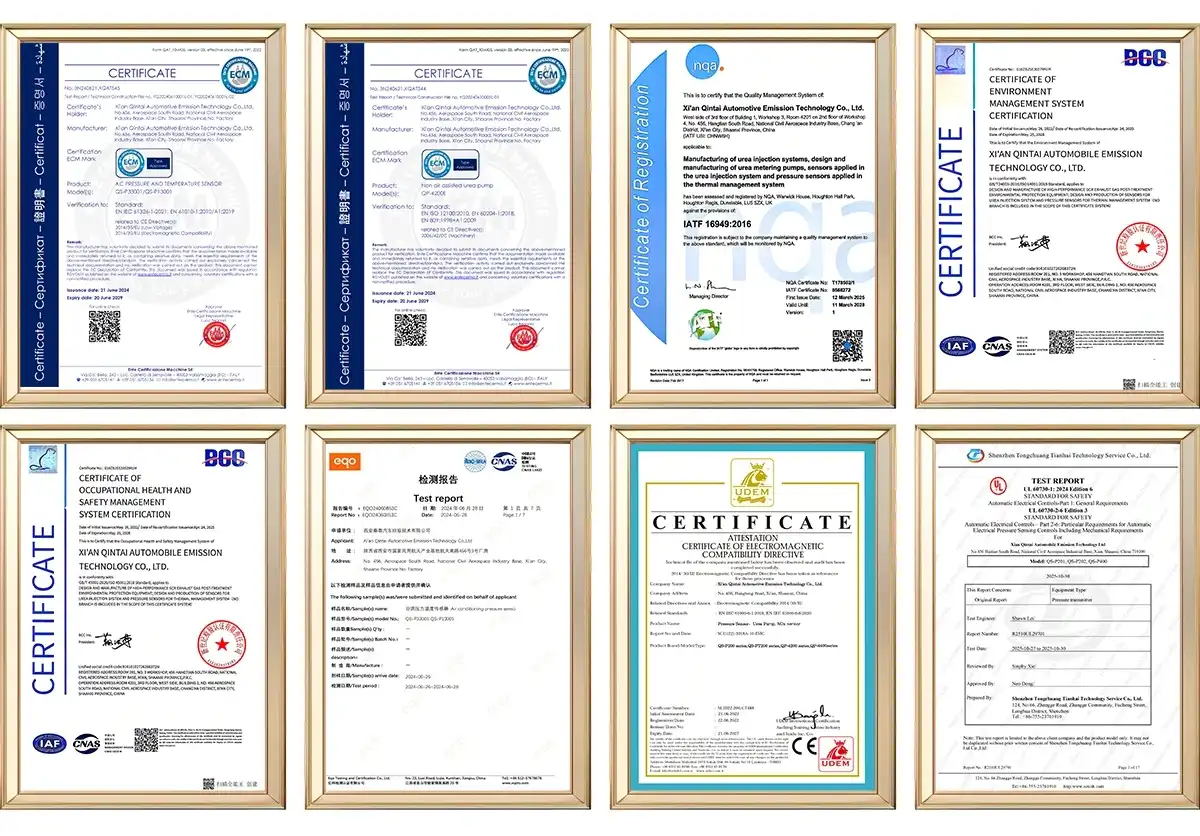
Manufacturer approvals show that they have the quality control skills needed for a reliable sensor supply. Getting ISO9001 approval shows that you know how to set up a simple quality system. IATF16949 certification, which was created especially for automotive supply chains, makes sure that process controls meet the strict needs of uses that need to control emissions. Environmental approvals, such as REACH and RoHS compliance, prove that materials can be tracked and that the chemicals they contain meet the standards needed to enter global markets.
Patent portfolios reveal innovation capabilities. Suppliers with invention rights in ceramic sensor technologies show that they have the technical know-how to meet customers' needs and keep developing new products. The fact that Qintai has 58 invention patents shows that it has been investing in sensor innovation for a long time. This gives technical partners peace of mind that they can do more than just supply standard parts.
Production capacity verification prevents supply chain disruptions. OEM customers that supply heavy truck makers, building equipment makers, and generator set assemblers need providers that can adjust production to match the number of vehicles being made. Site visits or audits by a third party confirm the capabilities of the equipment, the quality control infrastructure, and the inventory management systems that support reliable delivery performance.
Bulk Purchasing Strategies
Minimum order numbers depend on how complicated the sensor is and how much customization is done. Standard catalog sensors may let you place an order as little as 100 units, but custom designs need orders of 1,000 units or more to make the investment in tools and process development worthwhile. Knowing these limits helps purchasing managers plan their purchases in a way that balances the costs of keeping goods with the benefits of buying in bulk.
Lead times include steps for getting materials, planning production, and making sure the quality is good. For repeat customers, standard sensors are sent out within 4 to 6 weeks. For custom setups, the whole process takes 8 to 12 weeks, which includes verifying the plan, making the tools, and inspecting the first product. By planning purchase timelines around these facts, project delays can be avoided and makers can make sure quality standards are met during production windows.
Pricing structures reflect volume commitments and relationship depth. Spot sales cost more because of the time and money needed to set them up and the effects on the plan. When you sign an annual deal with a volume commitment, you can access tiered pricing, which lowers unit costs by a large amount (20–30% for big accounts). Long-term partnerships with strategic suppliers provide access to technical support, customization capabilities, and preferential allocation during supply constraints.
Conclusion
Material selection forms the foundation of ceramic pressure sensor performance, reliability, and lifecycle value. Ceramic Pressure Sensors rely on this material foundation to translate physical stimuli into measurable electrical signals, making the choice of ceramic directly impact sensitivity, long-term drift, and overload tolerance. Alumina's balanced properties make it the default choice for most industrial applications, delivering excellent durability and cost-effectiveness.
Zirconia extends capabilities into extreme pressure and temperature environments where its enhanced toughness justifies premium pricing. Specialized ceramics address niche requirements where specific properties—hardness, thermal conductivity, piezoelectric response—become critical performance differentiators.
Understanding these material characteristics empowers procurement professionals and technical decision-makers to select sensors optimally matched to application demands while managing costs and supply chain considerations. Partnering with experienced manufacturers offering comprehensive certifications, customization capabilities, and proven production capacity ensures sensor supply reliability supporting emission compliance, operational efficiency, and competitive advantage.
FAQ
What advantages do ceramic materials provide in pressure sensors?
Ceramic materials deliver exceptional corrosion resistance, enabling sensors to operate reliably in harsh chemical environments where metal alternatives degrade rapidly. Their thermal stability maintains measurement accuracy across wide temperature ranges from cryogenic to high-heat applications. Mechanical hardness resists abrasive wear from particulate-laden fluids, extending service life in hydraulic and pneumatic systems. These properties combine to reduce maintenance frequency and total ownership costs.
How do alumina and zirconia differ in sensor applications?
Alumina offers excellent general-purpose performance with superior cost-effectiveness, making it ideal for applications to 400 bar and 135°C continuous operation. Zirconia provides enhanced fracture toughness supporting pressures exceeding 600 bar and thermal shock resistance valuable in extreme environments. Alumina serves the majority of industrial applications, while zirconia addresses specialized high-stress requirements justifying its premium pricing.
What should buyers evaluate when selecting ceramic sensor manufacturers?
Verify certifications including IATF16949 for automotive-quality processes and environmental compliance credentials. Assess technical capabilities through patent portfolios and customization experience. Confirm production capacity matches your volume requirements and delivery timelines. Request performance validation data demonstrating compliance with emission regulations relevant to your application. Establish communication channels with technical support teams capable of addressing integration challenges and providing application guidance.
Partner with Qintai for Advanced Ceramic Pressure Sensor Solutions
Qintai, established in 2001 as a national high-tech enterprise, specializes in manufacturing ceramic pressure sensors engineered for demanding industrial applications. Our QS-P105 model exemplifies advanced ceramic technology, featuring 96% Al₂O₃ construction that delivers ≤±0.5% FS comprehensive accuracy across -1 to 600 bar ranges. We serve as the core ceramic pressure sensors supplier to China's leading power manufacturers—Weichai, Yuchai, and Quanchai—holding the No. 1 market position through proven reliability and technical excellence.
With IATF16949, ISO9001, and comprehensive environmental certifications, we support global emission compliance requirements for Euro VI and China VI standards. Our independent R&D team and 58 invention patents enable extensive customization capabilities, tailoring sensor specifications to your exact application requirements. Contact info@qt-sensor.com to discuss your pressure sensing needs and discover how our ceramic sensor expertise can enhance your product performance and regulatory compliance.
References
1. Johnson, M.R. & Williams, K.T. (2022). Advanced Ceramic Materials in Sensor Technology: Properties and Applications. Industrial Press.
2. Chen, L., Zhang, H. & Kumar, S. (2021). Comparative Analysis of Pressure Sensor Materials for Automotive Applications. Journal of Sensor Technology, 45(3), 127-145.
3. Schmidt, P.F. (2023). Manufacturing Processes for Ceramic Electronic Components. Springer Technical Publishing.
4. Anderson, R.J. & Thompson, D.L. (2020). Material Selection Criteria for High-Temperature Pressure Transducers. Industrial Instrumentation Review, 38(2), 89-103.
5. Liu, W., Patel, N. & Hoffmann, B. (2022). Reliability and Lifecycle Performance of Ceramic Pressure Sensors in Diesel Emission Systems. Automotive Engineering International, 52(7), 234-249.
6. European Committee for Standardization (2023). Pressure Sensors: Materials, Testing and Certification Requirements for Automotive Applications. CEN Technical Report TR-17892.
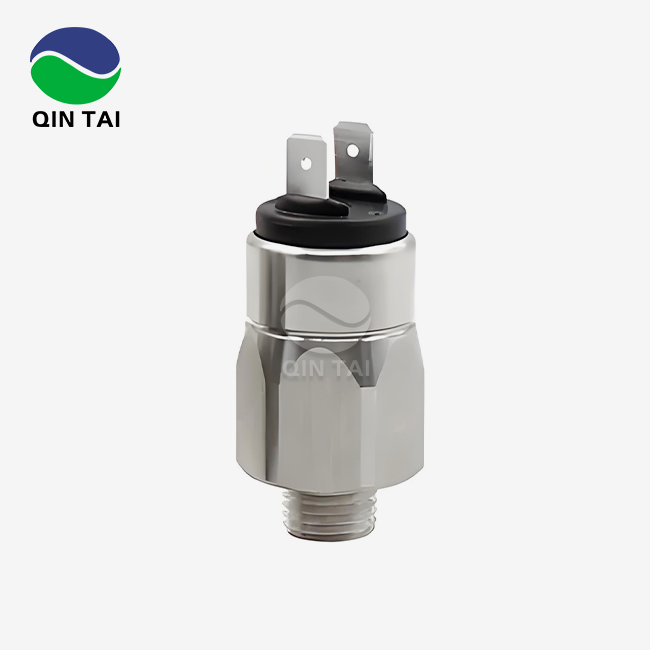
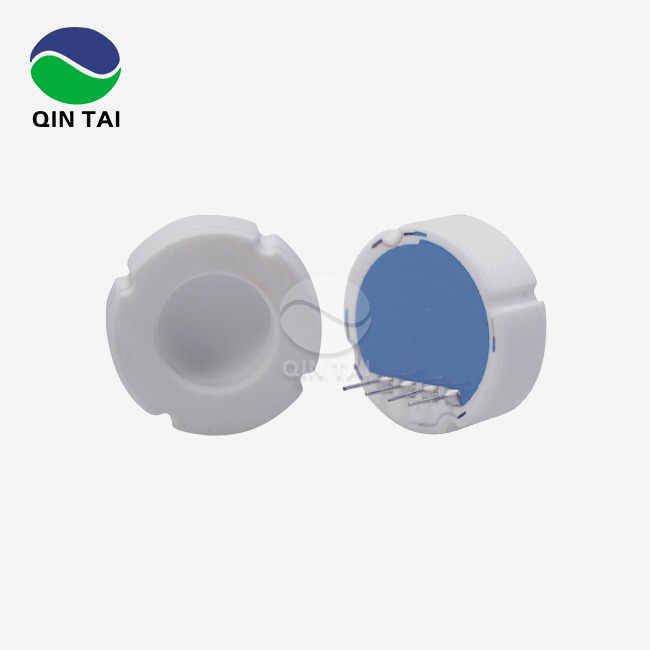
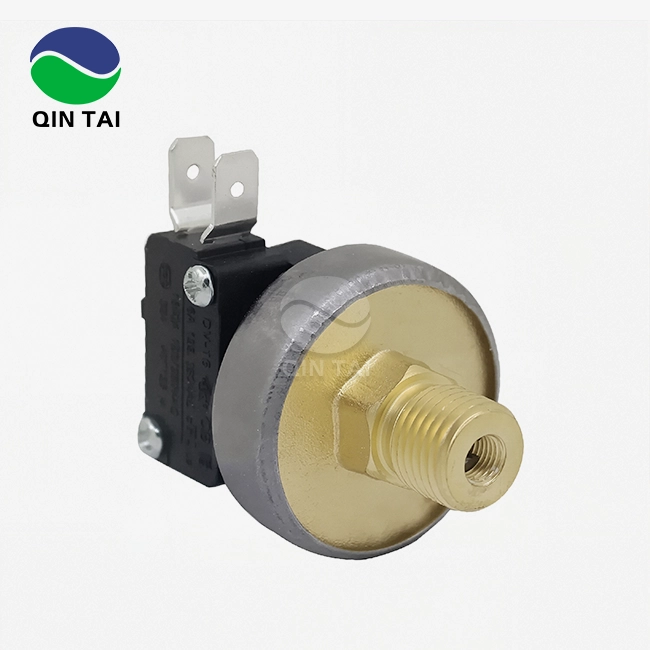

Our customers’ satisfaction speaks for our quality — contact us to experience the same reliable service.