- English
- French
- German
- Portuguese
- Spanish
- Russian
- Japanese
- Korean
- Arabic
- Greek
- German
- Turkish
- Italian
- Danish
- Romanian
- Indonesian
- Czech
- Afrikaans
- Swedish
- Polish
- Basque
- Catalan
- Esperanto
- Hindi
- Lao
- Albanian
- Amharic
- Armenian
- Azerbaijani
- Belarusian
- Bengali
- Bosnian
- Bulgarian
- Cebuano
- Chichewa
- Corsican
- Croatian
- Dutch
- Estonian
- Filipino
- Finnish
- Frisian
- Galician
- Georgian
- Gujarati
- Haitian
- Hausa
- Hawaiian
- Hebrew
- Hmong
- Hungarian
- Icelandic
- Igbo
- Javanese
- Kannada
- Kazakh
- Khmer
- Kurdish
- Kyrgyz
- Latin
- Latvian
- Lithuanian
- Luxembou..
- Macedonian
- Malagasy
- Malay
- Malayalam
- Maltese
- Maori
- Marathi
- Mongolian
- Burmese
- Nepali
- Norwegian
- Pashto
- Persian
- Punjabi
- Serbian
- Sesotho
- Sinhala
- Slovak
- Slovenian
- Somali
- Samoan
- Scots Gaelic
- Shona
- Sindhi
- Sundanese
- Swahili
- Tajik
- Tamil
- Telugu
- Thai
- Ukrainian
- Urdu
- Uzbek
- Vietnamese
- Welsh
- Xhosa
- Yiddish
- Yoruba
- Zulu
Best SCR Dosing Pump Features for Reliable DEF Delivery Systems
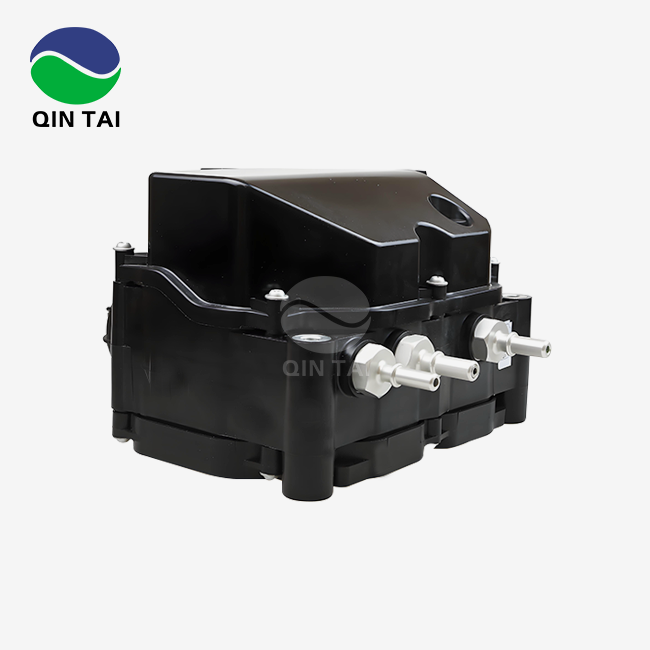
When it comes to reducing NOx emissions from diesel engines, the SCR dosing pump is one of the most important components in the entire aftertreatment chain. It delivers Diesel Exhaust Fluid (DEF) — a urea-water solution — from the tank to the injector at precise pressure and flow rates. Without accurate dosing, the catalytic reduction process breaks down, and your engine risks non-compliance with emission standards like China VI and Euro VI. This guide walks through what makes a high-quality urea dosing pump, how to choose the right one, and how to keep it performing long-term.

Understanding SCR Dosing Pumps and Their Role in DEF Systems
What an SCR Dosing Pump Actually Does
AdBlue (DEF) is taken from the holding tank by a SCR dosing pump and sent to the dosing module at a controlled pressure, which is usually between 4.5 and 9 bar. The pump talks directly to the Engine Control Unit (ECU), which changes the amount of dosing based on real-time data like the load on the engine, the temperature of the exhaust, and feedback from the NOx sensor. This closed-loop control is what keeps emissions within the legal limits even when the operating conditions change.
Where These Pumps Are Used
A lot of diesel-powered machines have DEF delivery methods. To meet government standards, heavy trucks, building equipment, farm machines, industrial generator sets, and power plant engines all need to be injected with urea correctly. Long-term use makes pump longevity even more important in stationary uses like mine generators or backup power units.
Why Material Compatibility Matters
DEF is a 32.5% urea solution that breaks down common plastics and many metals over time. Chemically resistant materials, like stainless steel, PTFE, or EPDM rubber, must be used to make pump housings, diaphragms, and seals. Pumps made of materials that don't work well together break down early and pollute the fluid, which damages the catalyst and causes costly downtime.
Core Features That Define the Best SCR Dosing Pump for Commercial Use
Precise and Adjustable Flow Rate
When it comes to engine size and load, the best SCR dosing pumps have a range of flow rates that can be used. The range for this is from 0.05 to 2.0 L/hour for most industrial diesel engines. The system can react flexibly without having to be re-calibrated by hand because the dosing can be changed using ECU signals. This is very important for mass production settings where consistency across thousands of units is important.
Integrated Design with Heater and Filter
Good pumps have a filter, a heater, and a temperature sensor all built into one module. DEF freezes at -11°C (12°F), which makes it hard to use in cold places. Before dose starts, the built-in heater melts any frozen fluid, and the system stops injection until the solution temperature is above freezing. This unified method makes installation easier and cuts down on failure points.
Here are the core advantages that Qintai's urea dosing pump delivers in commercial applications:
- High dosing accuracy — Stable output even when pressure and temperature change saves catalyst performance and keeps NOx readings within the range allowed.
- Compact, integrated module — The pump, filter, heater, and purge valve are all built into one unit, which cuts down on connecting time and the number of places where leaks could happen during installation.
- Freeze protection and automatic purge — When the pump is turned off, it clears any leftover DEF from the lines. This keeps ice from forming and increases the life of parts in cold places.
- Low energy draw — Power use stays low even during long operation, which is important for generator sets where parasitic loads can change the efficiency rates.
- Wide temperature operating range — Made to work reliably from -40°C to +85°C, so it can be used on construction sites in the Arctic and power plants in the desert.
Because of these benefits, OEM procurement teams and aftertreatment system integrators can get the durability and stability they need for consistent performance across mass production runs.
Noise Control and Energy Efficiency
Commercial DEF uses electric diaphragm pumps most of the time because they are quiet and use little power. Pneumatic types work well in heavy-duty industrial settings, but they need a source of air. OEMs that are building sealed cab machines or generator sets close to occupied areas should make sure that the noise output is less than 60 dB.
How to Choose the Right SCR Dosing Pump for Your DEF System
Match Pump Type to Application
In DEF systems, there are three main types of pumps, including the SCR dosing pump. Diaphragm pumps work best for off-road and on-road trucks because they can handle changes in pressure well. It is less common for peristaltic pumps to be used in automotive SCR, but they can handle thicker fluids. Gear pumps can keep a steady flow of high-pressure air going to big diesel engines that stay in one place. By matching the type of pump to the job, you can avoid over-engineering and keep costs down.
Evaluate Technical Parameters Before Ordering
Before choosing a supplier, make sure these specs match what your engine needs:
- Operating pressure range (bar)
- Flow rate accuracy (±%)
- Voltage compatibility (12V / 24V DC)
- Communication protocol (CAN bus, PWM, or analog signal)
- Certification compliance (ISO9001, IATF16949, China VI, Euro VI)
Early in the planning process, R&D experts should make sure that the ECUs will work with the car. Purchasing managers should make sure that the seller has the pollution approvals that their target markets need.
Assess Supplier Capability for Long-Term Partnership
You can tell if a seller can grow with your business by looking at their production ability, list of certifications, and customer service after the sale. Qintai was founded in 2001 and is approved to ISO9001 and IATF16949 standards. As a major OEM partner, Weichai Power, Yuchai Power, and Quanchai Power buy SCR dosing pumps from them. In China, they have the largest market share in this area. Qintai serves both OEM development projects and large-scale production orders. It has filed 58 invention patents and has active distribution in more than 60 countries.

Maintenance Best Practices for Sustained SCR Dosing Pump Performance
Routine Inspection Schedule
Every 50,000 km or 500 hours of use, whichever comes first, check the DEF pump. Check the fittings for external leaks, look at the state of the filter, and look at the ECU's diagnostic data for dose deviation alerts. Early detection of pressure drop or flow inconsistency stops catalyst degradation and keeps you in line with the rules.
Calibration Procedure
Calibration drift happens when wear on the pump changes the real output from what was asked for. Use the OEM troubleshooting tool that is attached to the ECU to re-calibrate. In the control program, you can change the compensation numbers and compare the ordered and measured flow rates. Recalibrate after replacing any parts.
Installation and Temperature Management
Put the SCR dosing pump away from direct heat sources, like exhaust pipes and engine parts that are hotter than 90°C. This will protect the case. To avoid air locks, keep the DEF line pointing slightly lower toward the pump outlet. To avoid micro-leaks that lead to crystallization buildup, make sure you follow the manufacturer's torque recommendations for fittings.
Case Studies & Verification: Proven Results from Industry Leaders
OEM Integration Performance Data
Field data from heavy truck OEMs that use Qintai SCR dosing pumps shows that the pumps are accurate to within ±2% of the full load cycle. In tests for China VI compliance, units kept their NOx conversion rate above 92% for more than 200,000 km of endurance runs. These results help buyers make decisions about what to buy when they need written proof of success from suppliers before they can approve the deal.
Aftermarket and Retrofit Applications
Repair shops and companies that sell parts say that Qintai replacement pumps can be used with current DEF systems on big heavy-duty platforms without the need for special connections. The plug-and-play flexibility cuts down on workshop labor time and the number of parts that need to be kept in stock, which is a direct benefit for buying managers in the aftermarket who are focused on saving money and making the best use of their stock.
Trends Shaping Future DEF Pump Technology
The way dosing systems work is changing because of automation and the addition of sensors. Newer SCR dosing pumps have built-in sensors that show when a filter is clogged or a heater stops working before they cause a system fault. Researchers working on new polymer composites are also finding ways to make service intervals longer. This lowers the total cost of ownership for both fleet operators and generator set maintainers.

Conclusion
Picking the correct SCR dosing pump can impact emissions compliance, machine downtime, and the overall cost of running the system over time. Every choice about what to buy should be based on the five most important factors: accurate dosing, material compatibility, ECU integration, freeze protection, and source approval.
The technical specifications of the pump and the reliability of the supplier are both important, whether you are in charge of an OEM program for heavy trucks, integrating SCR systems, or finding replacement parts for commercial vehicles. Buying an approved, tried-and-true DEF pump from a company that has shown it can make a lot of them will protect both your tools and your compliance record.
FAQ
How often should I recalibrate my DEF dosing pump?
Recalibrate when it's time for maintenance, which is usually every 50,000 km or 500 hours, or whenever the ECU sensors show that the dose isn't working right. When you replace the pump or any other major part in the DEF delivery line, you should always recalibrate.
How does the pump handle freezing conditions?
When the temperature gets close to freezing, the built-in warmer turns on. The pump stops putting in DEF until the temperature of the fluid is safe for use. When the engine is turned off, an automatic purge cycle clears any remaining fluid from the lines so that ice doesn't form overnight.
Is the urea dosing pump compatible with CAN bus systems?
Yes. Depending on the ECU platform, most commercial-grade SCR dosing pumps can talk to each other through a CAN bus, a PWM signal, or an analog signal. To avoid delays in merging, check with your seller about the protocol requirements before placing your order.
Can I use these pumps in stationary generator set applications?
Yes, generator sets in mines, power plants, and backup power installations can use industrial-grade DEF pumps that are rated for continuous duty use. For these tough conditions, look for pumps that can handle a wide range of temperatures and longer periods of time between servicing.
What certifications should a reliable DEF pump supplier hold?
At the very least, look for quality management certifications like ISO9001 and IATF16949. You should also look for proof that the product meets the emission standards for the rule you want to follow, like China VI, Euro VI, or EPA Tier 4. Explosion-proof (Ex) and CE ratings make things more useful in business settings.
Partner with Qintai for Your SCR Dosing Pump Supply
Since 2001, Qintai has been supplying SCR dosing pumps to major diesel engine OEMs. Their products include heavy trucks, construction machinery, agricultural equipment, and generator sets, and they have ISO9001, IATF16949, CE, and UL certifications. Qintai is ready to help you with your next project because they are a trusted SCR dosing pump maker that has a track record of mass production and OEM/ODM customization support. To get specs or a price quote for production, email our team at info@qt-sensor.com or go to qt-sensor.com.
References
1. Johnson, T. V. (2014). Review of Diesel Emissions and Control. SAE International Journal of Fuels and Lubricants.
2. U.S. Environmental Protection Agency. (2016). Diesel Exhaust Fluid (DEF) and SCR Technology Overview. EPA Office of Transportation and Air Quality.
3. Koebel, M., Elsener, M., & Kleemann, M. (2000). Urea-SCR: A Promising Technique to Reduce NOx Emissions from Automotive Diesel Engines. Catalysis Today, Elsevier.
4. International Organization for Standardization. (2018). ISO 22241: Diesel Engines — NOx Reduction Agent AUS 32. ISO Publications.
5. Majewski, W. A., & Khair, M. K. (2006). Diesel Emissions and Their Control. SAE International.
6. European Commission Joint Research Centre. (2019). Euro VI Heavy-Duty Vehicles: Analysis of Real-World Emission Performance. Publications Office of the European Union.

Our customers’ satisfaction speaks for our quality — contact us to experience the same reliable service.