- English
- French
- German
- Portuguese
- Spanish
- Russian
- Japanese
- Korean
- Arabic
- Greek
- German
- Turkish
- Italian
- Danish
- Romanian
- Indonesian
- Czech
- Afrikaans
- Swedish
- Polish
- Basque
- Catalan
- Esperanto
- Hindi
- Lao
- Albanian
- Amharic
- Armenian
- Azerbaijani
- Belarusian
- Bengali
- Bosnian
- Bulgarian
- Cebuano
- Chichewa
- Corsican
- Croatian
- Dutch
- Estonian
- Filipino
- Finnish
- Frisian
- Galician
- Georgian
- Gujarati
- Haitian
- Hausa
- Hawaiian
- Hebrew
- Hmong
- Hungarian
- Icelandic
- Igbo
- Javanese
- Kannada
- Kazakh
- Khmer
- Kurdish
- Kyrgyz
- Latin
- Latvian
- Lithuanian
- Luxembou..
- Macedonian
- Malagasy
- Malay
- Malayalam
- Maltese
- Maori
- Marathi
- Mongolian
- Burmese
- Nepali
- Norwegian
- Pashto
- Persian
- Punjabi
- Serbian
- Sesotho
- Sinhala
- Slovak
- Slovenian
- Somali
- Samoan
- Scots Gaelic
- Shona
- Sindhi
- Sundanese
- Swahili
- Tajik
- Tamil
- Telugu
- Thai
- Ukrainian
- Urdu
- Uzbek
- Vietnamese
- Welsh
- Xhosa
- Yiddish
- Yoruba
- Zulu
Best SCR Dosing System Suppliers for Heavy-Duty Diesel Fleets
When heavy-duty diesel fleets face tightening emission mandates, selecting a reliable SCR dosing system becomes a mission-critical procurement decision. A well-engineered selective catalytic reduction system precisely injects DEF (Diesel Exhaust Fluid / AdBlue) into the exhaust stream, converting harmful NOx gases into nitrogen and water vapor. At Qintai, we've spent over two decades refining urea dosing technology for OEMs, aftertreatment integrators, and fleet operators across more than 60 countries. This guide walks you through everything you need to evaluate suppliers, select the right system, and keep your fleet compliant and running at peak efficiency.

Understanding SCR Dosing Systems and Their Role in Emission Reduction
How Selective Catalytic Reduction Works?
An SCR dosing system operates by injecting a precise volume of urea solution upstream of a catalyst substrate. The heat of the exhaust triggers a hydrolysis reaction, producing ammonia, which then reacts with NOx molecules across the catalyst surface. The output: harmless nitrogen gas and water vapor. According to the EPA, heavy-duty diesel vehicles account for roughly 23% of transportation-related NOx emissions in the United States, making SCR adoption not just regulatory necessity but an environmental imperative.
Core Components That Drive Performance
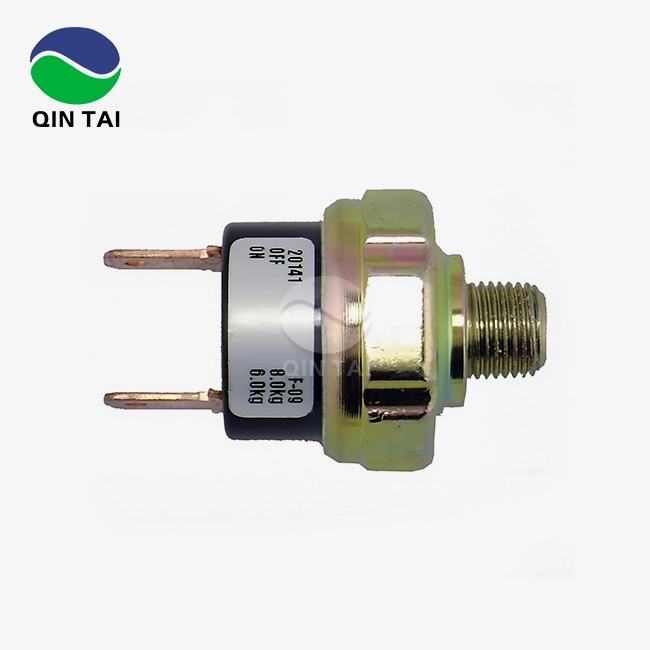
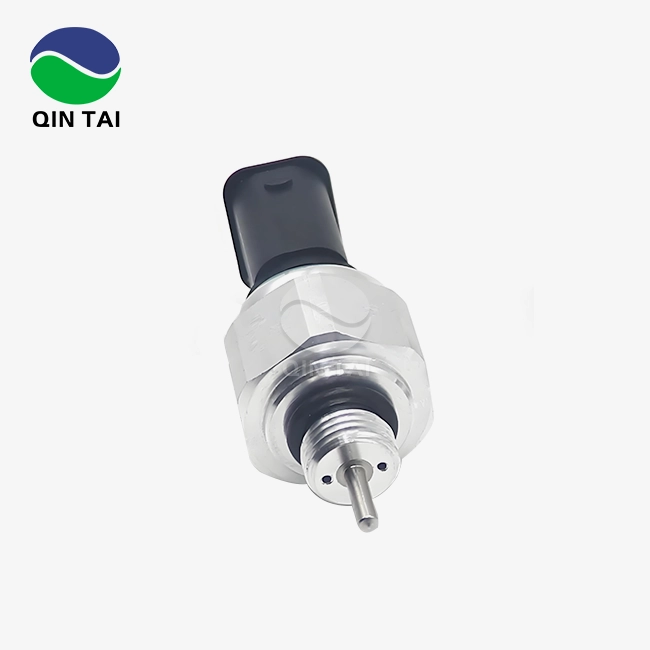
The system relies on several interconnected components working in tight coordination. The urea dosing pump maintains hydraulic pressure within a calibrated range. The DEF injector atomizes the reductant into the exhaust stream. The urea pressure sensor — a component Qintai has refined extensively — provides closed-loop feedback to the Dosing Control Unit (DCU), detecting pressure drops caused by leaks or blockages and identifying overpressure conditions triggered by frozen AdBlue or faulty valves.
Meanwhile, the urea tank communicates with the SCR system through an integrated level sensor, temperature sensor, and quality sensor, ensuring the AdBlue concentration stays within specification at all times. Applications span heavy trucks, construction excavators, agricultural tractors, stationary generator sets, and marine diesel engines — virtually every platform running a modern diesel powerplant.
Evaluating the Best SCR Dosing System Suppliers for Heavy-Duty Fleets
What Separates a Strategic Supplier from a Commodity Vendor?
Choosing the right SCR dosing system supplier goes beyond price comparison. Procurement professionals in the United States and globally need a partner who delivers certification-backed quality, consistent mass production, and responsive technical support. Brands like Bosch, Delphi, Denso, Continental, and Cummins are widely recognized in this space, each offering strong engineering heritage.
Qintai positions itself differently. Established in 2001 and recognized as a national high-tech enterprise in China, Qintai serves as the No. 1 OEM supplier by market share for partners including Weichai Power, Yuchai Power, and Quanchai Power. The company holds ISO 9001, IATF 16949, CE, UL, CMC, Ex, REACH, and RoHS certifications, with 58 invention patents applied. For purchasing managers who need auditable credentials and R&D engineers who demand technical depth, Qintai meets both requirements under one roof.
Here are the core attributes that procurement teams consistently prioritize when evaluating SCR system suppliers:
• Dosing Accuracy and Pressure Stability: Qintai's urea dosing pressure sensors deliver real-time feedback within tight tolerance bands, preventing both under-dosing (NOx non-compliance) and over-dosing (urea crystallization and catalyst fouling). The sensor's internal flow path uses a dead-volume minimization design to resist crystallization buildup.
• Broad Engine Compatibility: Systems must interface with diverse ECU architectures. Qintai supports both 0.5V–4.5V analog and SENT digital output protocols, ensuring compatibility across multiple OEM calibration environments.
• Freeze Resistance: AdBlue expands approximately 9% when frozen. Qintai's pressure sensors incorporate a flexible internal buffering structure that accommodates this volumetric change without diaphragm damage.
These attributes collectively address the most persistent pain points fleet operators report — unexpected limp-mode triggers, fault code P204B events from signal drift, and injector crystallization during cold-weather operations. Qintai's gold-plated connector terminals specifically mitigate the connector pin contamination that causes P204B circuit range faults.

How to Choose the Right SCR Dosing System for Your Fleet: A Procurement Guide?
Matching System Specifications to Operational Demands
Before issuing an RFQ, your technical team should map three variables: fleet size and duty cycle intensity, engine platform diversity, and the emission standard your market enforces (EPA Tier 4 Final, Euro VI, or China VI). Long-haul trucks demand sensors rated for over one million kilometers of vibration and thermal cycling. Construction and mining equipment needs components validated for high-dust, high-shock environments. Generator sets running in mines or power plants require industrial-grade durability with documented mean-time-between-failure data.
Total cost of ownership deserves equal weight alongside unit price. A lower-cost SCR dosing system unit with a 40% higher failure rate will cost significantly more over a 15,000–20,000 operating hour service life — the benchmark Qintai designs its sensors to meet. Qintai offers OEM and ODM services, supporting custom interface configurations, specialized thread specifications (M10×1 or M12×1.5), and application-specific parameter calibration. For aftertreatment system integrators managing SCR/DPF solution platforms, this flexibility reduces integration lead time and eliminates costly ECU recalibration cycles.
Maintenance, Troubleshooting, and Maximizing SCR Dosing System Performance
Proactive Practices That Protect Your Investment
Routine maintenance keeps NOx conversion efficiency above the regulatory threshold and extends component service life. At minimum, fleet maintenance programs should include periodic injector flushing to prevent urea crystallization, pressure sensor inspection for signal drift, and DEF quality verification to ensure 32.5% urea concentration integrity.
When fault codes appear, systematic diagnosis matters. A pressure drop reading from the urea dosing pressure sensor typically signals a leak, blockage, or air entrainment in the supply line. An overpressure reading points toward a frozen DEF tank or a stuck pressure regulation valve. Qintai's sensors support manufacturer-assisted diagnostics, and the company's technical team provides after-sales response to help integrators and repair shops resolve faults efficiently within the SCR dosing system. Software calibration updates from the DCU manufacturer should be applied on schedule. A miscalibrated dosing map causes reagent waste and risks SCR catalyst degradation — both expensive problems that proactive maintenance prevents.
Future Trends in SCR Dosing Systems and Emission Control Technologies
Smarter Systems for a Stricter Regulatory Environment
The next generation of exhaust aftertreatment technology is converging with telematics. Fleet management platforms are beginning to ingest real-time sensor data — including urea pressure, temperature, and DEF quality signals — to trigger predictive maintenance alerts before a fault code disrupts operations. This shift from reactive to predictive maintenance reduces unplanned downtime significantly for any SCR dosing system.
Emission regulations globally are tightening further. The EPA's proposed HD Phase 3 standards signal that NOx limits for heavy trucks will decrease substantially through the 2030s. Qintai's ongoing R&D investment targets smarter dosing algorithms, enhanced sensor durability for electrified hybrid diesel platforms, and expanded international certifications to support customers across North America, Europe, and the Middle East.
Conclusion
Selecting the right SCR dosing system supplier is a decision that shapes fleet compliance, operational continuity, and long-term cost efficiency. The evidence is clear: accurate urea pressure sensing, freeze-resistant hardware, and certified manufacturing quality are non-negotiable for heavy-duty applications. Qintai combines two decades of SCR aftertreatment expertise, No. 1 OEM market position in China, and globally recognized certifications to deliver solutions that hold up under demanding real-world conditions. Whether you manage a heavy truck fleet, operate construction machinery, or manufacture generator sets, Qintai offers the technical depth and supply chain reliability your procurement strategy demands.

FAQ
Q1: What is the difference between an SCR dosing system and a traditional urea injection system?
A: A traditional urea injection system operates on open-loop control, injecting a fixed volume regardless of real-time exhaust conditions. A modern SCR dosing system uses closed-loop feedback from sensors — including the urea dosing pressure sensor — to adjust injection volume dynamically. This delivers higher NOx conversion efficiency and prevents both reagent waste and catalyst degradation.
Q2: How often should SCR system components be serviced?
A: Service intervals depend on duty cycle intensity and operating environment. In standard commercial applications, dosing pressure sensors are rated for 15,000–20,000 operating hours. Injectors and filters benefit from inspection every 100,000 km or annually, whichever comes sooner. Harsh environments like mining sites or high-dust construction zones warrant shorter intervals.
Q3: Can Qintai customize SCR dosing components for specific OEM platforms?
A: Yes. Qintai provides full OEM and ODM services, including custom thread specifications, output signal protocols (analog or SENT), and calibration parameters tailored to specific ECU architectures. This flexibility supports both new platform integration and retrofit applications in the commercial vehicle aftermarket.
Q4: What causes fault code P204B, and how is it resolved?
A: P204B typically results from signal drift caused by sensor aging or contaminated connector pins. Qintai's urea dosing pressure sensors use gold-plated terminals to resist corrosion-driven signal degradation, reducing P204B incidence significantly.

Partner with Qintai — Your Trusted SCR Dosing System Manufacturer
Qintai delivers precision-engineered SCR dosing system solutions backed by IATF 16949 certification, 58 invention patents, and a proven track record as China's No. 1 OEM supplier. Our technical team is ready to support your next procurement cycle — whether you need standard components, custom-designed sensors, or high-volume supply agreements. Reach out today to request a product catalog or technical consultation. Contact us at info@qt-sensor.com to begin your inquiry.
References
1. U.S. Environmental Protection Agency (EPA). Regulatory Impact Analysis for Heavy-Duty Engine and Vehicle Standards. EPA, 2022.
2. International Council on Clean Transportation (ICCT). Euro VI Emission Standards: Heavy-Duty Vehicles. ICCT, 2021.
3. SAE International. Advances in Selective Catalytic Reduction Systems for Heavy-Duty Diesel Applications. SAE Technical Paper Series, 2020.
4. Dieselnet Technology Guide. Urea SCR for Mobile Applications. Dieselnet, 2023.
5. Transport & Environment. Heavy-Duty Vehicles and NOx Emissions: Policy and Technology Review. Transport & Environment, 2022.
6. Society of Automotive Engineers. DEF Dosing Precision and SCR Catalyst Performance in Commercial Vehicles. SAE International Journal of Engines, 2021.


Our customers’ satisfaction speaks for our quality — contact us to experience the same reliable service.