- English
- French
- German
- Portuguese
- Spanish
- Russian
- Japanese
- Korean
- Arabic
- Greek
- German
- Turkish
- Italian
- Danish
- Romanian
- Indonesian
- Czech
- Afrikaans
- Swedish
- Polish
- Basque
- Catalan
- Esperanto
- Hindi
- Lao
- Albanian
- Amharic
- Armenian
- Azerbaijani
- Belarusian
- Bengali
- Bosnian
- Bulgarian
- Cebuano
- Chichewa
- Corsican
- Croatian
- Dutch
- Estonian
- Filipino
- Finnish
- Frisian
- Galician
- Georgian
- Gujarati
- Haitian
- Hausa
- Hawaiian
- Hebrew
- Hmong
- Hungarian
- Icelandic
- Igbo
- Javanese
- Kannada
- Kazakh
- Khmer
- Kurdish
- Kyrgyz
- Latin
- Latvian
- Lithuanian
- Luxembou..
- Macedonian
- Malagasy
- Malay
- Malayalam
- Maltese
- Maori
- Marathi
- Mongolian
- Burmese
- Nepali
- Norwegian
- Pashto
- Persian
- Punjabi
- Serbian
- Sesotho
- Sinhala
- Slovak
- Slovenian
- Somali
- Samoan
- Scots Gaelic
- Shona
- Sindhi
- Sundanese
- Swahili
- Tajik
- Tamil
- Telugu
- Thai
- Ukrainian
- Urdu
- Uzbek
- Vietnamese
- Welsh
- Xhosa
- Yiddish
- Yoruba
- Zulu
Best Sensor Technologies for DEF Tank Level Monitoring
The tank level sensor you use for tracking Diesel Exhaust Fluid affects its performance, reliability, and maintenance costs. Ultrasonic and capacitive sensors are the most used DEF sensors because they function well with the fluid's acidic composition and remain accurate throughout temperature. Considering regulatory criteria and long-term cost-effectiveness, this guide helps buying managers and engineers pick heavy-duty diesel sensors.
Overview of Tank Level Sensor Technologies for DEF Monitoring
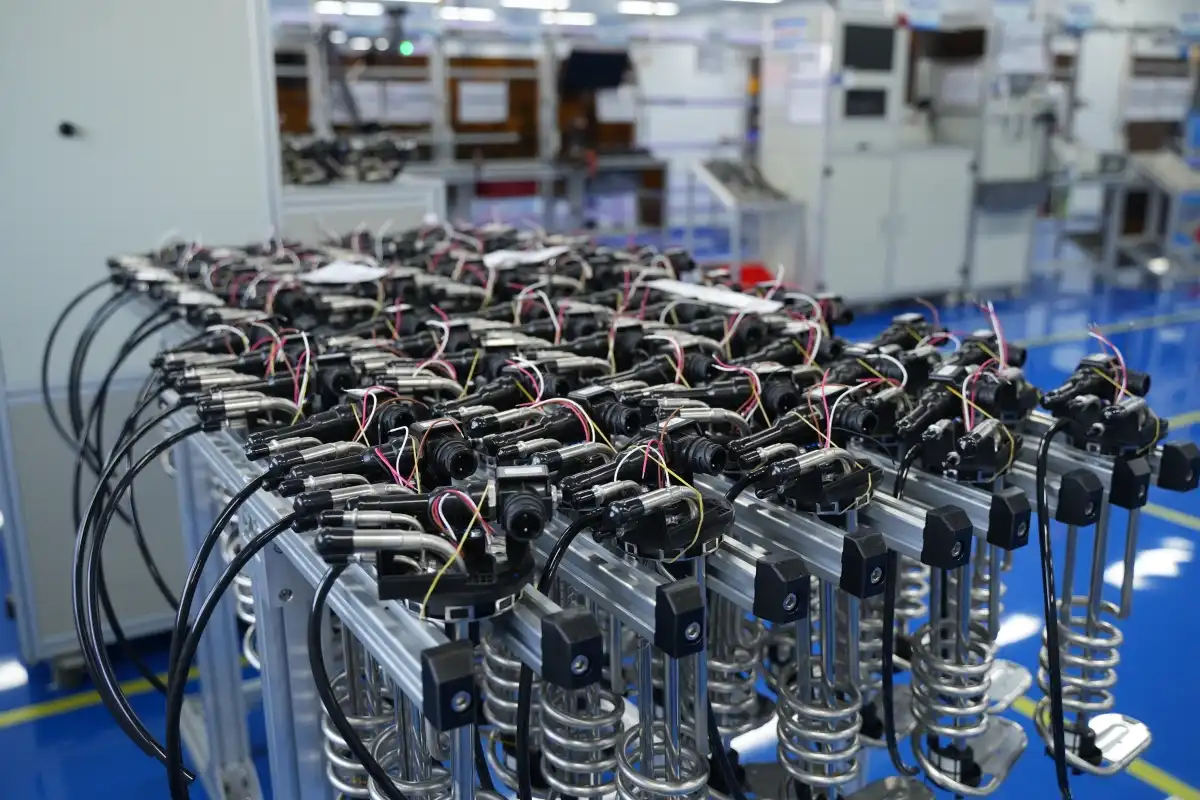
Knowing each technology's pros and cons helps match responses to actual problems. varying sensing principles react differently with DEF's chemical properties, delivering varying benefits depending on tank setup and weather.
Ultrasonic Level Sensors
Ultrasonic devices send sound waves toward the top of the fluid and measure distance using echo return time. It works by sending out a tiny pulse of ultrasonic sound and measuring how long it takes to reach and return. Ultrasonic air transducers are stimulated by pulse emitters. This sends a wave into the air, bounces off the DEF surface, and returns to the transducer in receiver mode. The monitor calculates distance by multiplying Time by Speed by 2. That ensures the measurement is repeated. This approach doesn't touch the fluid, therefore corrosion and maintenance are reduced.
Temperature affects sound speed via air, therefore quality monitors need automated correction. Keeping the gadget 10–30 cm from tank walls prevents wall reflection sounds. In larger tanks, not putting it in the middle prevents mixer and agitator interference. Small variants with M18 threading operate well in restricted spaces like truck-mounted DEF systems, while those with dead zones under 5 cm work best in tanks under 1 m high.
Capacitive Level Sensors
Capacitive technology measures the electrical field capacitance between a probe and the tank wall when fluid levels vary. The dielectric constant of DEF is substantially different from air. This creates capacitance variations that may be measured and correlated to levels. This approach is highly accurate, frequently within ±0.5% of full scale, ideal for emission control systems requiring precise dosage calculations.
To manage long-term DEF exposure, the probe must be built of chemically resistant materials like ceramic insulators or PTFE coatings since it touches fluid. The tank shape affects capacitance measurements more than ultrasonic systems. This implies some vessel types require calibration. These sensors operate well in confined tanks where air or foam can block ultrasonic signals. They may be added to aftertreatment systems due to their compact size and easy wiring.
Pressure-Based and Emerging Technologies
When selecting a tank level sensor, submersible pressure monitors may detect DEF levels in closed tanks using sealed gauge pressure systems or vent tubes to account for internal pressure variations. Radar devices can function under changing temperatures and pressures, although they cost more initially. Multi-sensor hybrid systems are more dependable since they take several readings. They are tempting for circumstances where sensor failure might cause regulatory infractions or expensive equipment damage.
Trade-offs are evident in these tools. Ultrasonic sensors cost $150–$400 and require little maintenance. To breathe, they need a clean space above the fluid. Depending on tool length and material, capacitive devices cost $200–$600. They're accurate but need regular cleaning. Cheap pressure monitors, which cost $100 to $350, may detect hydrostatic pressure in smaller tanks, but they must be placed correctly for reliable readings.
How to Choose the Best Sensor Technology for DEF Tank Level Monitoring?
Systematic reviews let you buy sensors without guessing. F-1 screening ranks elements by importance in different operational conditions.
Measurement Accuracy Requirements
Emission systems detect exhaust flow demand with at least 1% accuracy to deliver DEF at precise levels. Construction equipment in unclean areas may tolerate a ±2-3% deviation to save money and reduce dosage. Define your error tolerance by checking at DEF use. A 100-gallon tank that consumes 2 gallons of DEF daily may withstand more error than a 10-gallon tank using the same amount.
Environmental Operating Conditions
Sensors in mobile apps are shook, can become wet, and can fluctuate from -40°F to 140°F. Climate-controlled buildings' stationary generator sets can employ more technologies due to their milder atmosphere. Match sensor IP grade to exposure—IP67 is needed for outdoor mobile usage, IP65 for protected stationary locations. Sensors that fulfill IATF 16949 automotive specifications undergo vibration and temperature shock testing for large equipment.
Installation and Integration Complexity
Ultrasonic placement is superior than capacitive probes for retrofitting tanks since it doesn't need piercing and shutting the tank. Sensor placement can be determined during equipment design. Consider electrical connections. For diagnostic data, newer electronic control units should use CAN bus or RS485 digital protocols, whereas older control systems use 4-20mA analog outputs. Sensors with configurable empty and full setpoints allow tank designs to be accommodated without recalibration.
Total Cost of Ownership Analysis
About 30–40% of ownership costs for a tank level sensor are paid upfront. Consider the installation time (ultrasonic fixing takes 30 minutes, capacitive probe installation with tank modifications takes 2 hours), calibration (most technologies require annual calibration), and replacement frequency. A $600 capacitive sensor that lasts 8 years and has to be cleaned every two years is better than a $250 ultrasonic device that breaks down from heat cycles and needs to be replaced every three years.

SENSOR+TEST, June 9 – 11, 2026
We look forward to your visit,warmly welcome to our booth 1-634!
Get your free ticket online now:
https://www.sensor-test.de/service/ticket/?52790
Installation, Calibration, and Maintenance Best Practices for DEF Tank Sensors
Sensor performance in real life depends on proper implementation. Early failures are often driven by installation errors, not technical limitations.
Strategic Mounting Locations
When putting ultrasonic sensors, avoid blocking the beam path. The sound cone from the transducer to the fluid surface should not be blocked by pipes, clamps, or fill tubes. Multipath reflections that create misleading noises can be prevented by mounting 10–30 cm from tank walls. Capacitive probes should go where the level fluctuates most but not the tank bottom to avoid damage when the temperature dips. Place sensors away from fill inlets to avoid turbulence and foam development during refills.
Calibration Protocols Specific to DEF
DEF has consistent dielectric characteristics throughout quality requirements, unlike petroleum fuels. This simplifies sensitive sensor calibration. Use dipstick evidence to calibrate the tanks when empty and when filled to a specified level. Temperature adjustment should be enabled during calibration to set standards. Programming ultrasonic sensors to distinguish tank height and internal structural gaps improves their performance. Crystallization growth and component aging cause drift, therefore physical measurements are evaluated annually.
Preventive Maintenance Schedules
Visual checkups every three months for your tank level sensor prevent crystallization deposits from affecting accuracy. Wet towels can clean ultrasonic transducer sides without scratching the protective coatings. Capacitive probes may need to be bathed in clean water and carefully brushed to remove urea crystals. Check electrical connections for corrosion, especially in mobile environments where vibrations might loosen leads. Sensor output patterns frequently show steady drift before failure. This lets you replace the sensor during standard maintenance instead of emergency repairs.
Leading DEF Tank Level Sensor Brands and Sourcing Strategies
Industrial automation businesses with a long history offer tried-and-true solutions, while aftertreatment specialists offer DEF-friendly designs. Global brands like Honeywell sell ultrasonic sensors with 0.25% accuracy and -40°C to 70°C temperature range. Global marketing networks support these sensors. Siemens inductive probes self-clean to prevent crystal buildup. Radar-based equipment from Vega can measure up to 20 meters away and are unaffected by vapor interference, making them ideal for distribution facilities with large storage tanks.
Emerson's pressure-based solutions are cost-effective for smaller generator sets, and ABB's hybrid sensors check critical mining equipment twice. Make sure suppliers have market-specific qualifications. ATEX or IECEx for fuel storage in explosive atmospheres, UL/CSA for North American installations, and automotive-grade AEC-Q100 for transportable equipment. Cost and supply chain reliability should be balanced in sourcing strategy. OEMs needing customisation and high-volume costs can engage directly with manufacturers. Aftermarket buyers prefer distributors' speedier shipment and local professional assistance. Sensors made to ISO 9001 standards have 40% lower field failure rates than non-approved alternatives. Due to fewer warranty claims and downtime expenses, the greater price is justified.
National high-tech business Qintai Automotive Emission Technology was created in 2001 in China. It manufactures SCR aftertreatment-specific DEF tank level sensors. Weichai, Yuchai, and Quanchai Power, China's major diesel engine manufactures, use Qintai as their OEM. Their standards include IATF 16949, ISO 9001, and REACH. Our tank level sensors tackle DEF's tracking issues with 58 unique improvements. They can also accommodate North American heavy equipment tank geometries and control system connections.
Conclusion
DEF tank level monitoring for your tank level sensor requires the correct sensor technology for the job and environment. Ultrasonic devices are suitable for non-contact, low-maintenance applications, whereas capacitive sensors are better for exact doses. F-1 systematic assessment ensures procurement decisions reduce startup costs and long-term reliability. Correct installation, manufacturer instructions, and frequent care will extend sensor life and improve accuracy. As pollution regulations tighten worldwide, investing in effective sensing technologies protects heavy equipment fleets from costly violations and boosts efficiency.
FAQ
Q1: What accuracy level should DEF tank sensors achieve for emission compliance?
A: Most SCR systems require precise sensors within ±2% of full scale to maintain proper dosing rates and meet emission requirements. High-end usage, such as Euro VI heavy vehicles, may require tolerances of ±1% or less. In smaller tanks, volume errors affect dosing estimations more.
Q2: How often should DEF tank sensors undergo calibration?
A: Most scenarios only need annual testing against established level benchmarks, however tough environments with significant contamination risk may require six-month assessments. To minimize dosing errors that derate the engine, sensors should be repaired or replaced more regularly if their output changes by more than 3% between calibrations.
Q3: Can ultrasonic sensors reliably measure DEF in extreme temperature conditions?
A: Quality ultrasonic sensors that automatically adapt for temperature in mobile tools are accurate from -40°F to 140°F. Extreme cold largely affects DEF crystallization, not sensor function. However, mounting positions should avoid heating sources that generate temperature gradients that alter sound wave propagation.
Partner with Qintai for Reliable DEF Level Monitoring Solutions
Use dependable tank level sensor technology with years of manufacturing expertise to maximize emission control system performance. For over 20 years, Qintai has specialized in SCR aftertreatment and customized all its sensors. The company services diesel engine OEMs and aftertreatment installers worldwide. Our technical staff provides extensive advise on matching sensor specs to tank layout, control system connection, and regulations. Contact info@qt-sensor.com for bulk orders, product details, and OEM business opportunities. Since we develop tank level sensors, we enable equipment makers in over 60 nations ensure product quality and supply chain efficiency.
References
1. International Organization for Standardization, "ISO 22241: Diesel engines — NOx reduction agent AUS 32," 2019 Edition.
2. U.S. Environmental Protection Agency, "Diesel Exhaust Fluid Quality Requirements for Heavy-Duty Engines," EPA Technical Report Series, 2021.
3. Johnson, M. and Stevens, R., "Capacitive Sensing Technologies for Corrosive Fluid Level Measurement," Journal of Industrial Instrumentation, Vol. 47, No. 3, 2023, pp. 112-128.
4. Automotive Industry Action Group, "IATF 16949:2016 Quality Management Systems — Requirements for Automotive Production," 2022 Update.
5. Chen, L., "Ultrasonic Level Measurement Challenges in Urea-Based SCR Systems," SAE International Journal of Engines, Vol. 15, Issue 4, 2022.
6. European Automobile Manufacturers Association, "Euro VI Emission Standards Implementation Guide for Heavy-Duty Vehicles," Brussels, 2023.
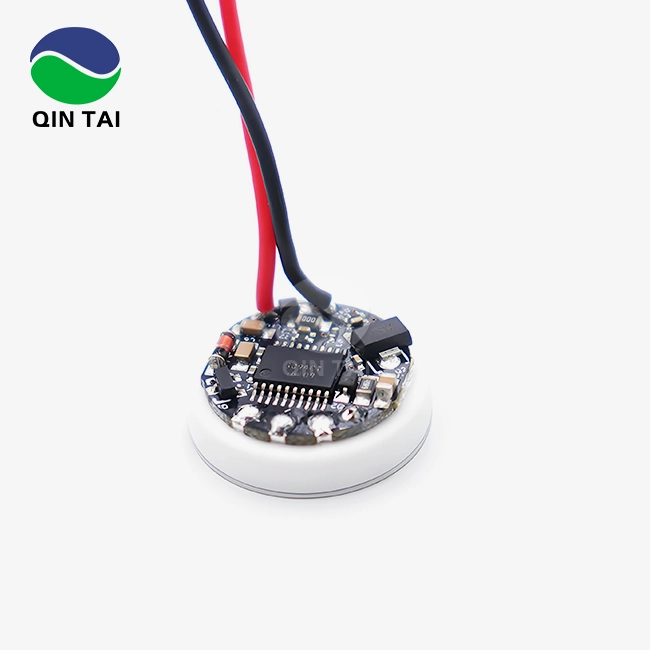
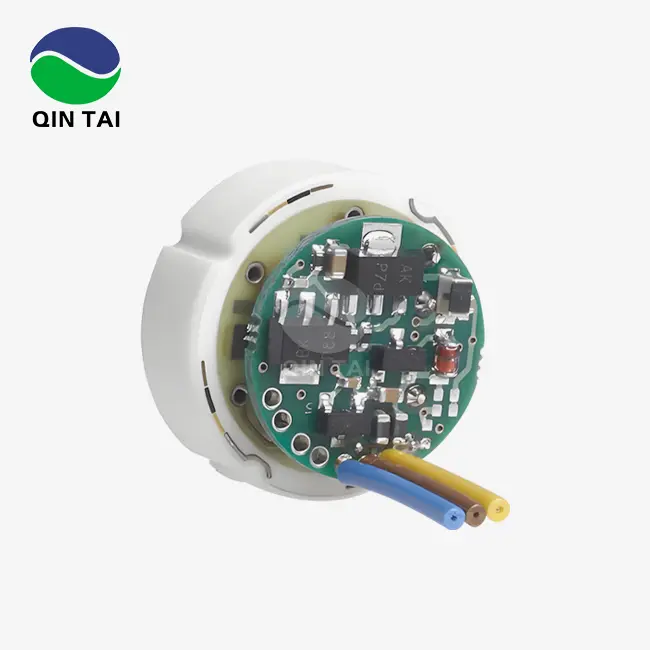


Our customers’ satisfaction speaks for our quality — contact us to experience the same reliable service.