- English
- French
- German
- Portuguese
- Spanish
- Russian
- Japanese
- Korean
- Arabic
- Greek
- German
- Turkish
- Italian
- Danish
- Romanian
- Indonesian
- Czech
- Afrikaans
- Swedish
- Polish
- Basque
- Catalan
- Esperanto
- Hindi
- Lao
- Albanian
- Amharic
- Armenian
- Azerbaijani
- Belarusian
- Bengali
- Bosnian
- Bulgarian
- Cebuano
- Chichewa
- Corsican
- Croatian
- Dutch
- Estonian
- Filipino
- Finnish
- Frisian
- Galician
- Georgian
- Gujarati
- Haitian
- Hausa
- Hawaiian
- Hebrew
- Hmong
- Hungarian
- Icelandic
- Igbo
- Javanese
- Kannada
- Kazakh
- Khmer
- Kurdish
- Kyrgyz
- Latin
- Latvian
- Lithuanian
- Luxembou..
- Macedonian
- Malagasy
- Malay
- Malayalam
- Maltese
- Maori
- Marathi
- Mongolian
- Burmese
- Nepali
- Norwegian
- Pashto
- Persian
- Punjabi
- Serbian
- Sesotho
- Sinhala
- Slovak
- Slovenian
- Somali
- Samoan
- Scots Gaelic
- Shona
- Sindhi
- Sundanese
- Swahili
- Tajik
- Tamil
- Telugu
- Thai
- Ukrainian
- Urdu
- Uzbek
- Vietnamese
- Welsh
- Xhosa
- Yiddish
- Yoruba
- Zulu
Choosing Robust Temperature Transmitters for Automated Equipment
Finding a reliable automation temperature transmitter requires more than comparing specs. Reliable diesel engine emission control, aftertreatment systems, and generator tracking require reliable temperature readings. Accurate sensors keep manufacturing lines safe, save costly shutdowns, and ensure they satisfy tight pollution requirements. Purchasing managers, R&D engineers, and system designers may use this advice to choose transmitters that match company demands, quality standards, and long-term partnership goals.
Understanding Temperature Transmitters in Automation Systems
Temperature receivers convert sensor data into control signals. These devices convert temperature measurements into computer-friendly outputs. They can make accurate process and safety checks modifications.
How Temperature Transmitters Function in Process Control?
A RTD or thermocouple measures temperature changes in the monitored region. Raw millivolts or resistance changes are sent to the transmitter's signal processing circuit. This circuit boosts, filters, and linearizes sensor input to address nonlinearities. Handling the signal produces a 4-20 mA current loop output. Connection to programmable logic processors and distributed control systems is simple.
Sensor Types and Their Applications
RTDs do well tracking SCR systems and diesel particle filters because they are precise and reliable throughout a wide temperature range. Thermocouples are less precise but can manage turbocharger output and exhaust gas recirculation temperatures. Finding the right sensor for emission control influences emitter selection and tuning.
Communication Protocols and Signal Standards
Communication mechanisms for contemporary automation temperature transmitters vary. Due to its simplicity and noiselessness, the 4-20 mA analog output is still employed. The HART protocol adds digital communication to analog data. This permits settings be made remotely without pausing process measurement. Aftertreatment system designers that manage complicated SCR systems need complete digital connection via Modbus and Foundation Fieldbus for sophisticated diagnostics and predictive maintenance.
Benefits of Integrated Temperature Measurement
With robust sensors in automated equipment, you can detect temperature changes in real time and respond quickly. Temperature settings determine catalyst performance and regeneration frequency, which is crucial for emission control. Better precision reduces false alarms, and diagnostics detect sensor deterioration before failure. Planning maintenance keeps manufacturing operating smoothly.
Key Criteria for Choosing Robust Temperature Transmitters
You must compare technical features against operating and regulatory requirements to pick the correct transmission. Consider these key factors for long-term performance and total cost of ownership.
Temperature Range and Process Compatibility
Your emitter must withstand -40°C to 850°C diesel engine exhaust system temperatures. Emitters must perform at high temperatures without halting or straying for post-treatment purposes. Check that exhaust condensates and particulates don't corrode sensor materials. This will prolong sensor life and reduce repair costs.
Hazardous Area Certifications and Safety Standards
Heavy machinery and generators often operate in explosive situations, requiring explosion-proof receivers. Look for ATEX, IECEx, and Class I Division 1 certifications that match the worksite. These certifications prevent electronics from igniting in hazardous gasses or dusts. This protects people and equipment and fulfills China VI and Euro VI emission regulations.
Accuracy Classes and Calibration Requirements
Emission control depends on transmitter accuracy. Select the accuracy level that matches process tolerance. Important SCR temperature tracking typically falls within ±0.1% to ±0.5% of the span. Knowing calibration frequency helps plan repair. Digital calibration lets field modifications be performed without transmitter shutdown, reducing downtime. This helps commercial vehicle repair shops turn things around quickly.
Communication Compatibility and System Integration
Ensure receivers can readily communicate with existing control systems. Choose devices with the correct gateway ports or native CAN bus capabilities for your aftertreatment system. You may adjust measurement ranges, damping values, and alert levels to match diesel engine operation. OEM producers that seek to standardize their product lines can benefit from this.
Comparing Top Industrial Temperature Transmitters and Brands
Choose transmitters from well-known companies to balance cost, performance, and reliability. Famous names have succeeded in challenging industries.
Building equipment that is sensitive to vibration and temperature fluctuations benefits from Honeywell transmitters' robust housings and wide temperature range. The STT3000 series includes field-adjustable spans and HART transmission, but its expensive price may make it difficult to fulfill aftermarket cost targets. Modularity and ubiquitous sensor inputs make stock tracking easier for wholesalers that use several instruments with the Siemens SITRANS T series. Generator set builders respect their diagnostic skills for scheduled maintenance programs to maintain continued functioning.
When selecting an automation temperature transmitter, Emerson Rosemount receivers are accurate, stable, and certified for risky environments. Their wireless WirelessHART options eliminate the need for expensive retrofit wiring, making them desirable to environmental protection equipment manufacturers and factory air treatment system installers. Business automobile repair companies that need OEM-quality replacement parts at low prices might use ABB transmitters. Analog receivers are cheaper and easy to operate, making them ideal for simple temperature tracking without troubleshooting. Why pay more for digital transmitters? They can conduct more complicated diagnostics, be set up remotely, and be more accurate. Aftertreatment system installers of complex SCR installations that require precise temperature control across several zones may benefit from these.
Procurement Strategies for Automation Temperature Transmitters
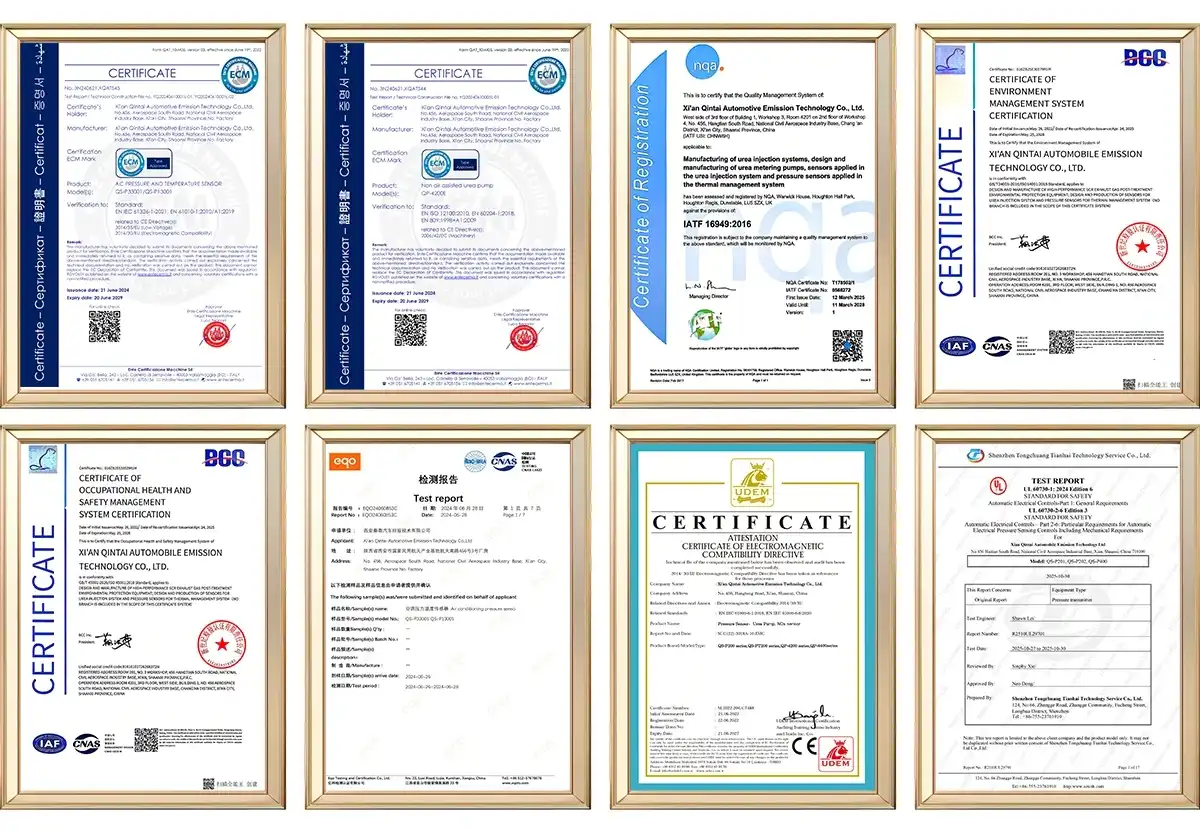
You must pick devices that satisfy your performance and financial criteria. This may be done by combining technical requirements with commercial considerations and creating supplier connections for future collaboration. Give ISO9001 and IATF16949-certified suppliers greater weight. These demonstrate systematic quality management and auto industry norms. Check patents and R&D expertise to check whether the firm can innovate and give professional assistance. Suppliers with long-term OEM relationships may assure steady manufacturing and growth for large production.
Supplier Selection and Credential Verification
Give ISO9001 and IATF16949-certified suppliers greater weight. These demonstrate systematic quality management and auto industry norms. Check patents and R&D expertise to check whether the firm can innovate and give professional assistance. Suppliers with long-term OEM relationships may assure steady manufacturing and growth for large production.
Bulk Ordering and Customization Options
Volume agreements ensure better prices and ample output during peak demand. Discuss customizing possibilities early in the purchase process. Changing sensor lengths, housing materials, or communication techniques to operate with certain control systems may make solutions that meet your equipment's demands stand out. OEM and ODM services allow suppliers to co-develop transmitter designs to meet changing emission regulations and engine platforms.
Lead Time Management and Inventory Planning
How extensive the customisation and how many orders are submitted might affect production wait times from four to twelve weeks. By stocking popular transmitter types, aftermarket vendors may quickly supply repair shops with new parts. Vendor-managed inventory arrangements with transmitter suppliers reduce inventory costs and ensure just-in-time manufacturing.
After-Sales Support and Warranty Evaluation
Superior providers give comprehensive expert assistance, unlike commodity merchants. Check the warranty, replacement, and how simple it is to get application professionals for installation and system optimization. When buying something from another nation, ensure sure there are local support resources or remote support to avoid delays in answering technical concerns during installation or operation.

SENSOR+TEST, June 9 – 11, 2026
We look forward to your visit,warmly welcome to our booth 1-634!
Get your free ticket online now:
https://www.sensor-test.de/service/ticket/?52790
Maintaining Performance: Calibration, Troubleshooting, and Best Practices
Maintaining the accuracy of an automation temperature transmitter throughout its lifespan needs focused repair and systematic problem-solving. If you don't follow testing procedures and early warning indicators, measurements will drift, making emission requirements and process control tougher to satisfy.
Calibration Schedules and Procedures
In stable environments, most workplace temperature sensors only need annual calibration. Check temperature-sensitive, vibration-sensitive, or hazardous applications every six months. At different temperatures, emitter output is compared to measured reference standards to calibrate it. We modify the zero and span parameters to restore accuracy. Calibration software on modern digital transmitters makes this simple without disassembling them. This saves time, money, and effort.
Common Faults and Diagnostic Strategies
Signal drift is mainly caused by dirty or deteriorating sensors, not a faulty sender. Check for sensor link corrosion, shielding damage, and terminal housing water ingress. Results may not line up due to electromagnetic interference from power lines or frequency drivers. Rerouting signal cables or improving grounding usually fixes these issues. Sensor, wiring, and setup errors are detected via smart transmitter diagnostics. This speeds up root cause detection.
Installation Best Practices
Correctly installing a transmitter prevents measurement errors and extends its life. Sensor locations should match process temperatures. Do not enter dead zones or thermal stratification areas. Keep the entrance depth at the manufacturer's recommended level and sensor tips at the proper temperature. Choose wire types rated for the installation area's temperature and apply proper grounding procedures to minimize ground loop interference. In hazardous areas, ensure internal safety measures and pipe sealing satisfy regulations.
Environmental Protection Measures
Choose and position the suitable case to protect receivers from water, vibration, and electromagnetic fields. IP67 enclosures keep water out of outdoor building and farming equipment. Vibration-damping mounts protect receivers from engine and equipment vibrations, which can wear components quicker. Shielded cables and adequate grounding decrease electrical noise in sites with CFDs and high-power switching devices.
Conclusion
Selecting robust automation temperature transmitters affects generator, diesel engine, and aftertreatment system emission compliance, efficiency, and longevity. The transmitter's specs must match the process, the supplier's records and certificates must be current, and precise calibration and maintenance procedures must be followed for success. The technical department sets selection criteria, the buying manager negotiates favorable commercial conditions, and management approves suppliers who can work together long-term. You can develop temperature measuring systems that last through rigorous industrial process lifecycles by prioritizing accuracy, flexibility, and supplier support.
FAQ
Q1: What distinguishes RTD transmitters from thermocouple transmitters?
A: Resistance temperature monitors with RTD transmitters provide precise (±0.1°C) and consistent data from -200°C to 850°C, ideal for emission control systems. Thermocouple receivers detect temperatures from -270°C to 1800°C with ±1°C to ±5°C poor precision. They track turbochargers at high temperatures where durability trumps precision.
Q2: How frequently should automation temperature transmitters be calibrated?
A: In safe industrial environments, automation temperature transmitters must be calibrated annually to maintain measurement accuracy. Applications with extreme temperature fluctuations, vibrations, or acidic atmospheres should be verified every six months. To achieve tight government criteria, emissions-control systems may need quarterly checks. Digital tuning allows you test receivers in the field without pulling them out of operation, reducing maintenance costs.
Q3: Can wireless temperature transmitters match wired transmitter reliability?
Modern WirelessHART or ISA100 receivers are as dependable as wired ones when properly configured. Battery-powered portable devices are useful for distant or retrofit situations where wiring is too costly or impractical. Wired transmitters don't have to worry about signal range, battery maintenance, or network infrastructure, making them ideal for safety-critical applications that require continual tracking without contact gaps.
Partner with Qintai for Reliable Automation Temperature Transmitter Solutions
Xi'an Qintai Automotive pollution Technology's temperature measurement devices work well for diesel engine aftertreatment and pollution control. OEMs that wish to comply with China VI and Euro VI must have ISO9001, IATF16949, and Ex-certified receivers. Making automation temperature transmitters is something we specialize in. Top seller to Weichai Power, Yuchai Power, and Quanchai Power, we hold 58 innovation patents. Our independent research and development team makes transmitters that fit your sensors and surroundings in size, shape, and transmission mode.
Making a lot of things at once ensures quality and dependable shipment strategies to fulfill production deadlines. If you require high-temperature exhaust sensors for SCR systems or long-lasting receivers for generator monitoring, our engineering team can help you identify and integrate the appropriate sensors. Contact our specialists at info@qt-sensor.com to discuss your automation temperature transmitter needs and see how Qintai's proven solutions may enhance your equipment's stability and emission performance.
References
1. Chen, W., & Liu, X. (2022). Industrial Temperature Measurement Systems: Principles and Applications in Automotive Emission Control. Beijing Institute of Technology Press.
2. Anderson, M. J. (2021). Temperature Transmitter Selection Guide for Process Automation. Instrumentation Technology Journal, 45(3), 127-145.
3. European Commission. (2020). Temperature Measurement Requirements for Euro VI Emission Compliance. Official Journal of the European Union, L 283, 45-72.
4. Kumar, R., & Zhang, H. (2023). Calibration Strategies for Industrial Temperature Transmitters in Harsh Environments. Measurement Science and Technology, 34(2), 025102.
5. International Society of Automation. (2021). ISA-50.00.01: Fieldbus Standard for Use in Industrial Control Systems. Research Triangle Park, NC: ISA.
6. Wang, S., Thompson, P., & Martinez, C. (2022). Wireless Temperature Monitoring in Diesel Engine Aftertreatment Systems: Performance Evaluation and Best Practices. Journal of Automotive Engineering, 236(8), 1892-1908.
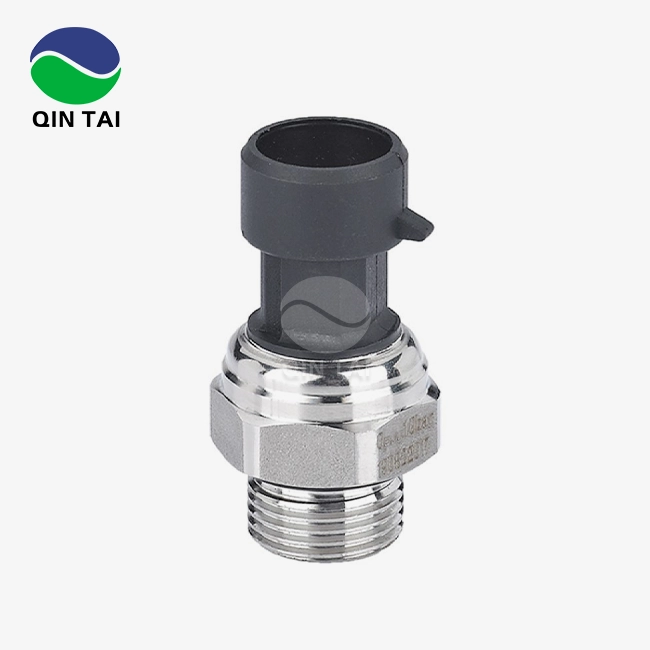
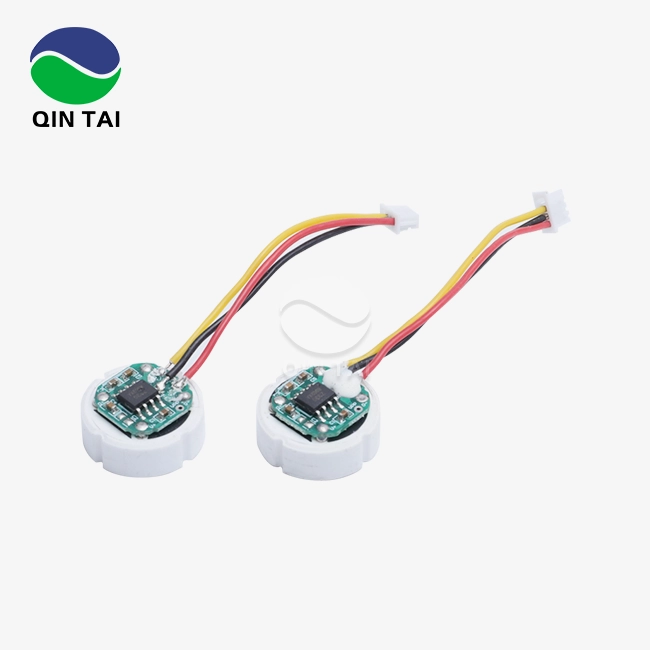
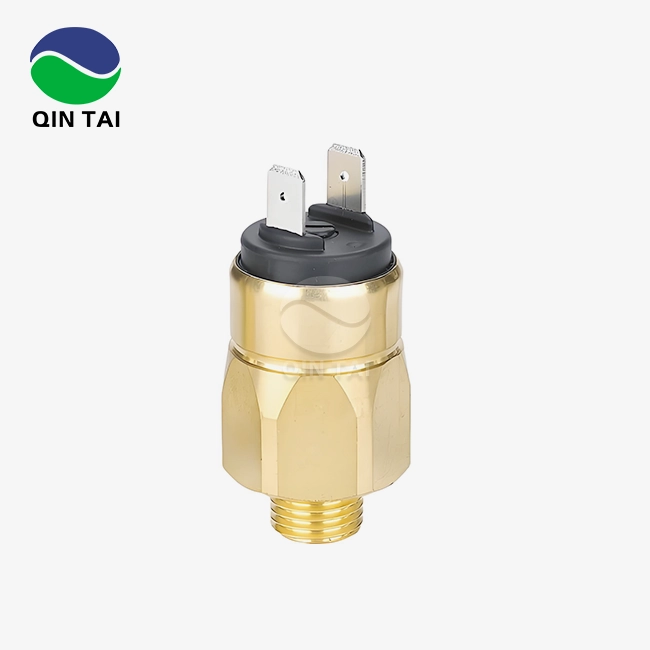

Our customers’ satisfaction speaks for our quality — contact us to experience the same reliable service.