- English
- French
- German
- Portuguese
- Spanish
- Russian
- Japanese
- Korean
- Arabic
- Greek
- German
- Turkish
- Italian
- Danish
- Romanian
- Indonesian
- Czech
- Afrikaans
- Swedish
- Polish
- Basque
- Catalan
- Esperanto
- Hindi
- Lao
- Albanian
- Amharic
- Armenian
- Azerbaijani
- Belarusian
- Bengali
- Bosnian
- Bulgarian
- Cebuano
- Chichewa
- Corsican
- Croatian
- Dutch
- Estonian
- Filipino
- Finnish
- Frisian
- Galician
- Georgian
- Gujarati
- Haitian
- Hausa
- Hawaiian
- Hebrew
- Hmong
- Hungarian
- Icelandic
- Igbo
- Javanese
- Kannada
- Kazakh
- Khmer
- Kurdish
- Kyrgyz
- Latin
- Latvian
- Lithuanian
- Luxembou..
- Macedonian
- Malagasy
- Malay
- Malayalam
- Maltese
- Maori
- Marathi
- Mongolian
- Burmese
- Nepali
- Norwegian
- Pashto
- Persian
- Punjabi
- Serbian
- Sesotho
- Sinhala
- Slovak
- Slovenian
- Somali
- Samoan
- Scots Gaelic
- Shona
- Sindhi
- Sundanese
- Swahili
- Tajik
- Tamil
- Telugu
- Thai
- Ukrainian
- Urdu
- Uzbek
- Vietnamese
- Welsh
- Xhosa
- Yiddish
- Yoruba
- Zulu
Common NOx Monitoring Problems and How to Solve Them Fast
Diesel engine manufacturers and pollution system manufacturers are under increasing pressure to precisely track nitrogen oxides and fulfill EPA and Euro VI criteria. Continuous, real-time data from an industrial NOx monitor prevents costly compliance errors and productivity delays. When these vital sensors malfunction, warning lights show, engine performance drops, and emission tests may fail. Purchasing managers, R&D engineers, and technical teams responsible for maintaining aftertreatment systems in heavy trucks, construction equipment, farming equipment, and generator sets must understand these typical tracking concerns and how to address them.
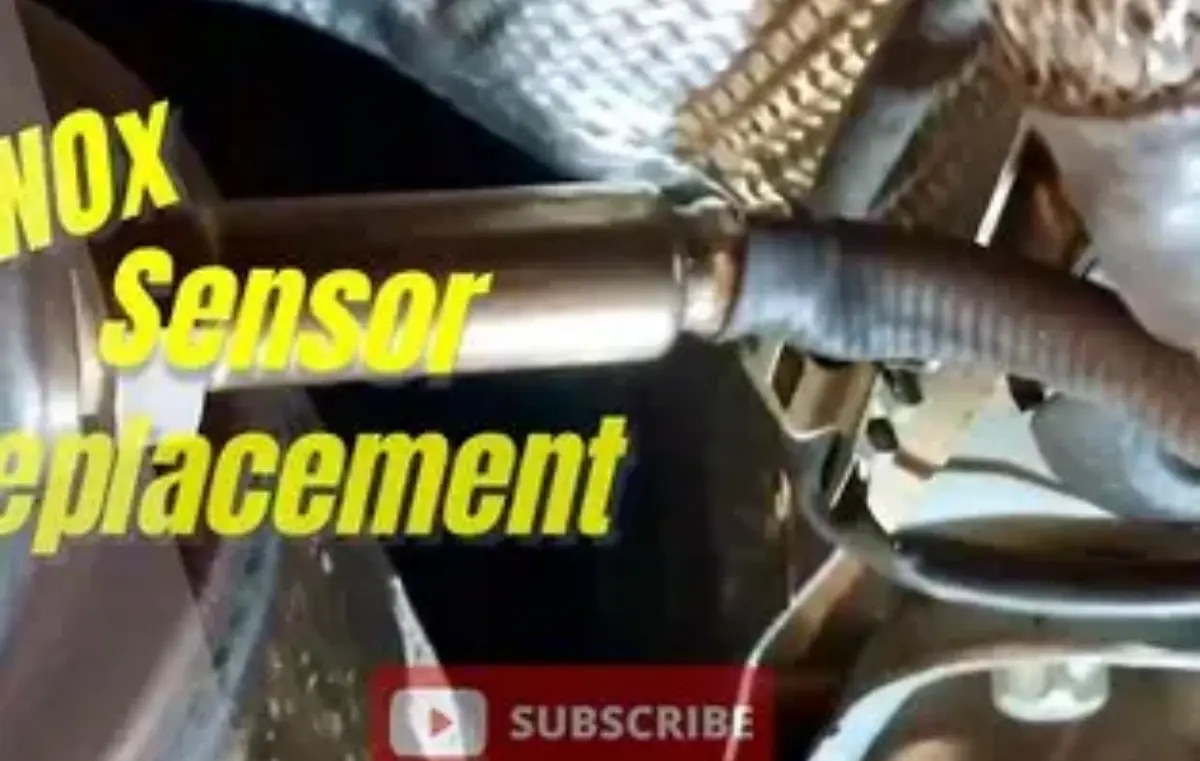
Comprehending Common Problems in Industrial NOx Monitoring
Sensor Drift and Calibration Issues
Pollution system NOx monitors are stressed by the environment. Sensor accuracy decreases with temperature changes exceeding 600°C and particle pollution. Many diesel engine OEMs report calibration drift rates accelerate after 12–18 months of uninterrupted usage, especially in unclean equipment. Due to drift, the SCR system has trouble dosing urea, resulting in excessive emissions.
Electrical and Communication Failures
Diesel NOx monitors now use CAN bus digital standards to communicate with engine control units. Rust destroys electrical connections, especially in automobiles that are near water or cross it. Rusty connection pins reduce signal integrity, causing communication errors that may cause DTCs like P2202 or P2203. Electrical faults may seem like faulty sensors, causing unnecessary modifications.
Physical Damage and Thermal Shock
Even though NOx monitors have protective housings, their measurement elements are weak. Ceramic exhaust components might be broken by road debris. Rapid temperature fluctuations, as driving through deep water, produce thermal shock. Agricultural and mining implements break down more due to usage. One gravel strike can harm a sensor without visible damage, making examination difficult.
Contamination from Engine Malfunctions
Fuel injector failure releases unburned hydrocarbons into exhaust streams. This damages downstream sensors via burning. Misfiring cylinders release too much oxygen into the exhaust, changing its composition and making NOx measurements less reliable. These engine issues appear to cause sensor failures, however replacing the NOx sensor without treating the root cause costs more and doesn't cure the issue.

Principles and Technologies to Address NOx Monitoring Challenges
Core Sensor Technologies
Sensor systems are employed for numerous industrial emission tracking purposes, including the design of an industrial NOx monitor. Electrochemical sensors are affordable for spot inspections and mobile testing, but they can't be utilized continually for demanding jobs. Chemiluminescence analyzers are accurate in the lab but require a controlled atmosphere, which is not ideal for a car. Modern zirconia-based sensors with two chambers balance precision, reaction time, and lifespan, making them ideal for diesel engine SCR system real-time operation.
Digital Communication Advantages
Diesel NOx monitors now provide digital data instead of voltage or current. Along with concentration readings, its digital design sends temperature, self-diagnostic condition, and heating control data. The ECU receives extensive system health data to schedule maintenance and reduce false alarms. Aftertreatment system designers require versatile interfaces, and J1939 CAN protocols ensure interoperability with several automotive platforms.
Integrated Diagnostics and Self-Monitoring
Modern sensors can self-diagnose heater issues, signal probability errors, and internal resistance changes. These built-in checks alert repair personnel before a sensor breaks, preventing unwanted downtime. Continuous resistance monitoring tracks sensor aging, allowing replacements to be scheduled rather than repairs. Generator set manufacturers seek such forecast systems since such devices must function constantly in critical power scenarios.
Step-by-Step Solutions for Fast Problem Resolution
Establishing Preventive Maintenance Protocols
For acceptable measurement accuracy, calibrate every 30–90 days. Regularly examine electrical plugs for corrosion and moisture damage. Equipment used in humid seashore or rural environments needs this. Particles that block gas flow sensors are removed by cleaning exhaust tubes. To help maintenance crews, sensors should record their usual resistance values and reaction times when placed. Compare frequent readings to these beginning points to discover how things break down before they fail. According to industry data, this proactive technique reduces emergency fixes and extends sensor life by 25–40%.
Diagnostic Scanning and Data Analysis
Trouble codes from OBD2 tell you what's wrong. P2202 indicates a connection issue, while P2204 indicates a heating issue. Compared to live data streams, codes can show if values stay the same while engine loads vary. If so, a sensor has perished. We can tell monitor concerns from catalyst deterioration by checking NOx levels upstream and downstream to ensure the SCR catalyst is performing properly. When sensors display inexplicable values, such NOx levels over the stoichiometric limits for combustion, the problem is generally sensor accuracy or contamination, not engine emissions. Using a portable tester to validate suspicions might save you from replacing unnecessary parts.
Addressing Water Contamination
Installation positions for an industrial NOx monitor should minimize sensor housing water pooling. Aftermarket repair shops commonly find corrosion from repairing sharp angles that enable humidity build up. Dielectric grease protects connectors from moisture, while heat-shrink tubes cover splash zones. Cold water hitting heated ceramic parts in internal exhaust mist generates thermal shocks that damage sensors. Diesel engines benefit from longer runs before shutting down in cold temperatures because moisture evaporates. Generator sets used as backup power should have programmed pre-purge methods to remove moisture before the important starts.
Managing Mechanical Damage Risks
Protective shields surrounding sensor bodies prevent road debris out without halting exhaust. Construction workers can limit impact damage by clearing the ground and driving slowly on uneven ground. Place sensors in exhaust portions surrounded by frame elements for passive safety. Even if there's no obvious damage, measure sensor resistance and do functional testing following a strike. Ceramic bases often have invisible hairline fractures that affect measuring accuracy. Sensors damaged by heavy strikes cost cheaper to replace than to figure out why they fail every few weeks.
Comparing and Choosing the Right Industrial NOx Monitor
Accuracy and Calibration Requirements
Diesel engine manufacturers must check monitor accuracy to regulatory criteria before mass producing them. The EPA and Euro VI requirements require ±10% accuracy in all job areas. Built-in calibration chips make sensors easier to set up on a production line, reducing assembly time and error. Long-term stable standards should provide ±5% annual drift to reduce warranty claims.
System Compatibility and Integration
SCR system designers choose sensors with conventional electrical connections and many mounting options. Thread diameters that match exhaust ports eliminate adapters, and standard wiring harnesses simplify inventories. Data protocol interoperability with different ECU systems enables you utilize the same sensor design for several automobile programs, saving you money when buying in bulk. Application peaks must be handled by temperature operating ranges. Mining generator sets are regularly heated above 650°C, hence their sensors must be rated higher than automobile sensors. Since agricultural equipment sensors must operate reliably in -40°C temperatures, cold-starting is especially critical.
Durability and Environmental Resistance
IP67 housings protect construction equipment from vibrations, dust, and water. High-temperature metal or stainless steel sensor bodies can tolerate sulfuric acid exhaust condensates. Anti-vibration attachments protect sensors from frame resonances that wear parts quicker. Mean time between failures (MTBF) data helps purchasers choose by comparing current and lifetime expenses. Premium industrial NOx monitors with 8,000-hour service intervals are worth the extra money when downtime charges are included. Industrial automobile aftermarket repair businesses appreciate mid-range sensors that last 4,000 hours and are affordable. Similar to how often sensors need to be changed.
Data Logging and Remote Monitoring
Fleet owners increasingly desire telematics-enabled sensors for remote maintenance. Before automobiles fail roadside tests, cloud-connected systems notify management of sensor issues. Logging past data helps organizations save gasoline and schedule repairs. Devices without internet access benefit from standalone data logging. Internal memory that captures more than 1,000 measurement cycles lets forensic analysts determine if emission spikes were caused by sensor failures or combustion process issues.
Procurement and Vendor Selection Guidance
Certification and Compliance Verification
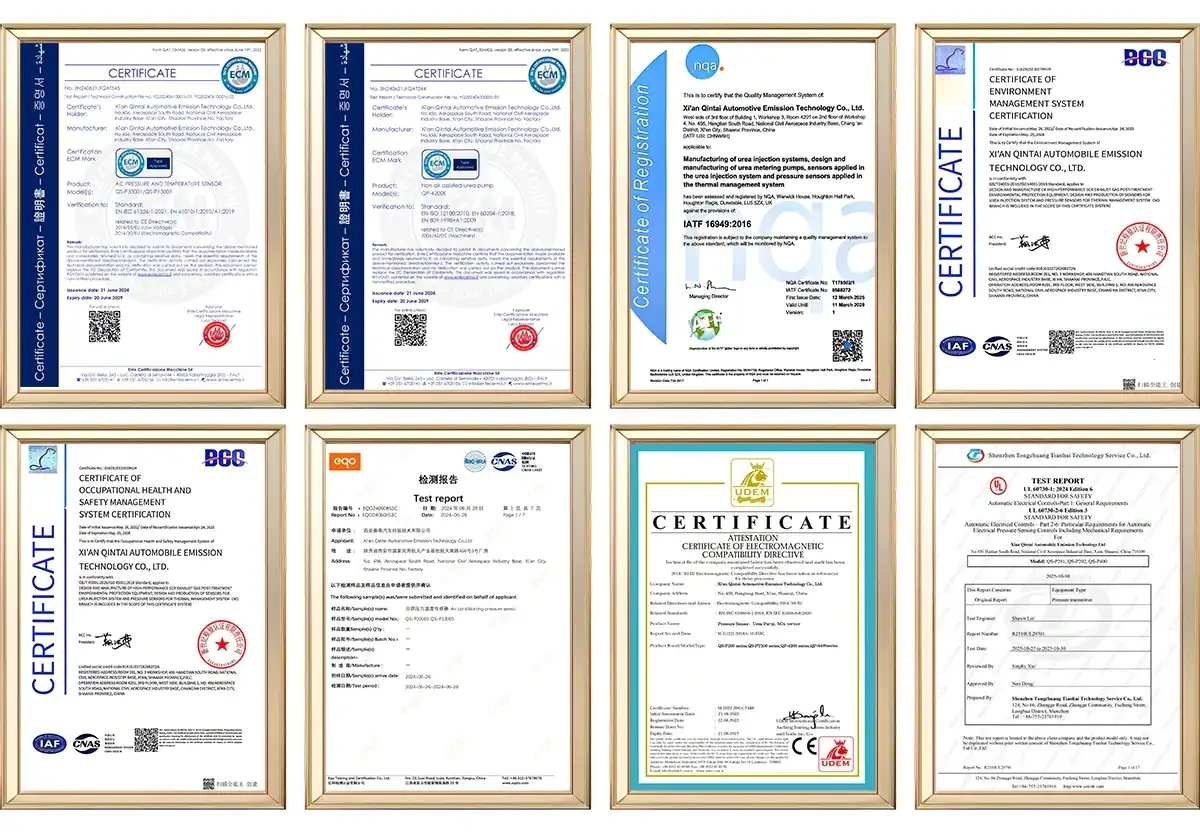
Sensors must be approved for the markets buying managers intend to sell to. CARB Executive Orders verify EPA compliance for U.S. applications, and E-mark licenses prove Euro VI for European exports. Sensors for Chinese engine producers selling abroad must be approved to China VI and export standards. So they must employ multi-certification source approaches. Suppliers should provide EMC test results, temperature cycling validation data, and chemical resistance data. ISO 16750 and IATF 16949 certifications indicate that the product is durable enough for automotive usage and that OEM supplier chains have strong manufacturing quality procedures.
Technical Support and After-Sales Service
Successful vendor collaborations involve part delivery, application creation, and problem-solving. Aftertreatment system integrators benefit from calibration gas guidance, installation instructions, and diagnostics training. Quick technology helps field personnel figure out what went wrong and solve problems faster. Warranty periods should match application task cycles and repair intervals. Because of its tough conditions, heavy-duty mining equipment needs a longer warranty than corporate cars that don't go many miles. Advanced replacement programs deliver new sensors before returning old ones to maintain functioning. This reduces downtime.
Scalability and Customization Capabilities
Suppliers must meet OEM ramp plans for volume manufacturing. Manufacturing 10,000 or more units a year requires partners with proven capacity and supply chain reliability. Just as crucial is being able to customize connection arrangement, cable length, and mounting mounts to match a certain automobile without buying expensive equipment. Support for prototyping speeds up product development. The pre-production sensor numbers from suppliers allow early validation testing to detect integration issues before production hardware is built. Collaborative engineering relationships where sensor producers exchange exhaust system knowledge provide value beyond parts.
We understand these complex buying challenges at Qintai. We are China's leading NOx sensor producer since we specialize in diesel engine aftertreatment systems for 23 years. We serve Weichai, Yuchai, and Quanchai and manufacture in great amounts. We manufacture Euro VI and EPA sensors at IATF 16949-certified plants. Their 58 concept patents demonstrate their investment in R&D. We can adapt anything from connection requirements to transmission protocols to operate with many SCR systems in large vehicles, building equipment, and generator sets.

SENSOR+TEST, June 9 – 11, 2026
We look forward to your visit,warmly welcome to our booth 1-634!
Get your free ticket online now:
https://www.sensor-test.de/service/ticket/?52790
Conclusion
Balanced sensor technology, preventative maintenance, and vendor agreements are needed for NOx tracking. Whether you are sourcing an industrial NOx monitor or other related equipment, you may avoid downtime and comply with standards by anticipating failure modes including electrical corrosion and thermal stress. Modern digital sensors with diagnostics make reactive maintenance predictive. This makes an item more dependable and decreases its lifetime expenses. Consider precision, durability in tough settings, and supplier abilities while buying. Remember that expert advice and flexibility are frequently more vital than component requirements. Diesel engine OEMs and aftertreatment integrators can achieve consistent emissions performance in challenging industrial applications by using coordinated maintenance routines and experienced sensor manufacturers.
FAQ
Q1: How often should industrial NOx sensors be calibrated?
A: How often you calibrate depends on the application's severity and regulations. To maintain accuracy within ±10%, heavy-duty diesel engines should be calibrated every 60-90 days upon frequent operation. Fixed generator sets in controlled surroundings may go three months between checks, while construction equipment in unclean regions needs monthly checkups. Advanced self-diagnosing gadgets will notify workers of calibration needs instead of predetermined dates. This reduces maintenance costs without compromising precision.
Q2: What distinguishes NOx-specific sensors from general exhaust gas analyzers?
A: NOx monitors have chemicals that solely detect nitrogen oxides. They have the sensitivity and speed for real-time SCR control. General gas monitors can measure CO, CO2, O2, and hydrocarbons, but they aren't precise enough for regulatory compliance. SCR dosing techniques must respond to millisecond concentration changes, which multi-gas analyzers cannot achieve, hence diesel engine NOx monitoring must be engine-specific.
Q3: Can portable NOx monitors match fixed system accuracy?
A: Installed and movable sensors serve distinct purposes. When constantly exposed to exhaust emissions, laboratory-grade portable machines are accurate for spot testing but last less. Control systems include fixed sensors that capture thousands of measurements daily, even in extreme temperatures or vibration. Portable instruments are suitable for diagnostics and emission certification. However, fixed installations are preferable for compliance tracking and SCR system management, when reliability trumps precision.
Partner with Qintai for Reliable Nitrogen Oxide Monitoring Solutions
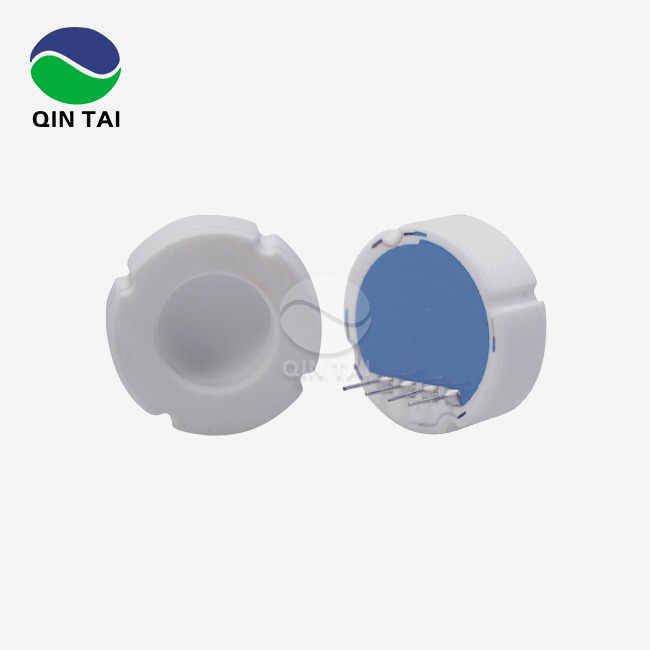
You need more than good sensors to tackle NOx monitoring difficulties. Tech-savvy and fast service from your supplier are also essential. Qintai develops industrial-grade nitrogen oxide monitors for high-stress diesel engines that can't fail. Quality is controlled from ceramic base production to testing in our vertically integrated manufacturing. This ensures consistent high-volume output.
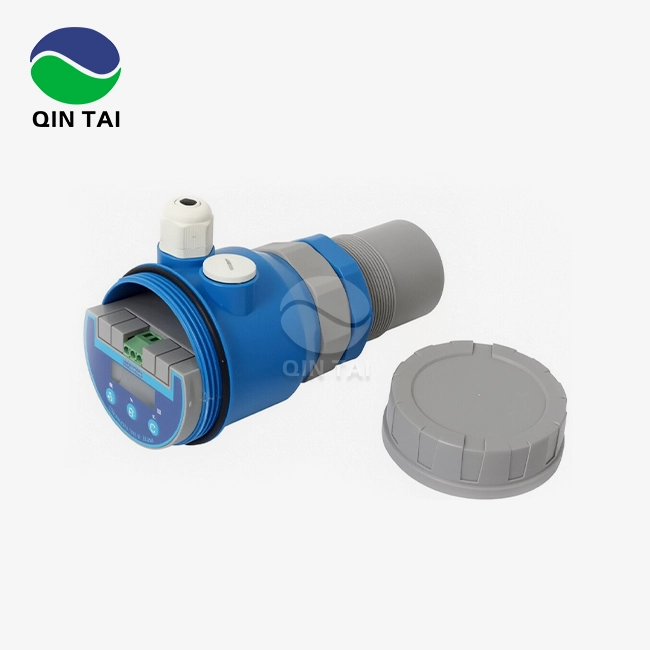
We supply dependable industrial NOx monitors to China's leading engine manufacturers to ensure pollution compliance and aftertreatment system compatibility. Our experts assist R&D staff locate sensors, interpret diagnostic data, and implement predictive maintenance programs with comprehensive application support. Qintai's ISO9001 quality procedures, cheap pricing, and worldwide shipping help you succeed whether you're creating the next generation of SCR systems or seeking trusted aftermarket outlets. Contact our tech staff at info@qt-sensor.com to discuss your monitoring needs. We provide detailed technical specs, certification, and customized pricing based on your performance goals and output quantities.
References
1. Johnson, M. R., & Williams, T. K. (2022). Advances in Automotive NOx Sensor Technology for Diesel Aftertreatment Systems. SAE International Journal of Engines, 15(3), 412-428.
2. Zhang, L., & Schmidt, H. (2021). Failure Mode Analysis of Zirconia-Based NOx Sensors in Heavy-Duty Applications. Journal of Emission Control Science and Technology, 7(2), 145-162.
3. European Automobile Manufacturers Association. (2023). Euro VI Emission Standards Compliance Guide for NOx Monitoring Systems. Brussels: ACEA Technical Publications.
4. Patel, R., & O'Connor, D. (2022). Predictive Maintenance Strategies for Diesel Engine Emission Control Components. International Journal of Automotive Technology, 23(4), 891-908.
5. U.S. Environmental Protection Agency. (2023). Heavy-Duty Engine and Vehicle Emission Control Regulations: Technical Guidance for NOx Measurement. Washington, DC: EPA Office of Transportation and Air Quality.
6. Liu, Q., Yamamoto, K., & Schneider, F. (2021). Integration of Digital Sensors in Modern SCR Systems: Communication Protocols and Diagnostic Capabilities. Automotive Engineering International, 129(6), 34-49.

Our customers’ satisfaction speaks for our quality — contact us to experience the same reliable service.