- English
- French
- German
- Portuguese
- Spanish
- Russian
- Japanese
- Korean
- Arabic
- Greek
- German
- Turkish
- Italian
- Danish
- Romanian
- Indonesian
- Czech
- Afrikaans
- Swedish
- Polish
- Basque
- Catalan
- Esperanto
- Hindi
- Lao
- Albanian
- Amharic
- Armenian
- Azerbaijani
- Belarusian
- Bengali
- Bosnian
- Bulgarian
- Cebuano
- Chichewa
- Corsican
- Croatian
- Dutch
- Estonian
- Filipino
- Finnish
- Frisian
- Galician
- Georgian
- Gujarati
- Haitian
- Hausa
- Hawaiian
- Hebrew
- Hmong
- Hungarian
- Icelandic
- Igbo
- Javanese
- Kannada
- Kazakh
- Khmer
- Kurdish
- Kyrgyz
- Latin
- Latvian
- Lithuanian
- Luxembou..
- Macedonian
- Malagasy
- Malay
- Malayalam
- Maltese
- Maori
- Marathi
- Mongolian
- Burmese
- Nepali
- Norwegian
- Pashto
- Persian
- Punjabi
- Serbian
- Sesotho
- Sinhala
- Slovak
- Slovenian
- Somali
- Samoan
- Scots Gaelic
- Shona
- Sindhi
- Sundanese
- Swahili
- Tajik
- Tamil
- Telugu
- Thai
- Ukrainian
- Urdu
- Uzbek
- Vietnamese
- Welsh
- Xhosa
- Yiddish
- Yoruba
- Zulu
How to Choose the Best Urea Dosing Pressure Sensor Supplier
Picking the right Urea Dosing Pressure Sensor provider can have a big effect on how well your diesel engine controls emissions, how efficiently it runs, and how well it follows the rules. As procurement managers and research and development experts working in the aftermarket, SCR system integration, and diesel engine production sectors, it is very important for us to find a partner who can provide accuracy, dependability, and long-term support. This book explains the important things you need to look for in a supplier, how to compare brands, how to buy them, and how to keep them in good shape. It will help you choose sensors that meet your technical needs and your budget, and that also meet emission standards like China VI and Euro VI.
Understanding the Role and Importance of Urea Dosing Pressure Sensors
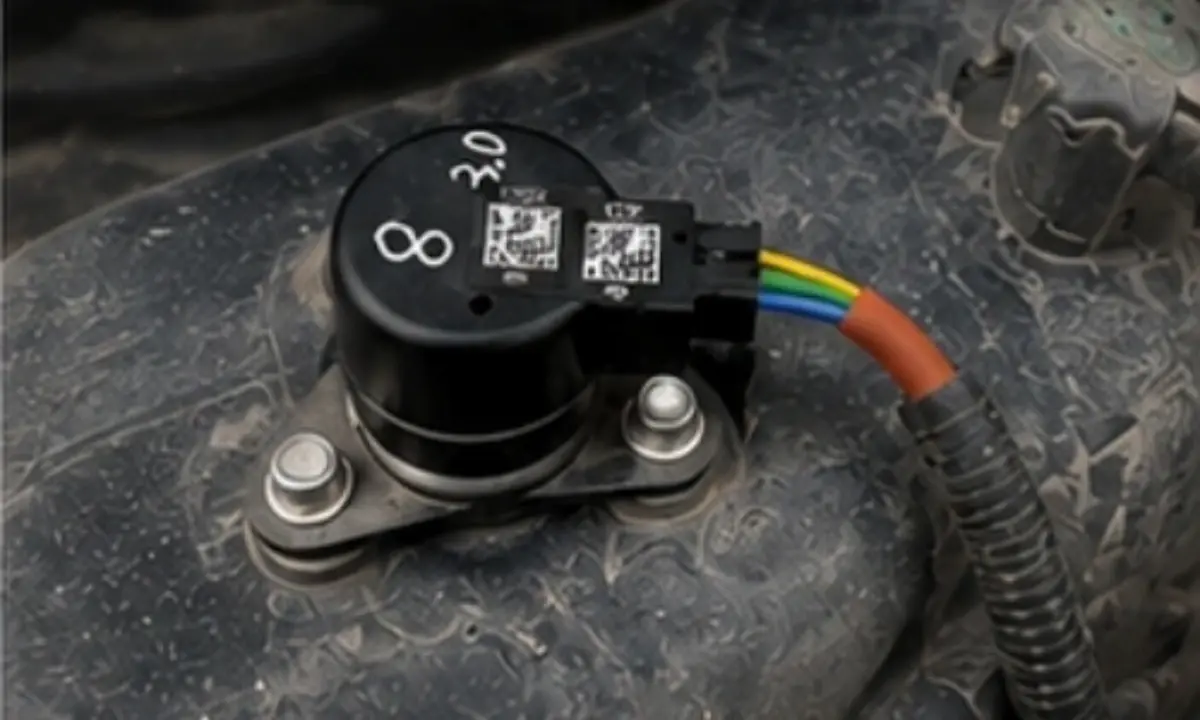
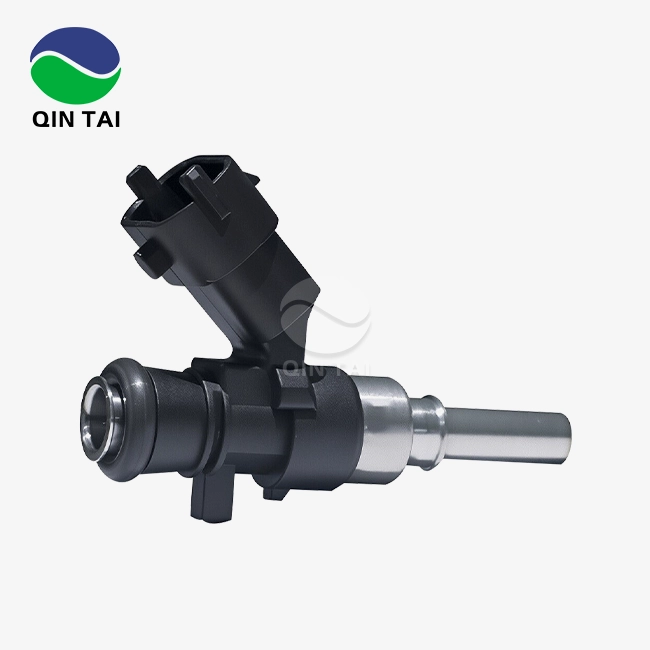
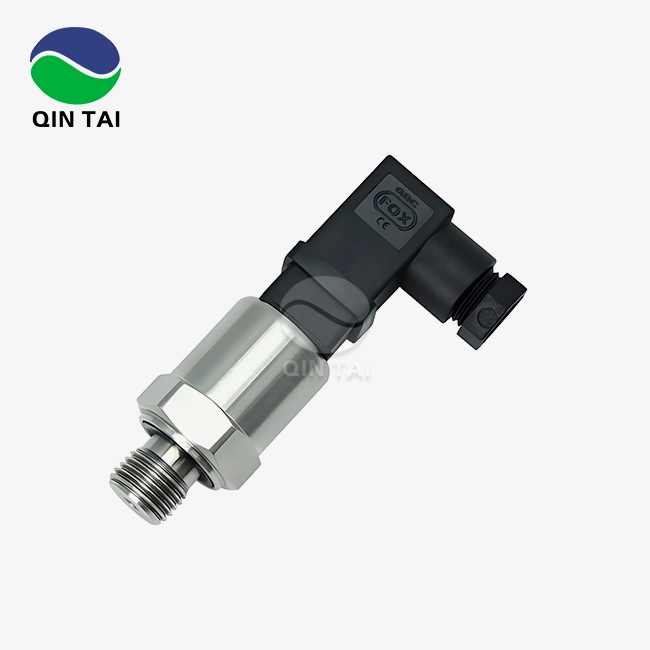
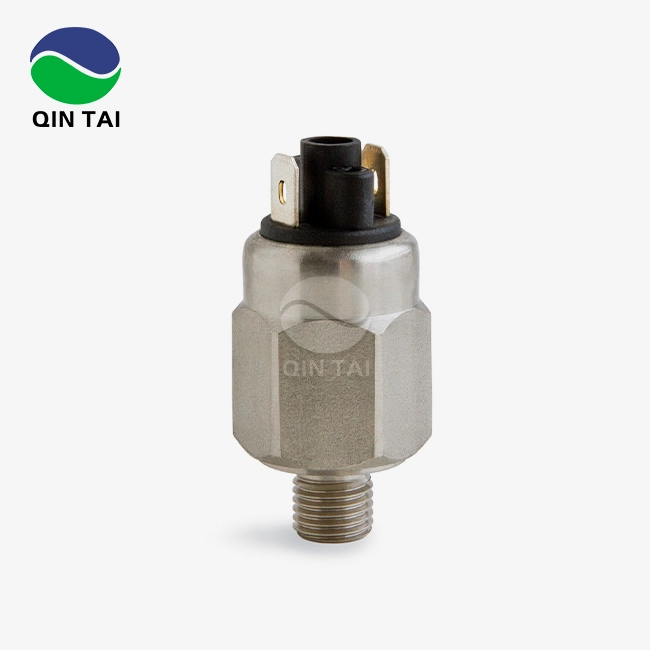
A Urea Dosing Pressure Sensor, sometimes called an AdBlue pressure sensor, is an important part of SCR (Selective Catalytic Reduction) systems because it measures the pressure of the urea solution between the injector tip and the dose pump. This real-time pressure tracking allows precise dosing control, which makes sure that diesel engines in heavy trucks, building equipment, farm equipment, and generator sets reduce nitrogen oxide (NOx) as efficiently as possible.
How Urea Pressure Sensors Work in SCR Systems?
The sensor constantly checks the pressure of the urea solution in the supply line and sends analog voltage signals back to the SCR control unit (DCU/ECU). These signals usually range from 0.5 V at low pressure to 4.5 V at high pressure. This closed-loop feedback system lets the control unit precisely control the dose pump, changing the rate of urea injection based on the load on the engine, the temperature of the exhaust, and the NOx levels. Most sensors work in a pressure range of 0 to 10 bar and get 5 V DC power from the ECU. More modern systems use digital communication methods like LIN or CAN for sensor modules that are built in.
Why Accurate Pressure Monitoring Matters for Emission Compliance?
Reliable pressure sensing has a direct effect on how well pollution controls work and how much fuel is used. Dosing correctly stops both under-injection and over-injection. Under-injection causes high NOx emissions and not following the rules, while over-injection loses urea solution and raises running costs.
In addition to being good for the environment, accurate pressure tracking helps find problems in the system, like drops in pressure that mean there are leaks, blockages, or air entering, or high pressures that happen when AdBlue freezes or valves stop working. If sensors stop working, the ECU can't control the right amount of AdBlue. This can cause the engine to go into limp mode, which has lower power, higher emissions, and diagnostic trouble codes (DTCs). AdBlue injection may then be turned off to protect other parts.
Common Sensor Faults and Their Operational Impact
Knowing how things usually go wrong helps procurement pros come up with strong answers and set up preventative maintenance. Sensor problems show up as voltage signals that aren't stable, signal loss, or numbers that are outside of the sensor's normal operating limits. Extreme temperatures, vibrations, and urea formation are some of the environmental factors that can cause sensors to break down too quickly.
Problems with electrical connections, contamination from AdBlue that isn't pure, and damage to the sensors' mechanics from bad fitting all make them less reliable. When teams are aware of these weaknesses early on, they can favor sources that offer long-lasting designs, full warranties, and quick technical support. This protects equipment investments and keeps operations running smoothly.
Core Criteria for Selecting the Right Urea Dosing Pressure Sensor Supplier
When choosing a supplier for a Urea Dosing Pressure Sensor, you need a structured review system that takes into account technical performance, certifications, costs, and service capabilities. Before talking to possible partners, you should be very clear about what you need: how much you want to produce, how it needs to work with current SCR architectures, when you need it delivered, and how it needs to be customized.
Certification Qualifications and Regulatory Compliance
Give more weight to suppliers who have well-known quality management certifications like ISO9001 and IATF16949. These show that they have a method for quality control and follow the rules set by the car industry. For mines and manufacturing settings that don't allow explosions, Ex certification is a must. Other certifications, such as CMC, UL, CE, REACH, and RoHS, prove that a product is safe, good for the earth, and available in many markets. These certificates lower the risk of buying things and make sure that sensors meet strict emission rules, such as China VI and Euro VI standards, which is very important for OEM makers that sell their products all over the world.
Technical Parameters and Performance Metrics
Compare the sensor's pressure range compatibility, measurement precision (usually ±1-2% of full scale), response time, working temperature range (-40°C to +125°C for industrial applications), and resistance to vibrations with the needs of your application. Check the output properties of the signal, whether it's an analog voltage or a digital communication protocol, to make sure it works well with your control systems. Suppliers who give specific technical paperwork, calibration certificates, and performance proof data show that they are honest and know their stuff when it comes to engineering.
Production Capacity and Supply Chain Stability
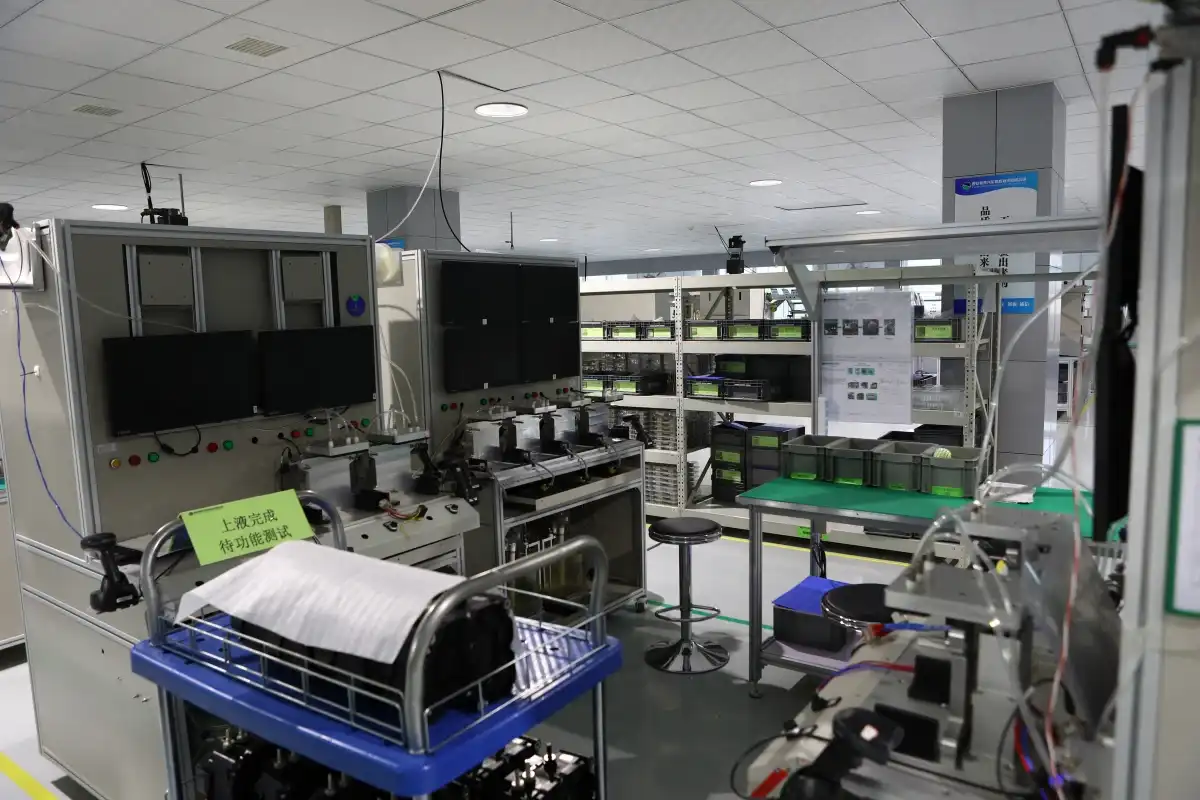
OEM makers that need a steady supply of sensors at scale care a lot about being able to make a lot of them. Look into the supplier's industrial facilities, monthly production capacity, ways of managing inventory, and history of on-time deliveries. Companies with their own research and development departments and the ability to constantly come up with new products can better adapt to changing pollution standards and customer needs. Check to see how flexible they are in dealing with changes in order volume and requests for customizations without affecting quality or wait times.
Cost Structure and Pricing Transparency
Ask for full quotes that include unit prices, bulk discounts, the cost of making tools for unique designs, and the terms of payment. Instead of just looking at the unit price, compare the overall cost of ownership, which includes things like warranty coverage, failure rates, upkeep needs, and support costs after the sale. Reliable providers offer clear price structures and value-engineering suggestions to cut costs as much as possible without lowering quality. Set clear rules for price stability over multi-year supply deals to help you make accurate budget projections.
After-Sales Support and Technical Assistance
How quickly technical help responds has a direct effect on how much downtime is avoided and how quickly problems are fixed. Test the supplier's ability to offer installation instructions, calibration methods, troubleshooting help, and new parts. Suppliers who offer full warranty plans, on-site expert visits, and training for your engineering and support teams are worth a lot more than the price they charge. Check to see if their contact channels, reaction times, and service coverage in your area match your operational footprint.
Comparing Leading Urea Dosing Pressure Sensor Brands and Models
There are both well-known makers and specialty suppliers with different value propositions on the global market. By knowing about the positioning of the brand, its technical skills, and its usefulness for specific applications, you can make decisions that are well-informed and fit your needs.
Global Tier-One Manufacturers
Bosch, Continental, Denso, and Delphi are all tier-one suppliers with a lot of knowledge in the automotive business and a wide range of SCR systems, including the Urea Dosing Pressure Sensor. These brands have been tested and proven to be reliable, working with a wide range of diesel engine types. Their sensors are usually built to last, can work in a wide range of temperatures, and can withstand a lot of shaking, making them perfect for heavy-duty uses. But custom orders may come with higher prices and longer lead times, which could be a problem for projects that need to save money or for fast prototyping.
Specialized SCR Component Suppliers
Siemens and Honeywell are two companies that help SCR systems by using their knowledge of industrial robotics and cutting edge sensor technologies. Their goods often have advanced diagnostic tools, digital communication links, and the ability to work with larger emission control system designs. These companies are great at making generator sets, fixed power plants, and industrial pollution treatment systems that need to last a long time and be reliable enough for use in factories. Their help with application building and advice on how to optimize systems at the system level is useful for procurement teams.
Emerging High-Tech Manufacturers
Qintai Automotive Emission Technology Co., Ltd. Ltd is an example of a specialized maker that combines new technology with low prices. As a national high-tech company that was founded in 2001, these suppliers only work on diesel engine SCR aftertreatment systems and sensor technologies, becoming very good at them. If you compare them to diversified global companies, they usually offer more customization options, faster response times, and direct tech collaboration. They have quality certifications like ISO9001, IATF16949, and international safety standards that prove they can make things. They also have OEM partnerships with big diesel engine manufacturers that show they understand the market and are good at technology.
Performance and Compatibility Considerations
When you compare sensor types, you should look at how well they measure pressure, how stable the signal is across temperature changes, how well they resist urea crystallization, and how well they work with your specific AdBlue formulation and dose system architecture. Check the compatibility of the electrical interfaces, the accuracy of the mounting dimensions, and the connection specs. Ask for test samples to be used in real-life situations so that performance can be compared to important factors such as accuracy in dosing, sensitivity to fault detection, and long-term stability. Write down the results of comparing tests to help make objective choices about which provider to choose and to get support from the technical team.

SENSOR+TEST, June 9 – 11, 2026
We look forward to your visit,warmly welcome to our booth 1-634!
Get your free ticket online now:
https://www.sensor-test.de/service/ticket/?52790
How to Procure Urea Dosing Pressure Sensors Efficiently for Your Business?
Streamlining the buying process cuts down on costs, shortens wait times, and makes sure that only real products are bought. Buying tactics that work use a lot of different channels to make sure they keep high standards and are clear about the supply chain.
Identifying Reliable Procurement Channels
Authorized distributors and direct maker ties are the best ways to make sure that a product is real, that the warranty is true, and that you can get expert help. Online business-to-business (B2B) platforms make it easy to compare prices and find suppliers, but you need to be very careful to check out the seller's qualifications and product details. Industry trade shows and technical conferences let you meet with seller reps in person, which makes it easier to build relationships and have expert conversations. Build a network of different suppliers, making sure that you have both main sources for high-volume output and backup suppliers to reduce risk.
Optimizing Bulk Order Negotiations
When you make a volume promise, you can get better prices, but you have to be good at predicting demand and managing your supplies. Set up buy deals with different prices for different amounts of goods ordered, agreed-upon volumes delivered over certain time periods, and delivery dates that work with production planning. You can get better payment terms, contract inventory deals for high-volume use, and vendor-managed inventory programs that will lower your need for working capital. Include clear responsibility by writing down quality standards, acceptance criteria, and performance promises in buy agreements.
Verifying Supplier Authenticity and Authorization
There are a lot of operating risks with counterfeit Urea Dosing Pressure Sensor components, like failing early, giving the wrong dose, and voiding guarantees. Ask for proof of approved manufacturer relationships, check certifications directly with the organizations that issued them, and do site audits for key suppliers. Check the intellectual property rights, business licenses, and company filings of suppliers against each other. Set up quality checking processes that include testing of arriving materials, standards for batch traceability, and ways to handle nonconformances. These steps of verification guard against low-quality goods and make sure that regulations are followed.
Managing International Procurement Logistics
When you buy from global sellers, you need to think about things like customs rules, import taxes, shipping logistics, and currency exchange. Look at the total landing costs, which include handling fees, freight, insurance, and taxes. Learn about the parts of wait time, such as the time it takes to manufacture something, handle export paperwork, travel, and clear customs. Set up clear Incoterms that spell out who is responsible for what when sending, who bears the risk, and who pays for what. If you want to cut down on delivery times and shipping costs for regular orders, you might want to look into area distribution centers or stocking deals with suppliers.
Best Practices for Installation, Calibration, and Maintenance
The accuracy of measurements, the performance of the system, and the life of individual parts are all directly affected by how well sensors are installed, calibrated, and maintained over time. Return on investment is maximized by following manufacturer specs and best practices in the business.
Installation Procedures and Positioning Guidelines
Place pressure sensors in places that will protect them from vibrations, heat shocks, and mechanical stress as much as possible. Make sure it's oriented correctly according to the manufacturer's instructions. Usually, the electrical lines should be facing upwards to keep wetness out. To keep sensor housings from getting damaged or leak paths being made, make sure that the torque specs for threaded fittings are followed. Make sure that the direction of the electrical links is correct, and make sure that signal wires are properly shielded to stop electromagnetic interference. During system cleaning, keep sensors away from direct urea spray and keep wires away from high-temperature exhaust parts.
Calibration Requirements and Validation Methods
When installing new sensors, they need to be baseline calibrated by using calibrated test tools to compare sensor outputs to known pressure references. Write down initial readings, conditions of the surroundings, and information about how the system is set up. Periodically calibrate the device based on the manufacturer's suggestions, the seriousness of the working conditions, and government rules. For example, once a year for safe settings and every three months for demanding ones. Keep testing records that meet the needs of quality control systems and audits. Instead of trying to re-calibrate sealed units in the field, replace sensors that are drifting too far outside of allowed limits.
Preventive Maintenance and Fault Detection
Set up regular inspection procedures that check wires for wear and rust, electrical connections for corrosion, and mounting tools for looseness. Watch the output signals of the sensors while they are working normally. This will help you set standard performance measurements that will let you spot trends of degradation early on. Clean the areas where sensors are mounted and the electrical connections using methods suggested by the maker. Do not use solvents as they can damage seals or coatings. Quickly fix urea buildup around fittings by cleaning with warm water. By teaching support staff about common failure signs like odd readings, signal dropouts, and DTCs, you can quickly figure out what's wrong and reduce unplanned downtime.
Conclusion
To find the best Urea Dosing Pressure Sensor provider, you need to weigh technical performance requirements, certification records, cost, and the ability to work with other companies. Structured review methods are used by successful procurement teams to look at things like accuracy, durability, legal compliance, and after-sales support. They also use a variety of suppliers to lower risk and increase value. Understanding how sensors work, what they need to be used for, and the best way to maintain them helps you make smart decisions that improve emission control, make sure you follow the rules, and protect your long-term equipment investments in diesel engine uses.
FAQ
Q1: How do you identify a faulty urea pressure sensor?
A: Diagnostic trouble codes (DTCs) are usually set off by bad sensors in the SCR control unit, which is followed by warning lights on the dashboard. Symptoms that are common include pressure readings that change all the time, signal loss, or numbers that stay the same even when the system is changed. Engine performance often gets worse, resulting in less power or the use of the "limp mode." If you look at the sensor body closely, you might find urea crystals around the body, corroded electrical connections, or broken wires.
Q2: Are pressure sensors compatible across different SCR system brands?
A: It's not just the name of the SCR system that determines compatibility; the mechanical mounting measurements, electrical connector setups, and signal output features are also important. Many sensors are made to meet industry standards, which means they can be used in a variety of situations. However, OEM-specific designs may include features that are only available from that OEM. Make sure that the pressure range, wiring requirements, fastening thread type, and connection pinout all meet the needs of your system.
Q3: What factors influence bulk order pricing for pressure sensors?
A: Order number is the main factor that affects prices, since making more units leads to economies of scale and lower costs per unit. Customization needs, like changing fittings, making custom pressure ranges, or putting a name on the housings, raise the cost of the tools and the unit price. Due dates for deliveries affect prices, as faster production costs more and more, while open schedule lets you get the best deals on costs. Pricing arrangements that are good are secured by long-term supply deals that include volume promises.
Partner with Qintai for Industry-Leading Urea Dosing Pressure Sensor Solutions
Qintai Automotive Emission Technology Co., Ltd. Ltd is ready to help you with your SCR system needs. They have more than 20 years of experience in diesel engine emission control methods. As the biggest Urea Dosing Pressure Sensor maker in China and a main provider to Weichai Power, Yuchai Power, and Quanchai Power, we offer quality that is backed by 58 invention patents and ISO9001, IATF16949, CMC, Ex, UL, CE, REACH, and RoHS compliance. Our independent research and development team offers full OEM/ODM services that can be tailored to your unique needs, production numbers, and technical requirements.
We have cheap price structures designed for buying in bulk, the ability to make rapid prototypes, and reliable shipping performance that meets tight production schedules. Our global delivery network, which includes more than 60 countries, makes sure that you get quick technical help and service after the sale, which keeps your business running. Qintai has the precise sensors, engineering collaboration, and partnership commitment that your success needs, whether you work for a diesel engine OEM, an aftertreatment system integrator, a commercial vehicle aftermarket, a generator set manufacturer, or an environmental protection equipment company.
Email our expert team at info@qt-sensor.com right now to talk about your urea pressure sensor needs, get detailed product specs, and get personalized quotes that fit your buying goals. Visit qt-sensor.com to see our full range of sensors and learn how Qintai's craftsmanship and innovation help diesel engine uses around the world meet pollution standards, be reliable, and gain a competitive edge.
References
1. Johnson, M. R., & Williams, P. T. (2019). Selective Catalytic Reduction Systems: Design, Operation, and Performance Optimization. Automotive Engineering Press.
2. Schmidt, K., & Mueller, H. (2020). Emission Control Technologies for Diesel Engines: Principles and Applications. Society of Automotive Engineers International.
3. Chen, L., & Zhang, Y. (2021). Advanced Sensor Technologies in Modern SCR Systems. Journal of Emission Control Science, 15(3), 245-267.
4. Thompson, R. E. (2018). Procurement Strategies for Automotive Component Suppliers: Quality, Cost, and Supply Chain Management. Industrial Press.
5. Anderson, D. W., & Peterson, J. K. (2022). Diesel Engine Aftertreatment Systems: Technical Standards and Regulatory Compliance. Environmental Technology Publications.
6. Liu, H., & Wang, S. (2020). Pressure Sensor Applications in Automotive Emission Control: Performance Evaluation and Selection Criteria. International Journal of Automotive Technology, 21(4), 892-908.

Our customers’ satisfaction speaks for our quality — contact us to experience the same reliable service.