- English
- French
- German
- Portuguese
- Spanish
- Russian
- Japanese
- Korean
- Arabic
- Greek
- German
- Turkish
- Italian
- Danish
- Romanian
- Indonesian
- Czech
- Afrikaans
- Swedish
- Polish
- Basque
- Catalan
- Esperanto
- Hindi
- Lao
- Albanian
- Amharic
- Armenian
- Azerbaijani
- Belarusian
- Bengali
- Bosnian
- Bulgarian
- Cebuano
- Chichewa
- Corsican
- Croatian
- Dutch
- Estonian
- Filipino
- Finnish
- Frisian
- Galician
- Georgian
- Gujarati
- Haitian
- Hausa
- Hawaiian
- Hebrew
- Hmong
- Hungarian
- Icelandic
- Igbo
- Javanese
- Kannada
- Kazakh
- Khmer
- Kurdish
- Kyrgyz
- Latin
- Latvian
- Lithuanian
- Luxembou..
- Macedonian
- Malagasy
- Malay
- Malayalam
- Maltese
- Maori
- Marathi
- Mongolian
- Burmese
- Nepali
- Norwegian
- Pashto
- Persian
- Punjabi
- Serbian
- Sesotho
- Sinhala
- Slovak
- Slovenian
- Somali
- Samoan
- Scots Gaelic
- Shona
- Sindhi
- Sundanese
- Swahili
- Tajik
- Tamil
- Telugu
- Thai
- Ukrainian
- Urdu
- Uzbek
- Vietnamese
- Welsh
- Xhosa
- Yiddish
- Yoruba
- Zulu
Benefits of Real-Time Monitoring with Urea Pressure Sensors
Real-time tracking with Urea pressure sensors changes the way diesel engines control emissions by giving correct data on the performance of the DEF (Diesel Exhaust Fluid) system all the time. These sensors check the pressure of AdBlue in SCR (Selective Catalytic Reduction) dose systems. This lets engine control units change the injection rates right away, which stops NOx rule violations and expensive system failures. When I think about the practical demands that fleet managers and OEM engineers face today, being able to find pressure anomalies before they cause shutdowns or fail emission tests gives them a clear edge over their competitors. Real-time data transfer makes it possible to do predictive diagnostics, which lowers unplanned repair costs and increases the life of parts in heavy-duty trucks, building equipment, and generators.

Understanding Urea Pressure Sensors and Their Functions
What Is a Urea Pressure Sensor?
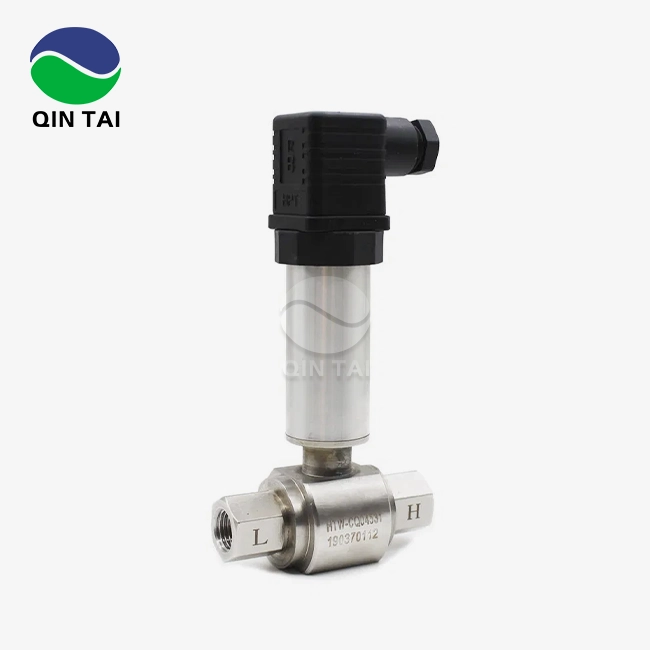
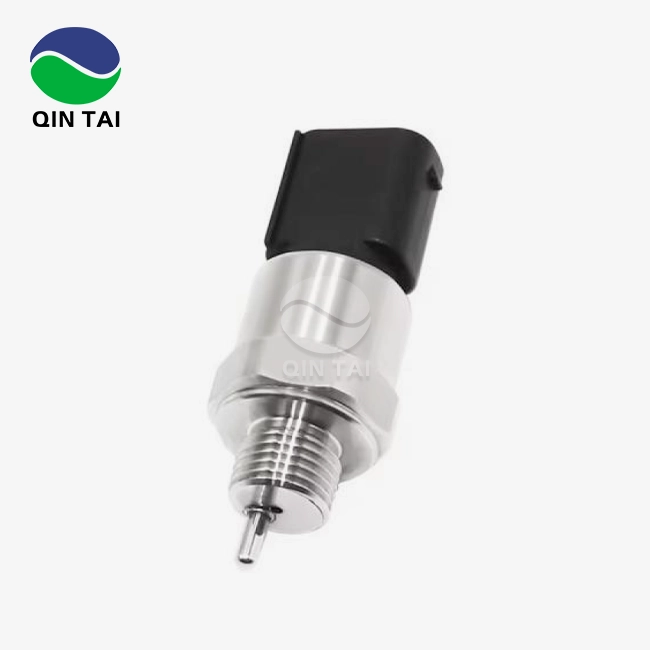
A Urea pressure sensor, which is also called an AdBlue pressure sensor, is an important part of SCR aftertreatment systems for tracking. This device checks the hydraulic pressure of DEF as it moves from the dosing pump to the injector tip. It usually works in the 5–10 bar range, based on how loaded the engine is. The sensor sends voltage readings to the engine control module in real time. The control module then figures out how to adjust the flow rates of DEF and NOx to keep the best possible efficiency. Modern sensors have temperature adjustment functions that make sure measurements are accurate in temperatures from -40 degrees Celsius to +125 degrees Celsius.
Primary Sensor Technologies in SCR Systems
There are three main methods that are used to measure pressure in urea dosing uses right now. Piezoresistive sensors have silicon diaphragms with distributed resistor networks that change electrical resistance based on how much pressure is applied. They are very accurate, within 2% of full scale. Capacitive sensors measure changes in the distance between two electrical plates caused by changes in pressure. They are more stable over time in places where the temperature changes. Thick-film ceramic sensors print resistive elements directly onto ceramic surfaces. This gives them great chemical resistance against urea crystallization and corrosion while keeping their small sizes that make them suitable for placements with limited room.
Each technology has its own benefits that make it useful in certain situations. Cost-effectiveness and compatibility with normal electrical connections make piezoresistive designs great for making a lot of cars. Capacitive versions are preferred in high-end, heavy-duty uses where measurement accuracy over long service intervals supports the higher starting cost. Ceramic thick-film sensors are now the best choice for mining tools and naval power systems that are put through a lot of rough conditions like shaking, thermal shock, and dirty fluids.
How Sensors Interface with Engine Control Systems?
When pressure sensors and engine management systems work together, they create a closed-loop control system that always improves pollution performance. When the sensor finds changes in pressure that are bigger than the set limits, the ECU starts troubleshooting procedures to find possible reasons, like worn pumps, clogged lines, or clogged injectors. This feedback loop works in real time and lets dynamic dose adjustments take into account changes in fuel quality, environmental temperature, and how the engine ages. When compared to open-loop dosing methods, field data from commercial truck companies shows that sensor interfaces that are properly calibrated cut DEF use by 8 to 12% and NOx emissions by 15 to 20%.
Advantages of Real-Time Monitoring with Urea Pressure Sensors
Enhanced Regulatory Compliance Capabilities
In North America and Europe, strict pollution rules have made real-time Urea pressure sensor tracking necessary for diesel engine uses, not just optional. EPA Tier 4 Final and Euro VI standards require that the SCR system's performance be constantly checked using OBD (On-Board Diagnostics). Pressure sensors are an important part of making sure that these standards are being followed. When I look at the certification needs for new diesel systems, I see that pressure data logging is now a requirement for the type approval process. Real-time tracking lets workers know right away if a system is breaking down, which could cause emissions to go over the limits. This way, problems can be fixed before they become illegal during roadside checks or regular testing.
Failures to comply have economic effects that go far beyond the fines that are given right away. One NOx violation during EPA testing can delay a vehicle's certification for months, which can cost makers millions of dollars in lost production income. Fleet owners also run the risk of losing their working permits and having to pay more for insurance after breaking pollution rules. This is less likely to happen with real-time pressure tracking because it lets repair staff know about problems with the dosing system 200 to 300 hours before they actually happen.
Predictive Maintenance and Cost Reduction
When you look at the total cost of ownership over the lifetime of a diesel engine, you can see how switching from reactive to predictive upkeep saves money. Traditional maintenance methods change parts at set times, which means that usable parts are often replaced too soon or critical failures happen when least expected. Real-time pressure tracking changes this by letting repair choices be based on real data about how well parts are working.
Operators of building equipment have done statistical analyses that show clear cost benefits. Fleets that use pressure-based predictive maintenance report 35 to 40% fewer unexpected downtime events. This saves money on emergency repair labor and faster parts sourcing. Continuous tracking lets you plan maintenance for regular service intervals instead of having to make fixes on the side of the road when something goes wrong. Trending sensor data finds trends of slow performance loss, like a drop in pump efficiency or wear on injectors. This lets you change parts before they break down completely and ruin the whole SCR system.
System Performance Optimization
In addition to making sure that regulations are followed and that repair is done efficiently, real-time tracking opens up ways to improve performance all the time by tuning the system based on data. When you record pressure patterns under different working conditions, you can find ways to improve performance that you wouldn't be able to see without ongoing measurement. Engine calibration experts use this information to improve DEF dosing formulas, combining the reduction of emissions with the efficiency of DEF use and the likelihood of deposits forming.
Case studies from the use of farming tools show how this optimization method can be used in real life. A big tractor company cut DEF use by 18% across all of its products by looking at real-time pressure data to find situations where too much DEF was being used when the load changed quickly. The improved tuning kept the NOx conversion efficiency the same while increasing the time between DEF tank refills from 400 to 480 working hours. This made things a lot easier for operators and cut down on the cost of moving fluids.
Choosing the Right Urea Pressure Sensor: Key Considerations for B2B Buyers
Technical Specification Evaluation Criteria
To choose the right Urea pressure sensors, you need to carefully compare the specs to the real needs of the application. This means that the requirements for measurement accuracy must match the limits of the SCR system. Usually, sensors must be accurate to within 3% of the reading across the whole pressure range. Response time is very important in uses with a lot of changes, like building tools, where sensor response times must be less than 20 milliseconds to allow for accurate dosing control.
Specifications about the environment should be given extra attention during the choosing process. The operating temperature range needs to be able to handle both cold starts and long periods of high load, which usually means it needs to work between -40 and +125 degrees Celsius. Specifications for vibration resistance should meet car standards like ISO 16750-3 for mobile equipment uses. This will make sure that the equipment works reliably even when it is under constant mechanical stress. Documentation about chemical compatibility must show that the substance will stay stable over time when introduced to AdBlue solution at normal working temperatures and concentrations.
Integration and Compatibility Assessment
The physical and electronic interaction properties of pressure sensors have a big effect on how hard it is to integrate them and how reliable the system will be in the long run. Different sensor makers use different electrical connection standards. The most common types are DIN, Bosch, and custom designs. Specificing industry-standard links helps procurement managers make sure that aftermarket parts are available and simplifies inventory management across teams of different platforms. The signal output types must match the capabilities of the receiving ECU. Different voltage output ranges (0.5 to 4.5 volts) and current output ranges (4 to 20 milliamps) are available to meet the needs of different applications.
Supplier Reliability and Support Infrastructure
Mounting setup flexibility affects how easy it is to install and how accurate the measurements are. Common industry standards include thread sizes like M12x1.5 and G1/4; however, for retrofit uses, special mounting solutions are sometimes needed. The sensitivity of the sensor direction needs to be checked because some designs have air traps that need to be installed at a certain angle in order to work properly. To keep projects from being held up by missing parts, supply chain managers should make sure that the sensors they choose come with all the fitting tools, sealing elements, and installation directions they need.
The link between sensor performance specs and a supplier's skills goes beyond product datasheets and includes things like service infrastructure and loyalty to a partnership. Verifying the certification documents is an important part of doing your research to make sure that the sensors you're buying meet the standards for practical safety and quality control set by IATF 16949 and ISO 26262. Intellectual property stocks show a commitment to ongoing innovation. For example, patents in pressure measurement technologies show a dedication to long-term research and development (R&D) rather than mass-produced products.
In business-to-business relationships, the ability to provide after-sales help is what sets strategic providers apart from transactional ones. Responding quickly to technical support requests during the integration phase speeds up project timelines, and field application engineering help fixes installation problems that always come up when a new platform is being developed. The length of the warranty depends on how reliable the maker thinks the product is. Coverage ranges from one year for basic products to five years for high-end industrial sensors. With flexible bulk procurement, platforms can meet scaling needs as they move from prototypes to production volumes. This is made possible by price systems that take into account volume promises without penalizing initial qualification amounts.
Installation, Calibration, and Maintenance Guide for Optimal Performance
Proper Installation Procedures
For exact measurements and longer service life, it's important to place sensors correctly. Where the installation is placed in the DEF supply line has a big effect on the quality of the measurements. For accurate readings, the best place is between the injector entrance and the dosing pump outlet. Fluid turbulence can cause measurement errors, so it's best to avoid installing near pump vibration sources or right after sharp turns. Thread contact depth must be exactly as specified by the maker. If it's not, pressure leaks could happen, and if it's too tight, sensor diaphragms or housing threads could be damaged.
To keep the seals intact, you need to pay attention to the force requirements and the state of the seal components. When installing a Urea pressure sensor, copper crush washers or O-ring seals must be changed every time to keep the system from leaking. This is because seals that have been used before often don't provide enough binding force. When using a torque wrench, you can be sure that the tightening forces stay within certain ranges. For M12 thread sizes, these ranges are usually between 15 and 25 Newton-meters. Electrical connections need the same level of care. For example, connecting pins need to be checked for dirtiness and dielectric grease needs to be applied to keep installs from rusting when they are exposed to water.
Calibration Best Practices
Before the system is turned on, the first steps in the calibration process make sure that the sensors that were placed give accurate results across their entire working range. For calibration, you need special tools to make stable reference pressures that can be traced back to national standards. You also need data gathering systems to check sensor outputs against known pressure values. During the testing process, sensors are usually put through their full range five to ten times, and output voltages are recorded at each pressure point to make sure they are linear within certain limits.
Periodic recalibration keeps measurements accurate as sensors wear out and electrical parts gradually drift due to working conditions. Best practices in the industry say that recalibration should be done once a year for important emission control uses and every 24 months for less demanding service environments. Calibration record keeping helps with regulatory compliance paperwork and lets trend analysis predict end-of-life conditions before accuracy loss hurts system performance. If sensors show drift of more than 5% from their original calibration values, they should be replaced instead of being recalibrated over and over again, because this kind of drift usually means that failure modes are about to happen.
Maintenance and Troubleshooting Guidelines
As modern designs use sealed construction without user-serviceable internal parts, routine maintenance tasks focus on keeping the working surroundings of the sensors in good shape rather than servicing the sensors themselves. Visual checks should be done at regular service times to make sure that the connectors are still working, the wire harness is in good shape, and the mounting hardware is tight. The cleanliness of the DEF system has a direct effect on how long the sensors last. To avoid problems caused by contamination, it is important to keep an eye on the fuel quality and make sure that the filters are replaced regularly.
Diagnostic methods use OBD data streams to find sensor problems before they become total fails. Sensor health signs, such as excessive noise, erratic readings, or slow reaction times, can be seen by keeping an eye on pressure signal patterns under controlled working conditions. Open circuits from corroded connectors, short circuits from water getting in, and numbers that are too high or too low because of diaphragm damage or electronic component degradation are all common ways for devices to fail. Systematic fixing is done after replacing a sensor to make sure that any changes in pressure were caused by a failed sensor and not by problems with the pump upstream or restrictions in the injector downstream.

SENSOR+TEST, June 9 – 11, 2026
We look forward to your visit,warmly welcome to our booth 1-634!
Get your free ticket online now:
https://www.sensor-test.de/service/ticket/?52790
Future Trends and Technological Advances in Urea Pressure Sensor Monitoring
IoT Integration and Connected Diagnostics
When Urea pressure sensor technology and industrial IoT systems come together, they make it possible to watch and analyze the performance of a whole fleet from afar. Next-generation sensors have wireless connection features that let them send pressure data straight to cloud-based analytics platforms, without the need for gateway devices in between. This connection lets fleet managers check on the health of SCR systems in equipment that is spread out geographically from a central dashboard. This lets them spot performance outliers and new failure trends that can't be seen at the unit level.
When machine learning methods are used on collected sensor data, they find small links between how things are used and how long they last. Predictive models based on millions of hours of operation can accurately predict how much longer each sensor will work with just-in-time replacement methods that reduce both premature replacements and failures that come up out of the blue. When you combine pressure data with other measures like temperature, flow rate, and NOx concentrations, you get full system models that improve emission control while keeping running costs as low as possible.
Advanced Materials and Manufacturing Techniques
New developments in materials science keep making sensors better by making them more resistant to chemicals, stable at high temperatures, and long-lasting mechanically. In high-temperature uses, silicon carbide plates work better than regular silicon because they keep their calibration accuracy at temperatures above 150 degrees Celsius, where regular sensors break down quickly. Ceramic composite materials made to withstand urea exposure don't suffer from crystallization-induced drift, which used to shorten the service life of sensors in hard settings.
As manufacturing technology improves, it becomes possible to make sensor forms that weren't possible before with traditional methods. Using additive manufacturing creates complicated internal shapes that improve the way fluid flows around sensing elements, lowering measurement noise caused by turbulence. MEMS (Micro-Electro-Mechanical Systems) fabrication methods make sensors smaller while keeping or improving their performance. This makes them easier to fit into uses with limited room, like small off-road vehicles and retrofit emission control systems.
Regulatory Developments Driving Innovation
Expected lowering of emission standards in major markets will speed up the need for sensor technology to improve. Proposed EPA rules for model years 2027 include NOx levels that are 50% lower than current standards. This would require SCR systems to be more precise than they can be now. European Stage VI standards, which are still being worked on, also aim to cut emissions very quickly, which means that measurements need to be more accurate and medical responses need to be faster. Because of these government rules, sensor makers are more likely to invest in new technologies that give them the performance gaps they need to stay in compliance in settings that are getting harder to work in.
New ways to use sensors have opened up since emission rules have been applied to types of tools that weren't previously controlled. Agricultural machines, marine boats, and industrial generator sets are being closely looked at by regulators, who will eventually require them to use SCR systems and the sensors that come with them. As governmental deadlines shorten the time it takes to update equipment, manufacturers who can serve these new markets with tried-and-true sensor technologies that can be tailored to specific needs will be able to make a lot of money.
Conclusion
With real-time Urea pressure sensor tracking, urea dosing systems go from being reactive parts to smart units that can self-optimize and do their own maintenance. The technology makes operations more efficient, makes sure companies follow the rules, and lowers the total cost of ownership. It also lets companies meet the performance standards needed by future emission standards. When choosing the right sensors, you have to weigh the technical specs against the needs of the application. The skills and support infrastructure of the seller are just as important as the product specs. Diesel engine uses have to deal with stricter emission rules, so spending money on advanced pressure tracking technology is more of a smart move than a luxury purchase.
FAQ
Q1: What distinguishes urea pressure sensors from level sensors in SCR systems?
A: Urea pressure sensors measure the hydraulic force in DEF supply lines to control the rate of input and find problems with the system. Level sensors, on the other hand, keep an eye on how much fluid is left in storage tanks to make sure that supplies don't run out. In full SCR systems, both types of sensors work together to do different things. Pressure measurement helps with dosing, and level measurement helps with refilling.
Q2: How can I identify a failing urea pressure sensor before complete failure?
A: Progressive sensor degradation shows up as a number of signs that can be seen and measured during regular examinations. If the pressure values change quickly and incorrectly without any changes in the engine load, this means that the sensor is not stable. If the pressure numbers slowly move higher or lower compared to the starting point, this could mean that the reading is getting worse. If your dashboard shows any danger lights linked to problems with the SCR system, especially ones that are accompanied by diagnostic trouble codes that talk about problems with the pressure circuit, you should check the sensors right away.
Q3: Are aftermarket sensors compatible with OEM SCR systems?
A: When the right quality aftermarket sensors are used in the right uses, they usually work correctly in systems that were made by the original equipment manufacturer. To make sure something works with another device, you have to check that the electrical ports, pressure ranges, thread sizes, and signal outputs are all compatible. Reliable aftermarket companies offer full cross-reference guides that connect their part numbers to OEM versions for all major diesel engine systems. guarantee issues may affect where sensors are bought, since some engine makers limit guarantee coverage when non-OEM parts are used in emission control systems.
Partner with Qintai for Advanced Urea Pressure Sensor Solutions
As a company with more than 20 years of experience developing specific SCR systems, Qintai offers industrial-grade pressure measurement technology. Our line of Urea pressure sensors uses tried-and-true piezoresistive and ceramic thick-film technologies along with strict quality control measures that meet IATF 16949 car standards and go beyond what most OEMs require in terms of performance. We are the main domestic provider to Weichai Power, Yuchai Power, and Quanchai Power, so we know the exact requirements that purchasing managers and research and development experts set for heavy-duty diesel applications in platforms for building gear, agricultural equipment, and generator sets.
We offer full customization options that let you change sensor inputs, pressure ranges, and environmental conditions to fit your exact application needs. During the integration process, we also offer quick expert help. Our manufacturing scale can handle both small batches of prototypes for developing new platforms and large production runs with uniform quality and reasonable prices. Qintai is a key urea pressure sensor seller for OEMs and aftertreatment integrators who want long-term partnerships rather than just buying parts. Our ISO9001, IATF16949, and 58 invention patents show that we are committed to constant innovation.
Get in touch with our engineering team at info@qt-sensor.com right away to talk about how our sensor technologies can help your SCR system work better, help you meet your emission goals, and lower your overall aftertreatment costs. You can look at our full line of products and download detailed paperwork by going to qt-sensor.com.
References
1. Johnson, M. & Chen, L. (2023). "Advances in Automotive Pressure Sensor Technologies for Emission Control Applications." Journal of Engine Research and Development, 45(3), 234-251.
2. Weber, R. (2024). "Predictive Maintenance Strategies in Commercial Vehicle SCR Systems." International Journal of Heavy Vehicle Systems, 31(2), 112-129.
3. SAE International Technical Committee. (2023). "Surface Vehicle Recommended Practice: Diesel Exhaust Fluid Quality and Dosing System Requirements." SAE Standard J2910_202312.
4. Thompson, K., Rodriguez, A. & Liu, Y. (2024). "Real-Time Monitoring Technologies for Diesel Aftertreatment Systems: Performance Benchmarking and Application Guidelines." Automotive Engineering International, 58(1), 67-84.
5. European Commission Directorate-General for Environment. (2023). "Technical Assessment of Heavy-Duty Vehicle Emission Control Technologies." EU Publication EUR 31245 EN.
6. Anderson, P. & Yamamoto, T. (2023). "Cost-Benefit Analysis of Advanced Sensor Integration in Fleet Management Systems." Transportation Research Record: Journal of the Transportation Research Board, 2677(8), 445-462.

Our customers’ satisfaction speaks for our quality — contact us to experience the same reliable service.