- English
- French
- German
- Portuguese
- Spanish
- Russian
- Japanese
- Korean
- Arabic
- Greek
- German
- Turkish
- Italian
- Danish
- Romanian
- Indonesian
- Czech
- Afrikaans
- Swedish
- Polish
- Basque
- Catalan
- Esperanto
- Hindi
- Lao
- Albanian
- Amharic
- Armenian
- Azerbaijani
- Belarusian
- Bengali
- Bosnian
- Bulgarian
- Cebuano
- Chichewa
- Corsican
- Croatian
- Dutch
- Estonian
- Filipino
- Finnish
- Frisian
- Galician
- Georgian
- Gujarati
- Haitian
- Hausa
- Hawaiian
- Hebrew
- Hmong
- Hungarian
- Icelandic
- Igbo
- Javanese
- Kannada
- Kazakh
- Khmer
- Kurdish
- Kyrgyz
- Latin
- Latvian
- Lithuanian
- Luxembou..
- Macedonian
- Malagasy
- Malay
- Malayalam
- Maltese
- Maori
- Marathi
- Mongolian
- Burmese
- Nepali
- Norwegian
- Pashto
- Persian
- Punjabi
- Serbian
- Sesotho
- Sinhala
- Slovak
- Slovenian
- Somali
- Samoan
- Scots Gaelic
- Shona
- Sindhi
- Sundanese
- Swahili
- Tajik
- Tamil
- Telugu
- Thai
- Ukrainian
- Urdu
- Uzbek
- Vietnamese
- Welsh
- Xhosa
- Yiddish
- Yoruba
- Zulu
OEM Urea Pressure Sensor Features You Should Know Before Buying
The Urea pressure sensor is one of the most important parts to look for in SCR aftertreatment systems because it determines how well the system works and whether it meets legal requirements. This sensor checks the pressure of urea solution, which is also known as AdBlue or Diesel Exhaust Fluid, in the dosing system to make sure that the right amount gets to the injector tip and that NOx levels are reduced as much as possible. For diesel engine makers, aftertreatment integrators, and equipment suppliers in the US market, picking the right sensor means knowing about important technical features, performance metrics, and buying factors that have a direct effect on how reliable and cost-effective the system is.
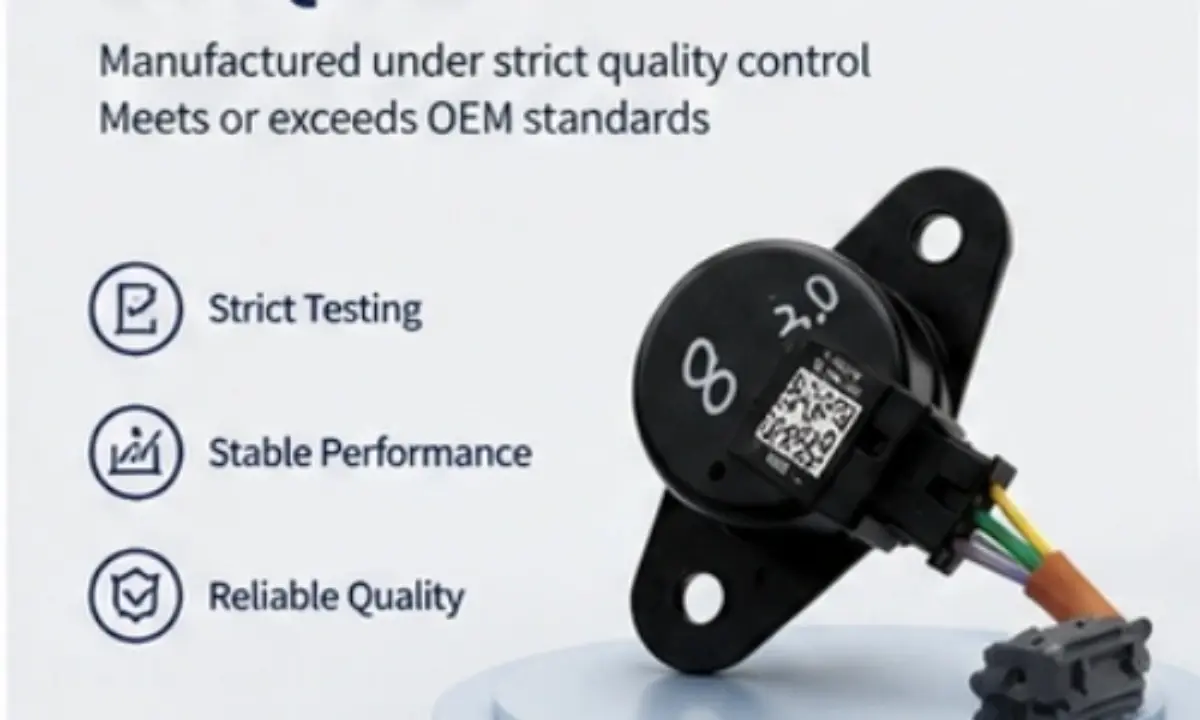
Introducing OEM Urea Pressure Sensors: Technology and Functionality
The Essential Role in SCR Systems
OEM Urea pressure sensors measure the pressure between the pump and injector in real time and are used as the precise tracking part in SCR systems. These gadgets send constant return signals to the SCR control unit, which lets the urea dose be controlled in a closed loop. OEM sensors, unlike aftermarket options, go through a lot of testing to make sure they meet strict pollution standards like EPA 2010 and future rules. This makes sure they work with engine management systems.
Core Technology Architecture
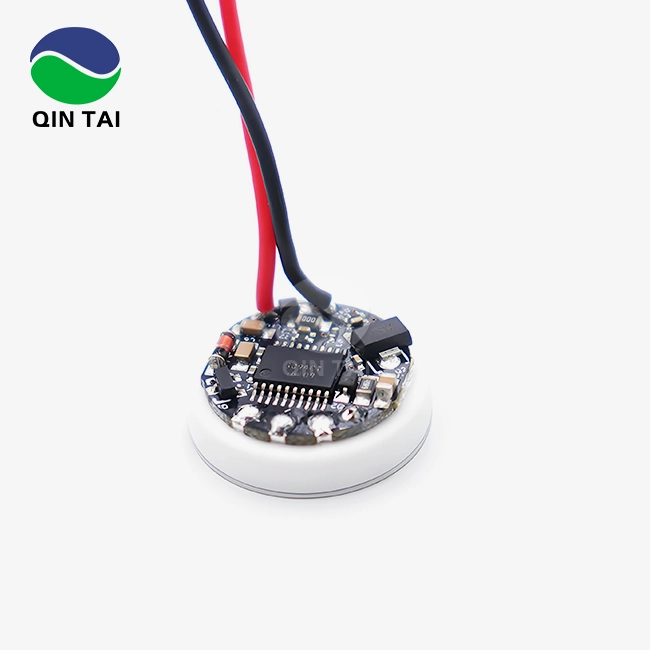
Several specialized technologies are used in modern Urea pressure sensors for urea uses. Ceramic thick-film resistors printed on diaphragms pick up on small deformations brought on by changes in pressure and send voltage signs that are related to the force being applied. The diaphragm, which is usually made of special stainless steel or ceramic materials, has to be able to withstand the alkaline qualities of urea without corroding and stay the same size at all temperatures. More advanced models have temperature adjustment circuitry and diagnostic features that let control systems know about possible problems before they completely break down.
OEM Versus Aftermarket Distinctions
Genuine OEM sensors closely follow the design guidelines, material grades, and testing procedures set by the maker. Choosing the right material is especially important because urea buildup and chemical decomposition can damage the sensor. OEM versions use urea-grade steels and protected coatings that have been tried through thousands of heat cycles. Aftermarket versions, on the other hand, might use cheaper materials that break down quickly under operational stress. This difference in material quality has a direct effect on how accurate measurements are and how long heavy-duty tools last.
Critical Performance Metrics for Evaluating Urea Pressure Sensors
Pressure Accuracy and Response Characteristics
Dosing accuracy is based on measurement precision, which in turn controls pollution performance. High-quality Urea pressure sensors stay accurate within ±2% of their full working range, which for most diesel uses is 0 to 10 bar. Response time, which is the time between a change in pressure and the output of a signal, should stay below 50 milliseconds so that dynamic dose adjustments can be made when the engine load changes quickly. Sensors with quick response times are especially useful for building and agricultural equipment that has to operate in a variety of situations.
Environmental Durability Parameters
Operating temperature ranges show what kinds of tasks a Urea pressure sensor can do. Generator sets in mines or backup power systems may be exposed to temperatures ranging from -40°F to 185°F. Throughout this range, sensors must stay accurate while also being able to handle shaking, mechanical shock, and water. The IP67 or IP69K grade for ingress protection means that the building is protected, so water and dust can't get in. Specifications for vibration resistance, usually set to 30g acceleration, make sure that mobile equipment mounting places work reliably.
Operational Lifespan Considerations
When used continuously, industrial-grade Urea pressure sensors made for OEM uses are supposed to last at least 10,000 hours. This long life is due to strong diaphragm design, good electrical parts, and good sealing systems. Heavy cars that travel 500,000 miles a year or building equipment that works 8,000 hours a year need sensors that are very reliable so that they don't need to be serviced as often. Before sensors go into production, testing methods that simulate conditions that speed up aging make sure that the claimed lifespans are accurate.
Installation and Calibration Requirements
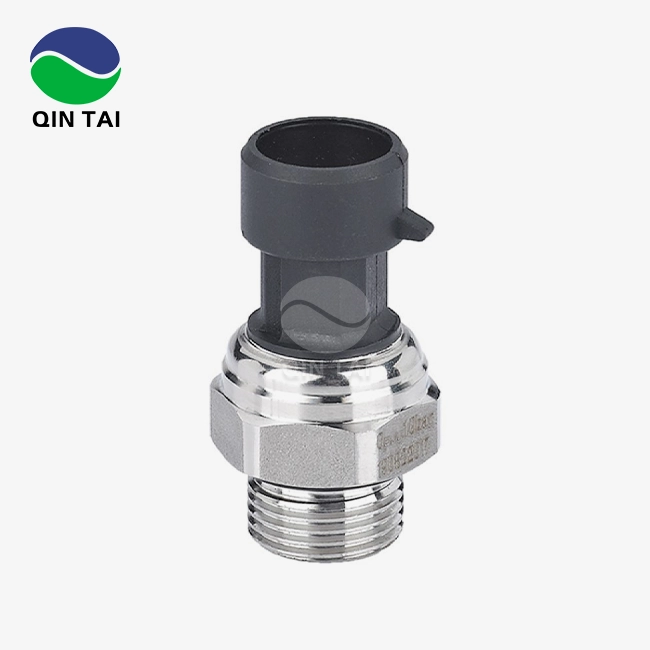
The performance and life of a Urea pressure sensor are directly affected by how well it is installed. The way the sensor is mounted must keep air pockets from forming, which would mess up the pressure readings. For threaded sensors, torque requirements of 10 to 15 Nm make sure that the seal is good without hurting the sensor housings. Many OEM sensors come pre-calibrated with values saved in non-volatile memory, so they don't need to be calibrated in the field. But, after installation, system-level confirmation makes sure that the pressure readings at known reference places are correct and that the control units can talk to each other properly.
How to Choose the Right OEM Urea Pressure Sensor for Your Application?
Aligning Specifications with Application Requirements
The type of vehicle and the design of the SCR system determine which Urea pressure sensors can be used. Heavy-duty Class 8 trucks with 13-liter engines need sensors that can handle wider ranges of flow rates and pressures than small farm tractors. Construction equipment that works in dusty places needs sensors that are better at keeping out outside elements and resisting shaking. Generator set applications that need to be stable for a long time in fixed placements may be able to use bigger sensor packages with better durability features that aren't suitable for mobile applications with limited space.
Compatibility with Engine Management Systems
Urea pressure sensor and control unit communication methods must be exact. These days, most devices use CAN bus digital connections or analog voltage outputs. Voltage output sensors usually send signals between 0.5V and 4.5V that match to pressure ranges. This means that control units need to be set up to work with these parameters. Digital sensors send troubleshooting and pressure data through standard methods, which lets you keep a closer eye on the whole system. To avoid problems with integration, the procurement specs should make sure that the electrical link works with the current control design.
Supplier Reliability and Support Infrastructure
When choosing where to get a Urea pressure sensor, choices go beyond technical specs and include what the seller can do. Companies that are certified by ISO9001 and IATF16949 have quality control systems that are good enough for making cars. It is easier to buy things and figure out what's wrong when suppliers give technical documents in English, quick engineering help, and well-established logistics networks. As key suppliers to major engine makers, companies like Qintai bring a wealth of application knowledge that can be used to give useful implementation advice during the system integration phases.
Certification and Compliance Verification
Certifications from regulatory bodies show that Urea pressure sensors meet safety and efficiency requirements. UL listings make sure that electrical products are safe for use in North America, while CE markings show that they are safe for use in Europe. For automotive uses, PPAP paperwork showing the approval steps for production parts may be needed. Environmental certifications like REACH and RoHS make sure that materials don't contain any harmful chemicals that are against the rules. These certifications are becoming more and more important for businesses that are putting in place full environmental management plans.
Troubleshooting and Maintaining OEM Urea Pressure Sensors for Long-Term Reliability
Recognizing Common Failure Symptoms
Urea pressure sensor decline usually shows up as certain diagnostic trouble codes or strange behavior in the way the sensor works. When pressure values change outside of the normal range, it means that there are problems with the electrical link or damage to the sensor inside. If there are persistent low-pressure problems even though the tank levels are correct, it could be because of crystals blocking supply lines instead of a sensor failure. If the pressure numbers in the control unit data streams stay the same, it means that there are either open or short circuits in the sensor wires. Correctly identifying symptoms keeps you from replacing parts that aren't needed and helps upkeep work go to the root causes.
Preventive Maintenance Protocols
Regular cleaning greatly increases the useful life of Urea pressure sensors. Visual checks of electrical connections every three months find corrosion or damage that needs to be fixed before it causes a fault. Monitoring the quality of urea stops pollution that speeds up sensor decline; contaminants that are higher than the limits set by ISO 22241 corrode sensor materials. Crystallization that builds up in supply lines can block sensor ports can be removed by cleaning the system on a regular basis. Many original equipment manufacturers (OEMs) suggest full system winterization procedures for equipment that will be kept in freezing temperatures. These procedures protect sensors from thermal stress during freeze-thaw cycles.
Diagnostic Workflow for Failure Analysis
Use of systematic debugging removes Urea pressure sensor failures from system problems that are connected to them. Baseline readings that show the supply voltage at the sensor ports rule out problems with the power supply to the control unit. By checking the resistance across the sensor's contacts, you can find open circuits or shorts to ground that show internal problems. Comparative pressure testing with standardized mechanical gauges checks to see if sensor numbers are a good reflection of the real system pressures. This orderly technique cuts down on diagnostic time and stops wrong diagnoses that lead to parts replacements that aren't needed.
Replacement Decision Criteria
To decide whether to fix or replace a Urea pressure sensor, you have to compare the failure modes and prices of the sensors. Electrical connection problems or damaged wires are fixable problems that only need to be fixed by servicing the connectors or replacing the cable. When an internal sensor fails because of diaphragm damage or computer component wear, the whole sensor has to be replaced. Because sensors are more expensive than diagnostic work, many operators change sensors that have periodic faults that make troubleshooting harder. Keeping a supply of extra sensors for important tools on hand cuts down on downtime when something goes wrong.

SENSOR+TEST, June 9 – 11, 2026
We look forward to your visit,warmly welcome to our booth 1-634!
Get your free ticket online now:
https://www.sensor-test.de/service/ticket/?52790
Procurement Best Practices: How to Buy OEM Urea Pressure Sensors Confidently?
Understanding Pricing Factors and Cost Optimization
Urea pressure sensor prices depend on many things, like the type of material used, the amount that is made, and the approval standards. The main things that determine unit prices, which range from $80 to $300, are the pressure range, communication platforms, and brand positioning. For sales of 100 or more units, there are usually tiered price systems that offer discounts of 15 to 30 percent.
Suppliers can plan their production more efficiently when they have annual contracts that include expected amounts. Customers benefit from these efficiency gains because the prices are more favorable. When deciding what to buy, people who are trying to balance cost and quality should keep in mind that better sensors with longer guarantees and a history of reliability often have lower total costs of ownership, even though they cost more at first.
Sourcing from Certified OEM Distributors
When you buy true OEM Urea pressure sensors through official channels, you can be sure that you are getting real parts that come with maker warranties. More and more, fake sensors are getting into supply lines. They offer good deals but don't have quality control or performance proof. Traceability paperwork linking individual sensors to production batches is kept by authorized distributors. This makes it easier to handle recalls and look into quality issues. Established wholesalers also carry related parts, like wire leads and mounting tools, which makes the buying process easier by allowing for one-time orders.
International Procurement Considerations
Cross-border buying adds organizational challenges that need to be carefully managed. Usually, it takes between 6 and 12 weeks for standard Urea pressure sensor products to get from makers in Asia to distribution points in North America. Air freight speeds up arrival to one to two weeks, but it costs 300 to 400% more to move. Import taxes and the steps needed to clear customs make things more complicated and could cause delays. Suppliers with established North American warehousing skills can help with these problems by providing domestic goods and faster delivery windows that are similar to those of local suppliers.
Warranty Coverage and Technical Support
Buyers are protected against early fails and manufacturing flaws by Urea pressure sensor warranties that cover a lot of things. Standard OEM sensor guarantees cover the cost of replacing broken parts for 12 to 24 months or a set number of operating hours. Some sellers offer extended warranty choices that give you more coverage for longer amounts of time at extra cost. Technical support skills are just as important—suppliers who can help with application building, installation, and fixing are much more valuable than those who just sell parts. Procurement and engineering teams get quick answers to questions about specifications and problems with integration when they can talk to each other quickly through email contacts like technical inquiry addresses.
Conclusion
When choosing OEM Urea pressure sensors, you have to weigh the technical performance needs against things like price, source trustworthiness, and support infrastructure. Sensors that are built from materials that won't rust, meet strict accuracy requirements, and are approved to safety standards provide the dependability needed for emissions compliance and uptime. Purchasing managers and engineers can get more work done by working with qualified sellers who have quality certifications, quick technical help, and clear sourcing practices. Buyers can safely choose parts that will support long-term system performance and regulatory compliance by carefully comparing sensor specs to application needs and systematically evaluating suppliers.
FAQ
Q1: What distinguishes OEM sensors from aftermarket alternatives?
A: When it comes to materials, testing, and quality control, OEM Urea pressure sensors must strictly follow the original equipment manufacturer's instructions. When manufacturers test OEM parts, they use validation procedures that mimic real-world conditions. On the other hand, aftermarket sensors might use different materials and shorter tests. This difference has an impact on the accuracy of measurements, the device's ability to withstand harsh environments, and its useful life.
Q2: How often should pressure sensors be replaced?
A: Replacement times depend on how hard the application is and how often it is maintained. Heavy-duty industrial cars usually go 500,000 miles or 10,000 hours of use before they need to have their Urea pressure sensors replaced. Generator sets that are stationary and work in controlled settings may not need to be serviced for up to 15,000 hours. However, sensors that are exposed to toxic urea, extreme temperature changes, or poor upkeep may need to be replaced sooner.
Partner with Qintai for Reliable Urea Pressure Sensor Solutions
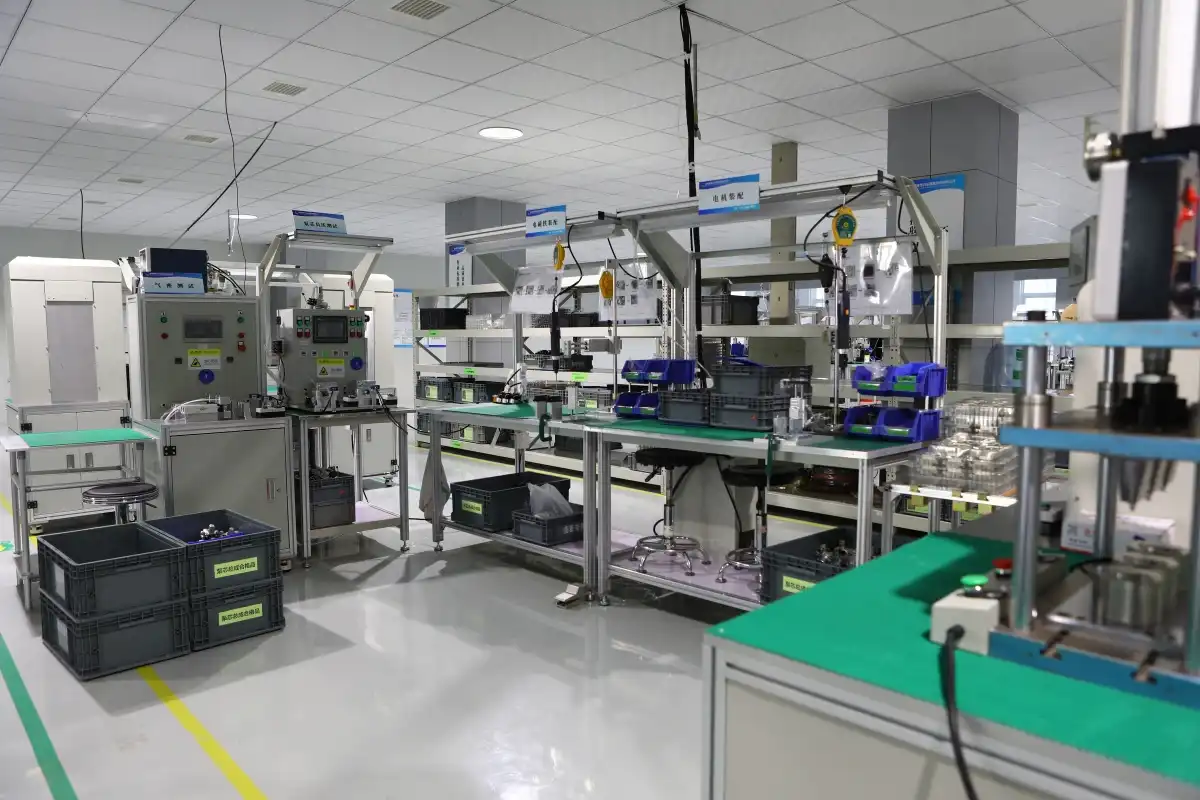
Qintai is the biggest company in China that makes SCR aftertreatment parts. It has the biggest share of the Chinese market thanks to agreements with Weichai Power, Yuchai Power, and Quanchai Power. Our production sites are ISO9001, IATF16949, and UL-certified, and they can do both advanced research and development (R&D) and large-scale production for OEM users around the world. We offer flexible Urea pressure sensor interfaces and settings that can be changed to fit the needs of any SCR system.
Our services are backed by full expert support and quick delivery times. Our sensors go through a lot of validation testing to make sure they meet EPA pollution standards and work the same way in harsh settings and at high temperatures. Get in touch with our technical team at info@qt-sensor.com to talk about your needs for a Urea pressure sensor supplier and get full specs that will help you with your purchase evaluation process.
References
1. Society of Automotive Engineers, "Diesel Exhaust Fluid Quality Requirements for SCR Systems," SAE Standard J2906, 2019.
2. Environmental Protection Agency, "Heavy-Duty Highway Compression-Ignition Engines and Urban Buses—Exhaust Emission Standards," Code of Federal Regulations Title 40 Part 86, 2023.
3. International Organization for Standardization, "Diesel Engines—NOx Reduction Agent AUS 32—Part 1: Quality Requirements," ISO 22241-1:2019.
4. Miller, R. and Thompson, J., "Sensor Technologies for Automotive Urea-SCR Systems," International Journal of Automotive Technology, Vol. 21, No. 4, pp. 892-903, 2020.
5. Chen, P., "Durability Assessment of Pressure Sensors in SCR Dosing Systems," Journal of Engineering for Gas Turbines and Power, Vol. 143, No. 8, 2021.
6. Zhang, L. and Wang, H., "Corrosion Resistance of Materials in Urea Solution Environments," Materials Science and Engineering: A, Vol. 785, Article 139353, 2020.
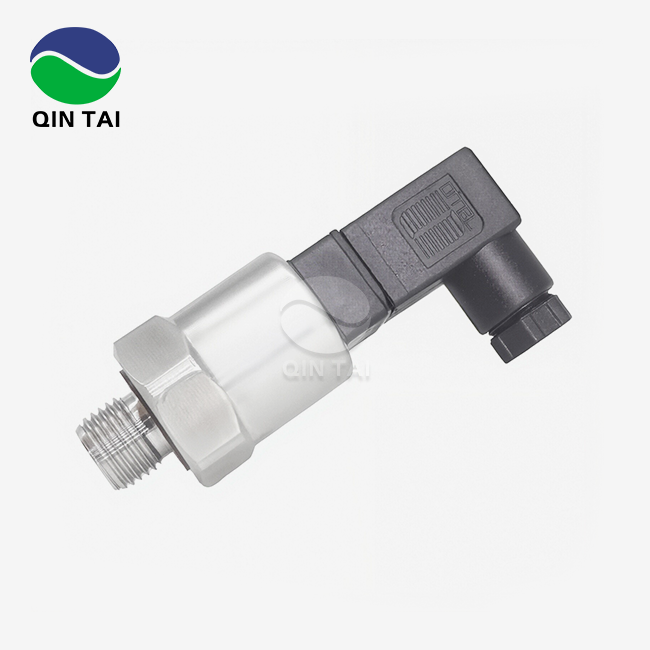

Our customers’ satisfaction speaks for our quality — contact us to experience the same reliable service.