- English
- French
- German
- Portuguese
- Spanish
- Russian
- Japanese
- Korean
- Arabic
- Greek
- German
- Turkish
- Italian
- Danish
- Romanian
- Indonesian
- Czech
- Afrikaans
- Swedish
- Polish
- Basque
- Catalan
- Esperanto
- Hindi
- Lao
- Albanian
- Amharic
- Armenian
- Azerbaijani
- Belarusian
- Bengali
- Bosnian
- Bulgarian
- Cebuano
- Chichewa
- Corsican
- Croatian
- Dutch
- Estonian
- Filipino
- Finnish
- Frisian
- Galician
- Georgian
- Gujarati
- Haitian
- Hausa
- Hawaiian
- Hebrew
- Hmong
- Hungarian
- Icelandic
- Igbo
- Javanese
- Kannada
- Kazakh
- Khmer
- Kurdish
- Kyrgyz
- Latin
- Latvian
- Lithuanian
- Luxembou..
- Macedonian
- Malagasy
- Malay
- Malayalam
- Maltese
- Maori
- Marathi
- Mongolian
- Burmese
- Nepali
- Norwegian
- Pashto
- Persian
- Punjabi
- Serbian
- Sesotho
- Sinhala
- Slovak
- Slovenian
- Somali
- Samoan
- Scots Gaelic
- Shona
- Sindhi
- Sundanese
- Swahili
- Tajik
- Tamil
- Telugu
- Thai
- Ukrainian
- Urdu
- Uzbek
- Vietnamese
- Welsh
- Xhosa
- Yiddish
- Yoruba
- Zulu
Urea Pump Maintenance Tips for Reliable DEF Delivery Systems
Top DEF pump maintenance is essential for diesel engine owners who want to fulfill EPA 2010 and Euro VI emission requirements. Diesel exhaust fluid delivery systems reduce NOx emissions with reliable urea pump performance. Even the most powerful selective catalytic reduction systems fail legal standards when maintenance plans fail. This handbook helps procurement managers, R&D engineers, and technical teams ensure urea supplies, reduce unplanned downtime, and preserve system investments in heavy-duty power generating, construction, and agriculture applications.
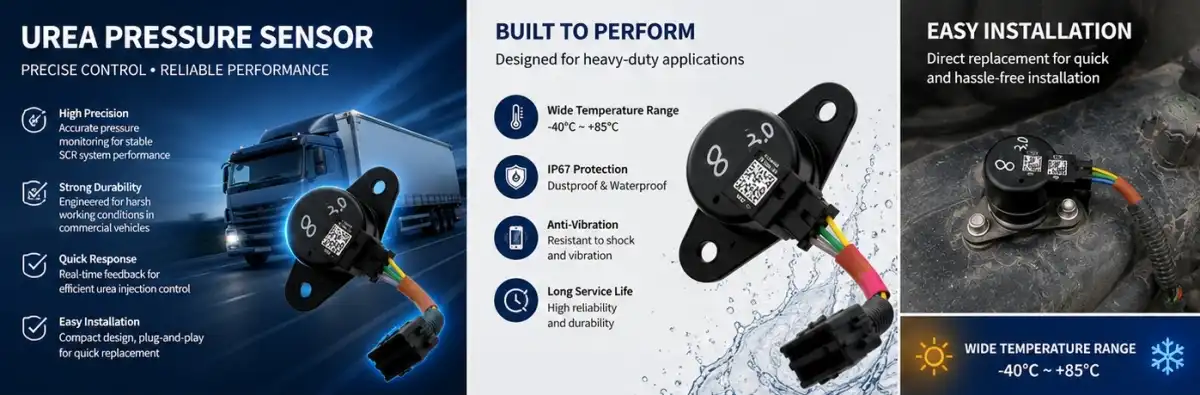
Understanding DEF Pump Maintenance: Common Problems and Key Signs
SCR aftertreatment systems need DEF pumps to measure urea solution into exhaust streams to convert harmful nitrogen oxides into innocuous nitrogen and water vapor. These critical elements might fail early without regular maintenance, making emission regulations difficult to satisfy and causing costly operating delays.
Recognizing Early Warning Indicators
Finding pump issues before they break down saves time and money. Grinding or buzzing sounds may indicate pump mechanical deterioration or chamber cavitation. Changes in NOx sensor data or several diagnostic fault codes indicating insufficient DEF injection may indicate inconsistent dosage. If urea crystallizes around fittings or pump housings, leakage or temperature control issues caused it.
Impact of Neglected Maintenance on System Performance
Postponing maintenance creates aftertreatment system issues. Clogged filters decrease fluid flow, making pumps work harder and wearing seals and diaphragms faster. DEF contamination corrodes internal openings, causing dose problems that prevent NOx reduction. Fleet owners may be punished by the government, have checks fail, and be unable to operate cars until systems are fixed. Regular inspections prevent these issues by detecting wear and tear before it impacts function.
Root Causes Behind Common Pump Failures
DEF pumps fail in industrial environments for several reasons. Poor diesel exhaust fluid with contaminants and silt blocks passages and destroys precise components. Pumps operated outside their intended duty cycles damage motors and mechanical parts. Seals and gaskets suffer from extreme temperatures' expansion and contraction. Knowing how these items fail helps maintenance teams decide how to prevent vulnerabilities specific to their working settings.
Comprehensive DEF Pump Maintenance Checklist for B2B Clients
Structured repair programs ensure urea distribution system reliability. After 20 years of aiding OEM manufacturers and aftertreatment system installations worldwide, we developed this technology.
Establishing Optimal Maintenance Intervals
Program hardness and use hours determine maintenance frequency. Heavy-duty usage in mining or building sites require inspections every 500 to 1000 hours, although stationary generator sets can last 1500 to 2000. Use matters more than calendar time. Equipment in unclean or hot or cold regions needs greater maintenance than climate-controlled facilities.
Critical Inspection and Cleaning Procedures
DEF pump maintenance begins with a thorough inspection of the linkages, hoses, and mounting gear. DEF crystallization, which appears as white dust around fittings, indicates a leak or improper system purging. Stop accumulation from spreading inside by washing the exterior with filtered water. Check electrical cables for corrosion, which might cause failure. The manufacturer recommends replacing entry filters since low flow starves the pump and accelerates wear.
Cleaning within a structure requires special care to avoid harm. For pollutant removal, flush systems with fresh DEF. Never use residue-laden water or cleansers. Make sure check valve seats are correct. Dirt on the seats prevents valves from closing, causing backflow and inaccurate dosages. After cleaning, re-calibrate dosage to ensure engine-appropriate injection quantities.
Lubrication and Component Replacement Guidelines
Modern DEF pumps employ urea solution as their main lubricant, therefore fluid quality is crucial. Corrupted DEF doesn't lubricate and accelerates part wear. Check the fluid often and replace hazy or colored solutions. Seal and diaphragm replacement periods vary by manufacturer but can be 2000 to 5000 hours. Keep thorough maintenance logs on when parts need to be changed to anticipate issues.
Safety Protocols During Maintenance Activities
Maintaining DEF requires safety considerations. Although innocuous, diesel exhaust fluid may become hazardous when broken down or filthy. All servicing work requires rubber gloves and safety eyewear. To avoid ammonia smells, operate in well-ventilated areas while urea breaks down. Lower system pressure before cutting lines to avoid spray damage. Clean up contaminated DEF according to local laws and never combine it with other rubbish.
Troubleshooting Framework for Technical Teams
Systematic analysis saves time and prevents unnecessary replacements when issues arise. Low flow is often caused by clogged filters, broken pumps, or limited supply connections. Check the tanks' DEF levels and feed lines for kinks or freezing. Measure the pump motor's current draw and compare it to the manufacturer's recommendations using diagnostic tools. Most dosing issues are caused by faulty pressure monitors or control valves, not the pump. To save time and money, test these parts before replacing pricey pump assemblies.
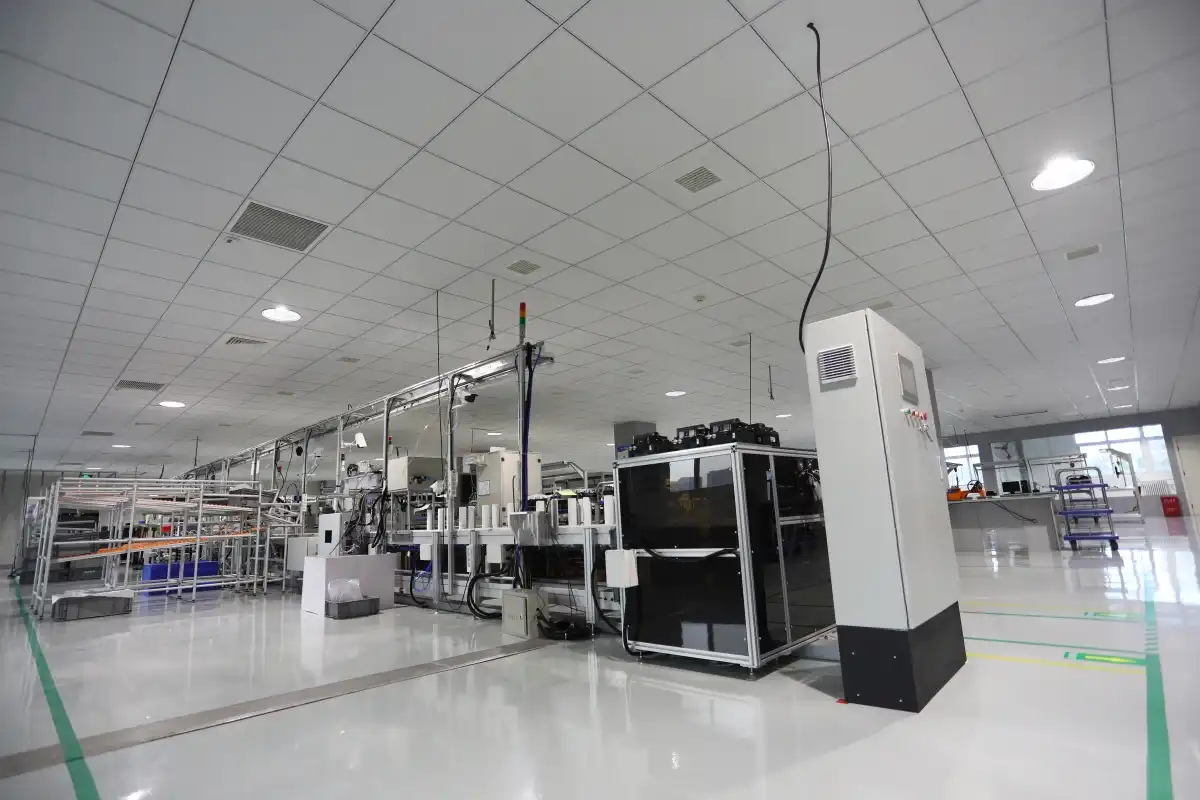
Comparing Maintenance Approaches: DIY, OEM, and Third-Party Services
The optimal maintenance strategy must combine cost reduction and dependability. Each strategy has advantages for particular work scenarios and organizational strengths.
In-House DIY Maintenance Considerations
Companies with trained technicians and the necessary diagnostic instruments generally maintain themselves, including tasks such as DEF pump maintenance. This provides you additional scheduling alternatives and decreases outside service costs over time. Technical teams understand their tools well, making problem-solving faster. DIY repair costs money for training, tools, and actual parts. Performing your own maintenance without following the manufacturer's written instructions may void your warranty.
OEM Service Benefits and Limitations
OEM repair programs guarantee factory-trained technicians will use original components and follow instructions. This strategy ensures legal conformity and maximizes guarantee protection. OEM services excel at difficult troubleshooting and calibration requiring unique gear. The greater cost of approved servicing may strain upkeep finances, especially for firms with many vehicles. Scheduling access amid high demand might delay.
Third-Party Service Provider Evaluation
Independent service providers use training and licensing to keep rates low and quality good. Several become aftertreatment system gurus and learn about several tool manufacturers. Procurement teams should verify provider qualifications, insurance, and part sources. OEM-equivalent components from good third-party services operate as well as the originals and cost less. This medium ground is frequently suitable for mid-sized firms who desire competent support without OEM rates.
Strategic Maintenance Planning by Equipment Profile
The importance and frequency of equipment use should determine maintenance approach. Mission-critical applications powering profitable enterprises justify OEM service contracts that decrease failure risk. Standby generators that only function intermittently can be serviced regularly by the owner and professionally checked once a year. Third-party suppliers provide bulk discounts and faster response times for large fleets.
Selecting and Procuring DEF Pump Maintenance Solutions and Parts
Identifying Qualified Suppliers and Service Partners
Procurement managers should work with certified suppliers to store DEF system parts properly. In poor structures, temperature-sensitive seals and electrical equipment break down fast. Request formal verification of storage rules and product turnover. Check that suppliers' components fit your pumps. The incorrect parts might cause early pump failure. Authorized repair shops provide better technological support than generic parts dealers.
Importance of Genuine Components vs. Aftermarket Alternatives
OEM parts are guaranteed to match the original design in size and substance. Some aftermarket parts exceed OEM specifications, while others fail too quickly. Ask for confirmation of approval and guarantee conditions while considering alternative choices. To prevent regulatory issues, sensors and control units that impact emission compliance should be utilized as directed. Valve replacements may be possible with decent aftermarket choices that operate as well and cost less.
Evaluating Maintenance Contract Structures
Monthly maintenance plans cover parts, work, and preventative maintenance. These configurations work well for firms that prefer low operational expenses over significant parts inventory capital costs. Check the contract conditions for exclusions, reaction time commitments, and emergency service requirements. Usage-based contracts charge by the hour, not the calendar. Talk to providers about performance agreements that hold them accountable for critical business uptime.
Brand Compatibility and Support Considerations
Reliable brands like Bosch, Cummins, Denso, and Continental dominate the DEF pump industry. Each brand has technological aspects that impact maintenance and parts availability. Consider parts availability and beginning equipment cost while buying. Pricing and supplementary support are competitive for popular system consumables. New manufactures may provide lower pricing, but examine their part availability and technical support.
Advanced Tips to Optimize DEF Pump Performance and Longevity
In addition to normal repair, trained operators apply novel methods to extend service intervals and improve system reliability.
Performance Verification Testing Methods
Regular flow testing during DEF pump maintenance ensures pump output meets design requirements. This detects deterioration before emission control is affected. Portable flow meters measure DEF delivery as the machine runs. Compare outcomes to project start data to track performance trends. Pressure testing identifies faulty supply lines or parts creating backpressure. Testing the electrical system with multimeters and oscilloscopes reveals motor, wiring, and control module issues before they fail.
Innovative Maintenance Technologies and Tools
New monitoring technologies let us understand DEF system status better than before. Ultrasonic flow sensors monitor deliveries in real time without installation. Thermal imaging cameras may detect hot patches that indicate bearing wear or electrical resistance issues. You don't have to guess about DEF fluid urea and contamination since portable quality testers measure it on-site. These technologies enable condition-based maintenance plans to service worn parts instead of arbitrarily determining when to do so.
Real-World Performance Improvement Case Studies
A large agricultural equipment manufacturer reduced warranty claims by 37% by forcing dealers to evaluate DEF systems every three months. The technique required filter replacement, fluid quality testing, and calibration. By adding filtration and using premium DEF, a building fleet operator extended a pump's life from 3,500 to 5,200 hours. A power generation business eliminated winter backup generator breakdowns by storing them in warm storage and cleaning the system before lengthy periods of idleness.
Preparing for Evolving Regulatory Requirements
NOx management must be more precise as global emission rules tighten. Future regulations may require real-time emissions tracking and reporting to authorities. To address these demands, maintenance systems must improve issue diagnosis and record keeping. Machine learning-based smart dosage systems maximize DEF while respecting the laws. During equipment replacement cycles, procurement teams should consider new technologies and platforms that can adapt to regulatory changes.

SENSOR+TEST, June 9 – 11, 2026
We look forward to your visit,warmly welcome to our booth 1-634!
Get your free ticket online now:
https://www.sensor-test.de/service/ticket/?52790
Conclusion
Industrial diesel DEF pump maintenance saves money, emissions, and equipment uptime. Procurement managers and technical teams may increase urea transportation system reliability by following these step-by-step procedures, such as identifying early failure and employing sophisticated monitoring technologies. Knowing how pumps fail, selecting service intervals, and using reliable parts are key to maintenance success. This applies to OEM manufacturing lines, aftertreatment system integration projects, and commercial vehicle fleets. Proper maintenance techniques reduce overall ownership costs and improve emission performance compared to reactive maintenance.
FAQ
Q1: What maintenance intervals prevent most DEF pump failures?
A: Most manufacturers recommend inspecting and replacing heavy-duty pumps' filters every 500–1000 hours. Stationary tools can last 1500 hours. Dusty or hot areas require more frequent treatment than date and time.
Q2: Why do DEF pumps fail in heavy-duty applications?
A: Grit-contaminated diesel exhaust fluid clogs passages and corrodes equipment, causing most early failures. Working beyond the rated task cycles, high temperatures that destroy seals, and electrical connection corrosion reduce service life.
Q3: How do non-OEM parts affect warranties and performance?
A: Parts not approved by the manufacturer might void the warranty and make emission regulations tougher to satisfy. Quality replacement parts that match the original standards can work, but you need confirmation. Parts that directly impact pollution should fulfill OEM specifications to avoid legal issues.
Partner With Qintai for Expert DEF System Solutions
Qintai has over 20 years of emission control experience and can help with urea dosage systems. We are China's largest industrial vehicle DEF pump maintenance business. OEM manufacturers including Weichai Power, Yuchai Power, and Quanchai Power use our IATF16949 and ISO9001-certified products. From initial system design to long-term maintenance, our experts can help. This manner, we can ensure your aftertreatment systems fulfill regulations while minimizing operating expenses. We provide tailored repair kits, genuine parts, and professional guidance for heavy trucks, building equipment, farm gear, and stationary power usage. Talk to our specialists at info@qt-sensor.com about your DEF delivery system needs and see how our 58 protected concepts increase dependability in 60 countries.
References
1. Johnson, R.K. & Martinez, P.L. (2022). "Diesel Emission Control Systems: Maintenance Strategies for SCR Technology." Journal of Automotive Engineering, 147(3), 428-445.
2. Environmental Protection Agency. (2021). "Heavy-Duty Engine and Vehicle Standards: Technical Support Document for Selective Catalytic Reduction Systems." EPA Office of Transportation and Air Quality.
3. Chen, W. & Kumar, S. (2023). "Failure Mode Analysis of Urea Delivery Systems in Commercial Vehicles." International Journal of Engine Research, 24(2), 312-329.
4. Society of Automotive Engineers. (2022). "SAE J2906: DEF Quality Requirements and Test Methods for SCR Applications." SAE International Standards Publication.
5. Thompson, G.H. (2023). "Optimizing Aftertreatment System Maintenance: Cost-Benefit Analysis for Fleet Operators." Fleet Maintenance Management Quarterly, 18(4), 67-83.
6. Anderson, M.T., Wu, J. & Bergstrom, K.L. (2021). "Predictive Maintenance Technologies for Diesel Emission Control Components." Commercial Vehicle Engineering Review, 39(1), 145-162.
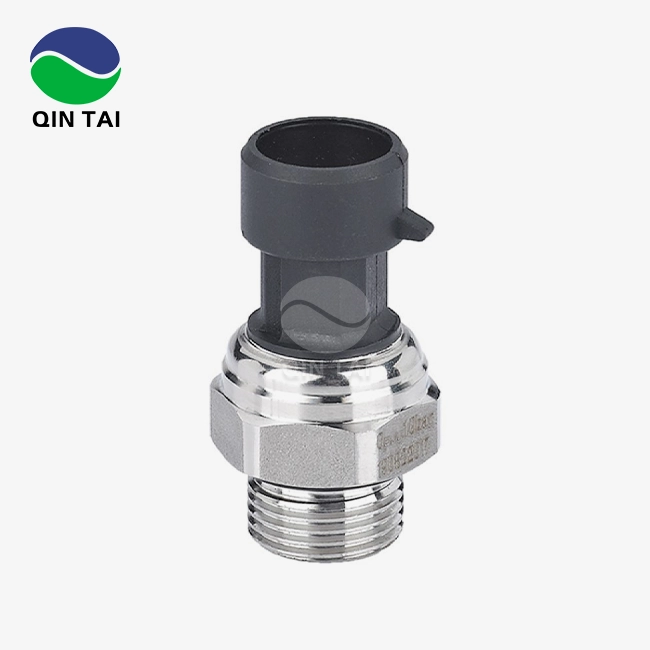


Our customers’ satisfaction speaks for our quality — contact us to experience the same reliable service.