- English
- French
- German
- Portuguese
- Spanish
- Russian
- Japanese
- Korean
- Arabic
- Greek
- German
- Turkish
- Italian
- Danish
- Romanian
- Indonesian
- Czech
- Afrikaans
- Swedish
- Polish
- Basque
- Catalan
- Esperanto
- Hindi
- Lao
- Albanian
- Amharic
- Armenian
- Azerbaijani
- Belarusian
- Bengali
- Bosnian
- Bulgarian
- Cebuano
- Chichewa
- Corsican
- Croatian
- Dutch
- Estonian
- Filipino
- Finnish
- Frisian
- Galician
- Georgian
- Gujarati
- Haitian
- Hausa
- Hawaiian
- Hebrew
- Hmong
- Hungarian
- Icelandic
- Igbo
- Javanese
- Kannada
- Kazakh
- Khmer
- Kurdish
- Kyrgyz
- Latin
- Latvian
- Lithuanian
- Luxembou..
- Macedonian
- Malagasy
- Malay
- Malayalam
- Maltese
- Maori
- Marathi
- Mongolian
- Burmese
- Nepali
- Norwegian
- Pashto
- Persian
- Punjabi
- Serbian
- Sesotho
- Sinhala
- Slovak
- Slovenian
- Somali
- Samoan
- Scots Gaelic
- Shona
- Sindhi
- Sundanese
- Swahili
- Tajik
- Tamil
- Telugu
- Thai
- Ukrainian
- Urdu
- Uzbek
- Vietnamese
- Welsh
- Xhosa
- Yiddish
- Yoruba
- Zulu
Can a NOx sensor cause bad acceleration?
Yes, a malfunctioning nox sensor can definitely cause bad acceleration in diesel vehicles. When a NOx sensor fails, it disrupts the engine control unit's ability to properly manage the selective catalytic reduction (SCR) system and fuel injection timing. This leads to reduced engine power, hesitation during acceleration, and poor throttle response. The engine management system relies on accurate NOx readings to optimize performance, and faulty sensors create a cascade of issues that directly impact vehicle acceleration and overall drivability.
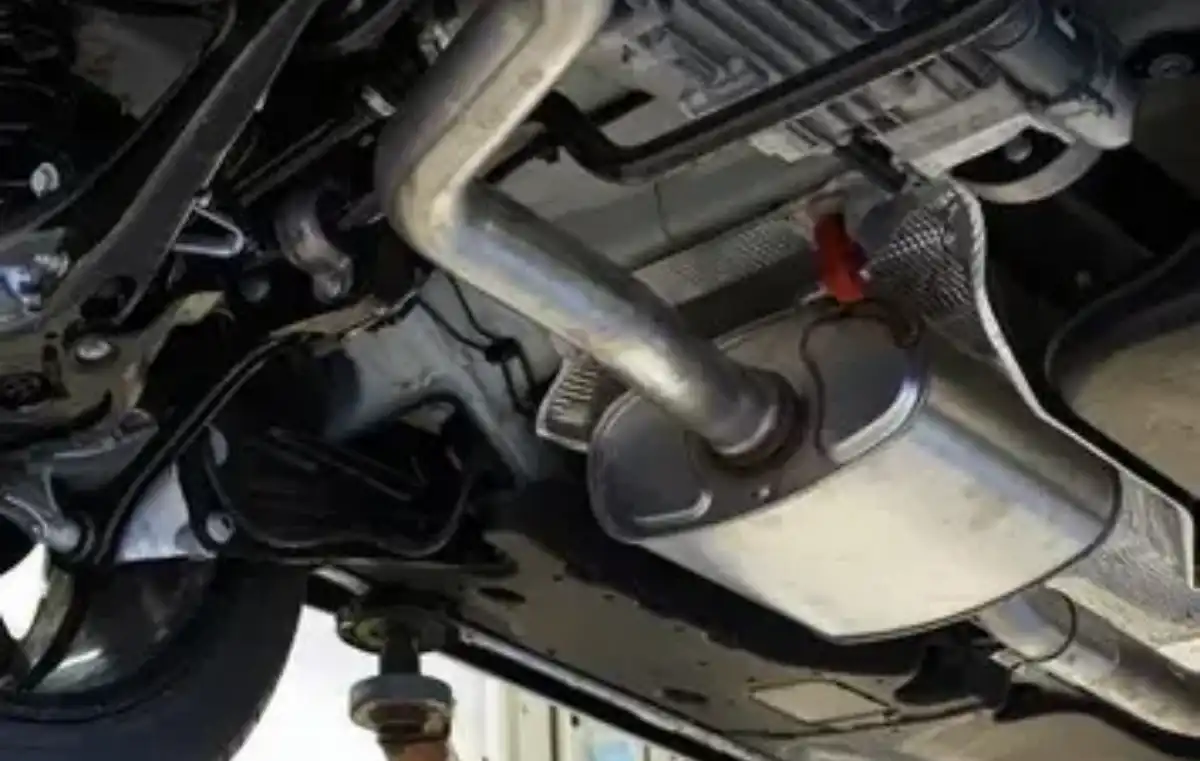
Understanding NOx Sensors and Their Role in Vehicle Performance
Modern diesel engines depend heavily on sophisticated emission control systems to meet stringent environmental regulations. At the heart of these systems lies the nox sensor, a critical component that continuously monitors nitrogen oxide levels in exhaust gases.
How NOx Sensors Function in Emission Control Systems?
NOx sensors work with cutting edge zirconia ceramic technology and built-in heated elements. In real time, these sensors measure the amount of nitrogen oxides in the air and send that information to the engine control unit using digital methods, most often CAN bus systems. Because it has a built-in warmer, the sensing element stays at the best temperature for operation, so results are always accurate.
One of the sensor's main jobs is to check how well the SCR catalyst device is working. The engine control module can tell if the catalytic reduction process is working right by comparing the NOx levels upstream and downstream. With this information, the exact time and amount of urea injection can be set, which improves both fuel economy and pollution reduction.
Different Types of NOx Sensors and Their Applications
Different NOx sensor designs are used by automakers based on the engine's specs and pollution rules. Upstream sensors pick up the raw NOx fumes from the burning process, and downstream sensors check the amounts of NOx that are still present after the catalyst treatment. This two-sensor method lets you keep a close eye on all emissions and create complex control systems.
Multiple NOx sensors are often built into the exhaust system of modern heavy-duty diesel engines. Along with other emission control parts, like diesel particulate filters and SCR catalysts, these sensors make an integrated aftertreatment system that meets Euro VI and EPA pollution guidelines.
Diagnosing Bad Acceleration Linked to NOx Sensor Issues
When NOx sensors don't work right, they set off a chain of events that has a big effect on how well the engine runs and how fast it accelerates. Knowing these signs helps fleet managers and techs spot problems before they get worse and need expensive fixes.
Common Symptoms of NOx Sensor-Related Acceleration Problems
Faulty NOx sensors typically manifest through several observable symptoms. When drivers press the gas pedal, they often feel hesitancy, especially when going from slow speeds to high speeds or up hills. The engine might feel slow and unreliable, and it might not have the power output that would normally be expected.
Indicators like the check engine light coming on more often, using more DEF, and getting emission-related warning messages are also signs. Some cars may go into "limp mode," which seriously limits engine power to keep pollution control parts from getting damaged. Because these safety steps put following the rules ahead of performance, acceleration is obviously slow.
Understanding Error Codes and Diagnostic Procedures
Professional troubleshooting tools show specific error codes that show where NOx sensors aren't working right. "Circuit high," "circuit open," or "implausible signal" are common trouble codes that often say which sensor is affected, either upstream or downstream. These numbers help techs find the exact part that needs fixing.
Systematic checking of sensor circuits, connector integrity, and signal validation are all necessary for accurate analysis. Technicians need to make sure that the heating elements in sensors work properly, because numbers that aren't accurate can lead to performance problems. Problems with speeding that are linked to nox sensor functionality can also be caused by things in the environment, like contaminated sensors or damaged exhaust systems.
Troubleshooting and Resolving NOx Sensor-Related Performance Problems
Addressing NOx sensor issues needs methodical methods that make sure the problem is correctly identified and fixed. Structured testing methods help professional maintenance teams keep vehicles running as much as possible while also making repairs more effective.
Step-by-Step Diagnostic Process
The troubleshooting process begins with comprehensive error code scanning using professional diagnostic equipment. Technicians should write down all current and upcoming codes, paying special attention to faults that involve NOx and how often they happen. This first evaluation gives us important information about how big and bad the sensor problem is.
The next step is a physical check, which focuses on making sure sensors can be reached, connectors are in good shape, and the wire harness is complete. Because these parts are so sensitive to external contamination, moisture getting into them is a common reason why nox sensor stop working. Damage that can be seen, like corroded joints or broken wire, is often easy to spot and could affect how well a sensor works.
When replacing a sensor, you need to pay close attention to how it is packaged and how it is installed. To keep moisture out, new NOx sensors must be covered until they are installed. Professional fitting includes using the right amount of torque and carefully routing the wire cables to keep them from getting damaged by heat or shaking in the future.
Comparing OEM and Aftermarket NOx Sensor Options
Compared to secondary options, sensors made by the original equipment maker are usually more reliable and compatible. OEM sensors are put through a lot of testing and evaluation to make sure they work right with certain engine control systems. This process of proof includes changing the temperature, testing for vibrations, and checking the long-term durability in real-world working conditions.
While aftermarket sensors may be cheaper, they don't always come with the quality guarantee and thorough testing that comes with OEM parts. When procurement teams look at aftermarket choices, they need to carefully consider things like guarantee coverage, the availability of expert help, and data on long-term reliability. Aftermarket sensors may save you money at first, but they may not work with your car as well or fail more often, which could affect how well it runs.
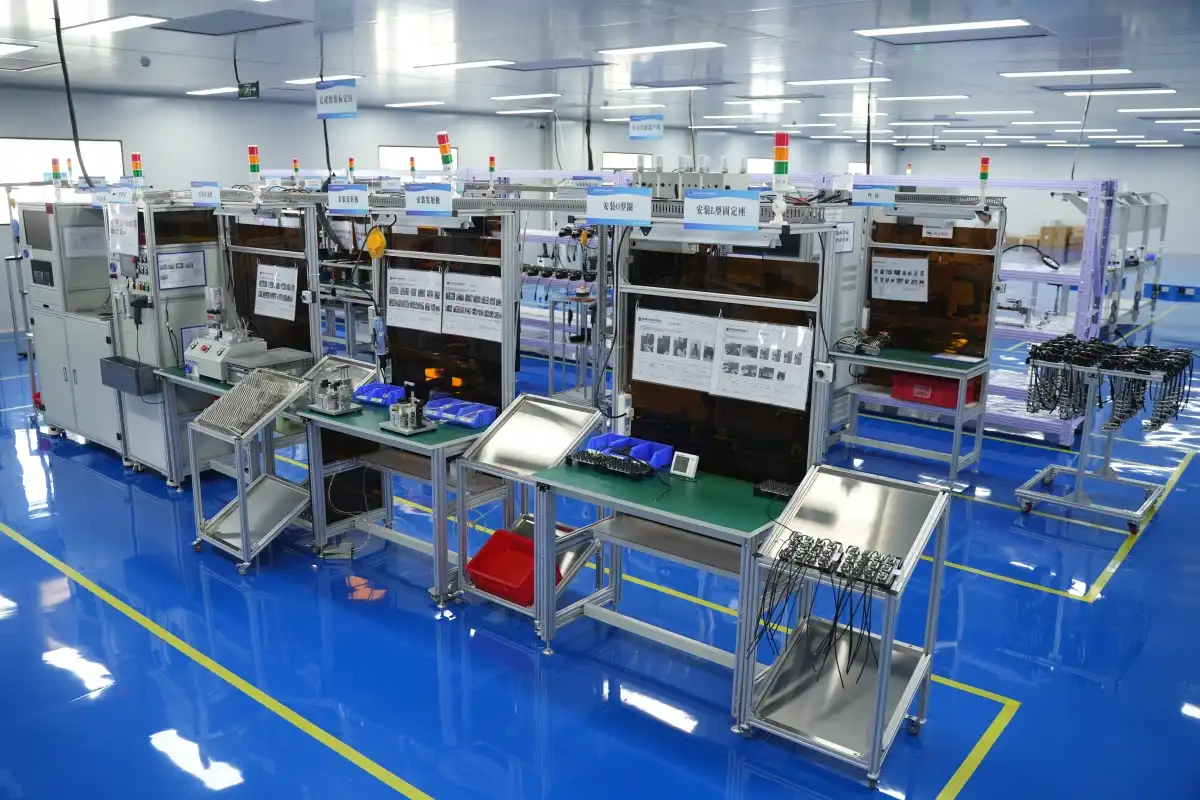
Procurement Considerations for NOx Sensors in B2B Context
When buying a lot of NOx sensors, you need to carefully consider a lot of different factors that affect both the short-term prices and the long-term effectiveness of the operation. The engineering and purchasing teams have to find a mix between technical needs and price limits, all while making sure they have good ties with their suppliers.
Key Selection Criteria for Industrial Applications
Sensor compatibility is the most important thing to think about when making a purchase choice. NOx sensors must meet certain requirements set by the engine control system. These include the right connection protocols, mounting arrangements, and temperature ranges for operation. Compatibility is more than just how well two pieces fit together physically. It also includes software integration and testing processes that make sure the system works right.
Total cost of ownership is greatly affected by how long something lasts in difficult working conditions. In industrial settings, sensors are often exposed to high temperatures, vibrations, and dirt, all of which can speed up the breakdown of parts. High-quality sensors are made with strong materials and have improved finishes that protect them and make them last longer while keeping their measurement accuracy.
Here are the main reasons why premium nox sensor makers are better than regular ones:
• Advanced ceramic sensing elements that offer better accuracy and long-term steadiness over a wide range of temperatures
• Thorough testing methods that show how well the product works in real-life situations like shaking, temperature changes, and contamination exposure
• Digital connection features that make it easy to connect to current engine control systems and diagnostic tools
• Better protective wrapping that keeps wetness from getting into the product while it's being stored and moved
These benefits directly lead to lower maintenance costs, longer vehicle uptime, and better compliance with emission standards for fleet owners who run big diesel vehicle operations.
Supplier Evaluation and Quality Assurance
Well-known sensor makers like Bosch, Delphi, and Continental have put a lot of money into developing NOx sensor technology and making sure the quality of their products. These businesses usually provide a wide range of technical support, such as help with application building and field service, to ensure that sensor deployment goes smoothly.
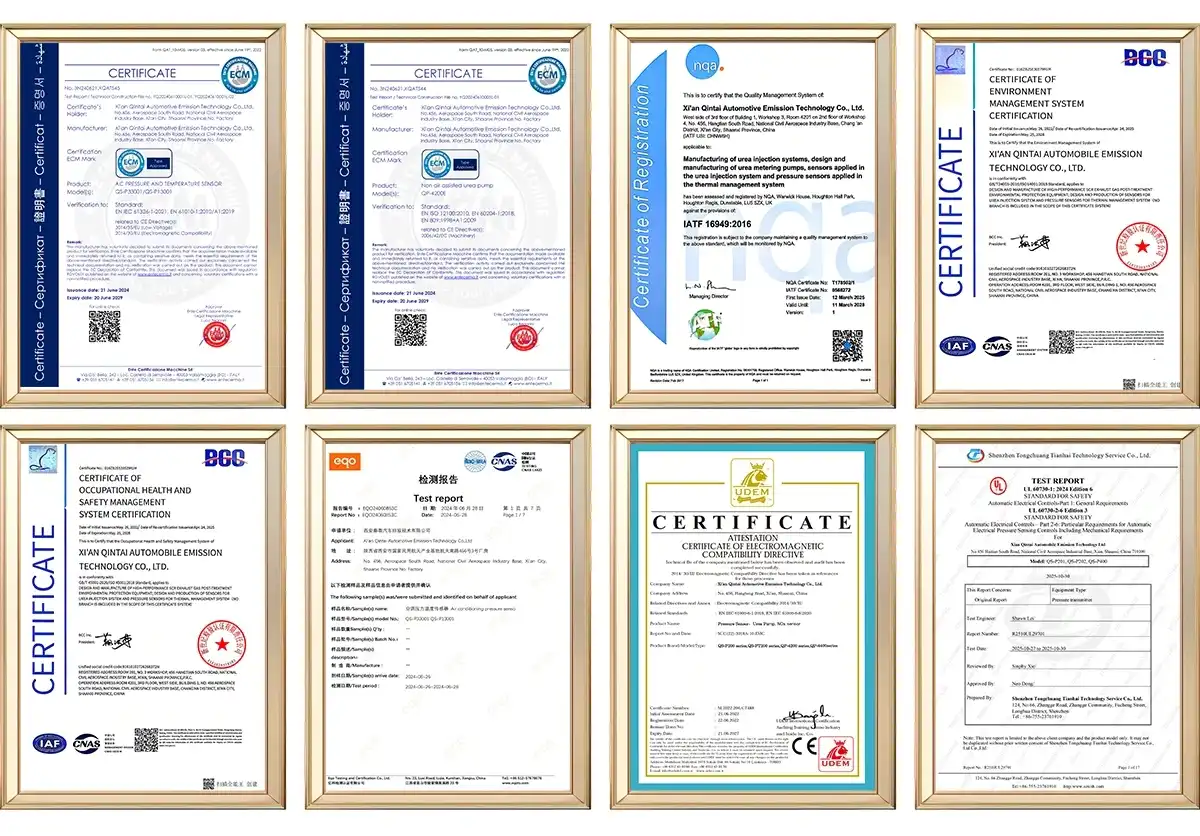
New providers may offer low prices, but their manufacturing skills and quality control methods need to be carefully looked at. ISO 9001 and IATF 16949 licenses show that the company meets the quality standards of the car industry, and the ability to test NOx sensors in certain ways shows that they are technically skilled in this niche area.
Maintaining Optimal Vehicle Performance Through Effective NOx Sensor Management
Proactive repair plans greatly increase the service life of NOx sensors while maintaining uniform car performance and emission standards. Fleet managers who set up regular programs to check on and update sensors see better working efficiency and less unexpected downtime.
Preventive Maintenance Best Practices
Regular diagnostic tracking lets you find sensor degradation early, before it leads to total failure. Professional fleet management systems can keep an eye on NOx sensor performance trends and spot signs like signal drift or occasional problems that mean the sensor is getting close to its end of life. This predictive method lets you schedule repair in a way that doesn't disrupt operations too much.
Good DEF quality control has a direct effect on how long NOx sensors last. Diesel exhaust fluid that is contaminated or broken down can leave dangerous residues on sensor elements, which can make measurements less accurate and speed up the wear and tear on parts. To protect both SCR catalysts and nox sensors, fleet owners should put in place processes for checking the quality of DEF and keeping it in the right way.
Taking steps to protect the environment can help sensors last longer in harsh environments. Checking exhaust system parts on a regular basis makes sure they are properly sealed and stops water from getting in, which can damage sensitive sensor electronics. If you route sensor wire cables correctly, they won't get damaged by heat, vibration, or touching moving parts.
Future Technologies and Industry Trends
Improved accuracy, longevity, and troubleshooting tools are all available thanks to ongoing advancements in sensor technology. The next version of NOx sensors has better signal processing techniques that make readings more accurate when the working conditions change. These changes make it possible to control emissions more precisely and get better fuel economy.
A new trend is wireless sensor technologies, which could make installation easier and wires less complicated in the future. Traditional wiring connections that are prone to damage in harsh working conditions would be replaced by safe wireless methods used by these systems to exchange sensor data.
Conclusion
It is true that NOx sensor failures can make diesel cars move more slowly by messing up the engine management system's feedback loops and emission control systems. Correct analysis, choosing high-quality parts, and careful maintenance plans are necessary to keep a vehicle running at its best and meet emission standards. When fleet managers and techs know how NOx sensors affect acceleration performance, they can come up with good solutions that cut down on downtime and operational costs.
FAQ
Q1: What are the main signs of a failing NOx sensor?
A: The primary indicators of NOx sensor failure include check engine light activation, poor acceleration, increased DEF consumption, and emission-related fault codes. Vehicles may also experience reduced power output, stuttering when the throttle is applied, and the triggering of safety systems for the limp mode.
Q2: How long do NOx sensors typically last in commercial vehicles?
A: The NOx sensor's service life depends on how it is used, the quality of the fuel, and how well it is maintained. Quality sensors usually work well for 150,000 to 200,000 miles when everything is working as it should. Applications that do a lot of work may need to be replaced more often.
Q3: Can a bad NOx sensor damage other engine components?
A: While NOx sensor failures mostly affect the performance of the emission control system. However, running for a long time with bad sensors can lower the efficiency of the SCR catalyst and possibly damage other parts of the aftertreatment system. Replacing sensors quickly stops failures from spreading and saves expensive gear used for emission control.
Partner with Qintai for Premium NOx Sensor Solutions
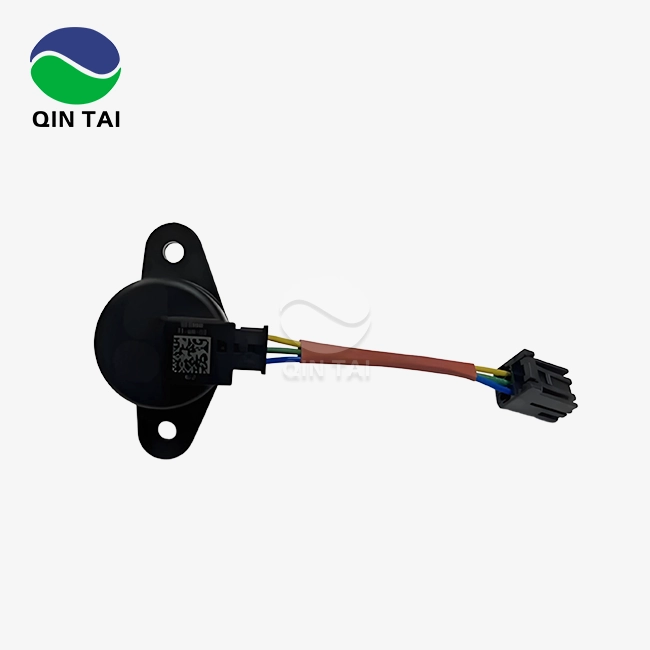
With more than 20 years of technical excellence and innovation, Qintai Automotive Emission Technology has the best nox sensor options on the market. We are a certified nox sensor producer with ISO9001 and IATF16949 credentials. We make emission control parts that are reliable and meet strict performance standards for heavy-duty diesel applications. As part of our wide range of products, we offer personalized sensor combinations made for OEM integration and aftermarket substitute uses. Get in touch with our technical team at info@qt-sensor.com to talk about your unique NOx sensor needs and find out how our tried-and-true solutions can help your car performance and emission compliance programs.
References
1. Society of Automotive Engineers. "NOx Sensor Technology for Diesel Engine Applications." SAE International Technical Paper Series, 2023.
2. Environmental Protection Agency. "Heavy-Duty Engine Emission Control Requirements and Testing Procedures." Federal Register Documentation, 2022.
3. International Council on Clean Transportation. "Real-World NOx Emissions Performance of Heavy-Duty Diesel Vehicles." Research Publication, 2023.
4. Automotive Engineering International. "Advanced NOx Sensor Technologies for Next-Generation Diesel Engines." Technical Review Article, 2023.
5. Diesel Engine Manufacturers Association. "Best Practices for NOx Sensor Installation and Maintenance." Industry Guidelines Publication, 2022.
6. Journal of Automotive Engineering. "Impact of NOx Sensor Accuracy on SCR System Performance and Vehicle Drivability." Peer-Reviewed Research Study, 2023.

Our customers’ satisfaction speaks for our quality — contact us to experience the same reliable service.