- English
- French
- German
- Portuguese
- Spanish
- Russian
- Japanese
- Korean
- Arabic
- Greek
- German
- Turkish
- Italian
- Danish
- Romanian
- Indonesian
- Czech
- Afrikaans
- Swedish
- Polish
- Basque
- Catalan
- Esperanto
- Hindi
- Lao
- Albanian
- Amharic
- Armenian
- Azerbaijani
- Belarusian
- Bengali
- Bosnian
- Bulgarian
- Cebuano
- Chichewa
- Corsican
- Croatian
- Dutch
- Estonian
- Filipino
- Finnish
- Frisian
- Galician
- Georgian
- Gujarati
- Haitian
- Hausa
- Hawaiian
- Hebrew
- Hmong
- Hungarian
- Icelandic
- Igbo
- Javanese
- Kannada
- Kazakh
- Khmer
- Kurdish
- Kyrgyz
- Latin
- Latvian
- Lithuanian
- Luxembou..
- Macedonian
- Malagasy
- Malay
- Malayalam
- Maltese
- Maori
- Marathi
- Mongolian
- Burmese
- Nepali
- Norwegian
- Pashto
- Persian
- Punjabi
- Serbian
- Sesotho
- Sinhala
- Slovak
- Slovenian
- Somali
- Samoan
- Scots Gaelic
- Shona
- Sindhi
- Sundanese
- Swahili
- Tajik
- Tamil
- Telugu
- Thai
- Ukrainian
- Urdu
- Uzbek
- Vietnamese
- Welsh
- Xhosa
- Yiddish
- Yoruba
- Zulu
How does a pressure sensor work
A pressure sensor is a complex gadget that picks up changes in the pressure of gases and liquids and turns them into electrical signs that can be measured. These sensors use ceramic diaphragms or strain gauges that change shape when pressure is put on them. They use piezoresistive or capacitive principles to turn mechanical changes into voltage outputs. The electrical signals are then changed by signal processing circuits. This lets industrial systems like diesel engine aftertreatment systems and hydraulic gear be monitored and controlled in real time.
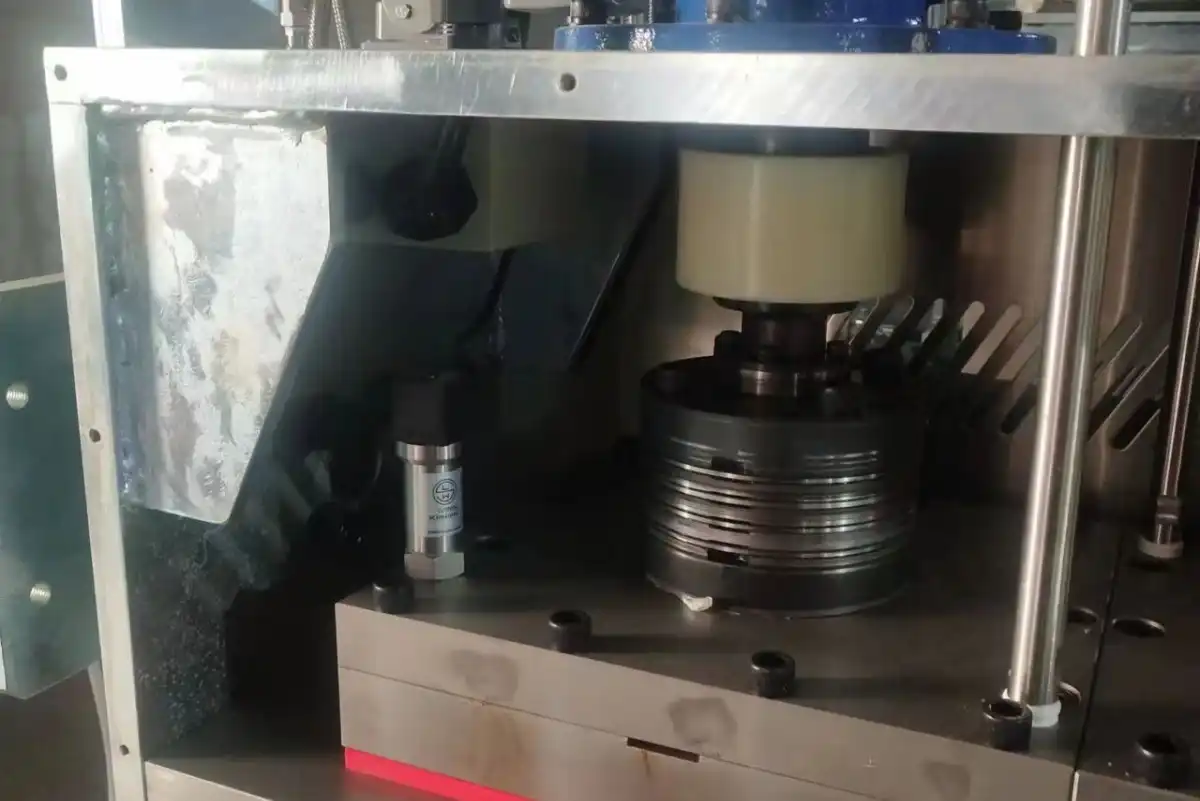
Understanding the Working Principle of Pressure Sensors
Pressure sensing technology forms the backbone of modern industrial automation and control systems. These devices measure the amount of force exerted per unit area and translate this mechanical input into electrical outputs that can be processed by control systems.
Core Sensing Mechanisms
There are three main sensing concepts that make up the basic process. When mechanical stress is put on piezoresistive sensors, strain gauges change the electrical resistance. As the applied force changes the shape of the detecting element, changes in resistance cause voltage changes that are proportional to the force. This technology is great for diesel engines and hydraulic systems because it has great uniformity and a wide range of pressures.
A ceramic diaphragm works as one electrode in a capacitor structure in capacitive sensors, which use a different method. When pressure changes the shape of the diaphragm, the distance between the electrodes changes, which changes the capacitance values. This change is recorded and turned into electrical signs that match. Capacitive designs are more sensitive and stable, which makes them very useful in precise applications that need to be reliable over time.
Signal Processing and Output Generation
These days, pressure sensors have advanced signal processing hardware that boosts, filters, and straightens out the raw electrical signals. This process makes sure that measures are accurate even when the temperature changes, and it gets rid of electromagnetic interference that is common in industrial settings. The signals that have been conditioned can be sent out as 0-5V or 0-10V analog values or as digital communication methods such as CAN bus or I2C.
It is very important to have temperature correction circuits so that accuracy is kept across all operating temperature ranges. Modern sensors have microprocessors built in that use correction methods to make sure they work the same way from -40°C to +150°C, which is very important for car and heavy machinery uses.
Types of Pressure Sensors and Their Industrial Applications
Industrial environments demand diverse sensing technologies tailored to specific operational requirements. Understanding these variations helps procurement workers choose the best options for their needs.
Piezoresistive Pressure Sensors
Industrial uses mostly rely on piezoresistive technology because it is reliable and cheap. Pressure sensor strain gauges made of silicon or metal are attached to bendable diaphragms in these sensors. The diaphragm bends when pressure is put on it, which changes the resistance in the strain gauge parts. This technology works great in harsh settings and under a lot of pressure, like those found in building and farming tools.
The following characteristics make piezoresistive sensors particularly attractive for OEM applications:
• Wide pressure ranges, from zero to 10,000 PSI, meet the needs of a wide variety of industries
• Excellent temperature stability ensures reliable operation in engine bays thanks to its high temperature stability.
• Fast response times let you watch changing processes in real time
• Cost-effective manufacturing meets the needs of high-volume production
These benefits directly meet the needs of diesel engine makers who need emission compliance sensors that stay accurate in harsh working conditions and can handle large production numbers.
Capacitive Pressure Sensors
Capacitive sensor technology is perfect for critical applications where accuracy is very important because it is very precise and stable over time. Ceramic or silicon diaphragms in these sensors work together with set electrodes to make variable capacitors. Precision electrical circuits are used to measure capacitance, which changes when pressure causes bending.
Capacitive sensors work great in situations where they need to be very stable and not move much over long periods of time. Because they are made of clay, they are very resistant to chemicals, which makes them good for use in tough industrial settings like hydraulic systems and exhaust gas treatment systems.
Specialized Sensor Technologies
Ultrasonic pressure sensors are a new way to measure pressure without touching it. They are especially useful in places where regular sensors can't be placed directly. Piezoelectric sensors can measure dynamic pressure, which makes them perfect for keeping an eye on changes in pressure in hydraulic devices and diesel fuel injection systems.
Key Factors to Consider When Selecting a Pressure Sensor
To choose the right sensor, you need to carefully think about the needs of the product and the conditions of the surroundings. Professionals in procurement have to find a mix between performance requirements and cost concerns while also making sure that the product will last for a long time.
Environmental and Operational Requirements
The operating setting has a big impact on the choice of sensors. Extreme temperatures, vibration levels, and chemical exposure all affect the choice of material and the form of the building. For use in cars, sensors need to be able to handle temperatures from -40°C to +150°C and be resistant to vehicle fluids and road salt.
Pressure ranges need to be able to handle both regular working conditions and possible cases of overpressure. Specifications for pressure sensor should include safety limits to keep them from breaking when pressure spikes happen, which can happen in hydraulic systems and diesel engines.
Electrical Interface Considerations
Types of output signals affect how hard and expensive it is to integrate a system. Analog outputs (4-20mA, 0-5V) make it easy to connect to current control systems, but the signals may need to be cleaned up further. Digital connections (CAN, LIN, I2C) offer more features, like the ability to diagnose problems, and are less likely to be affected by electromagnetic interference.
Power consumption is very important for battery-powered devices or systems that can't hold much electricity. Low-power sensor designs make batteries last longer and lower system heat, which is especially important for uses that are closed off.
Customization and Supplier Capabilities
In industrial settings, solutions need to be tailored to specific mounting arrangements, electricity connections, or levels of environmental protection. Suppliers who offer technical help and the ability to customize products add a lot of value to standard product options.
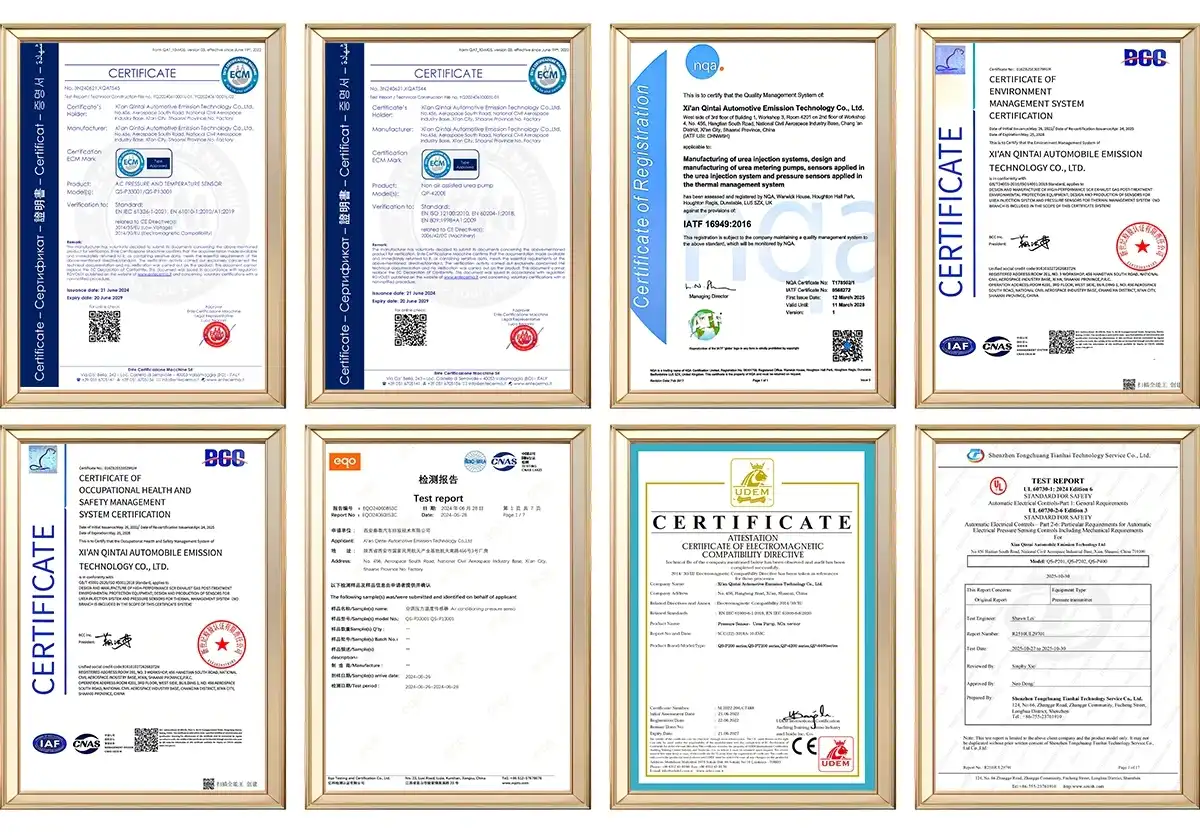
The types of certifications needed depend on the product and the market location. ISO 9001, IATF 16949, and licenses specific to the business all make sure that quality standards are met and that rules are followed. For tier-one supplier status, products sold in Europe must have CE marking, and for car uses, they must have IATF 16949 approval.

Pressure Sensor Calibration, Accuracy and Datasheet Interpretation
To get accurate pressure readings, you need to know how to calibrate the device and what the accuracy requirements are. When sensors are calibrated correctly, they meet the needs of the application for the whole time they are working.
Calibration Fundamentals
During calibration, the link between the applied pressure and the sensor output is set for the whole working range. Using precision pressure standards for multi-point testing makes sure that the system is linear and finds any non-linearities that need to be fixed. Calibrating for temperature makes up for the effects of temperature on sensor sensitivity and zero shift.
Factory testing usually gives an accuracy of ±0.25% over certain temperature ranges. Field calibration might be needed for tasks that need more accuracy or when sensors are built into complicated systems where mounting pressures affect how well they work.
Accuracy Specifications and Performance Parameters
To understand a datasheet, you need to know about the different accurate standards and what they mean in real life. Total error band (TEB) includes all types of errors, such as those caused by linearity, feedback, repetition, and temperature changes. This standard gives the most accurate picture of how well the sensor will work in real-world situations.
Long-term stable specs show how much the sensor changes over long periods of time, which is important for uses that don't need to be calibrated very often. When drift rates are less than 0.1% per year, testing times can be longer, which lowers maintenance costs and system downtime.
Reading Technical Datasheets
Full-scale pressure range, overpressure capability, and burst pressure values are some of the most important datasheet characteristics for a pressure sensor. Electrical parameters include the required source voltage, the amount of current that is used, and the features of the output signal. The working temperature ranges, humidity limits, and vibration resistance are all set by environmental standards.
Knowing these specs lets you compare rival goods in an informed way and makes sure that the sensors you choose meet your needs without being too specific, which would raise costs needlessly.
Building Trust with Reliable Pressure Sensor Suppliers
Forming relationships with trustworthy suppliers guarantees access to high-quality goods and ongoing technical help for the entire lifetime of the products. A supplier's long-term stability and ability to provide good service are also important factors that are taken into account when choosing a supplier.
Supplier Evaluation Criteria
Leading providers show consistent quality by using well-known quality control systems and getting certificates from the industry. Companies like Honeywell, Bosch, and TE Connectivity have built their names by consistently meeting the needs of challenging tasks for many years. These well-known names give buyers trust, but they may come with higher prices.
New providers may have benefits over established ones, such as the ability to customize products, quick technical support, and good prices for large-scale uses. To judge these suppliers, you need to carefully look at their ability to make things, their quality control methods, and their financial security.
Technical Support and Service Capabilities
Help with application building, unique product creation, and fast prototype delivery are all parts of comprehensive technical support. Suppliers who give technical paperwork and integration instructions that are specific to an application speed up product development and lower engineering costs.
Samples are available, and review support is available to help with testing thoroughly before committing to large-scale sales. Suppliers who offer evaluation boards, test tools, and measurement apps show that they care about their customers' success and lower the risks of integration.
Case Study: Custom Sensor Implementation
One of the biggest companies that makes diesel engines needed pressure sensor options for exhaust aftertreatment systems that had to meet Euro VI emission standards. For this job, sensors had to be able to measure the pressure of exhaust gases while working in settings with temperatures up to 850°C and acidic exhaust.
The maker worked closely with a specialist sensor source to make custom ceramic-based sensors with special electrical connections and protective coatings. Because they worked together, sensors were made that met all performance standards and met cost goals for mass production. This partnership shows how important it is to have technical knowledge from a seller when trying to solve tough application problems.
Conclusion
Procurement workers can make choices that balance performance needs with cost goals when they understand pressure sensor technology. To choose the right sensors, you need to think about long-term practical needs as well as sensing principles, weather standards, and the skills of the provider. Which technology to use—piezoresistive or capacitive—depends on the needs of the product, such as the need for accuracy, the surroundings, and cost concerns. Building relationships with dependable providers gives you access to the technical know-how and customization options that you need to make your products successful in today's tough industrial markets.
FAQ
Q1: How often should pressure sensors be calibrated?
A: Calibration intervals rely on the needs of the product and the variables of the surroundings. Calibration may need to be done once a year for critical safety uses, but every two to three years for stable industrial processes. To keep up with performance standards, sensors that are used in tough settings or in situations where accuracy is very important should be calibrated more often.
Q2: Are capacitive pressure sensors suitable for wet environments?
A: These days, capacitive pressure sensor designs are made with great sealing and protection layers that let them work in damp and wet places. Ceramic sensor elements don't rust and stay stable in environments with a lot of wetness. But electrical lines need to be properly sealed to keep wetness out, which could damage the signal.
Q3: What performance differences exist between piezoresistive and capacitive technologies?
A: Piezoresistive sensors can respond to a wider range of pressures and faster, but they may be more sensitive to changes in temperature. Capacitive sensors are more stable over time and use less power, but they usually only work in smaller pressure ranges. For high-volume uses, piezoresistive designs are often more cost-effective, while capacitive technology is better for precise measurements.
Q4: How do I select the appropriate pressure range for my application?
A: Pick pressure ranges that include regular working pressures plus enough room for pressure spikes to be safe. Overpressure rates should be higher than the system's highest pressures to keep damage from happening when things go wrong. Stay away from over-ranging too much, as it lowers accuracy and resolution in usual working ranges.
Q5: What electrical interfaces work best for industrial applications?
A: Analog outputs (4-20mA) make integration easy and keep noise out of long wire runs. Digital connections (CAN, Modbus) give more features, such as the ability to diagnose problems and set up new systems. The choice relies on the system's current setup and the features that are needed, like the ability to configure or diagnose the system remotely.
Discover Advanced Pressure Sensor Solutions with Qintai
Qintai stands as your trusted pressure sensor manufacturer offering comprehensive sensing solutions for diesel engine applications and industrial automation. Our ISO 9001 and IATF 16949 certified manufacturing facilities produce high-quality sensors meeting international standards while supporting mass production requirements. With over 20 years of experience serving leading OEM customers including Weichai Power and Yuchai Power, we understand the demanding requirements of industrial applications.
Our independent R&D team provides customization capabilities addressing specific application needs, from specialized mounting configurations to custom electrical interfaces. Contact our engineering team at info@qt-sensor.com to discuss your pressure sensing requirements and discover how our proven solutions can enhance your product performance while meeting cost objectives for long-term partnership success.
References
1. Webster, John G. "The Measurement, Instrumentation and Sensors Handbook: Spatial, Mechanical, Thermal, and Radiation Measurement." CRC Press, 2014.
2. Fraden, Jacob. "Handbook of Modern Sensors: Physics, Designs, and Applications." Springer Science & Business Media, 2015.
3. Childs, Peter R.N. "Mechanical Design Engineering Handbook: Measurement, Analysis and Control of Dynamic Systems." Butterworth-Heinemann, 2018.
4. Pallas-Areny, Ramon and John G. Webster. "Sensors and Signal Conditioning: An Introduction to Measurement." John Wiley & Sons, 2016.
5. Park, Joonwon and Steve Mackay. "Practical Data Acquisition for Instrumentation and Control Systems." Industrial Press Inc., 2013.
6. Morris, Alan S. and Reza Langari. "Measurement and Instrumentation: Theory and Application." Academic Press, 2020.
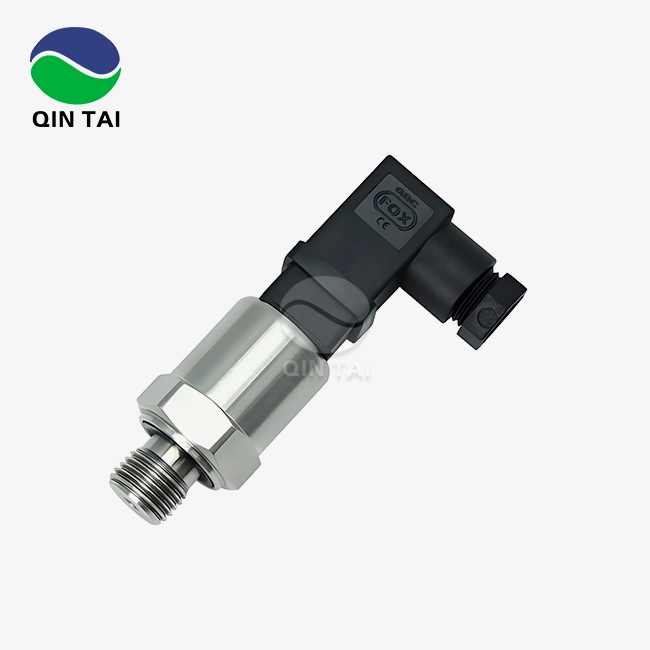

Our customers’ satisfaction speaks for our quality — contact us to experience the same reliable service.