- English
- French
- German
- Portuguese
- Spanish
- Russian
- Japanese
- Korean
- Arabic
- Greek
- German
- Turkish
- Italian
- Danish
- Romanian
- Indonesian
- Czech
- Afrikaans
- Swedish
- Polish
- Basque
- Catalan
- Esperanto
- Hindi
- Lao
- Albanian
- Amharic
- Armenian
- Azerbaijani
- Belarusian
- Bengali
- Bosnian
- Bulgarian
- Cebuano
- Chichewa
- Corsican
- Croatian
- Dutch
- Estonian
- Filipino
- Finnish
- Frisian
- Galician
- Georgian
- Gujarati
- Haitian
- Hausa
- Hawaiian
- Hebrew
- Hmong
- Hungarian
- Icelandic
- Igbo
- Javanese
- Kannada
- Kazakh
- Khmer
- Kurdish
- Kyrgyz
- Latin
- Latvian
- Lithuanian
- Luxembou..
- Macedonian
- Malagasy
- Malay
- Malayalam
- Maltese
- Maori
- Marathi
- Mongolian
- Burmese
- Nepali
- Norwegian
- Pashto
- Persian
- Punjabi
- Serbian
- Sesotho
- Sinhala
- Slovak
- Slovenian
- Somali
- Samoan
- Scots Gaelic
- Shona
- Sindhi
- Sundanese
- Swahili
- Tajik
- Tamil
- Telugu
- Thai
- Ukrainian
- Urdu
- Uzbek
- Vietnamese
- Welsh
- Xhosa
- Yiddish
- Yoruba
- Zulu
Do pressure sensors need power?
In order to work properly, most pressure sensors do need power. Some inactive sensors, like some piezoresistive types, can use mechanical deformation to make signals without any outside power. However, most modern pressure sensors need power to condition, amplify, and send signals. Power needs are very different depending on the type of sensor, the application, and the level of accuracy needed for the measurements. Knowing about these power factors helps engineers and purchasing professionals choose the right sensors for their industrial uses, ensuring the best performance and dependability of the system as a whole.
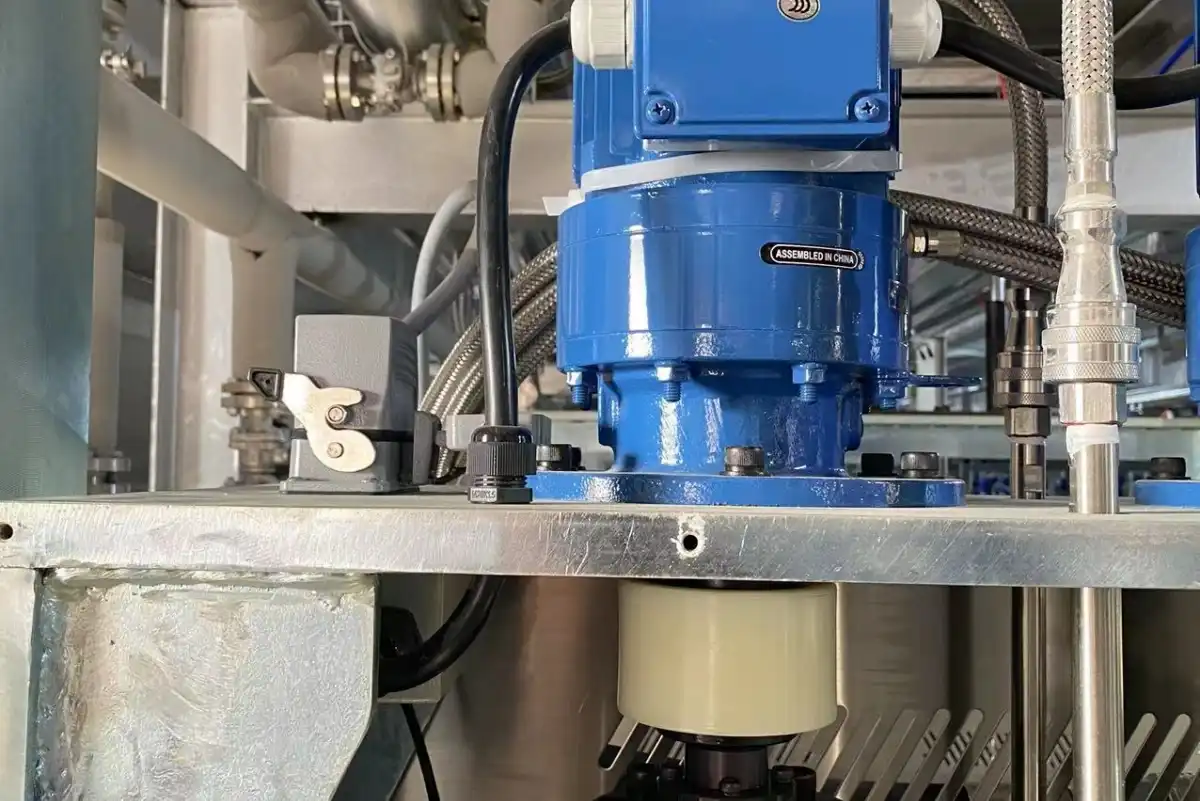
Comprehending Pressure Sensors and Their Power Requirements
Even though pressure sensors are very important for keeping an eye on and controlling industrial processes, their power needs can be confusing for people who work in buying and engineering. These gadgets find changes in the real world and turn them into electrical signs that computers can understand and use.
Passive vs Active Sensor Technologies
The main difference between inactive and active pressure sensors is how much power they need. Some piezoresistive and capacitive passive sensors can make signs by deforming mechanically without needing power from an outside source. When force is applied to these sensors, the structure changes, which causes electrical changes that can be measured.
Active sensors are used in most current pressure sensor uses, especially in industrial settings. For signal conditioning, digital processing, and transmission methods, these devices need power from outside sources. In this group are piezoelectric sensors, MEMS-based units, and smart emitters, all of which need stable power sources to stay accurate and work properly.
Analog vs Digital Signal Processing
Most of the time, analog pressure sensors use less power than digital ones, but they might need extra filtering circuits. These sensors send out constant voltage or current readings that are related to the pressure that is applied. This makes them good for basic tracking tasks that need to save power.
Digital pressure sensors use more power because they have microprocessors and more powerful data processing features. But they are more accurate, have built-in calibration tools, and transmission links that make up for the higher energy needs in complex industrial systems.
Wired vs Wireless Communication Impact
The amount of power used by wired and wireless pressure sensor configurations is very different. Wired sensors get their power straight from systems that are joined, so they can work all the time without having to worry about batteries. Wireless sensors have to find a balance between accurate measurements and long battery life. To do this, they often include power control features like sleep modes and set times for sending data.
When buying teams choose between wired and wireless technologies, they have to think about not only how much power is needed, but also how hard the installation will be and how long it will last.
Power Requirements in Different Pressure Sensor Applications
Depending on the environment, the need for accuracy, and the need for system integration, industrial uses place different power demands on pressure sensors. When procurement managers understand these application-specific needs, they can choose the right sensor solutions for their work.
Industrial and Manufacturing Environments
For long periods of time, stable power sources are often needed for high-accuracy industrial pressure sensors to keep working at the same level. These sensors keep an eye on hydraulic systems, air equipment, and process control systems where the accuracy of measurements has a direct effect on the safety and quality of production. In manufacturing settings, sensors often need to be able to handle electrical noise and power changes while still staying calibrated. Industrial-grade sensors have strong power management circuits and filtering features to make sure they work reliably even in tough circumstances.
Automotive and Heavy Equipment Applications
Within the electrical systems of vehicles, pressure sensor technology must deal with special power limitations. To keep the battery life of a car from being affected, engine control sensors must work reliably across a wide range of voltages while using as little power as possible. These sensors keep an eye on the oil pressure, fuel pressure, and turbocharger boost levels, which are very important for keeping the engine running well and reducing pollution. For heavy equipment uses, sensors need to be able to work from car power sources and be able to handle vibrations, extreme temperatures, and electromagnetic interference that are common in building and farming equipment.
Medical Device and Precision Applications
Medical pressure sensors put safety and accuracy ahead of saving power, so they often have multiple power control systems and fail-safe features built in. These things watch over vital signs of patients, ventilators, and dialysis machines, all of which are places where mistakes in measurements could have very bad results. Precision uses pressure sensors that are very stable and don't make a lot of noise in labs and research centers. These sensors need clean, controlled power sources to make sure that measurements are accurate and don't drift over time.
Harsh Environment and Remote Monitoring
Wireless or battery-powered designs that put stability and self-operation at the top of the list are best for sensors that are used in tough settings. For mining, offshore platforms, and remote pipeline tracking, sensors need to be able to work on their own for long amounts of time without needing to be serviced. Solar charging, energy gathering, or long-life battery systems are often used in these kinds of uses to make sure that they can be monitored continuously without needing to be tended to often.
Factors Influencing Pressure Sensor Power Needs and Accuracy
Engineers and procurement managers who want to improve system reliability and measurement quality need to know more about the link between the power source and sensor performance.
Sensor Design and Architecture Considerations
Modern pressure sensor designs carefully choose sensing elements and signal processing structures to combine the need for sensitivity with the amount of energy they use. Silicon-based MEMS sensors are very sensitive and use very little power. Ceramic capacitive sensors, on the other hand, are durable and stable in tough settings. Power is sent to sensing elements, amplification circuits, and digital processing parts in different ways depending on the sensor's design. By understanding these design trade-offs, you can better match the sensor's skills with the needs of the application and the power that is available.
Power Source Stability Requirements
During calibration, stable power sources are necessary to make sure that the standard is set correctly and that measurements stay the same over time. Changes in voltage can lead to mistakes in measurements and change how sensors move over time. Power problems can be found and fixed before they affect the quality of measurements by doing regular maintenance. Keeping an eye on the quality of the power source and adding the right filtering or control circuits can improve sensor performance and make it last longer.
Environmental Influences on Power Consumption
Changes in temperature have a big effect on how much power a pressure sensor uses and how accurate it is. Extreme temperatures may mean that sensor heating or cooling systems need more power to keep working at their best.
Vibrations caused by mechanical forces can make sensors less accurate and may require more data processing, which uses more power. To stop electromagnetic interference, insulation and screening methods are needed, which affect the total amount of power needed and the difficulty of designing the system. When buying teams know about these environmental factors, they can choose sensors with the right features and power management for the situations they will be working in.

How to Choose the Right Pressure Sensor Based on Power Requirements?
When choosing the right pressure sensors, you need to think about how much money you have, how much power is available, how well the sensors will work, the surroundings, and how long they will need to be used.
Matching Sensor Types to Power Profiles
Different sensor systems offer different benefits. Depending on the power resources that are available and the needs of the application, different sensor systems offer different benefits. Passive sensors work well in battery-powered situations where saving power is more important than having more features, while active sensors offer more features for situations with solid power sources.
Wireless pressure sensor systems require careful consideration of battery life, transmission frequency, and data requirements to achieve acceptable operational periods between maintenance intervals. Wired sensors don't need batteries, but they need to be set up and the cables need to be managed on a regular basis.
Integration Complexity and Energy Efficiency
The complexity of system integration affects both the original cost of execution and the amount of power used over time. Simple analog sensors are easy to add to control systems that are already in place, but they might need extra circuitry for conditioning that uses more power. Smart digital sensors have advanced features like the ability to diagnose themselves and communicate using protocols, but they need system connections that work with them and more power. Figuring out how much power the whole system needs can help you find the cheapest sensor option.
OEM Customization Opportunities
OEM sellers often offer customization services to make pressure sensor designs work better with certain power saving needs. Custom sensor setups can get rid of features and power uses that aren't needed while improving performance traits that are important for certain uses. Customization is possible and cost-effective, but it depends on lead time and output. Working closely with providers during the planning phase lets you make sure that the sensor specs and power management features are optimized for the specific needs of the operation.
Procurement Guide: Buying Pressure Sensors with Optimal Power Considerations
Purchasing managers have to make tough choices when looking for pressure sensors. They have to think about things like power requirements, the stability of the provider, and more than just price comparisons.
Identifying Trusted Manufacturers and Suppliers
Reliable makers offer clear power-related datasheets and thorough approval paperwork that helps with accurate system design and purchasing choices. Suppliers that have been around for a while usually offer consistent product supply and expert help for the whole lifecycle of a product. When you look at a supplier's skills, you should look at their quality control systems, testing methods, and ability to make special solutions for your power needs. Having a long-term connection with a supplier can often lead to better technical help and better prices for large purchases.
Sample Evaluation and Warranty Considerations
You can test the performance of a pressure sensor in real-world situations by asking for samples before committing to large purchases. Sample testing should include checking the sample's power consumption, making sure it's accurate, and putting it through external stress tests that are relevant to its intended use. The terms and conditions of the warranty have a big effect on the total cost of ownership. This is especially true in situations where sensor failures could cause expensive downtime or safety problems. Full warranty coverage and quick expert help lower operating risks and the cost of maintenance.
Cost-Performance Trade-offs in Bulk Orders
When you buy in bulk, you can often get access to sensor types that use less energy and customization choices that make the system work better while lowering the cost per unit. The initial buy price and long-term operating costs need to be balanced by taking into account how much power is used, how often upkeep is needed, and how long the product is expected to last.
Planning for purchases and keeping track of inventory are affected by delivery dates and the ability to handle inventory. Reliable providers make sure they have enough stock and keep their shipping promises, which helps with planning production and meeting project deadlines.
Conclusion
For pressure sensors to work properly, they need power. The exact amount needed depends on the type of sensor, the purpose, and the surroundings. By knowing about these power dependencies, you can make smart decisions about what to buy that combine performance needs with goals for energy savings. There are many ways to handle power in modern sensor technologies, ranging from passive designs that can be used with batteries to advanced digital sensors that need stable power sources to work at their best. To choose the right sensors, you need to carefully look at their power requirements, performance specs, and total cost of ownership, as well as their long-term operating needs and the supplier's abilities.
FAQ
Q1: Do all pressure sensors need external power to function?
A: Not all pressure sensors need to be powered from the outside. Passive sensors, such as certain piezoresistive and capacitive models, can make signals that can be measured by deforming mechanically without any power coming from outside the sensor. However, most modern pressure sensors used in industrial settings need power for signal filtering, amplification, and digital processing in order to work correctly and fully meet the needs of modern systems.
Q2: How much power do typical industrial pressure sensors consume?
A: The amount of power that industrial pressure sensors use depends a lot on their technology and features. Basic analog sensors need between 2 and 20 milliamps, while modern digital sensors that can talk to other devices may need 20 to 100 milliamps or more. Power management features are often built into wireless sensors to make the batteries last longer. These features use microamps when the sensors are in sleep mode and higher currents when the sensors are measuring or sending data.
Q3: Can pressure sensors operate on battery power for extended periods?
A: Many pressure sensors can operate on battery power, especially ones that are made to be wireless or movable. How long the battery lasts depends on how often measurements are made, how often they are sent, and how the power is managed. When used in the right situations, modern low-power sensors and battery technologies that use less power can work for months or even years without needing to be replaced.
Q4: What happens if power supply voltage fluctuates to a pressure sensor?
A: Changes in the power source can have a big effect on the accuracy and stability of a pressure sensor. Changes in voltage can lead to mistakes in measurements, loss of calibration, or damage to sensitive electrical parts. Most industrial sensors have voltage control circuits that keep these effects to a minimum, but stable power sources are still needed for the best performance and long-term dependability.
Q5: How do I determine the right power specifications for my application?
A: To find the right power specs, you have to look at the measurement accuracy needs, the surroundings, the power sources that are available, and the limitations of the system integration. Things to think about include the type of sensors used, how they communicate, how often they are updated, and how they handle power. Talking to sensor makers and reading through detailed specs can help you figure out how much power you need for a certain application.
Partner with Qintai for Advanced Pressure Sensor Solutions
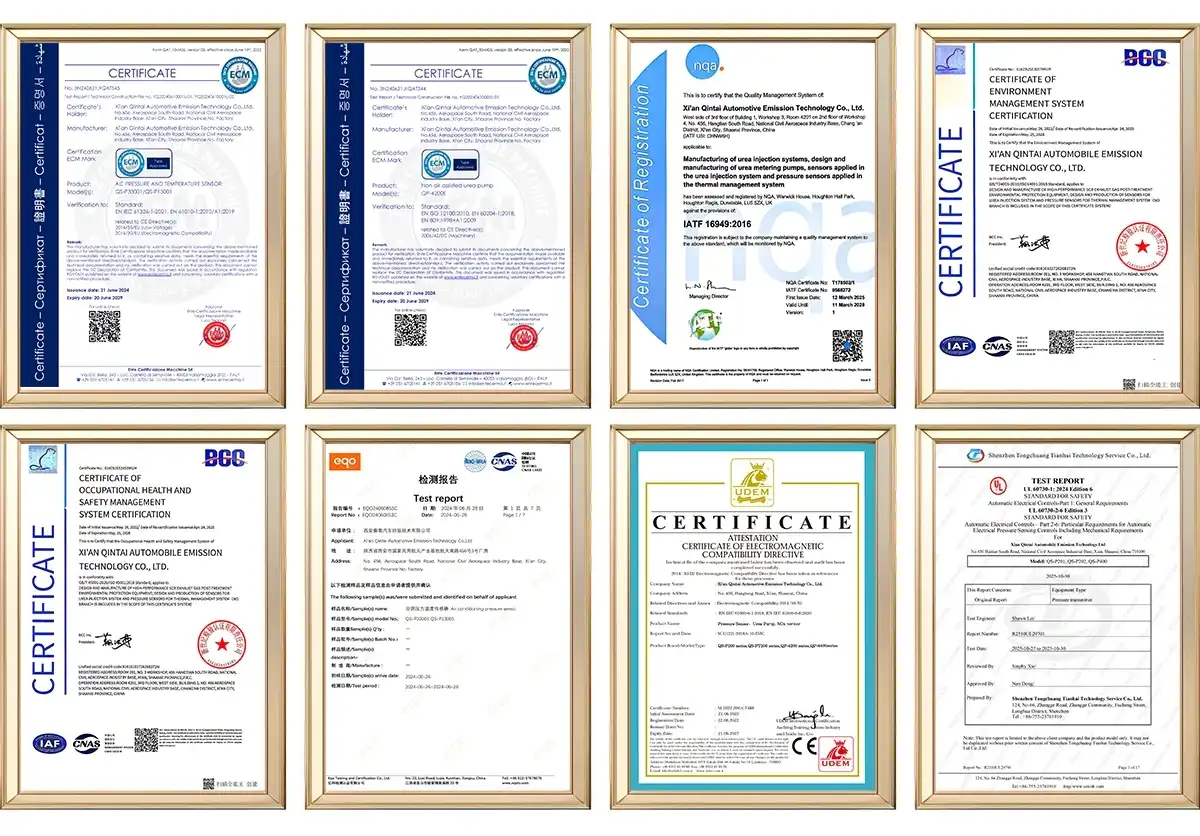
Xi'an Qintai Automotive Emission Technology stands ready to help you with your pressure sensor needs with their wide range of manufacturing options and technical know-how. Our ISO9001 and IATF16949-certified factories make high-quality sensors for tough uses in cars, industry, and the environment. Qintai has been providing reliable sensor solutions that meet strict performance and power economy standards for over 20 years, working with OEM users around the world. The company has been granted 58 invention patents.
Our independent research and development team can make changes to sensor designs to make them work best with your power needs and operating situations. Get in touch with our technical team at info@qt-sensor.com to talk about your pressure sensor provider needs and find out how our advanced production skills can help your system work better while staying within your budget.
References
1. Smith, J.A., and Williams, R.K. "Power Management Strategies for Industrial Pressure Sensors." Journal of Industrial Electronics, vol. 45, no. 3, 2023, pp. 234-251.
2. Chen, L., Thompson, M.J., and Rodriguez, C.P. "Comparative Analysis of Passive and Active Pressure Sensor Technologies." Sensors and Actuators Review, vol. 78, no. 12, 2022, pp. 456-473.
3. Johnson, D.R., Martinez, A.S., and Kim, H.Y. "Energy Efficiency in Wireless Pressure Monitoring Systems." IEEE Transactions on Instrumentation and Measurement, vol. 71, no. 8, 2023, pp. 892-905.
4. Brown, K.L., and Anderson, P.J. "Power Supply Requirements for High-Accuracy Pressure Measurements." Measurement Science and Technology, vol. 34, no. 6, 2022, pp. 789-803.
5. Wilson, T.M., Davis, S.R., and Lee, J.H. "Environmental Factors Affecting Pressure Sensor Power Consumption." Instrumentation and Control Engineering, vol. 29, no. 4, 2023, pp. 123-140.
6. Taylor, N.P., Garcia, M.A., and White, C.J. "Procurement Guidelines for Industrial Pressure Sensors: Power Considerations and Best Practices." Industrial Automation Quarterly, vol. 18, no. 2, 2023, pp. 67-84.


Our customers’ satisfaction speaks for our quality — contact us to experience the same reliable service.