- English
- French
- German
- Portuguese
- Spanish
- Russian
- Japanese
- Korean
- Arabic
- Greek
- German
- Turkish
- Italian
- Danish
- Romanian
- Indonesian
- Czech
- Afrikaans
- Swedish
- Polish
- Basque
- Catalan
- Esperanto
- Hindi
- Lao
- Albanian
- Amharic
- Armenian
- Azerbaijani
- Belarusian
- Bengali
- Bosnian
- Bulgarian
- Cebuano
- Chichewa
- Corsican
- Croatian
- Dutch
- Estonian
- Filipino
- Finnish
- Frisian
- Galician
- Georgian
- Gujarati
- Haitian
- Hausa
- Hawaiian
- Hebrew
- Hmong
- Hungarian
- Icelandic
- Igbo
- Javanese
- Kannada
- Kazakh
- Khmer
- Kurdish
- Kyrgyz
- Latin
- Latvian
- Lithuanian
- Luxembou..
- Macedonian
- Malagasy
- Malay
- Malayalam
- Maltese
- Maori
- Marathi
- Mongolian
- Burmese
- Nepali
- Norwegian
- Pashto
- Persian
- Punjabi
- Serbian
- Sesotho
- Sinhala
- Slovak
- Slovenian
- Somali
- Samoan
- Scots Gaelic
- Shona
- Sindhi
- Sundanese
- Swahili
- Tajik
- Tamil
- Telugu
- Thai
- Ukrainian
- Urdu
- Uzbek
- Vietnamese
- Welsh
- Xhosa
- Yiddish
- Yoruba
- Zulu
Where are pressure sensors located?
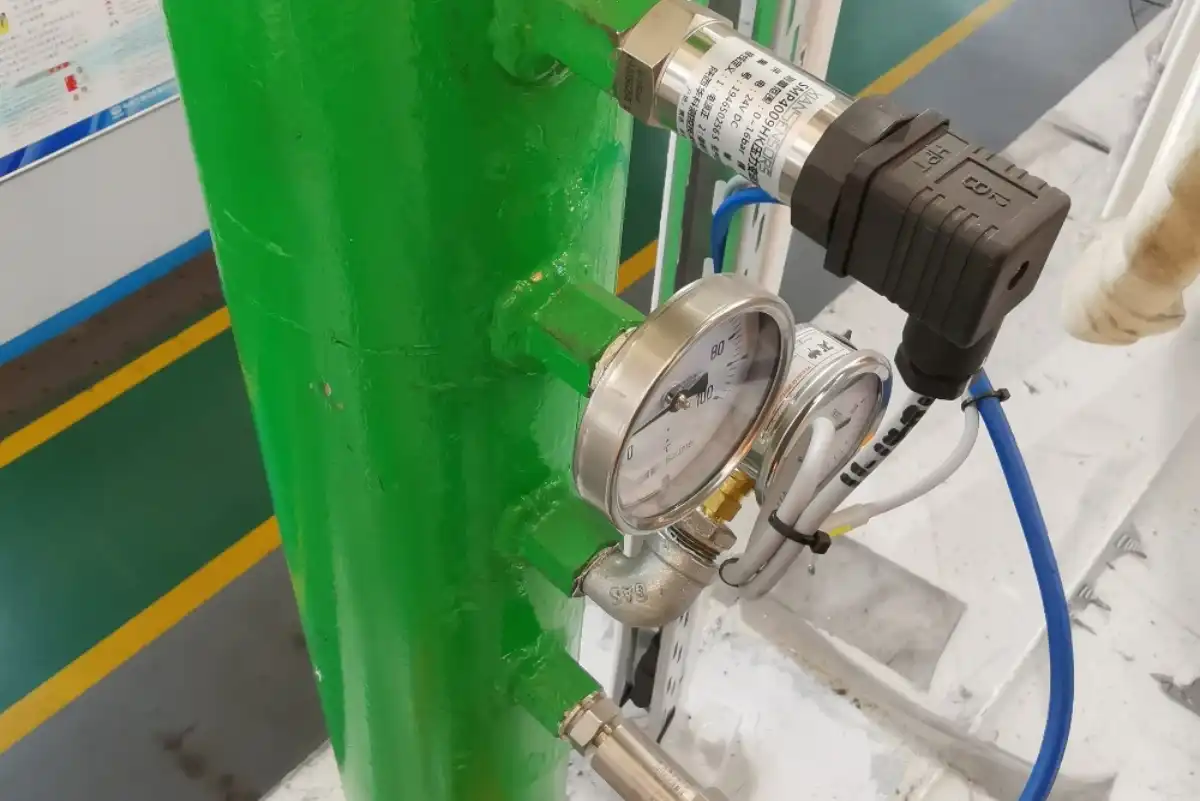
Pressure sensors are strategically positioned throughout industrial systems to monitor critical operational parameters and ensure optimal performance. These essential monitoring devices are commonly located in engine compartments, hydraulic systems, pneumatic circuits, fuel lines, brake systems, HVAC units, and processing equipment. Pressure sensor placement depends on application requirements, environmental conditions, and safety protocols. Understanding proper sensor positioning enables procurement professionals to make informed decisions about sensor selection, installation requirements, and maintenance protocols for their specific industrial applications.
Comprehending Pressure Sensors and Their Operating Principles
Accurate pressure tracking is a key part of modern industrial processes that need to stay safe, efficient, and in line with regulations. These high-tech gadgets turn changes in physical pressure into measurable electrical signs. They give real-time information that lets repair plans plan ahead and stops expensive equipment breakdowns.
Defining Pressure Sensors, Transducers, and Transmitters
The language used to describe pressure measuring devices often makes buying workers confused. A pressure sensor is the main part of the detector that reacts to changes in pressure. Pressure transmitters have extra electronics for long-distance signal transfer, while pressure sensors have sensing elements and signal conversion methods built in. This difference is very important when choosing tools for different business uses.
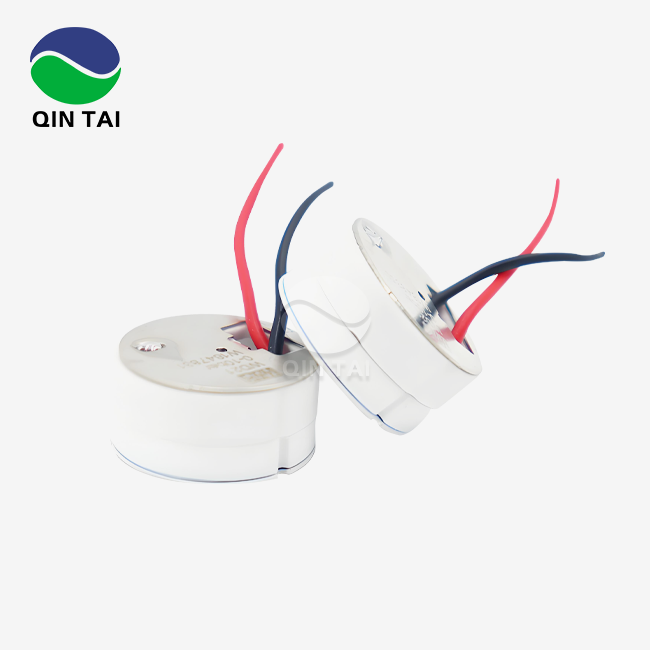
Capacitive pressure sensors use ceramic diaphragms that change shape when pressure is put on them. This causes differences in capacitance between the electrodes. Because this technology is so stable and accurate, it's perfect for use in the aircraft and automotive businesses where precision is needed. Strain gauge sensors measure changes in resistance that show how much a mechanical part has deformed. They work well in tough industrial settings.
Common Sensor Technologies and Applications
Measurement of industrial pressure includes a number of different technologies that are built to meet specific practical needs. Piezoelectric sensors are great for measuring dynamic pressure because they directly turn mechanical force into electrical charges. These tools are very useful for checking engines, analyzing vibrations, and measuring impacts.
Strain gauge technology remains the most common way to do things in industry. The sensing element picks up on tiny changes in shape caused by changes in pressure and turns them into changes in voltage. This technology can measure pressures from almost nothing to thousands of PSI.
Digital sensors incorporate microprocessors that enable advanced features like temperature adjustment, self-diagnostics, and output traits that can be programmed. In comparison to standard analog options, these smart devices make installation easier and provide better accuracy and dependability.
Calibration and Accuracy Considerations
Sensor precision has a direct effect on how well the system works and how well it follows the rules. Depending on how important the process is, industrial uses usually need accurate levels between 0.1% and 1% of full scale. Regular adjustment keeps measurements accurate and increases the life of sensors. Environmental factors have a big effect on how well sensors work. Changes in temperature, shaking, and chemical interaction can all affect how well a measurement works and how long a device lasts. When choosing sensors for certain construction sites, procurement workers need to think about these things.
Typical Locations of Pressure Sensors in Industrial Systems
Strategically placing sensors improves system tracking and makes sure that data collection is reliable in a wide range of industry settings. Knowing where sensors are most often installed helps buying teams choose the right ones and guess how often they will need to be serviced.
Automotive and Heavy Vehicle Applications
Engine management systems use more than one place for pressure sensor to get the best performance and control of fumes. Oil pressure sensors make sure that the lubrication system is working properly, and fuel pressure sensors make sure that the injection system is working correctly. Intake pipe sensors give important information for improving the mix of air and fuel.
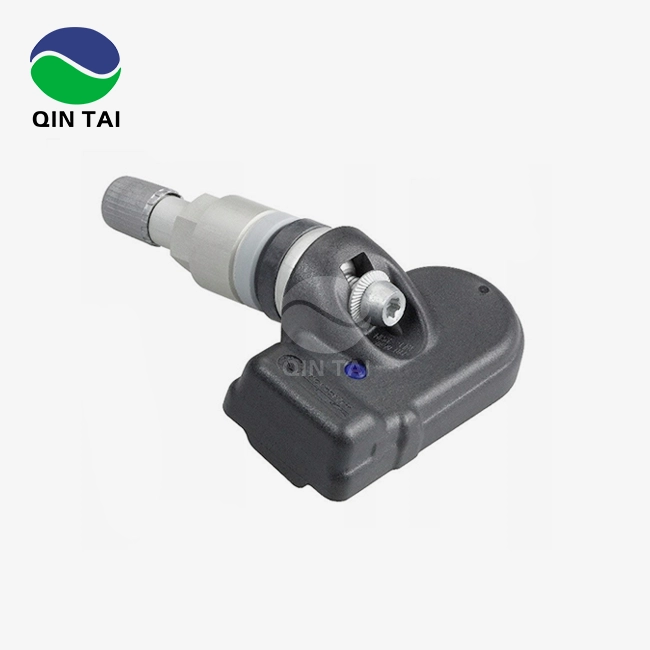
To keep an eye on the brake system, you need sensors that can handle being exposed to hydraulic fluid and changing temperatures. For modern safety systems like ABS and electronic stability control to work, these sensors need to be able to respond quickly. Tire pressure tracking systems use wireless sensors that can work in harsh situations like salt on the road, changing temperatures, and mechanical shaking.
For SCR and DPF uses, diesel aftertreatment systems need special sensors. For pollution compliance tracking, these sensors must be able to handle temperatures of over 800°C for exhaust gases while still being accurate. To get the most NOx reduction out of selective catalytic reduction systems, accurate pressure readings are needed.
HVAC and Building Automation Systems
Climate control systems use pressure sensors in the refrigerator circuits to keep an eye on how well the compressors are working and how much gas is left. For these systems to work, the sensors need to be able to work with different types of refrigerant and stay stable over time. Differential pressure readings between filters and heat exchanges allow for planned upkeep.
In air handling units, ducts, and zone control uses, building automation systems use sensors. These gadgets keep an eye on static pressure, airflow, and filter conditions to make sure that energy economy is at its best and indoor air quality is maintained. Wireless sensor networks make system designs more flexible and lower the cost of installation.
Manufacturing and Process Control Environments
In order to keep an eye on the health and performance of hydraulic systems in industrial equipment, sensors need to be placed at pumps, accumulators, and motors. When used in these tough environments, sensors need to be built to last and not get contaminated by hydraulic fluid.
To keep an eye on flow conditions, find leaks, and guarantee operating safety, process industries use sensors throughout pipeline networks. For chemical processes, you need special sensors that can work with corrosive materials and high temperatures. Sensors that meet sanitary design criteria and are simple to clean are needed in the food and medicine businesses. At air preparation units, valve connections, and end effectors, pneumatic control devices have sensors. These uses benefit from small sensor designs that include electrical links built in to make placement easier.
Factors Influencing Sensor Placement Decisions
To place sensors in the best way, you need to carefully consider a lot of scientific and practical factors. When procurement workers know about these things, they can choose sensors that will work reliably for the whole time they are in use.
Environmental and Operational Considerations
Extreme temperatures have a big effect on how well sensors work and how long they last. For uses with steam, hot oils, or cold fluids, sensors need to be able to handle the right temperatures and be able to compensate for them. Outdoor setups need sensors that can work in a wide range of temperatures because the temperature outside can change quickly.
Vibration exposure changes how accurate sensors are and how well their mechanics work. When used in mobile equipment like building tools and farm vehicles, sensors need to be able to handle constant vibration and shock loads. Mounting methods and the way sensors are built must be able to handle these tough conditions.
Chemical compatibility is very important in process businesses where sensors come into touch with harsh media. When choosing materials for sensor wet parts, you need to think about how they react to chemicals, how weather changes them, and how stable they are over time. When you choose the wrong material, it can fail early or cause measurements to drift.
Integration with Control Systems
Pressure sensor and control platform merging must be seamless in modern manufacturing systems. Digital connection systems like CANbus, Modbus, and HART make it easier to wire things together and allow for more advanced diagnostics. These methods let you set up things remotely, check the calibration, and use forecast maintenance strategies.
Signal filtering needs change depending on how far the signal is being sent and how much electrical noise is around it. Transmitter-style sensors have circuits for amplification and filtering to make sure that the signal stays strong over long wire runs. Local display features let people in the field check that the system is working without having to access central control systems.
Power source factors affect the choice of sensor and the cost of placement. Loop-powered devices make wiring easier, and battery-powered wireless sensors let you put them in faraway places. Energy harvesting technologies can run IoT devices in a way that doesn't harm the environment.
Maintenance Accessibility and Safety
The places where sensors are placed must allow for regular upkeep tasks like replacing, inspecting, and calibrating them. Installing pressure sensor components in tight areas or high places makes upkeep more expensive and raises the risk of accidents. Mounting places that are easy to get to cut down on service time and make technicians safer. Process separation lets you fix sensors without having to shut down the whole system. Isolation valves, parts that can be taken off, and designs that can be swapped out while still hot keep production from stopping. For emergency stop uses, sensors need to be fail-safe and be set up in two different ways.
Best Practices for Selecting and Procuring Pressure Sensors Based on Location
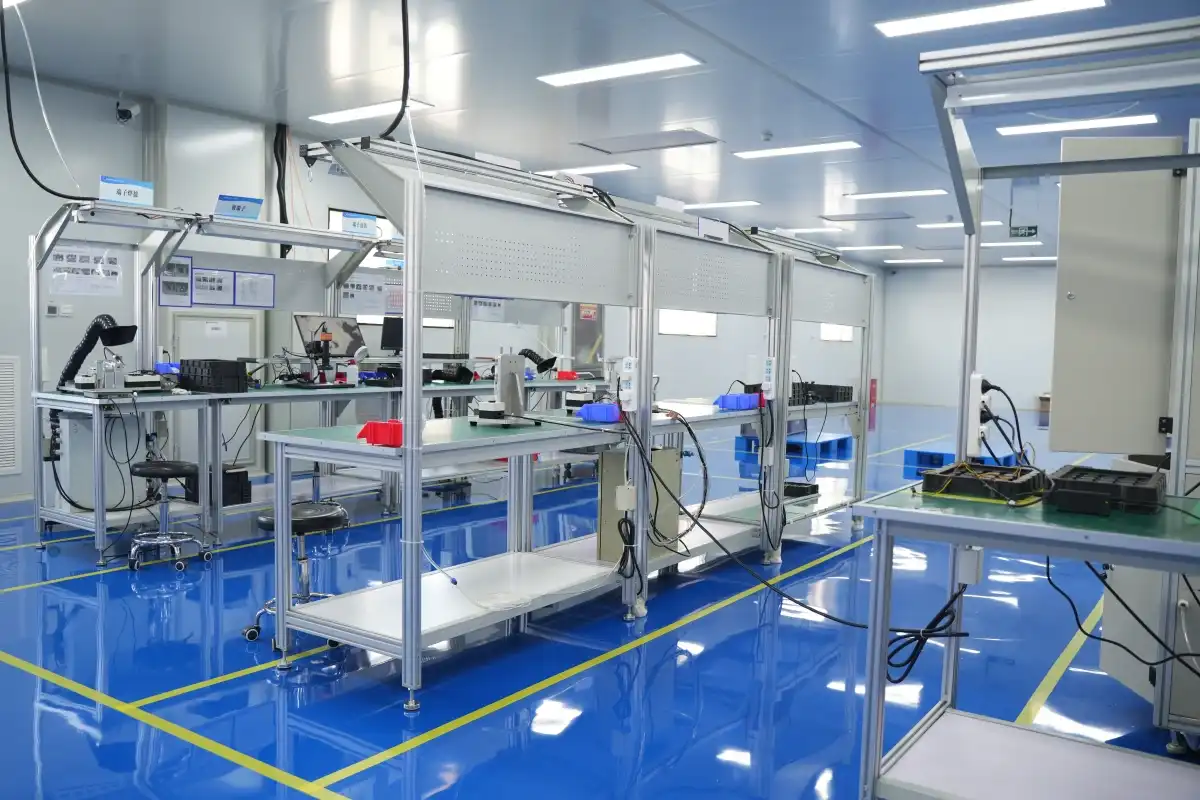
For successful sensor procurement, device skills must be matched with application needs, and long-term operating costs must be taken into account. Strategic connections with suppliers and efforts to standardize make buying things more efficient and simplify inventory.
Matching Sensor Specifications to Application Requirements
The pressure range you choose must cover normal working conditions plus enough room for changes in the system and sudden drops in pressure. When ranges are too big, accuracy is lost, and when ranges are too small, sensors could get damaged. Process analysis helps figure out the right sensor settings and the level of overpressure safety that is needed.
When working with moving systems like engines and hydraulic control systems, response time standards become very important. Fast-response sensors let you handle things in real time, while slower sensors are fine for watching trends and setting off alarms. Application research figures out the right reaction time needs.
Choosing the right output signal affects how hard and how much it costs to integrate a system. Analog outlets, like 4-20mA, make it easy to connect to control systems that are already in place. Digital outputs allow for more advanced setup and diagnostics, but they need control gear that works with them.
Leading Manufacturer Capabilities and Strengths
Well-known companies give tried-and-true products with a lot of application knowledge and technical help. Honeywell offers a wide range of sensors for use in automobile, aircraft, and industrial settings, with a focus on tough environments. Their goods are built to last and have a lot of official approvals.
Bosch is an expert in projects for cars, especially when it to engine control and safety systems. Their sensor systems use advanced data processing and built-in electronics for improved performance and reliability. Manufacturing scale enables competitive pricing for high-volume applications.
Siemens specializes in industrial process applications and puts a lot of stress on its ability to integrate systems. Their sensors incorporate advanced digital transmission methods and diagnostic features that support Industry 4.0 initiatives. Comprehensive engineering support assists with complex application requirements.
Procurement Strategies and Supplier Evaluation
Volume buying deals lower unit costs and make sure that high-volume apps can always get what they need. Annual contracts with changeable delivery dates allow for changing production needs while keeping prices low. Supplier diversity programs can help you find other places to get supplies and lower your supply risks.
When an application is complicated and needs unique solutions or a lot of application engineering, technical help becomes very important. Suppliers with expert tools in the area can respond more quickly and better understand the needs of the region. Training programs help application engineers optimize sensor selection and installation practices.
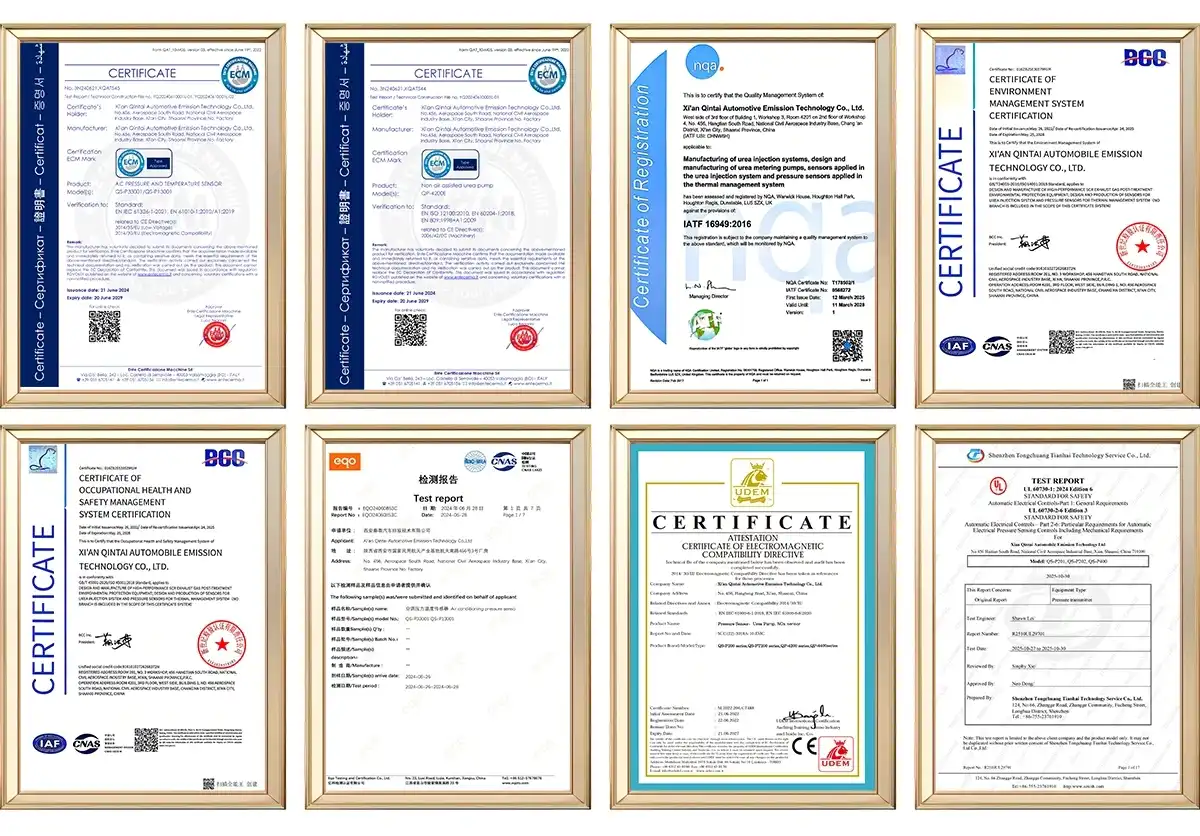
Quality standards like ISO9001 and IATF16949 make sure that the quality of the products and the supply chain are always reliable. For some markets, you may need industry-specific licenses like ATEX for dangerous areas and FDA approval for food uses.
Troubleshooting and Maintaining Pressure Sensors Installed in Various Locations
Proactive repair plans make sensors last longer and make sure they measure accurately throughout their entire operating lives. Knowing the most common types of failure and what causes them helps with fixing and keeps expensive unplanned downtime from happening.
Common Issues and Diagnostic Techniques
One of the most common problems with pressure sensor is signal drift, which can be caused by changes in temperature, mechanical stress, or contamination. Regular calibration checks can find zero and span drift and use trends to figure out when the next calibration will be. Temperature adjustment techniques help keep measurement errors to a minimum when temperatures change.
Readings that aren't stable, signal loss, or noise distortion are all signs of a problem with an electrical link. Moisture getting into outdoor systems through wire entry points is a common way for things to go wrong. Failures caused by wetness can be avoided by properly sealing cables and choosing the right connectors.
Problems with process media suitability might not show up right away, but they can happen over time through chemical attack or wear and tear. Degradation of materials can make sensors less accurate and even cause them to fail completely. Checking process-wetted parts on a regular basis can help find problems before they break.
Location-Specific Maintenance Strategies
Installations in the engine area are exposed to high temperatures, vibrations, and dirt. Checking the mounting tools and electrical links on a regular basis keeps them from breaking too soon. Cable arrangement and strain relief that are immune to vibrations protect against mechanical damage.
Fluid compatibility and filter efficiency are important for hydraulic system sensors. Hydraulic fluid that is contaminated can damage the inside of sensors and cause them to fail early. Programs that count particles and analyze fluids help keep the system clean.
Seasonal repair plans that include filter changes and system setup are helpful for HVAC systems. Differential pressure sensors placed across filters let you know early on when a filter is getting clogged. Energy management systems need to have their readings checked regularly to make sure they are true.
Calibration and Performance Optimization
Regular calibration keeps measurements accurate and shows that you are following the rules. The amount of time between calibrations depends on how important the application is, the surroundings, and how stable the sensor is. Critical safety applications may need to be checked more often than process tracking applications.
In-situ calibration methods cut down on system downtime and repair costs. Portable calibration tools let you check in the field without taking the sensors off. Digital sensors that can diagnose themselves can find calibration drift and let repair staff know about it. Documentation techniques help with following the rules and plans for upkeep. Records of calibration, maintenance, and failure analysis can help you choose the best sensors and improve your maintenance strategies.
Conclusion
Strategic pressure sensor placement across industrial systems ensures optimal monitoring capabilities while supporting maintenance efficiency and operational safety. Understanding the relationship between sensor location, environmental factors, and application requirements enables procurement professionals to make informed decisions that maximize system performance and minimize lifecycle costs. Proper sensor selection, installation practices, and maintenance strategies contribute significantly to operational reliability and regulatory compliance. The evolving landscape of digital sensors and IoT connectivity continues to expand monitoring capabilities while reducing installation complexity and maintenance requirements.
FAQ
Q1: Where should pressure sensors be installed in hydraulic systems?
A: At the pump outputs, system accumulators, and important actuator supply lines, hydraulic pressure sensors should be put in place. By putting sensors after the filters, you can keep them clean and make upkeep easier. Place sensors away from areas with a lot of shaking and make sure there is enough space for the electrical connections. Isolation valves can be used for repair without letting the system lose pressure.
Q2: How does sensor location affect measurement accuracy?
A: The position of the sensor has several direct effects on the accuracy of the reading. If you put sensors too close to pumps or valves, they may pick up pressure pulses that change the results. Putting sensors in places where they won't work may lead to fluids standing still and wrong readings. Signal shift and mechanical stress can be caused by differences in temperature and sound exposure in different places.
Q3: What factors determine optimal pressure sensor placement?
A: The best placement takes into account the needs of the process, the surroundings, the ease of upkeep, and safety concerns. Check the temperature, the amount of vibration, the chemical compatibility, and the sources of electronic noise. Think about how the cables need to be routed, what mounting gear is available, and how easy it is for technicians to install and calibrate the equipment. Balance the need for accurate measurements with the limitations of the work space.
Q4: Can pressure sensors be relocated after initial installation?
A: If you follow the right steps for system separation and installation, you can move pressure sensors. Think about the need to shut down the process, make changes to the pipes, and re-calibrate. Check to see if the new sites meet the needs for accuracy and the surroundings. Keep track of changes for system plans and repair records. Plan moves to happen during planned repair to keep operations running as smoothly as possible.
Partner with Qintai for Superior Pressure Sensor Solutions
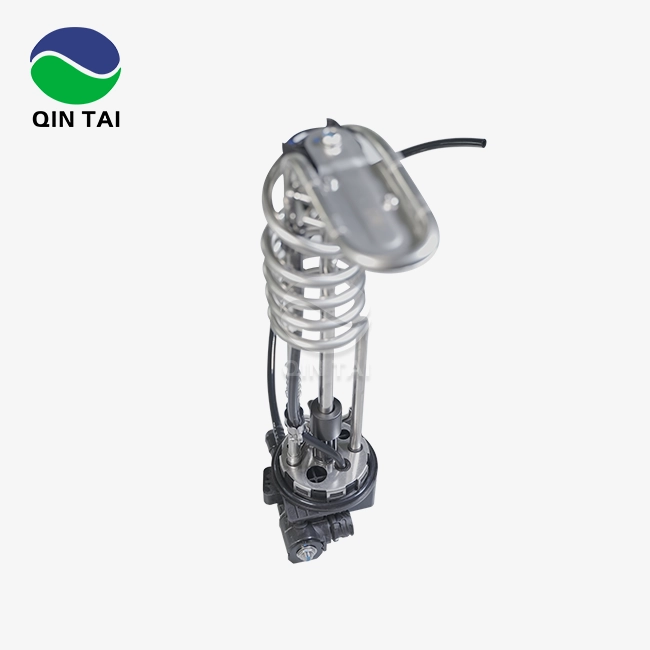
Qintai delivers industry-leading pressure sensor technology specifically engineered for demanding diesel engine and aftertreatment applications. Our ISO9001 and IATF16949 certified manufacturing processes ensure consistent quality, while our 58 invention patents demonstrate continuous innovation leadership. As China's premier OEM supplier serving Weichai Power, Yuchai Power, and Quanchai Power, we understand the critical importance of reliable pressure sensor manufacturer partnerships. Contact our technical team at info@qt-sensor.com to discuss customized solutions that meet your specific application requirements and delivery schedules.
References
1. Johnson, M. R., & Williams, K. L. (2023). "Industrial Pressure Sensor Applications and Installation Best Practices." Journal of Instrumentation Engineering, 45(3), 127-145.
2. Chen, H., & Rodriguez, P. A. (2022). "Environmental Factors Affecting Pressure Sensor Performance in Automotive Applications." Automotive Engineering International, 38(7), 89-102.
3. Thompson, S. K., Miller, J. D., & Anderson, L. M. (2023). "Pressure Sensor Technology Trends in Process Industries." Process Control and Instrumentation, 29(4), 203-218.
4. Kumar, A., & Zhang, W. (2022). "Maintenance Strategies for Industrial Pressure Monitoring Systems." Industrial Maintenance and Plant Operation, 67(11), 45-62.
5. Roberts, D. F., & Lee, S. H. (2023). "Digital Pressure Sensor Integration in Modern Control Systems." Control Engineering Practice, 41(2), 78-94.
6. Martinez, C. J., & Brown, T. R. (2022). "Calibration and Performance Optimization of Pressure Sensors in Harsh Environments." Measurement Science and Technology, 33(8), 156-171.
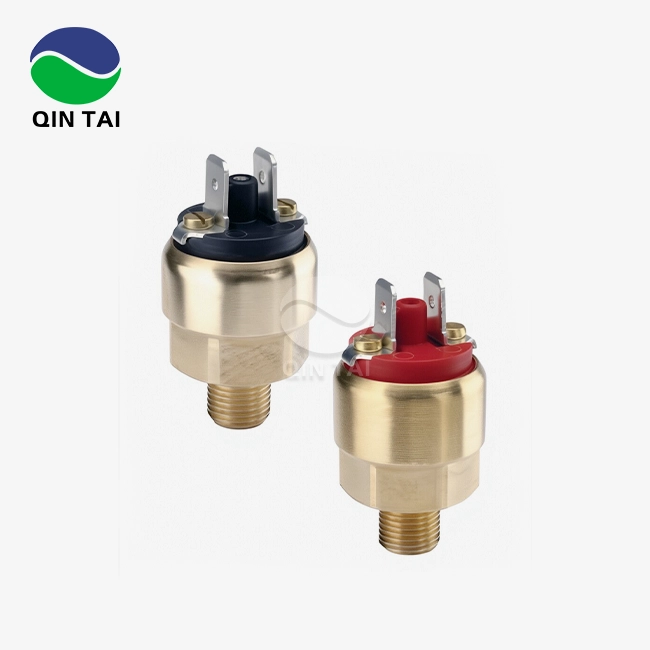

Our customers’ satisfaction speaks for our quality — contact us to experience the same reliable service.