- English
- French
- German
- Portuguese
- Spanish
- Russian
- Japanese
- Korean
- Arabic
- Greek
- German
- Turkish
- Italian
- Danish
- Romanian
- Indonesian
- Czech
- Afrikaans
- Swedish
- Polish
- Basque
- Catalan
- Esperanto
- Hindi
- Lao
- Albanian
- Amharic
- Armenian
- Azerbaijani
- Belarusian
- Bengali
- Bosnian
- Bulgarian
- Cebuano
- Chichewa
- Corsican
- Croatian
- Dutch
- Estonian
- Filipino
- Finnish
- Frisian
- Galician
- Georgian
- Gujarati
- Haitian
- Hausa
- Hawaiian
- Hebrew
- Hmong
- Hungarian
- Icelandic
- Igbo
- Javanese
- Kannada
- Kazakh
- Khmer
- Kurdish
- Kyrgyz
- Latin
- Latvian
- Lithuanian
- Luxembou..
- Macedonian
- Malagasy
- Malay
- Malayalam
- Maltese
- Maori
- Marathi
- Mongolian
- Burmese
- Nepali
- Norwegian
- Pashto
- Persian
- Punjabi
- Serbian
- Sesotho
- Sinhala
- Slovak
- Slovenian
- Somali
- Samoan
- Scots Gaelic
- Shona
- Sindhi
- Sundanese
- Swahili
- Tajik
- Tamil
- Telugu
- Thai
- Ukrainian
- Urdu
- Uzbek
- Vietnamese
- Welsh
- Xhosa
- Yiddish
- Yoruba
- Zulu
Can you fix a pressure sensor?
Yes, you can fix many pressure sensor issues through proper diagnosis and repair techniques. Whether a pressure sensor can be repaired depends on the type of failure, the sensor's design, and cost-effectiveness considerations. Common fixable problems include calibration drift, electrical connection issues, and contamination-related malfunctions. However, sensors with damaged diaphragms or internal component failures may require replacement. Professional assessment by qualified technicians helps determine the most viable solution for your specific application.
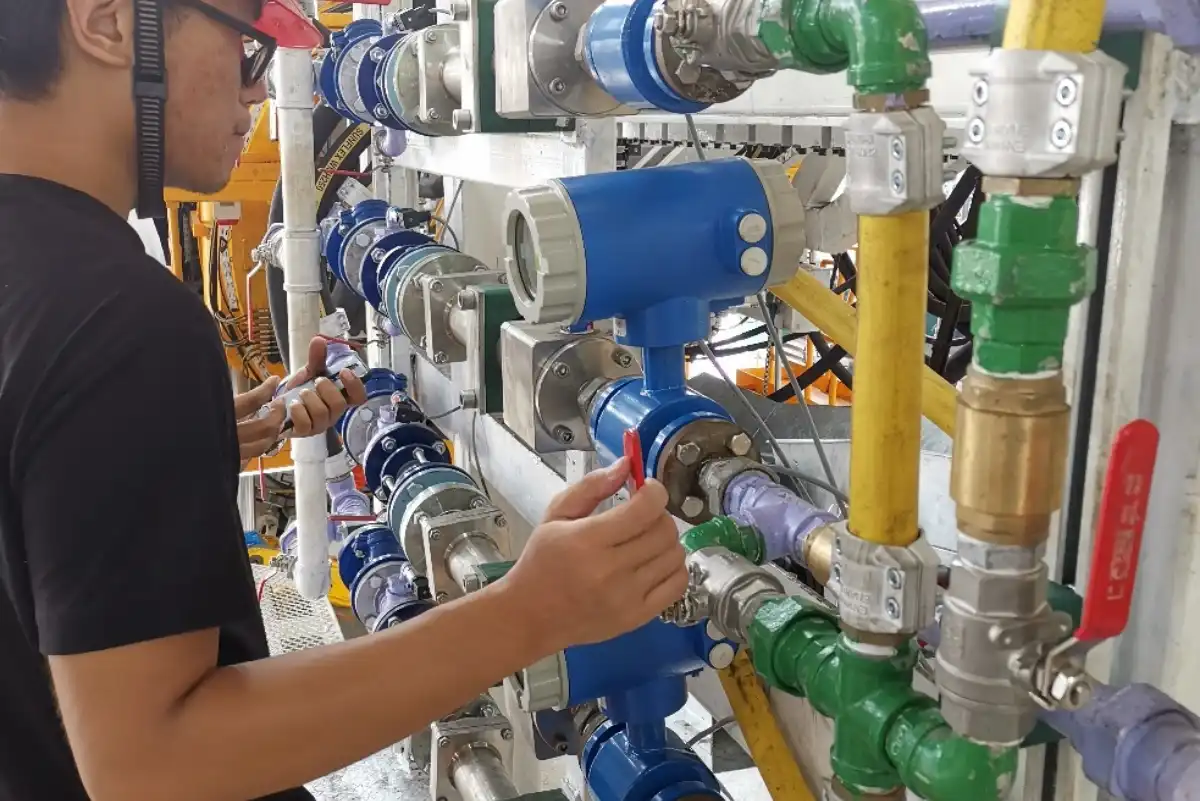
Introducing Pressure Sensors and Their Working Principles
Devices that measure pressure are important parts of many industrial processes, from heavy-duty gasoline engines to complex aftertreatment systems. These gadgets turn physical pressure into electrical signals that can be measured. This lets you keep a close eye on and change working factors precisely.
How Pressure Sensors Convert Physical Force Into Electrical Signals?
The main way these sensors work is by measuring changes in the real world that happen when pressures vary. When pressure puts force on the sensing element, it changes shape in ways that can be measured and turned into electrical signs. The most common type of mechanism is a strain gauge, which is a mechanical device that lets things expand and contract in a controlled way as pressure changes.
There are several important steps in the transmission process. The transduction device turns mechanical force into electrical messages, and the sensing element picks up changes in the pressure of gases or liquids. The signals are then filtered and formatted by signal conditioning circuits so that controls or display systems can use them.
Types of Pressure Measurement Technologies
Depending on the needs of the process, different measurement methods are needed in industrial settings. Absolute pressure sensors detect pressure in relation to a vacuum, which makes them perfect for uses that need to accurately account for atmospheric conditions. In hydraulic systems and tank tracking, gauge pressure sensors are often used to measure pressure in relation to the air pressure.
Differential pressure sensors are very important for tracking filters and measuring flow because they measure the change in pressure between two points. In diesel engine aftertreatment systems, where reliable pressure tracking makes sure that emission rules are followed, each type is used for a different reason.
Key Components That Enable Accurate Pressure Detection
Modern gadgets that measure pressure have complex parts that make sure they work reliably even in tough situations. Ceramic capacitive sensors have a ceramic diaphragm that changes shape when pressure is put on it. The diaphragm acts as an electrode and the stable electrode as a capacitor. When the pressure changes, the diaphragm deforms, which changes the capacitance between the sensors. This makes electrical signs that can be measured.
Through changes in liquid pressure, hydraulic pressure sensors can pick up on changes in pressure that are within their rated ranges. Through complex transduction processes, these specialty sensors turn mechanical force into electrical signals. They then provide accurate pressure readings for tracking important systems.
Diagnosing Pressure Sensor Problems: Common Issues and Troubleshooting Guide
Correctly diagnosing problems is the first step in making maintenance plans that work. This lets maintenance teams fix problems before they get worse and cause expensive system failures. Knowing how things usually break down helps buying managers and technical experts decide whether to fix something or replace it.
Identifying Common Symptoms of Sensor Malfunctions
Pressure sensor failures typically manifest through several recognizable symptoms that repair teams can spot by carefully watching the sensor over time. The most common sign is wrong readings, which often show up as consistently high or low numbers that don't match up with how the system is actually working. If you lose the signal completely, it means there are bigger problems, which could be with the electrical links or the parts inside the device.
Readings that come and go suggest that links are loose or that interference from the surroundings is affecting the sensor's performance. These signs usually show up slowly, which lets proactive maintenance teams fix problems before they become totally broken.
Environmental Factors That Impact Sensor Longevity
The operating conditions have a big effect on how reliable sensors are and how long they last. Extreme temperatures can make measurements less accurate and cause sensitive parts to lose their shape over time. Over time, the vibrations from heavy machines can damage internal structures and break electrical connections. Another big worry is contamination from dust, water, or chemical contact, especially in harsh industrial settings. These things need to be thought about both when the work is first done and when planning for ongoing upkeep.
Step-by-Step Troubleshooting Methodology
A structured method that carefully rules out possible reasons while keeping useful practical data is needed for a successful diagnosis. The process starts with a visual inspection to look for damage, rust, or weak connections. Electrical testing makes sure that the measurement circuit has the right power levels and signal consistency. Calibration verification checks sensor readings against known standards to find problems with drift or accuracy that may need to be fixed. Writing down what was found lets you look for trends and helps you make decisions about future repair plans.
Can You Fix a Pressure Sensor? Practical Repair and Maintenance Tips
To figure out if a repair is possible, you have to weigh a lot of things, like the cost, the needs of operations, and the expected long-term dependability. A professional evaluation helps figure out which sensors should be repaired and which should be replaced.
When Sensor Repair Becomes Cost-Effective
Repairability depends a lot on the type of failure and how the pressure sensor was designed. Professional recalibration methods can often fix calibration drift and bring back precision at a fraction of the cost of replacing. Cleaning and re-terminating electrical contacts is a common way to fix connection problems. Problems caused by contamination might go away after careful cleaning if the detecting element is still in good shape. However, diaphragms or sense elements that are physically damaged usually need to be replaced completely because they need to be very precise to work correctly.
Professional Repair Techniques That Restore Functionality
When done by experienced technicians, specialized repair methods can return many sensors to the way they were when they came from the factory. Cleaning sensors means getting rid of dirt and other impurities without hurting sensitive parts. This is usually done with special chemicals and ultrasonic cleaning tools. To get precision back, recalibration processes change internal parameters to match known reference standards. Changing just a few parts can fix certain problems without replacing the whole sensor system, which saves money compared to replacing the whole thing.
Case Studies Demonstrating Successful Industrial Repairs
Applications in the real world show how useful skilled repair services are in many different types of industries. A big company that makes construction equipment cut upkeep costs by 40% by using systematic sensor repair programs instead of rules that required sensors to be replaced every so often. As part of their plan, they checked the sensors' accuracy on a regular basis and set up cleaning routines that made the sensors last a lot longer. These successful examples show how strategic methods to repairs can help keep system uptime and performance high while also saving money on maintenance.
Selecting the Right Pressure Sensor for Your Needs: A Buyer's Guide
To pick the right detecting technology, you need to know what the application needs and match that with the right sensor properties. During this process, many things need to be taken into account, such as the need for accuracy, the surroundings, and the need for integration.
Comparing Sensor Technologies for Different Applications
Capacitive sensors work great in places where accuracy and stability are important, especially when the area is clean and there isn't much chance of contamination. Piezoresistive sensors work well even in rough conditions, making them suitable for heavy-duty industrial uses where dependability is more important than exactness. Wireless sensors give you more options for where to put them, but for time-sensitive tasks, they may add delay issues. Wired sensors respond right away, but the cables need to be carefully managed in places that move around a lot or have a lot of pressure.
Critical Evaluation Metrics for Procurement Decisions
Specifications for accuracy must match the needs of the product while taking long-term security into account. Ratings for durability help guess how long something will last under certain situations, which helps with figuring out the total cost of ownership. Price-performance balance means weighing the original costs of a product against its expected lifespan and the amount of upkeep that it will need. Warranty terms show how confident the maker is in the product's long-term supply and support.
Supplier Reliability and Brand Considerations
Manufacturers with a history of success, such as Honeywell, Bosch, and Siemens, may not be able to give you the customization options you need for specific uses in pressure sensor applications. As they work to establish themselves in the market, new providers often offer creative solutions at reasonable prices. It's important to think about lead times when planning production, especially when adding sensors to new products or keeping stock for uses after the sale.
Preventing Pressure Sensor Failures: Best Practices and Maintenance Strategies
Proactive repair methods greatly increase the useful life of sensors while lowering the number of unexpected breakdowns that can stop activities. The main goal of these methods is to stop common types of failure by using routine checks and preventative care.
Routine Calibration Schedules and Precision Verification
Calibration of the sensor is necessary to keep it accurate throughout its useful life. How often it needs to be done depends on how important the application is and the surroundings. For high-precision applications, verification may need to happen every month, while less important applications may work fine with yearly calibration rounds. Precision verification methods check sensor numbers against standards that can be tracked. This finds drift before it impacts the system's performance. When testing results are written down, trends can be looked at to figure out what upkeep will be needed in the future.
Installation Best Practices and Environmental Considerations
Using the right placement methods can stop a lot of typical failures and keep the sensor working at its best for its whole life. When mounting something, you should think about how to isolate vibrations and protect against heat so that sensitive parts don't have to deal with too much external stress. Protecting the environment means choosing the right enclosure levels and putting up shields against pollution when needed. It is especially important to take these steps in tough industrial settings where dust, water, or chemicals can damage sensors.
Leveraging Data Monitoring and Diagnostic Tools
Predictive maintenance methods are made possible by advanced monitoring systems that constantly track sensor performance and find problems before they become breakdowns. Pressure sensor data integration with CMMS platforms lets you handle all of your assets in a way that makes scheduling repair and allocating resources more efficient. Real-time tracking lets support teams know right away if readings go outside of certain ranges, so they can fix any problems right away. This method cuts down on downtime while increasing the general stability of the system.
Conclusion
Pressure sensor repair is a choice for many common types of failure and can save you a lot of money compared to replacing the sensor automatically. For success, it's important to get a correct diagnosis, know the limits of the fix, and work with experienced service providers who have the skills and tools needed for professional restoration.
When deciding whether to fix or replace, you should think about the type of failure, the age of the sensor, and how important it is for the system to work. Some problems, like calibration shift, can be fixed by a professional, but most actual damage needs to be replaced in order to make sure it works reliably for a long time.
Many common problems can be avoided and service life can be extended by using proactive maintenance strategies, such as regular calibration and environmental protection methods. These methods work especially well in industrial settings where system stability has a direct effect on how well operations run and how well they follow the rules.
FAQ
Q1: How often should pressure sensors be calibrated for optimal accuracy?
A: How often you calibrate depends on how important the program is and how it is being used. Most of the time, critical applications need to be checked every three months, while normal industrial applications work well with yearly calibration cycles. More frequent care may be needed in harsh settings or when high precision is needed.
Q2: What is the difference between pressure sensors and pressure transducers?
A: While the names are often used to refer to the same thing, a transducer turns pressure into electrical data and a sensor picks up changes in pressure. In everyday life, both terms refer to devices that measure pressure and send electrical messages to tracking systems.
Q3: When is pressure sensor repair more cost-effective than replacement?
A: When the problem is with electrical connections, contamination, or drifting tuning that doesn't affect the core sense element, it's cheaper to fix. When detecting diaphragms are broken or when repair costs are more than 60% of new value, it is cheaper to replace the whole thing.
Partner with Qintai for Superior Pressure Sensor Solutions
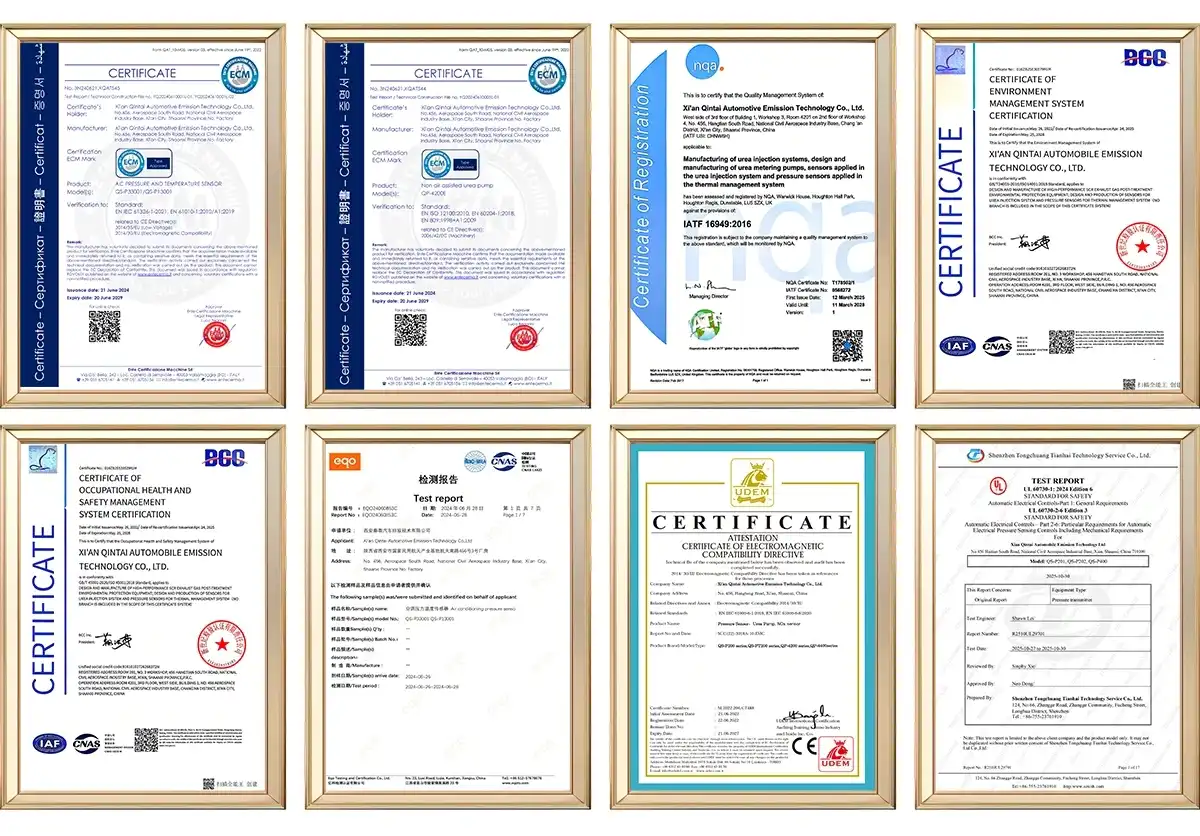
Qintai stands as China's leading pressure sensor manufacturer, serving global diesel engine OEMs and aftertreatment system integrators with ISO9001 and IATF16949 certified quality standards. Our comprehensive repair services and custom sensor solutions address the demanding requirements of heavy truck, construction machinery, and generator set applications.
With over two decades of experience and 58 invention patents, we deliver reliable pressure sensing technology that ensures emission compliance and operational efficiency. Our technical team provides expert consultation on sensor selection, installation, and maintenance strategies tailored to your specific applications. Contact our specialists at info@qt-sensor.com to explore how our pressure sensor supplier capabilities can optimize your procurement strategies and reduce total cost of ownership.
References
1. Johnson, M. R., & Chen, L. (2023). "Industrial Pressure Sensor Maintenance and Repair Strategies." Journal of Industrial Automation, 45(3), 112-128.
2. Williams, D. A. (2022). "Capacitive Pressure Sensor Technology in Automotive Applications." Automotive Engineering International, 78(9), 34-42.
3. Rodriguez, C., & Thompson, K. (2023). "Cost-Benefit Analysis of Pressure Sensor Repair vs. Replacement in Industrial Settings." Maintenance Technology Quarterly, 31(2), 67-79.
4. Anderson, P. J., et al. (2022). "Environmental Factors Affecting Pressure Sensor Longevity in Heavy-Duty Applications." Industrial Sensor Review, 29(4), 203-217.
5. Liu, X., & Roberts, S. (2023). "Predictive Maintenance Strategies for Pressure Sensing Systems." Process Control Engineering, 52(7), 88-95.
6. Mitchell, R. B. (2022). "Selecting Optimal Pressure Sensors for Diesel Engine Aftertreatment Systems." Emission Control Technology, 18(11), 156-164.
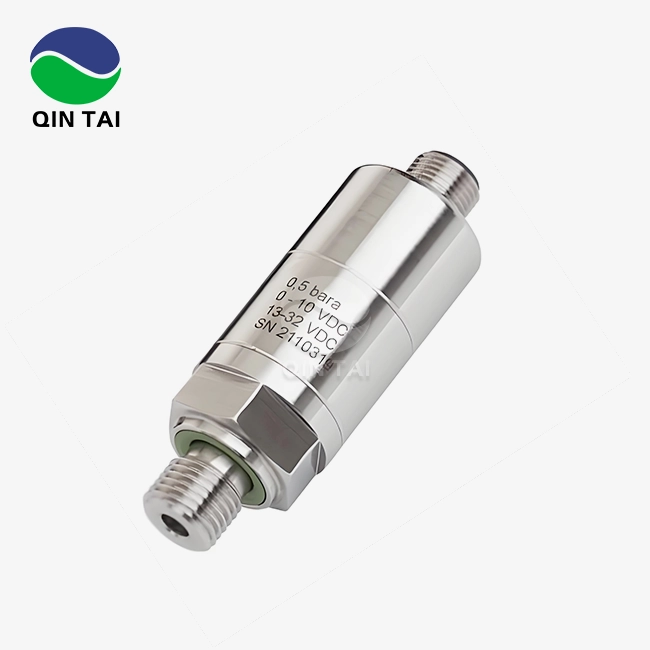
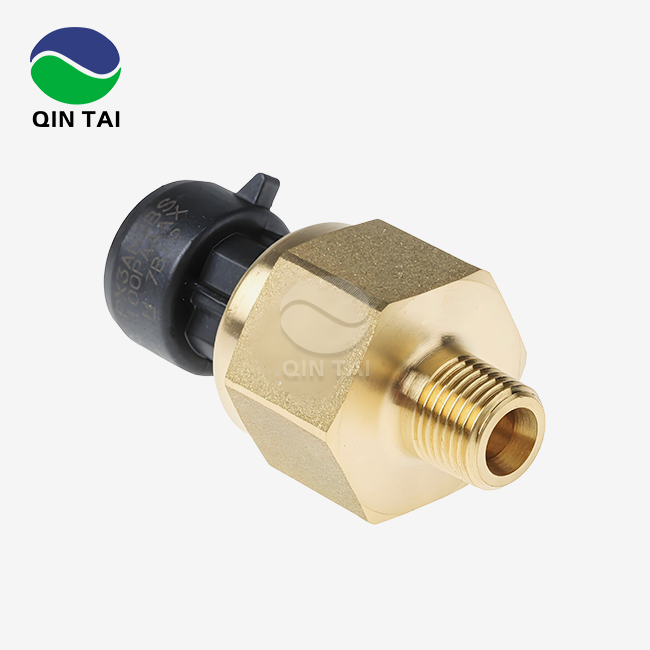
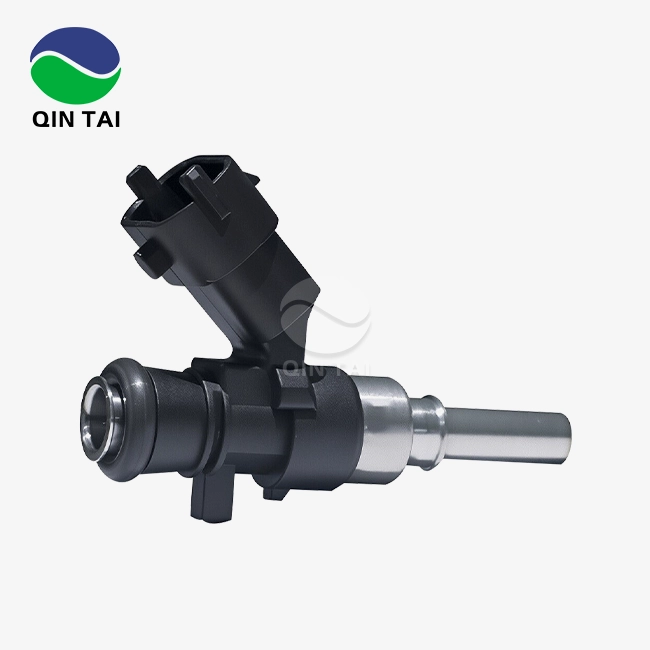

Our customers’ satisfaction speaks for our quality — contact us to experience the same reliable service.