- English
- French
- German
- Portuguese
- Spanish
- Russian
- Japanese
- Korean
- Arabic
- Greek
- German
- Turkish
- Italian
- Danish
- Romanian
- Indonesian
- Czech
- Afrikaans
- Swedish
- Polish
- Basque
- Catalan
- Esperanto
- Hindi
- Lao
- Albanian
- Amharic
- Armenian
- Azerbaijani
- Belarusian
- Bengali
- Bosnian
- Bulgarian
- Cebuano
- Chichewa
- Corsican
- Croatian
- Dutch
- Estonian
- Filipino
- Finnish
- Frisian
- Galician
- Georgian
- Gujarati
- Haitian
- Hausa
- Hawaiian
- Hebrew
- Hmong
- Hungarian
- Icelandic
- Igbo
- Javanese
- Kannada
- Kazakh
- Khmer
- Kurdish
- Kyrgyz
- Latin
- Latvian
- Lithuanian
- Luxembou..
- Macedonian
- Malagasy
- Malay
- Malayalam
- Maltese
- Maori
- Marathi
- Mongolian
- Burmese
- Nepali
- Norwegian
- Pashto
- Persian
- Punjabi
- Serbian
- Sesotho
- Sinhala
- Slovak
- Slovenian
- Somali
- Samoan
- Scots Gaelic
- Shona
- Sindhi
- Sundanese
- Swahili
- Tajik
- Tamil
- Telugu
- Thai
- Ukrainian
- Urdu
- Uzbek
- Vietnamese
- Welsh
- Xhosa
- Yiddish
- Yoruba
- Zulu
Types of pressure sensors and their applications
Pressure sensors are very important measuring tools because they turn real pressure forces into electrical signals. This lets many industrial uses keep accurate track of and control things. These high-tech tools pick up changes in the pressure of gases and liquids. They turn mechanical stress into data that systems can understand and use. Modern pressure sensor technology includes a number of different measuring methods, such as strain gauge, inductive, piezoelectric, and optical. Each has its own benefits for different work settings. These devices are very important for many fields, from making cars to oil and gas research, to keep operations safe, improve performance, and make sure they meet strict government standards.
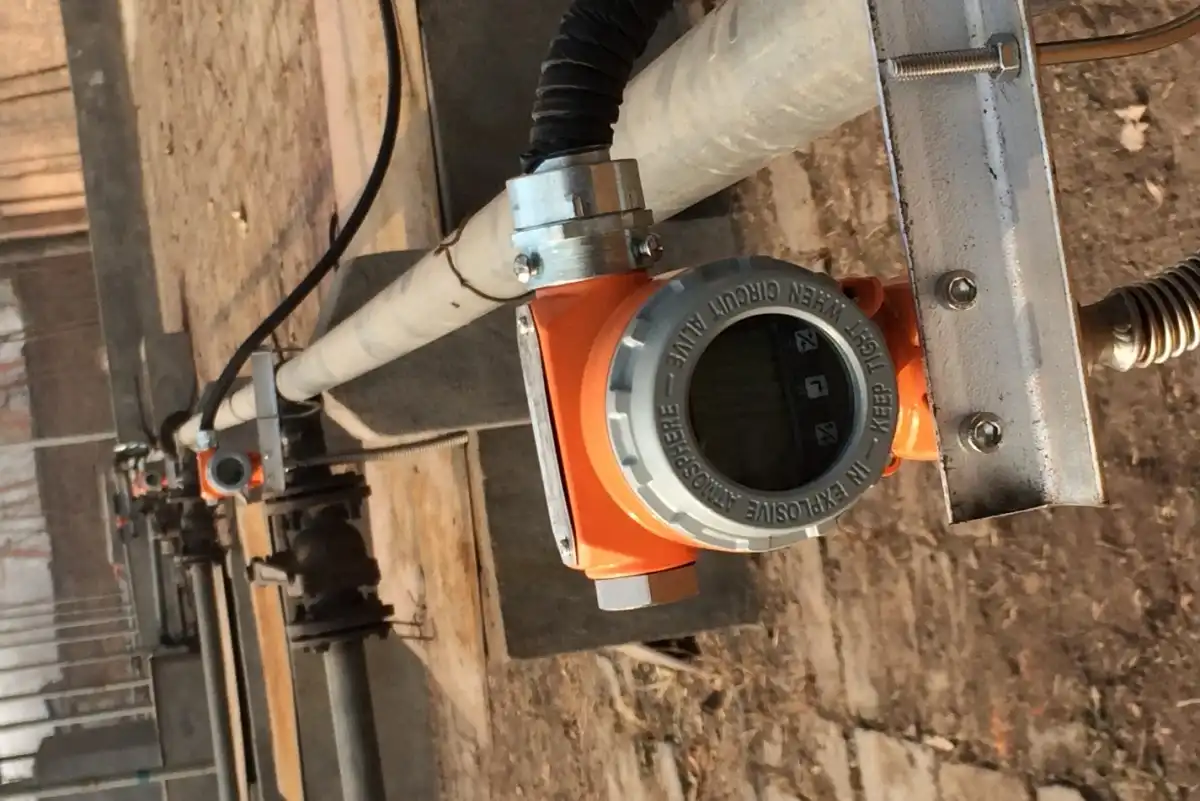
Understanding Pressure Sensors: Fundamentals and Key Dimensions
Core Sensing Mechanisms and Working Principles
Devices that measure pressure use a number of basic sense technologies, each of which uses a different physical phenomenon to pick up changes in force. A lot of industrial uses depend on strain gauge technology, which uses resistance parts that change their electrical qualities when they are bent or stretched. When the pressure changes, it puts physical stress on the detecting element. This causes tiny changes in its dimensions, which can be measured as changes in its electrical resistance.
To measure changes in pressure, capacitive sensing systems use the connection between the distance between electrodes and the electrical capacitance. A ceramic diaphragm is one electrode, and a set plate is the other. Together, they make a changeable capacitor system. When pressure is applied, the diaphragm bends, and the distance between the electrodes changes. This causes changes in capacitance that are proportional, and electronic circuits use these changes to read the pressure.
When crystalline materials are under mechanical stress, piezoelectric technology creates electrical charges. This dynamic reaction makes it perfect for tracking pressure conditions that change quickly. These devices work great for tasks that need a high-frequency reaction, but they might not be accurate for long periods of time when measuring static pressure.
Critical Performance Parameters and Selection Criteria
Specifications for accuracy show how closely sensor readings match real pressure values. This is usually shown as a percentage of the full-scale range. For industrial uses that need accurate measurements, sensors need to have accuracy rates of at least 0.25%. For less important monitoring jobs, accuracy levels of 1 to 2 percent are fine. When the temperature changes, it's important to make sure that the measurements are still accurate, because thermal effects can cause big mistakes in measurements if the calibration isn't done right.
Compatibility with a wide range of pressures makes sure that sensors can work in normal situations without breaking or losing their effectiveness. Absolute pressure sensors use a vacuum as a standard, gauge pressure sensors use atmospheric pressure as a standard, and differential sensors look at how the pressure changes between two measuring places. Knowing about these different types of measurements helps engineers choose the right sensing tools for each application.
Response time factors affect how well a system works in changing situations where pressure changes quickly. Real-time control systems can respond quickly to changing conditions when they use sensors that answer quickly. For steady-state monitoring uses, slower devices may be enough. Environmental tolerance factors, such as temperature range, resistance to humidity, and chemical compatibility, decide how long a sensor lasts and how well it works in difficult circumstances.
Major Types of Pressure Sensors and Their Industrial Applications
Strain Gauge Pressure Transducers
Industrial pressure sensor applications mostly use strain gauge technology because it is very reliable, accurate, and cost-effective in a wide range of working situations. Metal plates or semiconductors are bound to flexible diaphragms in these devices, and the diaphragms bend in response to pressure. Because of this, the mechanical force causes the sensing elements' resistance to change in a way that can be predicted. Bridge circuits then turn these changes into standard electrical outputs.
Here are the core advantages of strain gauge pressure sensors:
• Exceptional accuracy and linearity: most modern strain gauges are accurate to within 0.1% of full scale, and they have excellent linearity across their entire working range.
• Wide pressure range capability: These sensors can do readings from vacuums to ultra-high pressures above 10,000 PSI, meeting a wide range of commercial needs.
• Temperature stability: advanced compensation methods keep the accuracy even when temperatures vary from -40°C to +125°C, providing stable performance in harsh conditions.
• Robust construction: industrial-grade housings keep sensing elements safe from shock, pressure, and dirt in the environment while keeping calibration stable over time.
These advantages make strain gauge sensors particularly valuable for heavy machinery monitoring, hydraulic system control, and process industry applications where measurement reliability directly impacts operational safety and efficiency.
Capacitive Pressure Sensing Technology
When exact readings need to be taken over long periods of time, capacitive sensing technology offers the best steadiness and resolution. Ceramic or silicon diaphragms are placed between two fixed electrodes in these devices. This makes variable capacitors that react to mechanical movement caused by pressure. Because of this, changes in capacitance lead to very straight electrical outputs that don't change much with temperature and are very stable over time.
Capacitive sensors work great in clean rooms, factories that make medicines, and factories that work with semiconductors because they don't get contaminated easily and can measure things accurately. The non-contact sensing method gets rid of problems with mechanical wear and has great overload safety. A lot of new capacitive designs use digital signal processing to make them more resistant to noise and give them smart sensor features like the ability to self-diagnose and be calibrated from a distance.
Piezoelectric Dynamic Pressure Measurement
Piezoelectric pressure sensor technology has the best dynamic response qualities for measuring pressure conditions that change quickly in combustion engines, shock tests, and blast measurement tasks. These sensors make electrical charges that are related to the mechanical stress that is applied. This lets them respond to frequencies higher than 100 kHz, which is useful for recording fast changes in pressure.
The crystalline sensing elements don't need an external power supply to work. This makes them perfect for measuring things on the go or in tough settings where power may not be available. But piezoelectric sensors can't tell the difference between steady and moving pressure, and they need special charge amplifiers or built-in electronics to make the signals work. They are very sensitive and respond quickly to changes in frequency, which makes them essential for research, engine development, and ballistics tests where regular sensors can't do the job.
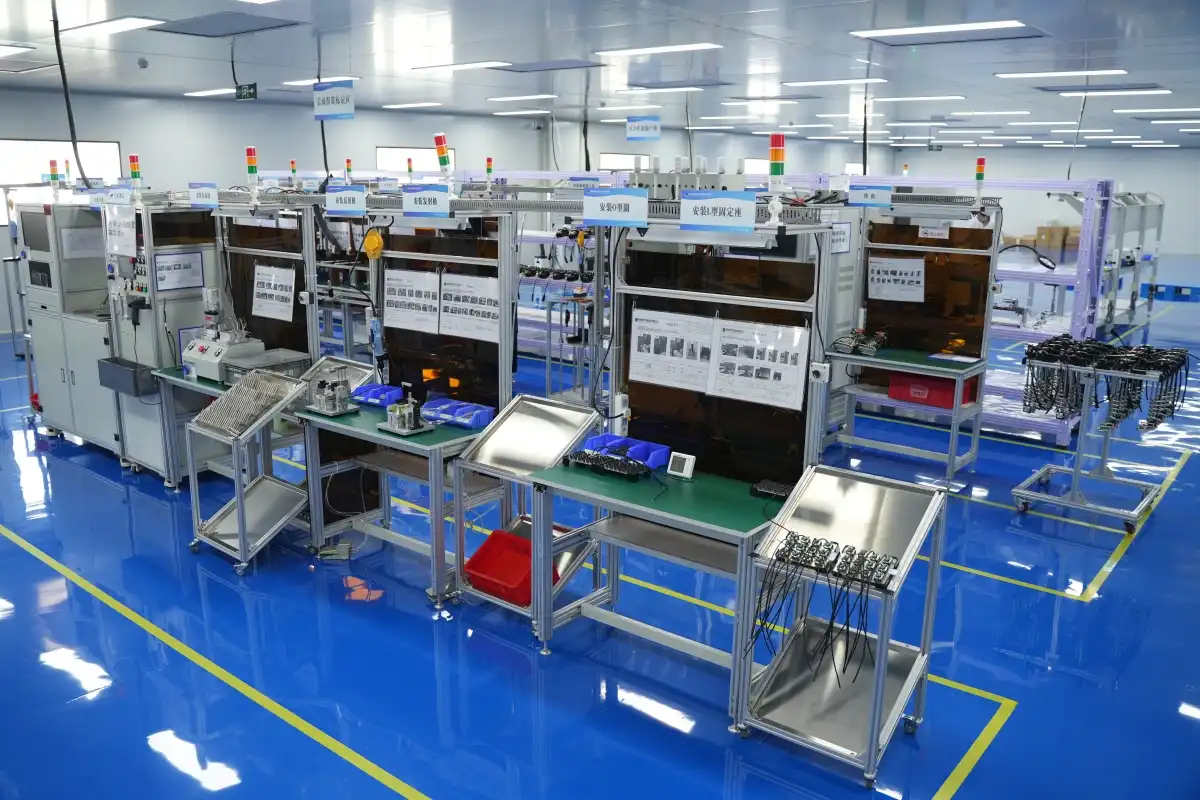
How to Choose the Best Pressure Sensor for Your Industrial Use Case?
Application Requirements Analysis
To choose the right sensor, you must first carefully look at the needs of the application, such as the pressure levels, the surroundings, and the performance goals. Engineers have to look at the highest and lowest pressure levels while keeping safety gaps and possible overpressure situations that could damage sense elements in mind. Operating temperature ranges have a big effect on choosing a sensor, because using certain materials or methods of adjustment in very hot or very cold situations can make measurements less accurate.
When sensors come into contact with corrosive or strong fluids that could damage the detecting elements or housing materials, chemical compatibility becomes very important. For most commercial uses, stainless steel building is very resistant to corrosion. However, for harsh chemical conditions, special coatings or unusual metals may be needed. The amount of vibration and shock protection needed depends on where it's installed and how it's used, especially in places with moving parts or a lot of energy, like factories.
Output Signal and Integration Considerations
For modern industrial systems to work, sensors must have output signs that can be used with current data collection and control systems. Analog voltage outputs (0-5V, 0-10V) make it easy to connect to most industrial controls, and current loop signals (4-20mA) are better at blocking noise for long cable runs in places with a lot of electrical noise. Digital connection methods like Modbus, CAN bus, and Ethernet make it possible to do advanced diagnostics and set up devices from afar.
Smart sensor features like built-in diagnostics, customizable warning levels, and wireless communication make the system more reliable and lower the need for maintenance. These more advanced features make up for higher starting costs by making operations more efficient and cutting down on downtime. When engineers compare different sensor methods and feature sets, they should look at the total cost of ownership, which includes the costs of installation, calibration, and upkeep.
Supplier Evaluation and Quality Assurance
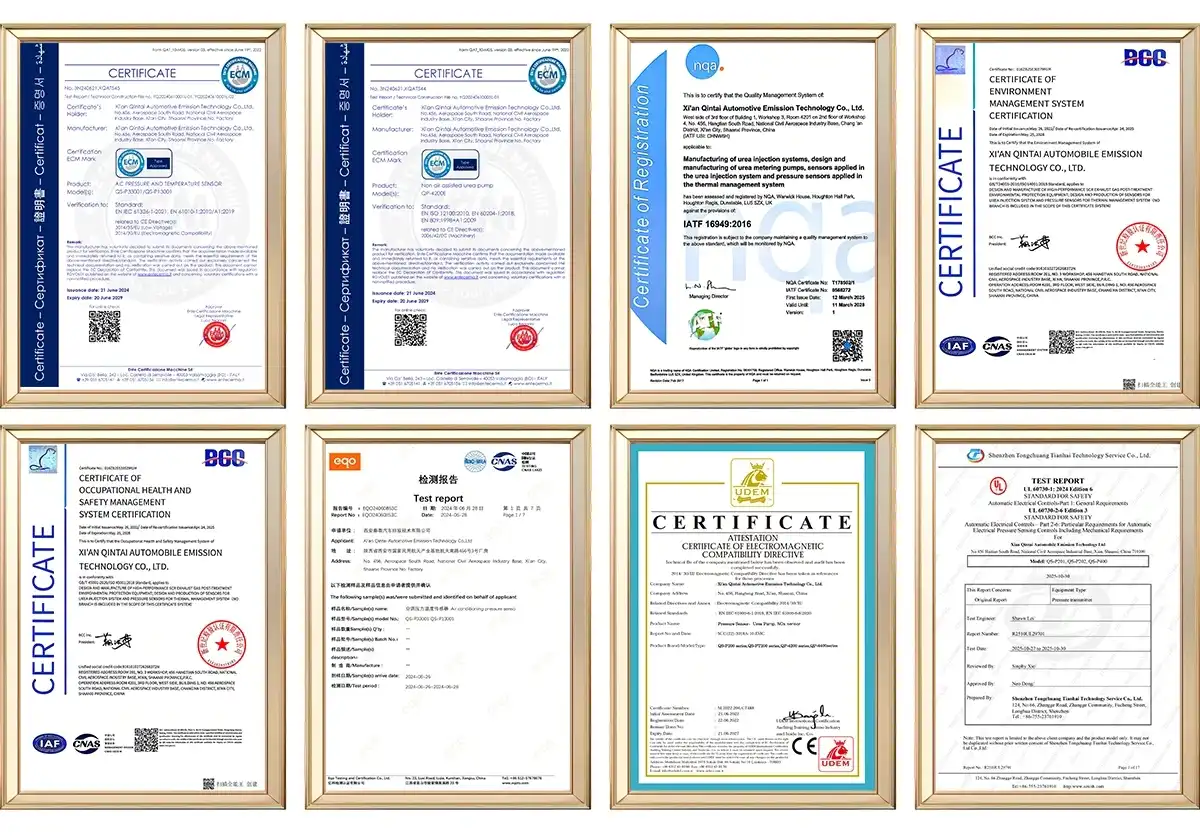
To make sure the supply chain is reliable in the long term, choosing a supplier means carefully looking at their manufacturing skills, quality systems, and expert help resources. Certifications like ISO 9001 and IATF 16949 show that quality management systems are in place, while approvals for specific industries, like the ATEX, UL, and CE mark, show that safety and performance standards are met. Patent collections and investments in research and development show how committed a seller is to making technology better and coming up with new products.
Help with application engineering, custom design services, and field support resources are all examples of technical support skills that have a big effect on the success of a project and on long-term operational happiness. Suppliers who offer thorough paperwork, training programs, and quick expert support are more valuable than those who only focus on low prices. The warranty terms, calibration services, and repair options should all be in line with the needs of the product and the upkeep plans.
Procurement Insights: Ordering, Customization, and Logistics for Pressure Sensors
Strategic Sourcing and Supplier Management
Cost optimization, quality assurance, and supply chain stability should all be balanced in good buying strategies so that total ownership costs are kept as low as possible while product availability is always guaranteed. Long-term supplier relationships let companies work together to make new products, get better prices, and make sure that supplies like the pressure sensor get to the right people first when there are gaps in the market. To figure out the risks and ensure the continuation of the supply chain, procurement workers should look at how financially stable suppliers are, how much they can make, and where they are located.
When you negotiate prices based on volume, you can get big price cuts for large orders while still keeping quality standards and delivery times. Annual contracts with open amount clauses help budgeters plan ahead while also adapting to changes in demand. By giving vendor-managed inventory services or contract inventory programs, suppliers can lower the amount of working capital they need and boost inventory turnover rates.
Customization and Engineering Support Services
Pressure sensor applications often require customized configurations to meet unique performance, mounting, or integration needs that can't be met by standard products. Customized pressure levels, output signals, and housing designs that have been changed make it possible for the best system integration at the lowest cost. During the planning process, engineers work together to make sure that the sensor specifications match the needs of the application and the limits of the system.
Rapid prototyping speeds up the development of new products by making it possible to try and validate working models before committing to large-scale production. A lot of providers offer design consulting services to help you choose the best sensors and integrate them in the best way. This lowers the risks of development and boosts the overall performance of the system. Custom testing services can give you higher accuracy or measurement ranges that are just right for your needs.
Quality Control and Incoming Inspection Protocols
To keep systems from breaking down and reduce the need for field service, strict incoming checking processes check the quality and performance of sensors before they are installed. Statistical sampling plans based on military standards or ISO methods give you trust in the quality of the lot while keeping the cost of inspections low. During the receiving review process, special attention should be paid to important factors like accuracy, temperature compensation, and environmental sealing.
Traceability records and certificate of compliance paperwork make sure that the quality system is followed and make failure analysis easier if something goes wrong during service. Suppliers who offer thorough test data, calibration certificates, and the ability to track the manufacturing process show that they care about quality and customer happiness. Regular checks and performance reviews of suppliers make sure that quality standards and delivery goals are always met.
Future Trends in Pressure Sensor Technology and Industry Applications
Digital Integration and Smart Manufacturing
Industry 4.0 projects increase the need for intelligent pressure sensor technologies that work well with digital industrial systems and offer advanced troubleshooting tools. Smart sensors with microprocessors can process data locally, use predictive maintenance algorithms, and send information about the state of the system to centralized tracking platforms. These features make it possible for condition-based repair plans to be used, which increase the availability of devices while lowering the cost of service.
Wireless communication technologies get rid of the costs of installing cables and let you put sensors in places that weren't possible before. Mesh networking methods guarantee dependable data transfer even in difficult radio frequency environments, and battery-powered sensors with energy harvesting capabilities offer maintenance-free operation for extended periods. Connecting to the cloud allows for online tracking and data analysis, which changes how maintenance is done and how operations are optimized.
Miniaturization and Performance Enhancement
New techniques for making semiconductors have made it possible to drastically reduce the size of sensors while also improving their performance and lowering the costs of making them. Micro-electromechanical systems (MEMS) technology makes sensors that are smaller than regular ones but still meet or beat accuracy standards. These small devices make it possible to use them in places where room is limited and lower the weight of systems used in mobile equipment.
Compared to older sensing technologies, these new materials, such as silicon carbide, gallium arsenide, and designed ceramics, can work at a wider range of temperatures and are better at resisting chemicals. Nanotechnology uses could lead to even better sensitivity and clarity while also lowering the cost of production and power use. These technological improvements make it easier to measure things and open up new application options across a wide range of industries.
Sustainability and Environmental Considerations
Environmental laws and sustainability efforts push the creation of eco-friendly sensor technologies that reduce the damage products do to the environment over their entire lifecycles. Green technology goals can be met in sensor production by using lead-free soldering methods, housing materials that can be recycled, and less wasteful packing. Designs that use less energy cut down on power use and make batteries last longer in handheld devices.
Smart sensors allow for predictive upkeep, which lowers the number of equipment breakdowns and increases the useful life of machines. This helps save resources and cut down on waste. More accurate measurements allow process improvement, which lowers the amount of energy used and waste in production. Beyond efficiency and cost, these environmental benefits give investors in advanced sensor technology even more reason to make investments.
Conclusion
Modern pressure sensor technology includes a wide range of measurement methods and designs that are tailored to specific applications. These are made to meet the changing needs of process control and industrial automation systems. Knowing the main differences between capacitive, piezoelectric, and strain gauge sensor technologies helps you make smart choices that improve performance while keeping costs low. Strategies for buying things that focus on relationships with suppliers, quality control, and long-term support are more valuable than strategies that only look at the original cost of the goods. As digital production and Industry 4.0 projects change the way factories work, smart sensors that can communicate wirelessly and do predictive maintenance will become more and more important for staying ahead of the competition. Better performance, lower prices, and more uses for sensors are all things that will happen as sensor technology continues to develop. This will lead to progress in many industries.
FAQ
Q1: What factors most significantly influence pressure sensor accuracy in demanding industrial environments?
A: Changes in temperature, mechanical shaking, and electromagnetic interference are the main things that affect the accuracy of sensors in industrial settings. Temperature compensation circuits limit the effects of temperature drift as much as possible, and using the right mounting methods lowers the mistakes caused by vibrations. Electrical interference from close equipment can't happen with shielded cables and good grounding techniques.
Q2: Can pressure sensors be customized to meet highly specific application requirements?
A: Yes, most companies that make industrial sensors let you change a lot of things about them, like the pressure levels they work with, the output signals they send, the materials they're made of, and how they're mounted. Engineering consulting services help make sure that sensor specs are perfect for each application, and fast development lets you test and confirm before committing to mass production.
Q3: How can procurement teams verify sensor quality and performance from new suppliers?
A: A full review of a seller should look at quality system certifications (ISO 9001, IATF 16949), proof that the product meets standards, and confirmation from previous customers. Sample testing programs allow you to confirm performance before placing big orders, and supplier site checks give you information about how the product is made and how quality control is handled.
Q4: What maintenance practices ensure optimal pressure sensor performance over extended service periods?
A: Regular calibration checks with approved reference standards keep measurements accurate, and cleaning and checking on a regular basis stop fails caused by contamination. Environmental safety measures, like moisture shields and sound damping, make sensors last longer, especially when they are used in harsh circumstances.
Q5: How do digital communication capabilities enhance pressure sensor value in modern industrial systems?
A: Digital sensors let you diagnose problems from afar, set up custom alarms, and record data that lets you plan ahead for maintenance needs. Wireless communication gets rid of the need to install cables and gives you more options for where to put sensors. Cloud connectivity allows advanced analytics and remote tracking apps.
Partner with Qintai for Advanced Pressure Sensor Solutions
Qintai is the best pressure sensor maker in China. They combine twenty years of engineering experience with cutting-edge production skills to make great sensors for diesel engines and other industry uses. As part of our wide range of products, we offer strain gauge, capacitive, and piezoelectric sensors that are made for heavy-duty tasks that need to be accurate and reliable. We ensure consistent quality and performance that meets the strictest industrial standards with ISO 9001, IATF 16949, and other foreign certifications.
Our independent research and development team is always coming up with new ways to make sensors work better, and our OEM/ODM services let you get solutions that are perfect for your application. We are the go-to provider for China's biggest engine makers, like Weichai, Yuchai, and Quanchai, so we bring years of experience to every job. Get in touch with our expert team at info@qt-sensor.com to talk about your pressure sensor requirements and find out how our advanced sensing solutions can help your business run more smoothly.
References
1. Smith, J.R., "Industrial Pressure Measurement Technologies: Principles and Applications," Journal of Process Control Engineering, Vol. 45, 2023, pp. 112-128.
2. Anderson, M.K., "Advanced Sensor Technologies for Diesel Engine Applications," Automotive Engineering International, Vol. 131, No. 8, 2023, pp. 45-52.
3. Chen, L.W., "Capacitive Pressure Sensor Design and Manufacturing Processes," Sensors and Actuators Technology Review, Vol. 78, 2024, pp. 203-219.
4. Thompson, R.A., "Strain Gauge Pressure Transducers in Heavy Industry Applications," Industrial Instrumentation Handbook, 12th Edition, McGraw-Hill, 2023.
5. Rodriguez, C.M., "Predictive Maintenance Using Smart Pressure Sensors in Manufacturing," International Journal of Industrial IoT, Vol. 29, No. 3, 2024, pp. 67-84.
6. Williams, D.P., "Procurement Strategies for Industrial Sensor Technologies," Supply Chain Management Quarterly, Vol. 18, No. 2, 2023, pp. 134-149.
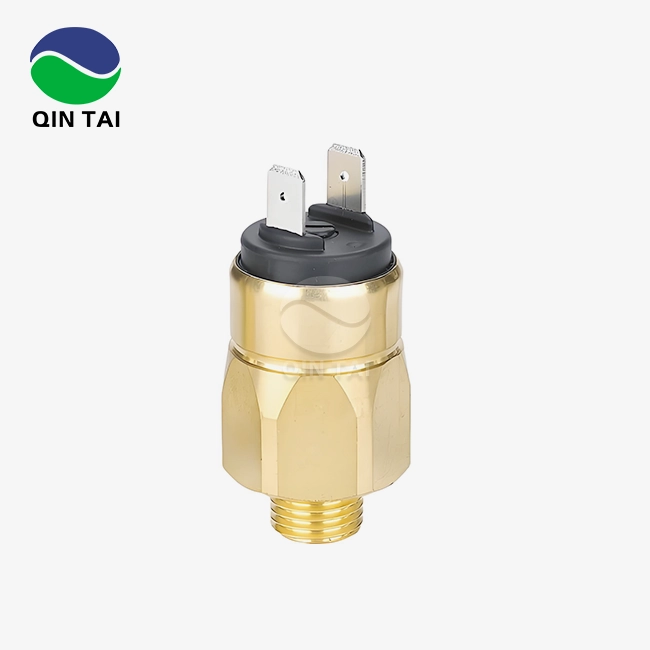

Our customers’ satisfaction speaks for our quality — contact us to experience the same reliable service.