- English
- French
- German
- Portuguese
- Spanish
- Russian
- Japanese
- Korean
- Arabic
- Greek
- German
- Turkish
- Italian
- Danish
- Romanian
- Indonesian
- Czech
- Afrikaans
- Swedish
- Polish
- Basque
- Catalan
- Esperanto
- Hindi
- Lao
- Albanian
- Amharic
- Armenian
- Azerbaijani
- Belarusian
- Bengali
- Bosnian
- Bulgarian
- Cebuano
- Chichewa
- Corsican
- Croatian
- Dutch
- Estonian
- Filipino
- Finnish
- Frisian
- Galician
- Georgian
- Gujarati
- Haitian
- Hausa
- Hawaiian
- Hebrew
- Hmong
- Hungarian
- Icelandic
- Igbo
- Javanese
- Kannada
- Kazakh
- Khmer
- Kurdish
- Kyrgyz
- Latin
- Latvian
- Lithuanian
- Luxembou..
- Macedonian
- Malagasy
- Malay
- Malayalam
- Maltese
- Maori
- Marathi
- Mongolian
- Burmese
- Nepali
- Norwegian
- Pashto
- Persian
- Punjabi
- Serbian
- Sesotho
- Sinhala
- Slovak
- Slovenian
- Somali
- Samoan
- Scots Gaelic
- Shona
- Sindhi
- Sundanese
- Swahili
- Tajik
- Tamil
- Telugu
- Thai
- Ukrainian
- Urdu
- Uzbek
- Vietnamese
- Welsh
- Xhosa
- Yiddish
- Yoruba
- Zulu
Difference between capacitive and resistive pressure sensors
In industrial settings, capacitive and resistive pressure sensors are two different types of technology. When pressure deforms a diaphragm, capacitive sensors use changes in the electrical capacitance between plates to detect it. Resistive sensors, on the other hand, use strain gauges that change electrical resistance when mechanical stress is applied. What makes them different is how they sense things. Capacitive types are better at accuracy and sensitivity, while resistance types last longer and are more cost-effective for harsh industrial settings.
Introduction
Accurate pressure monitoring technologies are very important for keeping operations safe and running smoothly in industrial automation and process control systems. Pressure sensors are important parts in many industries, like industrial, automotive, and heavy machinery. They allow for real-time tracking and planned repair. When choosing between different sensor technologies, it's getting harder and harder for procurement professionals to make good choices. This is especially true when they have to balance performance needs with budget limits and environmental issues.
Choosing between capacitive and resistive pressure sensor methods has a big effect on how well the system works, how much it costs to maintain, and how reliable it is in the long run. These two main types of sensors work on very different physical principles, and each has its own benefits that make it useful in certain industrial settings. To make sure they follow strict environmental rules, modern diesel engine systems, aftertreatment equipment, and pollution control technologies all benefit from choosing the right sensors.
When buying teams know the technical details, performance traits, and real-world effects of each type of sensor, they can make choices that are in line with business goals. This detailed study talks about the main differences, usage needs, and buying factors that are important for integrating sensors successfully in tough industrial settings.
Understanding Pressure Sensors: Capacitive vs. Resistive
Operating Principles and Construction
Capacitive pressure sensors work by measuring the changing capacitance between two conductive plates that are divided by a dielectric. When force is applied to a flexible diaphragm, the distance between the electrodes changes, which changes the capacitance number immediately. This change in capacitance is turned into electrical signs that can be measured and are related to the pressure that is being applied. Because the ceramic diaphragm is usually very resistant to chemicals and stable at high temperatures, these sensors can be used for accurate measurement tasks.
Resistive pressure sensors operate using strain gauge technology or piezoresistive elements built into the sensor base. Putting pressure on these parts changes their shape mechanically, which leads to changes in resistance that can be measured. Through bridge circuits, these changes in resistance are turned into electrical signs that give pressure readings in common units like PSI or Pascal. Resistive sensors are built to last because their detecting parts are usually made of metal or silicon and are made to weather harsh circumstances.
Material Composition and Design Features
The choice of material for each type of sensor has a direct effect on how well it works and what kinds of applications it can be used for. Ceramic or silicon diaphragms with metal wires are often used in capacitive sensors because they are better at handling chemicals and staying stable at high temperatures. The sensitivity levels and temperature factors are set by the dielectric materials used between the plates. This affects the accuracy of the measurements in a wide range of working conditions.
Different types of materials are used in resistive sensors, such as metal foil, thick film, or semiconductor strain gauges that are glued to bendable surfaces. Silicon-based piezoresistive sensors are more sensitive and can be made smaller, while solid strain gauges last longer and work better in a wider temperature range. The weather protection and long-term security of these sensing elements depend on how they are bonded together and what protective coatings are put on them.
Core Differences Between Capacitive and Resistive Pressure Sensors
Performance Characteristics and Accuracy
Capacitive pressure sensors demonstrate superior sensitivity and accuracy compared to resistive ones, especially when measuring low pressures. This way of measuring capacitance has great precision and almost no distortion, which makes it possible to have precise control over important processes. Most of the time, these sensors can measure with an accuracy of 0.1% to 0.25% of full scale. This makes them perfect for situations where tight tolerance control is needed.
Resistive sensors are accurate enough for most commercial uses; their accuracy ranges from 0.25% to 1% of full scale, based on how well they were built and how they were calibrated. Resistive sensors work the same way even when the temperature or pressure changes a lot, but they are not as accurate as capacitive sensors. The natural reliability of strain gauge technology makes sure that it works reliably for a long time with little drift.
Environmental Adaptability and Durability
Resistive pressure sensors are built to last, which makes them perfect for tough industrial settings with high temperatures, vibrations, and mechanical shocks. If certain design conditions are met, these sensors can work in temperatures ranging from -40°C to +150°C or higher. The strong sense elements don't get damaged by too much pressure or mechanical stress, so they can work reliably in tough situations.
Because their electrical parts and dielectric materials are more sensitive, capacitive sensors need more care when it comes to the surroundings. Even though newer designs have safety features and temperature adjustments, these sensors work best in controlled settings with stable temperatures. Ceramic sensitive designs, on the other hand, are very resistant to chemicals and can handle acidic media better than some resistive options.
Signal Processing and Integration
Capacitive and resistive sensor systems have very different needs when it comes to signal shaping. To turn very small changes in capacitance into standard output signals, capacitive sensors need special electronics. It's possible for these filtering circuits to be more complicated and sensitive to electromagnetic interference, which could make it harder to integrate systems in places with a lot of electrical noise.
Simple bridge circuits and amplification steps make it easier for resistive sensors to work with standard equipment and control systems. Programmable logic controls, data gathering systems, and industrial monitors can easily connect to the voltage or current output signals from resistive sensors. The signals don't need to be condition in a lot of different ways. This benefit of compatibility often affects purchases made for retrofit applications or systems that use current sensor hardware.
Practical Applications and Industry Use Cases
Automotive and Heavy Machinery Applications
Pressure sensor technology is widely used in diesel engine aftertreatment systems for emission control and system optimization. Capacitive sensors are great at finding small differences in pressure between diesel particulate filters (DPF) and selective catalytic reduction (SCR) systems. Accurate tracking is needed to get the most out of the regeneration cycles and reagent doses. Because capacitive technology is very sensitive, it can quickly find filter loading problems. This keeps expensive system failures from happening and makes sure that emission standards are met.
Heavy building and farming tools often use resistive pressure sensors to keep an eye on their hydraulic systems, check the oil pressure in their engines, and control the transmission. The robust nature of resistive sensors withstands the harsh vibrations, temperature changes, and dirt that are typical in these settings. These sensors work reliably throughout the lifecycles of equipment, which cuts down on repair needs and downtime.
Process Industry and Manufacturing
Capacitive pressure sensors are useful in chemical handling and industrial settings because they can handle chemicals and work accurately. A lot of the time, these uses need to accurately measure process pressures in acidic media. For these uses, ceramic diaphragm construction lasts longer than metal options. The stable output properties help with accurate process control and quality assurance in important industrial tasks.
Industrial automation systems frequently incorporate resistive pressure sensors for general-purpose monitoring applications where cost-effectiveness and reliability take precedence over ultimate precision. These sensors serve effectively in pneumatic control systems, compressor monitoring, and general process applications where moderate accuracy meets operational requirements while maintaining budget limits.
Generator Sets and Power Generation
Power generation equipment, including diesel generator sets for mining and backup power applications, relies on pressure sensors for engine protection and performance optimization. Resistive sensors typically monitor engine oil pressure, coolant pressure, and fuel system pressure due to their proven reliability in high-temperature environments and resistance to vibration-induced failures.
Capacitive sensors find application in advanced generator control systems where precise pressure monitoring enables sophisticated engine management strategies. These sensors support variable load optimization, emission control system operation, and predictive maintenance programs that maximize equipment availability and operational efficiency.
Procurement Considerations for B2B Buyers
Technical Specification Evaluation
Procurement teams must carefully evaluate pressure range requirements, accuracy specifications, and environmental operating conditions when selecting between capacitive and resistive technologies. The pressure measurement range directly influences sensor selection, as capacitive sensors typically excel in low-pressure applications while resistive sensors handle high-pressure ranges more effectively. Temperature range requirements often determine feasibility, particularly in extreme environment applications where resistive sensors demonstrate superior performance.
Response time standards affect the choice of sensor for measuring dynamic pressure. Capacitive sensors generally provide faster response times due to their direct electrical measurement principle, while resistive sensors may exhibit slightly slower response due to mechanical deformation requirements. The frequency response characteristics become critical in applications involving rapid pressure fluctuations or control loop feedback systems.
Supplier Qualification and Certification
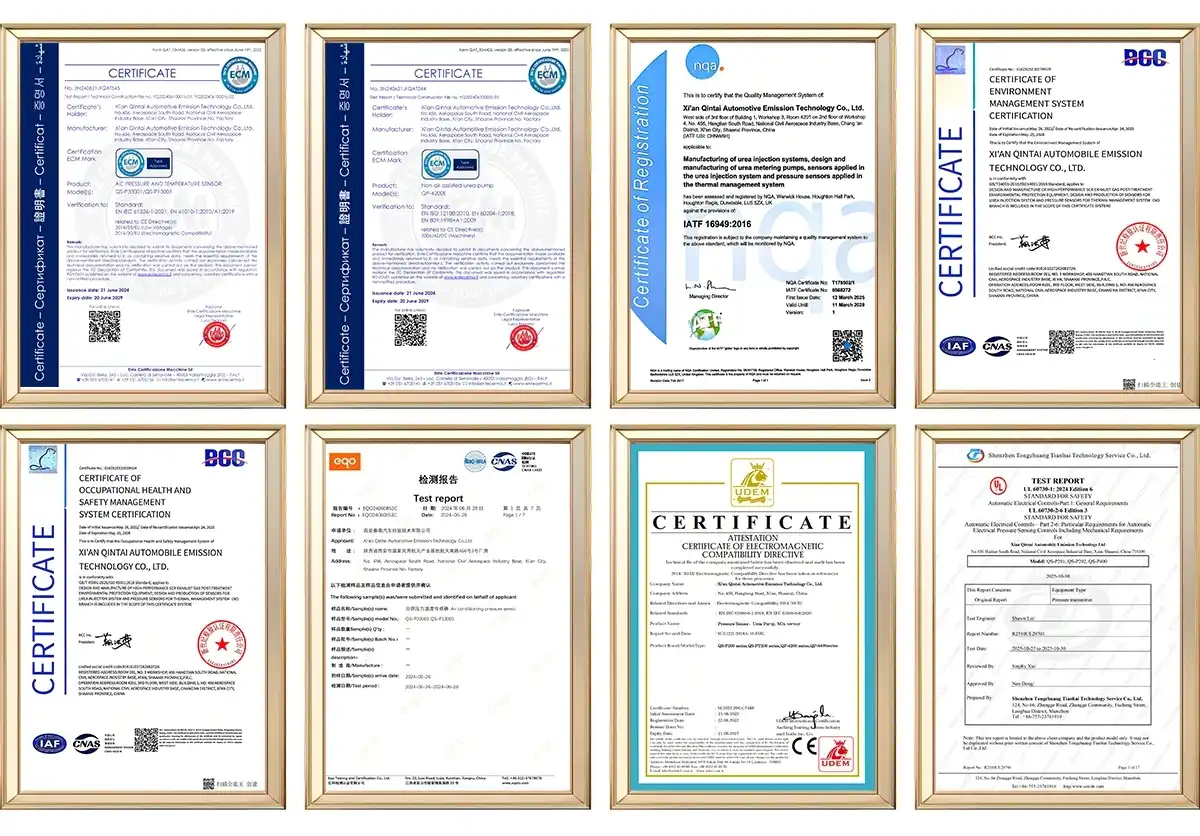
To find good pressure sensor suppliers, you need to look at their manufacturing skills, quality certifications, and expert help resources. Suppliers who are certified by ISO 9001 and IATF 16949 show that they are dedicated to quality management systems that are necessary for use in automobile and industry settings. Extra certifications like ATEX, CE, and UL compliance make sure that the product meets the needs of certain markets and legal settings.
When OEM applications need specific interface configurations or performance parameters, manufacturing capacity and customization skills play a big role in choosing a provider. When you have complicated buying needs, suppliers who offer full engineering support, fast prototyping, and flexible production arrangements can give you a competitive edge. Long-term relationship success depends on how easy it is to get detailed documentation, help with application, and support after the sale.
Cost Analysis and Total Ownership Evaluation
Initial sensor costs represent only one component of total ownership expenses when evaluating capacitive versus resistive pressure sensor technologies. While capacitive sensors typically command higher initial prices due to complex manufacturing processes and specialized electronics, their precision capabilities may justify costs in applications requiring tight control tolerances or regulatory compliance.
Resistive sensors often provide lower initial acquisition costs with proven reliability characteristics that reduce maintenance expenses and replacement frequency. The simplified installation requirements and compatibility with existing instrumentation systems may offer additional cost savings in retrofit applications or systems that already have infrastructure in place.
Installation, Calibration, and Maintenance Tips
Proper Installation Procedures
Pay close attention to the mounting orientation, process links, and electrical input needs for a successful pressure sensor installation. To keep mechanical stress from affecting measurement accuracy, capacitive sensors need to be mounted securely and precisely aligned. To make sure they work properly, the sensitive gadgets need to be kept away from electromagnetic radiation and grounded correctly.
When installing a resistive sensor, the main focus is on making sure the sensor is mechanically sound and safe from too much shaking or shock. These sensors can usually be mounted in a number of different ways without affecting their performance significantly. This gives installers more options when they are limited on room. When it comes to pressurized systems, using the right torque standards and sealing methods stops leaks and guarantees long-term dependability.
Calibration Requirements and Procedures
Calibration procedures differ between capacitive and resistive pressure sensor technologies due to their distinct measurement principles. To calibrate capacitive sensors, you need special tools that can measure capacitance accurately and make temperature adjustments. Multiple pressure points across the working range are usually used in the calibration process, along with temperature coefficient checking to make sure accuracy in a range of situations.
Standard pressure calibration equipment with bridge stimulation and output measurement features is used for resistive sensor calibration. As part of the calibration process, the zero and span settings are changed at certain pressure points, and uniformity is checked across the whole measurement range. For temperature adjustment to work properly across the entire working temperature range, it may be necessary to add more calibration points at different temperatures.
Preventive Maintenance Strategies
If you do regular upkeep on your sensors, they will last longer and keep their accuracy over time. Capacitive sensors work better when their electrical links are checked regularly, their moisture protection is checked, and their performance is compared to reference standards. The mechanical parts need to be kept away from acidic atmospheres and other things that could mess up the measurements.
The main part of resistive sensor upkeep is checking the mounting hardware, process links, and protective housings for damage. Checking performance against measured standards on a regular basis helps find drift or degradation before accuracy limits are surpassed. Because they are built to last, resistance sensors usually don't need much upkeep other than cleaning and checking the connections every so often.
Conclusion
The selection between capacitive and resistive pressure sensor technologies requires careful consideration of application requirements, environmental conditions, and performance expectations. Capacitive sensors excel in precision measurement applications where accuracy and sensitivity are paramount, particularly in controlled environments with stable operating conditions. Resistive sensors provide superior durability and cost-effectiveness for harsh industrial applications where reliability and environmental resistance take precedence over ultimate precision.
Procurement professionals benefit from understanding these fundamental differences to make informed decisions that optimize system performance while meeting budget and operational constraints. Both technologies continue advancing through materials innovation and manufacturing improvements, ensuring continued viability for diverse industrial applications.
FAQ
Q1: Which sensor type offers better accuracy for low-pressure measurements?
A: Capacitive pressure sensors typically provide superior accuracy for low-pressure applications due to their high sensitivity and excellent resolution characteristics. These sensors can detect minute pressure changes with accuracy levels often reaching 0.1% of full scale, making them ideal for applications requiring precise control or regulatory compliance.
Q2: How do environmental conditions affect sensor selection?
A: Environmental factors significantly influence sensor technology selection. Resistive sensors excel in harsh conditions involving extreme temperatures, vibration, and mechanical shock due to their robust construction. Capacitive sensors perform optimally in controlled environments but offer superior chemical resistance when constructed with ceramic diaphragms, making them suitable for corrosive media applications.
Q3: What are the typical response times for each sensor type?
A: Capacitive sensors generally provide faster response times due to their direct electrical measurement principle, typically responding within milliseconds to pressure changes. Resistive sensors may exhibit slightly slower response due to mechanical deformation requirements but still provide adequate performance for most industrial control applications.
Q4: Which technology offers better long-term stability?
A: When used correctly, both systems offer great long-term security. Resistive sensors have been shown to be reliable over long periods of time with little drift, while capacitive sensors stay accurate even when they are exposed to extremes of temperature and pressure. The choice is based on the needs of the product and the conditions of operation.
Q5: How do installation requirements differ between sensor types?
A: Capacitive sensors need to be installed with more care, making sure that the fixing is aligned correctly and that electromagnetic interference is blocked. Resistive sensors offer greater installation flexibility with various mounting orientations and simpler electrical connections, making them good for retrofitting or setups with limited room.
Partner with Qintai for Advanced Pressure Sensor Solutions
Qintai stands as China's leading pressure sensor manufacturer, specializing in advanced diesel engine aftertreatment systems and precision sensing technologies. Our ISO 9001 and IATF 16949 certified manufacturing facility produces both capacitive and resistive pressure sensors engineered for demanding industrial applications. With over two decades of experience serving global OEM customers including Weichai Power, Yuchai Power, and Quanchai Power, we understand the critical performance requirements of modern emission control systems.
Our comprehensive product portfolio includes customized pressure sensor solutions supporting China VI and Euro VI emission standards, with extensive certification coverage including CE, UL, and REACH compliance. The experienced engineering team at Qintai provides complete OEM and ODM services from initial design consultation through mass production delivery, ensuring optimal sensor selection for specific application requirements. Contact our technical specialists at info@qt-sensor.com to discuss your pressure sensor requirements and discover how Qintai's proven expertise can enhance your system performance and operational reliability.
References
1. Smith, J.R. "Industrial Pressure Sensor Technologies: Comparative Analysis of Capacitive and Resistive Systems." Journal of Industrial Instrumentation, Vol. 42, 2023, pp. 156-172.
2. Chen, L.M. and Williams, P.K. "Performance Characteristics of Ceramic Capacitive Pressure Sensors in Automotive Applications." Automotive Engineering International, Vol. 28, 2023, pp. 89-104.
3. Rodriguez, M.A. "Reliability Assessment of Resistive Pressure Sensors in Heavy-Duty Diesel Engine Applications." SAE International Journal of Engines, Vol. 15, 2022, pp. 234-248.
4. Thompson, R.D. "Environmental Testing Standards for Industrial Pressure Sensors: A Comprehensive Guide." Process Control Engineering, Vol. 31, 2023, pp. 67-81.
5. Kumar, S. and Anderson, B.T. "Cost-Benefit Analysis of Pressure Sensor Technologies in Manufacturing Automation." Industrial Automation Quarterly, Vol. 19, 2022, pp. 123-139.
6. Zhang, H.W. "Advances in Pressure Sensor Calibration Techniques for Emission Control Systems." Environmental Technology Review, Vol. 24, 2023, pp. 45-58.
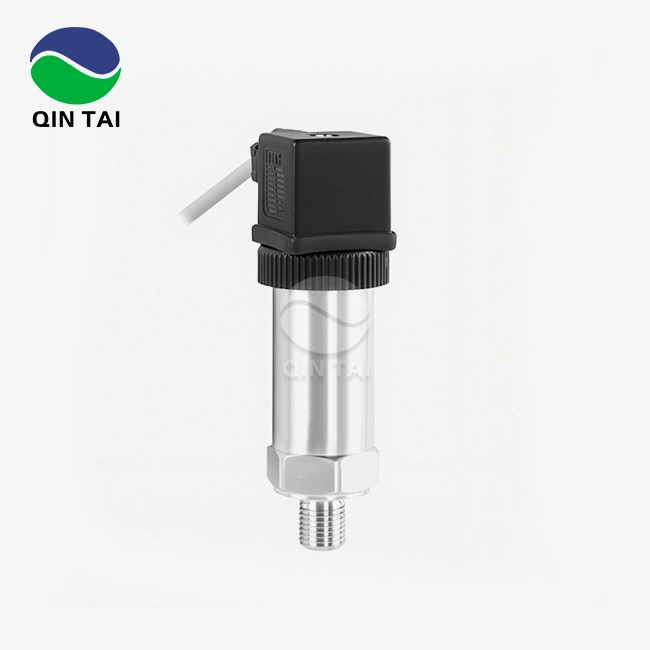
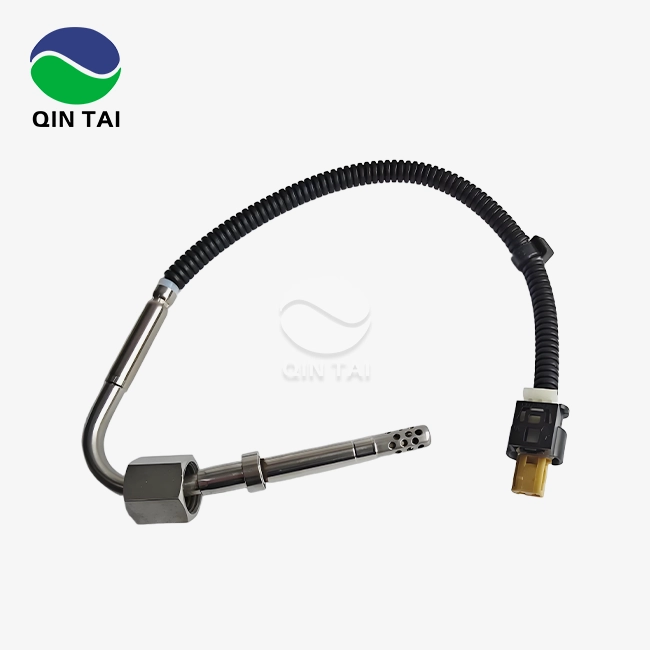
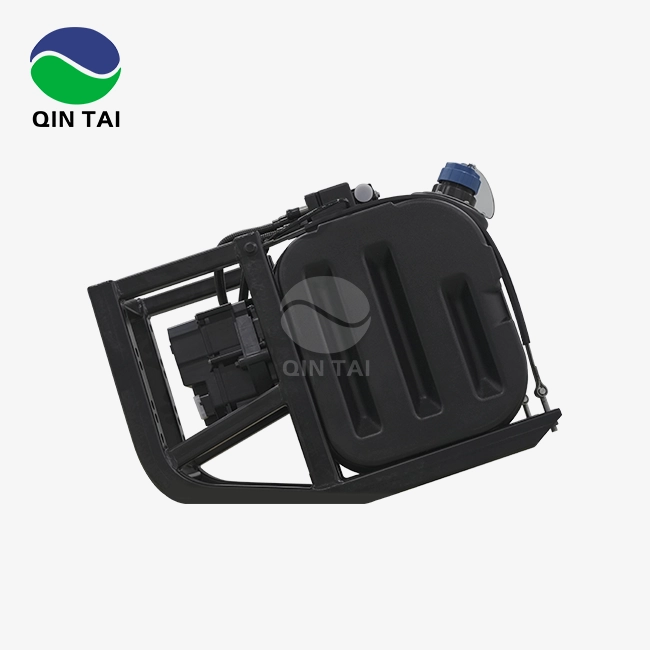

Our customers’ satisfaction speaks for our quality — contact us to experience the same reliable service.