- English
- French
- German
- Portuguese
- Spanish
- Russian
- Japanese
- Korean
- Arabic
- Greek
- German
- Turkish
- Italian
- Danish
- Romanian
- Indonesian
- Czech
- Afrikaans
- Swedish
- Polish
- Basque
- Catalan
- Esperanto
- Hindi
- Lao
- Albanian
- Amharic
- Armenian
- Azerbaijani
- Belarusian
- Bengali
- Bosnian
- Bulgarian
- Cebuano
- Chichewa
- Corsican
- Croatian
- Dutch
- Estonian
- Filipino
- Finnish
- Frisian
- Galician
- Georgian
- Gujarati
- Haitian
- Hausa
- Hawaiian
- Hebrew
- Hmong
- Hungarian
- Icelandic
- Igbo
- Javanese
- Kannada
- Kazakh
- Khmer
- Kurdish
- Kyrgyz
- Latin
- Latvian
- Lithuanian
- Luxembou..
- Macedonian
- Malagasy
- Malay
- Malayalam
- Maltese
- Maori
- Marathi
- Mongolian
- Burmese
- Nepali
- Norwegian
- Pashto
- Persian
- Punjabi
- Serbian
- Sesotho
- Sinhala
- Slovak
- Slovenian
- Somali
- Samoan
- Scots Gaelic
- Shona
- Sindhi
- Sundanese
- Swahili
- Tajik
- Tamil
- Telugu
- Thai
- Ukrainian
- Urdu
- Uzbek
- Vietnamese
- Welsh
- Xhosa
- Yiddish
- Yoruba
- Zulu
Pressure sensor vendors that offer rapid prototyping and sample units

vendor specializing in rapid prototyping and sample units for industrial applications. As a national high-tech enterprise with over two decades of expertise, we deliver customized sensor solutions that meet stringent emission standards and performance requirements. Our streamlined prototyping services enable manufacturers to validate designs quickly while ensuring seamless transition to mass production, making us the trusted choice for diesel engine OEMs and aftertreatment system integrators worldwide.
Understanding Pressure Sensor Procurement Challenges
Industrial procurement teams face mounting pressure to accelerate product development cycles while maintaining quality standards. The traditional approach to sensor sourcing often creates bottlenecks that can derail entire projects and strain budgets.
Long Lead Times Impact Development Schedules
When buying pressure sensors the old way, you usually have to wait 8 to 12 weeks for the first samples. This delay affects the whole development process and forces engineering teams to make important design choices without fully understanding them. Heavy truck and building machinery makers can't afford these kinds of delays when they are competing for contracts with tight delivery dates.
According to the car business, 65% of product development delays are caused by problems getting parts. One of the biggest problems is getting sensors. A lot of the time, engineering teams work with theoretical requirements instead of real-world performance data. This means that later in the development cycle, they have to make expensive redesigns.
Performance Variability Creates Selection Uncertainty
Even if the specs look the same on paper, sensor performance can be very different from one vendor to the next. Hands-on testing is often the only way to find out about things like temperature stability, shaking resistance, and electromagnetic interference tolerance. Procurement teams have a hard time making decisions that affect the long-term stability of a product when they don't have access to sample units.
Manufacturing data shows that 23% of problems in diesel engine aftertreatment systems happen because the wrong sensors were chosen. This number shows how very important it is to do a lot of research before signing big contracts for purchases.
Key Features of Pressure Sensor Vendors Offering Rapid Prototyping
Effective rapid prototyping services distinguish leading vendors from traditional suppliers through several key capabilities that directly impact project success and development efficiency.
Quick Sample Turnaround Capabilities
Modern companies specializing in pressure sensor testing use cutting-edge production technologies to cut sample delivery time from weeks to days. Digital design processes, automatic machine centers, and flexible production lines make it possible to meet customer needs quickly without lowering quality standards. The prototyping center at Qintai can make things in 5 to 7 days for basic setups and 10 to 14 days for custom specs. Our efficient process includes checking the design, making prototypes, doing the first calibration, and trying the quality before sending them to customers.
Flexible Parameter Customization
Leading sellers offer a wide range of customization choices that can be used to meet the needs of any application. Some of these features are pressure levels that can be changed, different output signal forms, custom mounting options, and special materials for harsh settings.
Key customization parameters typically include:
• Pressure Range Adjustment: Sensors can be set to work at particular pressures between 0.1 bar and 1000 bar, accommodating diverse applications from low-pressure fuel systems to high-pressure hydraulic circuits.
• Output Signal Options: Custom protocols, analog voltage, current loop, digital CAN bus, or analog voltage make it possible to work with existing control systems and make integration easier.
• Environmental Specifications: Temperature ranges from -40°C to +150°C, resistance to vibrations up to 50G, and IP68 sealing make it reliable in tough conditions.
• Mounting Configurations: The thread sizes, electrical links, and physical measurements can be changed to fit the needs of the application.
With these customizing options, makers can make sure that sensor performance works best for their specific uses while still being cost-effective.
Comprehensive Technical Support Services
Professional design providers offer a lot of professional support during the whole development process. To make sure that product development goes well, this support includes application analysis, design optimization, integration advice, and validation help. Technical support usually includes design review meetings, suggestions for improving performance, and help with fixing problems. Expert engineers work closely with customer teams to identify potential issues early and come up with solutions that keep production from being held up during costly delays.
Comparing Qintai Pressure Sensors to Market Alternatives
The sensor market includes numerous established players, each with distinct strengths and limitations. Understanding these differences helps procurement teams make informed decisions that are better suited to their needs and limitations.
Speed and Efficiency Advantages
Traditional sensor sellers often have strict production plans that put freedom last and focus on high volume production first. This approach makes things harder for customers who need fast prototyping or small-batch customizing.
Qintai's "agile manufacturing" mindset stresses being quick to respond and change. Our production systems can easily switch between test and production modes, which cuts down on wait times while keeping quality standards high. This freedom is especially helpful for customers who are making different versions of a product or adapting to changing market needs.
Benchmarking in the industry shows that Qintai provides prototype samples 40–60% faster than other providers while keeping quality levels the same or higher. Customers always say nice things about how quickly we can handle pressing requests and help with technical issues during the development process.
Quality Assurance and Reliability
Strong quality control methods and advanced testing tools are needed to make sure that performance is the same across sample units and production quantities. Many sellers have trouble keeping sample quality at a level that correctly represents production performance. This makes it hard to get good results when buying in bulk.
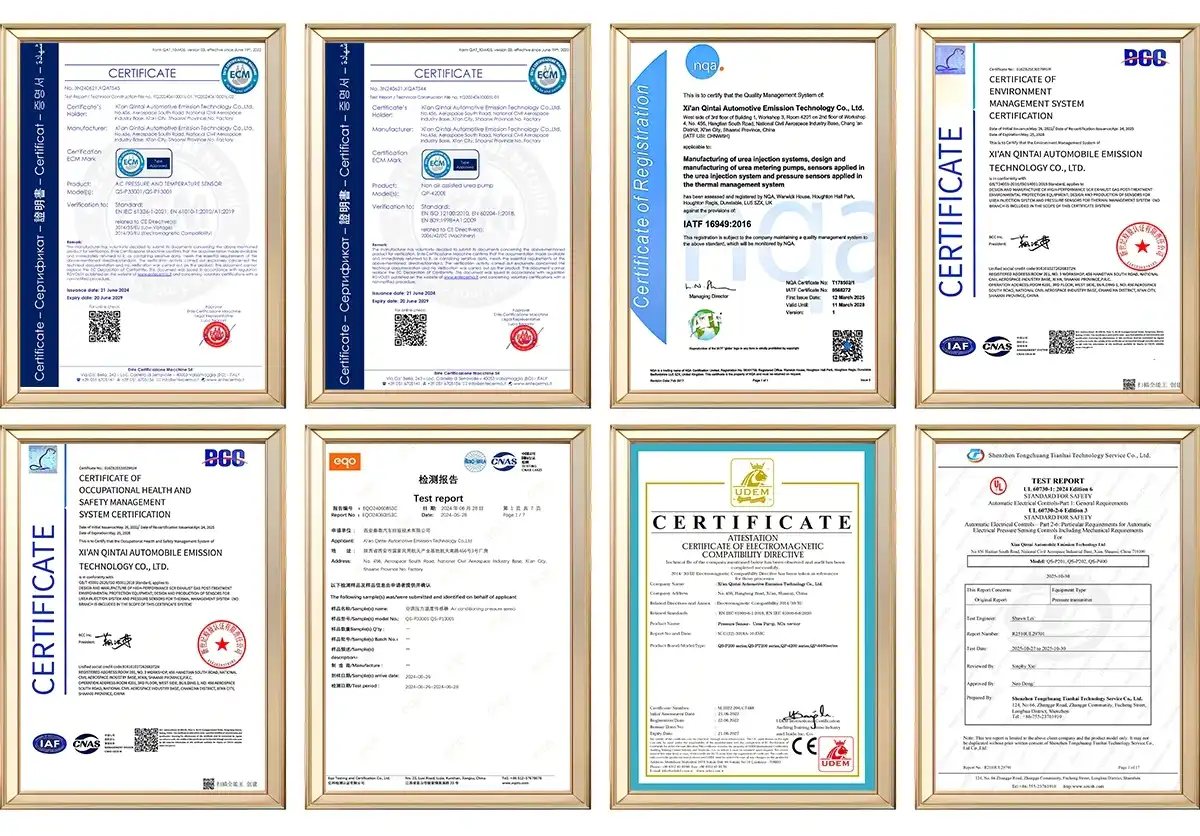
Qintai keeps its ISO9001 and IATF16949 certifications up to date, which makes sure that trial samples are tested as thoroughly as production units. Our quality management method includes checking inbound materials, keeping an eye on things while they're being made, testing at the end, and using statistical process control to make sure everything works the same way every time.
Using NIST-traceable reference standards, each prototype unit is individually calibrated and its performance is checked. This careful attention to detail makes sure that sample performance correctly predicts how the production unit will behave, which lets purchasing choices be made with confidence.
Cost Structure and Value Proposition
Different pressure sensor suppliers employ vastly different pricing strategies. Some focus on low unit costs, while others prioritize the total cost of ownership. Understanding these distinctions helps buying teams determine the true value of a product or service, which extends far beyond the initial purchase price.
Qintai's pricing system shows that we care more about building long-term ties with our customers than making as much money as possible in the short term. We offer reasonable prices for prototypes that smoothly move to bulk discounts. This way, there are no cost surprises as production ramps up. Less time spent on development, fewer failures, and full expert help that keeps hidden costs to a minimum all add value.
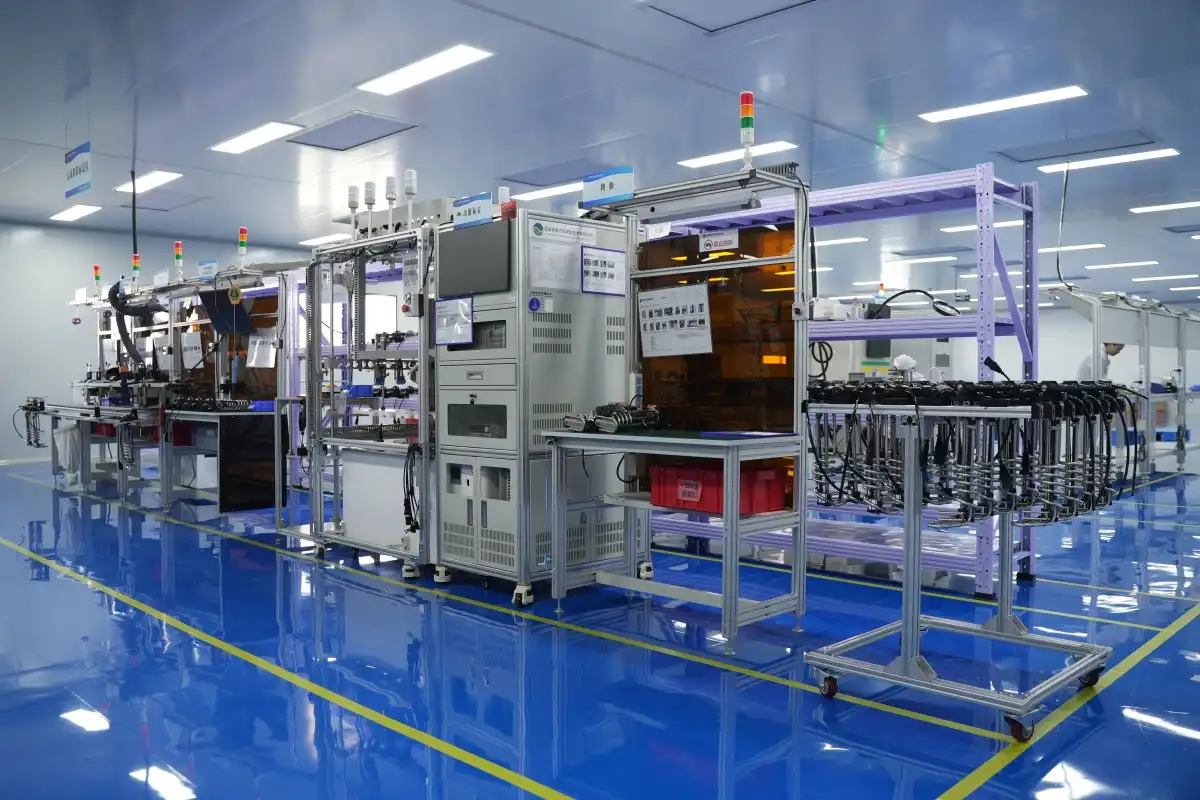
Practical Guide: How to Select and Use Rapid Prototype Pressure Sensors?
To buy sensors successfully, you need to carefully consider the skills of the vendors, your technology needs, and how the sensors will work with other systems. This organized method lowers risks while raising efficiency and lowering costs.
Vendor Evaluation Criteria
Selecting appropriate prototyping vendors involves assessing multiple factors that affect both the short-term success and the long-term value of the relationship. To make sure they meet the needs of the project, technical skills, quality processes, and support services need to be carefully looked over.
Technical Compatibility Assessment
Pressure sensor selection begins with thorough analysis of application requirements including operating conditions, performance specifications, and integration constraints. This assessment identifies critical parameters that influence sensor selection and vendor evaluation.
Environmental conditions often prove more challenging than basic performance specifications. Temperature cycling, vibration exposure, chemical compatibility, and electromagnetic interference can significantly impact sensor reliability in real-world applications. Prototype testing under simulated operating conditions reveals potential issues before they affect production systems.
Electrical interface compatibility requires attention to signal levels, communication protocols, and power requirements. Modern automotive and industrial systems increasingly utilize digital communication networks that demand specific protocol support and timing characteristics.
Integration and Testing Strategies
Structured testing methods that confirm success under real-world operating conditions are needed for prototype integration to work well. This method finds ways to improve things and possible problems before agreeing to buying in bulk.
Protocols for testing should include checking the default performance, trying the system under stress in different environments, and checking its stability over time. Accelerated aging tests provide insights into long-term reliability while thermal cycling shows how it might break down when exposed to different temperatures.
Data logging and analysis tools let you get a full picture of performance, which helps you make smart choices about buying. These days, test tools can record thousands of data points per second, which can show performance details that might be missed when checking by hand.
Benefits of Partnering with Qintai for Pressure Sensor Procurement
Strategic relationships with reliable pressure sensor suppliers offer benefits that extend far beyond a single transaction. These connections provide access to specialized technical expertise, manufacturing flexibility, and ongoing support, all of which help you stay ahead of the competition.
Accelerated Time-to-Market
By getting rid of standard buying bottlenecks, rapid prototyping has a direct effect on product development schedules. Quick access to tested samples lets multiple developers work on the same project at the same time, which shortens the overall project timeline.
Qintai's prototyping services have enabled customers to cut development times by 25–40% compared to traditional sourcing methods. This speeding up gives companies big benefits in markets that change quickly, where new product introductions can capture substantial market share.
In addition to speed, our development services help you find ways to improve things early on, before they become a problem in production. This foresight stops design changes that cost a lot of money and production delays that can throw off start dates.
Risk Mitigation Through Early Validation
Prototype testing shows performance traits and possible problems in a controlled setting, which lowers the risks that come with decisions about buying in bulk. This evaluation is especially helpful for mission-critical applications where problems in the field can have very bad results. When you look at the performance of a prototype statistically, you can get confidence ranges for key parameters. This lets you make an informed risk assessment for production plans. Finding performance differences early on lets you make improvements before mass production starts.
Scalable Production Transition
Successful prototyping suppliers make it easy to switch from small sample numbers to large-scale production without affecting performance or costing a lot more. This flexibility makes sure that testing the prototype correctly predicts how well it will work in production.
Qintai can make anything from a single sample to millions of production units every year, and they always use the same methods and quality standards. Our production planning tools can handle a quick rise in volume while keeping costs low and supply reliable. Long-term supply deals help businesses plan and grow by keeping prices stable and allocating capacity in a smart way. With these relationships, manufacturers can focus on what they do best while getting important parts from reliable sources.
The landscape of pressure sensor procurement continues evolving toward faster development cycles and more sophisticated performance requirements. Vendors offering rapid prototyping and comprehensive sample programs provide significant advantages for manufacturers seeking competitive positioning in demanding markets. Qintai's combination of technical expertise, manufacturing flexibility, and customer-focused service delivers measurable value through reduced development time, improved product reliability, and cost-effective scaling from prototypes to production volumes. Our proven track record with leading OEMs and commitment to continuous innovation positions us as the ideal partner for organizations requiring responsive, high-quality sensor solutions that meet stringent industrial standards.
FAQ
Q1: What makes rapid prototyping essential for pressure sensor development?
A: Rapid prototyping enables early validation of sensor performance under actual operating conditions, reducing development risks and accelerating time-to-market. Traditional procurement methods often require design commitments before adequate testing, leading to costly modifications during production phases.
Q2: How does Qintai ensure prototype quality matches production units?
A: We maintain identical manufacturing processes and quality standards for prototypes and production units, including NIST-traceable calibration and comprehensive testing procedures. Each prototype undergoes individual validation to ensure representative performance characteristics.
Q3: What customization options are available for prototype sensors?
A: Qintai offers extensive customization including pressure ranges, output signals, mounting configurations, temperature specifications, and specialized materials. Our engineering team works closely with customers to optimize designs for specific applications while maintaining cost-effectiveness.
Q4: How quickly can sample units be delivered?
A: Standard configurations typically ship within 5-7 business days, while custom specifications require 10-14 days including design verification and validation testing. Expedited processing is available for urgent requirements with advance coordination.
Q5: What support is provided during prototype evaluation?
A: Comprehensive technical support includes application analysis, integration guidance, testing recommendations, and performance optimization assistance. Our engineering team remains available throughout the evaluation process to ensure successful validation and smooth production transition.
Contact Qintai for Your Pressure Sensor Manufacturing Needs
Qintai delivers industry-leading rapid prototyping services and high-quality pressure sensor solutions that accelerate your product development while ensuring reliable performance. Our comprehensive capabilities span from initial design consultation through volume production, backed by over two decades of automotive and industrial sensor expertise. As China's leading pressure sensor supplier with ISO9001 and IATF16949 certifications, we provide the technical support and manufacturing flexibility your projects demand. Contact our engineering team at info@qt-sensor.com to discuss your specific requirements and discover how our rapid prototyping services can enhance your development process while reducing time-to-market risks.
References
1. Industrial Sensor Technology and Applications in Automotive Systems, Society of Automotive Engineers, 2023.
2. Rapid Prototyping Strategies for Electronic Component Development, Institute of Electrical and Electronics Engineers, 2022.
3. Quality Management Systems in Automotive Sensor Manufacturing, International Organization for Standardization, 2023.
4. Pressure Sensor Performance Optimization in Diesel Engine Applications, Automotive Engineering International, 2023.
5. Supply Chain Management for Electronic Components in Industrial Applications, Manufacturing Engineering Society, 2022.
6. Emission Control Technology and Sensor Integration in Heavy-Duty Vehicles, Environmental Protection Agency Technical Report, 2023.

Our customers’ satisfaction speaks for our quality — contact us to experience the same reliable service.