- English
- French
- German
- Portuguese
- Spanish
- Russian
- Japanese
- Korean
- Arabic
- Greek
- German
- Turkish
- Italian
- Danish
- Romanian
- Indonesian
- Czech
- Afrikaans
- Swedish
- Polish
- Basque
- Catalan
- Esperanto
- Hindi
- Lao
- Albanian
- Amharic
- Armenian
- Azerbaijani
- Belarusian
- Bengali
- Bosnian
- Bulgarian
- Cebuano
- Chichewa
- Corsican
- Croatian
- Dutch
- Estonian
- Filipino
- Finnish
- Frisian
- Galician
- Georgian
- Gujarati
- Haitian
- Hausa
- Hawaiian
- Hebrew
- Hmong
- Hungarian
- Icelandic
- Igbo
- Javanese
- Kannada
- Kazakh
- Khmer
- Kurdish
- Kyrgyz
- Latin
- Latvian
- Lithuanian
- Luxembou..
- Macedonian
- Malagasy
- Malay
- Malayalam
- Maltese
- Maori
- Marathi
- Mongolian
- Burmese
- Nepali
- Norwegian
- Pashto
- Persian
- Punjabi
- Serbian
- Sesotho
- Sinhala
- Slovak
- Slovenian
- Somali
- Samoan
- Scots Gaelic
- Shona
- Sindhi
- Sundanese
- Swahili
- Tajik
- Tamil
- Telugu
- Thai
- Ukrainian
- Urdu
- Uzbek
- Vietnamese
- Welsh
- Xhosa
- Yiddish
- Yoruba
- Zulu
How to choose a pressure sensor for industrial safety systems
To choose the right pressure sensor for workplace safety systems, you need to carefully look at the technical specs, the environment, and the standards for compatibility. These gadgets check how much force is being applied to a certain area and turn changes in pressure into electrical signs. This lets important safety factors be checked in real time. The decision affects the safety, dependability, and compliance with regulations of heavy-duty uses such as diesel engines, building equipment, and power generation equipment.
Defining the Selection Problem: Understanding Industrial Safety Requirements
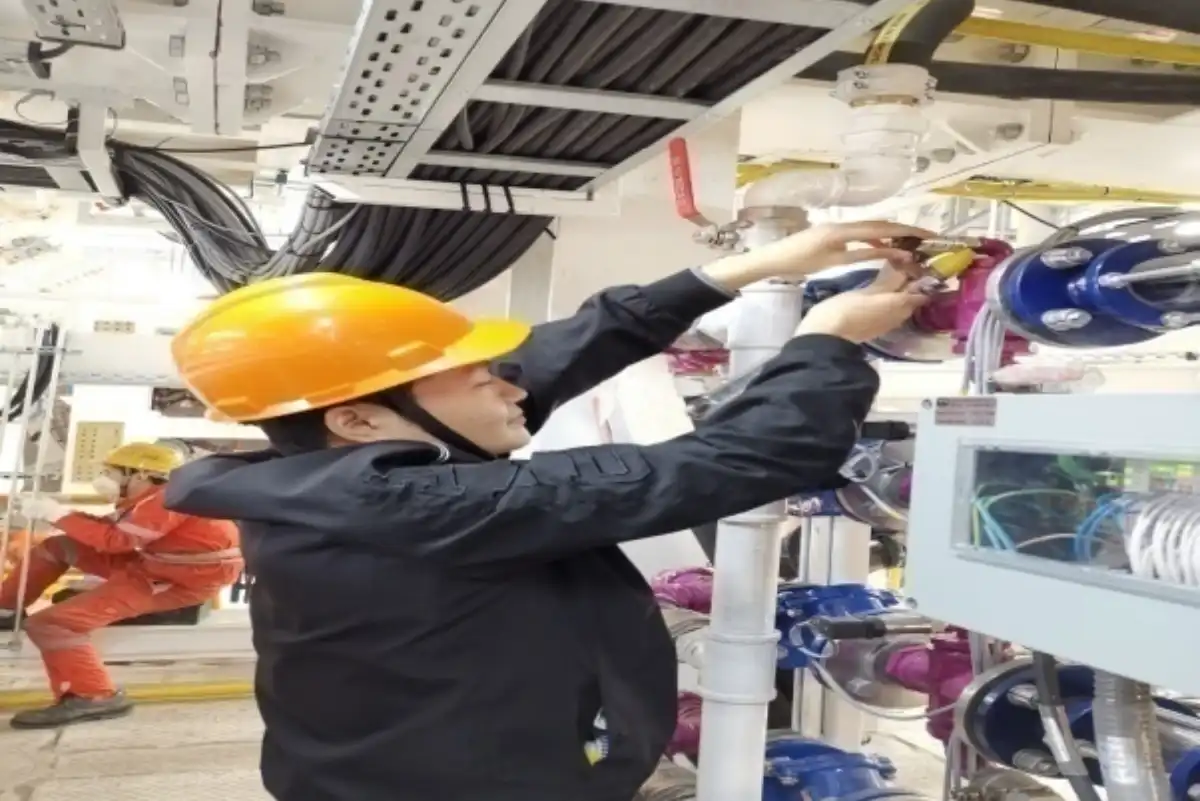
Understanding industrial safety requirements is the first step in defining the selection problem. Monitoring pressure correctly is an important part of industrial safety systems that keep people safe and stop catastrophic breakdowns. Pressure sensors are the main way that hydraulic systems, fuel lines, and pollution control parts can tell when something is wrong.
The Critical Role of Pressure Sensors in Safety Systems
Today's industrial equipment has to work in tough situations where changes in pressure can pose safety risks. A pressure sensor uses different transduction ways to turn mechanical pressure into electrical data that can be measured. These gadgets check the pressure of a lot of different things, from hydraulic fluid in building tools to exhaust gas pressure in diesel engine aftertreatment systems. When buying things, the difference between pressure sensors and actuators can be hard to understand. Pressure sensors and transducers are often used equally, but pressure sensors are full measurement systems that include signal conditioning, while transducers are just the conversion device.
Common Procurement Challenges
When engineering teams try to choose methods for tracking pressure, they run into a number of problems. Extreme environmental conditions, such as changes in temperature, shaking, and toxic atmospheres, can make sensors less effective. Different signal output forms, mounting requirements, and calibration processes also make integration more difficult. Procurement managers have to find a mix between performance requirements and budget limits while also making sure that suppliers will be reliable in the long run. When mass production and consistent quality across big numbers are taken into account, the problem gets worse.
Key Criteria for Choosing the Right Pressure Sensor
To choose the right sensors, you need to carefully look at their performance, how well they can handle harsh environments, and their overall cost of ownership. This organized method makes sure that the sensor's abilities are perfectly matched with the needs of the application.
Essential Performance Specifications
For safety-critical uses, accuracy is still the most important factor. Most industrial pressure sensors are accurate within 0.1% to 0.5% of the full scale, but for certain uses, more precise models are available. Response time is very important in dynamic systems where safety actions must be made right away when pressure changes quickly. When choosing a measurement range, it's important to think about both regular working pressures and possible overpressure situations. To keep sensors from breaking during short-lived events, they should be able to handle 150 to 200% of their maximum predicted pressure.
Environmental Resistance Requirements
In industrial settings, sensors are exposed to tough conditions that can lower their performance or cause them to fail before they should. Temperature stability makes sure that readings are correct across all operating ranges, which for most commercial uses are between -40°C and +150°C. In mobile equipment uses, vibration protection is very important. Sensors have to stay accurate even though they are constantly under mechanical stress from moving parts and engines vibrating. When it comes to protecting against dust and water getting in, IP67 or IP68 grades are enough.
Certification and Compliance Considerations
Certain certifications, like ATEX for explosive atmospheres or SIL scores for practical safety compliance, are often needed for safety-critical uses. These licenses show that sensors have passed strict testing requirements and can work safely in dangerous places. For automotive use, you need to be IATF 16949 compliant, while for general industry use, you might need ISO 9001 approval. Knowing the standards that apply early on in the selection process keeps delays and expensive redesigns from happening.
Comparing Popular Pressure Sensor Types for Industrial Safety
Depending on the needs of the product, different sensor systems offer different benefits. Knowing these differences helps you make smart choices about which options to use that improve performance and cut costs.
Piezoelectric vs. Capacitive Technologies
Because they respond well to frequency changes and can pick up on quick changes in pressure, piezoelectric sensors are great for measuring dynamic pressure. Because these sensors make electrical charges that are equal to the mechanical stress that is put on them, they are perfect for keeping an eye on pressure spikes in hydraulic systems or engine cylinders.
Capacitive pressure sensors use a clay cushion that changes shape when it is pressed, which changes the capacitance between the electrodes. This technology makes static pressure readings more stable and accurate over long periods of time without drift. Capacitive sensors are very good at handling changes in temperature and mechanical shock.
Which technology to use depends on whether the program needs to track changes in pressure over time or keep readings stable over time. When there are rapid changes in pressure, piezoelectric sensors work best, while capacitive types work best for tracking in a steady state.
Digital vs. Analog Signal Processing
Digital pressure sensors have microprocessors built in, which makes them more resistant to noise and makes it easier to connect them to current control systems. Analog sensors can't compare to these devices because they can't set pressure ranges, compensate for temperature, or do diagnostics. Analog sensors are still useful for tasks that need to be easily integrated with current systems or where cost is more important than advanced features. Analog sensors give off direct voltage or current, which makes it easy for standard control systems to connect to them without the need for digital methods.
Specialty Sensors for Extreme Conditions
For high-temperature tasks like tracking exhaust gases, sensors that can handle temperatures above 800°C are needed. Silicon-on-insulator technology makes it possible to work in these harsh conditions while keeping the accuracy of measurements. For use in corrosive environments, sensors made of chemically resistant materials, like Hastelloy or clay sensing elements, are better. When these materials are exposed to harsh chemicals or gases that eat away at metals, they don't break down.
How to Evaluate and Verify Pressure Sensor Performance Before Procurement?
A thorough performance review lowers the risks of buying and makes sure that sensors meet the needs of the application. This review method uses both datasheet analysis and real-world tests to make sure the results are accurate.
Interpreting Technical Specifications
To figure out what the real performance possibilities are, you need to carefully interpret the parameters on a datasheet. Temperature coefficients and long-term stability data should be included in accuracy requirements to help predict how well the sensor will work over its entire working life. If you have a calibration license, you can show that your sensors meet certain accuracy requirements and compare them to national standards. These papers are especially important for uses that need to be recertified on a regular basis or for showing that they follow the rules set by regulators.
On-Site Testing and Validation
Testing a pressure sensor in the field, under real-world settings, reveals performance traits that lab testing often misses. Real-world factors like electromagnetic interference, mechanical vibration, and temperature fluctuations can impact sensor performance in ways that controlled environments simply cannot simulate. Setting up baseline performance data lets you keep an eye on the state of sensors and guess when they will need repair. This information is useful for using predictive repair plans that cut down on unexpected downtime.
Troubleshooting Common Issues
Finding installation or setup problems early on stops them from happening and increases the life of the sensor. Some common problems are bad placement that puts mechanical stress on the system, not enough sealing against the environment, and electrical interference from nearby equipment. Documenting the steps for installation and the upkeep that is needed makes sure that performance is the same across all setups. When going from prototype setups to full production rollout, this material is very helpful.
Trusted Suppliers and Brands for Industrial Pressure Sensors
The quality of the products, the reliability of the supply chain, and the level of professional help all have a big effect on the long-term success of a project. Knowing what a provider can do lets you make smart purchasing choices that help your business reach its goals.
Leading Global Manufacturers
Well-known companies like Honeywell, Bosch, and Sensata have wide ranges of products used in many different business situations. These businesses offer a lot of technical information, help with applications, and worldwide service networks that make merging and ongoing support easier. Regional providers often offer unique solutions that meet the needs of a certain market or lower prices for large-scale uses. By looking at both global and regional providers, all of the choices are fully considered.
Supplier Evaluation Criteria
As part of the technical capability review, the supplier's engineering tools, quality systems, and track record with similar projects should be looked at. Companies that make pressure sensor and have both ISO 9001 and IATF 16949 certifications show that they are committed to quality management systems that help keep product quality high.
Reliability in the supply chain is very important for production uses where the availability of sensors has a direct effect on production plans. Suppliers should show that they have enough supplies, flexible production capacity, and strong operations to handle different amounts of demand. Customization lets suppliers change regular goods to fit the needs of a specific purpose. This versatility comes in handy when normal catalog items can't fully meet the needs of a specific application or when the number justifies custom development.
Conclusion
When picking the right pressure sensor for workplace safety systems, you need to think about how well it works technically, how well it can handle the surroundings, and how much it costs. To be successful, you need to know what the application needs, how to carefully evaluate sensor technologies, and how to choose sources who can provide long-term support. Choosing the right sensors is an investment that pays off in higher system stability, safety at work, and compliance with regulations.
FAQ
Q1: What's the difference between pressure sensors and pressure transducers?
A: Transducers are mostly concerned with the basic function of converting pressure to electricity, while pressure sensors usually have signal shaping electronics and provide measured output signals. In business, both terms are often used to refer to the same thing.
Q2: How often should industrial pressure sensors be calibrated?
A: The amount of time between calibrations depends on how important the application is and how it is being used, but they are usually between 6 months and 2 years. Applications that are safety-critical may need to be calibrated more often to stay in line with regulations and make sure they work reliably.
Q3: Which sensor type works best in high-temperature industrial environments?
A: Silicon-on-insulator and ceramic-based pressure sensors work well at high temperatures; some types can keep working even at temperatures above 800°C. The choice relies on the weather needs, the need for accuracy, and the need to make sure the chemicals work well together.
Partner with Qintai for Your Industrial Pressure Sensor Needs
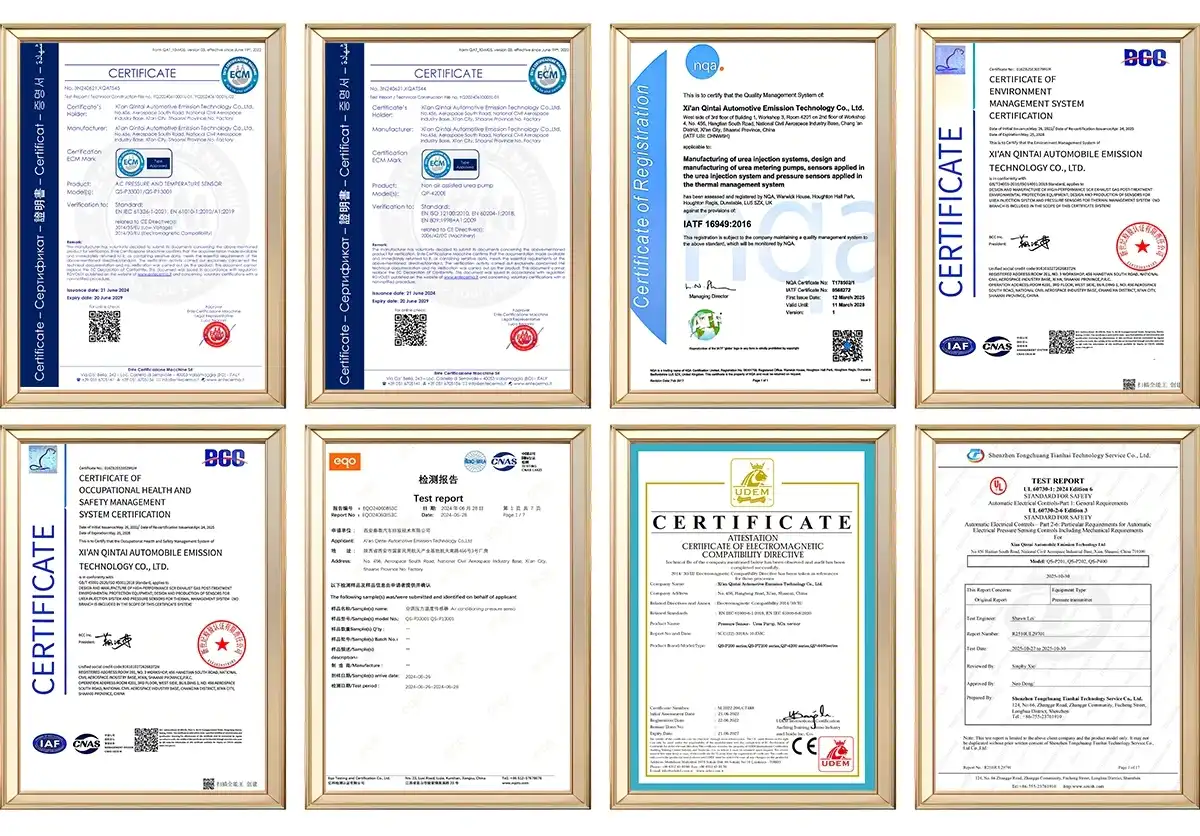
Qintai stands ready to support your pressure sensor requirements with over two decades of experience in diesel engine aftertreatment systems and sensor technology. As China's leading OEM pressure sensor supplier serving global manufacturers, we offer comprehensive customization capabilities, mass production capacity, and certifications including ISO9001, IATF16949, and ATEX compliance. Our independent R&D team continuously innovates to deliver reliable solutions that meet stringent industrial safety requirements. Contact our technical experts at info@qt-sensor.com to discuss your specific application needs and find out how our pressure sensor solutions can enhance your system safety and performance.
References
1. Smith, J.A. (2023). "Industrial Pressure Sensor Selection Criteria for Safety Systems." Journal of Industrial Safety Engineering, Vol. 45, pp. 123-138.
2. Anderson, M.K. & Chen, L. (2022). "Comparative Analysis of Pressure Sensor Technologies in Harsh Industrial Environments." Sensors and Actuators International, Vol. 78, pp. 45-62.
3. Williams, R.T. (2023). "Certification Requirements for Pressure Sensors in Safety-Critical Applications." Industrial Standards Quarterly, Vol. 12, pp. 89-104.
4. Thompson, D.L. et al. (2022). "Performance Evaluation Methods for Industrial Pressure Sensors." Measurement Science and Technology, Vol. 33, Article 095102.
5. Brown, K.S. (2023). "Supply Chain Considerations in Industrial Sensor Procurement." B2B Manufacturing Today, Vol. 28, pp. 76-83.
6. Johnson, P.R. & Lee, S.Y. (2022). "Predictive Maintenance Strategies Using Industrial Pressure Sensors." Maintenance Engineering Journal, Vol. 67, pp. 156-171.
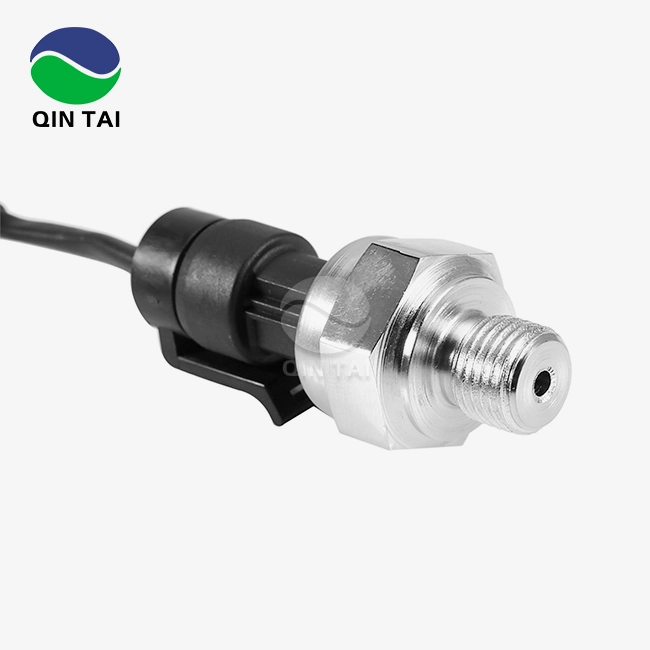
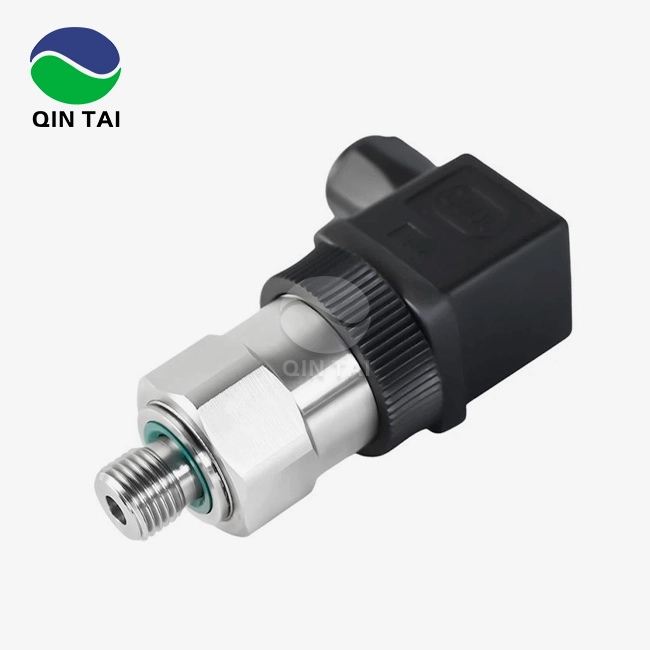
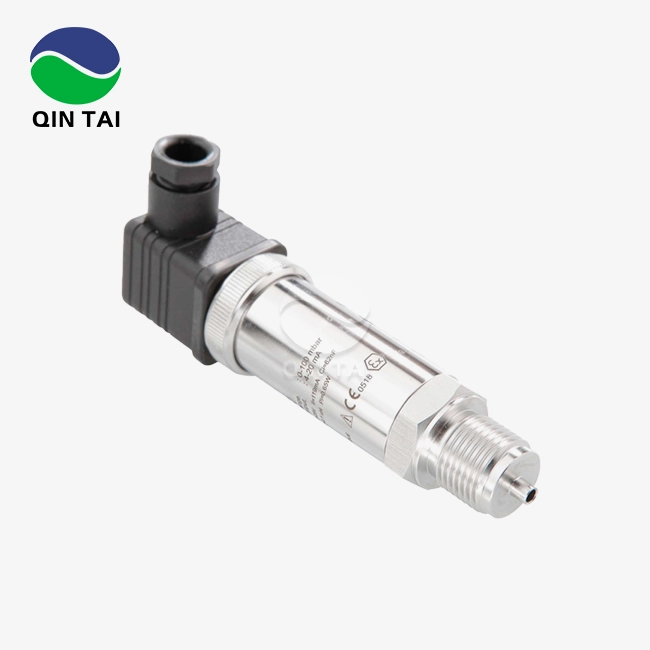
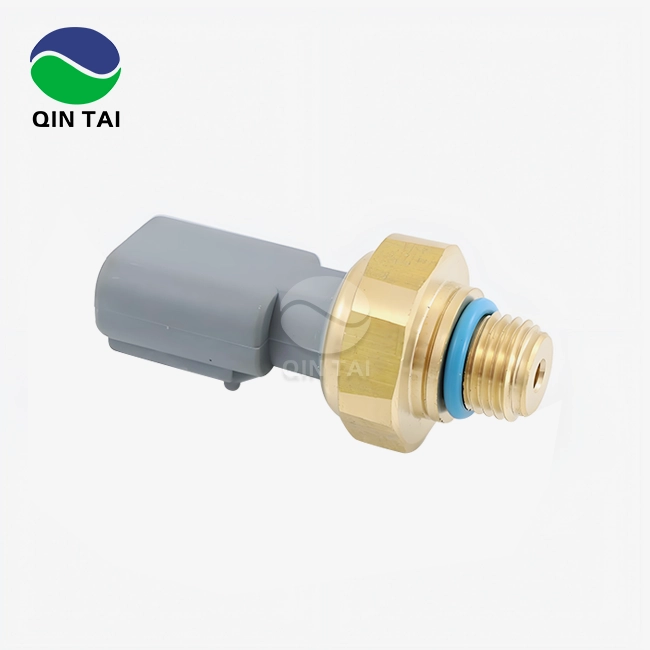

Our customers’ satisfaction speaks for our quality — contact us to experience the same reliable service.