- English
- French
- German
- Portuguese
- Spanish
- Russian
- Japanese
- Korean
- Arabic
- Greek
- German
- Turkish
- Italian
- Danish
- Romanian
- Indonesian
- Czech
- Afrikaans
- Swedish
- Polish
- Basque
- Catalan
- Esperanto
- Hindi
- Lao
- Albanian
- Amharic
- Armenian
- Azerbaijani
- Belarusian
- Bengali
- Bosnian
- Bulgarian
- Cebuano
- Chichewa
- Corsican
- Croatian
- Dutch
- Estonian
- Filipino
- Finnish
- Frisian
- Galician
- Georgian
- Gujarati
- Haitian
- Hausa
- Hawaiian
- Hebrew
- Hmong
- Hungarian
- Icelandic
- Igbo
- Javanese
- Kannada
- Kazakh
- Khmer
- Kurdish
- Kyrgyz
- Latin
- Latvian
- Lithuanian
- Luxembou..
- Macedonian
- Malagasy
- Malay
- Malayalam
- Maltese
- Maori
- Marathi
- Mongolian
- Burmese
- Nepali
- Norwegian
- Pashto
- Persian
- Punjabi
- Serbian
- Sesotho
- Sinhala
- Slovak
- Slovenian
- Somali
- Samoan
- Scots Gaelic
- Shona
- Sindhi
- Sundanese
- Swahili
- Tajik
- Tamil
- Telugu
- Thai
- Ukrainian
- Urdu
- Uzbek
- Vietnamese
- Welsh
- Xhosa
- Yiddish
- Yoruba
- Zulu
Best pressure sensors for water pressure monitoring
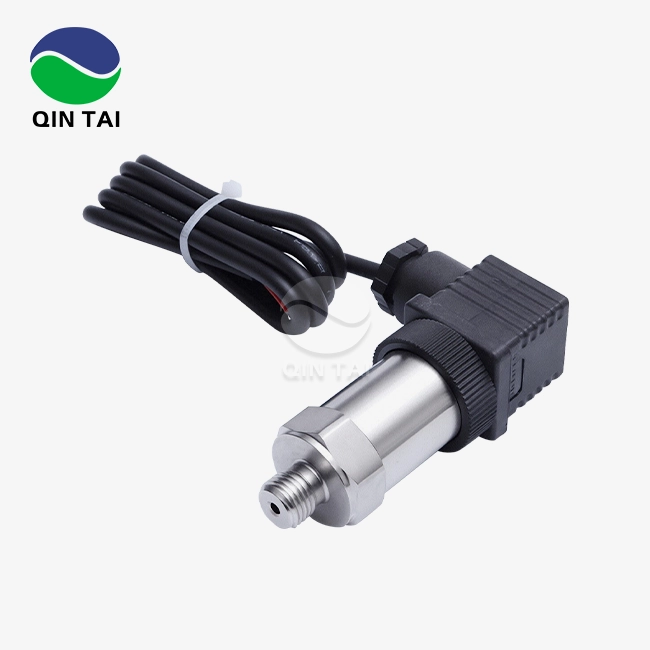
Selecting the optimal pressure sensor for water monitoring applications requires careful evaluation of technology specifications, environmental compatibility, and operational requirements. Modern water pressure monitoring systems rely on advanced transducers that convert hydraulic forces into precise electrical signals, enabling real-time data collection across industrial processes. These sensors must withstand challenging conditions including temperature fluctuations, moisture exposure, and varying chemical compositions while maintaining accuracy within strict tolerance ranges. Quality pressure sensing solutions deliver consistent performance in applications ranging from municipal water treatment facilities to heavy-duty construction machinery cooling systems.

Introduction
Monitoring accurate water pressure is an important technology used in many business and industry settings, especially in water treatment plants, HVAC systems, and city utility networks. The dependability of these tracking systems has a direct effect on the safety, economy, and compliance with regulations in a wide range of settings. Precision instruments that can give real-time data and work in harsh conditions are needed in today's industry settings.
This detailed guide looks at pressure sensors designed for use in water systems, focusing on how they work, the different types of technology available, and important factors to consider when choosing one. Industrial buying experts and manufacturing clients will learn important tips on how to pick reliable sensing solutions that improve system safety measures and process control mechanisms.
Knowing about sensor technologies and the right way to put them gives decision-makers the information they need to make smart buying decisions. In the end, these strategic choices improve working efficiency and make sure that the system will work reliably in harsh industrial settings for a long time.
Understanding Water Pressure Sensors: Key Concepts and Types
Innovative water pressure sensor technology uses complex mechanisms to pick up hydraulic forces and turn them into electrical signs that can be used for tracking and controlling. These gadgets are very important for connecting real water systems to digital control networks. They let you measure and respond accurately.
Fundamental Operating Principles
When water pressure puts mechanical stress on special sensing elements inside the device case, the detecting process starts. Using different transfer methods, this mechanical force turns into corresponding electrical messages. Each method has its own benefits for different uses. Then, signal conditioning circuits take these raw electrical outputs and filter out noise while boosting signals to make readings that are stable and exact enough for industrial control systems.
Modern sensors are made with more advanced materials and production methods that make them more sensitive and less likely to break when they are exposed to environmental factors that are common in water tracking applications. These advances in technology make it possible for reliable performance over a wide range of temperatures and chemical exposure situations.
Primary Sensor Technologies
In industrial water tracking uses, strain gauge technology is the most common way to do things. These sensors use mechanical parts that can be managed to bend when they are under pressure, and their resistance changes based on the forces that are being applied. Strain gauge sensors are very stable and have been shown to work reliably in harsh industrial settings.
Ceramic diaphragms are used in capacitive sensing technology. When pressure is put on them, they bend, which causes changes that can be measured in the electrical capacitance between fixed and moving electrodes. This method gives very accurate results and stays stable over time, which makes it especially useful for precise water tracking.
Piezoelectric sensors use mechanical force to create electrical charges. They have fast reaction times that make them perfect for tracking changing pressures. MEMS technology makes sensing elements smaller while keeping their high performance. This lets them be used in applications with limited room without lowering the quality of the measurements.
How to Choose the Best Pressure Sensor for Water Pressure Monitoring?
Before choosing the right pressure sensing technology, it's important to do a full study of the monitoring needs in the particular application setting. The right choice of sensors has a direct effect on how well and reliably systems work, whether they are used in industrial control systems, HVAC installs, or public water distribution networks.
Critical Performance Parameters
The specifications for the pressure range must exactly match the working conditions of the system. This includes regular operating pressures plus the right amount of safety margin for pressure spikes or system changes. Media compatibility makes sure that sensor materials don't corrode or break down when they come into contact with water that has chemicals or other contaminants that are common in industrial settings.
Installation issues like available mounting room, power links, and ease of upkeep access affect the choice of sensor. When making a choice, it's important to think carefully about things like the temperature range, humidity levels, and the possibility of being exposed to shaking or shock loads.
Essential Selection Criteria
How quickly sensors notice and report changes in pressure is determined by their reaction time features. This is very important for situations where the system needs to react quickly to changes in pressure. Specifications for accuracy must meet or go beyond what is needed for the application, and they must also take into account how stable and likely to move the measurements will be over time.
Waterproof ratings make sure that the device will work reliably in wet settings like those found in water monitoring apps. Following foreign rules, such as getting an ISO certification, makes sure that quality and performance are the same in all places around the world. These standards also make it easier to connect to control systems that are already in place and meet legal requirements.
Sensor vs. Switch Considerations
Pressure sensors can measure continuously, which allows for accurate tracking and control. Pressure switches, on the other hand, can only turn on and off, which makes them useful for basic warning or control tasks. Analog output signals let complex control methods and data logging work better in applications that need continuous tracking.
Switch-based systems work well for tasks that only need to respond based on thresholds, like turning on a pump or setting off an alarm using a pressure sensor. But in today's industrial settings, constant tracking methods that give a lot of operational data to help with predictive maintenance strategies and process optimization projects are becoming more and more popular.
Top Pressure Sensor Solutions for Water Pressure Monitoring in 2026
Some of the biggest companies in the world have made pressure sensing systems that are especially designed for tracking water in industrial settings. Cutting-edge materials science and manufacturing methods are used in these high-tech goods to make them work perfectly in harsh environments.
Industry-Leading Sensor Technologies
In order to keep improving pressure sensor technology, Honeywell keeps coming up with new designs that are both strong and accurate. Their newest water monitoring sensors have better long-term stability and better temperature compensation, which are important for industry uses where measurement accuracy directly affects how well things work.
Siemens has released the next version of sensors, which use MEMS technology to make them smaller without lowering their performance. These devices work great in places where regular sensor installations aren't possible because of lack of room. They also meet the accuracy and dependability standards of industrial water tracking systems.
TE Connectivity has a wide range of sensor families that are perfect for use with liquid media. These families are made from special materials and have protective layers that keep the measurement accuracy while resisting rust. Their goods work with a wide range of pressures and weather conditions that are common in places where water monitoring is done.
Procurement Considerations for Industrial Applications
Bulk buying programs save a lot of money on large-scale deployments and make sure that the product specs are the same at all installation sites. When a plant grows or a system is upgraded, and sensors are needed, delivery times become very important because they directly affect project plans and the ability to keep operations running.
Total cost of ownership estimates are affected by things like expert help, calibration services, and the supply of replacement parts. Manufacturers that offer full support programs help make sure that systems will work reliably for a long time and that repair work won't affect operations too much.
Different markets and uses have different ISO certification standards. This is why certified goods are necessary to follow the rules and make sure the quality. For example, a pressure sensor used in industrial applications must meet specific ISO standards to ensure safety and accuracy. OEM customization choices let you change sensors in ways that make them work better in certain situations while still keeping production costs low and efficiency high.
Installation, Troubleshooting, and Maintenance of Water Pressure Sensor Systems
Following the right steps for installation and regular care is essential for getting the best performance from sensors and getting the most use out of them. In industrial water tracking uses, these practices have a direct effect on the accuracy of measurements, the dependability of systems, and the total cost of ownership.
Installation Best Practices
When deciding where to put a sensor, you need to think carefully about the hydraulic conditions, such as flow patterns, turbulence, and possible cavitation zones that could change the accuracy of the measurements. The places where the mounts are placed should provide stable pressure references and be easy to get to for repair tasks and calibration processes.
Electrical connections must be made according to the manufacturer's instructions and industry standards to protect against external factors and make sure signals are sent reliably. Using the right grounding methods reduces electrical noise, and surge protectors keep sensitive gadgets safe from power system problems that are common in industrial settings.
Maintenance and Calibration Protocols
Routine calibration plans keep measurements accurate over the life of the sensor and find possible drift problems before they affect the system's performance. How often you need to calibrate relies on how important the application is, the environment, and what the maker suggests based on the sensor technology and building materials.
Cleaning methods get rid of buildups that could stop sensors from working properly without hurting sensitive parts. Predictive maintenance methods look for patterns in sensor output data to find possible problems before they cause the system to fail or measurements to be off.
Software integration lets you automatically check things like signal quality, temperature compensation efficiency, and calibration state to see how healthy your sensors are. These tracking systems send out early warning alerts that help with planned maintenance and keep unexpected downtime and business interruptions to a minimum.
Conclusion
To find the best pressure sensing options for water tracking tasks, you need to carefully consider the technologies available, how well they work, and how they need to be used. Today's sensor technologies are more accurate and reliable than ever before, and they can handle the harsh conditions that are common in industrial water systems.
For execution to go well, the sensors must be chosen correctly, installed by professionals, and maintained in a way that keeps the accuracy of the measurements over the system's lifetime. Investing in good pressure sensor technology pays off in a big way by making process control better, making things safer, and lowering running costs in a wide range of industrial settings.
FAQ
What pressure range should I specify for my water monitoring application?
The pressure range you choose will depend on how your system works, including the regular working pressures and the necessary safety gaps. Most industrial water systems work in the 0–100 PSI range, but sensors that can measure up to 1000 PSI or higher may be needed for certain tasks. When figuring out the range needed, you should think about both steady-state pressures and possible pressure spikes.
How do I ensure sensor durability in continuous water exposure?
Modern water pressure sensor designs incorporate specialized materials and protective coatings that resist corrosion and moisture penetration. Look for sensors with IP67 or IP68 ingress protection ratings, which ensure reliable operation under continuous water exposure. Stainless steel construction and ceramic sensing elements provide excellent resistance to chemical degradation in water monitoring applications.
What are typical lead times for customized sensor orders?
Standard sensors usually ship between 2 and 4 weeks, but personalized solutions can take anywhere from 6 to 12 weeks, based on how complicated the changes are. When a manufacturer has an established OEM program, they will often offer faster shipping choices for large orders. Making plans ahead of time for special needs helps keep projects on track and makes sure sensors are available when they're needed.

Partner with Qintai for Advanced Pressure Sensor Solutions
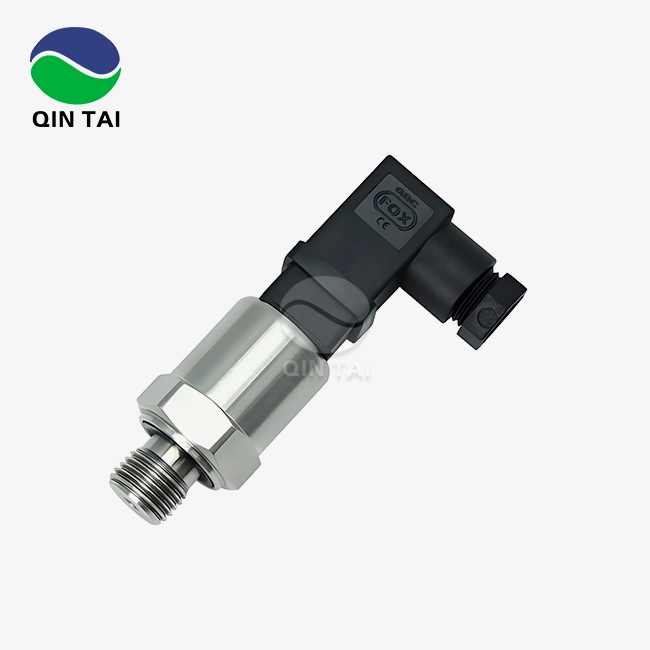
Qintai offers state-of-the-art pressure sensor technology that was designed to handle the most difficult water tracking tasks in industrial settings. As a top maker of pressure sensors, we mix cutting-edge design skills with years of experience making sensors to make sure that our customers get reliable solutions that meet their toughest operational needs.
Our wide range of products includes sensors that can be changed to work with different pressure levels, environments, and interaction needs. With ISO9001 and IATF16949 approvals, Qintai makes sure that all of its production processes have the same level of quality and efficiency and meet global compliance standards. Contact our technical team at info@qt-sensor.com to talk about your unique water pressure tracking needs and find out how our advanced sensor solutions can help you run your business more efficiently while also guaranteeing long-term performance and reliability.
References
1. Industrial Pressure Sensor Design and Application Guidelines, Society of Automotive Engineers Technical Paper Series, 2024.
2. Water System Monitoring Technologies: Performance Standards and Best Practices, International Association of Water Quality, 2024.
3. Pressure Measurement Accuracy in Industrial Applications, Journal of Process Control Engineering, Vol. 45, 2024.
4. Advanced Materials in Pressure Sensor Manufacturing, Materials Science and Engineering Review, 2024.
5. Predictive Maintenance Strategies for Industrial Sensor Systems, Maintenance Engineering Quarterly, Issue 3, 2024.
6. Regulatory Compliance Requirements for Industrial Water Monitoring Equipment, Environmental Protection Standards Handbook, 2024 Edition.

Our customers’ satisfaction speaks for our quality — contact us to experience the same reliable service.