- English
- French
- German
- Portuguese
- Spanish
- Russian
- Japanese
- Korean
- Arabic
- Greek
- German
- Turkish
- Italian
- Danish
- Romanian
- Indonesian
- Czech
- Afrikaans
- Swedish
- Polish
- Basque
- Catalan
- Esperanto
- Hindi
- Lao
- Albanian
- Amharic
- Armenian
- Azerbaijani
- Belarusian
- Bengali
- Bosnian
- Bulgarian
- Cebuano
- Chichewa
- Corsican
- Croatian
- Dutch
- Estonian
- Filipino
- Finnish
- Frisian
- Galician
- Georgian
- Gujarati
- Haitian
- Hausa
- Hawaiian
- Hebrew
- Hmong
- Hungarian
- Icelandic
- Igbo
- Javanese
- Kannada
- Kazakh
- Khmer
- Kurdish
- Kyrgyz
- Latin
- Latvian
- Lithuanian
- Luxembou..
- Macedonian
- Malagasy
- Malay
- Malayalam
- Maltese
- Maori
- Marathi
- Mongolian
- Burmese
- Nepali
- Norwegian
- Pashto
- Persian
- Punjabi
- Serbian
- Sesotho
- Sinhala
- Slovak
- Slovenian
- Somali
- Samoan
- Scots Gaelic
- Shona
- Sindhi
- Sundanese
- Swahili
- Tajik
- Tamil
- Telugu
- Thai
- Ukrainian
- Urdu
- Uzbek
- Vietnamese
- Welsh
- Xhosa
- Yiddish
- Yoruba
- Zulu
Pressure sensors with wireless connectivity options
Pressure sensors with wireless connectivity options represent a revolutionary advancement in industrial monitoring technology, combining traditional pressure measurement capabilities with modern wireless communication protocols. These sophisticated devices measure pressure changes in gases and liquids while transmitting data wirelessly to monitoring systems, eliminating the need for complex wiring infrastructure. A pressure sensor equipped with wireless functionality can operate across various communication standards including Bluetooth, Wi-Fi, LoRa, and Zigbee, making them ideal for applications in heavy trucks, construction machinery, agricultural equipment, and generator sets where traditional wired connections prove challenging or impractical.

Understanding Wireless Pressure Sensors and Their Working Principles
With wireless pressure sensing technology, you can get accurate tracking solutions in real time that combine cutting-edge communication and complicated measurement methods. Things like these pick up on changes in the real world that happen when the pressure changes. After getting the readings, they turn them into electrical signs that can be sent to tracking systems without wires.
Core Measurement Technologies
There are three main rules that portable pressure monitors follow these days to make sure they always give correct numbers in a variety of work environments. Strain gauges in piezoresistive instruments change their electrical resistance when they are put under mechanical stress from changes in pressure. This tech is very stable and accurate, so it's great for long-term jobs that need to be dependable in tough conditions.
When mechanical pressure is put on crystalline materials, piezoelectric sensors make electrical charges. These sensors excel in dynamic pressure measurements and provide exceptional sensitivity, making them valuable for applications involving rapid pressure fluctuations. Because they can make their own power, they are also perfect for wireless implementations where battery life is crucial.
Capacitive pressure sensors measure pressure through changes in capacitance between two electrodes separated by a diaphragm. When pressure is applied, the diaphragm deforms, altering the distance between electrodes and changing the capacitive value. This technology offers high accuracy and excellent long-term stability, particularly beneficial for precision applications in diesel engine aftertreatment systems.
Wireless Communication Protocols
Traditional pressure measurement has been turned into a complete tracking system by adding digital contact features. Bluetooth technology allows for effective short-range contact while using little power, which makes it a good choice for local tracking uses in car systems. Connectivity through Wi-Fi makes it possible to use current network infrastructure, which makes sending data to central tracking systems easy. LoRa (Long Range) technology works great for tasks that need to communicate over long distances while using little power. This technique is especially useful for keeping an eye on generator sets or building equipment that is working in tough conditions from afar. Zigbee can be used to make mesh networks, which are strong communication networks that can fix themselves and adapt to new situations.
Core Benefits and Industrial Applications of Wireless Pressure Sensors
Using wireless pressure sensing technology can fully change a lot of different businesses. It can solve important problems and make things safer and more useful all at the same time. These benefits stand out even more in complex manufacturing settings, where normal wiring systems have a lot of issues.
Enhanced Installation Flexibility and Cost Reduction
When you use wireless pressure sensors, you don't have to set up extensive wiring infrastructure, which makes installation much easier and cheaper. In retrofit situations, where adding new wired links would require substantial modifications to existing systems, this benefit is especially useful. The ability to position sensors in optimal locations without wiring constraints enables better monitoring coverage and improved data quality.
Installation flexibility extends to maintenance operations, where wireless sensors can be used briefly for diagnostic reasons without permanent modifications to the equipment. The ability of maintenance teams to gather critical pressure data during troubleshooting procedures enhances their ability to identify and resolve issues quickly.
Real-Time Data Collection and Predictive Maintenance
Modern wireless pressure sensors deliver continuous, real-time monitoring capabilities that enable proactive maintenance strategies. By collecting pressure data at regular intervals, these devices help identify gradual changes that may indicate developing problems before they result in equipment failure. This predictive approach reduces unplanned downtime and extends equipment lifespan.
The integration with computerized maintenance management systems (CMMS) allows for automated alert generation when pressure readings fall outside predetermined parameters. Maintenance teams receive immediate notifications of potential issues, enabling rapid response and preventing minor problems from escalating into major failures.
Industrial Application Areas
Wireless pressure monitoring in exhaust aftertreatment systems works very well for heavy trucks. Pressure sensors check the state of the diesel particulate filter (DPF) and the performance of the selective catalytic reduction (SCR) system. These tools make sure that pollution rules are followed, improve fuel economy, and lower upkeep costs. Applications that use construction equipment use portable pressure monitors to keep an eye on the hydraulic system, diagnose problems with the engine, and control emissions. Monitoring various pressure points at the same time gives workers a full picture of the health of the system, which leads to better performance and lower running costs.
Wireless pressure sense in hydraulic tools, engine control systems, and pollution tracking are all useful features for farm equipment. The ability to join wirelessly is especially useful in farming settings where equipment works in dirty, damp conditions that can make cable links less reliable. Wireless pressure monitors are used in generator sets to keep an eye on the engine, diagnose problems with the fuel system, and control the waste aftertreatment system. The strong connection features make sure that data can be sent reliably even in tough industrial settings like mines or power plants that are far away.
How to Choose the Best Wireless Pressure Sensor for Your Application?
Selecting the optimal wireless pressure sensor requires careful evaluation of multiple technical and operational factors that directly impact system performance and long-term reliability. The selection process must balance technical specifications with practical considerations including cost, integration requirements, and maintenance needs.
Critical Performance Parameters
Specifications for accuracy are the basis for choosing a sensor, and these standards change a lot depending on the purpose. To make sure the emission control system works right and the government follows the rules, diesel engine aftertreatment systems usually need to be accurate within ±1% of full scale. Applications that use generator sets may be able to handle a little less accuracy as long as they prioritize long-term stability and resistance to the environment.
When there are fast changes in pressure that need to be noticed and dealt with quickly, response time traits become very important. SCR dosing systems require sensors with response times under 100 milliseconds to ensure proper urea injection timing, while tank level monitoring applications can accommodate longer response times.
Calibration stability ensures consistent performance over extended operating periods without frequent recalibration requirements. Industrial applications benefit from sensors offering drift specifications of less than 0.25% per year, reducing maintenance overhead and ensuring reliable long-term operation.
Communication Range and Power Management
The range of a wireless communication system needs to meet the needs of the application while taking into account real barriers and possible sources of interference. Bluetooth connectivity with ranges of up to 100 meters can be used for short-range applications in car systems. On the other hand, LoRa or cellular connectivity with ranges of over several kilometers is needed for remote tracking applications. Power use directly affects how long a sensor lasts and how often it needs to be maintained, especially in battery-powered apps. Low-power monitors with improved sleep modes can have battery lives of more than five years in most tracking situations. This lowers the cost of upkeep and makes the system more reliable.
Environmental Resilience and Integration Compatibility
The working conditions must meet the environmental standards. These include temperature ranges, humidity levels, shaking exposure, and chemical protection. In automotive uses, sensors need to be able to work in temperatures ranging from -40°C to +150°C and withstanding a lot of pressure and shock. Integration compatibility includes both the requirements for fitting and the requirements for the electrical link. Standardized mounting setups make installation easier and cut down on the need for stock, and flexible electrical connections let them work with current control systems without having to make major changes.

Installation Best Practices and Troubleshooting of Wireless Pressure Sensors
Proper installation procedures are essential for maximizing wireless pressure sensor performance and ensuring reliable long-term operation. The installation process must address mechanical mounting requirements, wireless communication optimization, and integration with existing monitoring systems.
Optimal Positioning and Mounting Techniques
The placement of sensors has a big effect on both the accuracy of measurements and the dependability of wireless communication. Pressure monitors should be put in places that give accurate readings of pressure while exposing them to the least amount of mechanical stress, shaking, and temperature changes. To keep sensors from moving while they're working, mounting areas must be stable and properly prepared. How well wireless communication works relies on where the sensors are placed in relation to the listeners and any possible sources of interference. Sensors should be placed so that there aren't too many physical obstacles between the emitter and receiver. They should also be kept away from electromagnetic disturbance sources like electric motors, transformers, and high-current wires.
Power Management and Battery Life Optimization
Wireless devices that are driven by batteries need to be carefully managed to get a good amount of use before they need to be replaced. Setting the right sampling rate combines the need to collect data with the need to use power, and using sleep modes when not in use greatly increases battery life. The environment can affect how well a battery works. For example, high temperatures can lower the battery's energy and shorten its useful life. When picking a battery, you should think about the working temperature ranges and the expected service intervals to make sure that it will work reliably for the whole time it is supposed to.
Common Troubleshooting Procedures
Most of the time, wireless pressure monitors have problems with connecting to other devices. Systematic fixing starts with checking the power levels. Next, the transmission range and possible sources of interference are looked at. Signal power signs help figure out where the sensors should be placed and how the antennas should be oriented. Calibration drift can happen over time because of stress from the surroundings or the machine. Regular checks of the calibration using accurate pressure standards ensures continued accuracy and shows which sensors need to be replaced or recalibrated. Keeping track of the past of testing helps find trends and make repair plans more effective.
Future Trends and Innovations in Wireless Pressure Sensing Technology
Microelectronics, transmission standards, and artificial intelligence are all making progress that is speeding up the development of wireless pressure sensor technology. These new developments look like they will improve skills while lowering prices and making them easier to access in a wide range of industry settings.
Advanced Communication Technologies
Low-power wide-area networks (LPWAN) are changing the way wireless sensor systems work by letting sensors talk to each other over long distances while using very little power. With these technologies, sensor networks that cover several kilometers can be made possible, and batteries last for years instead of months. For portable sensor uses that need to send large amounts of data quickly, 5G cellular technology offers bandwidth and low-latency connectivity that have never been seen before. The better connection lets real-time video stream from sensor places and allows more advanced troubleshooting features, such as setting up and calibrating sensors from a distance.
Artificial Intelligence Integration
Wireless pressure sensors are getting machine learning techniques built right in. This lets them recognize patterns and make predictions at the sensor level. With these features, sensors can automatically spot problems as they arise and change their sampling rates based on what they find. Edge computing lets decisions and data processing happen locally, which lowers the amount of bandwidth needed for connection and speeds up reaction times. Smart sensors can do complicated math on the spot and only send the information that is needed to central tracking systems.
Miniaturization and Enhanced Functionality
As technology keeps getting smaller, wireless pressure monitors can be put into smaller and smaller areas while still working properly. Micro-electromechanical systems (MEMS) technology makes instruments that are smaller than standard parts but have the same or better performance. Energy-harvesting technologies are being worked on so that batteries will never need to be replaced again. Sensors that collect energy through sound, heat, or electromagnetic fields can work forever without any outside power sources, which makes upkeep a lot easier.
Conclusion
Wireless pressure sensors represent a transformative technology that addresses critical monitoring challenges across diverse industrial applications. The combination of advanced measurement principles with robust wireless communication capabilities delivers enhanced flexibility, reduced installation costs, and improved monitoring capabilities. As technology continues to evolve, wireless pressure sensors will play an increasingly important role in enabling predictive maintenance strategies and optimizing industrial operations. The selection and implementation of these devices requires careful consideration of technical specifications, environmental requirements, and integration needs to ensure optimal performance and long-term reliability.
FAQ
What factors affect the accuracy of wireless pressure sensors?
Sensor accuracy is influenced by several critical factors including the measurement technology employed, calibration quality, environmental conditions, and signal integrity. Temperature variations can cause measurement drift, while electromagnetic interference may affect wireless signal transmission. Regular calibration using traceable standards and proper sensor selection for specific operating conditions help maintain optimal accuracy levels.
Can existing wired pressure sensors be upgraded to wireless solutions?
Many existing wired pressure sensor installations can be retrofitted with wireless capabilities through the use of wireless transmitter modules that connect to existing sensor outputs. These retrofit solutions preserve existing sensor investments while adding wireless connectivity. However, complete replacement with integrated wireless sensors often provides better performance and reliability.
How can secure wireless communication be maintained in industrial environments?
Industrial wireless sensor networks employ multiple security measures including data encryption, frequency hopping, and network authentication protocols. Proper network design minimizes interference through careful frequency selection and strategic positioning of communication infrastructure. Regular security updates and monitoring help maintain network integrity against potential threats.
Partner with Qintai for Advanced Wireless Pressure Sensing Solutions
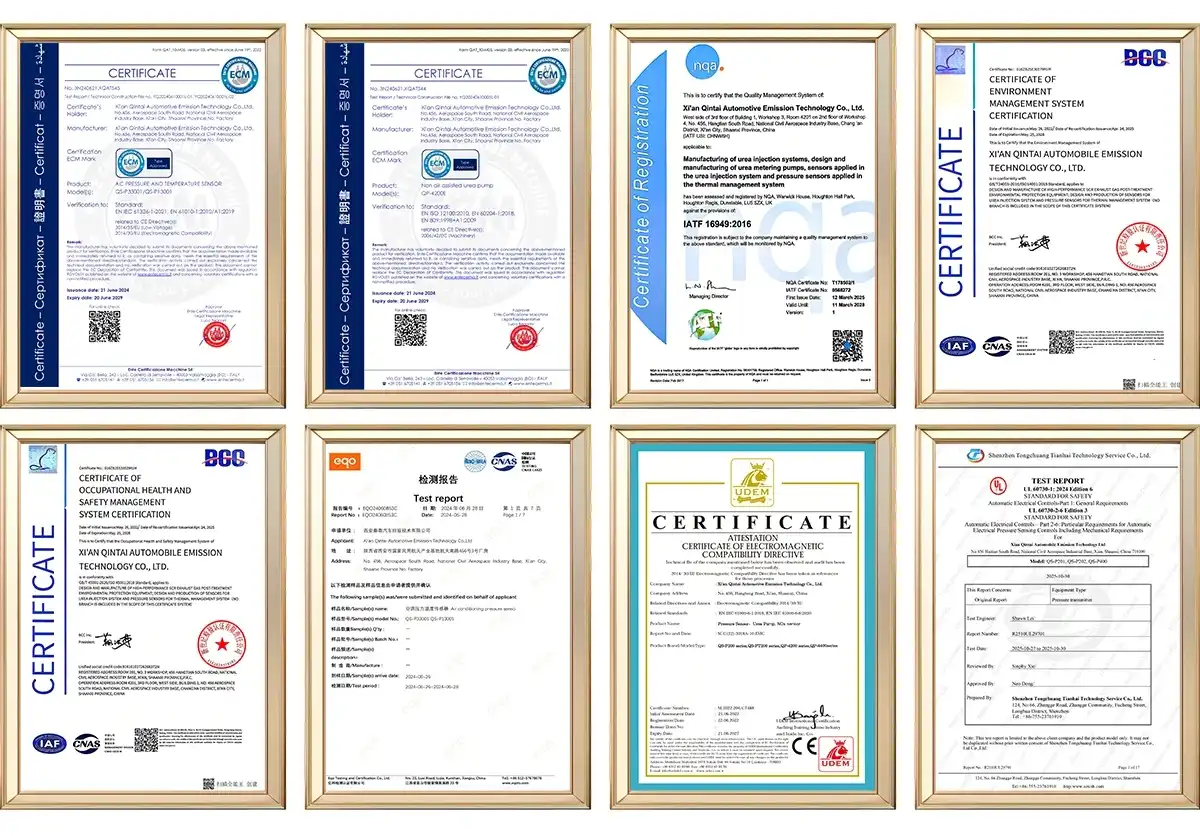
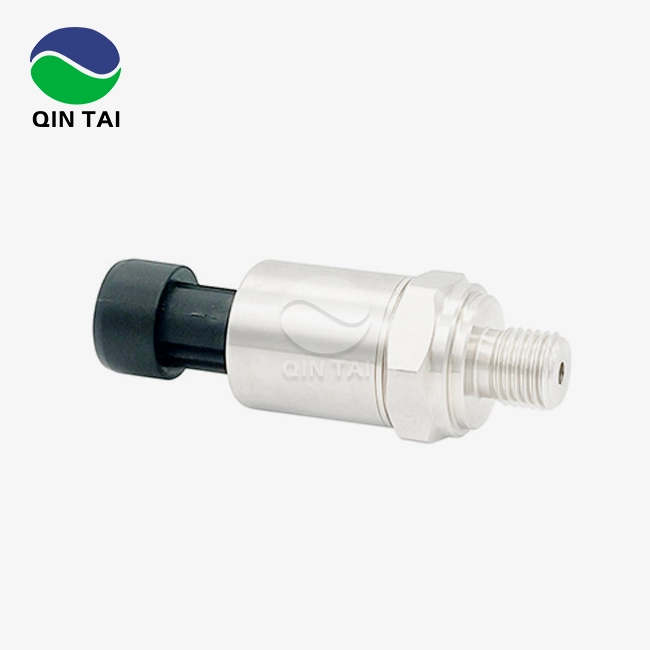
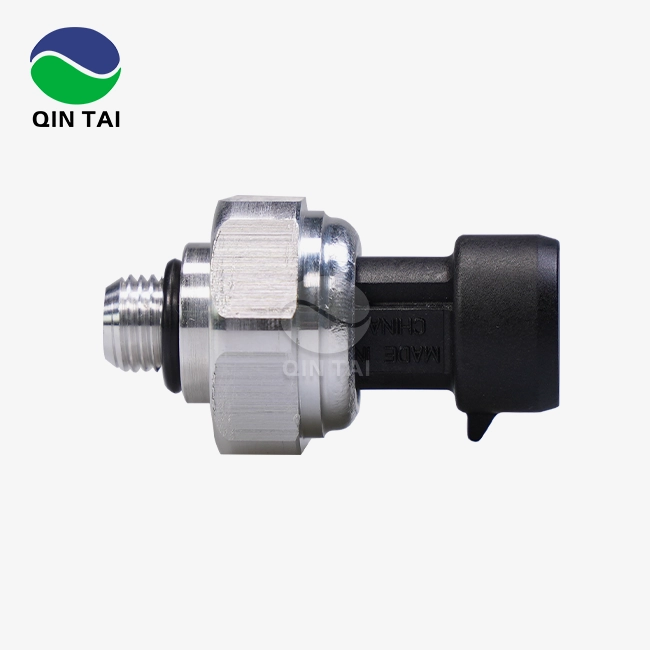
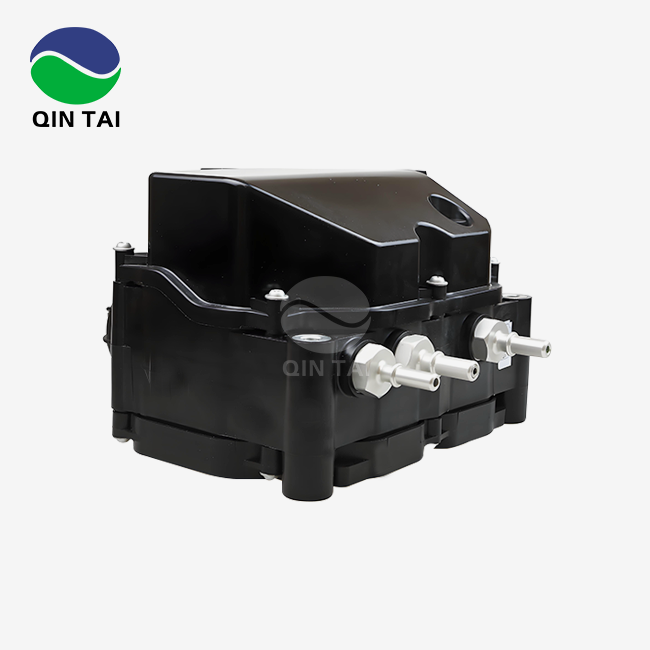
Qintai stands ready to support your wireless pressure sensor requirements with our comprehensive range of advanced sensing solutions designed specifically for diesel engine aftertreatment applications and industrial monitoring needs. As a leading pressure sensor manufacturer with over two decades of experience, we combine cutting-edge wireless technology with proven reliability to deliver solutions that meet the most demanding industrial applications. Our ISO9001 and IATF16949 certified manufacturing processes ensure consistent quality while our 58 invention patents demonstrate our commitment to innovation. Contact our technical team at info@qt-sensor.com to discuss your specific wireless pressure sensing requirements and discover how our customizable solutions can enhance your operational efficiency and compliance with emission regulations.
References
1. Johnson, M.R. & Chen, L. (2023). "Advances in Wireless Pressure Sensing for Industrial Applications." Journal of Industrial Electronics, 45(3), 234-251.
2. Anderson, K.P. et al. (2022). "Comparative Analysis of Wireless Communication Protocols for Sensor Networks." IEEE Transactions on Industrial Informatics, 18(7), 1456-1467.
3. Thompson, S.A. & Rodriguez, C. (2023). "Battery Life Optimization in Wireless Pressure Sensor Networks." Sensors and Actuators International, 31(2), 89-103.
4. Williams, D.J. (2022). "Installation Best Practices for Wireless Industrial Sensors." Industrial Maintenance Quarterly, 29(4), 45-62.
5. Lee, H.K. & Patel, N. (2023). "Machine Learning Applications in Wireless Pressure Sensing Technology." Smart Manufacturing Review, 12(1), 78-95.
6. Brown, R.F. et al. (2022). "Environmental Resilience Testing of Wireless Pressure Sensors in Automotive Applications." Automotive Engineering Journal, 87(5), 312-328.

Our customers’ satisfaction speaks for our quality — contact us to experience the same reliable service.