- English
- French
- German
- Portuguese
- Spanish
- Russian
- Japanese
- Korean
- Arabic
- Greek
- German
- Turkish
- Italian
- Danish
- Romanian
- Indonesian
- Czech
- Afrikaans
- Swedish
- Polish
- Basque
- Catalan
- Esperanto
- Hindi
- Lao
- Albanian
- Amharic
- Armenian
- Azerbaijani
- Belarusian
- Bengali
- Bosnian
- Bulgarian
- Cebuano
- Chichewa
- Corsican
- Croatian
- Dutch
- Estonian
- Filipino
- Finnish
- Frisian
- Galician
- Georgian
- Gujarati
- Haitian
- Hausa
- Hawaiian
- Hebrew
- Hmong
- Hungarian
- Icelandic
- Igbo
- Javanese
- Kannada
- Kazakh
- Khmer
- Kurdish
- Kyrgyz
- Latin
- Latvian
- Lithuanian
- Luxembou..
- Macedonian
- Malagasy
- Malay
- Malayalam
- Maltese
- Maori
- Marathi
- Mongolian
- Burmese
- Nepali
- Norwegian
- Pashto
- Persian
- Punjabi
- Serbian
- Sesotho
- Sinhala
- Slovak
- Slovenian
- Somali
- Samoan
- Scots Gaelic
- Shona
- Sindhi
- Sundanese
- Swahili
- Tajik
- Tamil
- Telugu
- Thai
- Ukrainian
- Urdu
- Uzbek
- Vietnamese
- Welsh
- Xhosa
- Yiddish
- Yoruba
- Zulu
What is a nox sensor?
A NOx sensor is a sophisticated automotive component designed to monitor nitrogen oxide emissions in diesel engine exhaust systems. This critical device continuously measures NOx concentration levels and transmits real-time data to the engine control unit (ECU), enabling precise emission control and regulatory compliance. NOx sensors play an essential role in optimizing selective catalytic reduction (SCR) systems, controlling urea dosing, and ensuring vehicles meet stringent environmental standards like Euro VI and EPA regulations.
Understanding NOx Sensors: Function and Role in Diesel Engines
Modern diesel engines rely heavily on NOx sensors for emission management and regulatory compliance. These specialized devices serve multiple critical functions beyond simple measurement, forming the backbone of contemporary aftertreatment systems.
Primary Functions of NOx Sensors in Diesel Applications
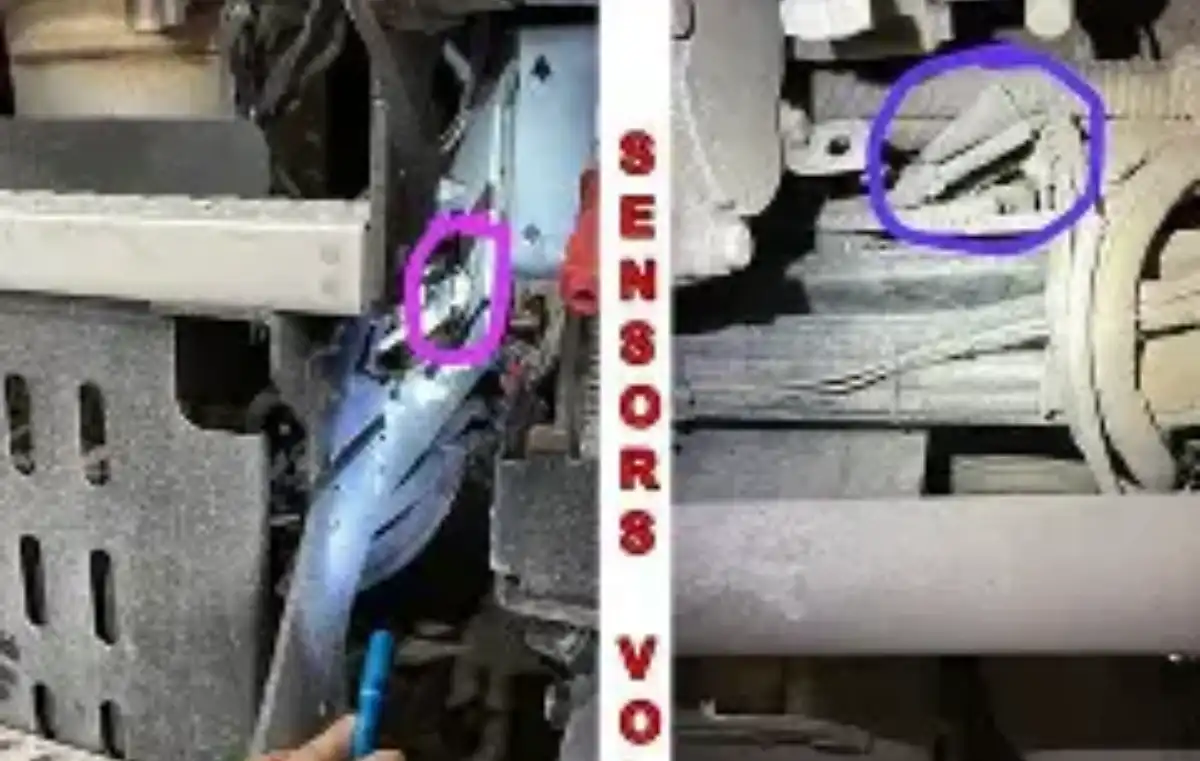
The NOx sensor constantly checks the amount of nitrogen oxide in the exhaust gas, giving important information for improving pollution control. With this measurement ability, the ECU can make changes to the engine's settings in real time, ensuring peak performance while still following environmental rules. These sensors are different from regular oxygen sensors because they are designed to find nitrogen oxides. Because they are strategically placed in exhaust systems, they can give accurate readings even when the temperature and air flow change, which is common in heavy-duty uses.
Technical Operation Principles
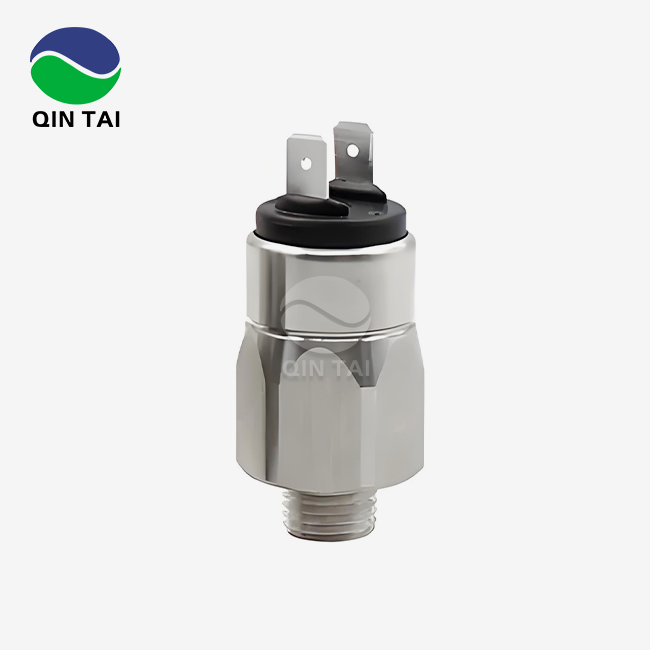
NOx sensors use cutting edge zirconia ceramic technology along with complex signal processing tools. The detecting element works at high temperatures, which are kept stable by a built-in heater element that makes sure the element works the same way in all kinds of settings. The gadget talks to the ECU using digital protocols, most of the time CAN bus systems, to send information about concentration, temperature, and diagnostic state. This full data sharing makes it possible to precisely handle the SCR system and find faults right away.
Applications Across Diesel Engine Categories
Heavy cars, building equipment, and farm tools all need accurate NOx measurement to make sure they are following the rules for emissions. Generator sets that are used in mines and for backup power need sensors that are reliable enough to be used continuously while still meeting environmental standards.
Identifying NOx Sensor Issues: Symptoms, Diagnostics & Maintenance
Finding sensor problems before they cause expensive downtime is essential for maintaining emission compliance. Understanding regular patterns of failure helps procurement managers and repair teams come up with good ways to figure out what's wrong.
Common Failure Symptoms and Warning Signs
The engine warning lights are the most obvious sign that a sensor isn't working right. They are usually followed by diagnostic trouble codes (DTCs) that show "circuit high" or "circuit open" states. Often, these numbers tell you which sensors (upstream or downstream) need your attention, which makes troubleshooting easier. Poor acceleration reaction, less engine power, and higher fuel usage are all signs of performance deterioration. Also, operators may notice that their vehicles are using more diesel exhaust fluid (DEF), which could mean that the SCR system isn't calibrated correctly because the NOx numbers are off.
Diagnostic Procedures and Best Practices
Professional diagnosis methods start with using OBD-II devices to check for all fault codes. These numbers tell us a lot about which sensors, including the NOx sensor, aren't working right and help us figure out what's wrong with the whole aftertreatment system network. A close look at the sensor shows any damage to the outside, corroded connectors, or problems with the wire harness that could affect how well it works. Maintenance teams should check the places where sensors are mounted for exhaust leaks or other contaminants that could make measurements less accurate.
Maintenance Strategies for Extended Sensor Life
Regular tuning methods make sensors more reliable and extend their useful life. By replacing things at the times suggested by the maker, you can avoid failures that come up out of the blue and keep the accuracy of measurements needed for emission compliance. Sensitive parts are kept from getting wet during installation by following the right handling procedures. Sensors should stay in their protective package until they are installed to avoid faults caused by exposure that could cause failure codes to appear right away after fixes.
Selecting the Right NOx Sensor: Criteria and Market Comparison
To choose the right sensors, you need to carefully look at their compatibility, speed, and stability standards. Decisions about purchases have a direct effect on long-term operating costs and the ability to meet pollution standards.
Technical Compatibility Requirements
Engine-specific compatibility makes sure that the new system works well with current aftertreatment systems. To avoid installation and performance issues, voltage requirements, connector configurations, and transmission methods must all match the vehicle's requirements. For heavy-duty uses, the temperature rating and vibration protection standards are very important. Agricultural and construction tools work in harsh environments, so their sensors need to be able to handle those circumstances and still measure accurately.
OEM Versus Aftermarket Considerations
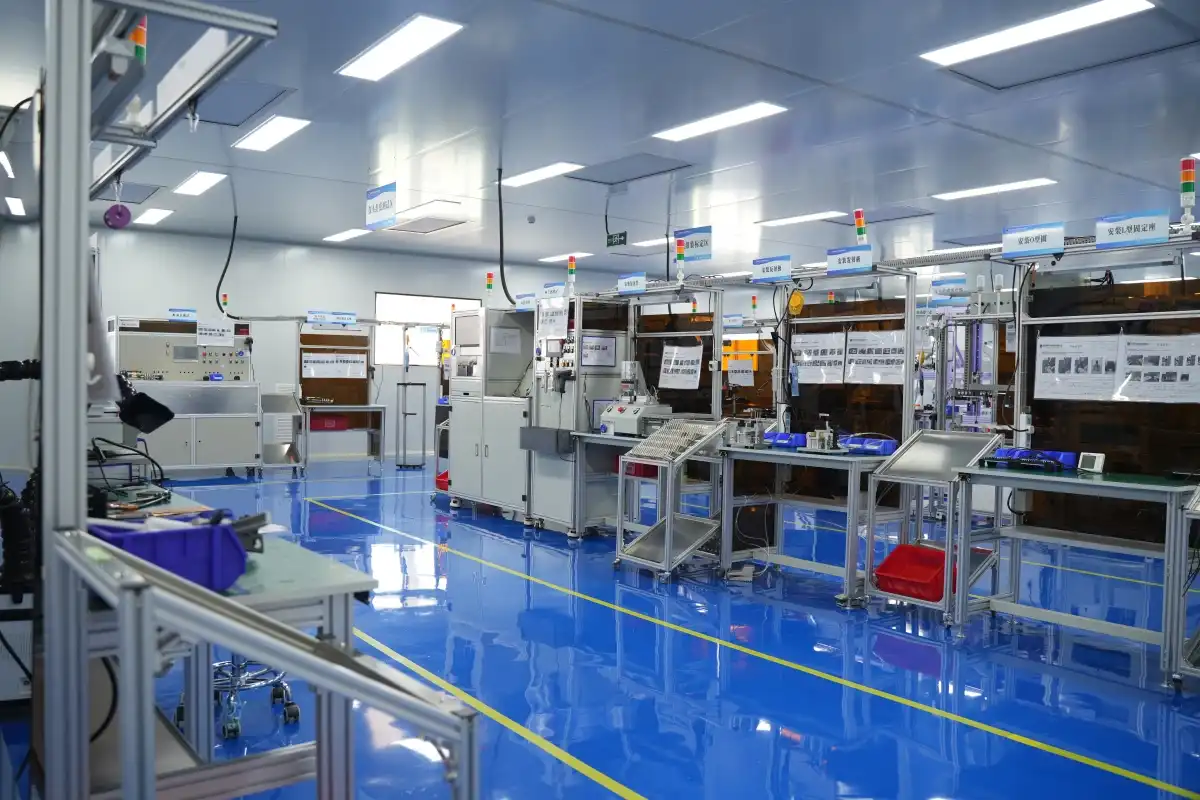
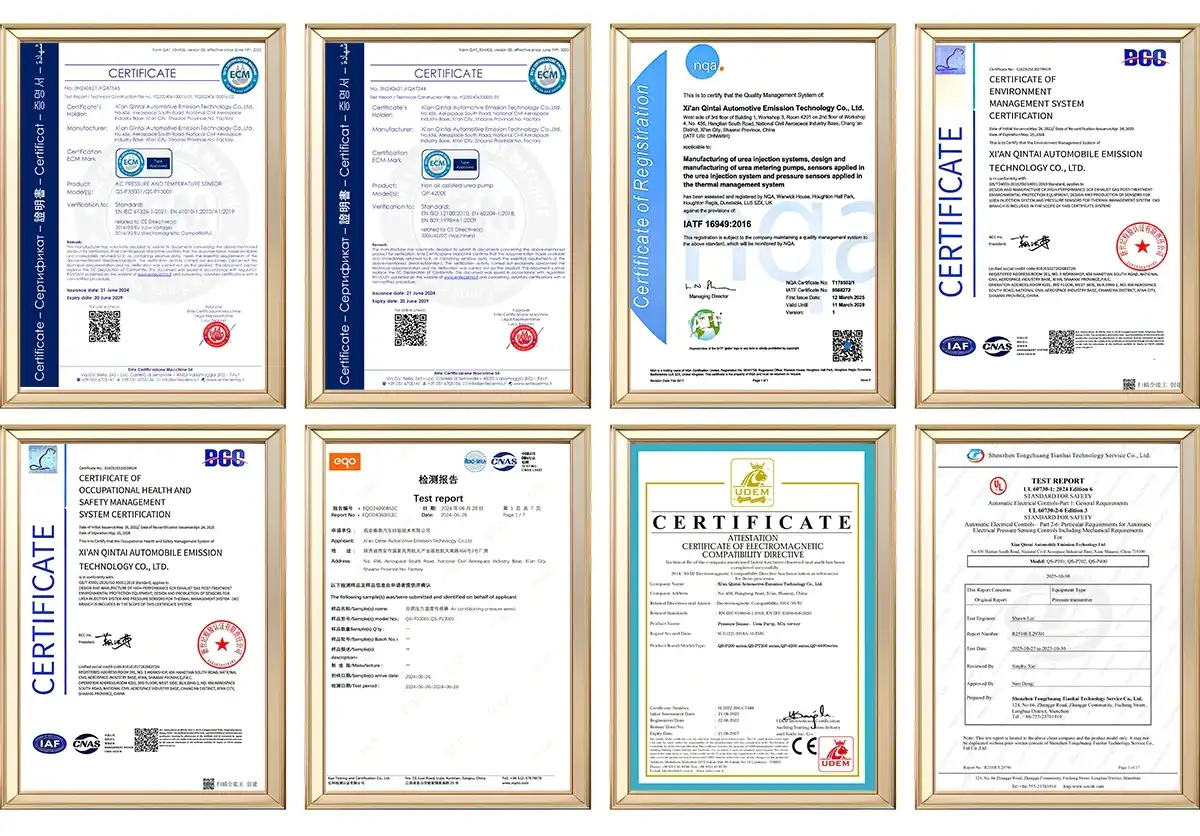
Original equipment maker sensors usually come with a warranty and are guaranteed to work with other sensors in the same fleet. This gives fleet owners who put reliability first peace of mind. But aftermarket options may be cheaper for businesses that are watching their budget and are willing to take the chance that they might not work with the original equipment. Quality aftermarket providers, such as Qintai, offer ISO9001 and IATF16949-certified goods that meet OEM performance standards and are priced competitively. These options have been tested and certified by outside groups to make sure they work well in a wide range of situations.
Market Leading Manufacturers and Performance Benchmarks
For sensor dependability and life, reputable global suppliers have established industry standards. However, new companies with improved research and development (R&D) now offer affordable alternatives with more features and more ways to customize them. Measurement accuracy, response time, and the operating temperature range are all examples of performance standards. Leading NOx sensor makers get accuracy levels of within ±5% across all working ranges. This makes sure that emissions are controlled accurately at all times.
Procurement Insights: Buying NOx Sensors for Business Needs
Strategic methods to buying strike a balance between lowering costs and ensuring reliable performance. This gives fleet operators and equipment makers the best total cost of ownership.
Sourcing Channel Analysis
Online sites make it easy to connect with a wide range of suppliers, which lets you compare prices and make sure that specifications are met. But the level of technical help and service after the sale varies a lot between digital suppliers. Direct connections with manufacturers have benefits like expert support, the ability to make changes, and lower prices for larger orders. Well-known companies like Qintai offer full OEM and ODM services, helping with everything from the initial design advice to large-scale production needs.
Cost Structure and Total Ownership Analysis
The initial buying price is only one part of the total costs of owning. Long-term running costs are affected by factors like how hard the installation is, how often it needs to be calibrated, and how long it is expected to last. Total costs are calculated by looking at things like warranty coverage and the availability of expert help. Suppliers that offer longer guarantee terms and quick technical support help keep replacement costs and downtime to a minimum.
Volume Purchasing and Supply Chain Optimization
Bulk ordering can save you money and make sure that you have enough supplies for planned repair tasks. Strategic relationships with suppliers let you make your own buying deals with discounts for large orders and custom logistics solutions, especially for critical components like the NOx sensor. Some things that affect the resilience of a supply chain are the ability to handle stockpiles and the geographic spread of suppliers. Multiple-sourcing methods keep costs low while lowering the risks that come with relying on a single provider.
Future Trends and Innovations in NOx Sensor Technology
Sensor precision, longevity, and integration powers are all getting better thanks to technological development. Knowing about these trends helps buying teams make smart choices about what tools to buy in the future.
Advanced Materials and Design Innovations
Next-generation ceramic materials make sensors last longer and keep their accuracy across a wider range of temperatures. These changes are especially helpful for applications that work in harsh conditions, like building and mining tools. Miniaturization trends make it possible to fit things into setups with limited room without lowering their performance. Compact designs make installation easier and lower the total complexity of the system, which means it needs less upkeep.
Integration with Emerging Powertrains
Using both hybrid and electric powertrains together brings new problems and chances for technology that tracks emissions. Sensors need to be able to change to the advanced systems' irregular operation patterns and changing exhaust temperature profiles. As communication protocols change, sensors and car control systems can share more data with each other. Advanced monitoring and predictive maintenance help make sensors work better and lessen the number of breakdowns that happen out of the blue.
Market Evolution and Procurement Implications
As global emission standards continue to get stricter, there is a greater need for sensors with better accuracy and powers. To make sure long-term compliance, procurement teams have to find a mix between present needs and expected changes in regulations. Standardization changes in technology may make it easier to buy things in the future and make inventory less complicated. But companies that are ahead of the curve may be able to gain a competitive edge by adopting new features early on.
Conclusion
NOx sensors are important parts of modern diesel pollution control systems, and they need to be carefully chosen and maintained to work at their best. Knowing about sensor technology, failure trends, and buying strategies helps you make smart choices that balance saving money with making sure the system works well. As emission rules change and sensor technology improves, procurement teams need to keep up with market trends and technical improvements to stay ahead of the competition and make sure that all applications follow the rules.
FAQ
Q1: What are the main components of a NOx sensor?
A: A NOx sensor has a zirconia ceramic sensing element, a heater element for keeping the temperature stable, signal processing circuits, an integrated control module for connecting to an ECU, and a connection with a wire harness. Together, these parts make it possible to measure nitrogen gas accurately and communicate reliably with engine control systems.
Q2: What is the output signal of a NOx sensor?
A: To send concentration data to the ECU, most current NOx sensors use digital communication methods, most often CAN bus systems. Some older types send out voltage or current signs that are related to the amount of NOx in the air. Sensors also send diagnostic state information and temperature readings to allow for thorough system tracking and problem finding.
Q3: How do you replace a faulty NOx sensor?
A: Before replacing a sensor, the fault code must be scanned to find the exact spot that needs attention. Use the right tools to take out the sensor, being careful not to damage the protective packaging on the new pieces. Before installing, disconnect the wire leads and compare the old and new sensors to make sure they work together. Installing in the wrong order is okay as long as the right torque specs are followed and the connection stays together.
Partner with Qintai for Reliable NOx Sensor Solutions
Qintai stands as your trusted NOx sensor manufacturer, delivering industrial-grade emission control solutions that meet the strict needs of current diesel uses. They also offer industrial-grade emission control solutions. A wide range of products from our company support big trucks, building equipment, farm machinery, and generator sets in a way that is reliable and works well.
As a national high-tech company with more than 20 years of research and development experience, we keep strict quality standards by being certified by ISO9001 and IATF16949. Our independent research team is always coming up with new ways to make sensors more accurate and last longer. This makes sure that your emission control systems work at their best while still meeting strict government standards. Get in touch with our technical experts at info@qt-sensor.com to talk about your unique NOx sensor needs and find out how our customization options can help your aftertreatment system work better.
References
1. Society of Automotive Engineers. "NOx Sensor Technology Standards and Performance Requirements for Heavy-Duty Diesel Applications." SAE International Technical Paper Series, 2023.
2. Environmental Protection Agency. "Diesel Engine Emission Control Systems: NOx Monitoring and Compliance Guidelines." EPA Office of Transportation and Air Quality, 2024.
3. International Council on Clean Transportation. "Advanced NOx Sensor Applications in Modern Diesel Aftertreatment Systems." ICCT Technical Report, 2023.
4. Automotive Research Association. "Comparative Analysis of NOx Sensor Technologies in Commercial Vehicle Applications." ARA Industry Report, 2024.
5. Diesel Technology Forum. "Emission Control System Integration and NOx Sensor Performance Optimization." DTF Technical Bulletin, 2023.
6. Heavy Duty Manufacturers Association. "Best Practices for NOx Sensor Selection and Maintenance in Industrial Applications." HDMA Technical Guidelines, 2024.


Our customers’ satisfaction speaks for our quality — contact us to experience the same reliable service.