- English
- French
- German
- Portuguese
- Spanish
- Russian
- Japanese
- Korean
- Arabic
- Greek
- German
- Turkish
- Italian
- Danish
- Romanian
- Indonesian
- Czech
- Afrikaans
- Swedish
- Polish
- Basque
- Catalan
- Esperanto
- Hindi
- Lao
- Albanian
- Amharic
- Armenian
- Azerbaijani
- Belarusian
- Bengali
- Bosnian
- Bulgarian
- Cebuano
- Chichewa
- Corsican
- Croatian
- Dutch
- Estonian
- Filipino
- Finnish
- Frisian
- Galician
- Georgian
- Gujarati
- Haitian
- Hausa
- Hawaiian
- Hebrew
- Hmong
- Hungarian
- Icelandic
- Igbo
- Javanese
- Kannada
- Kazakh
- Khmer
- Kurdish
- Kyrgyz
- Latin
- Latvian
- Lithuanian
- Luxembou..
- Macedonian
- Malagasy
- Malay
- Malayalam
- Maltese
- Maori
- Marathi
- Mongolian
- Burmese
- Nepali
- Norwegian
- Pashto
- Persian
- Punjabi
- Serbian
- Sesotho
- Sinhala
- Slovak
- Slovenian
- Somali
- Samoan
- Scots Gaelic
- Shona
- Sindhi
- Sundanese
- Swahili
- Tajik
- Tamil
- Telugu
- Thai
- Ukrainian
- Urdu
- Uzbek
- Vietnamese
- Welsh
- Xhosa
- Yiddish
- Yoruba
- Zulu
Can a Pressure Sensor Measure Air, Water, and Hydraulic Pressure?
Yes, a pressure sensor can measure air, water, and hydraulic pressure, but only when its materials and ratings match the medium. The pressure range alone does not decide the fit. You also need to check wetted-part materials, diaphragm and seal compatibility, temperature limits, pressure reference, output signal, port type, and ingress protection. For example, a sensor rated for 10 bar (145 psi) in dry air may not suit 10 bar hydraulic oil. Air work often needs low-pressure accuracy and quick response. Water and hydraulic work need stronger sealing, corrosion resistance, and overload protection. I always recommend confirming the datasheet with the supplier before you order.
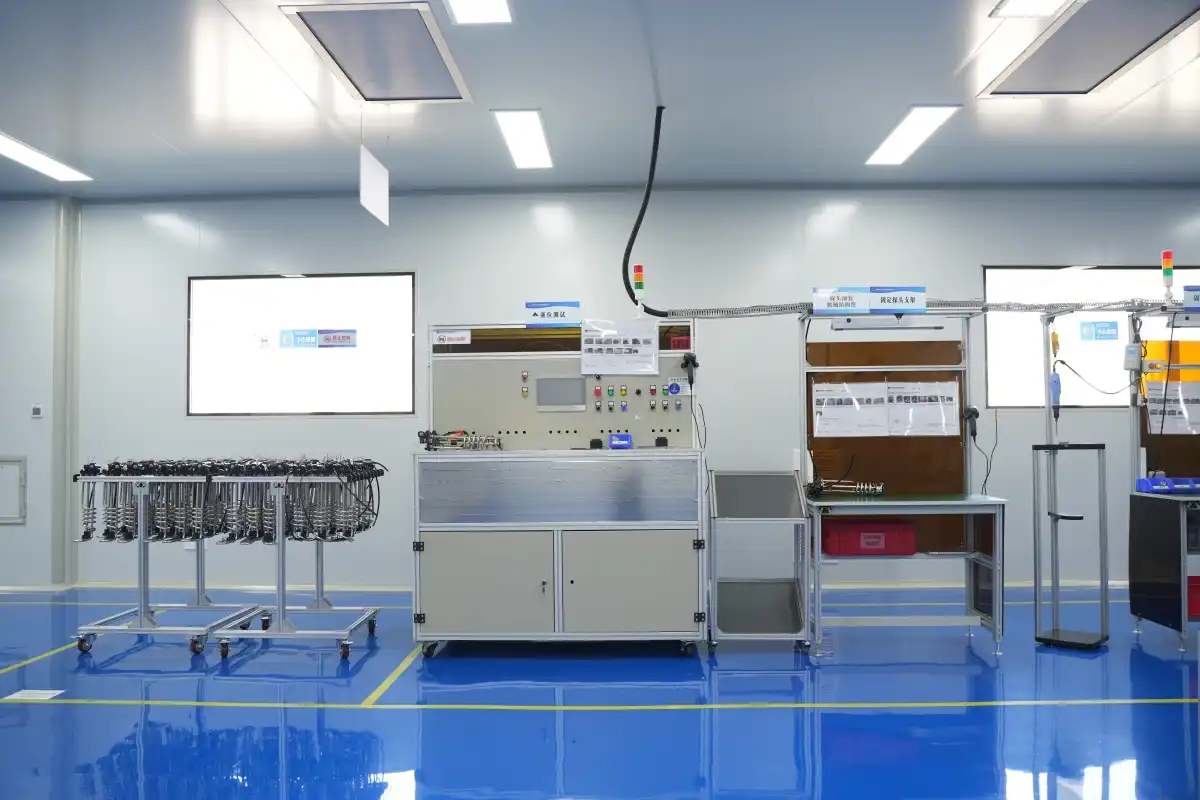
How a Pressure Sensor Works With Air, Water, and Hydraulic Media
The Parts Inside a Pressure Sensor
Electricity is sent through a pressure sensor by the mechanical pressure inside it. Something pushed against a cushion or measuring element when you put it in the pressure port. This kind of circuit takes a change in an electrical feature and turns it into an output that can be used. The message is sent to a processor or engine control unit through an electrical link.
There are risks in every part. The thread on the gear has to fit into the port. The diaphragm and plugs must keep what you put in from going through. The case needs to be able to handle both shaking and heat. A lot of people who want to buy a pressure sensor first look at how it works. But the parts that get wet show if the pressure sensor can work in the liquid.
Common Sensing Technologies
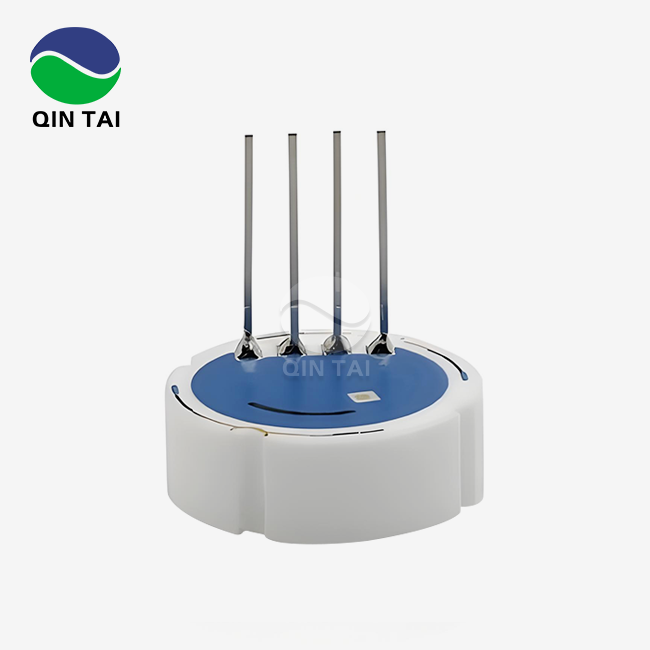
Different kinds are used in industrial pressure sensors, like capacitive, MEMS, ceramic, thin-film, bonded strain-gauge, and piezoresistive silicon types. That is the resistance changes when the diaphragm bends, and it works well with small shapes. Ceramic elements are often used in water service because they don't react with many acidic fluids. Hydraulic work with a lot of pressure often leaves thin-film marks on stainless steel.
In this way, capacitive pressure sensors are not the same. The equation C = ε₀εᵢA/d is used to keep track of how the capacitance changes as the diaphragm moves toward a fixed electrode. It's easy to use and doesn't use a lot of power. They can feel air, water, and oil, but that doesn't make them good. The frame, the diaphragm, and the seals are all very important parts.
Sensor, Transducer, and Transmitter Explained
A lot of people mix up these three words, but they all mean the same thing. Something that measures pressure is called a "pressure sensor." A pressure transducer is usually a pressure sensor that sends an electrical signal, like a voltage or millivolt signal. It checks the signal to make sure it is correct and gives an industrial output, which is usually between 4 and 20 mA.
There are different names on each sticker, so you shouldn't compare them. I think you should compare the specs instead. Please look at the documentation to learn about the accuracy, output type, source voltage, and pressure standard. Tell your boss what to look for when you send a quote request. What they know about you helps them make the best model and saves them time.
Choosing a Pressure Sensor for Air, Water, and Hydraulic Systems
Air and Compressed-Air Systems
Most air systems work at low to medium pressure, so the low end of the range needs to be right. To make sure the system works quickly and can handle shocks, water, and mist? Pumps and gas tools work well with this scale. Difference in pressure makes it easy to check on cleanrooms, airflow, and filters.
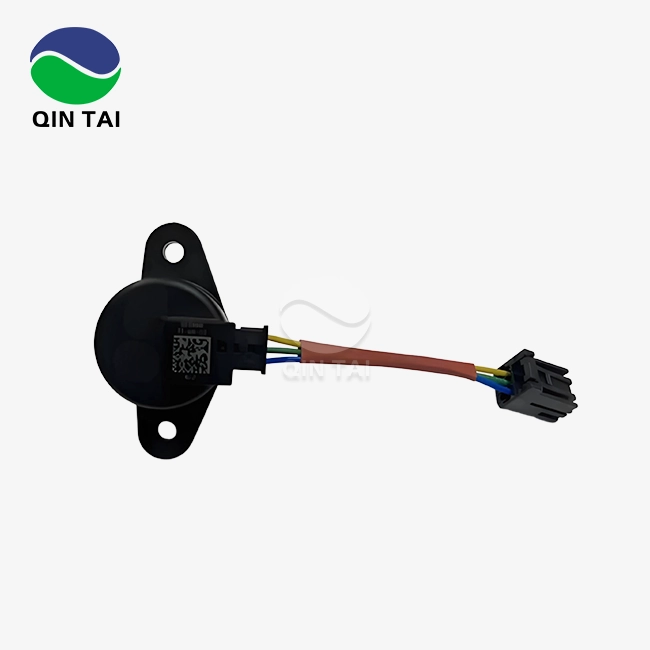
It is possible for some diesel engines to have a differential pressure sensor placed across the DPF. The driver can find out how much soot the DPF can hold from this pressure sensor. You should also have low drift and good accuracy if you work in HVAC, labs, or to find leaks. Check that the 24 VDC wire, plug pinout, and pressure port all work with your processor before you put it all together.
Water Systems
Rust and seals get worse when they get wet. Pipes, tanks, pumps, and booster systems all need parts that can get wet but are sealed, don't rust, and have the right ingress protection rating. Ceramic diaphragms are cheap and don't rust, so they can be used in a lot of different ways. There is molybdenum in stainless steel, which makes it more resistant to chlorides. This makes it good for use in tough industrial areas.
The sealant you use needs to be able to handle chlorine, cleaned water, and different levels of water. The pressure of the water goes up by 9.8 kPa for every meter of depth. Hydrostatic pressure can be used to find out how much water is in a tank by deep sea tools. It is used to check filters and control flow with differential pressure. Pump ports with gage pressure are also used with it.
Hydraulic Systems
Hydraulic tools are the hardest to use. Shocks, vibrations, spikes, and hydraulic oil are all things that pressure sensors have to deal with. Some heavy trucks, construction tools, and farm tools have hydraulic circuits that are under a lot of pressure (thousands of pounds per square inch). A pressure sensor that can be used for many things might not last long in these places.
Pick an industrial pressure sensor that has a sturdy body, a safe port, and a long life. It should be able to handle both high and low pressure. It is important to check the measuring range, the peak pressure, the temperature range, the thread standard, the EMC performance, and the resistance to tremors. It is possible to keep the sensing element safe from spikes with a snubber or damper. A steady reading could mean that air is stuck, the seals are broken, or the threads are the wrong ones. As they mount them, check them.

Matching Pressure Sensor Type, Output, and Accuracy to Your Application
Gauge, Absolute, and Differential Reference
The pressure sensor is told what other forces it should use to compare itself to. They measure the line pressure by putting it up against the air around them. When there is line pressure, like in hydraulic circuits, pumps, and compressors, they work well. True pressure sensors are always right, even if the ground or the weather changes, because they can measure against a sealed vacuum. At sea level, the air pressure is about 14.7 psi.
This kind of pressure sensor shows you the difference between two ports. Flow systems, clean rooms, and some level measures are the best places for them to work. If the pressure sensor works but the readings don't make sense, the source is wrong. Don't do that; add the reference to your question instead.
Output Signal and Power Supply
The length of the cable and how much noise it can handle depend on the type of outlet. There is a lot of electrical noise in plants and wire runs that are long. A 4–20 mA signal is often used. Because current loops don't let interference happen, this is the case. Anywhere from 0 to 10 V will work for short links and machines that can handle it. Digital outputs work well for things that need to check something.
It also helps that the floor is 4 mA. If the board sees 0 mA, the wire is broken. A lot of industrial tools need to be plugged into 24 VDC. Check the scale, pinout, and PLC support as well. If you want to use your control unit in an engine or a car, you may need to follow different supply and warning rules.
Accuracy, Repeatability, and Drift
Getting things done is not the same thing. This refers to how near the number is to the real value. This number tells you how little change the screen can show. When the pressure stays the same, this is how many times the pressure sensor gives the same reading. Because of linearity, hysteresis, and temperature shift, the answer is also changed.
Even if it works well outside, a pressure sensor can move when it gets hot in the engine bay. Not only the best-case number, but also the whole error range for the temperature range where it works. This check is used in systems that deal with emissions and precise automation because it is the most important one.
Installing, Testing, Calibrating, and Troubleshooting a Pressure Sensor
Installation Steps That Protect Accuracy
A good installation makes sure that the service works right and lasts as long as possible. Make sure you know the device's load range, port, thread, seal, and fitting force before you put it in place. Most U.S. gear has NPT or SAE ports, so check the thread standard one more time.
Put nothing on a point that shakes a lot, gets very hot, or has strong pressure waves. Not too tight, because if there is too much force, the body could bend and the zero point would move. Once you've turned the system on, check the seal for any leaks. Add a snubber at the port to keep the signal from going crazy on lines that pulse.
Testing and Calibration
Check the ground, zero output, signal stability, wiring, and response of the system before you use it. Check to see if the numbers match up with a known source of pressure or measurement. For easy calibration, pressure points that are known to be 0%, 25%, 50%, 75%, and 100% are used throughout the working range. The difference is put down at each point.
Hysteresis can be seen when the pressure changes during the test. You need to change the pressure, how exact you need to be, how you handle quality internally, and how much a wrong reading costs to decide how often you need to change the pressure sensor. A hydraulic system that moves around a lot needs to be checked more often than a water line that doesn't move around much.
Troubleshooting Incorrect Readings
The process comes after the wires and power. Most of the time, no output means that there is no power, bad wiring, a broken wire, a PLC input that doesn't work with the pressure sensor, or the pressure sensor is too busy. Any of these things—a shaking base, hydraulic movement, air bubbles, loose connections, or changes in temperature—can make readings not stable.
If the readings stay too high or too low, the scale might be off, the port might be blocked, there might be a leak, or the calibration might be off. While the electricity is being checked, look at the mechanical link to see how it fits with a normal unit. The pressure sensor should only be re-calibrated if it still works right. If there was a lot going on with the pressure sensor, it might need to be changed.
Choosing a Pressure Sensor for Industrial Procurement
Write the Specification Before Comparing Prices
Start with a list of everything the application needs, not a price list. As well as the accuracy, the temperature, the reference, the output, the power supply, the port, the materials, the ingress protection, the amount, the delivery date, and the medium pressure can all be set. Also, make sure the pressure sensor fits your controller and comes with instructions before you place your order. It needs to work with spikes too.
Normal pressure sensors can be switched out for normal ones. For OEM or custom-made ones, you may need different ranges, connectors, housings, or ways to mount them. Most of the time, the cost to own something is more important than the price per item. This is because costs like downtime, service life, and recalibration add up. Engineers write down what is needed, buyers look at prices, and managers accept providers. With clear rules, all three groups can agree on a choice at the same time.
Evaluate the Supplier, Not Only the Part
It's not enough to just explain something well. You should inquire about things such as the ability to calibrate, test methods, certifications, traceability, paperwork, technical support, wait time, minimum order quantity, and replacement service.
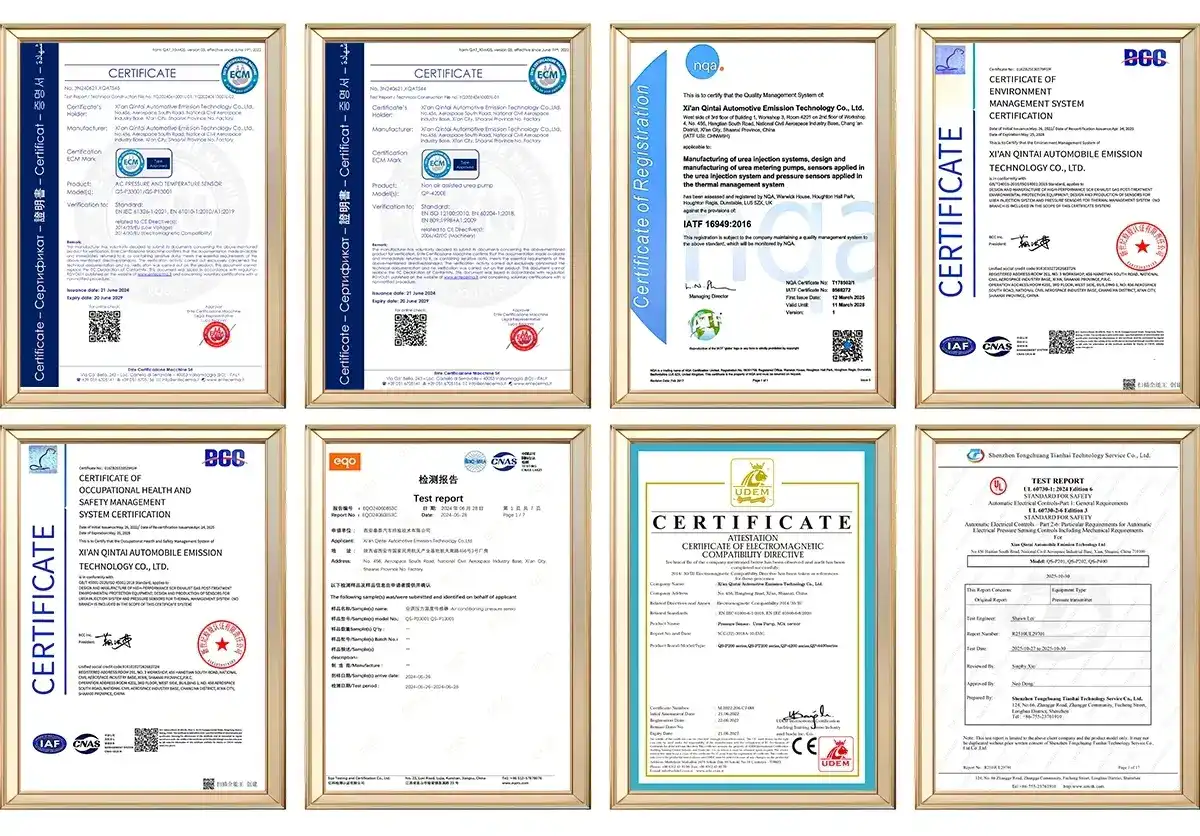
Qintai is a tech company that works all over the country and was founded in 2001. We plan, build, sell, and fix the pressure sensor as the main part of diesel engine SCR aftertreatment. We have 58 idea patents and codes for CE, REACH, RoHS, ISO9001, and IATF16949. We also sell a lot to Yuchai Power, Quanchai Power, and Weichai Power. Lots of places, in more than 60 countries, buy our goods.
Match Sensors to Real Equipment
It's easy to choose when to start at the machine. Air fans need to be able to quickly let water out. Parts that get wet in water pumps and treatment systems need to be able to keep their IP protection up to date and not rust. Your hydraulic gear needs to be able to deal with high pressure, work with oil, and keep itself from getting too heavy. Diesel engines, SCR systems, and DPF tracking need more work to be done on how they handle heat, vibration, and pollution.
As a Qintai OEM and ODM service provider, we can create goods, make a lot of them, and make sure they meet your needs. People can tell us what they need, and we'll make sure it gets done right. People who build engines, companies that make equipment for the environment, people who buy repairs, and people who add aftertreatment can tell us what they need.
Conclusion
It's possible for some pressure sensors to measure all three types of pressure, but not always. Each platform has its own needs. In this case, air needs to be precise and quick when the pressure is low. So that it doesn't rust, water must be able to seal well. Hydraulic oil also needs to have strong ports that can handle shocks and too much load. What really matters are the wet materials, the seals, the pressure reference, the output signal, and how accurate it is across temperature.
The readings are reliable if they are installed correctly, calibrated several times, and go through a well-thought-out fault check. To get the best deal, buyers should make a list of all the things they need, think about how much it will cost to own everything, and compare each supplier's tests, licenses, and customer service. Before you can use what you've learned, you need to make sure you know the medium, pressure range, spikes, and flow needs. Then, look at these against the description before you choose a pressure sensor.
FAQ
Can one pressure sensor measure air, water, and hydraulic oil?
Sometimes. It will only work if the range of temperatures, seals, wet materials, and pressures are right for each medium. The business that made the pressure sensor should make sure that the hydraulic oil is safe to use and that the pressure sensor can handle the pressure.
Should I choose 4–20 mA or 0–10 V?
Pick 4–20 mA for plants that make a lot of noise and have a lot of wires that go to different places. Short runs should be set to 0–10 V if the controller lets you.
How often should I calibrate a pressure sensor?
There isn't always a single period that works. How much will a wrong reading cost? What method do you need? How accurate do you need it to be?
What should I include in a quote request?
Describe the type of medium, the range of pressures, the accuracy, the temperature, the output, the connection, the amount, and any OEM needs.
Contact Qintai for a Pressure Sensor Recommendation or OEM Quote
Pressure sensors are made by a business called Qintai. They offer OEM and ODM services, are certified by ISO9001 and IATF16949, and have put in for 58 invention patents. Email info@qt-sensor.com with your medium, pressure range, output, thread, and amount. Our team will look at what you need and offer the best way to set things up.
References
1. NIST Special Publication 811: Guide for the Use of the International System of Units (SI), 2008
2. Instrument Engineers' Handbook, Volume 1: Process Measurement and Analysis (Béla G. Lipták), 2003
3. Handbook of Modern Sensors: Physics, Designs, and Applications (Jacob Fraden), 2016
4. Hydraulic Control Systems (Herbert E. Merritt), 1967
5. Bosch Automotive Handbook, 2014
6. IEC 60529: Degrees of Protection Provided by Enclosures (IP Code), 2013
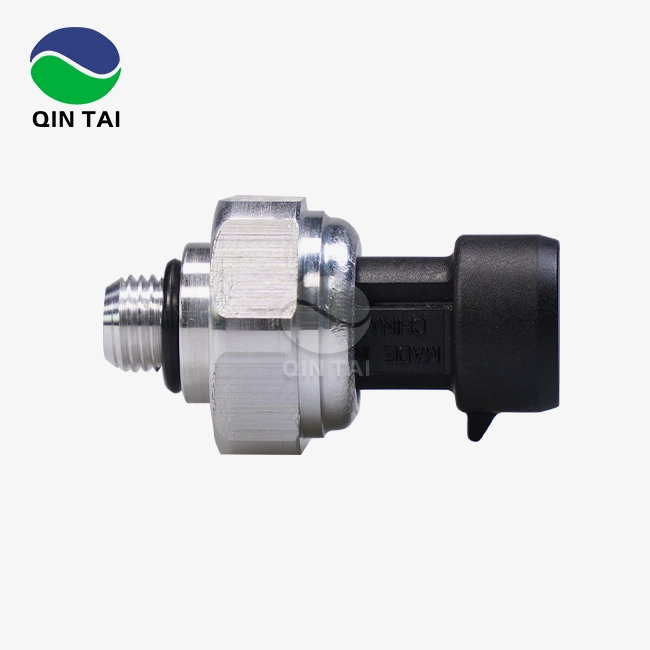
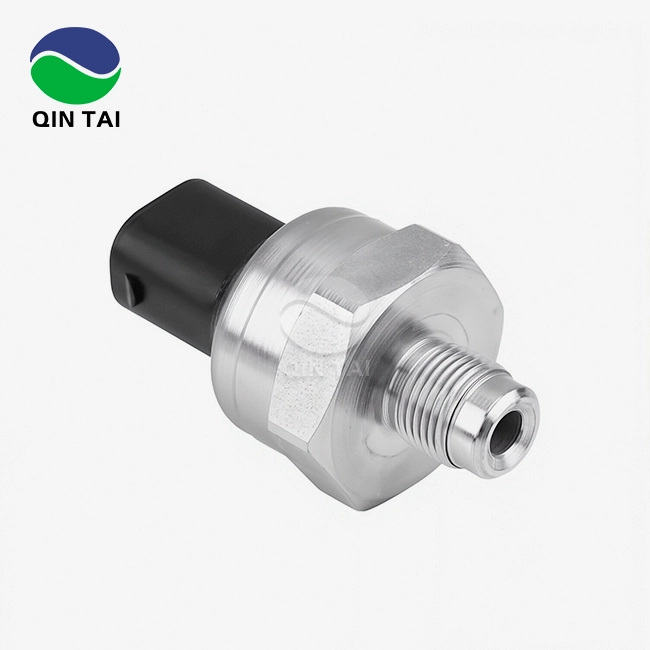

Our customers’ satisfaction speaks for our quality — contact us to experience the same reliable service.