- English
- French
- German
- Portuguese
- Spanish
- Russian
- Japanese
- Korean
- Arabic
- Greek
- German
- Turkish
- Italian
- Danish
- Romanian
- Indonesian
- Czech
- Afrikaans
- Swedish
- Polish
- Basque
- Catalan
- Esperanto
- Hindi
- Lao
- Albanian
- Amharic
- Armenian
- Azerbaijani
- Belarusian
- Bengali
- Bosnian
- Bulgarian
- Cebuano
- Chichewa
- Corsican
- Croatian
- Dutch
- Estonian
- Filipino
- Finnish
- Frisian
- Galician
- Georgian
- Gujarati
- Haitian
- Hausa
- Hawaiian
- Hebrew
- Hmong
- Hungarian
- Icelandic
- Igbo
- Javanese
- Kannada
- Kazakh
- Khmer
- Kurdish
- Kyrgyz
- Latin
- Latvian
- Lithuanian
- Luxembou..
- Macedonian
- Malagasy
- Malay
- Malayalam
- Maltese
- Maori
- Marathi
- Mongolian
- Burmese
- Nepali
- Norwegian
- Pashto
- Persian
- Punjabi
- Serbian
- Sesotho
- Sinhala
- Slovak
- Slovenian
- Somali
- Samoan
- Scots Gaelic
- Shona
- Sindhi
- Sundanese
- Swahili
- Tajik
- Tamil
- Telugu
- Thai
- Ukrainian
- Urdu
- Uzbek
- Vietnamese
- Welsh
- Xhosa
- Yiddish
- Yoruba
- Zulu
How Do You Maintain a Urea Injection System to Prevent Early Failures?
If you follow these three habits, your urea injection system will last longer and not break down as quickly. DEF that is clean and meets ISO 22241 standards should be used. Check the tank, pump, lines, nozzle, and sensors every so often. Before you buy new parts, figure out what's wrong. A lot of early failures are due to urea crystallization, contaminated fluid, freezing, or electrical damage, all of which can be held off. This guide explains how the system works, what to check, when to check it, how to clean or replace parts safely, and how to pick parts and suppliers.
How a Urea Injection System Works and Where Failures Begin
What the System Does in the Exhaust
You can also call it a DEF or AdBlue system. A urea injection system adds the right amount of a water-based urea solution to diesel engines. When heat and water mix, urea turns into ammonia: CO(NH2)2 + H2O → 2NH3 + CO2. NOx and ammonia react when the ammonia is put on top of the SCR catalyst. This makes 4N2 and 6H2O. In the end, nitrogen gas and water vapor are made.
SCR has been used by most builders of heavy-duty trucks since the U.S. It was set by the EPA in 2010 at 0.2 g/bhp-hr for heavy-duty NOx. The same technology can be used to make off-road engines meet the needs of both EPA Tier 4 Final and Euro VI. Once the exhaust has warmed up, it is dosed. This means that short, cold duty cycles make deposits more likely.
Main Components and How They Work Together
The tank holds the fluid and has a heater, a level sensor, and a temperature sensor. Since each system and manufacturer is different, line pressure can be anywhere from 5 to 9 bar. The dosing pump raises line pressure as it pulls in fluid. It is called an injector or urea nozzle. It breaks up the fluid in the exhaust pipe into small pieces. Parts are spread out by a mixer before they get to the catalyst.
From the NOx and pressure sensors, the ECU learns things. The dose changes based on how much NOx is present, how hot the exhaust is, and how much work the engine has to do. Because these parts work as one loop, an SCR efficiency fault that looks like something else is wrong can be caused by a weak pressure signal or a partially blocked nozzle.
Common Causes of Early Failure
The issue is with all trucks, construction equipment, tractors, and generator sets. Plaque and pumps get clogged up with dirty or watered-down fluid. Urea crystallizes at the tip of the nozzle when the oil temperature drops or the spray pattern gets worse. If the heater breaks, DEF that freezes at 12°F (-11°C) can get stuck in the lines or the nozzle.
Connectors can come loose and damage wiring harnesses when there is noise or dust around. These are common failure points of the urea injection system. When the pump is not used for a long time, it leaves behind dry residue. Fittings and lines that are too loose or kinked will leak or add air. You can do maintenance on real risks instead of just replacing parts when they break if you know these reasons.
Preventive Maintenance Checklist and Service Schedule
Start With Fluid Quality and Storage
You can defend yourself cheaply with fluid quality. DEF should contain 32.5% urea in highly clean water, according ISO 22241. You should purchase it. U.S. vendors provide API-certified products. Use separate containers, funnels, and hoses for diesel, coolant, and tap water minerals. Mixing them might harm the system. Keep drums out of direct sunlight and verify batch dates before using. Heat accelerates deterioration. Don't add water or anything else. If there is contamination, empty, flush, and replace the filter before starting the engine, according the manufacturer.
Inspect Every Component in the Dosing Circuit
Check the heaters, pump, supply lines, nozzle, sensors, connectors, ECU wiring, and tank cap, breather, filter, and heaters to make sure they are all in good shape. As you look over the harness, look for white crystals, wet spots, cracked parts, rust, and chafed straps. The manufacturer should tell you what the pump's pressure and flow should be. Also, make sure the heaters turn on when the system needs them to.
Also, look at the signal that the pressure sensor sends. A reading that changes over time can hide a real drop in pressure or make a healthy pump look like it's broken. Write down each reading. Slow pressure loss, more DEF use, or fault codes that keep coming up are all signs that a derate is coming. This gives your repair people time to make plans.
Match the Schedule to Operating Conditions
Operators should check the DEF level and look for leaks, crystals, broken lines, and warning lamps every day. Techs should look at the history of problems, test the pressure, check the heaters, and compare how much DEF and diesel were used every month. About 2% to 3% of a highway truck's fuel goes to DEF, so you should notice a sudden change. Before winter, make sure the heaters in the tank, pump, and lines are all working.
Also, never add antifreeze. Intervals are cut short by dust, vibration, mud, saltwater, and heat. This means that generator sets, mining trucks, and excavators that work in dusty places need shorter cycles than tractors that are used on the highway. Check out the service guide that came with the engine first. Standby units should also be tested so that residue doesn't dry out inside the pump.

Urea Injection System Troubleshooting, Cleaning, and Replacement
Read the Symptoms Before You Replace Anything
White deposits at the nozzle, low or uneven flow, poor atomization, SCR efficiency codes, unusual DEF use, or derating are all signs that something might be wrong with the injector. They can also be brought on by not enough fluid, lines that are clogged, a weak pump, or an NOx sensor that doesn't work right. Signs of a pump follow the same pattern. It could be the pump itself that is broken if it has low pressure, won't prime, makes strange noises, gets too hot, or runs all the time.
It could also be a problem with the line, the tank, or the electricity. Along with the diagnostic codes, you can read the repair history. You can also see the pressure, temperature, flow, sensor feedback, and flow. A code talks about a sign, not a part. Getting tests done first saves time and keeps people from having to go back because the doctor was wrong.
A Step-by-Step Diagnostic Workflow
If you know the order, you don't have to guess what to do for the urea injection system. First, make sure the fluid is full and in good shape. This is the second step. Check the tank, lines, and nozzle for leaks and building up. Third, check the wiring, adapters, power, and ground. Fourth, make sure that the pump's pressure and flow match the specs. Fifth, look at how the spray comes out of the nozzle. Sixth, look at what the NOx, temperature, and pressure sensors say.
Seventh, check the mixer and catalyst for buildup. This is the last step: fix the issue, clear the codes, and test the machine while it's being used. You could replace a good injector when the problem was really a loose connector or dirty fluid if you don't follow the first few steps. This order saves money and keeps the records of the warranty teams clean.
When to Clean and When to Replace
It is only possible to clean if the deposits are small, on the outside, and simple to get rid of with the right service method. The nozzle of many new systems can be flushed with hot fluid to get rid of crystals. Technicians must be careful not to use the wrong solvents, hard tools, or dirty water when they clean by hand and make sure that residue does not get into the pump and nozzle. There is a lot of corrosion, the spray is unstable, the pressure and flow stay low after service, the nozzle tip is broken, or a coil has failed.
These are all signs that the part needs to be replaced. The new part needs to be the same as the old one in terms of flow rate, pressure range, connector, software, and calibration. First, get the system ready. Next, check for water leaks. Check the amount of pressure, flow, communication, sensor feedback, and how well the SCR works. For the warranty, keep track of all the results.
Choosing Urea Injection System Parts and Suppliers
Specifications That Matter During Selection
If you only look at purchase prices, you miss the little things that may change field life. The type of connector, temperature resistance, and CAN communication of a pump, nozzle, sensor, or whole SCR assembly are some of the things I look at. I also check how well the flow, pressure, and spray work. As well as making sure the ECU works, the engineers also make sure the software and calibration do. People who buy aftermarket parts want parts that are handy, fit a lot of models, and are in stock.
Since parts that work with many models save money and time, they are used more often. Sometimes, even small changes in flow or pressure sensors can make thousands of units not be dosed correctly. This is why OEM teams need validation data and batch consistency. Write down these needs on a specification sheet before you ask for quotes. That way, every company that responds will have to answer the same questions.
Supplier Evidence Procurement Teams Should Request
Usually, the technical staff decides which part passes, the purchasing department looks at the prices, and management gives the supplier the green light. Give each group the proof it needs. It is important to ask for quality proof like ISO 9001 and IATF 16949, as well as tracing records, technical drawings, validation data, and written acceptance criteria. Ask for samples and a pilot batch before you place a big order. After that, look at them and see how they match up with your test plan.
Check the terms of the warranty, the lead time, the response time for technical support, and the long-term support for replacements. What if a part is taken off the market? A fleet or line of equipment might not be able to be fixed. Likely, a supplier who knows about diesel engines, off-road vehicles, and emissions systems will also know about the duty cycles that your needs are based on.
What Qintai Brings to SCR Aftertreatment Programs
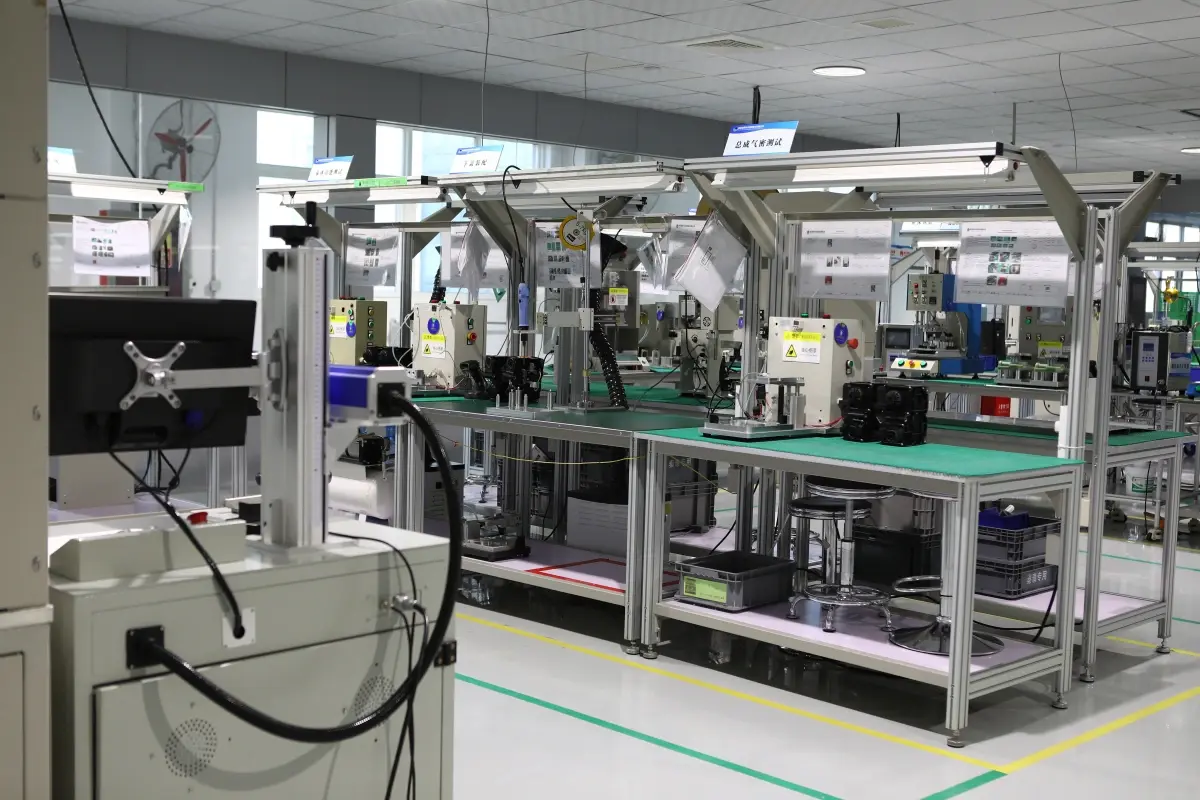
It is called Qintai Automotive Emission Technology Co., Ltd. Ltd. was founded in 2001 and is a national high-tech company whose main goal is to make diesel engine SCR aftertreatment products and sensors, especially pressure sensors, better. It also makes these things and helps people after they buy them. It is certified by ISO 9001, IATF 16949, CMC, Ex, UL, CE, REACH, and RoHS, and it has applied for 58 invention patents. That's where most of the power for Weichai Power, Yuchai Power, and Quanchai Power comes from. In China, it has the biggest share of the market.
You can get OEM and ODM services from design to mass production for the urea injection system, and the company can make changes to fit your needs. It sells goods in more than 60 different countries and areas. If an engineer wants to talk about pressure sensing in a dosing circuit, this mix of certification, independent research and development, and production experience is a good place to begin.
Reducing Long-Term Urea Injection System Repair Costs
Count the Total Cost of Ownership
Not always is the cheapest portion the cheapest to operate. Car ownership expenses include parts, labour, diagnostics, downtime, towing, derating, lost production, warranty exposure, and stock. Fixing a cheap nozzle that clogs twice a year might cost more than buying a better part. This is due to service call fees and equipment idle time. At standby power plants, mines, construction sites, and other areas, one failed equipment may disrupt everything. Instead of invoice pricing, calculate hourly or mile costs using your list of unsuccessful projects.
Plan Spare Parts by Application
Many of the parts that break down and are hard to find are pumps, nozzles, filters, sensors, and connectors. Always have extras on hand. Because software and engine platforms are different, don't keep too many things that don't work with each other. It is better to have separate plans for each type of vehicle than one shared list. This is because busses, construction machines, tractors, and generator sets all deal with different amounts of dust, vibration, heat, and duty cycles.
Distributors and repair shops should choose parts that are easy to install and fit a lot of different cars. This means that you won't have to keep as many SKUs on hand. People who own generator sets should keep spares in remote or backup locations, since it can take days to get them delivered.
Track Records and Failure Rates
Bad behaviours become patterns with excellent records. List the DEF batches, when they were replenished, how much was used, error codes, machine hours, mileage, and replacement parts. The log will reveal three broken nozzles from the same batch or increased usage following a fill source in six months. Record each component and brand's MTBF. This number indicates when to reorder, how frequently to service, and which provider to use. It also provides OEMs and fleet purchasers with warranty information. Your staff must fill it out after each service and review it every three months for it to operate.

Conclusion
To keep a urea injection system from breaking down too soon, you need to consistently control a few variables. The pump, filter, and nozzle don't get dirty because the DEF is clean and meets ISO 22241 standards. You can find problems like freezing, crystallization, and electrical faults before they cause derating by testing the heater, checking the pressure and flow, and inspecting it on a regular basis. Every so often, maintenance should be done, but how often depends on the mileage, hours of use, weather, and duty cycle.
Less maintenance should be done in places that are dusty, vibrating, or just sitting there. You shouldn't replace parts that aren't needed unless you have a structured diagnostic sequence. Also, you should only clean the outside. When picking a part, it's important to check that the data is correct, the specifications match, and that the supplier's quality is shown. Costs and records of failures show how much each choice really costs. Each of these steps helps to keep rules about truck, off-road machine, and generator set emissions, uptime, and repair budgets safe.
FAQ
How often should I service a urea injection system?
If the machine is going to be used for heavy duty cycles, dust, vibration, extreme heat or cold, and other things, follow the manufacturer's schedule. But cut it short. Check the DEF level and for leaks every day. Just like with any other service, check the pressure and heaters once a month.
How do I know a urea nozzle is clogged?
As you check, look for white crystals, low or uneven flow, SCR efficiency codes, and drops in rating. Carry out a flow and spray test to be sure you know what's wrong before you change the nozzle.
Can I clean a urea nozzle?
The outside light crystals should be cleaned in a certain way, and some systems have a heated flush that does the job. If the blockage is inside the nozzle or the spray doesn't move, you need to get a new one.
What damages a dosing pump early?
The most common ones are dirty fluid, running without oil, freezing, clogged lines, electrical issues, and too much heat.
What should I send a supplier?
Tell us what kind of engine you have, the emissions standard, the current part number, the electrical interface, the pressure and flow requirements, the operating environment, and the amount of volume you go through each year.
Talk to Qintai About Your Urea Injection System Needs
Qintai is a national high-tech company that has been around since 2001 and has long been a supplier of sensors and products for diesel SCR aftertreatment. Send an email to info@qt-sensor.com with the type of engine, emissions standard, interface, pressure range, and annual volume if you need a supplier for an OEM or ODM urea injection system. When they get back to you, our team will give you technical details and sample options. Visit qt-sensor.com to learn more.
References
1. ISO, Diesel engines — NOx reduction agent AUS 32 — Part 1: Quality requirements (ISO 22241-1), 2019.
2. ISO, Diesel engines — NOx reduction agent AUS 32 — Part 3: Handling, transportation and storage (ISO 22241-3), 2019.
3. U.S. Environmental Protection Agency, Control of Emissions of Air Pollution from Nonroad Diesel Engines and Fuel (Final Rule), 2004.
4. SAE International Journal of Fuels and Lubricants, Review of Diesel Emissions and Control, 2010.
5. Catalysis Today, Urea-SCR: A Promising Technique to Reduce NOx Emissions from Automotive Diesel Engines, 2000.
6. Applied Catalysis B: Environmental, Modeling and Simulation of the Injection of Urea-Water-Solution for Automotive SCR DeNOx-Systems, 2007.
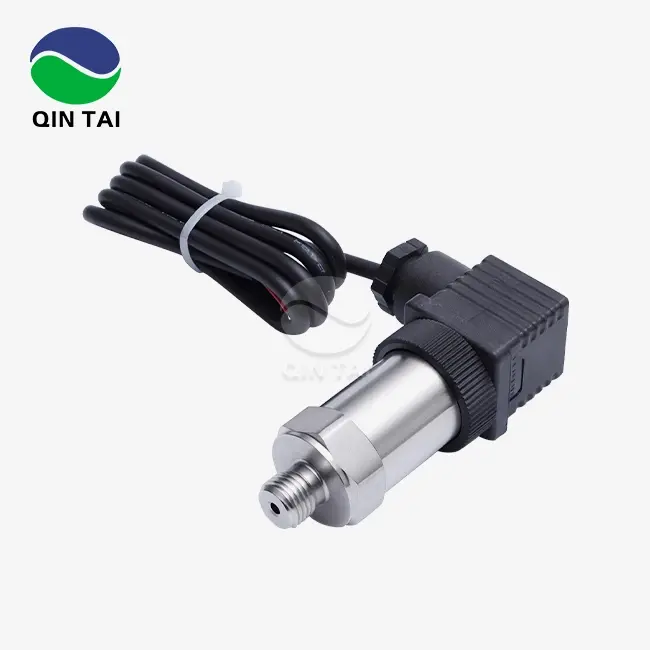

Our customers’ satisfaction speaks for our quality — contact us to experience the same reliable service.