- English
- French
- German
- Portuguese
- Spanish
- Russian
- Japanese
- Korean
- Arabic
- Greek
- German
- Turkish
- Italian
- Danish
- Romanian
- Indonesian
- Czech
- Afrikaans
- Swedish
- Polish
- Basque
- Catalan
- Esperanto
- Hindi
- Lao
- Albanian
- Amharic
- Armenian
- Azerbaijani
- Belarusian
- Bengali
- Bosnian
- Bulgarian
- Cebuano
- Chichewa
- Corsican
- Croatian
- Dutch
- Estonian
- Filipino
- Finnish
- Frisian
- Galician
- Georgian
- Gujarati
- Haitian
- Hausa
- Hawaiian
- Hebrew
- Hmong
- Hungarian
- Icelandic
- Igbo
- Javanese
- Kannada
- Kazakh
- Khmer
- Kurdish
- Kyrgyz
- Latin
- Latvian
- Lithuanian
- Luxembou..
- Macedonian
- Malagasy
- Malay
- Malayalam
- Maltese
- Maori
- Marathi
- Mongolian
- Burmese
- Nepali
- Norwegian
- Pashto
- Persian
- Punjabi
- Serbian
- Sesotho
- Sinhala
- Slovak
- Slovenian
- Somali
- Samoan
- Scots Gaelic
- Shona
- Sindhi
- Sundanese
- Swahili
- Tajik
- Tamil
- Telugu
- Thai
- Ukrainian
- Urdu
- Uzbek
- Vietnamese
- Welsh
- Xhosa
- Yiddish
- Yoruba
- Zulu
Capacitive Pressure Sensors for Battery-Powered Devices
Choosing the right pressure sensor technology is very important when making battery-powered tools for heavy-duty uses because it affects both performance and operating costs. To correctly measure changes in pressure, a capacitive pressure sensor uses changes in the electrical capacitance between two conductive plates. This technology has become very popular in diesel engine emission control systems, SCR aftertreatment devices, and industrial tracking uses because it is very sensitive, doesn't use much power, and works well in a wide range of temperatures.

Understanding Capacitive Pressure Sensors in Battery-Powered Devices
Three main parts work together to make capacitive pressure sensor work. Procurement managers and R&D workers can make better decisions when they understand how this process works.
Core Technology and Operating Mechanism
The structure of the sensor is made up of an insulating layer, a flexible cushion that acts as a moving electrode, and a fixed base electrode. The space between the electrodes changes when pressure is put on the diaphragm. The capacitance formula is C = ε₀εᵣA/d, where C is the capacitance, ε₀ is the vacuum permittivity, εᵣ is the dielectric constant, A is the electrode surface area, and d is the distance between the electrodes. If d goes down, capacitance goes up by the same amount. Specialized signal processing circuits turn this change in capacitance into electrical signs that can be measured.
Performance Advantages Over Alternative Technologies
When it comes to battery-powered situations, capacitive technology works better than piezoresistive or piezoelectric sensors. The lack of moving mechanical parts provides a longer operational lifespan, which lowers the cost of upkeep and downtime. The Model QS-P105F still has very good temperature stability, with no temperature change below 0.03% FS/°C for ranges between 2 and 50 bar and below 0.04% FS/°C for ranges between 50 and 600 bar. In diesel engine uses, where temperatures change a lot during operation, this thermal stability is very important.
Critical Specifications for Procurement Decisions
Capacitive sensors meet strict industrial standards by looking at their technical specs. The QS-P105F type has non-linearity of only 0.3% FS, which means that results are accurate across the whole pressure range. Sensitivity between 2 and 4 mV/V gives you great data quality and makes it easier to connect to your current control systems. A safety overload limit of 200% FS guards against pressure spikes that are typical in heavy truck and construction equipment use. Keeping the bridge resistance at 11±30% kΩ will make sure that the sensor works reliably for its whole life. These specs go right to the heart of what is needed to follow the pollution rules for China VI and Euro VI.
Comparison and Selection Criteria: Choosing the Right Sensor for Your Application
To choose the right detecting technology, you have to carefully compare the needs of the application with the technologies that are offered. The choice affects how well the system works, how often it needs to be maintained, and the total cost of ownership.
Technology Comparison Matrix
Capacitive pressure sensors work best in low-power situations where battery life is important for their usefulness. Their energy use is still much lower than piezoresistive options, which means that battery-powered monitoring tools can go longer between service times. Piezoresistive devices are better in places with high pressure, but they use more power and are more sensitive to temperature changes. Piezoelectric sensors can measure dynamic pressure, but not steady pressure, which limits how they can be used.
Industry-Specific Selection Parameters
Vibration resistance and electromagnetic interference protection are very important for diesel engine makers who work with big trucks. In the QS-P105F type, the ceramic diaphragm is made of 96% Al2O3 material, which makes it very durable against mechanical shock and chemical contact. Generator set makers focus on long-term stability. The complete accuracy of ≤±0.5% FS paired with minimal zero shift guarantees accurate readings for long periods of time. Aftertreatment system designers need sensors with inputs that can be changed, and the supply voltage range of 2 to 30 VDC lets different system designs work without the need for extra power conditioning circuits.
Decoding Specifications for Informed Purchasing
Knowing the specs on a datasheet keeps you from making mistakes that cost a lot of money. Ratings of sensitivity show how much the output voltage changes for every unit of source voltage change, which impacts the need for signal shaping. The 200% FS safety rating is enough to cover both regular working conditions and possible overpressure events when choosing a pressure range. Response time is an important factor in real-time control applications where quick changes in pressure must cause instant system responses, even if it is not always listed in a visible way. The operating temperature range of -40°C to 135°C makes sure that the equipment works in a wide range of conditions and installation places, from power plants in the desert to mines in the arctic.
Procuring Capacitive Pressure Sensors: A B2B Buyer's Guide
To find your way around the buying world, you need to know what suppliers can do, how to make sure they follow certification rules, and how to form partnerships. Decisions about strategic buying affect how well products are made and how reliable they are.
Supplier Evaluation and Certification Requirements
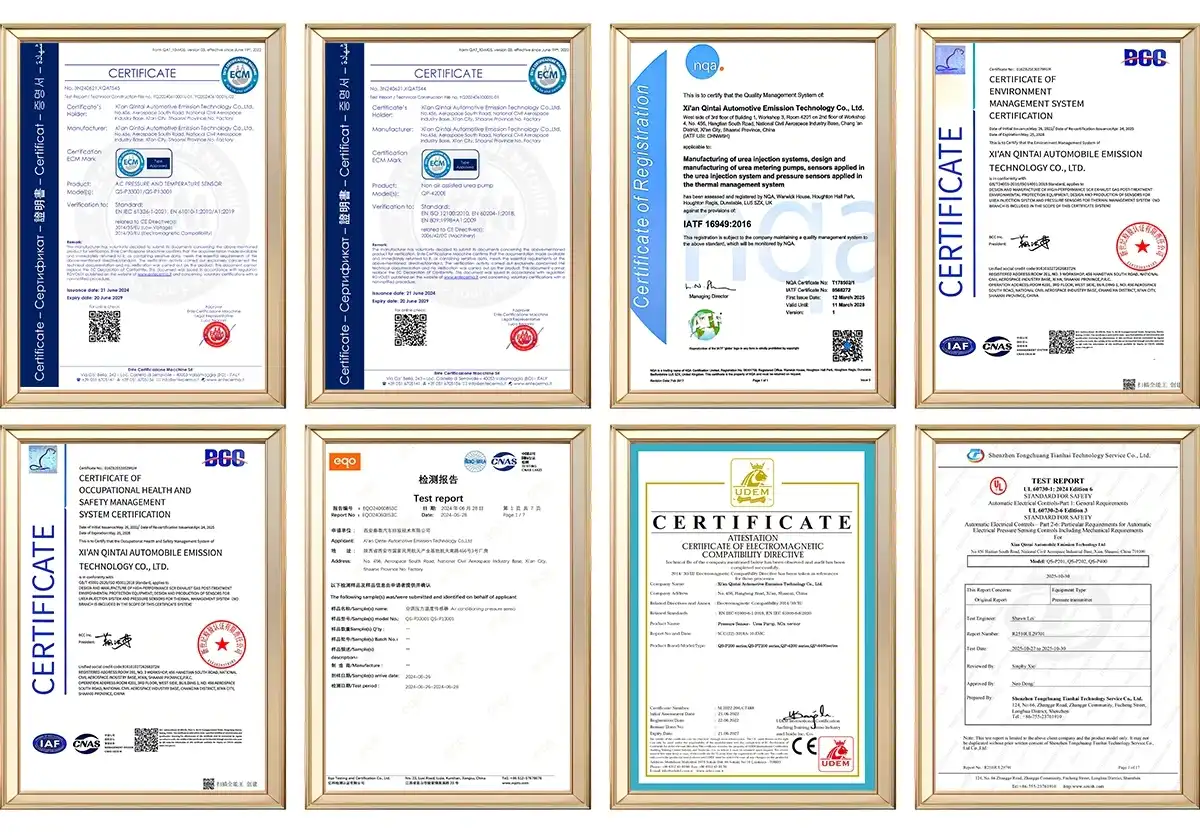
With ISO9001, IATF16949, CMC, Ex, UL, CE, REACH, and RoHS certifications, Xi'an Qintai Automotive Emission Technology Co. Ltd is a great example of full certification compliance. These certificates show that you are dedicated to quality management systems and caring for the world. China's top market place in the diesel engine aftertreatment field is held by Qintai, which is the major supplier for Weichai Power, Yuchai Power, and Quanchai Power. The business was founded in 2001 and has more than twenty years of experience developing capacitive pressure sensors for use in emission control.
Mass Production Capacity and Lead Times
Ability to produce in large quantities has a direct effect on plans for buying. Manufacturers who have a history of working with OEMs show that they can handle their supply chains well and keep quality high. Qintai's production system can handle large-scale production needs while still being able to adapt to special customer needs. Lead times depend on the number of orders and the level of tailoring needed, but reputable sellers usually have faster choices for those who need them right away. For normal models, the minimum order quantity usually goes down, but for custom setups, you may need to make a bigger commitment at the start to justify the cost of the tools.
Customization and Technical Support
Custom sensor solutions fix problems that can't be solved by standard goods in certain situations. The QS-P105F base lets you change a lot of things, like the pressure ranges (from -1/0 bar to 600 bar), the way the electrical output is set up, and how the hardware is mounted. Technical help during the merging process makes sure that sensors work well in certain system designs. When choosing long-term partners, procurement managers should look at how quick suppliers are, how knowledgeable their engineers are, and how well they can provide service after the sale.

Integrating Capacitive Pressure Sensors into Battery-Powered Devices
To integrate things well, you need to pay attention to electrical connections, power control, and protecting the environment. When implemented correctly, sensors work more accurately while keeping the system as simple as possible.
Electrical Interface and Signal Conditioning
The QS-P105F makes millivolt-level output signals that need to be amplified before they can be used by microcontrollers or data gathering systems. To keep noise interference to a minimum, bridge design outputs need differential input amplifiers with high common-mode rejection rates. A lot of new diesel engine control units have signal processing built in, which makes direct capacitive pressure sensor link easier. Setting the zero output calibration to 23℃ gives temperature compensation methods a point of reference, which improves the accuracy of measurements across all operating temperature ranges.
Power Management for Extended Battery Life
Low input voltage function from 2 to 30 VDC makes it compatible with common power systems in cars and factories. Capacitive technology's low current draw makes batteries last longer in portable tracking tools and setups for remote sensing. When added to the gadgets that are connected, sleep mode features further reduce power use when not in use. Electrical noise can't change sensor data if the power source is properly filtered. This keeps measurements accurate in places with a lot of electromagnetic noise.
Installation Best Practices and Environmental Protection
The accuracy and life of a sensor are directly affected by how it is mounted mechanically. The QS-P105F is designed to be easy to place, which cuts down on installation time and costs for workers. The right torque specs keep measurement mistakes from being caused by stress and make sure that the attachment is secure. Environmental sealing stops water from getting in, chemicals from getting out, and particles from getting inside. Heavy-duty protection against mud, dust, fertilizers, and hydraulic fluids is needed for building and farming tools. The corrosion and abrasion protection built into the sensor makes it work in these tough circumstances.
Emerging Trends in Sensor Technology
Miniaturization keeps getting better, which makes it easier to use in applications with limited area without lowering speed. IoT connection turns regular pressure monitors into networked tracking nodes that can do remote diagnostics and planned repair. Smart sensing has processing built in that does calibration, temperature correction, and troubleshooting tasks right on the device. These new ideas affect how things are bought because they make sensors more useful while also possibly making systems simpler and lowering the number of parts they need.
Conclusion
The capacitive pressure sensor technology has strong benefits for battery-powered uses in diesel engines, construction equipment, and industry machines. The QS-P105F model shows how modern materials, exact manufacturing, and thorough testing can be used to make sensors that meet strict emission compliance requirements and offer great stability and customization options. When purchasing pressure sensing solutions, people in charge of buying things should give more weight to sellers who can show that they meet certification requirements, produce large amounts of products, offer expert support, and have established relationships with OEMs. Strategic relationships with well-known makers give you access to standard goods, custom setups, and ongoing innovation that keeps you ahead of the competition as regulations change.
FAQ
Q1: How does a capacitive pressure sensor differ from a piezoresistive sensor for diesel engine applications?
A: Capacitive pressure sensors measure pressure by changing the capacitance between wires. They are more stable at high temperatures and use less power than piezoresistive sensors, which measure resistance changes in materials that are sensitive to strain. For emission control systems that need to be accurate over a long period of time and at high or low temperatures, capacitive technology gives more stable performance with less drift over the lifetime of the system.
Q2: What calibration intervals should industrial users implement for capacitive pressure sensors?
A: How often calibration is done relies on how important the product is and the conditions outside. For legal compliance, emission-critical applications may need to be checked once a year, while less demanding installations can go longer between checks every 24 to 36 months. The QS-P105F's zero shift standard of <0.2 mV/V shows that it is very stable over the long term, which could mean that calibration times are longer than with technologies that are less stable.
Q3: Can capacitive pressure sensors integrate with digital control systems in heavy trucks?
A: Modern capacitive sensors work well with digital control systems because they change millivolt outputs to methods that are standard in the industry. The source voltage range is flexible enough to work with a range of system voltages, and the analog output can still communicate with both older systems and newer digital computers by using the right interface electronics.
Partner with a Trusted Capacitive Pressure Sensor Manufacturer
With more than 20 years of experience in diesel engine emission control uses, Qintai is ready to help you with your pressure sensor needs. Our capacitive pressure sensor gives OEM makers, aftertreatment system developers, and equipment manufacturers the accuracy, dependability, and flexibility they need. With 58 idea patents, full international approvals, and long-term partnerships with top power system makers, we offer more than just parts. We also offer technical partnerships that speed up product development and make sure that regulations are followed. Our expert team knows how to meet the strict requirements of the China VI and Euro VI emission standards, and they can make solutions that are perfect for your needs. Email us at info@qt-sensor.com to talk about your pressure detecting needs, get full technical specs, or look into making a custom sensor for your specific needs. We welcome B2B partnerships with OEM companies all over the world.
References
1. Webster, J.G. (2019). The Measurement, Instrumentation and Sensors Handbook: Spatial, Mechanical, Thermal and Radiation Measurement. CRC Press.
2. Bao, M. (2020). Analysis and Design Principles of MEMS Devices. Elsevier Science.
3. Fraden, J. (2016). Handbook of Modern Sensors: Physics, Designs, and Applications. Springer International Publishing.
4. Wilson, J.S. (2018). Sensor Technology Handbook. Newnes Technical Books.
5. Pallas-Areny, R. & Webster, J.G. (2021). Sensors and Signal Conditioning. Wiley-Interscience.
6. Regtien, P.P.L. & Dertien, E. (2018). Sensors for Mechatronics: Engineering Applications and Manufacturing Technology. Elsevier.
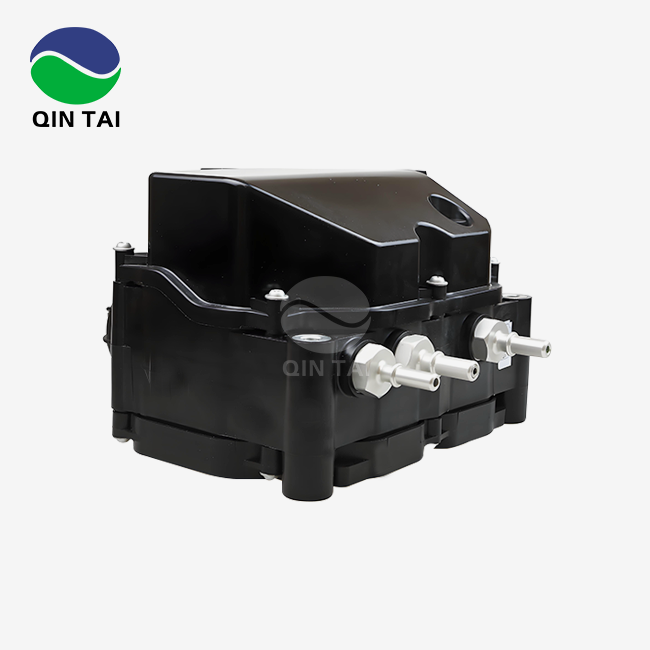
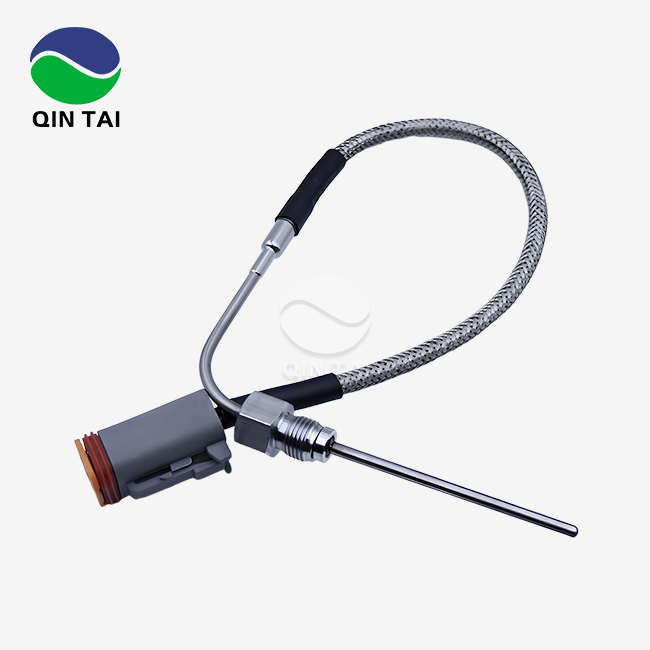
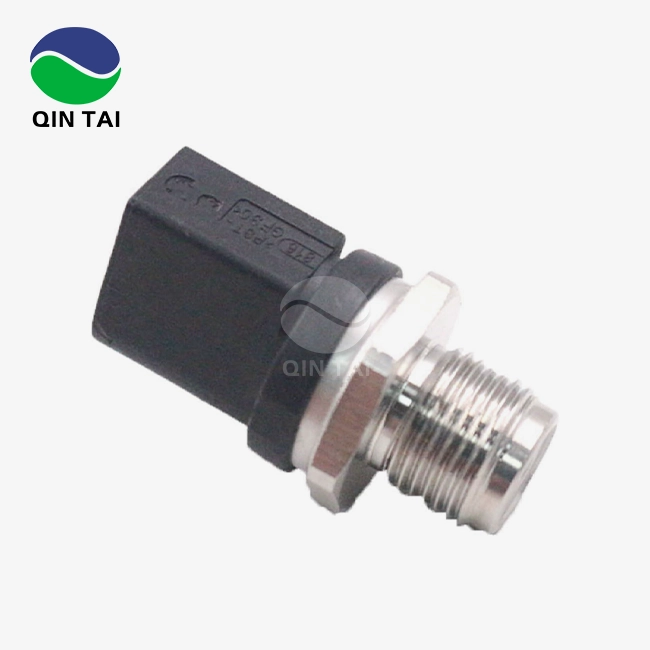

Our customers’ satisfaction speaks for our quality — contact us to experience the same reliable service.