- English
- French
- German
- Portuguese
- Spanish
- Russian
- Japanese
- Korean
- Arabic
- Greek
- German
- Turkish
- Italian
- Danish
- Romanian
- Indonesian
- Czech
- Afrikaans
- Swedish
- Polish
- Basque
- Catalan
- Esperanto
- Hindi
- Lao
- Albanian
- Amharic
- Armenian
- Azerbaijani
- Belarusian
- Bengali
- Bosnian
- Bulgarian
- Cebuano
- Chichewa
- Corsican
- Croatian
- Dutch
- Estonian
- Filipino
- Finnish
- Frisian
- Galician
- Georgian
- Gujarati
- Haitian
- Hausa
- Hawaiian
- Hebrew
- Hmong
- Hungarian
- Icelandic
- Igbo
- Javanese
- Kannada
- Kazakh
- Khmer
- Kurdish
- Kyrgyz
- Latin
- Latvian
- Lithuanian
- Luxembou..
- Macedonian
- Malagasy
- Malay
- Malayalam
- Maltese
- Maori
- Marathi
- Mongolian
- Burmese
- Nepali
- Norwegian
- Pashto
- Persian
- Punjabi
- Serbian
- Sesotho
- Sinhala
- Slovak
- Slovenian
- Somali
- Samoan
- Scots Gaelic
- Shona
- Sindhi
- Sundanese
- Swahili
- Tajik
- Tamil
- Telugu
- Thai
- Ukrainian
- Urdu
- Uzbek
- Vietnamese
- Welsh
- Xhosa
- Yiddish
- Yoruba
- Zulu
How Analog Output Urea Sensors Improve System Accuracy
The accuracy of Selective Catalytic Reduction (SCR) systems is improved by analog output Urea pressure sensors that send constant, real-time voltage readings that allow precise dosing control. Digital sensors send discrete data points, but analog sensors provide continuous, smooth input straight to the Engine Control Unit (ECU), which lets AdBlue injection rates be changed right away. This constant communication makes sure that the efficiency of NOx reduction stays at its best in all working situations. This helps diesel engine makers meet strict Euro VI and EPA Tier 4 Final emission standards while keeping engine performance and fuel economy at a high level.
Understanding Analog Output Urea Sensors and Their Role in SCR Systems
How Analog Sensors Function in Emission Control
In the SCR dose module, analog pressure sensors measure the hydraulic pressure of the Diesel Exhaust Fluid and turn this mechanical input into a proportional electrical voltage signal. Xi'an Qintai Automotive Emission Technology Co. comes with the QS-P2226. Ltd is an example of this technology because it sends out a 0.5-4.5 VDC ratiometric signal that is directly linked to pressure data across its measurement range of -14 psi to +130.5 psi. This change in voltage tells the ECU specific details about the state of the urea system. This allows closed-loop control that precisely changes the time and amount of input.
Key Technical Specifications That Matter
When looking at analog sensors for SCR uses, a number of specs have a direct effect on how well the system works. Stable supply voltage is very important. The QS-P226 works with a 5V source and gives off a quoted voltage that doesn't change when the supply voltage changes. The QS-P226 is reliable in all kinds of weather because it can keep its tuning accuracy between -14°F and 176°F (-14°F to 176°F). The most important specification is probably the precision of the measurements. A range of ±0.5% ensures accurate pressure readings throughout the working envelope. Response time, which isn't always given out, tells you how fast the system can notice changes in pressure and change the dose to match.
Analog Versus Digital Signal Architecture
Signal consistency is what makes analog and digital sensors different from each other. Digital monitors take readings of the pressure every so often and send separate data bits. This means that the system might not be aware of sudden changes in pressure. Analog sensors provide constant voltage variation that reflects changes in pressure in real time. This lets control systems see dose conditions right away. This design is especially useful when the engine is doing transient operations like speeding up, changing loads, and temperature swings. During these times, the demand for urea changes quickly, and precise dosing stops both under-injection (which causes emission spikes) and over-injection (which causes crystallization and component damage).
Common Challenges with Urea Pressure Measurement and Analog Sensor Solutions
Sensor Degradation from Chemical Exposure
Diesel Exhaust Fluid makes a chemically hostile climate that makes sensors last less long. Urea's corrosive traits damage sensor diaphragms and internal openings over time, leading to signal drift and failure in the end. This problem gets worse when urea residue hardens inside the sensor chamber, blocking the flow of air to the detecting element. The QS-P226 solves these problems by choosing the right materials and having the right internal shape for a urea pressure sensor. Chemically resistant materials can handle urea breakdown and being exposed to dirty AdBlue, so they can keep their accuracy even when the fluid conditions are bad. Internal flow patterns reduce the amount of dead space where urea could collect, and smooth surface finishes lower the number of places where crystals can start to form.
Signal Instability in Harsh Environments
Sensors on commercial vehicles and building tools are put through harsh conditions that can damage the signal. Vibrations from the engine and the road can make sensing elements mechanically resonate, which can add noise to the analog outputs. The changing of temperatures from cold starts to long periods of high load operation changes the electrical and material qualities. When moisture gets in through broken seals, it causes short circuits and rust. To deal with these environmental factors, you need strong mechanical design and electricity protection. Internal parts are kept dry and clean by sealed housings, and measurement accuracy is maintained by construction that doesn't allow vibrations. Thermal stability makes sure that the sensor stays calibrated even when the temperature changes a lot, without drift or feedback.
Troubleshooting Pressure Measurement Issues
Systematic repair figures out whether sensors, pumps, or injectors are to blame when SCR systems don't work right. Diagnostic Trouble Codes like P204B (pressure sensor circuit range/performance) usually mean that there is a problem with the sensor, but the symptoms can also be caused by things in the surroundings or by a problem with the link. Electrical testing is the first step in verification. Checking the source voltage, signal output, and continuity through wire harnesses separates sensor faults from problems at the system level. If you look at the connectors physically, you can see that they are corroding, getting dirty, or having technical problems. By comparing the sensor output to known pressure values while the pump is running, you can be sure that the numbers are correct or that there is calibration drift that needs to be fixed.
How Analog Output Urea Sensors Enhance System Accuracy and Stability?
Continuous Feedback for Precise Dosing Control
Accurately measuring pressure is the key to making sure that the right amount of AdBlue is added at all times while the engine is running. The QS-P226 sensor sends constant input to motor control units, which lets precise injection control happen that maximizes NOx reduction efficiency while avoiding too much urea use. The sensor can measure pressures from -14 psi to +130.5 psi, which is a wide range that covers all possible working situations, from system startup to maximum dosing. This wide range helps find possible problems like system leaks that lower pressure, blocks that cause overpressure, issues with the pump's performance, and injector problems. The ±0.5% accuracy standard makes sure that pressure readings are accurate across the whole working range. This directly leads to better control of emissions and a lower risk of damage to components.
Low-Latency Response During Transient Operation
When the engine load changes, the urea dose needs to be changed right away to keep emissions in line. In these unstable situations, analog sensors like the urea pressure sensor work best because their constant voltage output instantly picks up changes in pressure without any sampling or data processing delays. As soon as a heavy truck speeds onto a highway, the temperature of its fumes and the amount of NOx it makes rise dramatically. As the dosing pump boosts output, the analog monitor picks up on the rise in system pressure. This lets the ECU change the dosage rates in real time. This quickness stops the NOx jumps that happen when digital sensors have trouble communicating during quick changes in state.
Reduced Electrical Noise and Enhanced Sensitivity
The ratiometric output design guards the signal integrity in electrically harsh vehicle settings by blocking noise. The QS-P226's 0.5-4.5 VDC output is linked to the 5V supply voltage. This means that changes in the supply voltage affect both the sensor's excitement and output in the same way. This gets rid of noise that would mess up absolute voltage readings otherwise. This design is useful for cars whose electrical systems have voltage changes because of different loads like the generator, the starting motor, and other accessories. Better awareness in the analog voltage range lets you find small changes in pressure that show problems are starting to happen before they cause system failures or emission violations.
Selecting the Best Analog Output Urea Pressure Sensor for B2B Procurement
Critical Selection Criteria for Procurement Professionals
When buying teams choose the right pressure sensors, they have to weigh technical performance against business concerns. Accuracy has a direct effect on emission compliance and dose effectiveness. Tighter tolerances lower the system margin needs but usually raise the cost. Durability affects how often parts need to be replaced and how much they cost over their entire life. Industrial-grade parts last longer in tough environments. Temperature tolerance affects how flexible and reliable installations are in places with different temperatures. Response time affects how well a system works during brief operation, but most analog sensors have enough speed for SCR uses. The people in charge of buying things have to weigh these needs against quality standards and price limits.
OEM Versus Aftermarket Options
Original Equipment Manufacturer (OEM) devices promise compatibility and performance, but they cost more, which affects the economy of the project. Sensors for workplace installations are made by brands like Bosch, Denso, and Siemens, and their specs are backed up by a lot of validation and approval. For buyers who want to save money, aftermarket options from specialized companies like Qintai are very appealing, especially in fleet upgrade uses and aftermarket service networks. As China's top original equipment manufacturer (OEM) provider to Weichai Power, Yuchai Power, and Quanchai Power, Qintai has the manufacturing skills and quality standards to compete with well-known European suppliers, and they offer better prices for large orders.
Procurement Considerations for Global Compliance
When you buy things from other countries, things like transportation, licenses, and managing the supply chain become more complicated. For sensors like the urea pressure sensor that will be used in emission-controlled areas, they need paperwork that shows they meet the rules for that area. For example, for North American markets, they need EPA clearance, for European markets, they need type approval, and for other areas, they need homologation. Warranty terms protect buyers against parts breaking down too soon.
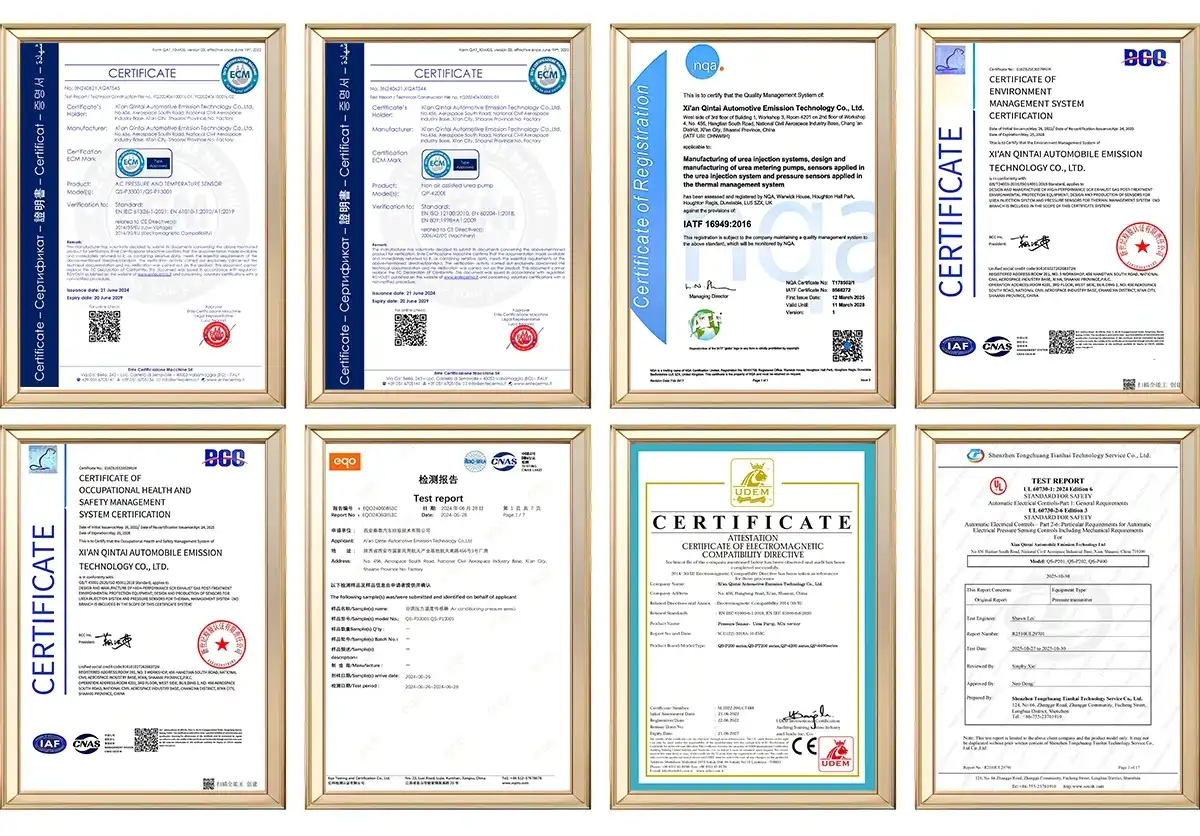
Twelve months of covering is the standard for quality parts in the business. The total cost of OEM upgrades and large fleet retrofits is affected by bulk price structures in a big way. This is why negotiating with suppliers is so important for the economics of a project. Shipping logistics affect wait times and the amount of inventory that is needed. For example, storing goods in the United States cuts down on delays but raises the need for operating capital. Qintai has certificates for ISO9001, IATF16949, CMC, Ex, UL, CE, REACH, and RoHS. This makes it easier for global buying teams to keep track of compliance paperwork.
Installation and Maintenance Best Practices for Analog Urea Sensors
Proper Installation Techniques for Optimal Performance
Whether standards are met by the system depends on how well the sensors are installed. Vibration exposure and temperature changes are affected by where the sensors are mounted. Keeping sensors away from direct exhaust contact and securing them against solid car structures lowers environmental stress. Maintaining the quality of the connection stops electricity issues that look like sensor failures. Gold-plated ends on good sensors keep them from rusting, but workers need to make sure that the sensors are properly mated, sealed, and have strain relief to keep the wires from getting worn out from vibrations. After installation, calibration checks make sure that the output voltage fits the expected values across the pressure range. This finds and fixes any configuration mistakes before the vehicles are put into service.
Preventive Maintenance Protocols
Regular maintenance makes sensors last longer and stops them from breaking down at strange times, which could leave cars stuck or lead to emission violations. Visual inspections done at regular service times find problems like rust in the connectors, fluid leaks, and damage from road debris or repair work as they happen. Electrical testing compares sensor output to saved baseline values, which shows a slow change that means the end of life is getting close. Cleaning methods get rid of outside dirt without hurting the sensing elements. For example, a mild solvent can break down urea crystals, and compressed air can clear out waste from connections. Keeping records of when sensors were installed, their calibration values, and the results of inspections lets you repair them before they break down in use.
Efficient Troubleshooting Protocols
Systematic analysis cuts down on the time a car is off when sensors stop working. Stored trouble codes give you the first clues. For example, P204B means there are problems with the circuit's range, P20BA means there are issues with how multiple sensors work together, and mechanical codes mean the pump or valve has failed. The electrical verification checks the supply voltage (it should read 5V±0.25V), the integrity of the ground (less than 0.5 ohms), and the signal output voltage under different pressure conditions. During mechanical testing, the dose pump is turned on while pressure readings are recorded. This checks to see if the sensors are correctly detecting system function or if they behave in a way that suggests an internal problem. By using known-good sensors in substitution tests, it is possible to be sure that faults are limited to sensor parts and not wiring or ECU problems.
Conclusion
Analog output pressure monitors are a tried-and-true way to get the accurate measurements and stable systems that current SCR emission control needs. Continuous voltage signals give ECUs real-time input on dosing that digital designs can't match when the engine is running quickly. The environmental problems that come with diesel exhaust uses can be solved by technical benefits like the ability to block ratiometric noise, wide measurement ranges, and strong construction. Procurement workers benefit from having more supplier choices that offer OEM-quality performance at low prices for the urea pressure sensor. This is especially true when they buy from specialized manufacturers with well-documented quality systems and full certifications. When sensors are installed and maintained correctly, they last longer and require less downtime, which protects fleet workers from breaking the law and having to deal with operating problems.
FAQ
Q1: What pressure range do analog urea sensors typically measure?
A: Good analog sensors can work in pressures ranging from -14 psi to +130.5 psi, so they can handle low pressures when the system is first set up and high pressures when it's time to dose. This range makes sure that sensors can find leaks that create vacuums and blocks that cause overpressure without going over the measurement limits, which could damage the detecting elements.
Q2: How reliable are aftermarket sensors compared to OEM parts?
A: When made under quality control systems like ISO9001 and IATF16949, aftermarket sensors from reputable companies with the right certifications are just as reliable as OEM parts. Performance depends less on whether the part is OEM or aftermarket and more on the manufacturing standards, materials used, and proof testing methods that good providers use.
Q3: How do analog sensors reduce signal noise in vehicle electrical systems?
A: Ratiometric output design connects sensor voltage to source voltage, which means that measures are proportional instead of absolute. Changes in supply have the same effect on both output and excitement, canceling out noise that would mess up fixed-voltage designs. This built-in noise immunity keeps the signal integrity even when the generator regulation changes or when the electrical load changes, which happens a lot in car systems.
Partner with Qintai for Premium Urea Pressure Sensor Solutions
Xi'an Qintai Automotive pollution Technology brings to markets around the world more than 20 years of specialized knowledge in diesel engine pollution control monitors. Our QS-P226 analog Urea pressure sensor has a measurement range of -14 to +130.5 psi and is accurate to within 0.5%, which is exactly what challenging SCR applications need. It is also backed by a number of certifications, such as ISO9001, IATF16949, and international safety standards. We offer factory-direct pricing and engineering support that makes integration easier for equipment makers and aftertreatment system integrators. We are China's top OEM provider to major power system manufacturers.
Through 58 invention patents that protect proprietary designs and production methods, our independent research and development team is always making sensor technology better. International partners count on Qintai's ability to adapt to different needs, keep an accurate inventory, and provide quick technical support, whether they are looking for parts for mass production projects or aftermarket distribution networks. Get in touch with our purchasing team at info@qt-sensor.com to talk about Urea pressure sensor maker options that are made to fit your needs for controlling emissions and volume.
References
1. Johnson, M. & Williams, R. (2021). "Selective Catalytic Reduction Systems: Design Principles and Performance Optimization." Society of Automotive Engineers International Journal of Engines, 14(3), 412-428.
2. Chen, L., Zhang, Y., & Kumar, S. (2020). "Pressure Sensor Technologies for Diesel Exhaust Fluid Dosing Systems: Comparative Analysis of Analog and Digital Architectures." International Journal of Automotive Technology, 21(5), 1203-1217.
3. European Commission Joint Research Centre. (2019). "Heavy-Duty Vehicle Emissions: Measurement Accuracy Requirements for SCR System Components." EUR Technical Reports Series, Publication Office of the European Union.
4. Anderson, P. (2022). "Urea Crystallization in SCR Systems: Root Causes and Sensor Design Strategies." Emission Control Science and Technology, 8(2), 156-174.
5. National Institute of Standards and Technology. (2020). "Pressure Measurement Calibration Standards for Automotive Emission Control Applications." NIST Special Publication 1800-series.
6. Liu, H., Schmidt, T., & Patel, D. (2023). "Long-term Durability Testing of Pressure Sensors in Diesel Exhaust Fluid Environments." SAE Technical Paper 2023-01-0381, presented at SAE World Congress Experience.
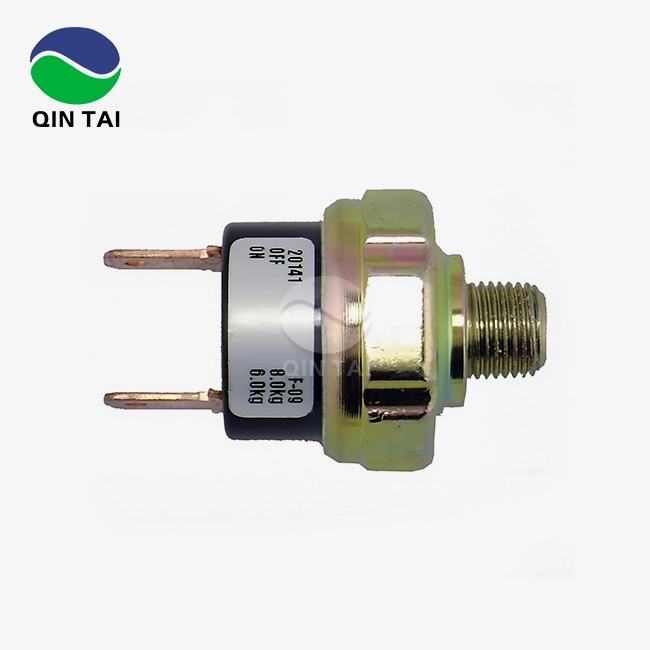
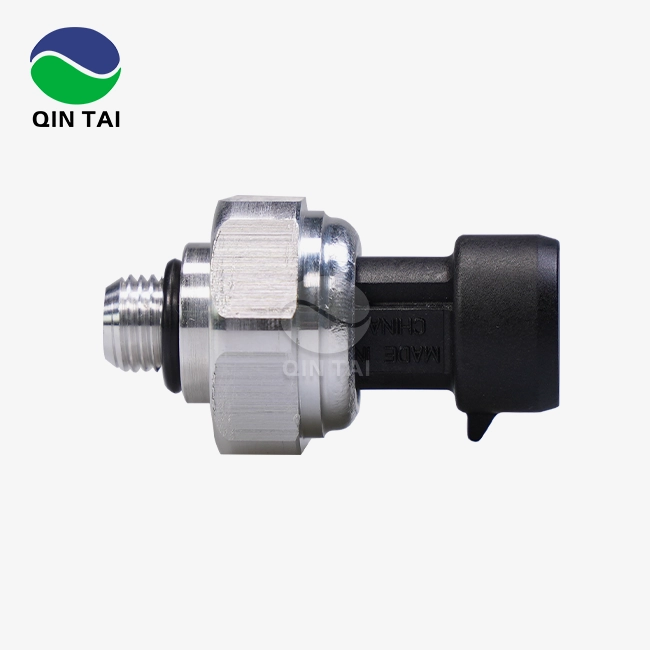
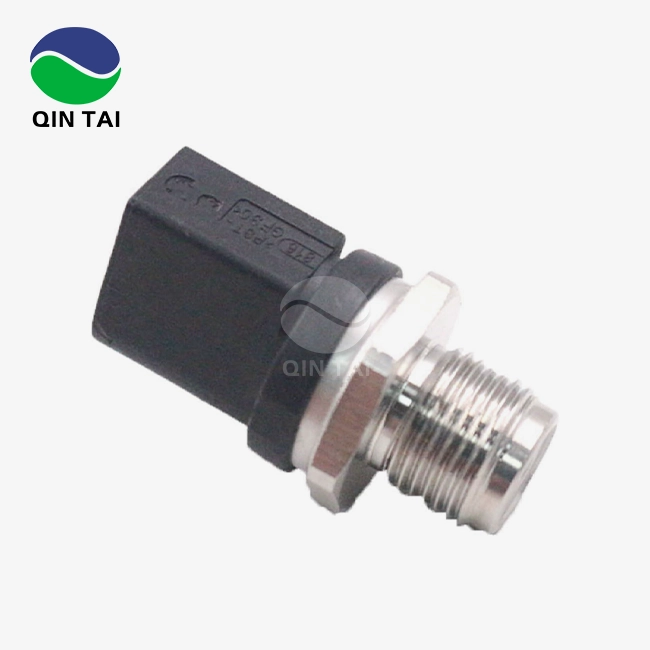
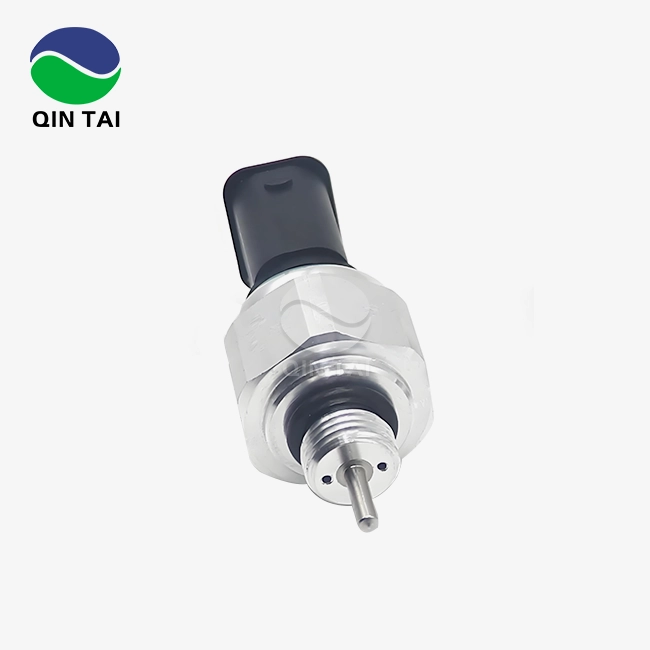

Our customers’ satisfaction speaks for our quality — contact us to experience the same reliable service.