- English
- French
- German
- Portuguese
- Spanish
- Russian
- Japanese
- Korean
- Arabic
- Greek
- German
- Turkish
- Italian
- Danish
- Romanian
- Indonesian
- Czech
- Afrikaans
- Swedish
- Polish
- Basque
- Catalan
- Esperanto
- Hindi
- Lao
- Albanian
- Amharic
- Armenian
- Azerbaijani
- Belarusian
- Bengali
- Bosnian
- Bulgarian
- Cebuano
- Chichewa
- Corsican
- Croatian
- Dutch
- Estonian
- Filipino
- Finnish
- Frisian
- Galician
- Georgian
- Gujarati
- Haitian
- Hausa
- Hawaiian
- Hebrew
- Hmong
- Hungarian
- Icelandic
- Igbo
- Javanese
- Kannada
- Kazakh
- Khmer
- Kurdish
- Kyrgyz
- Latin
- Latvian
- Lithuanian
- Luxembou..
- Macedonian
- Malagasy
- Malay
- Malayalam
- Maltese
- Maori
- Marathi
- Mongolian
- Burmese
- Nepali
- Norwegian
- Pashto
- Persian
- Punjabi
- Serbian
- Sesotho
- Sinhala
- Slovak
- Slovenian
- Somali
- Samoan
- Scots Gaelic
- Shona
- Sindhi
- Sundanese
- Swahili
- Tajik
- Tamil
- Telugu
- Thai
- Ukrainian
- Urdu
- Uzbek
- Vietnamese
- Welsh
- Xhosa
- Yiddish
- Yoruba
- Zulu
Where to Buy High Quality NOx Sensors in Bulk
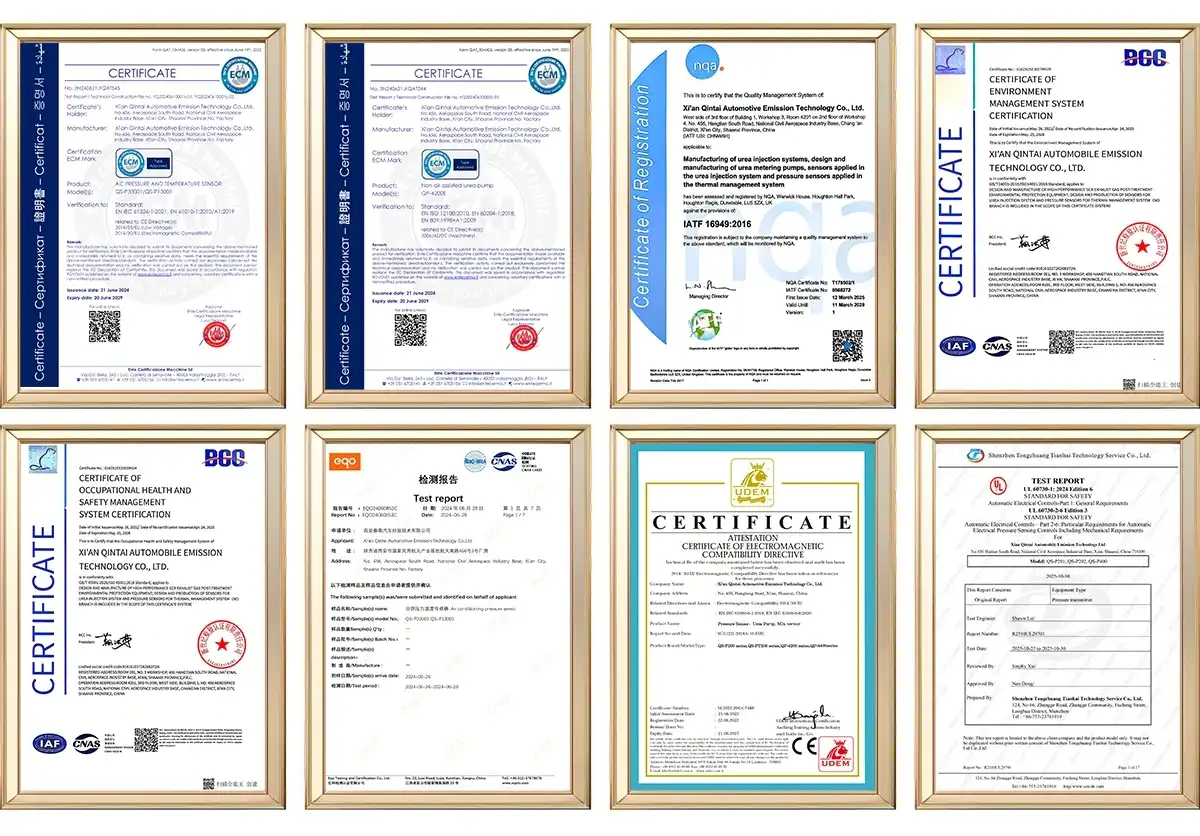
Procurement managers and technical experts should look for manufacturers with a track record in emission control technology when they are looking for trusted places to buy a lot of high-quality NOx sensors. To work directly with expert providers such as Xi'an Qintai Automotive Emission Technology Co. Ltd, a well-known company that has ISO9001 and IATF16949 licenses, makes sure that strict emission rules like China VI and Euro VI standards are followed. The best ways to buy things have reasonable prices, technical help, proof of certification, and the ability to make a lot of them. When heavy truck makers, construction equipment OEMs, and aftertreatment system integrators look for a NOx sensor provider, they need to find one that is both cost-effective and reliable, with the potential for a long-term relationship.

Understanding NOx Sensors: Function, Types, and Key Features
For modern pollution control to work, the amounts of nitrogen oxide in exhaust systems must be carefully watched. A NOx sensor is the troubleshooting tool that measures these pollutants, which helps engines meet the stricter environmental rules in North America and around the world.
How NOx Sensors Operate in Emission Systems?
NOx sensors work by conducting oxygen ions using yttria-stabilized zirconia ceramic parts. The sensor has three important parts: an oxygen pump cell that controls the amount of oxygen in the air, a sense cell that measures the amount of nitrogen oxide by breaking it down into nitrogen and oxygen ions using catalysis, and a monitor cell that makes sure the measurements are correct. The oxygen pump sets the amount of oxygen in the first chamber to a certain level when exhaust fumes arrive. The gas then moves into the detecting box, where NOx breaks down. This creates an electric current that is related to the amount of pollution. This electrochemical process sends data to the engine control module in real time, which lets the Diesel Exhaust Fluid input rates be changed right away.
Distinguishing NOx Sensors from O2 Sensors
Both devices look like they are built similarly, but they do very different things. Oxygen monitors measure only the amount of oxygen in exhaust streams to find the best air-fuel ratios for burning. NOx sensors are designed to find nitrogen oxide chemicals and only give data to selective catalytic reduction systems. Heavy-duty diesel engines usually have a sensor near the turbocharger that measures the raw pollution from the engine and another sensor that checks the treatment's efficiency after the SCR catalyst. This setup of two sensors makes a feedback loop that keeps engines in line with EPA rules and keeps their performance from dropping.
Sensor Types and Compatibility Considerations
The heavy-duty market is dominated by electrochemical sensors because they are accurate over a wide range of temperatures and don't get messed up by exhaust contaminants. These sensors work well in temperatures ranging from -40°C to 800°C, which means they can be used in building equipment that works in harsh conditions. Procurement teams should compare sensor specs to engine platforms from Cummins, Caterpillar, and other big makers to see if they are compatible. To avoid problems during installation, the thread configurations (usually M20x1.5), connector types, and communication methods must all be compatible with the engine control systems that are already in place.

Key Considerations When Buying NOx Sensors in Bulk
When buying a lot of sensors, you need to carefully consider a lot of technical and business factors that have an immediate effect on how well the fleet works and how much it costs to run.
OEM Versus Aftermarket Quality Standards
Original equipment maker sensors go through a lot of testing to make sure they work well with certain engine platforms. This makes sure they fit in perfectly and protects the guarantee. Aftermarket options for the NOx sensor can save you a lot of money, especially on older sets of equipment, but quality varies a lot from one provider to the next. Through reverse engineering and independent testing procedures, high-quality aftermarket sensors from authorized makers can match the performance of OEM sensors. Purchasing managers should ask for proof of approval, such as ISO9001 quality management validation and IATF16949 compliance with vehicle quality standards. Sensors that meet these standards show that they were made consistently and reliably, just like the original parts.
Technical Parameters That Matter Most
Specifications for measurement range and accuracy tell you which sensors are best for which jobs. For industrial generator sets that run all the time, they need monitors that can measure between 0 and 2500 parts per million and have an accurate range of ±10ppm at low concentrations and ±15% at mid-range levels. Response time affects how well an emission control system works. Sensors with response times below 1400 milliseconds let SCR systems adjust quickly when the load changes or when the engine speeds up. Light-off time, which is how long it takes for sensors to wake up from a cold start, should stay below 165 seconds to keep uncontrollable emissions to a minimum during warmup times. These factors directly affect how well operations run and how well regulations are followed.
Evaluating Supplier Capabilities for Mass Production
Buyers who buy in bulk need sellers whose quality can be maintained over long production runs. To keep supplies from running out, manufacturing sites should show they can use statistical process control and keep a buffer store on hand. When making plans for production schedules or dealing with changes in regular demand, lead time promises become very important. Technical support infrastructure is what sets good sellers apart from those that just sell parts. Engineering teams value partners who can help them with application issues, fixing, and custom testing services for specific equipment.
Where to Source High Quality NOx Sensors: Trusted Suppliers and Platforms
Figuring out which providers to trust means knowing the pros and cons of the different ways that business buyers can buy things.
Direct Manufacturer Relationships
For big buyers, working directly with sensor makers has a number of benefits. Xi'an Qintai Automotive Emission Technology Co. Ltd is a great example of this type of company because it has 20 years of experience controlling diesel emissions and a wide range of certifications, such as UL, CE, REACH, and RoHS compliance. Direct relationships with manufacturers give you access to technical tools that can help you make custom sensor configurations, such as changing the length of the cables, using different connectors, and making your own communication protocols. When companies buy sensors for more than one piece of equipment, they can get better expert help and the same high quality standards for all of their products.
Authorized Distributor Networks
Distributors that work with building and farming equipment often have sensors that can be used with a variety of engine families. This makes it easier for repair teams to buy the right parts for a variety of groups. These middle-men offer localized inventory, which cuts down on shipping times and makes operations easier for dealerships and service shops. However, markups on distribution prices make each item more expensive than buying directly from the maker. This means that this route is better for smaller orders or pressing replacement needs than for planning to buy a lot of items at once for production lines.
Verification Strategies for Supplier Credibility
It is very dangerous to buy fake sensors in the aftermarket because they could damage the engine and break the law. Buyers should ask for certifications from the manufacturing site, test results that show performance standards, and customer examples from well-known OEMs for the NOx sensor. Suppliers who have signed contracts to be key suppliers to big engine makers like Weichai Power or Yuchai Power have shown that they can produce high-quality goods. Patent portfolios show real investment in research and development. For example, companies with multiple design patents for sensor technology show they are committed to new ideas rather than just copying parts.
Common NOx Sensor Issues and How Proper Sourcing Can Prevent Them
When procurement teams know how common sensor breakdowns happen, they can better understand the value of high-end parts and avoid costly business disruptions.
Contamination and Poisoning Failures
Diesel exhaust has sulfur chemicals and metal contaminants that break down sensing elements over time. Lead and sulfide poisoning happen when these chemicals cover clay sensor surfaces, making them less accurate and taking longer to respond. Low-quality sensors don't have safe coatings or strong sealing designs, so they break down quickly in settings with a lot of sulfur in the fuel. Premium sensors are more resistant to poisoning because they use special electrode materials and better exhaust gas filters inside the sensor case. Longer service life of up to 6000 hours, which is much longer than the usual 3000 hours, means that parts don't need to be replaced as often and upkeep costs are lower across the whole fleet.
Electrical and Connection Failures
When mobile equipment is used, vibration puts stress on the electrical links and internal wires. Sensors that aren't properly sealed let water in, which can lead to short circuits and data loss. Connectors that are waterproof and have an IP67 grade or higher protect against the rough conditions that are common in building and farming. Cable temperature values must be higher than the temperatures in the exhaust system. Quality sensors define cable operation from -40°C to 200°C, which keeps the insulation from breaking down during very cold starts in the winter or long periods of high load operation.
Preventive Maintenance Through Quality Selection
The cost of maintenance for years to come is based on the decisions made during the original purchase process. Stable signal output from sensors cuts down on fake problem codes that cause service calls that aren't necessary. By cutting down on light-off times and fast starting technology, long periods of heavy DEF injection that can damage SCR catalysts are avoided. Engineering teams say that buying sensors that have been shown to last longer lowers the total cost of ownership, even if they cost more at first. This is because in industrial settings, replacement work and equipment breaks usually cost more than the cost of the parts themselves.
Bulk Buying Strategies and Cost Optimization for NOx Sensors
Strategic buying practices make the best use of the budget while keeping quality standards high enough for NOx sensors to work reliably.
Negotiating Volume Purchase Agreements
Setting up yearly supply contracts with agreed-upon volume levels lets you access better price levels and keeps unit costs stable when the market changes. Manufacturers usually give discounts of 15–25% for sales over 500 units, and they give even bigger discounts for long-term agreements. Changing payment terms from standard 30 days to 60 or 90 days makes it easier for equipment makers to handle their cash flow during seasonal production cycles. Price protection terms in contracts should stop price rises in the middle of the term, and minimum stock levels should be guaranteed for just-in-time delivery needs.
In addition to saving money right away, long-term ties with suppliers have these strategic benefits:
- Technical collaboration opportunities: Partners ready to work together to create custom solutions for specific needs give businesses that sell specialized tools a competitive edge by allowing them to stand out through better emission control performance.
- Priority allocation during shortages: Long-term customers get special treatment when global supply chains are affected by shortages of parts. This keeps production going while competitors have to wait.
- Product roadmap visibility: Getting early access to next-generation sensor technologies lets equipment makers add advanced features to new product platforms before they hit the market.
These benefits of working together make operations more stable and help with new projects that lead to long-term business growth in competitive industries.
Custom Packaging and Logistics Optimization
Sensors that are shipped in bulk need to be protected so that they don't get damaged during foreign shipping and storage in a building. Custom foam inserts, moisture barrier bags with desiccants, and outer cases that can withstand contact protect fragile electronic and ceramic parts. Freight costs go down when packages are combined, but procurement teams have to weigh the saves against the costs of keeping inventory and the amount of space that can be used for storage. Suppliers with vendor-managed inventory programs keep track of how much stock customers use and restock automatically, so customers don't have to worry about placing orders and inventory levels are kept at the best level.
Conclusion
To get high-quality NOx sensors by buying in bulk, you have to balance a lot of different goals, such as meeting legal requirements, making sure the sensors work well, keeping costs low, and making sure you can rely on the supply. Strategies that work combine carefully evaluating suppliers with building long-term relationships with them, giving priority to partners who can show they are good at making, have all the necessary certifications, and offer quick technical support. When you buy high-quality sensors that have a long life, respond quickly, and are resistant to contamination, you get a clear return on your investment. This is because you need less maintenance and your equipment fleets will always meet emission standards in demanding industrial settings.
FAQ
Q1: How can I verify NOx sensor authenticity when purchasing in bulk?
A: Ask for a lot of paperwork, like ISO9001 and IATF16949 certificates, performance test reports that show measurements are accurate across the given range, and records that show how goods can be traced back to approved production batches. Reliable suppliers let you inspect the plant without any problems and keep records of their quality control processes. Most fake goods don't have all of their licensing paperwork, and they can't show proof of where they came from being made or customer references from well-known OEMs in the heavy-duty equipment sector.
Q2: What lifespan should I expect from industrial-grade NOx sensors?
A: Premium sensors made for heavy-duty uses have operating lifetimes that can reach 6000 hours under normal conditions, which is a lot longer than the usual 3000 hours rates used in car applications. The actual service life relies on things like the quality of the fuel, how often the exhaust temperature changes, and how much pollution is present. Continuously operating at high temperatures or using fuels high in sulfur may speed up the degrading process. This highlights how important it is to choose sensors with better resistance to poisoning and strong thermal management abilities.
Q3: Are aftermarket sensors reliable for critical applications?
A: When you buy quality aftermarket sensors from certified companies with proven technical skills, they work just as well as OEM parts and are reliable. The most important difference is not just aftermarket classification, but also source trustworthiness. Genuine technical ability is shown by companies that have multiple invention patents, work as key suppliers for major engine manufacturers, and keep up with a wide range of quality certifications. Instead of completely ruling out aftermarket options, procurement teams should look at each supplier's qualifications and performance history. This way of thinking limits chances to find the best prices and sources without being necessary.
Partner with Qintai for Your Bulk NOx Sensor Requirements
Xi'an Qintai Automotive Emission Technology Co. Ltd provides tested sensor solutions that meet the strict needs of North American diesel engine makers, aftertreatment system installers, and industrial equipment users. We have been the best at building and making things for 20 years, which is why we are the main seller of NOx sensors to China's biggest engine makers. We offer unique solutions to meet the needs of particular applications thanks to our 58 idea patents, many foreign certifications, and ability to change connectors, cable configurations, and communication methods. Talk to our technical team at info@qt-sensor.com about your volume needs and find out how our high-quality sensors, low bulk prices, and quick technical help can improve the efficiency of your emission control system.
References
1. Society of Automotive Engineers. "Nitrogen Oxide Sensor Technology for Heavy-Duty Diesel Emission Control Systems." SAE International Journal of Engines, 2022.
2. Environmental Protection Agency. "Heavy-Duty Onboard Diagnostics: Regulatory Requirements and NOx Monitoring Technologies." EPA Technical Report, 2021.
3. International Council on Clean Transportation. "Real-World NOx Sensor Performance in Commercial Vehicle Applications: A Comparative Analysis." ICCT White Paper, 2023.
4. American Trucking Associations Technology & Maintenance Council. "Best Practices for NOx Sensor Procurement and Fleet Maintenance." TMC Recommended Practice Guidelines, 2023.
5. Journal of Emission Control Science and Technology. "Durability Testing and Failure Mode Analysis of Diesel Engine NOx Sensors." Springer Publishing, 2022.
6. National Institute of Standards and Technology. "Calibration Standards and Accuracy Requirements for Automotive NOx Measurement Systems." NIST Technical Publication, 2021.

Our customers’ satisfaction speaks for our quality — contact us to experience the same reliable service.