- English
- French
- German
- Portuguese
- Spanish
- Russian
- Japanese
- Korean
- Arabic
- Greek
- German
- Turkish
- Italian
- Danish
- Romanian
- Indonesian
- Czech
- Afrikaans
- Swedish
- Polish
- Basque
- Catalan
- Esperanto
- Hindi
- Lao
- Albanian
- Amharic
- Armenian
- Azerbaijani
- Belarusian
- Bengali
- Bosnian
- Bulgarian
- Cebuano
- Chichewa
- Corsican
- Croatian
- Dutch
- Estonian
- Filipino
- Finnish
- Frisian
- Galician
- Georgian
- Gujarati
- Haitian
- Hausa
- Hawaiian
- Hebrew
- Hmong
- Hungarian
- Icelandic
- Igbo
- Javanese
- Kannada
- Kazakh
- Khmer
- Kurdish
- Kyrgyz
- Latin
- Latvian
- Lithuanian
- Luxembou..
- Macedonian
- Malagasy
- Malay
- Malayalam
- Maltese
- Maori
- Marathi
- Mongolian
- Burmese
- Nepali
- Norwegian
- Pashto
- Persian
- Punjabi
- Serbian
- Sesotho
- Sinhala
- Slovak
- Slovenian
- Somali
- Samoan
- Scots Gaelic
- Shona
- Sindhi
- Sundanese
- Swahili
- Tajik
- Tamil
- Telugu
- Thai
- Ukrainian
- Urdu
- Uzbek
- Vietnamese
- Welsh
- Xhosa
- Yiddish
- Yoruba
- Zulu
Why Environmental Protection Matters in Urea Sensor Design
Every technical choice in the current design of Urea pressure sensors is based on protecting the environment. These precise tools check the hydraulic pressure in Selective Catalytic Reduction (SCR) systems. This lets them know directly if diesel engines meet strict pollution rules like Euro VI and EPA 2010 standards. When environmental resistance is a top priority in sensor design—by choosing materials that don't corrode, making sure that seals stay intact, and making sure that measurements stay stable when exposed to harsh chemicals—the whole aftertreatment system reliably reduces NOx. Procurement managers and R&D engineers know that designing sensors in a way that is good for the environment leads to fewer warranty claims, longer component lifecycles, and continued regulatory compliance in big trucks, construction equipment, and generator sets.
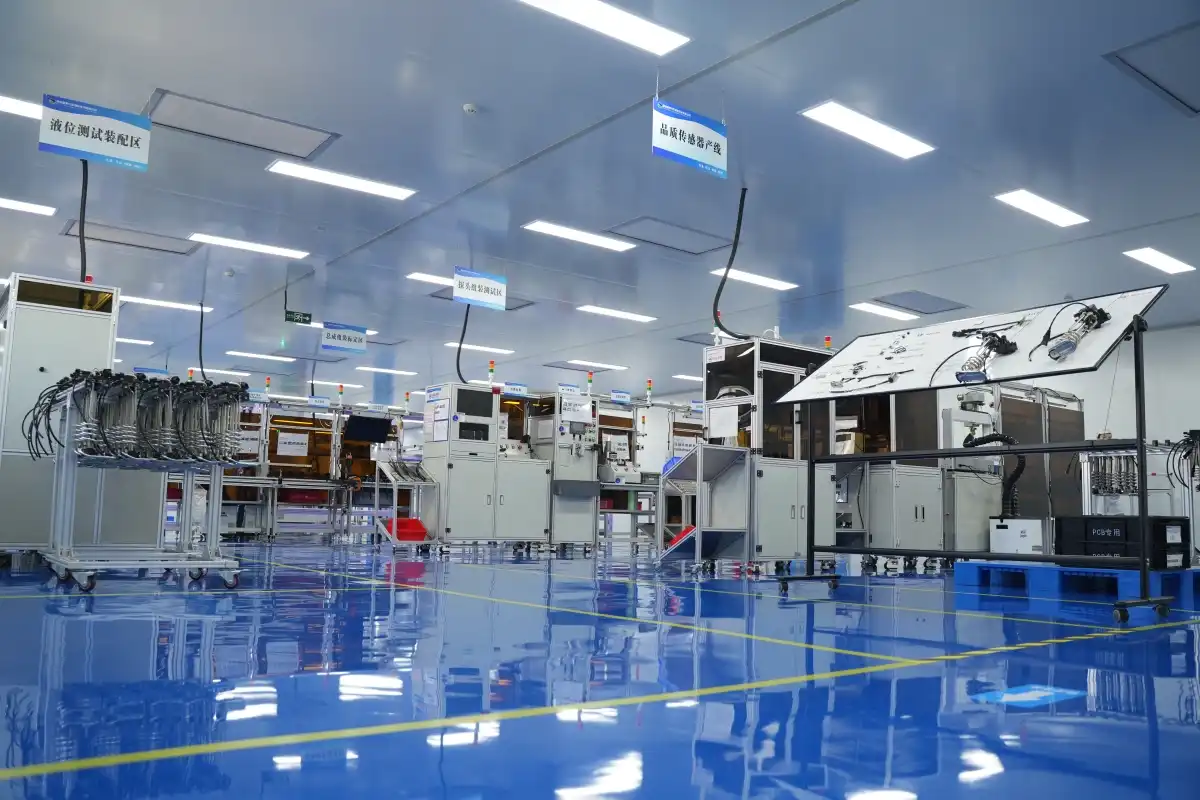
Understanding Urea Pressure Sensors and Their Environmental Impact
How SCR Systems Depend on Accurate Pressure Monitoring?
To change dangerous nitrogen oxides into safe nitrogen and water vapor, SCR technology needs precise urea doses. The Urea pressure sensor sends analog voltage signals (usually 0.5–4.5 VDC ratiometric output) to the Engine Control Unit (ECU) all the time to measure the hydraulic pressure inside the dose module. This closed-loop feedback system lets the pumping rates of Diesel Exhaust Fluid (DEF/AdBlue) be changed in real time, making sure that the catalytic conversion works as well as it can. Dosing mistakes happen when pressure readings aren't correct. Not delivering enough urea causes high NOx pollution and not following the rules. Dosing too much leads to ammonia slip, crystallization formations, and expensive system clogs. Protecting the environment when designing sensors directly addresses these failure modes by keeping measurement accuracy even in harsh working conditions.
Environmental Challenges Sensors Face Daily
Urea pressure sensors are used in harsh chemical conditions in automotive and industrial settings. DEF is made up of 32.5% urea in demineralized water, which makes it an acidic medium that breaks down weak materials. Temperature changes make this problem even worse—sensors have to work consistently from below freezing for cold starts to over 176°F for high-temperature work inside the engine. Another natural threat is crystallization. Urea crystals form on sensor diaphragms and internal channels when DEF evaporates or freezes, making the volume grow by 9%. Vibration from the road and moving equipment adds to mechanical stress. The harsh climate these sensors have to work in includes getting wet, being contaminated with dust, and being affected by electromagnetic waves.
Typical Installation Points and Exposure Risks
Most of the time, Urea pressure sensors are put between the urea pump and the injector module, right in the path of the fluid supply. This clever placing lets you find system leaks, blocks, or worn-out pumps quickly. But it also makes sensors more vulnerable to chemical attacks and changes in temperature. Heavy-duty uses, like mining equipment, farm machinery, and backup generators, put sensors through longer working hours and rougher conditions than light-duty cars. High temperatures, dusty environments, and repair plans that don't always happen make it even more important for sensors to have strong environmental protection.
Core Principles of Environmentally-Friendly Urea Pressure Sensor Design
Material Selection for Chemical Resistance and Longevity
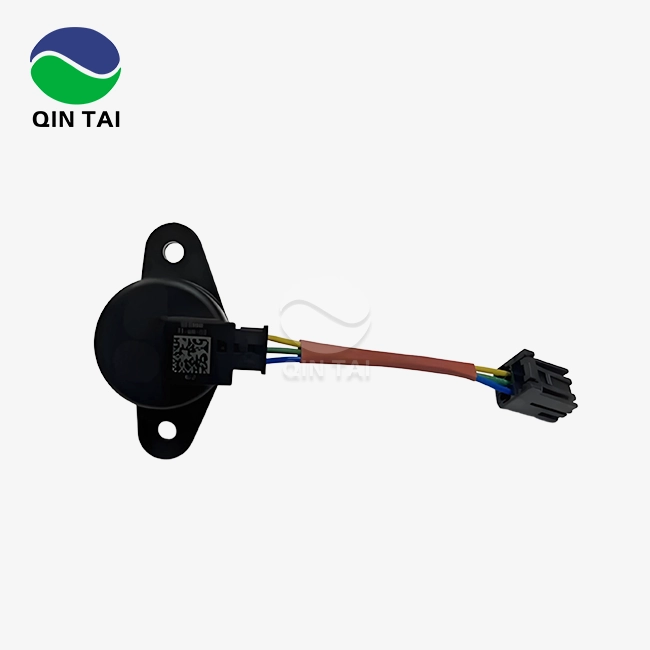
Materials that can survive long-term touch with DEF without breaking down are given top priority by engineering teams. Housings made of stainless steel don't rust and keep their structure strong. Internal diaphragms are made of special plastics or metal alloys that have been shown to stay flexible and stable in shape when exposed to urea chemistry. This method is shown by the QS-P226 model from Qintai, a urea pressure sensor whose self-made sensor core is made of materials that are resistant to urea weathering and crystals, so it can keep measuring accurately even when AdBlue is contaminated. This chemical resistance makes sensors last longer than the usual 15,000 to 20,000 hours, which cuts down on electrical trash and the total cost of ownership.
Advanced Sealing Technologies Prevent Contamination
Effective closing is the first step in protecting the environment. Multi-stage cover designs stop DEF from leaking, dust from getting in, and water from getting in. O-ring materials need to be able to bend even when the temperature changes a lot, and they also need to be able to withstand chemical attacks from urea and air pollutants. The same care needs to be taken with connector parts. Gold-plated connections keep the electricity flowing even when they are exposed to air. Strain release features keep wires from breaking because of vibrations. These closing technologies work together to make sure that the sensor keeps its signal integrity (0.5-4.5 VDC ratiometric output) throughout its useful life. This stops fault codes like P204B (Pressure Sensor Circuit Range/Performance) from happening.
Precision Engineering Minimizes Dead Volume
Urea crystals starts in places where there is dead volume, or fluid that isn't moving in sensor cells. By carefully optimizing the internal shape, environmental sensor design cuts down on these gaps. Crystal nucleation sites are fewer where flow lines are smooth and surfaces aren't too rough. The QS-P226 can measure pressures between -14 psi and +130.5 psi, which covers all possible working situations, from starting up to the highest doses. This wide range helps find environmental problems like pressure drops that mean there are leaks, overpressure from frozen DEF or broken valves, and pump performance loss. The ±0.5% accuracy requirement makes sure that readings are accurate across the whole working range. This means that emissions are better controlled and there is less chance of damage to components.
Sustainability Through Extended Lifecycles
When it comes to design, environmental safety goes beyond the stability of materials and includes thinking about the whole lifecycle of a product. Longer service times on sensors mean they don't need to be replaced as often, which saves resources and makes removal easier. Repairable designs let you change parts instead of throwing away the whole unit. Sustainable production methods are being used by more and more manufacturers. Carbon footprints are smaller when industrial processes use less energy, packing materials can be recycled, and the supply chain is optimized. Certification programs like REACH and RoHS compliance show that companies are serious about reducing the use of dangerous substances and protecting both working surroundings and ways to get rid of them at the end of their useful lives.
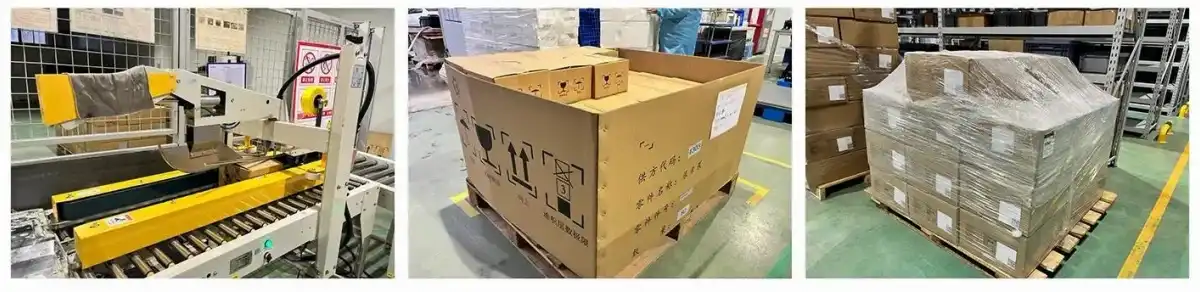
Comparing Urea Pressure Sensors: Environmental Protection as a Decision Factor
OEM Versus Aftermarket: Environmental Performance Trade-offs
OEM sensors are put through a lot of weather tests that are tailored to each engine model. Automakers test the performance of sensors by putting them through thousands of temperature cycles, shaking profiles, and chemical exposure situations. This testing makes sure that emission rules are followed during guarantee times and afterward as well. The environmental protection level of aftermarket choices varies a lot. Premium aftermarket makers put money into similar certification processes, so their products are just as resistant to the climate at prices that are competitive. Cheaper options might lower the quality of the materials or the effectiveness of the seal, which could cause them to fail early in tough circumstances.
When purchasing things, managers who need to balance keeping costs low and making sure the products work well should look at outdoor test certifications, such as temperature cycling ranges, chemical compatibility data, and vibration resistance standards, instead of just price. The usual 12-month warranty for sensors like the QS-P226 gives basic safety, but when figuring out the total cost of ownership, you need to look at how often they break and how hard it is to get a new one.
Brand Credibility and Green Compliance
Environmental engineering success over many years has helped companies like Bosch, Denso, and Continental build their names as leaders in their fields. Their ideas for Urea pressure sensors are based on a lot of field data and tools that are always making them better. Most of the time, these names get in line with new pollution rules quickly.
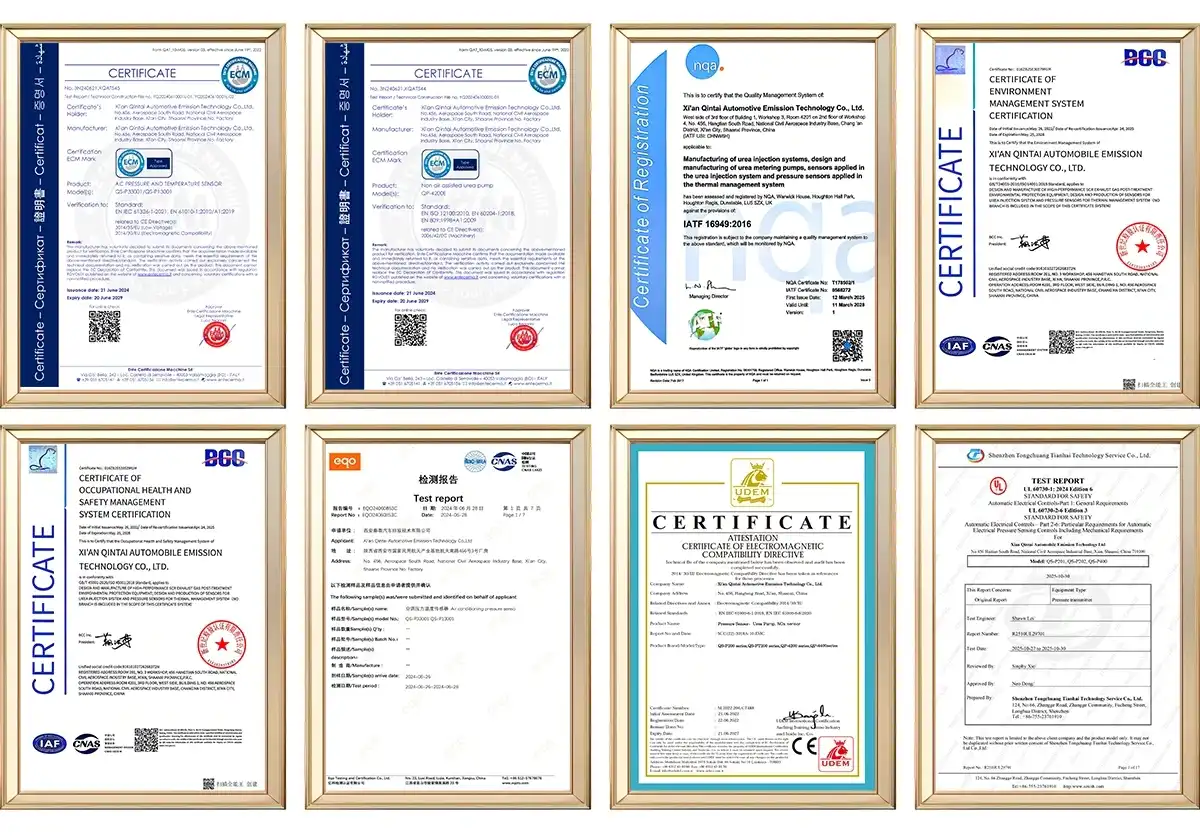
New companies like Qintai use modern production methods and targeted research and development to achieve similar environmental success. Qintai is the main source for China's Weichai Power, Yuchai Power, and Quanchai Power, and it has the largest market share in China. This shows that it can make a lot of things and keep the quality high. The company has 58 invention rights and is certified by IATF16949. During the growth process, they follow strict environmental testing methods. The choice of brand should be based on the severity of the application and any legal standards. Premium sensors with a history of working well in harsh environments are needed for important uses like power generation, mining equipment, and EPA-regulated services. Competitive alternatives that offer strong environmental specs at a better value may be useful for standard business uses.
Testing Standards and Long-Term Reliability
Standardized tests are needed to back up claims of environmental safety. Temperature cycle tests (usually from -40°F to +257°F) make sure that sensors work in all kinds of weather. Corrosion protection is tested with salt spray. Vibration tables speed up the time it takes to experience years of road exposure. The QS-P226 works effectively in temperatures between 60°F and 80°F and can measure DEF pressures between -14 and +130.5 psi. Its analog output stays stable (0.5–4.5 VDC) even when it is heated or vibrated. Real-world installation settings in heavy trucks, building equipment, and farm machines were used to make these specs.
Aspirational standards are different from proven performance when it comes to long-term reliability statistics. Manufacturers with a lot of experience in the field can give you data on failure rates, studies of guarantee claims, and investigations into what went wrong. Because of this, buying teams can make choices based on facts instead of just what the datasheet says.
Best Practices for Installation, Maintenance, and Troubleshooting to Uphold Environmental Standards
Proper Handling During Installation Prevents Early Failure
Environmental safety is compromised when sensors are contaminated during installation. Technicians should wear clean gloves when working with sensors to keep their skin oil from getting on the areas that sense things. Petroleum-based chemicals get into DEF and hurt sensor materials, so thread seals need to be able to work with urea chemistry. Specifications for torque stop housings from being overtightened, which puts stress on them, or undertightened, which lets leaks happen. When making electrical connections, you need to be very careful. The way the connector is positioned keeps moisture from building up in the connections. Insulation stays strong as long as wires are routed away from heat sources and sharp edges. Using the right screws to secure belts stops damage from vibrations. These placement basics make the most of the environmental security that Urea pressure sensors are built to provide.
Calibration and System Integration Techniques
These days, ECU programming, not physical changes, is used to set Urea pressure sensors in SCR systems. To make sure the ECU understands the replacement sensors correctly, they must match the originals in terms of pressure ranges, signal outputs, and connection pin-outs. If two sensors don't match up, they send trouble codes and go into limp mode, even if they are physically working. After installation, system purging gets rid of air spots that make pressure numbers look all over the place. Bleeding methods are different for each car platform, but in general, diagnostic tools are used to turn on the dose pump while the output from the pressure sensor is monitored. Correctly getting rid of the air makes sure that the pressure input from the first action is correct.
Common Environmental Failures and Diagnostic Approaches
The most common type of environmental failure is crystallization. Unreliable pressure values, trouble codes that come and go, and eventually signal loss are all signs. Diagnostic methods look for DEF that has frozen (in cold places), fluid that is contaminated, or vehicles that aren't used very often, which lets the fluid evaporate. Some solutions are clearing the system and checking the heater circuit.
Open circuits, short circuits, or signal loss are all signs of electrical problems. Even if the connector pins are gold-plated, moisture can get in and cause rust if the seals fail. Diagnostic multimeters check the source voltage (5V for the QS-P226), the signal voltage bands (0.5–4.5 VDC), and the length of the circuit. By measuring resistance, you can find broken wires before you replace sensors that don't need to be replaced. Housing cracks or diaphragm ruptures show that there is mechanical damage from too much pressure during fitting, thermal stress, or shaking. When these things fail, the pressure numbers are usually stuck at the lowest or highest levels. A visual check during removal shows physical damage, proving that the sensor needs to be replaced and not system-level problems.
Preventive Maintenance Maximizes Environmental Protection Benefits
Environmental damage is caught by regular checks before it leads to fails. Visual checks find DEF leaks, connections that are rusted, or wire that is broken. Periodic diagnostic scans show faulty sensors by comparing pressure readings to what the system should be doing in different modes of operation.
DEF good care keeps sensors from breaking down too soon. Using verified DEF that is ISO 22241 compliant stops damage caused by pollution. When you store fluids, keep them out of direct sunlight and away from high temperatures to protect their chemistry. Regular tank draining in equipment that is only used during certain times of the year keeps concentrated urea from crystallizing in systems that are not being used. These preventative steps increase the life of sensors, which lowers the number of times they need to be replaced and helps with long-term fleet management. Keeping records of maintenance tasks protects warranties and gives information about how things work for programs that are always getting better.
Procurement Insights: Purchasing Environmentally-Conscious Urea Pressure Sensors
Evaluating Supplier Environmental Credentials
Teams that buy things for businesses should check that suppliers have certifications that show they care about the environment. ISO 14001 environmental management systems show organized ways to reduce the effects of production. Compliance with REACH and RoHS shows that dangerous chemicals are limited. Sustainability reports and carbon impact statements show long-term plans for the environment. Environmental factors are affected by where the manufacturing takes place. Facilities in places with strict environmental laws usually keep higher standards for production. Supplier checks look at how trash is handled, energy sources, and pollution controls. These studies tell the difference between suppliers who really are sustainable and those who are just making claims. For components like the urea pressure sensor, these environmental credentials are increasingly important as end customers demand greener supply chains.
Qintai's ISO9001 and IATF16949 certifications show that their quality control system meets the standards of the car business. Following REACH and RoHS rules makes sure that dangerous substances are limited. The company was founded in 2001 as a national high-tech business. Its buildings meet international environmental standards and it serves customers in 60 countries around the world.
Balancing Initial Investment Against Lifecycle Costs
High-end Urea pressure sensors that are designed to be environmentally friendly cost more per unit than cheaper ones. By looking at failure rates, insurance coverage, replacement work, and car downtime, lifecycle cost analysis shows what the real value is. The total cost of ownership is better for a sensor that costs 30% more but lasts twice as long.
Failures to follow environmental rules have big hidden costs. Failures on emission tests cost money to fix, cause fleet downtime, and lead to fines from the government. When sensors fail early during guarantee times, it leads to returns, unhappy customers, and damage to the brand. Investing in proven environmental success is a good idea because of these risks. Buying in bulk takes advantage of savings of scale. Setting up recommended supplier ties with makers that offer stable environmental quality lets you get better prices, be given priority during shortages, and get better technical support. Annual purchase deals keep the supply chain stable and help you plan your budget.
Technical Support and After-Sales Considerations
Environmental security goes beyond the hardware of a product and includes the support services that a seller offers. Technical hotlines filled by application experts answer questions about installation and fix problems. Service workers learn how to properly handle things and do diagnostics through training programs. The steps used to handle warranty claims decide if the claims are about faulty products or mistakes made during installation.
After-sales help that is quick to respond cuts down on downtime when problems happen. Fast problem settlement is possible thanks to local distribution networks, same-day shipping for warranty replacements, and detailed technical paperwork. When compared to sending goods abroad, suppliers who keep stock in North America have shorter lead times. Customization services meet the specific needs of each program. Sensors can be optimized for specific equipment models by having different pressure ranges, electrical connections, or mounting arrangements. OEM/ODM relationships let companies work together to make next-generation designs that take customer feedback and new environmental standards into account.

Conclusion
Protecting the environment in the creation of Urea pressure sensors adds value all along the supply chain. Purchasing managers get solid parts that meet emission standards while keeping guarantee costs as low as possible. R&D experts choose sensors that can work in harsh situations without losing their effectiveness. Fleet owners keep their emissions in check and cut down on repair costs. Because environmental engineering is now linked to business goals, sensor environmental performance is no longer a technical checkmark but a strategy factor in buying things. As emission standards get stricter around the world and sustainability becomes a way to compete, choosing sensors that are good for the environment sets companies up for long-term legal compliance and operational greatness.
FAQ
Q1: How do environmentally-protected sensors improve emission compliance?
A: Sensors that are made to withstand harsh environments keep their measurements accurate even when they are exposed to chemicals, high temperatures, and vibrations. This long-lasting accuracy makes sure that the right amount of urea is dosed throughout the sensor's useful life, stopping both too little or too much ammonia from causing NOx emissions to go over limits. Reliable sensors lower the chance of failing a pollution test and getting fined by the government.
Q2: What kind of care makes sensors last longer in tough environments?
A: Using DEF that is ISO 22241-compliant stops environmental harm. Visual checks done on a regular basis find leaks and corroded connections before they break. Urea doesn't crystallize when equipment doesn't sit idle for long periods of time. Environmental safety works best when electrical connections are kept dry and the right amount of force is checked during installation.
Q3: Are aftermarket sensors environmentally reliable?
A: Premium replacement sensors from companies with thorough testing programs work just as well in harsh environments as OEM parts. Checking certifications (IATF16949, REACH, RoHS), guarantee terms, and data on failures in the field can help you find good choices. Budget options might not be as good for the environment, putting it at risk of failing too soon and causing problems with emissions compliance.
Partner With a Trusted Urea Pressure Sensor Manufacturer
Qintai can help you with your buying choices because they have 20 years of experience in controlling emissions. Our QS-P226 Urea pressure sensor is accurate to within 0.5% over a range of -14 to +130.5 psi and was designed to work well in harsh environments and challenging situations. As China's top Urea pressure sensor provider for commercial vehicles, we help OEM customers and trade partners all over the world with production that is IATF16949-certified, full customization services, and technical support at info@qt-sensor.com. Through new materials and precise engineering, our independent research and development team is always making sensor environmental protection better. Volume purchasing plans let us give competitive prices without lowering the quality standards that made Weichai, Yuchai, and Quanchai Power choose us as their chosen provider. Get in touch with us right away to talk about how our sensor options that are good for the environment can help your emission compliance plan.
References
1. Johnson, M. & Williams, R. (2021). "Material Science in Automotive Emission Sensors: Corrosion Resistance and Durability," Journal of Automotive Engineering, Vol. 235, No. 8, pp. 2156-2168.
2. Chen, L., Schmidt, H., & Petrov, A. (2022). "Environmental Testing Protocols for SCR System Components," SAE International Journal of Engines, Vol. 15, No. 4, pp. 512-529.
3. European Commission Directorate-General for Environment (2020). "Impact Assessment of Euro VII Emission Standards on Component Reliability," Brussels: European Union Publications.
4. Anderson, K. (2023). "Lifecycle Cost Analysis of Diesel Emission Control Components," Fleet Maintenance & Operations Journal, Vol. 18, No. 2, pp. 45-62.
5. International Organization for Standardization (2021). "ISO 22241: Diesel Engines – NOx Reduction Agent AUS 32 – Part 1-5," Geneva: ISO Standards Catalogue.
6. Zhang, W., Mueller, D., & Takahashi, Y. (2022). "Sustainable Manufacturing Practices in Automotive Sensor Production," International Journal of Precision Engineering and Manufacturing-Green Technology, Vol. 9, No. 3, pp. 847-863.
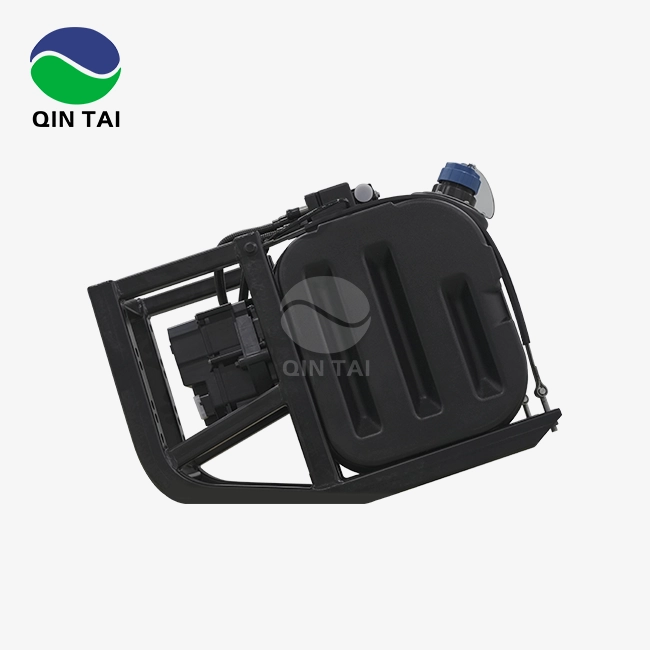
 Sensors.webp)
 Sensor.webp)

Our customers’ satisfaction speaks for our quality — contact us to experience the same reliable service.