- English
- French
- German
- Portuguese
- Spanish
- Russian
- Japanese
- Korean
- Arabic
- Greek
- German
- Turkish
- Italian
- Danish
- Romanian
- Indonesian
- Czech
- Afrikaans
- Swedish
- Polish
- Basque
- Catalan
- Esperanto
- Hindi
- Lao
- Albanian
- Amharic
- Armenian
- Azerbaijani
- Belarusian
- Bengali
- Bosnian
- Bulgarian
- Cebuano
- Chichewa
- Corsican
- Croatian
- Dutch
- Estonian
- Filipino
- Finnish
- Frisian
- Galician
- Georgian
- Gujarati
- Haitian
- Hausa
- Hawaiian
- Hebrew
- Hmong
- Hungarian
- Icelandic
- Igbo
- Javanese
- Kannada
- Kazakh
- Khmer
- Kurdish
- Kyrgyz
- Latin
- Latvian
- Lithuanian
- Luxembou..
- Macedonian
- Malagasy
- Malay
- Malayalam
- Maltese
- Maori
- Marathi
- Mongolian
- Burmese
- Nepali
- Norwegian
- Pashto
- Persian
- Punjabi
- Serbian
- Sesotho
- Sinhala
- Slovak
- Slovenian
- Somali
- Samoan
- Scots Gaelic
- Shona
- Sindhi
- Sundanese
- Swahili
- Tajik
- Tamil
- Telugu
- Thai
- Ukrainian
- Urdu
- Uzbek
- Vietnamese
- Welsh
- Xhosa
- Yiddish
- Yoruba
- Zulu
Capacitive Pressure Sensor Applications in Smart Manufacturing
To stay ahead of the competition, smart manufacturing needs accuracy, dependability, and the ability to move in real time. Capacitive pressure sensors stand out among the technologies that are making this change possible because they can provide precise, reliable readings in a wide range of industrial settings. When force is applied to a diaphragm, these sensors pick up changes in capacitance that show how much pressure is being felt. The physical changes are then turned into electrical signs that can be used. Because they are very sensitive and well-built, they are essential for current automation, predictive maintenance systems, and quality assurance procedures. As more industries accept Industry 4.0 ideas, purchasing managers, R&D engineers, and supply chain workers who want to improve factory operations need to know how these sensors fit into production processes.
Understanding Capacitive Pressure Sensors in Smart Manufacturing
How Capacitive Sensors Measure Pressure?
In order for these devices to work, there needs to be a dielectric layer between two electrical plates. As the pressure rises, the diaphragm moves closer to the solid plate, serving as an electrode. This changes the capacitance between the two. This change is directly related to the pressure that is being applied, and it gives electronic systems data that they can use to make standard output signals. Unlike piezoresistive or strain gauge alternatives, this capacitive pressure sensor method has better precision at lower pressure levels and stays stable for longer periods of time.
Technical Advantages Over Competing Technologies
When you compare different sensor systems, you can see that they work differently. Piezoresistive devices can work in harsh situations and last a long time, but they can be sensitive to temperature. Strain gauges are cheaper than other devices, but they might not be accurate enough for important tasks. Piezoelectric devices are great at measuring changes in motion but not so good at tracking static pressure. Capacitance-based designs meet all of these needs because they have low drift, can measure from zero to 600 bar, and don't get affected by electromagnetic interference, which is a problem for other technologies in places with a lot of electrical noise.
Critical Performance Metrics for Industrial Applications
When procurement experts look at sensor specs, they should pay attention to a few key factors. Accuracy in measurements is based on nonlinearity, and good systems get 0.3% full scale (FS) or better. Long-term dependability is affected by temperature shift; better sensors keep less than 0.03% FS/°C fluctuation. A safety overload capacity of around 200% FS keeps sensitive parts safe from sudden changes in pressure that could damage them. Bridge resistance stability makes sure that data quality stays the same. This is especially important for systems that need to have predictable electrical properties when they are being mass produced.

Key Applications of Capacitive Pressure Sensors in Smart Manufacturing
Real-Time Process Monitoring and Control
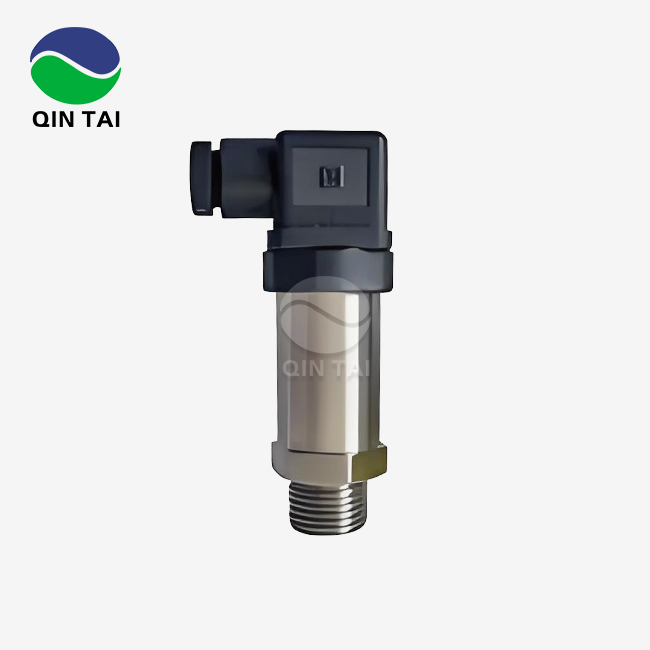
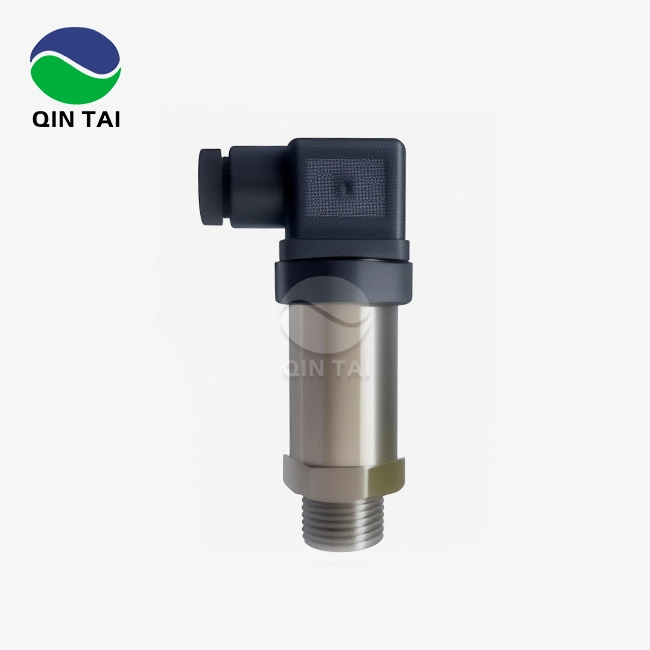
Continuous pressure monitoring is very helpful for manufacturing processes. Maintaining accurate hole pressure in injection molding stops flaws like short shots or too much flash, which have a direct effect on product quality and material loss. Accurate pressure input is needed for hydraulic systems that control heavy machinery to make the best use of power and keep the equipment from breaking. This is shown by the Qintai QS-P105F capacitive pressure sensor model, which has a sensitivity of 2–4 mV/V and an overall accuracy of ≤±0.5% FS. This makes it possible for automatic control systems that change settings in milliseconds to get accurate data.
Predictive Maintenance Integration
Early fault detection stops catastrophic machine breakdowns and unplanned downtime before they happen. A lot of the time, pressure problems show signs of bearing wear, seal damage, or fluid contamination before they show up as obvious symptoms. When sensors are connected to Industrial IoT platforms, machine learning algorithms can find standard trends and flag deviations that need maintenance. The wide working temperature range of -40°C to 135°C lets it be used in harsh settings where thermal stress speeds up component degradation. This makes constant tracking cost-effective by extending the life of the machinery.
Quality Assurance and Regulatory Compliance
To keep product standards uniform, process parameters must be able to be checked. To meet China VI and Euro VI guidelines, automotive pollution systems, especially SCR (Selective Catalytic Reduction) aftertreatment units, need to be able to precisely control the pressure. Sensor data provides audit trails that show regulatory compliance and find differences in production before they lead to batch rejects. The advanced models' 96% Al₂O₃ diaphragm material doesn't rust when exposed to harsh chemicals, so the calibration stays accurate even after millions of measurement cycles, which is what high-volume manufacturing needs.
Specialized Environmental Applications
Sensor resilience is tested in difficult working situations. When mining, equipment is subjected to vibrations, dust, and changes in temperature. Backup power sources need monitors that don't lose their accuracy when they are turned on and off very rarely or after a long period of inactivity. The QS-P105F is designed to handle these situations because it is built to last and can handle a wide range of pressures, from a vacuum of -1 bar to 600 bar. It can be used in a variety of settings, from HVAC systems checking the level of refrigerant to hydraulic presses pulling hundreds of tons of weight. This flexibility makes it easier for aftermarket sellers who work with a wide range of tools to keep track of their stock.
Choosing the Right Capacitive Pressure Sensor for Industrial Procurement
Balancing Technical Requirements With Budget Constraints
When you choose the right capacitive pressure sensor, you make sure that the performance requirements match the needs of the application. If you don't define enough, you could waste money and time on production mistakes. Purchasing managers should decide if ±0.5% complete accuracy is worth the extra cost compared to ±1.0% options for their individual processes. Monitoring the level of a steady tank and measuring the dynamic pressure of burning require very different amounts of response time. Modern designs have a source voltage range of 2 to 30 VDC, which works for both battery-powered mobile tools and industrial 24V systems. This makes the integration process easier for engineers.
Comparing Sensor Technologies for Manufacturing Needs
There are different measurement rules that work best for different situations. When sensitivity and long-term steadiness are most important, capacitive systems work best. Their low hysteresis makes sure that measures are accurate during pressure cycling, which is important for checking for leaks or figuring out how fatigue works. The low zero temperature shift of less than 0.03% FS/°C is better than many competitors and keeps the readings accurate during yearly temperature changes in places that don't have climate control. This feature is especially useful for companies that make generator sets that work in harsh environments, like oil fields in the Arctic or mines in the desert.
Supplier Evaluation Criteria
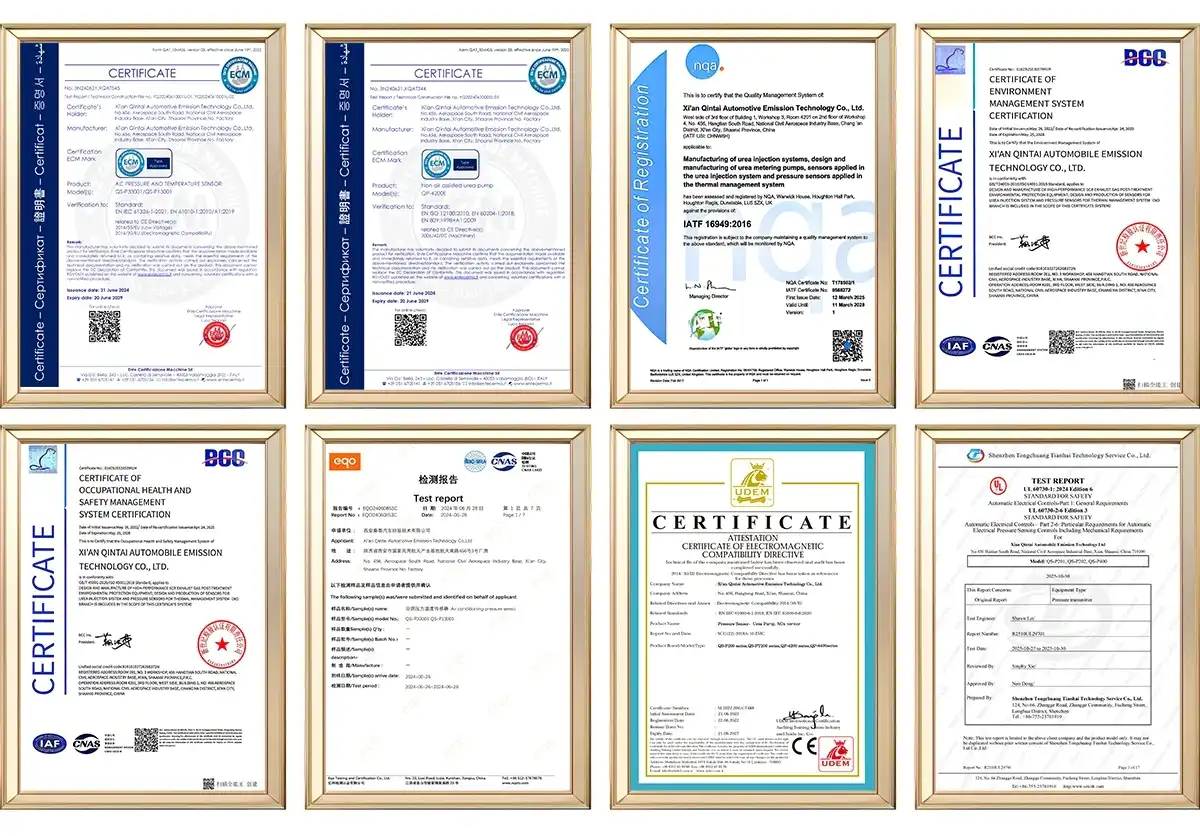
A supplier's skills are just as important as the product specs when it comes to successful buying. Qintai Automotive Emission Technology Co., Ltd. has the credentials that buying teams should look for: ISO9001 and IATF16949 certifications guarantee quality management systems, and the company has 58 invention patents that show it is always coming up with new ideas. As the top OEM provider to Weichai Power, Yuchai Power, and Quanchai Power in China, they have proven that they can make a lot of products and rely on them in tough field situations. International approvals like UL, CE, REACH, and RoHS make it easier to sell tools around the world without having to deal with complicated rules.

Procurement Strategies for Capacitive Pressure Sensors
Negotiating Bulk Orders and Custom Designs
Talking about large orders and custom capacitive pressure sensors involves volume commitments that can get better prices and a sure spot when supply is limited. Setting up framework deals with makers lets you plan your budget with confidence and guarantees priority production slots. Standard catalog goods are different from optimized solutions because they don't have customization choices like changing pressure ranges, electrical connections, or mounting setups. Because the QS-P105F is customizable, it can be made to fit specific machinery connections. This lowers the cost of installation and makes system interaction better. The time it takes to get new equipment types on the market is cut down by working together on development projects with sensor makers.
Total Cost of Ownership Analysis
Initial buying price only shows a part of the total cost over the life of the item. Installation workers, testing tools, and attaching gear all add to the cost up front. Operational factors include how much power is used (especially for battery-powered devices) and how accurate measurements stay between calibrations. Failure rates determine how to handle guarantee claims and emergency replacements. Because it protects against 200% FS safety overload, the sensors last longer because they don't get damaged during starting mistakes or system breakdowns. This lowers the total cost of ownership because the sensors last longer.
Building Reliable Supply Chains
The supply of parts affects production plans and the cost of keeping inventory on hand. When sensors suddenly stop working, production interruptions are kept to a minimum by distributors who have stock on hand and can deliver quickly. By checking the validity of a product through official channels, fake gadgets that lower quality and increase liability risks can be avoided. With a footprint in more than 60 countries and well-established delivery networks, Qintai gives aftermarket parts sellers the flexibility they need to serve a wide range of customers. After-sales expert help sets providers apart when it comes to fixing installation problems or making sensors work better.
Future Trends and Innovations Impacting Smart Manufacturing Sensors
Miniaturization and Enhanced Sensitivity
Micro-Electro-Mechanical Systems (MEMS) technology has made it possible for smaller capacitive pressure sensor units that don't lose any function. Small designs make it easier to fit into tools with limited room and lower the cost of materials. Better sensitivity lets you notice smaller changes in pressure, which lets you use more complex control methods that make the best use of energy and keep the output consistent. These changes help portable equipment makers who want to make their products lighter and aftertreatment system designers who have to work with limited space for packing.
Industrial IoT and AI-Driven Analytics
When sensors are connected, they go from being simple measuring tools to smart system points. Wireless methods lower the cost of installation by getting rid of the need for data cables in retrofit situations. Edge computing handles data nearby, which lowers the need for network bandwidth and lets decisions be made in real time. Machine learning algorithms that have been taught on past pressure data can figure out the best maintenance schedules. These schedules can change from time-based service intervals to condition-based strategies that make equipment work longer and cost less in repairs that aren't needed.
Sustainability and Energy Efficiency
Environmental concerns are becoming more and more important in buying choices. Low-power sensor designs use less electricity, which helps companies meet their green goals and cut costs. Durable construction that extends operating life reduces the amount of electrical trash that is made. Sustainability standards for the supply chain are met when manufacturers use eco-friendly production methods and products that can be recycled. Modern pressure sensors use less energy than older ones, which helps green manufacturing efforts and saves a lot of money on electricity costs for big production centers.
Conclusion
Capacitive pressure sensors are very important for smart manufacturing because they provide the accuracy, dependability, and ability to work with other systems that are needed for modern industrial automation. They can be used in many different areas for things like quality control, predictive maintenance, legal compliance, and process improvement. To choose the right sensor technology, you need to carefully look at the technical specs, the skills of the provider, and the total cost of ownership. As the use of Industry 4.0 grows, these devices will rely more on connectivity and intelligence to give useful information beyond simple measurement. This will turn raw pressure data into strategic practical benefits.
FAQ
Q1: What pressure ranges can capacitive sensors accurately measure?
A: Modern versions cover wide ranges, from -1 bar (vacuum) to 600 bar, so they can be used in a wide range of situations, from HVAC systems to high-pressure hydraulic equipment. The QS-P105F comes in a number of different range setups, such as 2, 5, 10, 20, 30, 40, 50, 80, 100, 200, 400, and 600 bar. This lets you precisely match it to your application needs without giving away too much measurement power.
Q2: How do these sensors perform in high-temperature environments?
A: Good industrial sensors work reliably in temperatures ranging from -40°C to 135°C, making them perfect for engine rooms, outdoor installations, and process equipment. Temperature compensation methods and low drift requirements (<0.03% FS/°C) keep precision even when temperatures change. This is important for generator sets and heavy machinery that work in harsh areas where conditions change a lot during working cycles.
Q3: What makes capacitive technology suitable for emission control systems?
A: To get the most out of catalytic processes and find filter loading, SCR and DPF aftertreatment systems need accurate differential pressure tracking. With capacitive pressure sensors, you can get the accuracy and steadiness you need to meet China VI and Euro VI standards. Because they don't get affected by electromagnetic interference, they can work reliably near electrical actuators and control modules in current diesel engine setups. This stops false readings that could cause service alerts that aren't needed.
Partner With Qintai for Advanced Pressure Sensing Solutions
Qintai Automotive Emission Technology Co., Ltd. has been making capacitive pressure sensors for over 20 years and works with diesel engine OEMs, aftertreatment system installers, and industrial equipment makers all over the world. Our QS-P105F line gives your operations the accuracy, longevity, and customization options they need. It is backed by a number of certifications, such as IATF16949 and ISO9001. With a track record of serving China's top power system makers and a focused R&D team working to improve sensor technology all the time, we can provide the technical support and supply chain reliability that are necessary for long-term relationships to work. Email our engineering team at info@qt-sensor.com to talk about how our sensor solutions can help you improve the performance of your tools and make your manufacturing processes more efficient.
References
1. Webster, J.G. (2020). The Measurement, Instrumentation and Sensors Handbook: Spatial, Mechanical, Thermal and Radiation Measurement. CRC Press.
2. Pallas-Areny, R. & Webster, J.G. (2019). Sensors and Signal Conditioning. John Wiley & Sons.
3. Fraden, J. (2021). Handbook of Modern Sensors: Physics, Designs, and Applications. Springer International Publishing.
4. Norton, H.N. (2018). Sensor and Analyzer Handbook. Prentice Hall PTR.
5. Wilson, J.S. (2022). Sensor Technology Handbook for Industrial Applications. Newnes Press.
6. Goswami, D. & Kreith, F. (2019). Energy Conversion and Management: Principles and Applications. CRC Press.

Our customers’ satisfaction speaks for our quality — contact us to experience the same reliable service.