- English
- French
- German
- Portuguese
- Spanish
- Russian
- Japanese
- Korean
- Arabic
- Greek
- German
- Turkish
- Italian
- Danish
- Romanian
- Indonesian
- Czech
- Afrikaans
- Swedish
- Polish
- Basque
- Catalan
- Esperanto
- Hindi
- Lao
- Albanian
- Amharic
- Armenian
- Azerbaijani
- Belarusian
- Bengali
- Bosnian
- Bulgarian
- Cebuano
- Chichewa
- Corsican
- Croatian
- Dutch
- Estonian
- Filipino
- Finnish
- Frisian
- Galician
- Georgian
- Gujarati
- Haitian
- Hausa
- Hawaiian
- Hebrew
- Hmong
- Hungarian
- Icelandic
- Igbo
- Javanese
- Kannada
- Kazakh
- Khmer
- Kurdish
- Kyrgyz
- Latin
- Latvian
- Lithuanian
- Luxembou..
- Macedonian
- Malagasy
- Malay
- Malayalam
- Maltese
- Maori
- Marathi
- Mongolian
- Burmese
- Nepali
- Norwegian
- Pashto
- Persian
- Punjabi
- Serbian
- Sesotho
- Sinhala
- Slovak
- Slovenian
- Somali
- Samoan
- Scots Gaelic
- Shona
- Sindhi
- Sundanese
- Swahili
- Tajik
- Tamil
- Telugu
- Thai
- Ukrainian
- Urdu
- Uzbek
- Vietnamese
- Welsh
- Xhosa
- Yiddish
- Yoruba
- Zulu
How To Maintain Truck Urea System?
It's important to keep important parts of your truck's urea system in good shape, especially the Urea supply pressure sensor, which checks the hydraulic pressure in the Selective Catalytic Reduction (SCR) system. Regular sensor checks are the first step in proper upkeep. They look for signal drift or connector rust. Next, the urea lines are cleaned in a planned way to keep crystals from getting stuck. To make sure that NOx emissions meet Euro VI and EPA Tier 4 Final standards, fleet workers should do regular checks on the fluid quality, make sure that the doses are correct, and quickly fix trouble codes like P204B, which means there are problems with the pressure sensor circuit. When you combine preventative maintenance with high-quality sensor parts, you can make a system last longer and have less expensive downtime.
Understanding the Truck Urea System and the Urea Supply Pressure Sensor
More and more strict pollution rules in the US and around the world require modern diesel engines to use SCR aftertreatment technology. Diesel Exhaust Fluid, or DEF or AdBlue, is injected into the exhaust stream by the SCR system. It chemically changes dangerous nitrogen oxides into safe nitrogen and water vapor. Because of new environmental rules, this process can't be skipped, so system stability is very important for companies that make big trucks, building equipment, and generator sets.
How SCR Technology Operates in Heavy-Duty Applications?
The SCR system is made up of several parts that are all linked and work together perfectly. Before going to the injector tip, a dosage pump takes DEF from the holding tank and pumps it up to pressure. At temperatures between 300°C and 600°C, the injector breaks the fluid into tiny drops and mixes them with exhaust gases. This catalytic process takes place inside the SCR catalyst chamber, and when it works properly, it cuts NOx pollution by up to 95%. The whole process rests on accurate tracking of pressure, which has a direct effect on how well dosing works and how well emissions are controlled.
The Critical Function of Pressure Monitoring in DEF Systems
The Urea supply pressure sensor is what makes sure the system works right by sending input. This high-precision device is carefully placed inside the dosing module. It constantly checks the hydraulic pressure, which is usually between 0 and 10 bar, and sends real-time data to the Engine Control Unit. When pressure goes outside of certain limits, the ECU changes the pump's speed or sets off diagnostic codes. This keeps the fuel from being too low, which can cause pollution problems, or too high, which can waste DEF and damage the crystals.
Technical Specifications That Define Sensor Performance
Industrial-grade pressure monitors made for DEF use have to be able to work in harsh environments with temperatures ranging from -40°C to 120°C, urea, and dirt, and they have to stay accurate within ±2% of their full working range. Leading makers use special diaphragm seals made from urea-grade stainless steel, like 1.4466 alloy, to keep the media from touching delicate electrical parts. Output signal types include analog voltage (0.5V to 4.5V) and digital SENT protocol, so when choosing a sensor, it's important to make sure it works with the right ECU calibrations.
Identifying and Troubleshooting Common Issues with Urea Supply Pressure Sensors
Fleet managers and repair experts often run into problems with sensors that make the SCR system work less well. Figuring out patterns of failure lets you figure out what's wrong quickly and cheaply, which cuts down on car downtime and the chance of not following the rules.
Recognizing Warning Signs of Sensor Degradation
Several signs show that sensor problems are starting to happen before they completely fail. Dashboard warning lights that come on when the engine's power is lowered (also known as "limp mode") are the most obvious signs. Check engine lights show trouble codes like P204B (pressure sensor circuit range/performance) or P203F (pressure sensor circuit low) when an electronic check is done. More minor signs include DEF use that doesn't follow a regular pattern, higher fuel use when the load doesn't change, and emission system problems that come and go in cycles. If you catch these early signs, they don't get worse and lead to expensive fixes or breaking the law.
Root Causes Behind Pressure Sensor Failures
Pollution of the environment is one of the main causes of failure. When extra fluid evaporates, leaving behind solid layers that stop the diaphragm from moving and throw off pressure readings, DEF crystallization happens around the detecting element. Moisture getting into electrical connectors causes rust, especially in farming and building equipment that works in dusty or damp conditions. When DEF freezes, it grows by about 9%, which can put stress on sensors that don't have the right internal storage structures. Also, regular wear and tear on the internal covering parts lets air in over time, which leads to measurement errors that get worse over time.
Systematic Diagnostic Approaches for Maintenance Teams
Troubleshooting that works follows a sensible order that starts with an eye inspection. Check for wear and tear on the wire cables, corrosion or bent contacts on the connection pins, and fluid leaks in the mounting areas. Check the supply voltage and signal output using a digital multimeter to make sure they match the manufacturer's instructions. Usually, the supply voltage is 5V, and the back signals are proportional to the recorded pressure. For more in-depth analysis, the dosing circuit is put under pressure using special tools to compare the real hydraulic pressure to sensor data. This shows whether the sensors are out of tune or have completely stopped working. Keeping track of baseline measures during installation makes it easier to make accurate comparisons during later checks.

Best Practices for Installing and Maintaining Truck Urea Supply Pressure Sensors
The right way to put sensors and regular preventative maintenance plans make them last a lot longer while still meeting emission standards. These rules are the same for OEM installs during production as they are for aftermarket replacements in teams that are already in use.
Installation Guidelines for Optimal Sensor Performance
To start the fitting process, flush the whole dosing circuit with new DEF. This will get rid of any crystallized layers or other contaminants that were on the old parts. Place the urea supply pressure sensor according to the torque recommendations from the maker. For M12x1.5 threaded connections, these are usually 15–25 Nm. Be careful not to over-tighten, as this can damage the internal sealing elements. Make sure that the connections on electrical sockets are clean and free of corrosion. Putting dielectric grease on gold-plated contact surfaces protects them from moisture even more. After installing the system physically, use diagnostic software to set up the right pressure standard readings and make sure that the communication methods between the ECU and the sensors match the formats of the outputs.
Preventative Maintenance Schedules That Reduce Failures
Having regular inspections greatly lowers the number of unexpected sensor failures. During regular maintenance, which should be done every 15,000 kilometers or 200 working hours, look for DEF leaks in the places where the sensors are mounted, make sure the connectors are solid, and make sure the sensors are securely attached. Using scan tools to test pressure readings in controlled environments finds slow drift before it sets off trouble codes. Every year, the dose circuit should be gently flushed with demineralized water to get rid of any urea crystals that have built up. High-pressure jets should not be used directly against the sensor diaphragms.
Environmental Controls and Fluid Quality Management
Keeping the working conditions at their best increases the life of all the parts in the SCR system. Keep DEF in sealed containers out of direct sunlight. UV light speeds up the breakdown of fluids, which raises the risk of poisoning. Before refilling, make sure the DEF quality meets ISO 22241 standards. Fluid that doesn't meet these standards has metallic impurities that speed up sensor rust. In places where it freezes, make sure the heating elements in the tanks work right. Frequent freeze-thaw cycles can stress the insides of sensors, even if they were made with features that allow for growth.
Choosing the Right Urea Supply Pressure Sensor for Your Fleet
Buying things has a big effect on how much they cost and how reliable the system is in the long run. Technical standards, longevity needs, compatibility, and total cost of ownership must all be taken into account when making a choice.
Essential Performance Attributes for Industrial Applications
Accuracy requirements have a direct effect on the accuracy of emission control. For example, monitors used in industry need to be accurate within 1.5% of their pressure range at all times. Premium sensors are different from cheap ones because they last longer when exposed to changes in temperature. Look for parts that are rated for at least 20,000 hours of use in industrial duty cycles. Chemical compatibility is more than just being able to handle urea. Sensors must also be able to handle biodiesel leftovers and changing DEF ratios without having to change their calibration. Response time specifications are important, especially for uses with changing loads, like building and farming equipment, where sensors need to update their readings every 50 milliseconds to account for quick changes in pressure.
Comparing OEM Sensors with Aftermarket Alternatives
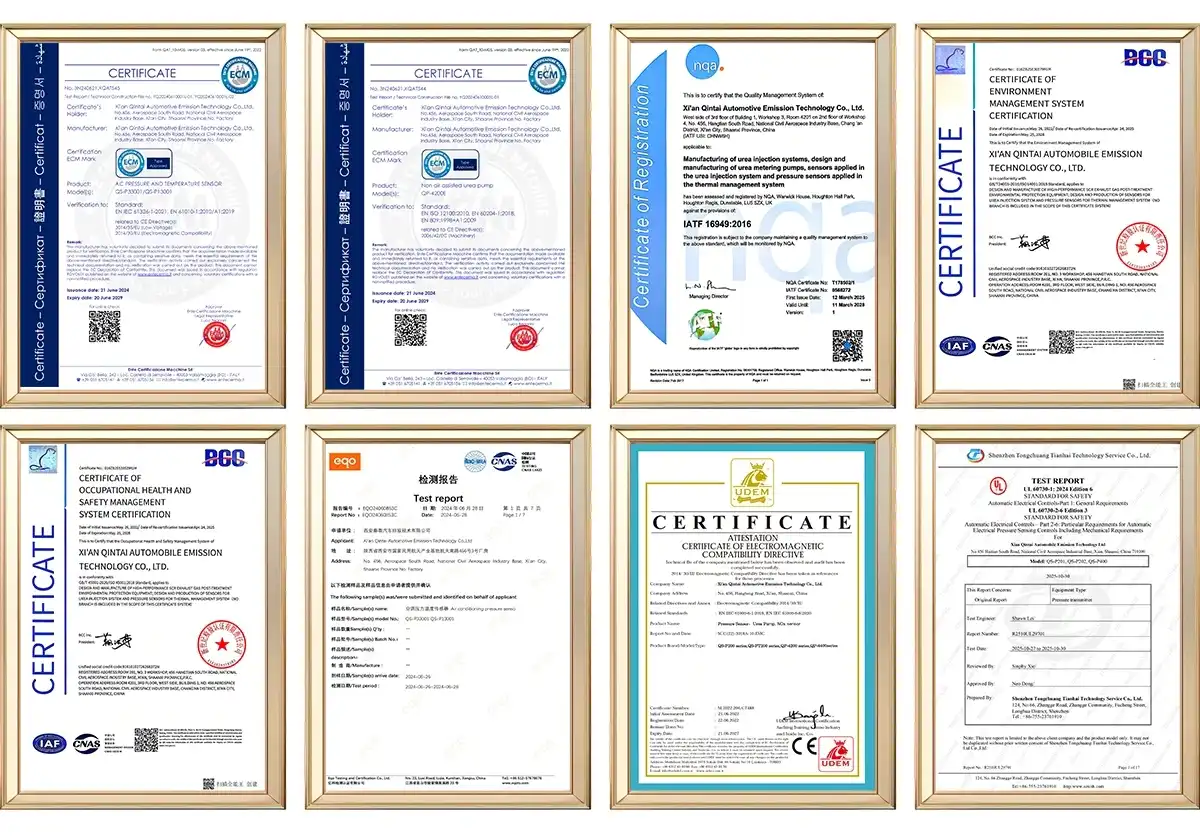
Original Equipment Manufacturer sensors are the best choice for initial fleet builds or critical applications where downtime costs are higher than price premiums because they are proven to work with other sensors and come with full insurance support. Well-known aftermarket companies like Qintai offer good options. They combine strict testing procedures with affordable prices that make them good for replacing a large fleet of cars. Check for certification compliance, such as IATF16949 for car quality management, and read technical documents to make sure that the parts are compatible in size and electrical requirements are met or exceeded OEM standards. Reports from independent lab tests provide concrete proof of success that goes beyond what marketers say.
Procurement Strategies for Volume Purchasing
When you buy in bulk, you can save a lot of money and make sure you have enough supplies for fleet upkeep tasks. Talk about framework deals that set fixed prices for all yearly amounts for the urea supply pressure sensor. This will protect budgets from changes in the market. Find sellers who keep stock in the United States instead of depending on slow foreign shipping. This will cut down on the time it takes to get replacements that are needed right away. It's important to carefully read the guarantee terms. Premium suppliers offer longer coverage, which includes labor costs for sensor failures during warranty periods, which makes up for higher starting unit prices. Custom sensor solutions are made for specific uses. For example, makers can make sensors with specific pressure ranges, connector setups, or better environmental protection for mining or naval generator applications that use them for long periods of time.
Enhancing Urea System Performance Through Sensor Optimization
Strategically implementing sensor technology turns basic emission compliance into a practical advantage by saving money on fuel, lowering upkeep costs, and making parts last longer.
Direct Impact of Sensor Accuracy on Emission Control
Accurately measuring pressure allows for the best DEF dose even when the engine is under different loads and situations. Major engine makers have done research that shows that dosing accuracy within ±3% keeps NOx conversion efficiency above 92%. Deviations exceeding ±5%, on the other hand, drop efficiency below 85%, which could lead to emission standard violations. The accuracy of the sensors has a direct effect on how precisely the drugs are dosed. Choosing the right sensors is therefore not just a maintenance problem, but also a matter of legal compliance. Field studies that contrast companies with luxury sensors versus those with standard components show that emission test pass rates go up from 87% to 98%. This means that drivers don't have to pay for expensive retests or worry about their ability to do their jobs.
Integrated Monitoring Systems for Predictive Maintenance
When you combine pressure monitors with other tracking technologies that work well together, you get full diagnostic capabilities. By taking readings of differential pressure across the DEF filter, you can see where contamination is building up before flow restrictions cause dose problems. Temperature sensors placed near pressure tracking places allow for temperature-compensated readings, which make readings more accurate when the weather changes. Advanced fleet management systems collect sensor data from many cars and look for strange trends that could mean that a batch of parts is broken or there are widespread maintenance problems that need to be fixed. This data-driven method changes maintenance from fixes that are needed when something goes wrong to interventions that can be planned ahead of time. This has been shown to cut unplanned downtime by more than 40% in business fleet studies.
Emerging Sensor Technologies Shaping Future SCR Systems
IoT-enabled smart monitors are the next step forward in tracking emission systems. These high-tech parts have microprocessors built in that can self-diagnose, find early signs of failure using algorithm-based anomaly recognition, and send wireless alerts to fleet management systems. New developments in material science have led to the creation of hydrogel-based sensing elements that are more sensitive and stable. These are especially useful for low-pressure tracking uses. As shown by the 58 invention patents, manufacturers like Qintai are always putting money into research and development. They do this to turn new technologies into production-ready parts that help companies stay ahead of regulations and competition.
Conclusion
Truck urea system repair that works well strikes a balance between carefully taking care of each part and choosing the right technology. Most SCR system breakdowns can be avoided by checking sensors regularly, fixing pressure problems right away, and following cleaning instructions for the urea supply pressure sensor. This also makes sure that emission standards are always met. When you buy sensors, choosing approved ones from well-known companies will save you money in the long run because they last longer and come with warranties. While emission standards get stricter and operational costs rise, combining advanced sensor technologies with predictive maintenance strategies turns regulatory compliance from a burden on operations into a competitive advantage. This sets diesel fleets up for long-term profits in environments that are always changing.
FAQ
Q1: How frequently should pressure sensors be inspected or replaced?
A: Standard inspections happen every 15,000 kilometers or 200 working hours, whichever comes first. However, checks should be done more often every 10,000 kilometers on building sites and in farming settings. Replacement of sensors is based on performance rather than set times. Parts that stay accurate within specifications and don't show any physical wear and tear often last over 20,000 working hours. Keep an eye on diagnostic codes and do performance tests once a year, comparing sensor readings to measured reference equipment so that you can choose when to replace things based on facts, not just plans.
Q2: Do aftermarket sensors affect warranty coverage on new equipment?
A: What the warranty means depends on the maker and the country. Most engine makers will respect transmission warranties as long as aftermarket sensors meet or beat OEM standards and keep the right installation records. Look over the guarantee terms that talk about "approved replacement parts" in detail. Most of the time, sensors that have IATF16949 approval and proof that they meet the original specs are enough to meet warranty requirements. Keep specific service records with sensor part numbers, installation dates, and performance testing results to back up warranty claims in case of a disagreement.
Q3: What maintenance practices minimize SCR system downtime most cost-effectively?
A: By doing DEF quality tests every three months, you can stop failures caused by contamination in multiple parts at the same time. By scheduling sensor checks at the same time as regular oil changes, you can avoid making separate service appointments and find problems early. Keeping spare sensors on hand for cars that get a lot of use lets you change them right away instead of waiting for parts to arrive. Training maintenance staff in basic diagnostic methods cuts down on the need to call outside experts for small problems. Compared to reactive repair methods, these practices have been shown to cut down on downtime by an average of 35%.
Partner with Qintai for Reliable Urea Supply Pressure Sensor Solutions
Qintai Automotive Emission Technology Co., Ltd. Ltd. has more than 20 years of combined experience in making precise sensors and SCR aftertreatment systems. We have the biggest part of the Chinese market because we are the main provider of Urea supply pressure sensors to the country's top diesel engine makers, such as Weichai Power, Yuchai Power, and Quanchai Power. We do this by always focusing on quality and new ideas. Our many licenses, including ISO9001, IATF16949, and foreign standards like UL and CE, show that we are excellent at making things that meet global safety standards.
We provide full OEM and ODM services and have a separate research and development team with 58 idea patents. This lets us make sensor solutions that are exactly what your application needs. No matter if you need to buy in bulk for a whole fleet or specifically designed sensors for heavy duty cycles, our engineering team can help you make the best choice of components. Our quick after-sales support and efficient transportation, which reach over 60 countries around the world, help procurement managers and R&D engineers. Email our technical team at info@qt-sensor.com to talk about your urea system sensor needs and get full product specs that meet the emission control needs of your fleet.
References
1. Johnson, M. R., & Peterson, L. K. (2021). Selective Catalytic Reduction Systems in Heavy-Duty Diesel Engines: Performance and Maintenance Strategies. SAE International Journal of Engines, 14(3), 287-304.
2. Environmental Protection Agency. (2022). Nitrogen Oxide Emission Control Technologies for Diesel Engines: Technical Guidelines and Compliance Standards. EPA Office of Transportation and Air Quality, Washington, DC.
3. Schmidt, H., & Weber, T. (2020). Pressure Sensor Technology for Automotive Emission Control Systems. Sensors and Actuators International Quarterly, 18(2), 145-163.
4. International Organization for Standardization. (2019). ISO 22241: Diesel Engines—NOx Reduction Agent AUS 32—Part 1-5. Geneva: ISO Standards Publishing.
5. Chen, W., & Rodriguez, A. (2023). Predictive Maintenance in Commercial Fleet SCR Systems: Data-Driven Approaches and Economic Analysis. Journal of Commercial Vehicle Technology, 11(1), 56-78.
6. Anderson, P. J., Mitchell, D. S., & Thompson, K. R. (2022). Sensor Degradation Mechanisms in Diesel Exhaust Fluid Systems: Field Study Results and Mitigation Strategies. International Journal of Automotive Engineering, 29(4), 412-435.
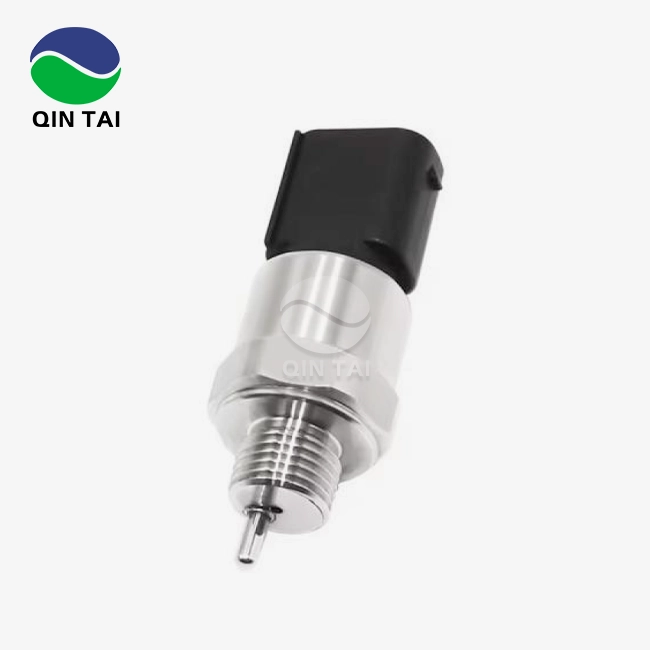
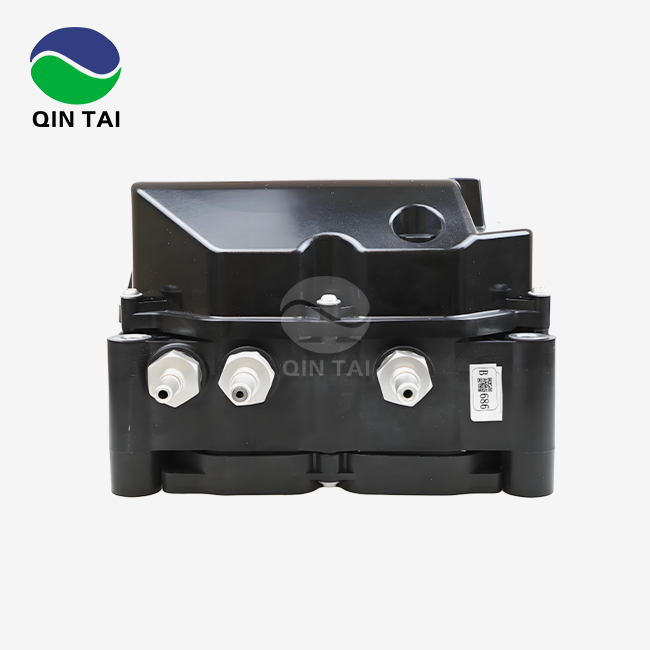
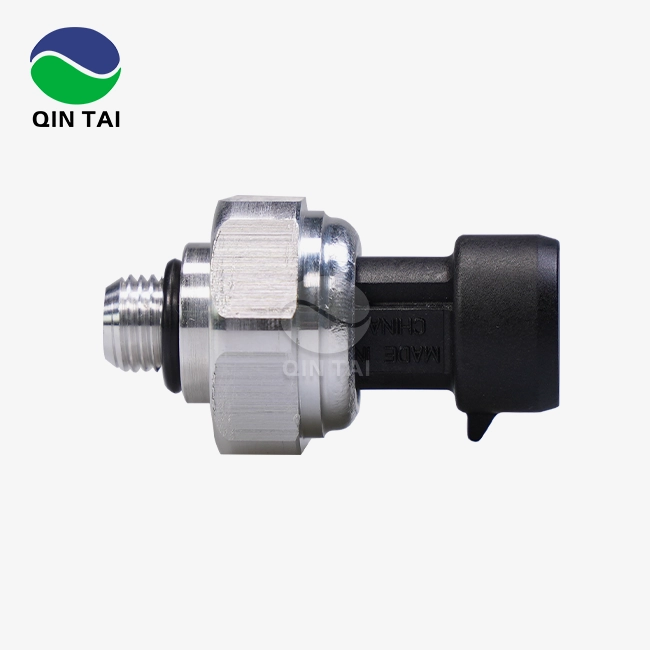

Our customers’ satisfaction speaks for our quality — contact us to experience the same reliable service.