- English
- French
- German
- Portuguese
- Spanish
- Russian
- Japanese
- Korean
- Arabic
- Greek
- German
- Turkish
- Italian
- Danish
- Romanian
- Indonesian
- Czech
- Afrikaans
- Swedish
- Polish
- Basque
- Catalan
- Esperanto
- Hindi
- Lao
- Albanian
- Amharic
- Armenian
- Azerbaijani
- Belarusian
- Bengali
- Bosnian
- Bulgarian
- Cebuano
- Chichewa
- Corsican
- Croatian
- Dutch
- Estonian
- Filipino
- Finnish
- Frisian
- Galician
- Georgian
- Gujarati
- Haitian
- Hausa
- Hawaiian
- Hebrew
- Hmong
- Hungarian
- Icelandic
- Igbo
- Javanese
- Kannada
- Kazakh
- Khmer
- Kurdish
- Kyrgyz
- Latin
- Latvian
- Lithuanian
- Luxembou..
- Macedonian
- Malagasy
- Malay
- Malayalam
- Maltese
- Maori
- Marathi
- Mongolian
- Burmese
- Nepali
- Norwegian
- Pashto
- Persian
- Punjabi
- Serbian
- Sesotho
- Sinhala
- Slovak
- Slovenian
- Somali
- Samoan
- Scots Gaelic
- Shona
- Sindhi
- Sundanese
- Swahili
- Tajik
- Tamil
- Telugu
- Thai
- Ukrainian
- Urdu
- Uzbek
- Vietnamese
- Welsh
- Xhosa
- Yiddish
- Yoruba
- Zulu
Complete Guide to SCR Dosing Systems for OEMs
Modern diesel engines are closely watched for nitrogen oxide pollution. This is why the SCR Dosing System is an important tool for OEMs all over the world. Diesel Exhaust Fluid is injected into the waste stream as part of this pollution control method. Through catalytic reactions, the NOx is changed into harmless nitrogen and water vapor. As rules around the world get stricter, especially EPA Tier 4 Final and Euro VI standards, makers need to know everything about these systems in order to follow the rules without affecting engine performance or operating costs.
Understanding SCR Dosing Systems: Principles and Components
Selective Catalytic Reduction is based on a very simple idea: adding the right amount of urea solution to hot exhaust gases causes a chemical change. The catalyst substrate makes this change possible, but how well the fluid is delivered decides whether your SCR Dosing System meets compliance standards or generates diagnostic trouble codes that stop expensive equipment from working.
Core Operating Mechanism
When the exhaust temperature reaches about 200°C, the process starts. The dosing control unit figures out how much fluid is needed by looking at the NOx sensor input, the engine load, and the temperature of the output. From the diesel urea tank, an AdBlue pump pulls it through filters and then pumps it up to 5–9 bar of pressure. The injector then breaks up this solution into tiny drops that evaporate and break down into ammonia before they reach the catalyst.
Critical System Components
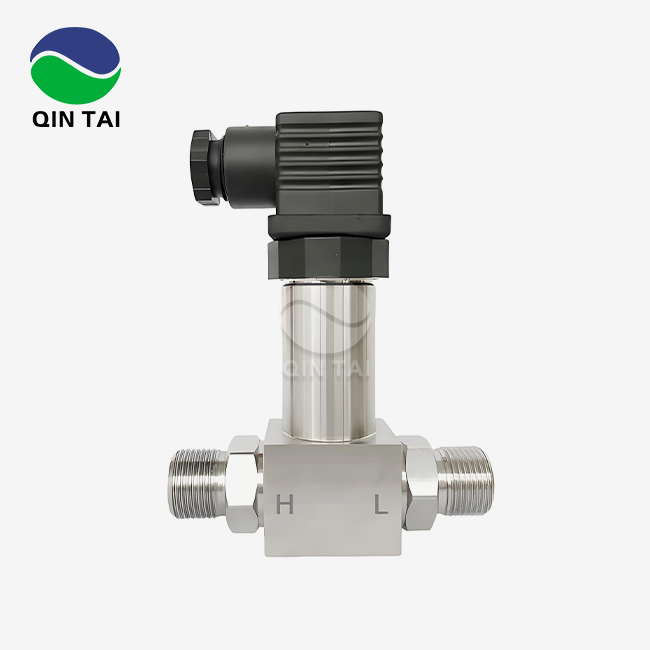
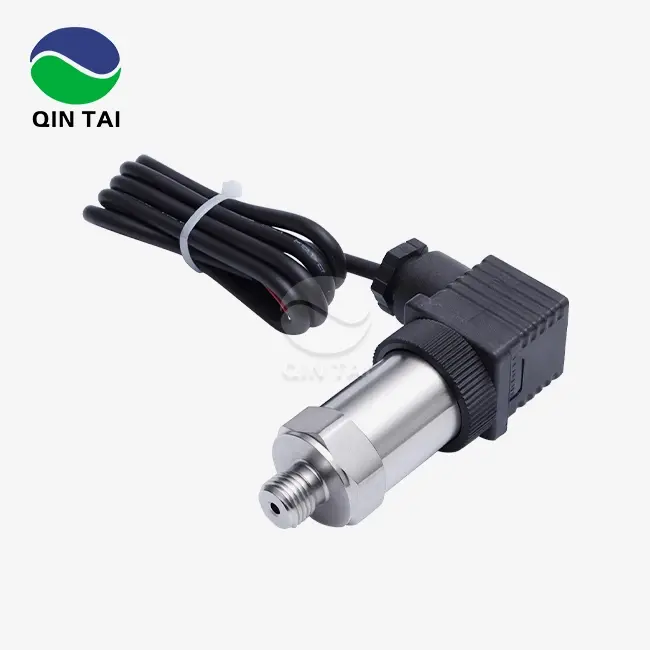
The urea dosing pressure sensor is like the heartbeat of the system. This device makes sure that exact volumetric injection happens by giving closed-loop feedback, finding pressure drops that mean there are leaks or blocks, and finding overpressure situations that happen when fluid freezes or valves fail. The whole catalytic reduction process becomes unsteady if the pressure isn't monitored properly. Several monitors connect the diesel urea tank to the larger system for controlling emissions. A level sensor checks the amount of fluid that is left, and a temperature sensor turns on heating elements when the temperature drops below -11°C to stop crystallization. Quality sensors make sure that the urea content stays between 32.5% and 35%. This keeps sensitive parts safe from fluids that are too weak or contaminated.
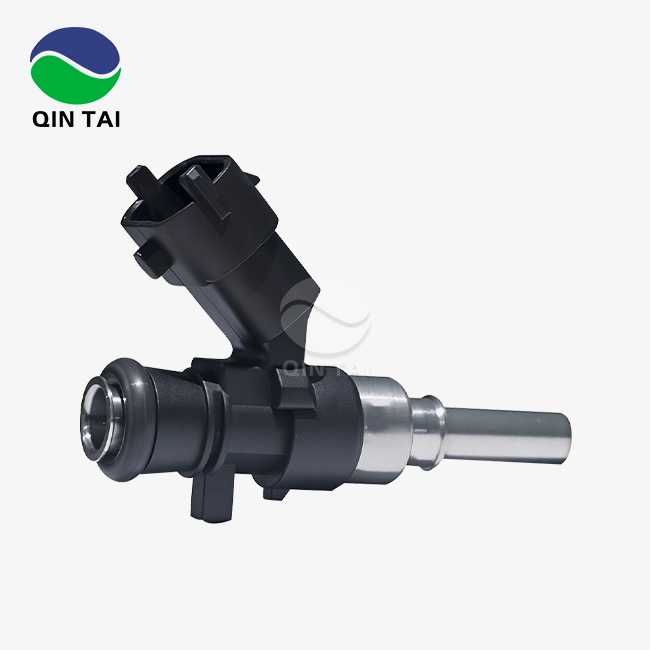
The pump, injector, and control devices are all built into a small unit called a dosing module. These units have to be able to handle steady changes in temperature, mechanical stress, and chemical exposure while keeping the accuracy of the injections within ±5%. The injector works thousands of times every day, so it needs strong materials and close manufacturing standards to keep it from getting clogged or drifting.
Integration Considerations for OEMs
Calibration is the link between what the hardware can do and how it works in the real world. Engine control units need thorough maps that show how the engine is working and what the best dose rate is. Underdosing leads to NOx breakthrough and not following the rules set by regulators. When you overdose, you lose expensive fluid, make ammonia slip, which causes smell complaints, and leave solid urea byproducts that finally block the catalyst. Due to limited space, engineers have to figure out how to route supply lines, put tanks, and place sensors in engine bays that are already very crowded. Managing heat is especially hard around the injector, which has to deal with fluid that freezes at normal temperatures and exhaust temperatures that are higher than 600°C. Heat guards, insulation, and smart placement of parts keep heat damage from happening while still allowing the engine to start cold. These considerations are critical for any SCR Dosing System designed for reliable performance in demanding environments.
Performance and Maintenance: Ensuring Reliable Operation
Even the most advanced technology for controlling emissions is only useful if it is kept in good shape. OEMs and users put a lot of money into aftertreatment systems, and scheduled service intervals protect that investment and stop major breakdowns that lead to expensive warranty claims.
Preventative Maintenance Protocols
Fluid quality has a direct effect on how long a system lasts. AdBlue breaks down when it comes in contact with sunshine, high temperatures, or other pollutants. Operators should buy DEF that is approved to meet the ISO 22241 standard, keep it in sealed cases below 30°C, and use it within six months. Diesel fuel pollution is especially bad because it forms crystals in tight spaces and destroys pumps that are meant to handle water.
Filter replacement times depend on the setting in which the machine is used, but most makers say that the machine should be inspected every 500 hours. Clogging happens faster when dust from building sites or farms gets into the system. Both the supply line filter and the pump inlet screen need to be inspected, but based on how they were installed, they may need to be taken apart in order to be reached. Temperature sensor calibration drift happens slowly, but it always affects how accurately doses are given. Every year, sensors that have moved outside of acceptable ranges are checked against known temperature standards. It's much cheaper to replace worn-out sensors during scheduled repair windows than to figure out random faults that cause derates to go off when the load is high.
Troubleshooting Common Issues
The P204B fault number means that there are problems with the urea dosing pressure sensor circuit range or function. This diagnostic trouble code usually means that the signal is drifting, which can be caused by an old sensor or dirty connecting pins. Gold-plated connectors don't rust, which can cause links to break, but harsh conditions can damage even the best parts over time. By measuring the voltage output while the system is running, you can tell if the sensor is displaying system pressure correctly or if it needs to be replaced.
Injector clogging happens when an injector sprays in a random pattern or stops working completely. When the injection tip stays wet after the machine is turned off, urea crystallizes. During purging processes, compressed air should be used to get rid of any remaining fluid. However, if the purges aren't done all the way, deposits build up over time. Chemical cleaning with pure water might get the function back, but injectors that are very dirty need to be replaced to get the atomization back to normal.
Measurable System Benefits
Meeting the requirements of EPA 2010 and Euro VI is the minimum that should be done, but pollution controls that are properly adjusted offer extra benefits. Field data from heavy-duty industrial cars shows that engines run more efficiently when exhaust gas is not recirculated, leading to a 3-5% gain in fuel economy. Diesel particulate filters last 20–30% longer between services when less soot is produced. This lowers repair costs and machine downtime.

Comparing SCR Dosing Systems with Alternative Technologies
When OEMs look at different SCR Dosing Systems emission control methods, they need to know how each one balances performance, cost, and package needs. There isn't a single answer that works best for all situations, so making an informed choice is key to staying ahead of the competition.
SCR Versus EGR Approaches
Exhaust Gas Recirculation lowers the temperature of burning by adding inert gases to the input stream. This stops the formation of NOx at the source. This method gets rid of the costs of reusable fluids and the infrastructure that goes with them, but it also makes more particulate matter and less heat efficiency. Engines that only use EGR usually use 3–4% more fuel and need to regenerate the DPF more often. Combined systems use both technologies; EGR lowers the amount of NOx that is released at busy times, and SCR controls the rest of the pollution. This combined approach improves heat efficiency while reducing urea use. However, it becomes more complicated as the number of parts and failure modes rises.
Evaluation Criteria for Supplier Selection
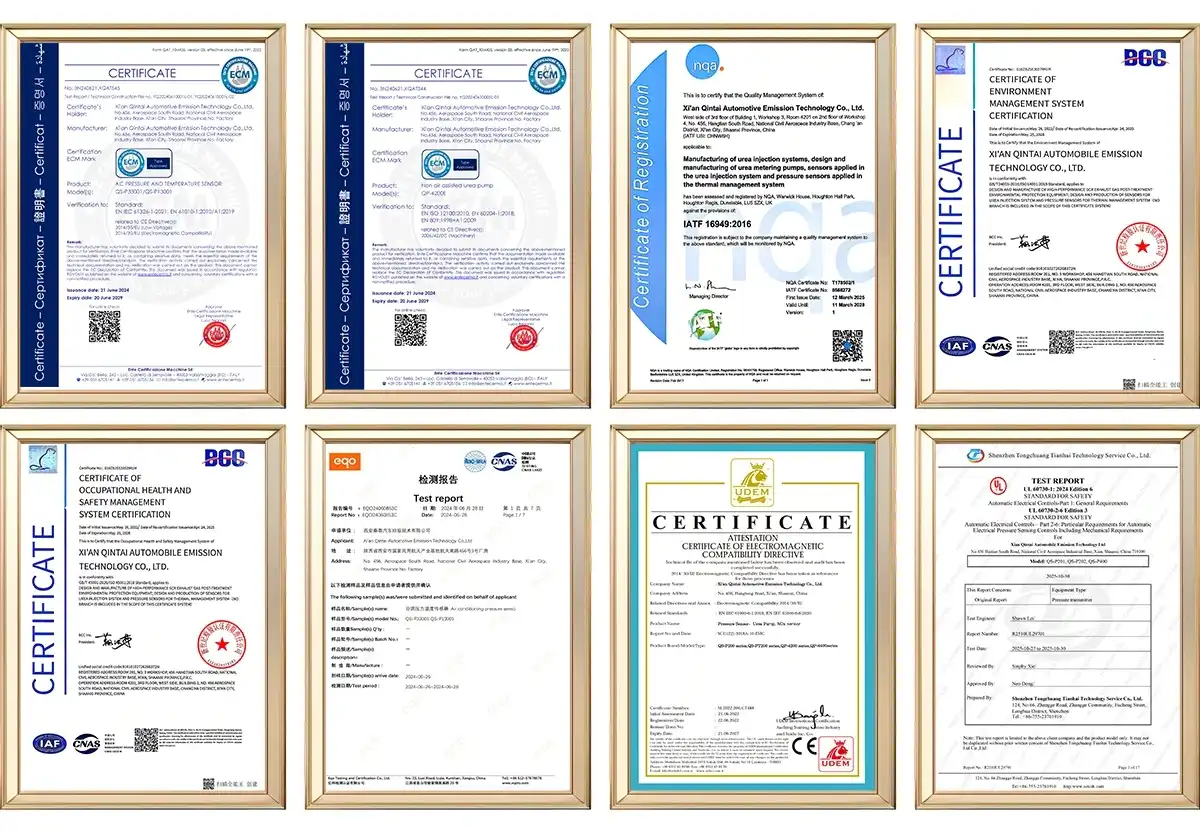
Credentials for certification are the basis for evaluating suppliers. ISO 9001 shows that you know the basics of quality management, while IATF 16949 talks about the needs of the car supply chain. Products used in hazardous location places need to be certified by ATEX or IECEx, which proves that they are safe even when they are in an exploding atmosphere. Intellectual property portfolios show how well a company can grow and how innovative it is. Companies with a lot of idea patents usually put a lot of money into research and development to keep making their products better and more reliable instead of just copying existing designs.
Production capacity determines the providers' ability to scale up or down depending on your program needs. If the annual output is more than 500,000 units, it means that the manufacturing process is computerized and there are strong quality control systems in place. Smaller providers may be able to give more customization options, but they may not be able to handle the start of mass production or fast volume increases. Technical support infrastructure separates transactional suppliers and strategic partners. When engineering teams are responsive, they can help solve problems with integration, make calibrations better, and fix problems in the field before they become warranty campaigns. Look at the supplier's response time promises, the professional resources they offer, and how well they've worked with similar applications in the past.
Procurement Guide for OEMs and B2B Buyers
Strategic choices about sources made during development projects have long-lasting effects that last throughout the lifecycles of vehicles. When choosing suppliers based only on offered piece prices, the total cost of ownership factors that determine program success are not taken into account.
Supplier Verification Process
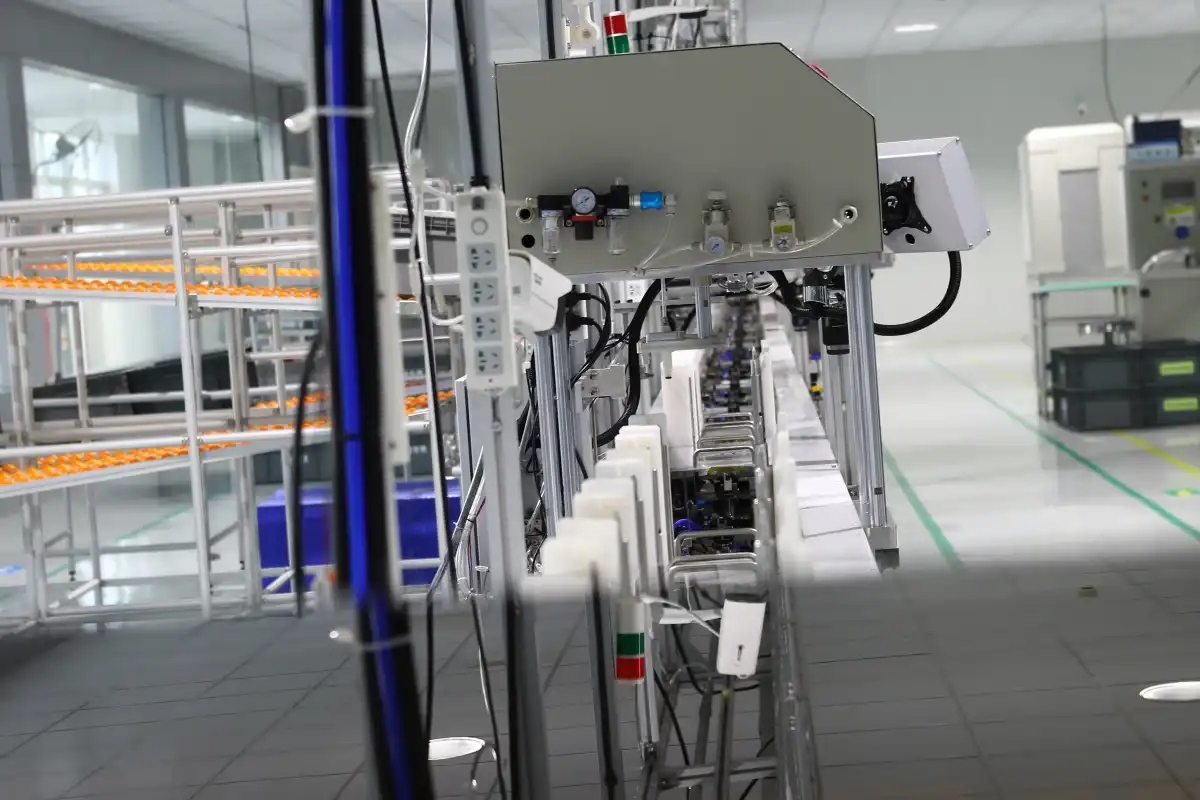
Manufacturing audits show practical facts that aren't clear from sales pitches. Before purchase orders commit your program, you can find possible risks by directly observing the production processes, quality control procedures, and testing capabilities. Check out the processes for incoming inspections, methods for verifying work in progress, and final testing steps. Implementing statistical process control shows that operations are mature and can provide uniform quality.
Reference checks with current customers gives you a clear picture of how well a company is doing. Ask them directly about how quick they are during the launch phase, how well they solve problems, and how willing they are to support tech changes. Suppliers with good names from similar projects show they have the right knowledge, which lowers the risk of integration. Financial stability assessment review guards against problems with the supply chain. When suppliers are having money problems, they might cut back on quality control spending, put off capital investments, or even shut down. You can find warning signs before they mess up your production plan by looking at their audited financial records, credit scores, and the payment terms they ask their suppliers for.
Cost Analysis and Purchasing Strategy
The prices of parts change a lot depending on how many are ordered, how they are paid for, and what contracts are in place. Pressure sensors range in price from $25 per unit for high-volume car uses to $150 per unit for industrial-grade devices with wider temperature ranges and better durability standards. Complete dosing units cost between $300 and $1,200, based on the flow rate, the level of control complexity, and the certifications.
For an SCR Dosing System, volume commitments typically unlock 15–25% off the price compared to buying on the spot, but you have to buy a certain amount every year. Blanket purchase orders with planned releases keep the costs of keeping stockpiles in check and the price benefits of buying in bulk in balance. As a result of consignment arrangements, sellers pay less to store goods, and just-in-time manufacturing is supported by making sure that parts are always available. Warranty terms need to be carefully negotiated. Standard 12-month covering isn't enough for systems that are meant to work 15,000 to 20,000 hours before they need to be fixed. Longer guarantees that put the risk of failure in the field on the providers cost 8–12% of the value of the part but get rid of costly warranty campaigns. In purchase agreements, make sure that failure criteria, response requirements, and repair procedures are all clearly spelled out.
Logistics and Supply Chain Management
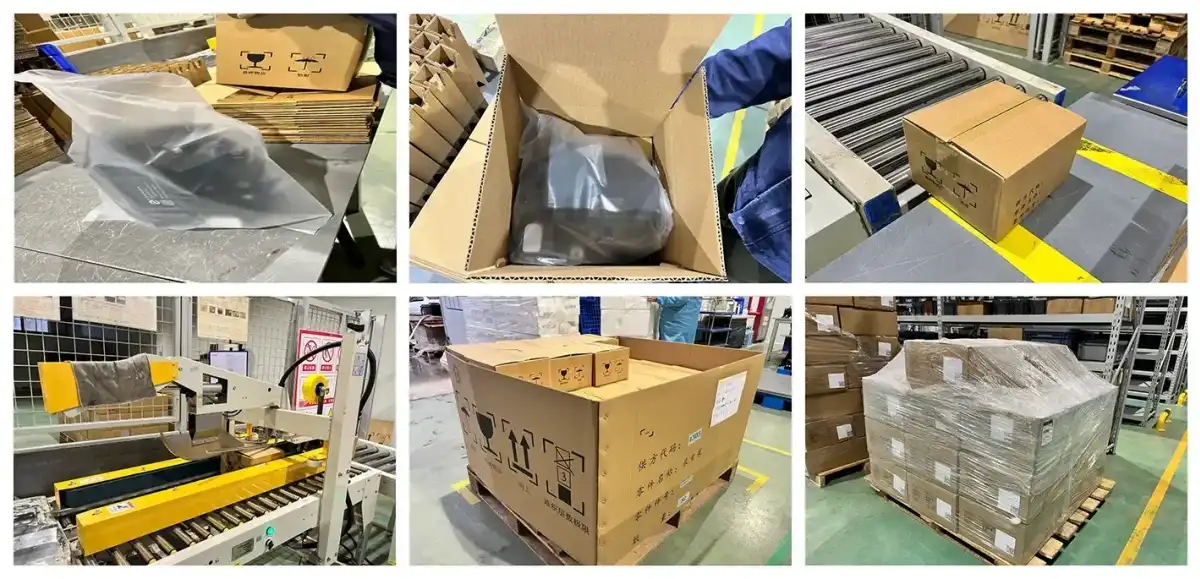
Lead times affect how flexible production planning can be. Standard product supply runs from 4 to 8 weeks for standard designs to 12 to 16 weeks for customized versions that need special calibrations or mechanical connections. Important extra parts should be kept on hand as a safety precaution, especially for newly released goods where we don't fully understand how they could fail yet. Global sourcing introduces the risk of price fluctuations and trade policy instability. The place of origin, harmonized system codes, and free trade agreement status all affect how much tariff a product is subject to. Dual-source strategies with providers from different parts of the world lower the risk of concentration, but they raise the cost of qualification and make change management more difficult.
Future Trends and Strategic Recommendations for OEMs
Emission rules keep getting stricter, and the ways they are enforced are getting smarter. With portable measurement tools, remote emissions tracking, and in-service conformity testing, it is no longer possible to just optimize for certification processes. Regulatory compliance is now based on how well something works in the real world under a variety of working situations.
Emerging Technology Developments
Sensor accuracy improvements let dose control be more precise. The accuracy of next-generation pressure sensors is ±0.5% full-scale, compared to ±2% for present devices. This makes closed-loop control tighter and lowers urea use by 3–5%. The temperature adjustment methods in the dosing module can adjust to differences in temperature, so the accuracy stays the same from -40°C to 120°C.
Digital connectivity turns emission systems from separate pieces of hardware into parts that are built into the car as a whole. Controller Area Network and Ethernet connections let you do advanced diagnostics, use predictive maintenance methods, and get updates on your calibrations over the air. Integration of telematics gives fleet managers real-time information about the health of the emission system, which lets them plan services ahead of time and avoid breakdowns on the side of the road. Advanced fluid formulations offer better performance at very high temperatures. Further research into organic additives and freezing point depressants may help to increase the liquid range below -11°C without affecting the efficiency of NOx conversion. This would make operation easier in cold climates and reduce the need for extra warmth.
Strategic Implementation Guidance
Investing in premium components lowers the total cost of ownership despite higher initial acquisition costs. Components with a 20,000-hour service life cost 30–40% more than devices with a 15,000-hour service life, but they don't need to be overhauled in the middle of their useful life, which wastes time, money, and makes customers unhappy. Durability testing during the selection of components finds weak designs early on, before they affect the reliability in the field.
Operator training programs make systems last longer and stop problems that are caused by abuse. A lot of service technicians don't know enough about how emission systems work, which means they fix things wrong and cause more problems. Comprehensive training that covers how to operate the system, read diagnostics, and do proper service processes lowers the number of warranty claims and raises customer happiness. Establishing partnerships with stars in technology provides access to innovation pipelines and expert support tools. Collaborative development relationships cut down on merger risk and speed up the time it takes to get next-generation goods to market. When capacity is limited, suppliers who see OEMs as important partners put their customers' needs first and invest in solutions that are tailored to each application.
Conclusion
Because current emission control technology is so complicated, OEMs need to think about these systems strategically instead of just buying them as a commodity. To make execution work, you need to know how the catalytic processes work, choose parts based on their total cost of ownership instead of their starting price, and build relationships with suppliers that go beyond simple transactions. As regulations move toward real-world emission performance, precise dosing control becomes more important. This makes sensor quality and system interaction even more important for any SCR Dosing System. Companies that spend money on tested technology, thorough training, and strategic partnerships set themselves up to compete in markets where meeting pollution standards is both required by law and a way to stand out from other companies.
FAQ
Q1: What fluid specifications must be used in emission control applications?
A: Diesel Exhaust Fluid that meets ISO 22241 standards ensures proper NOx conversion without damaging system components. This standard calls for deionized water to handle 32.5% high-purity urea. Contamination with diesel fuel, minerals, or degraded urea causes crystallization, pump damage, and catalyst poisoning that require expensive repairs.
Q2: How frequently should maintenance be performed?
A: Every 500 hours of use, or six months, check the filters and fluid quality. Temperature sensors need to be calibrated and checked once a year. Every 2,000 hours, the whole system should be checked out, including checking the injector spray pattern. Applications that are very hard to clean or that are exposed to high temperatures or dust may need to be inspected more often.
Q3: Can older equipment be retrofitted with modern systems?
A: It is possible to retrofit when there is enough room in the package for the tank, the dosing module, and the catalyst substrate. Closed-loop dosing control needs the engine control unit to be able to do it. On older systems, this means software changes or a whole new unit. In a cost-benefit study, retrofit costs should be weighed against the remaining useful life of the equipment and the dates for meeting legal requirements.
Partner with a Leading SCR Component Manufacturer
OEMs looking for reliable emission control options are welcome to look at Qintai's wide range of products, which have been developed over 20 years of specialized engineering. As the major supplier to Weichai Power, Yuchai Power, and Quanchai Power, we keep China's biggest market share by always focusing on quality and performance. Our urea dosing pressure sensors work in heavy trucks, building equipment, farm machinery, and generator sets, and they can handle harsh working conditions while still meeting regulatory requirements.
Our dedication to ongoing growth is shown by our IATF 16949 certification, 58 idea patents, and ability to do independent research. We support both standard goods and solutions that are made to fit the needs of a particular application. Our engineering team offers full technical help during the whole integration process, from the first design meeting to the start of production and service in the field.
Get in touch with us at info@qt-sensor.com to talk to our technology experts about your emission control needs. We offer low prices for large orders, quick prototypes for special uses, and global logistics to support activities in more than 60 countries.
References
1. Johnson, T. (2020). "Diesel Emission Control Technology: 2020 Update." SAE International Journal of Engines, 13(4), 547-572.
2. European Commission Directorate-General for Internal Market. (2019). "Regulation (EU) 2016/1628: Requirements relating to gaseous and particulate pollutant emission limits." Official Journal of the European Union, L252.
3. Majewski, W.A. & Khair, M.K. (2018). "Diesel Emissions and Their Control." SAE International, Warrendale, PA.
4. United States Environmental Protection Agency. (2020). "Clean Air Act Section 213: Nonroad Engines and Vehicles." Federal Register, Vol. 85, No. 112.
5. Zhang, L., Wang, Y., & Chen, H. (2021). "Advanced SCR Dosing Control Strategies for Heavy-Duty Applications." International Journal of Automotive Technology, 22(3), 789-804.
6. Automotive Industry Action Group. (2019). "IATF 16949:2016 Quality Management System Requirements for Automotive Production." Southfield, MI.

Our customers’ satisfaction speaks for our quality — contact us to experience the same reliable service.