- English
- French
- German
- Portuguese
- Spanish
- Russian
- Japanese
- Korean
- Arabic
- Greek
- German
- Turkish
- Italian
- Danish
- Romanian
- Indonesian
- Czech
- Afrikaans
- Swedish
- Polish
- Basque
- Catalan
- Esperanto
- Hindi
- Lao
- Albanian
- Amharic
- Armenian
- Azerbaijani
- Belarusian
- Bengali
- Bosnian
- Bulgarian
- Cebuano
- Chichewa
- Corsican
- Croatian
- Dutch
- Estonian
- Filipino
- Finnish
- Frisian
- Galician
- Georgian
- Gujarati
- Haitian
- Hausa
- Hawaiian
- Hebrew
- Hmong
- Hungarian
- Icelandic
- Igbo
- Javanese
- Kannada
- Kazakh
- Khmer
- Kurdish
- Kyrgyz
- Latin
- Latvian
- Lithuanian
- Luxembou..
- Macedonian
- Malagasy
- Malay
- Malayalam
- Maltese
- Maori
- Marathi
- Mongolian
- Burmese
- Nepali
- Norwegian
- Pashto
- Persian
- Punjabi
- Serbian
- Sesotho
- Sinhala
- Slovak
- Slovenian
- Somali
- Samoan
- Scots Gaelic
- Shona
- Sindhi
- Sundanese
- Swahili
- Tajik
- Tamil
- Telugu
- Thai
- Ukrainian
- Urdu
- Uzbek
- Vietnamese
- Welsh
- Xhosa
- Yiddish
- Yoruba
- Zulu
Temperature Transmitter Buying Guide for Extreme Applications
It is important to know how Temperature Transmitters turn sensor data into standard outputs when choosing instruments for harsh industrial conditions. This is especially true for diesel engine systems, aftertreatment uses, and power generation equipment. These gadgets turn raw temperature data from thermocouples or resistance temperature monitors into readable signals like 4-20mA current loops. This makes sure that tracking is done correctly even when the device is exposed to vibrations, changing temperatures, and corrosive exhaust gases that could mess up the measurements.
Understanding Temperature Transmitters and Their Role in Extreme Applications
Temperature Transmitters are indispensable links between temperature monitors and control systems in industrial settings. Basic sensors only pick up changes in temperature. Transmitters, on the other hand, boost, filter, and turn these signals into standard electrical outputs that tracking systems can correctly understand from far away.
How Temperature Transmitters Function in Harsh Conditions?
These gadgets have signal processing hardware built in that handles input from thermocouples or RTD sensors and makes up for the electrical noise and voltage drops that happen in industrial settings. The electronics in the transmission keep readings stable even when heavy machinery interferes with them electromagnetically. This makes sure that managers always get the same data. This feature comes in handy in diesel engine aftertreatment systems where the temperatures of the SCR catalyst need to stay within certain ranges to meet pollution standards such as EPA Tier 4 and Euro VI.
Wired vs. Wireless Temperature Monitoring Solutions?
Direct 4-20mA connections on wired Temperature Transmitters make them very reliable, and you don't have to worry about signal dropout in metal-enclosed areas like those found in building and farming equipment. These setups offer constant power and communication through the same two-wire loop, which makes installation easier while keeping the accuracy of the measurements. When using wireless versions, you can easily add new features to old equipment or keep an eye on places that are hard to get to. However, you need to be careful when using them around metal structures because they can cause interference.
Protocol Selection: 4-20mA and HART Communication Standards
The standard 4-20mA analog signal makes it easy to connect to existing control systems, and any device that is suitable can read the current loop without having to do a lot of complicated setup. The HART system adds digital connection to the same wiring, which lets you do diagnostics, identify sensors, and change parameters without using extra cords. This two-in-one feature helps with planned repair plans because technical teams can look at health data from transmitters and find drift before measurement accuracy drops enough to affect process control.
Critical Factors When Buying Temperature Transmitters for Extreme Applications
When buying extreme-duty Temperature Transmitters, you have to look at specs that go beyond the basic temperature range. If a Temperature Transmitter will work reliably for its whole life, it depends on how well its accuracy class, reaction time, and ability to handle harsh environments work together.
Accuracy and Stability Under Thermal Stress
The accuracy of measurements has a direct effect on how well diesel aftertreatment devices control emissions. Temperature Transmitters with an accuracy of ±0.5°C or better help keep the right urea flow rates in SCR systems. This stops ammonia from slipping and makes sure that the NOx conversion works well. Stability specs tell you how well the device keeps its calibration when the temperature changes. For example, a Temperature Transmitter with ±0.1% stability per year lowers the number of times it needs to be re-calibrated and lowers the compliance risk for OEM makers that make heavy trucks and building equipment.
Environmental Protection and Certification Requirements
Industrial-grade enclosures with an IP67 or IP68 rating keep out dust and water for short periods of time. This keeps electronics safe from the high-pressure cleaning that is typical in service settings. When Temperature Transmitters work near flammable fumes in generator sets or industrial gas treatment facilities, they need to be certified as explosion-proof. Examples of these are ATEX Zone 1 and IECEx. Vibration resistance testing according to ISO 16750 standards makes sure that the internal links can handle the mechanical stress that comes with moving equipment. This keeps failures from happening randomly, which would lower the accuracy of the measurements.
Installation Considerations for Long-Term Reliability
Where the Temperature Transmitter is mounted affects both how well it measures and how long it lasts. Moving the head with the electronics away from sources of high heat using thermowell extensions or capillary connections protects the sensitive circuitry and keeps the sensing element's fast thermal reaction. Standardized mounting measurements make sure that equipment from different makers can work together. Connection head designs that make it easy to access the wires cut down on the time it takes for aftermarket service providers to install. Knowing about these construction factors during the planning stage stops changes in the field that raise the overall cost of the project.
Comparing Popular Temperature Transmitter Solutions for Extreme Conditions
Depending on the needs of the application, different Temperature Transmitter designs offer different benefits. By comparing these choices to specific business needs, buying teams can find solutions that balance cost, performance, and compatibility with current infrastructure.
The main difference between smart digital and traditional Temperature Transmitters determines what the system can do. Traditional 4-20mA-only types are easy to use and work with all kinds of equipment, which makes them perfect for retrofit uses in the business car aftermarkets where service is needed for more than one brand of equipment. Technical managers like the diagnostic features that smart Temperature Transmitters with HART communication add. For example, being able to check the integrity of sensors directly and get temperature trend data helps with planning preventative maintenance, which cuts down on unplanned downtime.
Another important choice is between integrated and field-mounted versions. Integrated designs that put the sensor and Temperature Transmitter together in a small, single unit make installation easier and lower the risk of failure by getting rid of connecting connections that are open to vibration and moisture. Installing field-mounted Temperature Transmitters on separate DIN rails or panels makes troubleshooting easier and lets the same electronics work with different types of sensors. This gives aftertreatment system integrators the freedom they need to make solutions fit different engine platforms.
Well-known companies have made lines of products that are specially strengthened for heavy industry use. Devices with SIL 2 or SIL 3 functional safety ratings go through a lot of validation testing. This makes sure that they are reliable, which is what generator set makers need for important uses in mines and power plants where measurement failure could lead to expensive shutdowns. When comparing different goods, checking the certification paperwork makes sure that the environmental scores given are based on real-world testing and not just theoretical requirements.
Procurement and Purchasing Tips for B2B Buyers
In order to buy a Temperature Transmitter, you have to balance technical needs with business concerns. Strategic methods to buying can have a big effect on both the original investment and the total cost of ownership over the lifecycle of an item.
Understanding Pricing Structures Across Transmitter Categories
Basic two-wire Temperature Transmitters with analog output cost $150 to $400 each. Smart versions with HART cost $300 to $800 each, based on the level of accuracy and approval. Explosion-proof versions with full dangerous area approvals usually cost more than $1000 because they have to be built and tested in a special way. When OEM diesel engine manufacturers buy more than 500 units a year, they can negotiate prices that are 20–30% below list prices. On the other hand, aftermarket distributors usually work with smaller order quantities that have higher per-unit costs but keep stock on hand for immediate delivery.
Certification Compliance and Quality Assurance
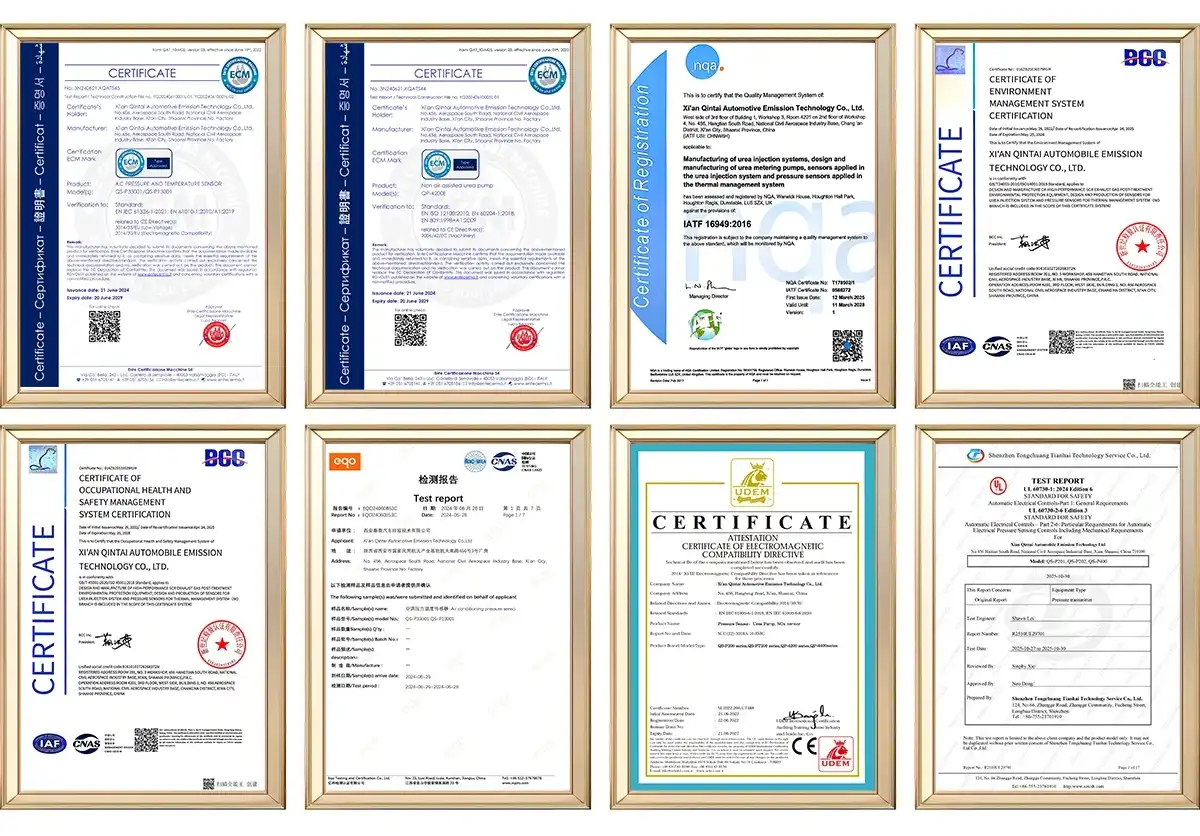
When you specify Temperature Transmitters with ISO 9001 and IATF 16949 factory certifications, you can be sure of steady production quality, which is important for mass production. Following the rules for REACH and RoHS keeps the supply chain running smoothly in North American and European areas where dangerous chemicals are not allowed by law. Asking suppliers for proof that their calibrations can be traced back to national standards like NIST makes sure that the products supplied meet the accuracy requirements that were stated. This makes it easier for quality-focused organizations to check the products when they arrive.
Supplier Evaluation Beyond Initial Purchase Price
Manufacturers are confident in the durability of their products because they offer warranty terms ranging from normal one-year coverage to longer five-year plans. The speed with which technical support is provided directly impacts project timelines. For example, suppliers that offer application engineering help system designers solve compatibility issues during the design phase, and suppliers that offer 24-hour troubleshooting support keep important installs running as smoothly as possible. Standard product delivery times should stay under four weeks, and faster choices are available for people who need replacements right away. When these aspects of service are looked at along with price, a fuller picture of provider value is formed.
Troubleshooting, Maintenance, and Maximizing the Lifespan of Temperature Transmitters
Proactive repair practices keep measurement accuracy up, which is important for process control and following the rules. They also make Temperature Transmitters last longer. Unplanned downtime costs can be cut by learning about typical failure modes and putting preventative measures into place.
Identifying and Resolving Common Performance Issues
Signal drift usually shows up as a slowly growing difference between the real and displayed temperatures. This is usually caused by sensors that are getting old or rust at the connection points. If you compare several measurement points in the same temperature zone, you can tell if the drift is coming from the electronics or the sensing element itself. Readings that come and go are generally caused by vibrations and loose wiring connections. On the other hand, a total loss of signal could mean that the power source is broken or that an internal electronic component has failed and needs to be replaced.
Calibration Schedules for Maintaining Accuracy
When used in emission-critical situations, measuring tools should be checked for accuracy once a year using approved reference standards. Maintaining accuracy at this frequency strikes a good mix between service costs and accuracy. However, uses that are exposed to harsh temperatures or chemicals may need to be checked every six months. Modern smart Temperature Transmitters that can connect to HART systems can do in-situ verification by comparing repeated internal readings to known reference conditions. This could make calibration intervals longer while still ensuring the accuracy of the measurements.
Environmental Protection Strategies
Putting protected covers over connection points keeps water out, which lowers the resistance of the insulation. By sealing pipe openings with the right heat-resistant sealant, you can stop exhaust gas from getting in and corroding internal parts in aftertreatment uses. Keeping signal wires away from high-voltage ignition wiring and through separate pipe reduces electromagnetic interference that can mess up measurement signals. These seemingly small installation details have a big effect on long-term dependability, especially in mobile equipment that is constantly vibrating and changing temperatures while it's in use.
Conclusion
To choose the right temperature measurement options for harsh industrial settings, you need to carefully look at technical specs, environmental defenses, and the supplier's abilities. Strong signal conditioning and full certifications on Temperature Transmitters make sure they work reliably in diesel engine aftertreatment systems, power production equipment, and industrial process uses that are very demanding. Finding the best value for both OEM makers and system installers means weighing the initial costs of purchase against the total costs of ownership. These costs should include upkeep needs and measurement accuracy over long service intervals. Partnering with experienced suppliers who offer technical help throughout the lifetime of a product lowers the risks of execution and makes it easier to follow the rules that are getting stricter on emissions.
FAQ
How often should temperature transmitters be calibrated in extreme environments?
How often you calibrate depends on how important the program is and how it is being used. Emission control systems that have to follow the rules usually need to be checked against traceable standards once a year. Checking equipment every six months can help find drift before it affects process control, especially if it is exposed to harsh temperature changes, toxic atmospheres, or constant shaking. Smart transmitters that can self-diagnose can extend intervals by constantly checking the accuracy of measurements and telling workers when recalibration is needed instead of just doing it at set times.
What distinguishes a temperature sensor from a temperature transmitter?
When sensors pick up electrical signs, like voltage changes in thermocouples or resistance changes in RTDs, they need to be "conditioned" before they can be correctly interpreted. Transmitters have electronics inside that boost these signals, make non-linear sensor reactions linear, compensate for cold junctions, and turn readings into standard outputs like 4-20mA current loops. This signal processing makes it possible to send signals over long distances without any loss of quality. It also makes it possible to connect directly to standard control systems and reduces noise in tough electrical industrial settings where raw sensor signals would not work.
Can wireless temperature transmitters maintain accuracy in industrial electromagnetic environments?
Modern wireless transmitters use error-correction techniques and frequency-hopping spread spectrum to keep communication stable even when varying frequency drives, welding equipment, and radio communications send electromagnetic interference. A good signal strength is guaranteed by installing things in a way that doesn't block the line of sight with big metal structures. Applications that need Safety Integrity Level certification or reaction times of less than one second may still prefer wired connections. However, wireless solutions that allow for occasional tracking of non-critical parameters often work well and save money on installation costs and cable upkeep.
Connect with Qintai for Reliable Temperature Transmitter Solutions
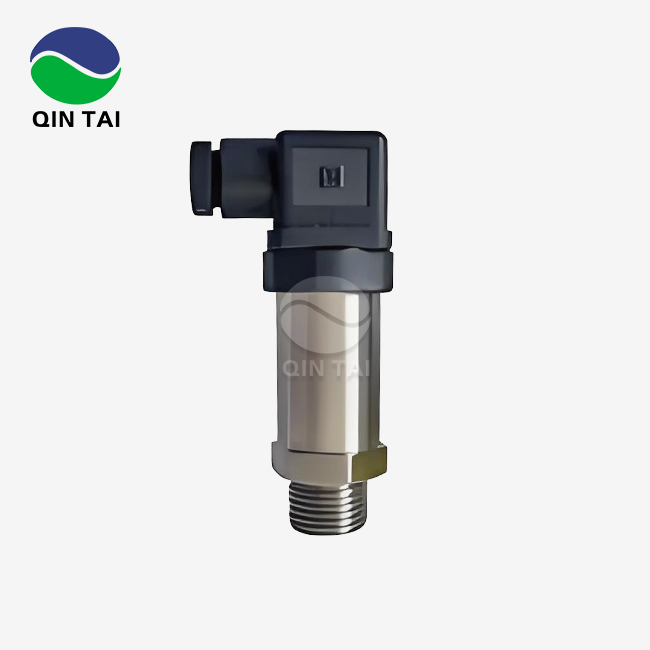
Qintai Automotive Emission Technology Co., Ltd. has been making sensors for more than 20 years and works with diesel engine OEMs, aftertreatment system installers, and industrial equipment manufacturers all over the world. Our Temperature Transmitter source has the ability to do both independent research and mass production. They are backed by ISO9001, IATF16949, and a wide range of foreign approvals, such as ATEX, IECEx, and SIL. We know what extreme-duty uses need because we are the main core provider to China's biggest power companies, like Weichai and Yuchai.
Our engineering team offers full OEM and ODM services that can be easily tailored to your unique interaction needs, communication methods, and environmental conditions. Our track record in more than 60 countries shows that we are dedicated to providing industrial-grade reliability, whether you need high-volume production runs with stable quality or scientific collaboration on next-generation emission control systems. Get in touch with our technical experts at info@qt-sensor.com to talk about your temperature measurement needs and find out how our certified solutions can improve the performance of your system while still meeting legal standards.
References
1. Johnson, M. & Williams, R. (2022). Industrial Temperature Measurement: Principles and Applications for Extreme Environments. McGraw-Hill Professional Publishing.
2. Chen, L. (2021). Signal Conditioning Technologies for Process Instrumentation in Harsh Industrial Settings. Journal of Industrial Electronics and Applications, 45(3), 127-148.
3. Anderson, P. (2023). Comparative Analysis of HART and 4-20mA Communication Protocols in Automotive Emission Control Systems. SAE International Technical Papers, DOI: 10.4271/2023-01-0442.
4. European Industrial Instrumentation Standards Committee (2022). Temperature Transmitter Selection Guidelines for Hazardous Area Classifications. EIISC Publication 2022-08.
5. Roberts, K. & Martinez, S. (2021). Lifecycle Cost Analysis of Smart vs. Analog Transmitters in Mobile Equipment Applications. Maintenance Technology Magazine, 34(6), 22-29.
6. Zhang, Y. (2023). Emission Regulation Compliance Through Precision Temperature Measurement in Diesel Aftertreatment Systems. International Journal of Automotive Engineering, 18(2), 89-103.
 Sensors.webp)

Our customers’ satisfaction speaks for our quality — contact us to experience the same reliable service.