- English
- French
- German
- Portuguese
- Spanish
- Russian
- Japanese
- Korean
- Arabic
- Greek
- German
- Turkish
- Italian
- Danish
- Romanian
- Indonesian
- Czech
- Afrikaans
- Swedish
- Polish
- Basque
- Catalan
- Esperanto
- Hindi
- Lao
- Albanian
- Amharic
- Armenian
- Azerbaijani
- Belarusian
- Bengali
- Bosnian
- Bulgarian
- Cebuano
- Chichewa
- Corsican
- Croatian
- Dutch
- Estonian
- Filipino
- Finnish
- Frisian
- Galician
- Georgian
- Gujarati
- Haitian
- Hausa
- Hawaiian
- Hebrew
- Hmong
- Hungarian
- Icelandic
- Igbo
- Javanese
- Kannada
- Kazakh
- Khmer
- Kurdish
- Kyrgyz
- Latin
- Latvian
- Lithuanian
- Luxembou..
- Macedonian
- Malagasy
- Malay
- Malayalam
- Maltese
- Maori
- Marathi
- Mongolian
- Burmese
- Nepali
- Norwegian
- Pashto
- Persian
- Punjabi
- Serbian
- Sesotho
- Sinhala
- Slovak
- Slovenian
- Somali
- Samoan
- Scots Gaelic
- Shona
- Sindhi
- Sundanese
- Swahili
- Tajik
- Tamil
- Telugu
- Thai
- Ukrainian
- Urdu
- Uzbek
- Vietnamese
- Welsh
- Xhosa
- Yiddish
- Yoruba
- Zulu
How to Extend the Lifespan of NOx Sensors
To make your NOx sensor last longer, you should first understand how it works and then follow the steps for preventative care. If you keep these nitrogen oxide detectors in good shape, they should last between 80,000 and 150,000 kilometers. However, smart buying choices and regular care can make them last much longer than the average. When you work with approved suppliers and protect sensors from thermal shock, contamination, and electrical stress, you can be sure that they meet emission standards and lower the total cost of ownership for heavy-duty uses.
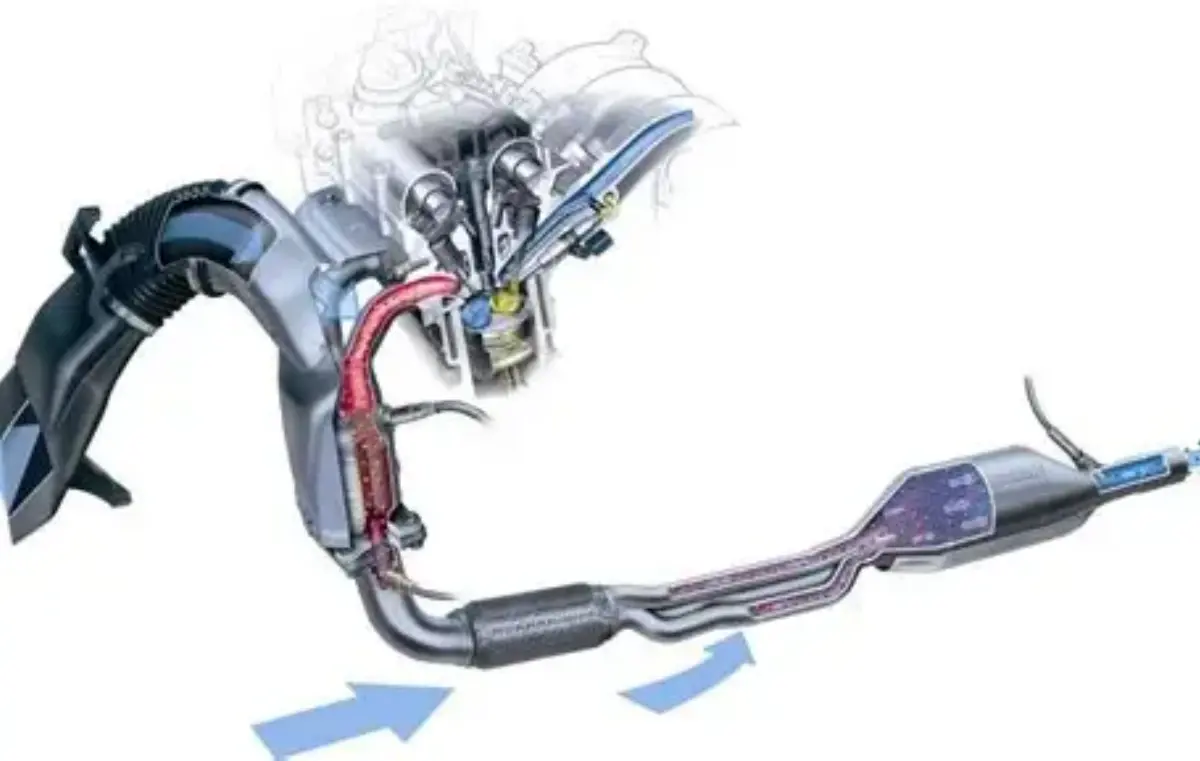
Understanding NOx Sensors and Their Lifespan
Nitrogen oxide monitors are now an important part of pollution control systems for diesel engines, especially as rules around the world get stricter. These tools check the amount of NOx in air streams so that selective catalytic reduction systems work correctly and meet strict requirements.
Core Technology Behind Modern Sensors
These days, zirconia ceramic cell technology is the main way that nitrogen oxide is found. At high temps, this solid electrolyte material moves oxygen ions around, making electrical currents that can be measured and are related to NOx levels. There are several holes in the sensing device where oxygen is added to the exhaust gas before NOx breaks down. When oxygen ions are pumped out of the measurement box, they send messages to the engine control units that they understand as exact concentration values. For this electrochemical process to work properly, the temperature must stay between 100°C and 800°C. This is done by heating elements that are built in and turn on during cold starts.
Typical Operational Lifespan Expectations
If everything goes as planned, good NOx sensors will work reliably for 80,000 to 150,000 kilometers in business vehicles. The working lifespan, on the other hand, changes a lot depending on job cycles and environmental factors. Heavy trucks that drive in stop-and-go traffic in cities experience more temperature cycling than highway transport vehicles, which speeds up wear and tear. When equipped with industrial-grade parts, generator sets that run constantly at steady loads often last longer than 6,000 hours. Knowing these basic standards helps procurement teams set reasonable replacement plans and make sure fleet maintenance programs have enough money in their budgets.
Primary Degradation Factors
Sensors lose their effectiveness over time for a number of reasons. Ceramic surfaces get dirty over time from fuel additives, oil use, and particulate matter, which slows down awareness and reaction time. Thermal cycling puts stress on the zirconia structure, which could lead to tiny cracks that make it less effective. When building and farming equipment is exposed to vibration, it can weaken electrical connections and damage internal parts that are easily damaged. Chemical pollution from lead compounds and sulfur derivatives in low-quality fuels breaks down catalytic surfaces in a way that can't be fixed. This makes sensors incorrect or useless.
Common Symptoms and Troubleshooting of Bad NOx Sensors
Seeing early warning signs of NOx sensor failure can help you avoid costly downtime and breaking the law. Modern engine control systems have diagnostic features that can give you useful information if you know how to read them.
Diagnostic Trouble Codes and Error Patterns
Engine control units constantly check the voltage outputs of sensors and compare them to what they should be. When deviations go beyond set limits, the system sends out diagnostic problem codes that techs can read with scan tools. Circuit range problems, slow reaction times, and numbers that don't make sense that don't match oxygen sensor data are all common fault codes. When codes stay on after several drive cycles, it means there are real sensor problems, not temporary ones caused by dirty fuel or strange working conditions.
Performance Indicators Requiring Attention
Besides error codes, there are other operating signs that point to sensor degradation. If you use more DEF without changing the load, it's likely that your NOx numbers are wrong, which leads to too much dose. If the air-fuel ratio isn't adjusted correctly because of bad sensor inputs, the fuel economy may go down. If you can see exhaust smoke or smell something strange, it means that the burning process isn't finished and the sensors aren't working right. By keeping an eye on these measures across multiple cars, fleet managers can find sensor batches or installation methods that need to be fixed.
Systematic Diagnostic Approaches
Structured processes that get rid of uncertainties in a planned way are needed for effective troubleshooting. Before rejecting sensors, technicians check the electrical links for corrosion, loose leads, and broken harnesses. Measuring the voltage and resistance at certain pins confirms that the heater works correctly and that the signal circuit is complete. When you compare the results from upstream and downstream sensors during active regeneration cycles, you can see if there are problems with contamination or calibration drift. This orderly approach cuts down on wrong diagnoses and replacement of parts that aren't needed and don't fix the real problems with the system.

Proven Maintenance Tips to Prolong NOx Sensor Life
Using regular repair plans greatly increases the service life of NOx sensors while keeping their accuracy. These methods deal with the main types of failure that usually shorten the life of an operation.
Inspection and Cleaning Intervals
Visual checks done on a regular basis find contamination before it damages sensors forever. As part of regular maintenance, the places where sensors are mounted should be checked every three months for oil leaks, coolant seepage, and too much soot buildup. Using allowed chemicals to clean the outside gets rid of surface deposits without harming protective coatings. Aggressive cleaning methods or rough materials, on the other hand, can damage ceramic surfaces and let dirt into sensor chambers. Recording the results of inspections creates a standard that shows how things are wearing down over time. This lets you replace things before they completely break down and stop activities.
Contamination Prevention Strategies
To keep dangerous substances from getting into sensors, the engine system as a whole needs to be fixed. By replacing rings and valve seals at the right time and keeping oil usage at the right level, grease stays out of the exhaust streams. Sulfur poisoning, which is a major cause of early sensor death, can't happen when ultra-low sulfur diesel fuel is used. Putting in good fuel filter systems gets rid of the water and particles that hurt injection systems and make more byproducts of burning. Taking care of problems with diesel particulate filter recycling lowers the high temperature jumps that put stress on sensors during cleaning cycles.
Calibration and Software Optimization
Regular changes to the software and calibration of modern emission control systems are very helpful. Engine makers put out software fixes that improve NOx measurement methods. This makes the software more accurate when the load changes. After replacing a sensor, recalibration processes make sure that the new parts work well with the engine's current settings. Some advanced troubleshooting tools let you make changes to the calibration in the field that account for standard drift, which means the sensor can be used for longer without having to be replaced. Fleets can use the newest optimization techniques by keeping up with maker technical service bulletins.
Selecting the Right NOx Sensor to Maximize Lifespan and Performance
Long-term dependability and total cost of ownership are directly affected by the choices made during procurement. Systematically evaluating suppliers and goods makes sure that they work well together and meet business needs.
OEM Versus Aftermarket Considerations
Original equipment maker NOx sensors promise compatibility and usually come with full warranties, but they are more expensive, which can affect beginning budgets. Businesses that care about prices will like aftermarket options because they save money, but the quality changes a lot from one manufacturer to the next. When properly stated, high-quality aftermarket sensors from well-known providers can match OEM performance. This is especially true for older technology where longer warranties are less useful. But fake goods that are filling some markets use cheap materials and poor craftsmanship to make things that break quickly. This raises the total cost of ownership because the products have to be replaced more often, which costs money in labor costs.
Critical Selection Criteria
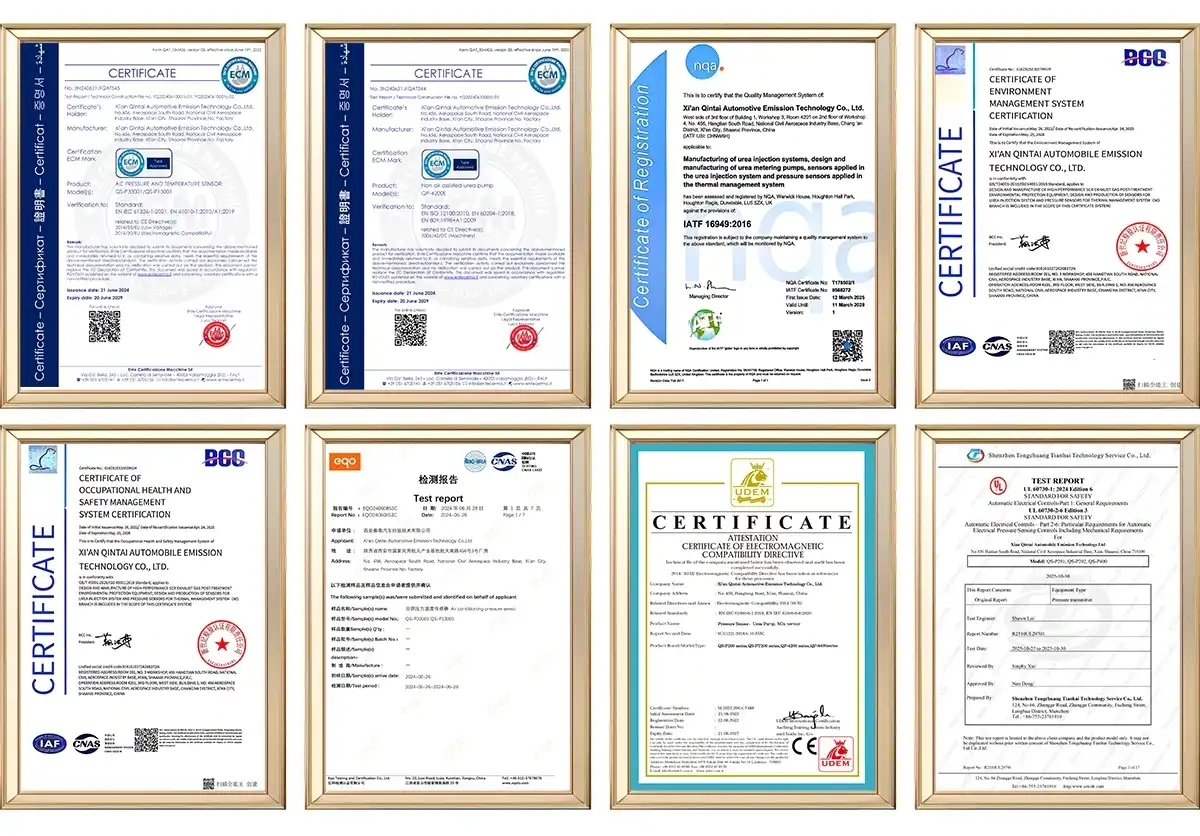
Several technical factors decide which uses a sensor is best for. For proper fitting without adapters that add leak points, thread specifications and mounting configurations must match the designs of current exhaust systems. Different chassis designs have different cable length needs, so custom wire lengths are needed for retrofits. The highest exhaust temperatures that happen during regeneration cycles and high-load operation should be higher than the temperature rating standards. Certifications like ISO9001, IATF16949, and regional licensing standards make sure that the products are made well and follow the rules that are important for business car uses.
Here are the main benefits Qintai brings to tough industrial settings: Our sensors have response times of less than 1400ms, which means SCR systems can respond quickly to changing air conditions that could affect compliance gaps. A light-off time that is much shorter than the industry norm of 165 seconds lowers cold-start emissions when cars start up. Longer service lives (up to 6,000 hours) than regular goods, which means that big teams will need to replace them less often and save money on upkeep. Better resistance to lead and sulfur poisoning keeps accuracy longer in settings with bad fuel quality. Sealed, waterproof construction and adaptable links make sure that the system works reliably in a variety of mounting places and electrical layouts. When procurement managers look at long-term supplier partnerships, these success traits take into account the reliability and cost control goals that they have.
Supplier Reputation and Support Services
Technical help is what sets competent sellers apart from those who only sell parts. Manufacturers that offer application engineering help match the needs of the monitor to those of the engine. This keeps problems with compatibility from happening, which wastes time and resources. After the sale, responsive service answers questions about installation and fixes problems with performance that come up during testing. Warranty terms that show the maker believes the product will last protect you financially against failure before its time. Established providers with decades of experience in the field bring a wealth of knowledge that helps customers by improving product designs by incorporating lessons learned from mistakes in the field and changing legal requirements.
Strategic Procurement Tips for Long-Term Sensor Reliability
By improving the way you buy things, you can get competitive prices and keep the supply chain stable. Having strategic ties with qualified providers is more valuable than just saving money on unit costs.
Volume Purchasing and Contract Negotiation
Large buyers use their buying power to get better terms that lower the cost per unit and make sure they get first choice when supplies are low. Agreements that cover more than one year and include volume promises help keep budgets stable and encourage providers to keep quality high. Tiered pricing systems credit larger orders, which helps fleet owners balance the costs of keeping inventory with the returns they get on their investments. Negotiating payment terms that fit with cash flow cycles is a good way to handle working capital without hurting relationships with suppliers. These business deals are good for both sides, which makes relationships stronger and encourages people to work together to solve problems when they come up.
Supplier Qualification and Auditing
Processes for due diligence guard against fake goods and poor production methods. Asking for proof of certification shows that you follow quality control systems and business standards. Audits of the building itself show what kind of production can be done, how quality is controlled, and what kinds of expert tools are available to help with product development. By using sample methods to test new packages, batch differences can be found before they are installed across entire fleets. Setting up lists of approved vendors based on past performance improves buying while keeping quality standards high. These testing tasks cost money up front, but they keep expensive fails from happening that break down equipment and stop operations.
Technical Compatibility Verification
To match NOx sensors to specific engine models, specifications need to be carefully looked over. Charts that show compatibility match sensor types with engine makers, model years, and levels of emission approval. The voltage ranges, signal methods, and diagnostic transmission standards for the electrical interface must match those for the car control systems. The precision and longevity of measurements are affected by the mounting size, thread types, and insertion lengths. Working with application engineers while creating specifications helps avoid problems that show up only after installation and cost a lot to fix. This level of technical detail makes sure that the right thing is bought the first time, so there aren't any problems or extra costs later on.
Conclusion
To make NOx sensors last longer, you need methods that cover everything from choosing the right product to how to install it and doing regular upkeep. When procurement teams work with qualified suppliers who offer certified goods, expert support, and quick service, they lay the groundwork for emission control systems that work reliably. Regular checks that look for contamination, correct diagnostic methods that find wear and tear early, and software changes that improve calibration all work together to extend the operating lifespan. These methods lower the overall cost of ownership while making sure that regulations are always followed in demanding business settings. Companies that have strategic partnerships with makers that care about quality and new ideas are better able to adapt as pollution standards change and technology improves.
FAQ
What is the typical replacement interval for NOx sensors in commercial fleets?
In business companies, how often NOx sensors usually need to be replaced depends a lot on how they are used and how good they are. With OEM or high-quality aftermarket sensors, commercial cars that are driven in normal situations can usually go 80,000 to 150,000 kilometers. Heavy-duty uses, like building equipment and delivery trucks in cities, may need to be replaced every 60,000 to 100,000 kilometers because they are exposed to more temperature changes and dirt. Continuously running generator sets can usually go for 5,000 to 6,000 hours before the sensors start to lose their accuracy. These times are longer if you keep an eye on diagnostic data and do preventative maintenance, but cheap sensors may stop working after half of these lengths.
Can maintenance significantly extend sensor lifespan?
Maintenance habits have a big effect on how long sensors last. Regular checks that find oil leaks, contaminated coolant, and too much soot buildup stop the breakdown from speeding up. Sensors can be kept safe from chemical damage by using good fuel and fixing engine problems that cause more burning byproducts. The mechanical stability can be extended by using the right fitting methods that stop vibration damage and thermal stress. Firmware changes that improve calibration systems keep precision even as parts get older. When compared to reactive replacement methods, fleets that use thorough maintenance plans often see 20–30% longer vehicle lifespans. Maintenance, on the other hand, can't make up for the basic differences in quality between high-end and low-end goods.
What risks accompany low-cost aftermarket sensors?
There are a few durability issues with cheap aftermarket choices. Ceramics that aren't up to par break down faster when exposed to contamination and changing temperatures. Poor heater parts break down too soon or need too much power, which puts stress on electrical systems. Poor quality control makes it hard to standardize the fleet because different units don't work the same way. If fake goods don't have the right certificates, they might not meet emission guidelines, which could be against the law. Buyers can't get help with troubleshooting because providers they don't know offer little expert support. Even though the initial savings may look good, the costs of frequent replacements, diagnostics, and possible fines for not following the rules often add up to more than the expensive product investments over the course of its operating lifecycle.
Partner With Qintai for Superior NOx Sensor Solutions
Qintai Automotive Emission Technology Co., Ltd. has been in the diesel aftertreatment business since 2001. It is a national high-tech company and China's biggest OEM seller to power companies. Our NOx sensors have sealed, waterproof designs that make them reliable, and response times of less than 1400ms that allow precise SCR control. The connectors and wire lengths can be changed to fit a variety of application needs. We provide industrial-grade parts that Weichai Power, Yuchai Power, and Quanchai Power accept.
These parts are certified by ISO9001, IATF16949, and REACH compliance. We have a 6,000-hour service life and advanced poisoning resistance, which makes us a reliable NOx sensor provider for heavy trucks, building equipment, or generator sets. Email our technical team at info@qt-sensor.com to talk about bulk prices, customization choices, and possible long-term business partnerships. Find out how our 58 invention patents can improve the performance of your emission control systems by visiting qt-sensor.com and looking at our full line of sensors.
References
1. Johnson, M. R., & Chen, L. (2022). Advanced Sensor Technologies for Diesel Engine Emission Control Systems. Society of Automotive Engineers International.
2. Environmental Protection Agency. (2021). Heavy-Duty Engine and Vehicle Standards: Technical Review of NOx Measurement Systems. EPA Office of Transportation and Air Quality.
3. Schmidt, K., & Patel, R. (2023). Predictive Maintenance Strategies for Emission Control Components in Commercial Vehicles. Journal of Fleet Management and Logistics, 45(3), 178-195.
4. International Organization for Standardization. (2020). ISO 11564:2020 - Road Vehicles - Exhaust Gas Emission Measurement - NOx Sensor Performance Requirements. ISO Technical Committee.
5. Zhang, W., & Mueller, T. (2022). Zirconia-Based Electrochemical Sensors: Durability Factors in Harsh Automotive Environments. Materials Science and Engineering Quarterly, 38(2), 267-284.
6. National Renewable Energy Laboratory. (2023). Total Cost of Ownership Analysis for Emission Control Technologies in Heavy-Duty Applications. U.S. Department of Energy Technical Report Series.

Our customers’ satisfaction speaks for our quality — contact us to experience the same reliable service.