- English
- French
- German
- Portuguese
- Spanish
- Russian
- Japanese
- Korean
- Arabic
- Greek
- German
- Turkish
- Italian
- Danish
- Romanian
- Indonesian
- Czech
- Afrikaans
- Swedish
- Polish
- Basque
- Catalan
- Esperanto
- Hindi
- Lao
- Albanian
- Amharic
- Armenian
- Azerbaijani
- Belarusian
- Bengali
- Bosnian
- Bulgarian
- Cebuano
- Chichewa
- Corsican
- Croatian
- Dutch
- Estonian
- Filipino
- Finnish
- Frisian
- Galician
- Georgian
- Gujarati
- Haitian
- Hausa
- Hawaiian
- Hebrew
- Hmong
- Hungarian
- Icelandic
- Igbo
- Javanese
- Kannada
- Kazakh
- Khmer
- Kurdish
- Kyrgyz
- Latin
- Latvian
- Lithuanian
- Luxembou..
- Macedonian
- Malagasy
- Malay
- Malayalam
- Maltese
- Maori
- Marathi
- Mongolian
- Burmese
- Nepali
- Norwegian
- Pashto
- Persian
- Punjabi
- Serbian
- Sesotho
- Sinhala
- Slovak
- Slovenian
- Somali
- Samoan
- Scots Gaelic
- Shona
- Sindhi
- Sundanese
- Swahili
- Tajik
- Tamil
- Telugu
- Thai
- Ukrainian
- Urdu
- Uzbek
- Vietnamese
- Welsh
- Xhosa
- Yiddish
- Yoruba
- Zulu
Understanding NOx Sensors in Diesel Emission Control Systems
A diesel NOx sensor is a precise electrochemical device that checks exhaust systems for nitrogen oxide pollution all the time. This makes sure that strict EPA and Euro VI standards are met. This monitor uses a hot zirconia ceramic element to measure NO and NO₂ levels and sends real-time information to the engine control unit so that the selective catalytic reduction (SCR) system works at its best. By understanding these sensors' technical structure and how they work, procurement managers and research and development engineers can choose parts that meet regulations, keep machines running smoothly, and save money in the long run for heavy trucks, construction equipment, farm equipment, and generator sets.
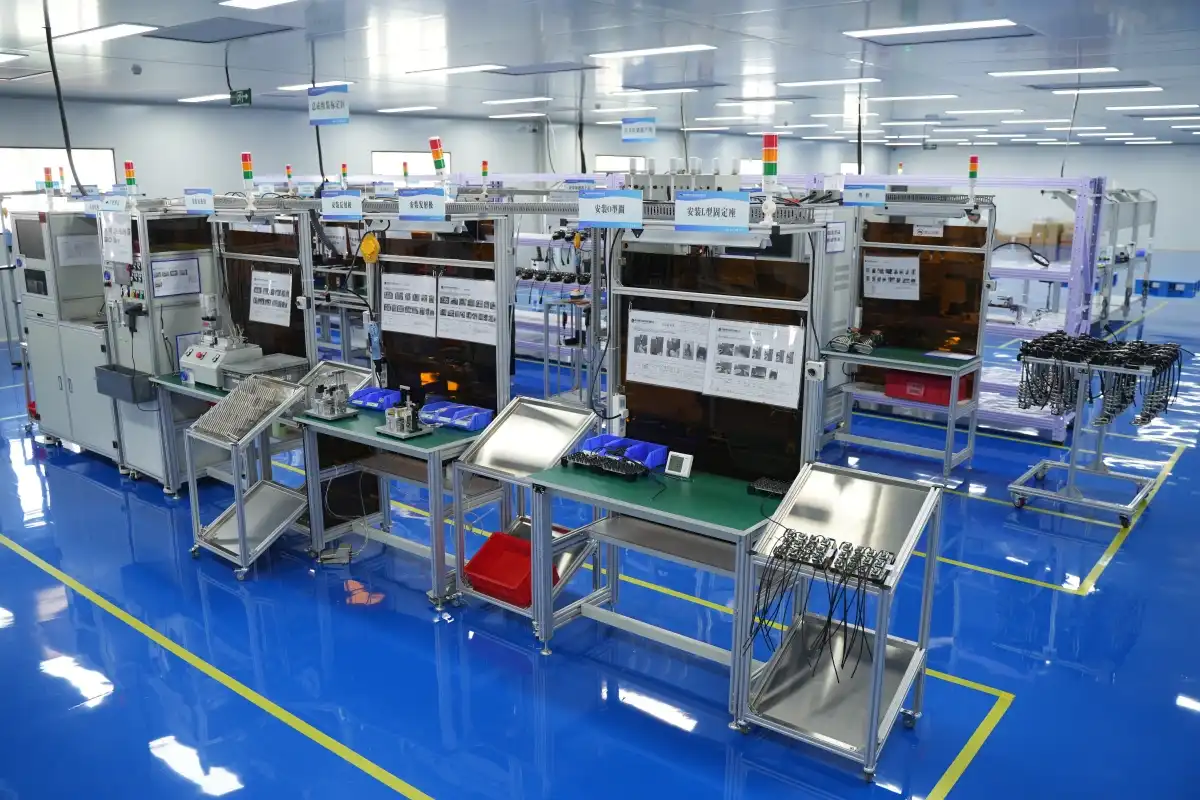
What is a Diesel NOx Sensor and How Does It Work?
Core Function and Detection Mechanism
The diesel NOx sensor is a complex hot electrochemical device that usually has a ceramic zirconia part. Through internal measurement cells, this part constantly finds nitrogen monoxide (NO) and nitrogen dioxide (NO₂) in exhaust fumes. A small device controls the heater's temperature, keeping it between 700°C and 800°C most of the time. It also does automatic self-diagnostics and talks to the engine control unit using CAN bus standards.
The sensor checks three important things: the amount of NOx in parts per million or milligrams per cubic meter, the balance of oxygen inside the sensor to get accurate readings, and the temperature of the sensor and the heater current to keep it working at its best. This multi-parameter method makes sure accuracy even when engine loads and environmental factors change, which is still very important for OEM makers trying to get certified under China VI and Euro VI rules.
Main Components and Architecture
These days, diesel NOx sensors have five important parts that all work together. The detecting element is made up of a zirconia ceramic cell that works as the electrical base for finding gases. The warmer element keeps the sensor's temperature stable in a wide range of settings, from building sites to farm fields. The signal filtering circuit turns unprocessed electrical information into common types of data. An integrated control module handles contact with the ECU, and the connector and wire harness make sure that the sensor always has a stable electrical connection.
Diesel engine makers need to be able to make a lot of engines, and this architectural plan gives them the security and consistency they need. The flexible design also makes it easier to make changes for people who build aftertreatment systems and want to make sure that sensors work well with different SCR and DPF setups.
SCR System Integration and Feedback Loop
A closed-loop pollution control system is made by strategically placing monitors upstream and downstream. The upstream sensor measures the amount of NOx that is hitting the SCR catalyst. This information helps the ECU figure out how much urea (AdBlue) to feed to turn the NOx into nitrogen and water vapor. The sensor further downstream checks the effectiveness of the conversion. If reduction goals are not met, the ECU changes the dose rates or sends out diagnostic trouble codes.
This feedback system stops both under-dosing, which can lead to emission problems, and over-dosing, which can cause solid deposits or ammonia slip. When setting standards for sensor accuracy and system integration parameters for new diesel powertrains, technical managers and research and development experts find it helpful to understand this relationship.
Diagnosing and Maintaining Diesel NOx Sensors: Troubleshooting and Care
Common Symptoms of Sensor Failure
Sensor degradation can be seen in a number of ways that purchasing managers and parts sellers should be aware of in order to plan their supplies. When the ECU finds strange diesel NOx sensor readings, warning lights on the dashboard come on. When the control system goes into "limp mode" to protect the aftertreatment parts, the engine's speed goes down. During compliance checks, failed elevated emission tests become clear. When AdBlue use goes up, it's usually because downstream devices aren't working right and giving wrong information. By noticing these signs early, you can keep commercial car fleets and building machinery operations running smoothly and avoid costly damage to catalysts.
Diagnostic Trouble Codes and Interpretation
Modern internal monitoring systems make codes that tell you what's wrong with diesel NOx sensors. Problems with the upstream sensor circuit range or function are shown by code P2201, and problems with the downstream sensor circuit are shown by code P2203. Code P229F means that the NOx monitor isn't working as well as it should, and Code P20EE means that the SCR NOx catalyst isn't working as well as it should be. By knowing these codes, technical departments can choose the right replacement sensors, and buying departments can deal with sellers based on data about failure rates and guarantee terms.
Maintenance Best Practices and Replacement Intervals
The life of a sensor rests on how well it is maintained according to the manufacturer's instructions. Every 50,000 kilometers, a visual check is done to look for actual damage or rust in the connectors. Electrical testing checks the signal voltage bands and heater circuit resistance. During cleaning processes, manufacturer-approved agents are carefully used to remove built-up deposits. However, this only restores performance temporarily. Depending on the conditions of use, replacement times are usually between 150,000 and 300,000 kilometers. Mining and high-sulfur fuel settings need service more often. Generator set makers who make units for backup power should use engine hours instead of miles to figure out when to do preventative maintenance.

Comparing Diesel NOx Sensors: Making Informed Procurement Decisions
OEM versus Aftermarket Sensor Options
When deciding between OEM sensors and aftermarket options, procurement managers have to make important choices. OEM diesel NOx sensors are guaranteed to work perfectly with calibrations that are specific to each car. This protects the insurance and makes sure that the rules are followed. These units go through strict validation tests and have certifications that are needed to run a big fleet. As a result, aftermarket sensors can save you anywhere from 30 to 50 percent on costs. This makes them appealing to service shops and parts sellers that want to save a lot of money.
Quality aftermarket companies like Qintai make devices that meet or go beyond OEM requirements by doing their own research and development and following strict testing procedures. The main factors for review are the level of accuracy, the consistency of the response time, the durability in harsh environments, and the stability over time when temperatures change. Before approving suppliers for bulk buying deals, technical teams should check that aftermarket sensors meet ISO 11199 standards and that they have electromagnetic compatibility certifications.
Leading Brand Performance Comparison
Diesel emission control system growth over many years has helped global names build their reputations. Bosch sensors are used in most big trucks in Europe, and they have been shown to be reliable in Euro VI compliance. It is easy for Delphi parts to work with North American SCR designs, especially in Cummins and Detroit Diesel engines. When it comes to building and farming equipment that works in high-temperature, high-vibration environments, Denso goods do very well in Asian markets.
Being the biggest OEM provider in China's home market and the main supplier to Weichai Power, Yuchai Power, and Quanchai Power, Qintai has become a strong rival in this field. Our ISO9001, IATF16949, and other foreign approvals show that we make high-quality products that meet global quality standards. The company's 58 design patents show that it is always coming up with new ideas for sensor technology. These patents give technical managers the ability to change the interfaces and settings to fit the needs of specific applications.
NOx Sensors versus Oxygen Sensors: Functional Differentiation
Some people get these two types of sensors mixed up, even though they do different things to control emissions. Oxygen monitors check the amount of oxygen left in exhaust gases to get the best air-fuel ratios for burning. This affects how well the engine works and how much fuel it uses. Diesel NOx sensors find NOx species so that the aftertreatment system can be controlled. This directly meets the emission laws' requirements to reduce pollution.
This difference in function is important for buying teams that compare prices and negotiate deals. Because diesel NOx sensors have more complicated electrochemical cells, higher working temperatures, and more complex data processing, they cost more per unit than oxygen sensors. When solution engineers create industrial exhaust gas treatment systems, they need to make sure that the right types of sensors are used so that the systems can work together correctly and accurately.
Procuring Diesel NOx Sensors: Best Practices for Bulk Buyers and OEMs
Supplier Selection and Verification Criteria
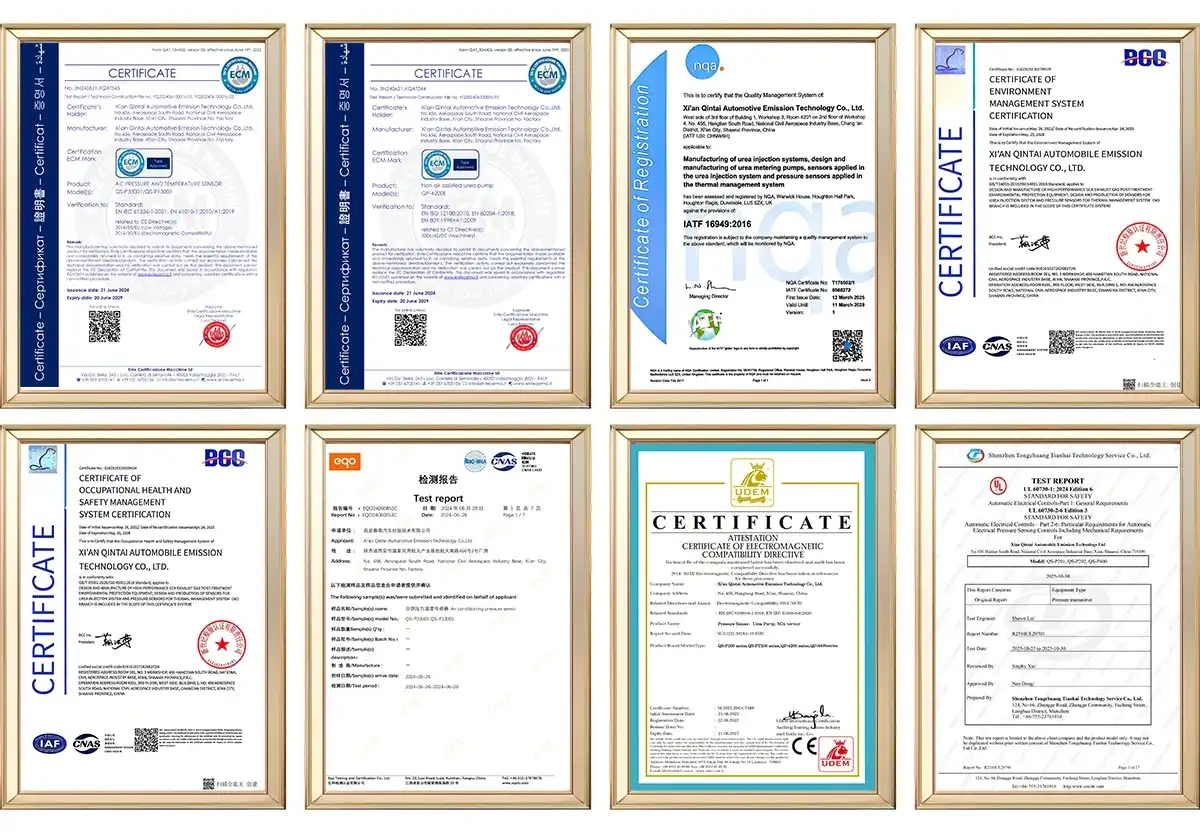
Figuring out which sources can be trusted means looking at more than just the price. Check the factory certifications, such as ISO9001 for consistent production and IATF16949 for managing quality in the car industry. Check that legal compliance approvals like REACH, RoHS, UL, and CE marking are valid for the places you want to reach. Check out the technical support infrastructure, which should include application engineering tools, testing services, and the ability to respond to customers after the sale. Look over past projects that used similar types of tools, like heavy trucks, generators, or building equipment.
Suppliers with a good reputation keep clear records of their quality, offer free testing programs, and let you check out their facilities. Managers in the supply chain should set up two-source plans for key parts while also arranging long-term cooperation deals that guarantee the ability to produce a lot of goods during times of high demand. Directly working with manufacturers like Qintai, which has been around since 2001 and has full R&D teams, often gives you better technical help and more customization options than going through multiple routes of distribution.
International Procurement and Logistics Considerations
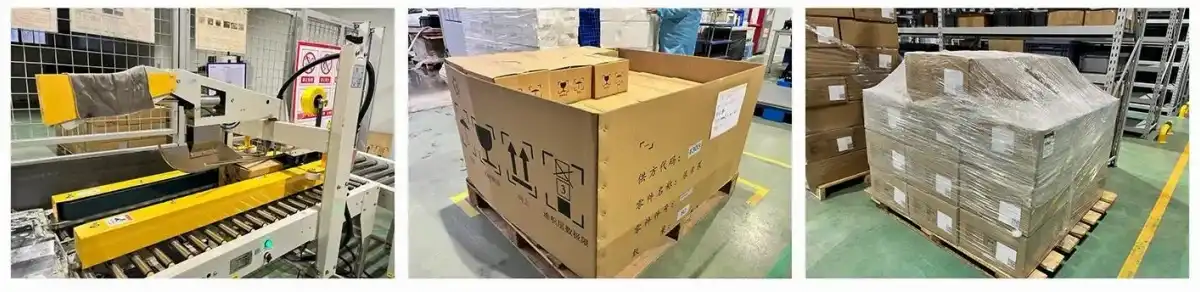
When you buy diesel NOx sensors across international borders, you have to deal with customs processes, shipping logistics, and managing wait times. Standard shipping from Asian producers to North American destinations by sea takes 25 to 35 days. For an extra fee, plane freight choices shorten the trip to 5 to 7 days. When you buy in bulk, you save money because of economies of scale. For example, shipping a container load of goods costs 40 to 60 percent less than shipping a small package.
Import taxes and paperwork needs are controlled by the customs classification under HS code 9026.10. When comparing local and foreign sellers, purchasing managers should add these costs to the total landed price. When buying something from another country, the warranty terms become very important. They need to make it clear how to return a broken item, how long it will take to get a replacement, and how to get expert help during the installation process. Setting up regional service centers or working with local distributors can help with transportation issues while still delivering quickly as needed by aftertreatment system installers.
Compatibility Verification and Specification Matching
Sensor compatibility includes more than just the way the connectors are set up. It also includes electrical standards, signal ranges, and the software needs for the ECU. Check that the voltage supplies work with each other. For business cars, the voltage should be 12V DC, but for some generator set uses, it should be 24V DC. Make sure the measurement range is wide enough. Most sensors can measure between 0 and 1,500 ppm, but for industrial uses, wider ranges may be needed. Check the response time requirements because sensors that can give readings in less than one second are needed for systems that need to respond quickly to changes.
Purchasing offices should keep thorough compatibility grids that list approved sensor part numbers for each make, model year, and engine family. This paperwork stops expensive installation mistakes and lowers the number of failures that happen when parts don't fit together right. When buying environmental protection equipment for a project, the buying team should ask the company for sensor integration protocols and transmission standards to make sure that the system can be easily integrated with their own control architectures.
Future Trends and Innovations in Diesel NOx Sensor Technology
Advanced Materials and Enhanced Durability
New diesel NOx sensor technologies use advanced ceramic materials and protective layers that make them last longer than 500,000 kilometers. Nanotechnology uses make sensing elements more sensitive while cutting reaction times down to milliseconds. Packaging designs that are hermetically sealed keep out wetness and damage from vibrations in heavy-duty uses like mining equipment and farm machinery that works in dirty places. These new ideas meet the needs of generator set makers and building machinery OEMs for high durability and stable long-term operation.
Regulatory Evolution and Market Implications
Global pollution rules are getting tighter. For example, the EPA has made NOx limits for off-road diesel engines stricter, and Euro VII guidelines are projected to cut emissions even more, by 35 percent. China is putting more State VI rules into effect in more local areas, which increases demand in China for sensor technologies that are compatible. These rules put pressure on providers to make next-generation sensors that are more accurate, can diagnose problems faster, and work better with new SCR catalyst formulas.
Leaders in procurement should work with sellers who can show them future-looking plans for R&D investments and legal compliance. Companies like Qintai are actively enhancing international cooperation and taking part in Belt and Road Initiative markets in over 60 countries. This puts them in a good situation to help global fleet owners navigate the many regulatory environments that exist. Strategic relationships with suppliers give you early access to new technologies and make sure you can keep getting what you need as emission standards change.
Strategic Procurement Recommendations
For supply lines for emission control parts to be reliable, they need to be planned ahead of time in a way that follows technical and legal trends. Diversify your supply portfolios to find the best mix between lowering costs and improving technical skills and the speed of creation. Set up working relationships so that you can work together to make custom monitors for specific uses. Invest in predictive repair systems that use sensor data analytics to find the best replacement times and ways to keep track of your supplies.
Total cost of ownership calculations should be part of the management approval process. These should include things like how long the sensors last, how good the expert help is, and how much risk there is of not following the rules. Working with companies that offer full OEM and ODM services gives you the freedom to change sensor specs as equipment designs change. These strategic methods set procurement organizations up to stay in compliance, keep costs low, and support practical efficiency even as market conditions change.
Conclusion
Diesel NOx sensors are very important for making sure that diesel emissions are met, so they need to be carefully looked at in terms of technical specs, provider capabilities, and lifecycle costs. Knowing how sensors work, how to maintain them, and the best ways to buy them gives purchasing managers and R&D experts the information they need to make choices that support following the rules and keeping things running smoothly. As emission standards around the world get stricter, smart relationships between suppliers and innovative makers become more important for gaining a long-term edge in the diesel engine and aftertreatment system markets.
FAQ
What is the typical replacement interval for diesel NOx sensors?
Replacements are usually done every 150,000 to 300,000 kilometers, but this depends on how the vehicle is used and the manufacturer's instructions. Heavy-duty uses that involve high-sulfur fuel, sitting for long periods of time, or dusty surroundings may need to be replaced sooner. When generators are in backup power mode, they should be serviced every so often, usually every 5,000 to 8,000 hours. By keeping an eye on diagnostic trouble codes and emission test results, you can figure out the best time to repair parts while also trying to keep costs low.
Can cleaning extend the operational life of nitrogen oxide sensors?
Some cleaning methods can briefly improve performance by getting rid of surface layers, but they are still not as good as replacing the part. The sensing element works at very high temperatures and is constantly going through electrochemical processes that break down the base materials. If you attempt to clean aggressively, you could damage delicate ceramic parts and connection seals. Most technical managers say that diesel NOx sensors that aren't working as well or are giving off diagnostic codes should be replaced instead of being cleaned. This makes sure that effective emission compliance is maintained.
How do aftermarket sensors compare to OEM specifications?
If they are properly tested, high-quality aftermarket sensors from authorized suppliers meet or go beyond OEM technical requirements. Measurement accuracy within ±5 to 10 ppm, response times under one second, working temperature ranges, and compatibility with vehicle-specific ECU protocols are some of the most important things that are looked at when judging. Reliable aftermarket sellers give the same level of approval paperwork and guarantee support as OEMs. Before accepting aftermarket options for fleet uses that need to be highly reliable and follow all regulations, procurement teams should check that the products are IATF16949 certified and ask for validation test data.
Partner with Qintai for Premium Diesel NOx Sensor Solutions
Qintai Automotive Emission Technology Co., Ltd. is ready to help you with your emission control system needs with complete diesel NOx sensor solutions backed by 20 years of manufacturing excellence. We are China's top OEM provider for Weichai, Yuchai, and Quanchai, and our mass production capabilities have been proven. We provide the stability, consistency, and certification requirements that diesel engine makers and aftertreatment system installers around the world need.
Our in-house research and development, 58 invention patents, and full international certifications, such as ISO9001, IATF16949, and REACH compliance, make sure that the quality of our products meets strict legal standards. We offer OEM and ODM services that are open and can be customized to fit your needs. Our services include fast delivery and helpful technical support. Whether you need sensors for big trucks, building equipment, farm equipment, or generator sets, our tech team can help you find the best options that will save you time and money.
Talk to one of our sourcing specialists right away to talk about choices for buying in bulk, technical details, and long-term partnership possibilities. Contact us at info@qt-sensor.com to get full product paperwork, help with compatibility, and cheap quotes for diesel NOx sensor supply that will help your business succeed in markets where emission control is becoming more controlled.
References
1. Johnson, T. V. (2015). "Review of Diesel Emissions and Control." SAE International Journal of Fuels and Lubricants, Volume 8, Issue 2, Society of Automotive Engineers.
2. Majewski, W. A., & Khair, M. K. (2006). "Diesel Emissions and Their Control." SAE International, Warrendale, Pennsylvania.
3. European Commission (2018). "Regulation (EU) 2016/1628: Requirements Relating to Gaseous and Particulate Pollutant Emission Limits." Official Journal of the European Union.
4. United States Environmental Protection Agency (2020). "Control of Air Pollution from New Motor Vehicles: Heavy-Duty Engine and Vehicle Standards." Federal Register, Volume 85, Number 11.
5. International Organization for Standardization (2017). "ISO 11199: Walking and Wheeled Excavators—Nitrogen Oxides Sensor Requirements." Geneva, Switzerland.
6. Society of Automotive Engineers (2019). "SAE J1979: E/E Diagnostic Test Modes." SAE Ground Vehicle Standard, Warrendale, Pennsylvania.

Our customers’ satisfaction speaks for our quality — contact us to experience the same reliable service.