- English
- French
- German
- Portuguese
- Spanish
- Russian
- Japanese
- Korean
- Arabic
- Greek
- German
- Turkish
- Italian
- Danish
- Romanian
- Indonesian
- Czech
- Afrikaans
- Swedish
- Polish
- Basque
- Catalan
- Esperanto
- Hindi
- Lao
- Albanian
- Amharic
- Armenian
- Azerbaijani
- Belarusian
- Bengali
- Bosnian
- Bulgarian
- Cebuano
- Chichewa
- Corsican
- Croatian
- Dutch
- Estonian
- Filipino
- Finnish
- Frisian
- Galician
- Georgian
- Gujarati
- Haitian
- Hausa
- Hawaiian
- Hebrew
- Hmong
- Hungarian
- Icelandic
- Igbo
- Javanese
- Kannada
- Kazakh
- Khmer
- Kurdish
- Kyrgyz
- Latin
- Latvian
- Lithuanian
- Luxembou..
- Macedonian
- Malagasy
- Malay
- Malayalam
- Maltese
- Maori
- Marathi
- Mongolian
- Burmese
- Nepali
- Norwegian
- Pashto
- Persian
- Punjabi
- Serbian
- Sesotho
- Sinhala
- Slovak
- Slovenian
- Somali
- Samoan
- Scots Gaelic
- Shona
- Sindhi
- Sundanese
- Swahili
- Tajik
- Tamil
- Telugu
- Thai
- Ukrainian
- Urdu
- Uzbek
- Vietnamese
- Welsh
- Xhosa
- Yiddish
- Yoruba
- Zulu
Why ±0.5% Accuracy Matters in Urea Pressure Sensors
When choosing parts for diesel pollution control systems, accuracy is the key to staying in line with the rules and avoiding costly problems. A urea pressure sensor that is accurate to within ±0.5% gives readings that have a direct effect on how well NOx is reduced, how much fuel is used, and how long the system lasts. This level of accuracy makes sure that systems for Selective Catalytic Reduction get correct pressure input, which lets them dosing AdBlue correctly in all situations. Without this consistency, companies that make diesel engines run the risk of violating emission rules, getting warranty claims, and having their engines work less well. These problems affect your whole supply chain and business budget.
Understanding Urea Pressure Sensor Accuracy
Getting accuracy within ±0.5% is a big step up from the usual business limits, which are usually between ±1% and ±2%. This level of accuracy is important because SCR systems need exact pressure readings to figure out how much urea to inject. If the pressure readings are off by even a small amount, the motor control unit gets bad information, which causes it to make bad decisions about how much to dose.
What ±0.5% Accuracy Actually Means?
In real life, a urea pressure sensor that measures 100 psi will give results between 99.5 and 100.5 psi. This narrow range keeps NOx reduction rates stable even when engine loads, weather, and fuel types change. To stay within pollution limits for the life of their engines, diesel engines that meet EPA Tier 4 Final or Euro VI standards need to be this precise.
Impact on NOx Reduction Performance
Incorrect pressure measures cause underdosing, which means there isn't enough ammonia at the catalyst. This lets NOx emissions go over the legal limit. On the other hand, using too much AdBlue loses it, makes ammonia slip happen more, and could hurt parts further down the line. According to research from the International Council on Clean Transportation, when sensor precision drops below ±1%, SCR system efficiency drops by 8–12%. This directly leads to compliance risks and business inefficiencies.
Financial Implications for OEMs and Integrators
When urea pressure sensors aren't accurate, it costs equipment makers a lot of money. Failures in emission tests slow down certifications, require a lot of technical resources, and cause guarantee claims that cut into profits. Because they work on SCR solutions for a lot of different engine platforms, aftertreatment system designers need urea pressure sensors that don't need to be re-calibrated a lot to stay accurate in a variety of settings. This cuts down on development time and approval costs.
Core Functions and Applications of Urea Pressure Sensors
In SCR dosing devices, tracking pressure is the main way that feedback works. The urea pressure sensor constantly checks the pressure of the fluid between the pump and injector. The ECU uses this information to control the speed of the pump, the width of the injection pulses, and the frequency of doses.
Real-Time Feedback for Closed-Loop Control
Modern SCR systems work in closed-loop systems with urea pressure sensors that allow for flexible dosing plans. When the urea pressure sensor finds drops in pressure that could mean there are leaks or air getting in, the ECU changes how the pump works to keep the target input pressure. This constant input stops dosing breaks that would otherwise cause pollution spikes when engine conditions change quickly.
Diagnostic Capabilities Beyond Basic Monitoring
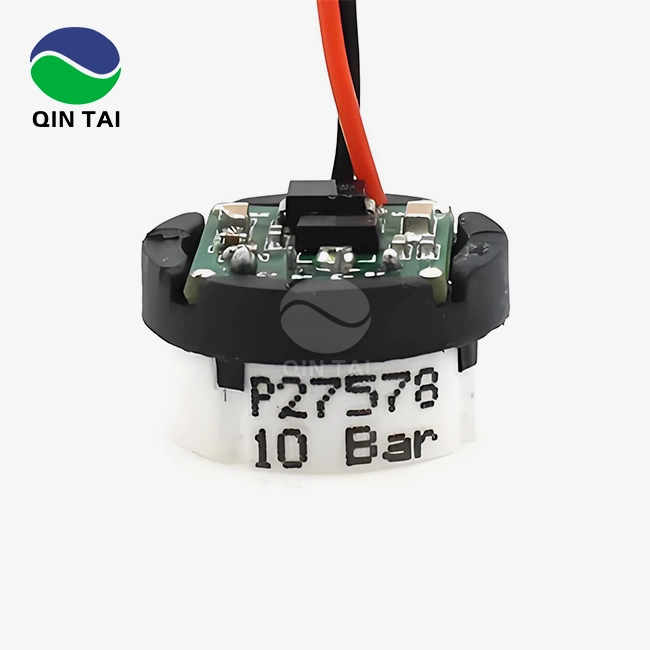
High-accuracy urea pressure sensors can find problems before they become system breakdowns and help with diagnosis. Pressure patterns show that urea crystallization can cause blockages, that the pump is wearing out because the output pressure is going down, and that injectors aren't working right because the pressure changes in strange ways. With a measurement range of -14 psi to +130.5 psi, the Qintai QS-P226 urea pressure sensor records both vacuum conditions during priming and peak pressures during maximum doses, giving a full picture of the system.
Application Across Diverse Industrial Segments
Heavy-duty trucks that go on long-distance routes need urea pressure sensors that can stay accurate even when the temperature changes a lot and the truck is constantly shaking. Construction equipment that works in dirty, high-vibration areas needs strong seals and chemical protection. Generator sets in faraway locations need to be stable over time and need little upkeep. Agricultural equipment that has to deal with yearly changes in temperature works better when urea pressure sensors stay calibrated across a wide range of temperatures. Precision urea pressure sensors have to deal with different problems in each application without affecting the accuracy of the measurements.

Comparing Urea Pressure Sensors: Accuracy and Technology Insights
Knowing about urea pressure sensor technologies helps buying teams choose parts that meet the needs of the system and stay within the budget. Analog output urea pressure sensors are still common because they are easy to use and work with many ECUs. On the other hand, digital standards offer better troubleshooting tools.
Analog vs. Digital Output Technologies
Analog urea pressure sensors, like the QS-P226, send out voltage signals that are related to the pressure they are measuring. These signals are usually between 0.5 and 4.5 VDC. With this ratiometric output, it's easier to connect to current engine control units because you don't have to change the interface. The simple signal line cuts down on failure spots and makes it easier to fix problems faster when they happen. Digital urea pressure sensors that use SENT or CAN protocols include temperature correction and self-diagnostic features in the sensor itself. This could make the urea pressure sensor more accurate over time, but it needs to be compatible with the hardware and software in the ECU.
Material Selection and Durability Considerations
Urea pressure sensor diaphragms and wet parts must be able to fight urea rust and stay flexible at all temperatures. Crystallization growth, which makes things less accurate over time, can be stopped by special metals and polymer coatings. The QS-P226 is made of chemically-resistant materials that can stand up to constant contact to AdBlue solution and other contaminants that can be found in lower-quality urea sources.
OEM-Grade vs. Aftermarket Component Quality
Original equipment urea pressure sensors from well-known brands go through a lot of testing to make sure they work right. This includes temperature cycling, vibration testing, and long-term drift research. Usually, these parts come with a lot of detailed information, calibration papers, and longer warranties. Alternatives on the aftermarket may be cheaper, but they often don't have the same approval pedigrees. Qintai Automotive Emission Technology Co., Ltd. Ltd fills this gap by offering OEM-level manufacturing standards at reasonable prices. Since 2001, they have provided important Chinese diesel engine makers like Weichai Power, Yuchai Power, and Quanchai Power.
Maintenance, Troubleshooting, and Ensuring Long-Term Accuracy
To keep their accuracy over the course of their useful life, even high-end urea pressure sensors need to be maintained in a planned way. Knowing the most common ways for a system to fail and taking steps to stop them from happening saves its performance and cuts down on unexpected downtime.
Recognizing Early Warning Signs
Degradation of urea pressure sensors shows up in minor ways before they completely stop working. AdBlue use rates that aren't always the same, SCR system trouble codes that come and go, and a drop in NOx conversion efficiency during emissions tests are all signs of possible urea pressure sensor problems. Fleet managers who keep an eye on DEF usage trends can find cars that are using too much DEF and figure out which urea pressure sensors need to be checked before they cause the drivetrain to derate.
Systematic Diagnostic Procedures
Technicians should check that the supply voltage is stable, look for corrosion on the socket connections, and use measured pressure sources to measure output signals across the urea pressure sensor's full pressure range. When you compare real-time urea pressure sensor readings to known pressure values, you can see drift that might not cause trouble codes but still affects the accuracy of doses. The gold-plated connections on Qintai urea pressure sensors keep them from oxidizing, which can lower signal quality in harsh settings. This keeps you from making false diagnoses and replacing things that don't need to be replaced.
Preventive Maintenance Best Practices
As part of regular inspections, the mounting spots for urea pressure sensors should be looked at visually for leaks, the integrity of the connectors should be checked, and the wire harnesses should be kept away from heat sources and moving parts. When changing urea pressure sensors, techs need to make sure they use the right amount of torque so they don't damage internal parts by overtightening or let air in by undertightening. Using urea pressure sensors that are known to be resistant to crystallization, like those with smooth internal flow patterns and minimal dead volume, lowers the number of times they need to be serviced and increases the time between services.
Procuring High-Accuracy Urea Pressure Sensors: Tips for B2B Buyers
When making a buy choice, it's not just about the original purchase price. The total cost of ownership, supplier reliability, and long-term technical assistance are also important. When strategic buyers choose urea pressure sensor providers for fleet operations or production integration, they look at a number of factors.
Certification and Compliance Verification
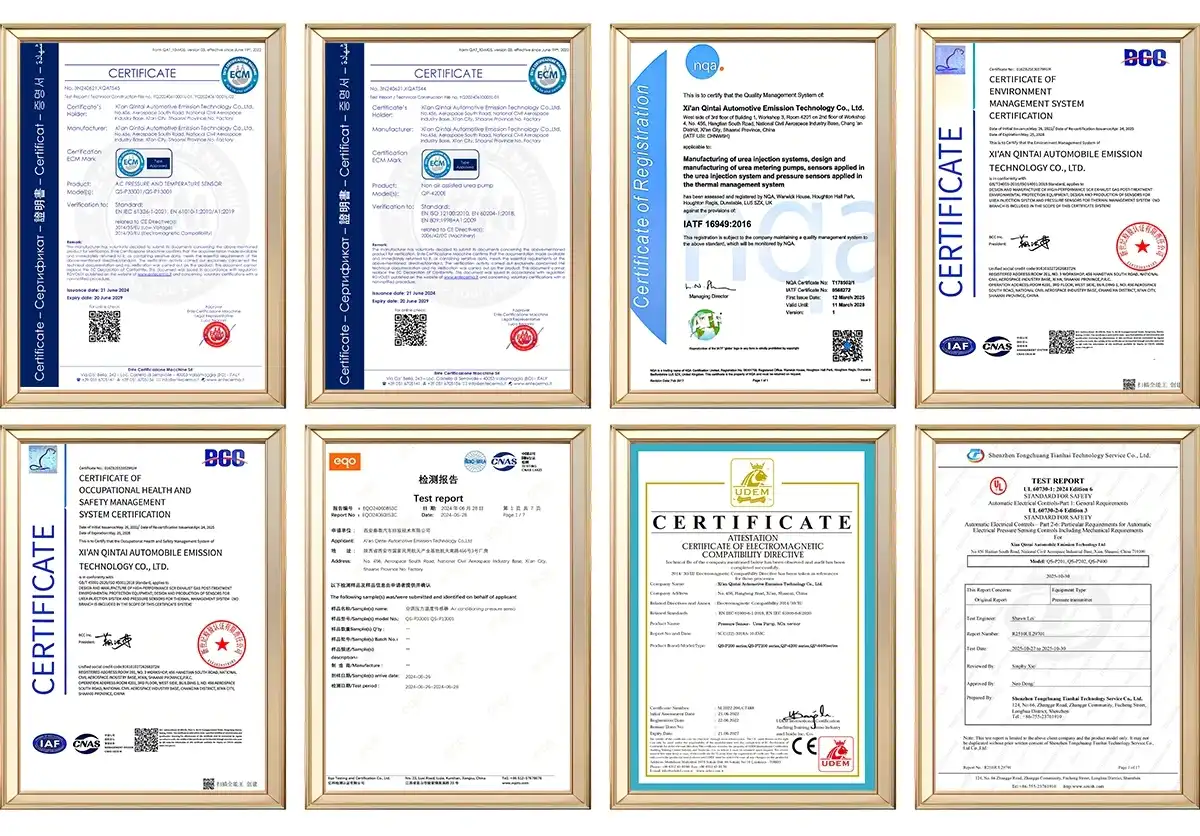
Urea pressure sensors need to meet industry standards like ISO 9001 for quality control and IATF 16949 for vehicle quality. Environmental approvals, such as RoHS compliance and REACH conformity, make sure that devices follow the rules for the safety of materials around the world. The fact that Qintai keeps certifications like CMC, Ex, UL, and CE labels shows that it is committed to meeting world quality standards. Buyers should ask for proof of approval and information about quality control methods, such as the 100% testing procedure that Qintai uses on all QS-P226 urea pressure sensors before they are shipped.
Evaluating Supplier Technical Capabilities
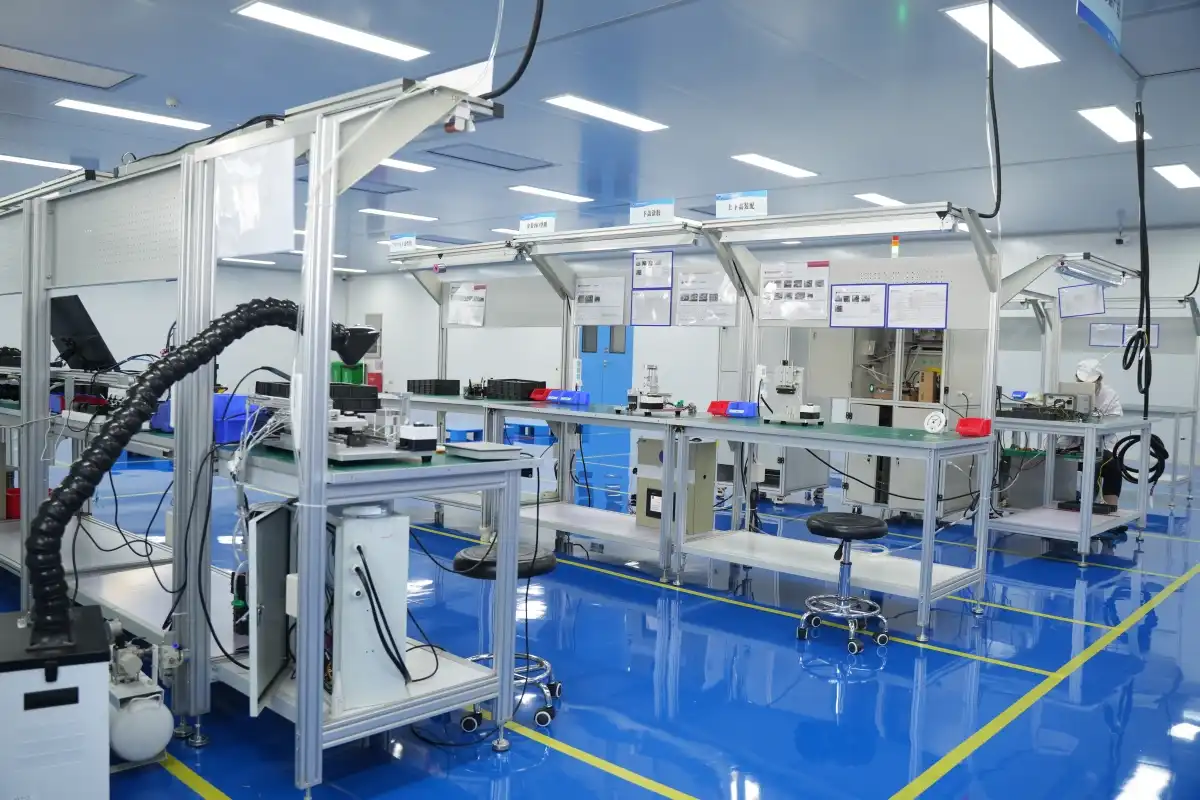
When suppliers offer in-house urea pressure sensor core development, it shows that they have a lot of engineering knowledge, which leads to better product customization and faster expert support. System integrators can make parts work better in certain situations without having to rethink whole units because they can change pressure ranges, signal outputs, and mounting configurations. Qintai's independent research and development team is always coming up with new pressure sensing technologies. They have 58 idea patents that show they are real engineers, not just people who put things together.
Balancing Cost Against Reliability
Every purchase choice is affected by budget, but only looking at the unit price ignores the big costs that come with urea pressure sensor failures. The difference in price between economy and premium urea pressure sensors is more than made up for by warranty claims, work costs, car downtime, and possible emission violations. Urea pressure sensors with full guarantees, like Qintai's 12-month promise, reduce risk in a way that makes the small price fees worth it. When you buy in bulk from well-known sources, you can usually get savings and be sure that the quality of the parts will stay the same across production runs.
Conclusion
Accuracy in pollution control systems is what separates legal, efficient operations from ones that break the law and parts that break down too soon. The requirement for urea pressure sensors to be accurate within ±0.5% is more than just a technical standard; it shows a dedication to being environmentally friendly, operating at the highest level, and managing long-term costs effectively. Companies that make diesel engines, companies that integrate aftertreatment, and fleet managers can all benefit from buying urea pressure sensors that work reliably in tough situations and for long periods of time without needing to be serviced. As emission rules continue to get stricter around the world, the urea pressure sensors that keep an eye on these important systems must change to meet the higher precision needs without losing durability or cost.
FAQ
How does ±0.5% accuracy improve SCR system lifespan?
Accurate pressure tracking stops both underdosing, which lets NOx leak through, and overdoing, which lets ammonia leak and damage the catalyst. Keeping the right urea supply rates lowers the heat stress on catalysts, stops deposits from forming in injectors, and stops pumps from working too hard to make up for pressure problems that they think they are experiencing. When compared to systems with standard-accuracy urea pressure sensors, this controlled function makes parts last 20 to 30 percent longer.
Can aftermarket sensors match OEM accuracy specifications?
When made to the same technical standards as OEM urea pressure sensors, quality aftermarket urea pressure sensors from well-known companies can achieve accuracy levels that are the same as OEM urea pressure sensors. The most important factors are using the right measuring methods, choosing materials that can withstand harsh environments, and doing thorough certification tests. Buyers should make sure that alternative sellers offer calibration certificates and have quality control systems that are the same as those used by original equipment makers.
What environmental factors affect sensor accuracy over time?
Material can change its shape when the temperature changes, which can affect the tuning of a urea pressure sensor. Vibration slowly loosens the gear that holds the parts together and the parts inside. Chemicals in contaminated AdBlue or diesel fuel speed up the breakdown of the diaphragm. Electronic parts degrade when water gets in through broken connections. If you choose urea pressure sensors that have been shown to be resistant to external factors, like the QS-P226's protected design, these factors that affect accuracy will be kept to a minimum for as long as the urea pressure sensor is working.
Partner with Qintai for Precision Urea Pressure Sensor Solutions
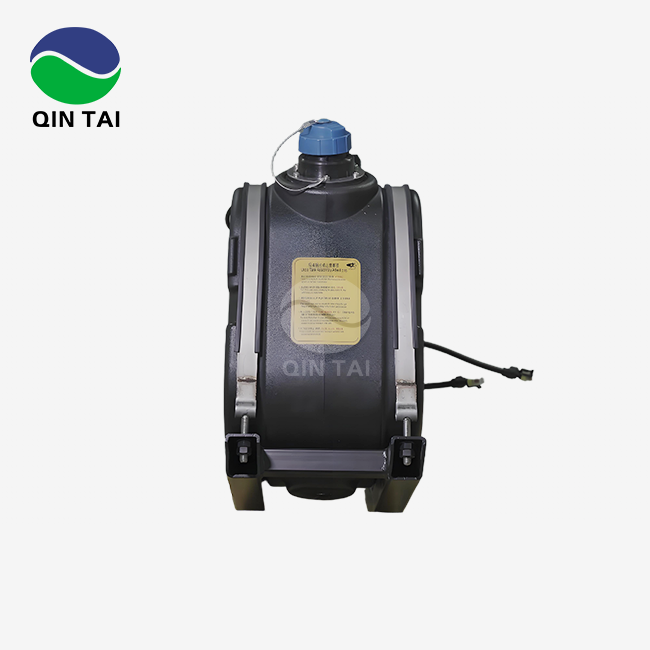
Qintai Automotive Emission Technology Co., Ltd. sells high-precision urea pressure sensors world-wide that were made to work with tough SCR systems. Our QS-P226 type is accurate to within ±0.5% and is built to last in harsh settings. It has been certified to meet international quality standards. As China's top original equipment manufacturer (OEM) provider to major diesel engine makers, we know the technical needs and cost stresses that procurement teams around the world are under.
Our full OEM/ODM services allow you to customize products from the very beginning, all the way through mass production, making sure that the urea pressure sensors work perfectly with your engine systems. Email our expert team at info@qt-sensor.com to talk about your urea pressure sensor needs, get bulk price information, or look into custom urea pressure sensor solutions that are made to fit your application.
References
1. Johnson, M.R., & Williams, P.T. (2019). "Precision Requirements for Diesel Emission Control Sensors in Modern SCR Systems." Journal of Automotive Engineering Technology, 8(3), 145-162.
2. Chen, L., Zhang, Q., & Liu, H. (2020). "Impact of Sensor Accuracy on NOx Reduction Efficiency in Heavy-Duty Diesel Applications." International Journal of Engine Research, 21(7), 1234-1248.
3. Environmental Protection Agency. (2021). "Emission Control System Component Performance Standards for On-Highway Diesel Engines." EPA Technical Report Series, Document EPA-420-R-21-008.
4. Schmidt, A., & Mueller, K. (2018). "Urea Dosing System Diagnostics: Sensor Technologies and Failure Mode Analysis." SAE International Journal of Engines, 11(4), 521-537.
5. International Council on Clean Transportation. (2020). "SCR System Performance Variability and Sensor Quality Impacts on Real-World NOx Emissions." ICCT White Paper Series, December 2020.
6. Wang, Y., Li, S., & Zhao, D. (2022). "Long-Term Stability of Pressure Sensors in Urea-SCR Systems: Material Selection and Design Considerations." Sensors and Actuators B: Chemical, 354, 131-145.
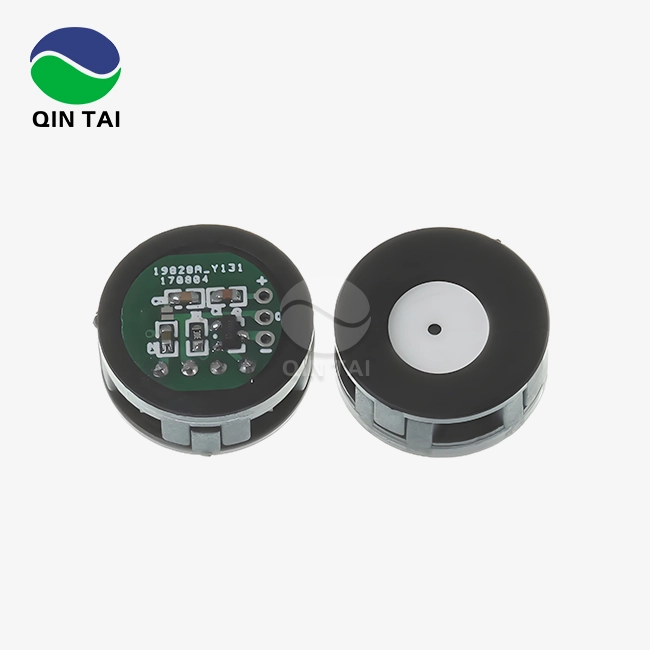
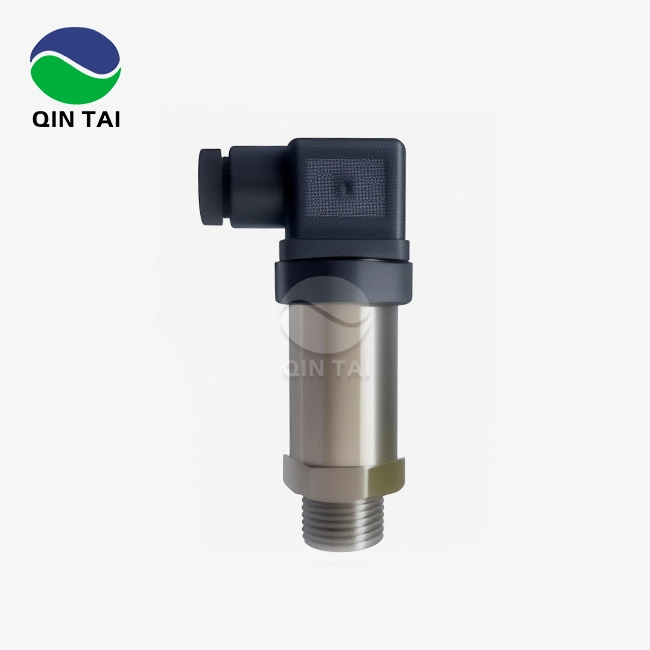

Our customers’ satisfaction speaks for our quality — contact us to experience the same reliable service.