- English
- French
- German
- Portuguese
- Spanish
- Russian
- Japanese
- Korean
- Arabic
- Greek
- German
- Turkish
- Italian
- Danish
- Romanian
- Indonesian
- Czech
- Afrikaans
- Swedish
- Polish
- Basque
- Catalan
- Esperanto
- Hindi
- Lao
- Albanian
- Amharic
- Armenian
- Azerbaijani
- Belarusian
- Bengali
- Bosnian
- Bulgarian
- Cebuano
- Chichewa
- Corsican
- Croatian
- Dutch
- Estonian
- Filipino
- Finnish
- Frisian
- Galician
- Georgian
- Gujarati
- Haitian
- Hausa
- Hawaiian
- Hebrew
- Hmong
- Hungarian
- Icelandic
- Igbo
- Javanese
- Kannada
- Kazakh
- Khmer
- Kurdish
- Kyrgyz
- Latin
- Latvian
- Lithuanian
- Luxembou..
- Macedonian
- Malagasy
- Malay
- Malayalam
- Maltese
- Maori
- Marathi
- Mongolian
- Burmese
- Nepali
- Norwegian
- Pashto
- Persian
- Punjabi
- Serbian
- Sesotho
- Sinhala
- Slovak
- Slovenian
- Somali
- Samoan
- Scots Gaelic
- Shona
- Sindhi
- Sundanese
- Swahili
- Tajik
- Tamil
- Telugu
- Thai
- Ukrainian
- Urdu
- Uzbek
- Vietnamese
- Welsh
- Xhosa
- Yiddish
- Yoruba
- Zulu
Ceramic Pressure Sensors Guide for Harsh Environment Uses
Ceramic pressure sensors use an alumina ceramic diaphragm to turn pressure into an electrical signal. They suit harsh environments because ceramic resists corrosion, abrasion, and many chemicals. With the right specification, it also handles overload and wide temperature swings. In this guide, I explain how the technology works, where it fits, how it compares with silicon and stainless steel, and how to choose a sensor for your project. I also cover the Qintai QS-P105, a 96% Al2O3 model rated from -1/0 bar to 600 bar.
What Are Ceramic Pressure Sensors and How Do They Work?
Basic Construction of a Ceramic Diaphragm Sensor
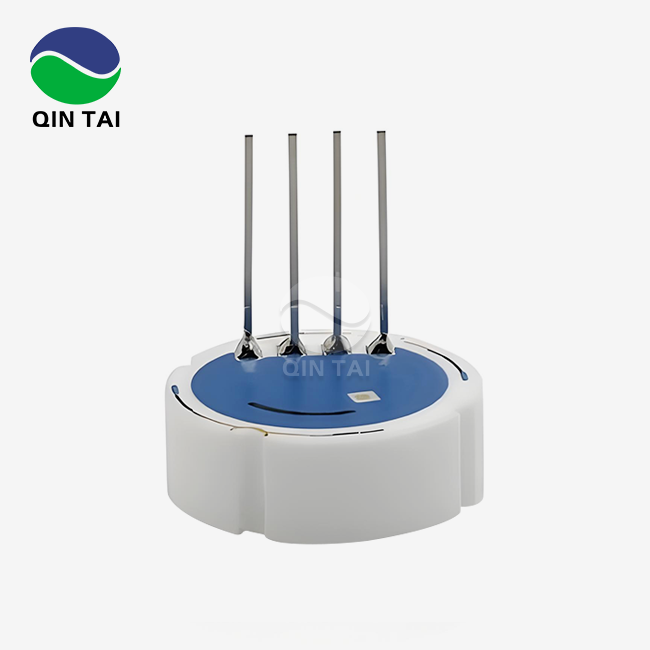
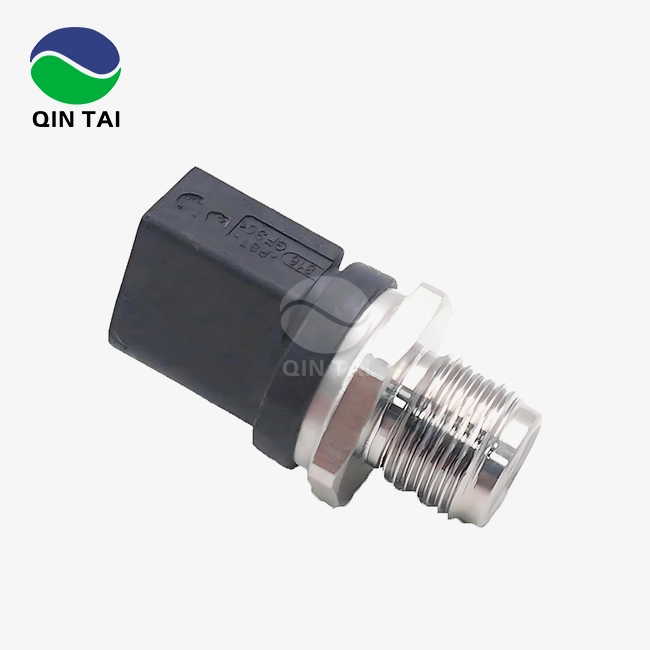
This is the front of a ceramic pressure sensor with a thin layer of alumina. A gas or liquid pushes on the diaphragm, and the clay bends by a small, measurable amount. After that, a circuit on the ceramic turns the movement into an electric signal. People often see the same thing called a ceramic pressure sensor or ceramic pressure sensor. They're not the same, but their names sound alike. It is common for a transducer to add signal conditioning. A sensing element sends a raw signal, and a pressure switch only works when a certain pressure level is reached. Make sure you know which price a datasheet talks about before you compare them.
Capacitive and Piezoresistive Measurement
There are two main styles that make up the market. There is a capacitive ceramic sensor that checks how the capacitance between the plates changes as the diaphragm moves. They choose it because it is sensitive, doesn't use a lot of power, and works well when it's overloaded. There are resistors on the diaphragm of a piezoresistive ceramic pressure sensor. These resistors are usually set up in a Wheatstone bridge. When the ceramic bends, the resistance changes, and the bridge sends a signal of mV/V. This design makes it easy to process data and keep the body small. Since it's a bridge-type sensor, the QS-P105 can sense between 2 and 4 mV/V. There isn't a clear winner among the styles. What you need to know about your goal, your power budget, and gadgets will help you pick the best one.
What Causes Drift and Error
Even a good sensor can move if it's used in a tough way. When the temperature changes, the zero point and the span can both move. Changes in pressure, vibration, and rising stress can also lead to error. Now you know why I tell engineers to read more than the real number in the headline. It is important to check the response time, hysteresis, repeatability, and compensated temperature range, which is usually not as big as the useful range. On the QS-P105, the temperature doesn't change by less than 0.03 to 0.05% FS/°C, but this varies by range. In short periods of time, this means that a big change in temperature can be important. Find out what that will mean for your own duty cycle before you approve a design.
Why Ceramic Pressure Sensors Suit Harsh Environments
Corrosion and Abrasion Resistance
The clay made of alumina is strong and doesn't combine with other chemicals. The QS-P105 doesn't wear down quickly when using rough media and many fluids that are acidic. This is because it is made of 96% Al2O3. Things that are softer might get holes or become thinner, but the diaphragm stays in shape. This cuts down on breaks and the cost of repairing things. The stomach isn't the only thing that matters, though. The seals, housings, glue, and process fits are some other parts that touch the media. Any of these parts could end up being the weak link. Make a list of all the things that will get wet before you approve the design. Then, compare that list to the fluid, its concentration, and its temperature.
Vibration, Pressure Spikes, and Temperature Swings
Heavy trucks, construction tools, and generator sets all shake, pulse, and get very hot. Ceramic pressure sensors do this job when it needs to be done. The QS-P105 can work in temperatures ranging from -40°C to 135°C. It can handle short spikes in pressure because it has a safety overload of 200% FS. It can also fit in small places because it's small. That being said, you should still ask the service to explain the burst pressure, the pressure cycle, and the shock test results. What if your media gets hotter than the rating? A safe shield, a cooling interface, or a remote mounting point can keep the sensor within its limits.
Ceramic Compared With Silicon and Stainless Steel
Silicon sensors work well in clean, well-controlled equipment. They often need a separation membrane and fill fluid in rough media, which costs more and has more parts. Stainless steel designs are strong, can handle a lot of different pressures, and are welded together. However, the wetted assembly still needs to be tested to make sure it works with everything else. Ceramic is good for places that are acidic, wet, or rough, and it can handle a lot of pressure. But it's not a magic cure. It may be necessary to use steel when the pressure is too high for ceramics. Prices aren't the only thing you should compare. You should also think about how stable the calibration is, how long the seal lasts, the warranty, and how much the product will cost you in total over its lifetime.
Applications of Ceramic Pressure Sensors in Industry
Diesel Engines, Heavy Trucks, and Off-Highway Machinery
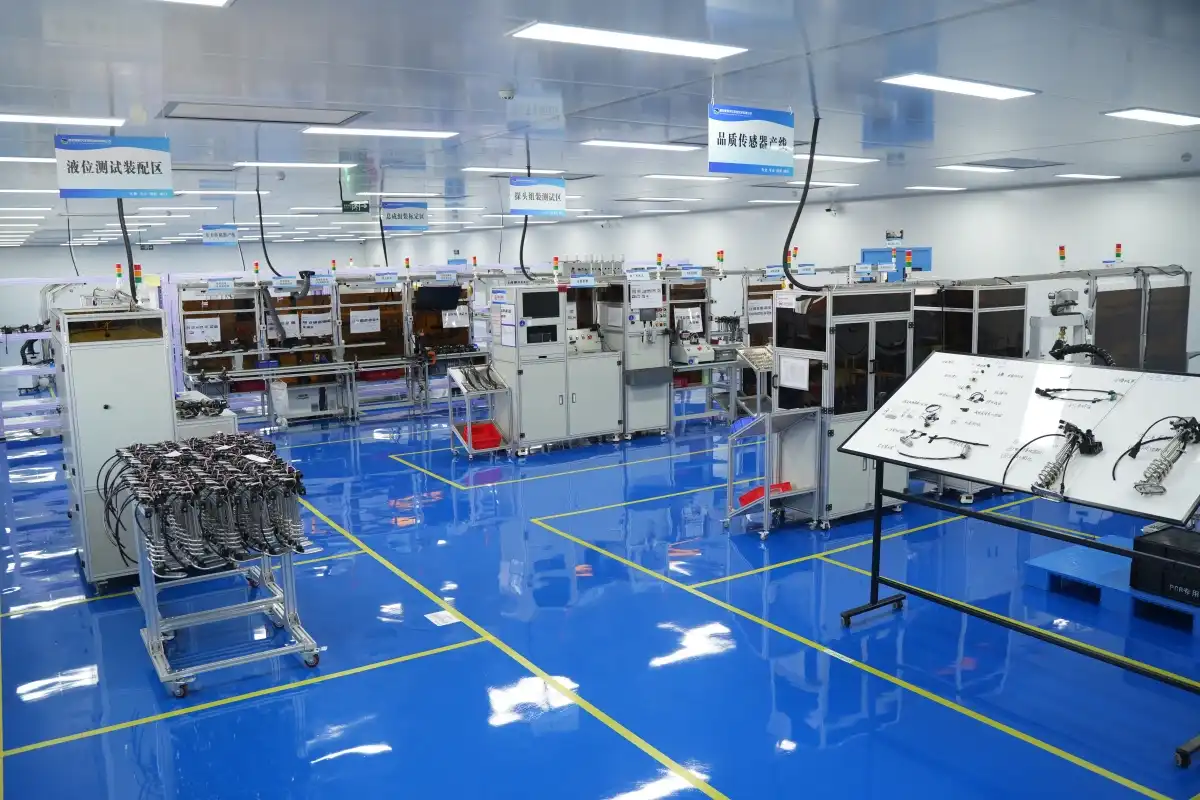
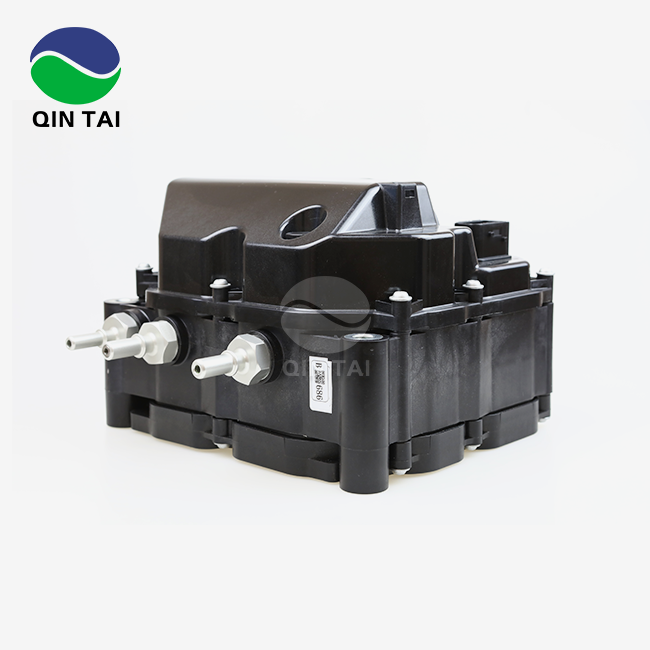
Ceramic pressure sensors in the engine and the car affect how the engine is controlled, the oil pressure, and the fuel pressure. Diesel OEMs that make heavy trucks, building equipment, and farm equipment need parts that don't move when they're hot, worn out, or have been used for a long time. This is where Qintai does his work. We make diesel SCR aftertreatment systems and monitors, and Weichai Power, Yuchai Power, and Quanchai Power all buy from us. It changes how we think about quality, consistency, and making a lot of things. It is important to check that the control unit can handle the pressure range and signal type if you are building engines or aftertreatment systems.
Generator Sets, Hydraulics, and Process Equipment
Generators work hard for long hours in hot, dusty places like power plants, mines, and backup systems. Some hydraulic and gas tools add shock and vibrations. Because the diaphragm doesn't wear out quickly and can withstand a lot of pressure, ceramic pressure sensors work well for these applications. In process control, they watch over lines, pumps, and fans and send signals to PLCs and data-acquisition systems. Pressure data is used by companies that make equipment to protect the environment to keep an eye on how industrial exhaust is handled. Having stable numbers helps you keep things under control. It is important to know what the usual pressure, peak pressure, and media are for each case before you ask for samples.
HVAC, Water, and Other Uses
Ceramic technology is also used to cool, clean, and condition air, make medical devices, lab equipment, and keep track of spacecraft fuel and hydraulics. In HVAC and cooling lines, there is condensation and changes in temperature. It is important to be able to handle humidity and have the right process link. For medical and lab equipment to work, it needs low-pressure data that can be used again and again, as well as manufacturing controls that can be shown. It's clear that this technology can be used for many things, but each one should be looked into on its own. If a sensor works in a water line, make sure it will also work in a circuit with hot oil or refrigerant by checking the seals and materials that make it up.
 Qintai QS-P105 Ceramic Pressure Sensor
Technical Specifications
The published specs for the QS-P105 are shown below. The fact that they are numbers helps engineers quickly compare different options.
| Parameter | Specification |
|---|---|
| Model | QS-P105 |
| Pressure range | -1/0 bar to 600 bar |
| Sensitivity | 2–4.0 mV/V |
| Non-linearity | ≤ 0.3% FS |
| Zero temperature drift | < 0.03–0.05% FS/°C (varies by range) |
| Supply voltage | 2–30 VDC |
| Zero output | ± 0.2 mV/V (23°C) |
| Overall accuracy | ≤ ± 0.5% FS |
| Material | 96% Al2O3 ceramic |
| Bridge resistance | 11 ± 30% kΩ |
| Working temperature | -40°C to 135°C |
| Safety overload | 200% FS |
These numbers can help your technical team clearly look over designs.
Advantages for Harsh-Duty Buyers
There is no chance that the QS-P105 will rust or wear out, and it can handle pressures up to 600 bar. There is no change in the values from 0.3% FS to any other value, so they are always close to the pressure. That regularity helps you get better results and keep track of the process better. The small size lets it fit in places where bigger ceramic pressure sensors can't, and the fact that it's easy to mount saves time and money on labor. Buyers will have to replace things less often and deal with less downtime if they have these traits. When R&D workers are putting things together, they don't have to deal with as many problems with packing and sealing.
Customization and OEM Support
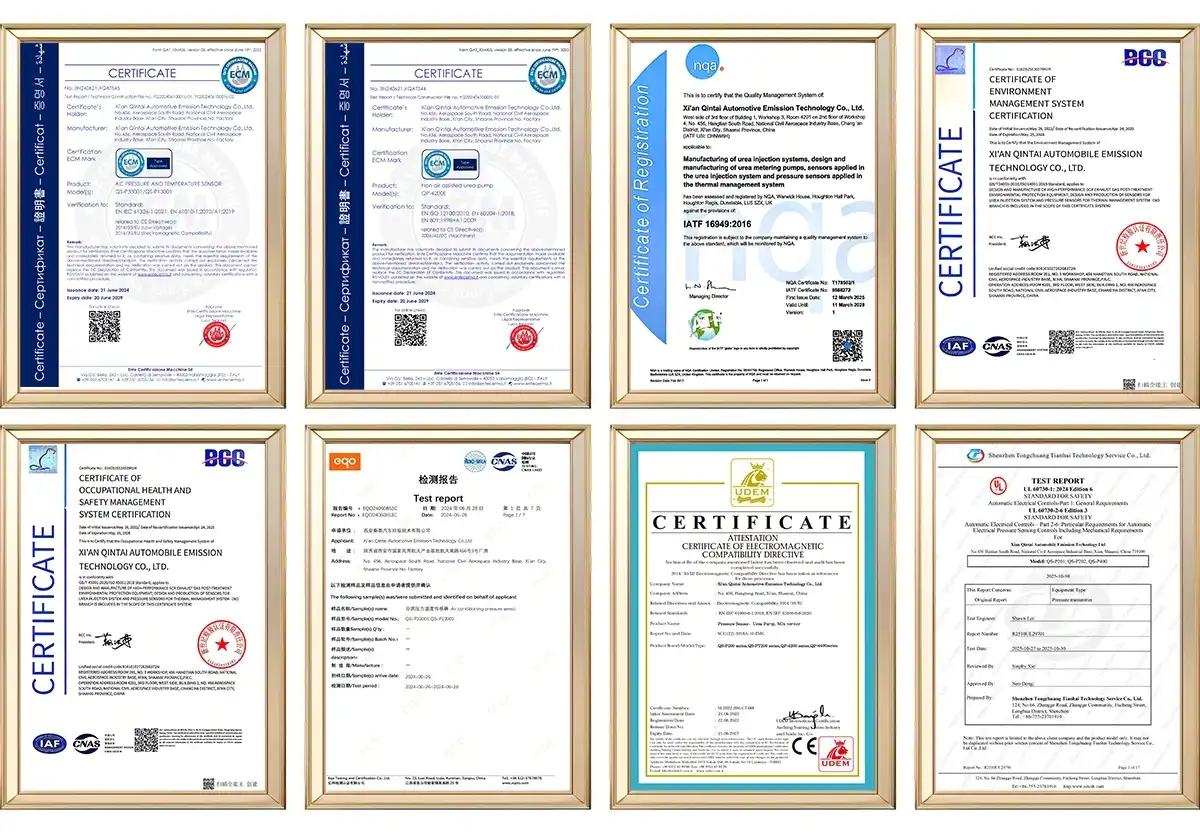
OEM and ODM services are available from Qintai. These cover everything from designing the product to making a lot of them. We also let you make changes to fit your needs. People who are interested in a project like the QS-P105 can talk about labels, pressure range, connections, process threads, and housings. Our company has been around since 2001 and has been certified by ISO9001, IATF16949, CMC, Ex, UL, CE, REACH, and RoHS. We have also put in for 58 patents on inventions. There are over 60 places in the world that buy our goods. We will let you know which options are best for your project after you send us a picture or a list of goals.
How to Choose and Buy Ceramic Pressure Sensors?
Define the Environment and Core Specifications
Don't start with the store, but with the app. Write down the medium, the pressure type (gauge, absolute, compound, or differential), the average pressure, the highest pressures, the temperatures in the air and the process, the humidity, the vibrations, and the location where the sensor will be placed. After that, you need to set the basic parameters, like the pressure range, accuracy, repeatability, hysteresis, response time, protection against dirt and water getting in, and pressure-cycle life. Don't put the full scale right on top of the normal working pressure. This will keep spikes from going over the overload limit. Ceramic pressure sensors are set by the IEC 60529 standard. Make sure you ask for a grade that fits the amount of water or dust the device will be in. Don't just pick something based on price or range.
Match Output and Integration Needs
What comes out must work with your gear. Anywhere from 4 to 20 mA works well, even in places with a lot of noise and long wire runs. For OEM equipment that is built in, voltage or ratiometric outputs work well. Between 2 and 30 VDC, the QS-P105 sends a bridge signal in mV/V. Your amplifier or control unit might not be able to handle that kind of signal. You could also ask Qintai about other ways to condition the signal. Plan signal scaling, grounding, cable layout, and EMC as soon as possible. Also, put the sensor somewhere where heat and pulses won't make the mistake worse. This is what you should ask for before getting engineering approval: datasheets, drawings, wiring diagrams, calibration records, and material declarations.
Evaluate Supplier, Price, and Quality Control
You can change the range, accuracy, output, building, tests, certificates, volume, customizing, and price per unit. It also depends on how well it works in different temperatures. In the end, a low price could cost more if drift, rust, or supply gaps cause the machine to stop working. Find out how the maker checks it. When the plant is checked, it should be accurate, repeatable, have zero output, and span output at set pressure points. Some examples of environmental evaluation are overload, burst, cycling of pressure, shaking, cycling of humidity, and cycling of temperature. Make sure you know the minimum order size, sample policy, wait time, guarantee, and how you can keep track of each lot. Give each group what it needs to know. The decision is usually made by the technical teams, costs are compared by purchasing, and the seller is approved by management.
Conclusion
Ceramic pressure sensors convert pressure into an electrical output that passes through an alumina cushion using capacitive or piezoresistive sensing. For the most part, they don't rust or break down quickly, they can handle being overloaded, and they work well in a variety of temperatures. Diesel engines, generator sets, hydraulics, process equipment, and HVAC work well for people with those traits. That being said, the diaphragm is only one part of the whole rig.
Another thing that needs to be checked is the media on the housings, seals, and connections. Silicon and stainless steel aren't as good for work that needs to be corrosive or rough as ceramic. For very high temperatures, steel might be better. The QS-P105, which is made of 96% Al2O3 and can handle -1/0 to 600 bar, shows these ideas. A good sound choice depends on the setting, the sound output, the accuracy, and the cost over time.
FAQ
Are ceramic pressure sensors suitable for corrosive media?
Yes, most of the time. Many chemicals can't hurt alumina, but the fluid must also work with the seals, housings, and flanges. Look over everything that got wet.
What pressure range does the QS-P105 cover?
It can handle pressures from -1/0 bar to 600 bar and has a 200% FS safety overload.
What temperatures can the QS-P105 handle?
It can work in temperatures between -40°C and 135°C. For each pressure range, zero temperature change is different, so make sure you get data that fits your range.
Should I choose capacitive or piezoresistive ceramic sensors?
It's important for capacitor designs to be sensitive and use little power. Designs that use piezoresistive materials like how small they are and how easy it is to handle data. How to reach your goal for electronics and accuracy will tell you.
Can Qintai customize the sensor?
Yes, that's correct. Qintai lets you make changes and offers OEM and ODM services from the planning stage all the way through mass production.
Request Ceramic Pressure Sensors From Qintai
If you need assistance in selecting sensors with good quality, Qintai can help. They make ceramic pressure sensors. It is a national tech company that has been around since 2001. For more information, please send an email to info@qt-sensor.com with your pressure range, media, temperature, output, and yearly volume. Our team will offer a fit like the QS-P105, and we'll talk about tests, customization, and OEM service.
References
1. Handbook of Modern Sensors: Physics, Designs, and Applications, 2016
2. Sensor Technology Handbook, 2005
3. Microsensors, MEMS and Smart Devices, 2001
4. Bosch Automotive Handbook, 2022
5. Engineered Materials Handbook, Volume 4: Ceramics and Glasses, 1991
6. IEC 60529: Degrees of Protection Provided by Enclosures (IP Code), 2013


Our customers’ satisfaction speaks for our quality — contact us to experience the same reliable service.