- English
- French
- German
- Portuguese
- Spanish
- Russian
- Japanese
- Korean
- Arabic
- Greek
- German
- Turkish
- Italian
- Danish
- Romanian
- Indonesian
- Czech
- Afrikaans
- Swedish
- Polish
- Basque
- Catalan
- Esperanto
- Hindi
- Lao
- Albanian
- Amharic
- Armenian
- Azerbaijani
- Belarusian
- Bengali
- Bosnian
- Bulgarian
- Cebuano
- Chichewa
- Corsican
- Croatian
- Dutch
- Estonian
- Filipino
- Finnish
- Frisian
- Galician
- Georgian
- Gujarati
- Haitian
- Hausa
- Hawaiian
- Hebrew
- Hmong
- Hungarian
- Icelandic
- Igbo
- Javanese
- Kannada
- Kazakh
- Khmer
- Kurdish
- Kyrgyz
- Latin
- Latvian
- Lithuanian
- Luxembou..
- Macedonian
- Malagasy
- Malay
- Malayalam
- Maltese
- Maori
- Marathi
- Mongolian
- Burmese
- Nepali
- Norwegian
- Pashto
- Persian
- Punjabi
- Serbian
- Sesotho
- Sinhala
- Slovak
- Slovenian
- Somali
- Samoan
- Scots Gaelic
- Shona
- Sindhi
- Sundanese
- Swahili
- Tajik
- Tamil
- Telugu
- Thai
- Ukrainian
- Urdu
- Uzbek
- Vietnamese
- Welsh
- Xhosa
- Yiddish
- Yoruba
- Zulu
SCR Dosing System vs AdBlue Dosing System: Key Differences
An SCR dosing system and an AdBlue dosing system describe nearly the same hardware. "SCR dosing system" is the engineering term for the equipment that stores, pressurizes, controls, and injects urea solution into diesel exhaust. AdBlue is the brand name of the standardized urea fluid that equipment injects, and North America calls the same fluid DEF. The real differences therefore sit in terminology, regional markets, supply scope, and configuration, not in the emissions chemistry. In this guide, I explain how each term is used, compare their features, and list what U.S. buyers should check before requesting a quote.
What Is an SCR Dosing System and How Does It Work?
Core Components of an SCR Dosing System
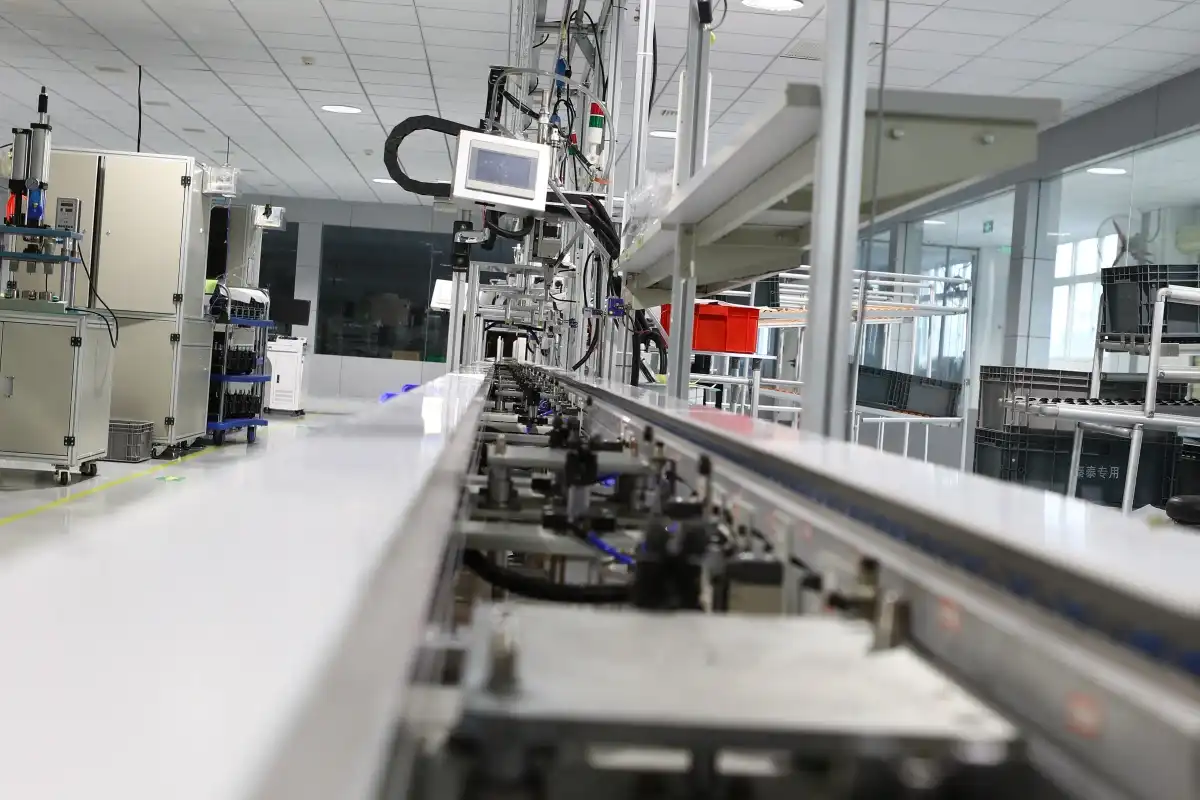
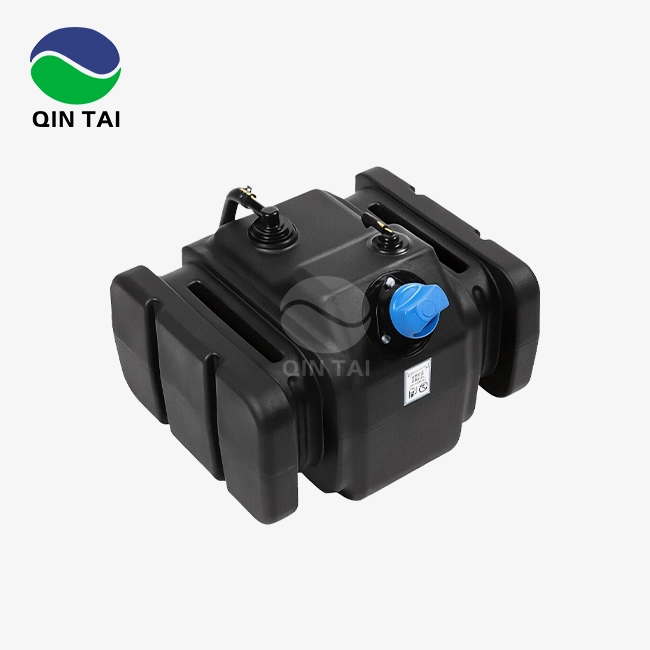
It is the job of an SCR dosing system to deliver and inject fluids as part of a selective catalytic reduction aftertreatment system. Some of the things that are generally in a unit are filters, heated lines, an injector, sensors, an electronic control unit (ECU), and diagnostic connections. Each part does one thing. The tank holds the fluid, the pump raises the pressure, the filter removes the particles, and the injector sprays the solution into the exhaust. The ECU reads information from the engine and waste and links these parts together. The whole system may not be able to change NOx as well if one part is broken, like a monitor that moves around or a filter that gets clogged. Some of the things that have these systems are generator sets, trucks, busses, marine engines, construction equipment, farm equipment, and business engines that stay in one place.
How Urea Travels from Tank to Exhaust
Fuel from the tank is sent to the injector by the pump through hot lines. This is the first step. The injector warms up the solution and turns it into waste gas. When the urea gets hot, it changes into ammonia. When the ammonia reacts with NOx over the SCR catalyst, nitrogen and water are made. The ECU checks the engine's load, the temperature of the exhaust, the amount of NOx, the flow of the exhaust, the pressure, and the fluid level to figure out how much to inject. It's important to have good control in both ways. There should be enough fluid in order for ammonia to slip and settle. If there is not enough fluid, NOx will not be handled. The U.S. EPA's heavy-duty limit for 2010 said that NOx levels could not be higher than 0.20 grams per brake horsepower-hour. Engine makers had to switch to urea-based SCR for highway diesels because of this.
Why the Urea Pressure Sensor Matters?
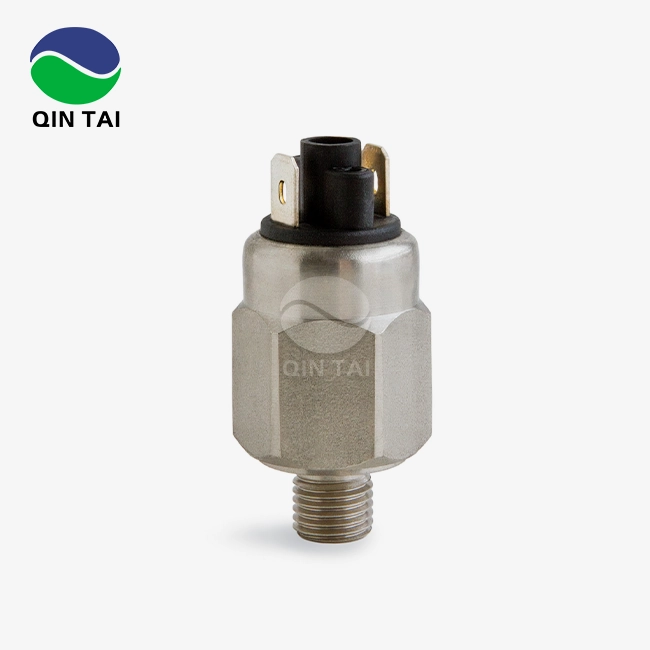
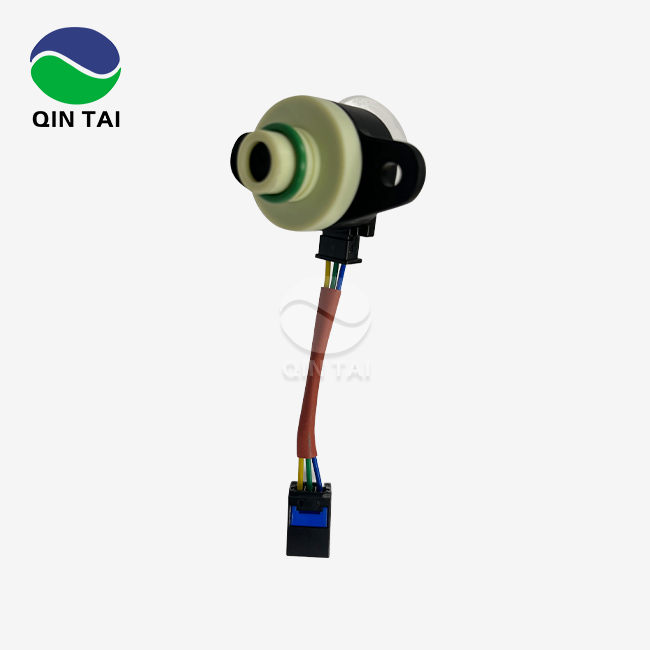
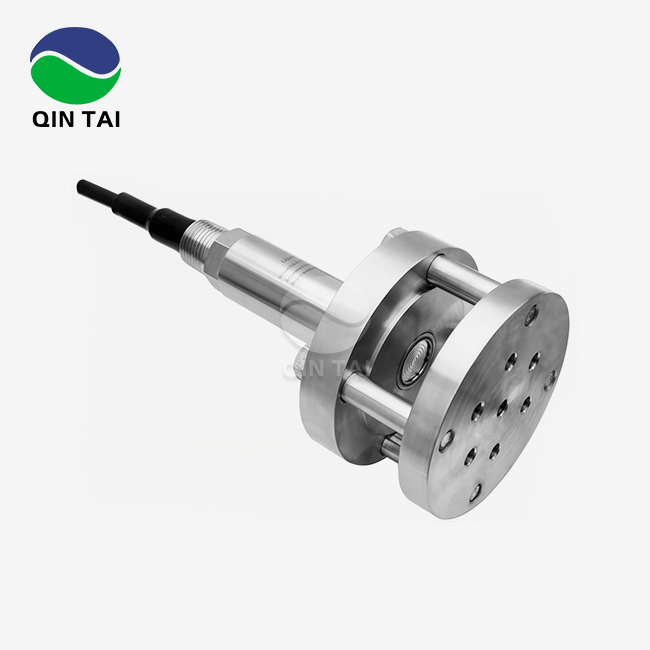
The pressure is what tells the ECU if the dose module is working right. In real time, a urea dosing pressure monitor checks the hydraulic pressure of the fluid and sends that information to the dosage control unit (ECU). In a closed loop, this lets the ECU control the amount of fuel injected. That's because drops in pressure mean there are holes, leaks, or air in the system. It can also find overpressure caused by AdBlue that is frozen or broken valves. It also helps technicians figure out what's wrong with pumps and injectors. There isn't much empty space in Qintai's sensing chamber, and the flow paths are smooth. This makes it less likely that urea that isn't moving will solidify and block the diaphragm. Also, stable pressure data helps stop limp mode triggers and helps make sure that Euro VI and EPA Tier 4 Final rules are followed.
How the Two Terms Differ in Practice?
Terminology and Fluid Standards
Language is where the big difference begins. And the fluid that the SCR dosing system machine puts in is called AdBlue. This is an AdBlue brand that is part of the German Association of the Automotive Industry (VDA). Around the world, it's known as AUS 32, while in North America it's called DEF. ISO 22241-1 sets the quality standards, and the fluid has 32.5% urea in deionized water. Most people in the U.S. look for DEF that has been approved by API. If the fluid is dirty, diluted, or not kept properly, it can crystallize, block injectors, damage pumps, make NOx conversion poor, and cause trouble codes. This shortens the life of the hardware. If the fluid follows the rules, a dosing module that was made for AdBlue can also be used with DEF.
Supply Scope in Quotations
Names of things change too based on where you live and who you buy them from. People in North America usually ask for DEF and people in Europe usually ask for an AdBlue system. OEMs all over the world may write "urea dosing module" or "SCR injector." The sticker doesn't say much about what's in the box. The price quote could also include the tank, the ECU, the sensors, the wiring, and the heated lines. It could also just include the pump or the injector. Tell each seller what parts they have and how many of them there are. Next, look at the range of flow, how stable the pressure is, how accurate the dosing is, how well it works at different temperatures, how often it needs to be communicated with, how long it lasts, how well it meets emissions rules, and how easy it is to install. So, both the purchasing team and the engineering team can fairly look at the offers. Also, costs won't be a surprise if a part that was missing from the order turns up after it was placed.
Air-Assisted vs. Airless Dosing
You can tell that the system has changed by the way it breaks up fluid into tiny pieces. Compressed air is used to make a fine spray in air-assisted systems. This spray can help mix things when the exhaust flow is low or when the operating conditions change. For the air supply, they need more parts, valves, controls, and upkeep. For systems without air, the pump pressure and the shape of the injectors are important. There are fewer parts, they are easier to install, and they use less extra energy. However, pressure, injector geometry, temperature, and exhaust conditions have a bigger impact on the quality of the spray. To decide which one to use, you should check the backpressure, temperature profile, packing limits, supply of compressed air, and the validation results under real duty cycles.

Performance, Applications, and Maintenance
Dosing Accuracy and Emissions Performance
The SCR works best when the right amount is used, the spray is good, the catalyst is at the right temperature, and there is a strong flow of exhaust. It is important for the system to have a steady pressure, a quick response, and a good range of minimum, nominal, and maximum flow rates. When the exhaust temperature is low, urea doesn't break down well, and when the temperature is too high, it can damage gears, sensors, electronics, or pumps. Urea-SCR has been written about. For example, Koebel and coworkers' review in Catalysis Today talks about how NOx levels drop by about 90% in the right working windows. But SCR isn't a replacement for other tools. They should look at the dose gear as part of a bigger package for aftertreatment. It works with technologies like EGR, DOC, and DPF. OEM experts will have to try the dosing unit on a real engine, not just a bench SCR dosing system.
Application Examples
Make sure that the hardware for the dose is in sync with the duty cycle. Trucks and busses need small packages that respond quickly, work with CAN, don't shake, and can start from cold. Diesel engines in power plants, mines, and backup power places often don't have much to power them. This makes crystals more possible and means the temperature needs to be carefully managed. Marine engines need to be able to resist rust and keep water out. There are also projects that need classification approval. Dust, shock, and changes in temperature are some of the things that excavators, loaders, and farm tools can do that can damage connectors and lines. Some projects that treat industrial exhaust may need high-flow, multi-point injection or modular dose skids instead of units that look like vehicles. Diesel engines in heavy-duty business cars, building and mining equipment, and boats are all tough places for Qintai's urea dosing pressure sensor to work. Every part is put through tests with vibration, dust, and salt.
Troubleshooting and Maintenance
Sometimes there is no injection, low or unstable pressure, noise from the pump, a long time to start, leaks, injector blockages, crystallization, and the same diagnostic codes keep coming up. Begin with the amount and type of fluid. Then check the wires, power source, how the pump starts, how much pressure is made, the filters, the heated lines, the order of the injectors, and how accurate the sensors are. Crystallization generally happens when the exhaust temperature is too low, the fluid is dirty, the engine is turned off in the wrong way, or the injector wasn't put in properly. Most of these problems don't happen when people get this kind of care. When you change the filters, make sure they are clean and that the line is heated properly. Before winter, make sure the purge and thawing functions work. It's good for repair shops and people who sell parts that this process cuts down on warranty returns and repairs that need to be done again.
SCR Dosing System Selection Guide for B2B Buyers
Parameters to Confirm Before You Buy
Take a look at the installation setting, purpose, engine information, activity cycle, pollution goal, and activity cycle. First, make sure you know the engine's power, displacement, exhaust mass flow, temperature range, ambient conditions, amount of shaking, dosing flow, working pressure, tank capacity, heating method, sensor setup, CAN communication, and how to keep water out. It's not always true that parts can be swapped between engines. Things like pressure, flow, injector geometry, software, and calibration are all unique. Sensors also often use standard threads such as M10x1 or M12x1.5. This signal must match the ECU's calibration. It can be either 0.5 V to 4.5 V or SENT. OEM parts may take longer to ship and cost more than aftermarket parts. Custom systems, on the other hand, can work with new platforms and odd duty cycles SCR dosing system.
Cost, Replacement, and Lifecycle
A lot of the time, the lowest price does not mean the lowest cost to own. To find out how much the fuel pumps, ECUs, sensors, tanks, heated lines, installation, calibration, extra parts, labor, downtime, warranty, and technical support cost, add them all up. There is less chance of matching problems with a full dosing kit in both new projects and retrofits. For systems that are already in use and whose specs are known, on the other hand, it is cheaper to buy parts separately. When you replace parts, you should check the part numbers, mounting dimensions, connections, pressure and flow ranges, software, and the fluids to make sure they work with the new parts. After the installation is done, running gas filling, pressure testing, calibration, diagnostics, and emissions validation. Qintai made sure that its urea dose pressure monitor would last at least 15,000 to 20,000 hours in a regular business setting. This helps buyers figure out when to fix things.
Why Buyers Choose Qintai
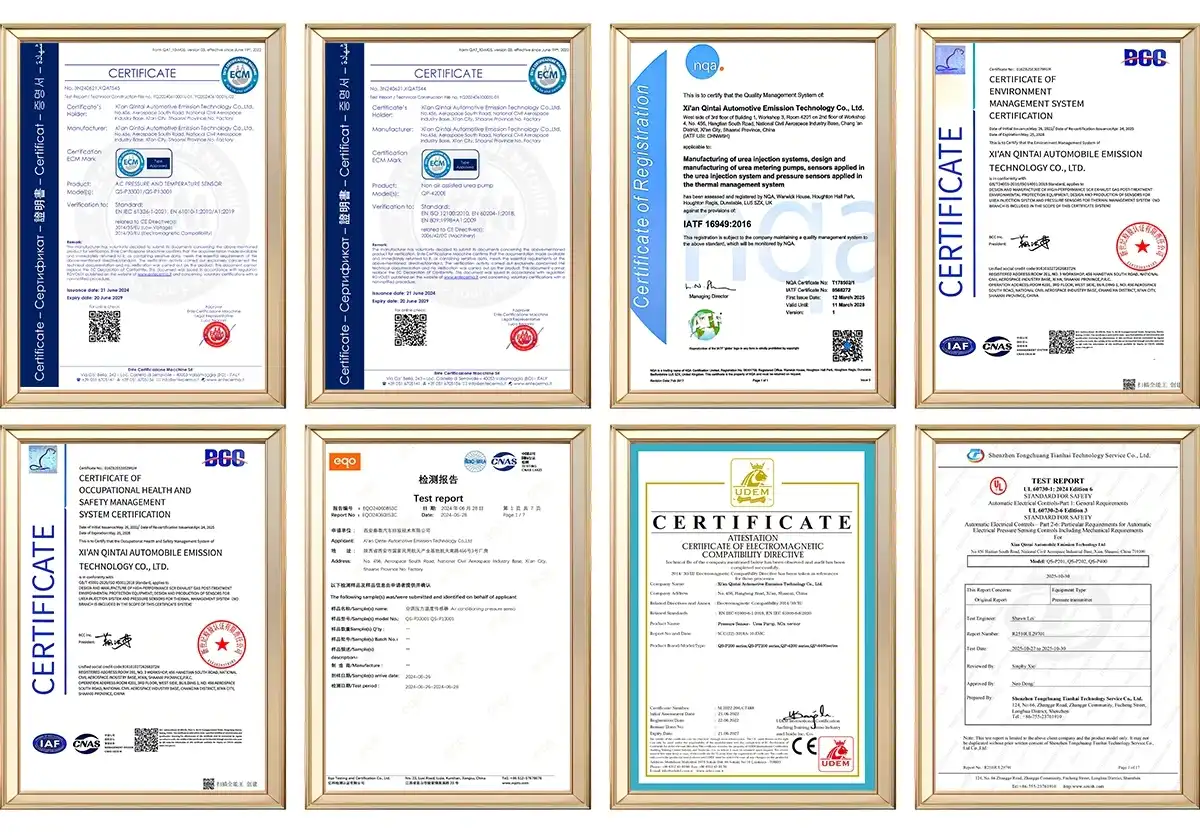
Choosing a seller is dangerous, so let me talk about what Qintai stands for. The Xi'an Qintai Automotive Emission Technology Co. Ltd was established in 2001 and is a national high-tech company. The things we study, make, sell, and service after the sale are diesel engine SCR aftertreatment goods and sensors, especially pressure sensors. We are certified by ISO9001, IATF16949, CMC, Ex, UL, CE, REACH, and RoHS, and we have applied for 58 invention patents. In China, Weichai Power, Yuchai Power, and Quanchai Power all buy from us. We have the largest market share in the country. We are an OEM and ODM company that makes and sells things in more than 60 countries and areas. Integrators, generator set makers, and buyers in the aftermarket can all ask for interfaces or parameters that are tailored to their needs.
Conclusion
This part of emissions works the same for both SCR dosing systems and AdBlue dosing systems. Language, regional names, the types of goods that are offered, and how they are set up are all different. AdBlue or DEF is the urea fluid that has to meet the quality standards set by ISO 22241. These are the tools that make up the SCR dosing system. Performance is affected by how well the dose is measured, how stable the pressure is, the spray method, the temperature of the exhaust, and sensor input. For example, the gear has to work with different types of engines, like those in cars, generators, and boats. Checking the fluids, servicing the filters, and checking the heated lines on a regular basis can help you avoid most problems. It is more important to look at the total cost of ownership, confirmed specs, and compatibility with ECUs and sensors than the product name on the quote when choose what to buy.
FAQ
Is an AdBlue dosing system the same as an SCR dosing system?
Yes, most of the time. One type of dosing system is an SCR dosing system.
Can one pressure sensor fit different SCR brands?
Most of the time, threads like M10x1 and M12x1.5 are the same. But the output signal, which is SENT and ranges from 0.5 V to 4.5 V, must match how the ECU is calibrated.
What causes the P204B fault code?
Signal shift is often caused by a sensor that is too old or linking pins that are dirty. Because the ends of our sensors are gold-plated, that risk is smaller.
Can the sensor handle frozen AdBlue?
Yes. Our urea dose pressure monitor has a flexible internal buffering structure that can handle the fact that when urea freezes, it expands by 9%.
What is the typical service life?
In regular business use, the devices are made to last at least 15,000 to 20,000 hours.
Contact Qintai for an SCR Dosing System Supplier Review
We can help you find the right sensors and SCR aftertreatment parts for your engine, duty cycle, and emission goals. If you send your drawings, CAN data, goal flow, and pressure to info@qt-sensor.com, or contact us by other means, we'll look them over. People from all over the world buy SCR dosing systems from us. We are approved by IATF16949, have 58 idea patents, and can make changes based on OEM/ODM.
References
1. International Organization for Standardization, ISO 22241-1: Diesel engines — NOx reduction agent AUS 32 — Part 1: Quality requirements, 2019.
2. U.S. Environmental Protection Agency, Control of Air Pollution from New Motor Vehicles: Heavy-Duty Engine and Vehicle Standards and Highway Diesel Fuel Sulfur Control Requirements, Federal Register, 2001.
3. European Commission, Commission Regulation (EU) No 582/2011 on Euro VI emission requirements for heavy-duty vehicles, 2011.
4. Koebel, M., Elsener, M., and Kleemann, M., Urea-SCR: A Promising Technique to Reduce NOx Emissions from Automotive Diesel Engines, Catalysis Today, 2000.
5. Johnson, T. V., Vehicular Emissions in Review, SAE International Journal of Engines, 2016.
6. Majewski, W. A., and Khair, M. K., Diesel Emissions and Their Control, SAE International, 2006.

Our customers’ satisfaction speaks for our quality — contact us to experience the same reliable service.