- English
- French
- German
- Portuguese
- Spanish
- Russian
- Japanese
- Korean
- Arabic
- Greek
- German
- Turkish
- Italian
- Danish
- Romanian
- Indonesian
- Czech
- Afrikaans
- Swedish
- Polish
- Basque
- Catalan
- Esperanto
- Hindi
- Lao
- Albanian
- Amharic
- Armenian
- Azerbaijani
- Belarusian
- Bengali
- Bosnian
- Bulgarian
- Cebuano
- Chichewa
- Corsican
- Croatian
- Dutch
- Estonian
- Filipino
- Finnish
- Frisian
- Galician
- Georgian
- Gujarati
- Haitian
- Hausa
- Hawaiian
- Hebrew
- Hmong
- Hungarian
- Icelandic
- Igbo
- Javanese
- Kannada
- Kazakh
- Khmer
- Kurdish
- Kyrgyz
- Latin
- Latvian
- Lithuanian
- Luxembou..
- Macedonian
- Malagasy
- Malay
- Malayalam
- Maltese
- Maori
- Marathi
- Mongolian
- Burmese
- Nepali
- Norwegian
- Pashto
- Persian
- Punjabi
- Serbian
- Sesotho
- Sinhala
- Slovak
- Slovenian
- Somali
- Samoan
- Scots Gaelic
- Shona
- Sindhi
- Sundanese
- Swahili
- Tajik
- Tamil
- Telugu
- Thai
- Ukrainian
- Urdu
- Uzbek
- Vietnamese
- Welsh
- Xhosa
- Yiddish
- Yoruba
- Zulu
Ceramic Pressure Sensors: Top Benefits for Harsh Industrial Use
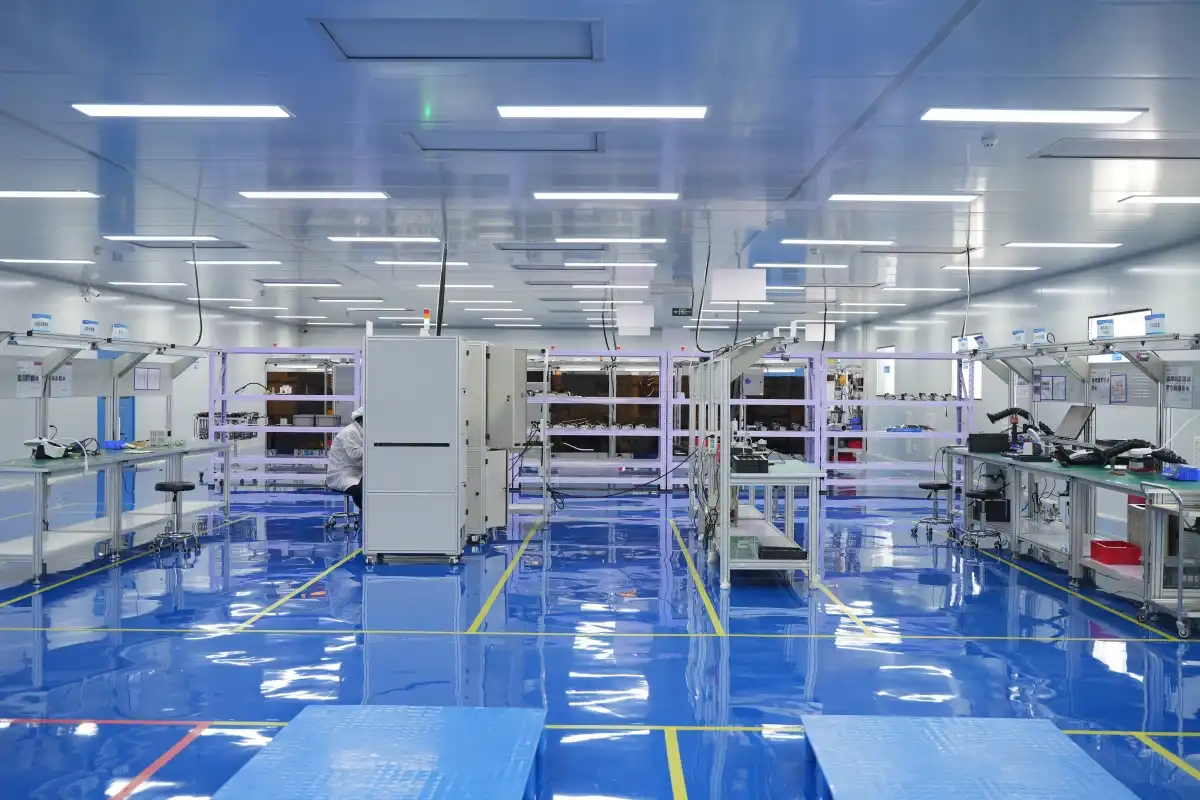
If you work in diesel engine manufacturing, SCR aftertreatment systems, or any heavy industrial environment, you already know how quickly a failed sensor can shut down an entire production line. Ceramic pressure sensors are built specifically for environments where standard sensors lose accuracy, corrode, or simply break down. Made from 96% Al2O3 alumina ceramic, these sensors measure pressure by detecting changes in electrical resistance under mechanical stress — and they keep performing where metal and silicon alternatives often cannot. This guide breaks down why ceramic pressure sensors belong in your next procurement decision.
Understanding Ceramic Pressure Sensors and Their Working Principles
How Ceramic Pressure Sensors Actually Work
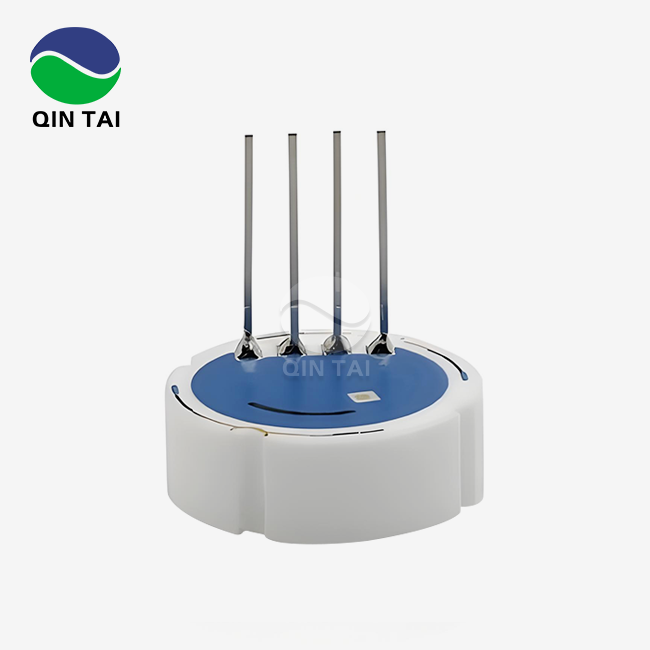
A ceramic pressure sensor uses a ceramic diaphragm as its primary sensing element. When pressure is applied, the diaphragm flexes slightly, changing the electrical resistance of the piezoresistive elements bonded to its surface. That change converts directly into a voltage signal proportional to pressure. Unlike metal diaphragms, the ceramic element does not fatigue or corrode over repeated pressure cycles, which is why it holds measurement accuracy longer.
Types of Ceramic Pressure Sensing Technologies
Three main types are used in industrial settings: gauge, capacitive, and piezoelectric ceramic sensors. Gauge sensors measure pressure relative to atmosphere and are common in hydraulic and pneumatic systems. Capacitive ceramic sensors detect changes in capacitance as the diaphragm deflects and excel at low-pressure detection. Piezoelectric types capture dynamic pressure events, such as combustion pulses in diesel engines. Each type serves a distinct application profile.
Ceramic vs. Silicon and Metal Diaphragm Sensors
Silicon sensors offer high sensitivity but are brittle and susceptible to corrosive media. Metal diaphragm sensors handle high pressure well but oxidize and drift in chemical environments. Ceramic diaphragm pressure transmitters sit between these extremes — they deliver sensitivity comparable to silicon while matching or exceeding the chemical resistance of high-grade stainless steel. For OEM engineers specifying sensors for Euro VI or China VI diesel aftertreatment systems, this balance matters during long-duration field operation.
Top Benefits of Ceramic Pressure Sensors in Harsh Industrial Applications
Ceramic pressure sensors solve problems that procurement managers often face, like sensors breaking down too soon, needing expensive maintenance, and giving wrong readings when the temperature changes. Here are the main benefits of this technology that set it apart from other choices.
- Chemical and Abrasion Resistance: The 96% Al2O3 ceramic construction resists acids, alkalis, and abrasive particulate media that would pit or corrode metal sensors within months. In SCR/DPF exhaust aftertreatment systems where condensed acidic exhaust gases contact the sensing element, this resistance directly extends service intervals and reduces parts replacement costs.
- Wide Operating Temperature Range: The QS-P105 operates from -40°C to 135°C, covering everything from cold-start diesel engine monitoring in northern climates to continuous high-temperature generator set applications in mine environments. Zero temperature drift remains below 0.05% FS/°C, which means readings stay stable even as ambient conditions shift.
- Safety Overload Tolerance: With a 200% full-scale safety overload rating, ceramic diaphragm sensors survive pressure spikes that would permanently damage lower-rated alternatives. This is particularly relevant in hydraulic systems on construction machinery, where pressure transients are frequent and unpredictable.
Precision That Supports Emission Compliance
The nonlinearity stays within 0.3% FS across the whole range, and the accuracy is ≤ ±0.5% FS. Accurate readings of the DPF differential pressure and exhaust backpressure are required by law for diesel OEMs that meet China VI and Euro VI pollution guidelines. If a sensor moves or reads wrongly when the temperature is high, it can mess up the ECU's calculations, leading to fake regeneration cycles or emission limit breaks.
Cost-Effective Over the Full Product Lifecycle
When used in environments that are corrosive, metal sensors usually need to be replaced every six to twelve months. Field data from chemical processing plants in industry shows that ceramic diaphragm sensors usually work for several years without needing to be re-calibrated. The lifetime cost advantage of ceramic technology is big when you think about things like replacement parts, expert work, and production downtime.

Comparing Ceramic Pressure Sensors with Other Sensor Technologies
Ceramic vs. Stainless Steel Diaphragm Sensors
There are a lot of stainless steel sensors available, and they work well with high mechanical pressure. But they oxidize in places with acidic exhaust gasses, and their zero drift under temperature cycling is much higher than that of ceramic options. Ceramic sensors stay calibrated longer in situations where they are constantly exposed to chemicals above 300 bar.
Ceramic vs. Silicon Piezoresistive Sensors
Because they can detect pressures as low as a few hundredths of a bar, silicon piezoresistive sensors are commonly used in medical and HVAC applications. Silicon is very fragile, which can be a problem in harsh industrial settings with rough materials or big changes in temperature. A ceramic pressure sensor can work in temperatures ranging from -1/0 bar to 600 bar and -40°C to 135°C, which is a wider range of temperatures for commercial use than silicon alternatives.
Where Established Brands Position Ceramic Technology?
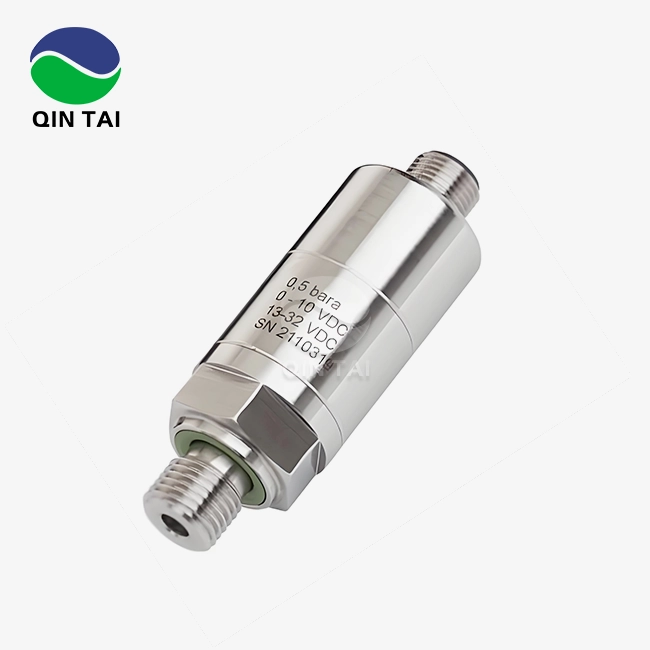
Honeywell, TE Connectivity, and Keller are all companies that make industrial pressure sensors out of ceramics. In their product lines, they always list alumina ceramic diaphragms for use in chemical and auto exhaust systems. Qintai's QS-P105 directly plays in this market segment, giving supply capabilities aimed at OEM mass production volumes and output parameters that can be changed, which are features that global OEM brands usually don't include in their standard catalog offers. This positions Qintai's ceramic pressure sensors as a flexible alternative for OEM volume production.
Procurement Considerations for Industrial Buyers
Matching Pressure Range and Output to Your Application
The QS-P105 can measure pressures from -1/0 bar to 600 bar and has a sensitivity of 2–4.0 mV/V and a bridge resistance of 11 ±30% kΩ. It can work with input voltages from 2 to 30 VDC. Before you sign off on a specification, make sure you know what the full-scale pressure is for your system, how accurate it needs to be, and whether the ECU or data acquisition system wants a millivolt bridge output or a conditioned 4–20 mA / 0–5V signal.
Evaluating Suppliers for OEM Mass Production
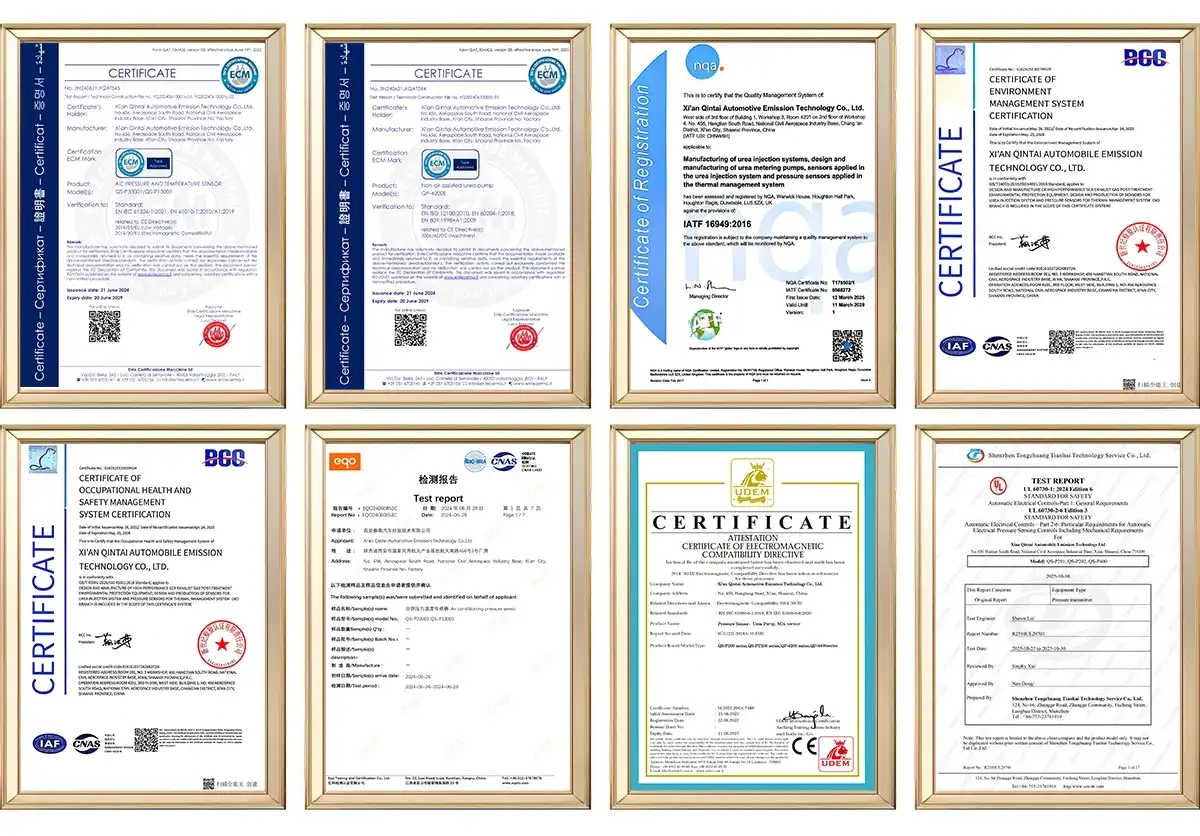
For OEM buying managers, the stability of the seller is just as important as the specifications of the product. Some of the most important things that are looked at are ISO 9001 and IATF 16949 certification, a history of mass production, and the ability to provide custom mechanical interfaces or calibration ranges. When you are in charge of production schedules that are tied to car emission certification deadlines, both consistent lead times and technical help after the sale are very important.
Accessing Samples and Technical Documentation
Ask for datasheets that list temperature drift coefficients, overload pressure ratings, and ways to track the calibration. Before you place a production order, ask for samples. This is especially important if your application needs non-standard media or mounting options. A seller that is ready to give application-specific paperwork and pre-production samples shows that they have the technical knowledge that an OEM needs for long-term partnership.
Case Studies: Ceramic Pressure Sensors in Action for Harsh Industrial Use
DPF Differential Pressure Monitoring on Heavy Trucks
A heavy truck OEM that was adding a Euro VI aftertreatment system needed a differential pressure sensor that could work in temperatures above 100°C and with condensed acidic exhaust gasses. A metal-based sensor that broke after eight months was changed with a ceramic diaphragm sensor. After 18 months of use, there was still no drift within the acceptable range, and none of the validation fleet's field replacements were needed. This case demonstrates how ceramic pressure sensors can deliver lasting reliability in harsh aftertreatment environments.
Hydraulic Pressure Sensing in Construction Machinery
A company that makes construction equipment needed to measure the pressure in a hydraulic circuit that goes from 0 to 400 bar and has frequent pressure spikes that reach 600 bar. In this range, the 200% overload limit of a ceramic pressure transducer was enough to handle every measured spike without deforming the diaphragm. The accuracy of the measurements stayed within ±0.5% FS even when the temperature changed from -30°C to 120°C.
Generator Set Monitoring in Mine Applications
A company that provides backup power to an underground mine put ceramic pressure sensors on diesel generator sets that work in an area with a lot of dust and moisture. During a three-year monitoring period, the sensors kept their calibration stable without having to be recalibrated in the field. This cut down on the number of repair visits and made sure that important ventilation systems always had access to generators.
Conclusion
For diesel OEMs, aftertreatment system installers, and industrial equipment manufacturers, ceramic pressure sensors provide quantifiable performance benefits in the most important situations. Chemical resistance, thermal stability, a wide pressure range, and a safety overload tolerance all work together to deal with the real failure points that engineers and procurement managers see on the job. These features are all in the QS-P105 from Qintai, which is backed by IATF 16949 certification and the ability to produce large amounts for OEMs. This technology should be considered when choosing a component if your program needs a reliable way to measure pressure over many years of ongoing use.
FAQ
How long do ceramic pressure sensors typically last in harsh environments?
In chemical processing and exhaust aftertreatment environments, ceramic diaphragm sensors routinely operate for two to five years without recalibration, compared to six to twelve months for standard metal diaphragm sensors. Actual service life depends on pressure cycling frequency, media aggressiveness, and temperature conditions.
Can ceramic pressure sensors be calibrated on-site?
Most ceramic pressure sensors ship factory-calibrated and do not require on-site calibration under normal operating conditions. If your application demands periodic verification, the sensor's stable zero output (±0.2 mV/V at 23°C) makes bench calibration straightforward with standard pressure calibration equipment.
What happens if the sensor is exposed to pressure beyond its rated range?
The QS-P105 carries a 200% full-scale safety overload rating. This means it can survive transient pressure spikes at twice the rated full-scale pressure without permanent zero shift or diaphragm damage. However, sustained operation above the rated range will affect long-term accuracy and is not recommended.
Are ceramic pressure sensors compatible with SCR/DPF system controllers?
Yes. With a supply voltage range of 2–30 VDC and a millivolt bridge output (2–4.0 mV/V sensitivity), the QS-P105 is compatible with most ECU and aftertreatment controller input circuits. Custom output ranges and connector configurations are available for system integrators requiring specific interface parameters.
Is customization available for OEM applications?
Qintai offers OEM and ODM services that cover custom pressure ranges, mechanical interfaces, cable lengths, and connector types. Engineering support is available throughout the specification and prototype validation process.
Partner with Qintai for Your Ceramic Pressure Sensor Needs
Qintai has been selling ceramic pressure sensors to OEMs since 2001. These sensors are used in heavy trucks, construction equipment, and generator sets. As a company that makes clay pressure sensors and has both IATF 16949 and ISO 9001 certifications, we can handle large quantities of output while keeping quality high. Get in touch with our engineering team right away to get the QS-P105 specification, application samples, or a personalized quote. Get in touch with us at info@qt-sensor.com to begin the chat.
References
1. Sensors and Actuators A: Physical — Elsevier, 2021
2. IEEE Transactions on Industrial Electronics — IEEE, 2020
3. Journal of Pressure Vessel Technology — ASME, 2019
4. Measurement: Journal of the International Measurement Confederation — Elsevier, 2022
5. SAE International Journal of Engines — SAE International, 2021
6. Industrial Sensor Technology Review — ISA (International Society of Automation), 2023

Our customers’ satisfaction speaks for our quality — contact us to experience the same reliable service.