- English
- French
- German
- Portuguese
- Spanish
- Russian
- Japanese
- Korean
- Arabic
- Greek
- German
- Turkish
- Italian
- Danish
- Romanian
- Indonesian
- Czech
- Afrikaans
- Swedish
- Polish
- Basque
- Catalan
- Esperanto
- Hindi
- Lao
- Albanian
- Amharic
- Armenian
- Azerbaijani
- Belarusian
- Bengali
- Bosnian
- Bulgarian
- Cebuano
- Chichewa
- Corsican
- Croatian
- Dutch
- Estonian
- Filipino
- Finnish
- Frisian
- Galician
- Georgian
- Gujarati
- Haitian
- Hausa
- Hawaiian
- Hebrew
- Hmong
- Hungarian
- Icelandic
- Igbo
- Javanese
- Kannada
- Kazakh
- Khmer
- Kurdish
- Kyrgyz
- Latin
- Latvian
- Lithuanian
- Luxembou..
- Macedonian
- Malagasy
- Malay
- Malayalam
- Maltese
- Maori
- Marathi
- Mongolian
- Burmese
- Nepali
- Norwegian
- Pashto
- Persian
- Punjabi
- Serbian
- Sesotho
- Sinhala
- Slovak
- Slovenian
- Somali
- Samoan
- Scots Gaelic
- Shona
- Sindhi
- Sundanese
- Swahili
- Tajik
- Tamil
- Telugu
- Thai
- Ukrainian
- Urdu
- Uzbek
- Vietnamese
- Welsh
- Xhosa
- Yiddish
- Yoruba
- Zulu
Top Urea Dosing Pump Benefits for Reliable Diesel Emission Control
A urea dosing pump is the heart of any SCR (Selective Catalytic Reduction) aftertreatment system. It delivers DEF (Diesel Exhaust Fluid) at precise flow rates to reduce NOx emissions from diesel engines, helping operators meet strict standards like EPA Tier 4, Euro VI, and China VI. Whether you run heavy trucks, construction equipment, generator sets, or agricultural machinery, choosing the right urea dosing pump directly affects your emission compliance, fuel efficiency, and system uptime.
Understanding Urea Dosing Pumps and Their Core Benefits
What Does a Urea Dosing Pump Actually Do?
The pump gets AdBlue or DEF from a tank and sends the right amount and pressure to the dosing module. The ECU talks directly to it and gives it real-time information about how much the engine is being used, how hot the exhaust is, and what the NOx sensors are telling it. It then changes how much fuel is injected based on what it has learned. Over 90% of the NOx is converted, even when the operating conditions change, thanks to this closed-loop control.
Pump Types and Their Industry Fit
There are three main types of pumps that are used for different tasks:
- Diaphragm pumps handle pressure fluctuations well and deliver accurate, repeatable dosing — the standard choice for heavy-duty OEM SCR systems.
- Peristaltic pumps work well where fluid path contamination must be avoided, common in stationary industrial exhaust treatment.
- Gear pumps provide stable high-pressure flow, suited to large generator sets and power plant applications where consistent volume matters most.
Each type works best in a certain range of temperatures, duty cycle, and system design. Getting the right type of pump for the job is the first thing that needs to be done to stop pollution.
Real-World Compliance Impact
The US EPA says that heavy-duty diesel engines must cut NOx pollution by up to 95% from what they were before 2010. That drop is possible in production settings with a urea dosing pump that is the right size and well-kept. People who own fleets said they saved a lot of fuel when they moved to precise dosing methods. This is because the right amount of DEF stops the catalyst from being overdosed, which wastes reagent and can cause ammonia slip.
Top 5 Benefits of Urea Dosing Pumps for Reliable Diesel Emission Control
A lot of procurement engineers and research and development teams still insist that modern aftertreatment systems must have high-quality urea doser pumps. This is why some of these things are true.
The five best things about this SCR system should help you choose your next one:
- Precise flow rate control: A calibrated diaphragm or gear pump maintains dosing accuracy within ±2–3%, directly improving catalyst conversion rates and reducing DEF consumption. Over a 500-hour operating cycle, this precision can reduce reagent waste by 8–12%, lowering variable operating costs at scale.
- Corrosion-resistant materials: DEF is a 32.5% urea solution that attacks standard metals over time. Quality pumps use stainless steel housings, EPDM seals, and ceramic-coated diaphragms. These material choices extend service life beyond 10,000 operating hours in demanding environments like mines or construction sites.
- Built-in freeze protection and purge function: At temperatures below −11°C (12°F), DEF freezes. Pumps with integrated heaters and automatic purge cycles clear fluid from lines before shutdown, protecting internal components and ensuring the system restarts correctly in cold climates — a critical feature for North American winter operations.
- Low maintenance burden: Modern pump modules integrate the pump, filter, and heater into a single compact unit. This reduces installation points, simplifies routine service, and cuts technician labor time during scheduled maintenance intervals.
- ECU-compatible control architecture: Pumps designed to communicate with Bosch ECU platforms allow engineers to calibrate dosing curves without proprietary software barriers. This compatibility speeds up system integration and reduces validation time for OEM programs.

Comparing Urea Dosing Pumps: Choosing the Right Solution for Your Needs
Key Selection Criteria
If you want to buy a DEF pump, you need to make sure it works with the temperature range, the flow rate (usually 0.1–10 L/h for on-highway engines), and the working pressure (5–9 bar for SCR injectors). First find out how much NOx the engine can put out at its most powerful. Next, make sure the pump can give 3 to 5 percent of the fuel that is being used as DEF when the engine is fully up and running.
Global Supplier Landscape
A number of well-known companies sell to the market. Grundfos has strong after-sales networks and diaphragm technology that has been used for a long time. Lewa is good for high-pressure process settings, and ProMinent is best for fixed industry uses. All of these providers know a lot about technology, but they all have different lead times and ways of making changes. The people in charge of the supply chain often find that area experts who have experience with OEM production can respond faster and give them more interface options when they need to finish projects quickly or set certain parameters.
Cost vs. Long-Term Value
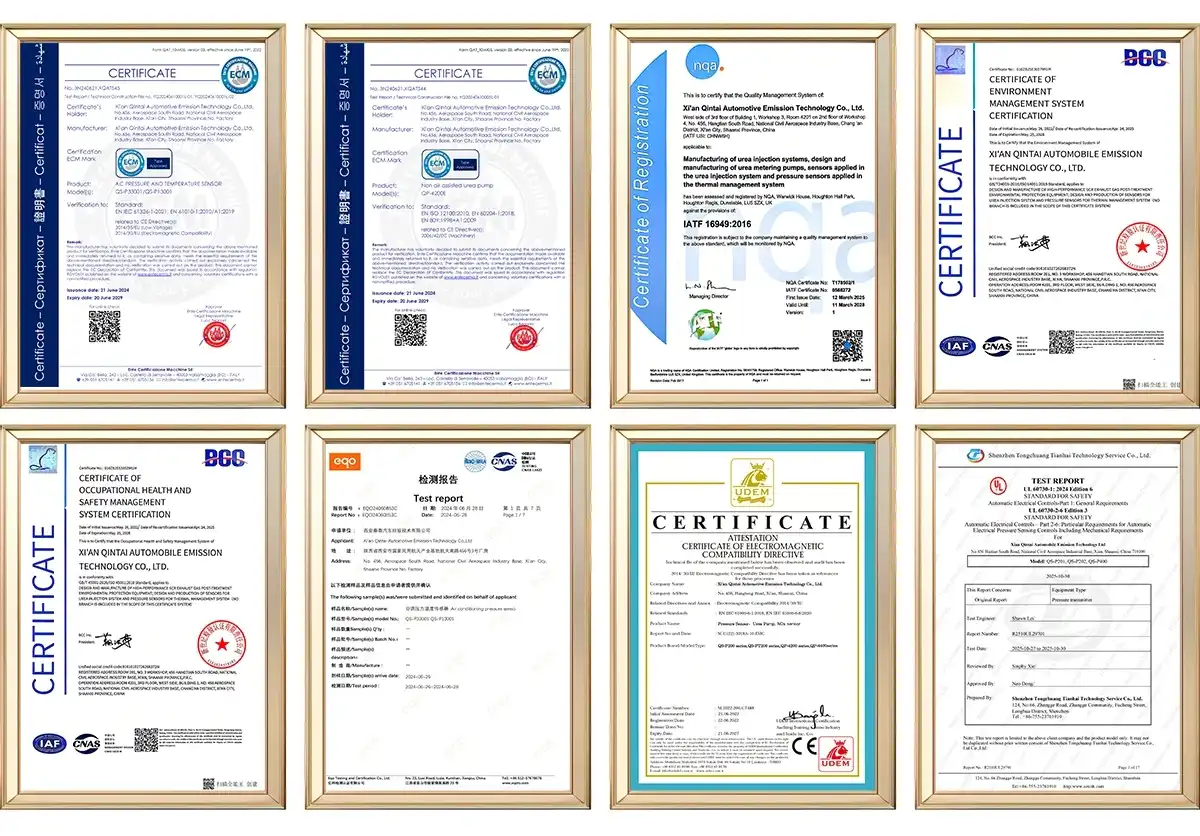
Most of the time, the cost of the pump alone is less than 5% of the total cost of the SCR system. There are three main reasons why the aftertreatment system fails, but one of them is a broken pump. In the long run, the cost of ownership and the number of warranty claims go down when you buy a unit with confirmed test data, IATF 16949 certification, and proven mass production capacity. This makes supplier qualification especially important when selecting a urea dosing pump for an SCR system.
Maintenance Best Practices and Troubleshooting for Optimal Performance
Routine Maintenance Schedule
Regular maintenance can keep your pump from breaking down. This is an example of a good plan:
- Daily: Check DEF tank level and inspect for visible leaks at line connections.
- Weekly: Verify pump inlet filter condition and confirm purge cycle completion after each shutdown.
- Monthly: Test dosing accuracy against ECU target values; inspect diaphragm and valve seats for wear signs.
Common Issues and Fixes
Most of the time, flow problems are caused by either an input filter that is clogged or air in the suction line. It's easy to fix both of these issues. Since there is leakage at the shaft seals, the diaphragm is worn out and needs to be changed before the machine can be used again. Most of the time, noise while pumping means that either the filter is partly stopped or there isn't enough DEF in the tank.
When to Call for Professional Support
A lot of the time, the valves inside are worn out if the dosing accuracy is more than 5% off from the goal values set by the ECU after filter and line checks. After that, it is less expensive to measure on a bench or get a new pump than to make changes on the job site. In teams that are used a lot, having one extra pump module for every ten units keeps downtime from going on for too long.
Future Trends and Innovations in Urea Dosing Pumps for Diesel Emission Control
Smart Pump Integration
IoT-enabled pump modules with onboard sensors now transmit real-time flow, pressure, and temperature data to fleet management platforms. This allows predictive maintenance scheduling before failure occurs — reducing unplanned downtime in long-haul trucking and remote power generation applications. This connectivity makes a modern urea dosing pump a key part of predictive maintenance strategies in fleet operations.
Tightening Regulations Drive Design Changes
The EPA's proposed post-2027 heavy-duty emissions standards and equivalent international regulations will require even tighter NOx control. Pump manufacturers are responding with higher-resolution dosing valves, improved low-temperature performance, and lighter module designs to meet both emission and vehicle weight targets.
Early Adoption Advantages for OEMs
OEMs who begin testing next-generation pump platforms now will have validated data ahead of regulatory deadlines. Partnering with suppliers who hold active R&D programs and carry patents in dosing control technology shortens that validation timeline significantly.
Conclusion
If you create the urea dose pump well, it will lower the amount of chemical needed, make the NOx reduction process more effective, and last longer. OEM engineers and buying teams have to make long-term decisions about which supplier to use based on cost, compliance, and system stability. Make sure the pump type, flow rate, material needs, and ECU compatibility are all right for your application. This is the easiest way to meet today's emission standards and get ready for tomorrow's. Getting these specifications right is essential when sourcing a urea dosing pump for long-term emission compliance.
FAQ
What is the typical service life of a urea dosing pump?
A quality unit built with corrosion-resistant materials and proper seals typically lasts 8,000–12,000 operating hours under normal conditions. Actual service life depends on DEF quality, operating temperature range, and maintenance frequency.
How does the pump communicate with the engine ECU?
The pump module receives CAN bus signals from the ECU reflecting engine load, exhaust flow rate, and NOx sensor data. It adjusts dosing volume in real time based on those inputs, keeping conversion efficiency within target range.
Can a urea dosing pump work in sub-zero temperatures?
Yes, provided the unit includes an integrated heater and automatic purge function. These features prevent DEF from freezing inside pump lines and allow reliable cold-start operation down to approximately −25°C.
What causes dosing inaccuracy?
The most common causes are filter blockage, air ingestion through a loose suction fitting, worn diaphragm valves, or a miscalibrated ECU dosing map. Regular filter inspection and purge cycle verification resolve most accuracy issues.
Partner with Qintai for Your Next Urea Dosing Pump Project
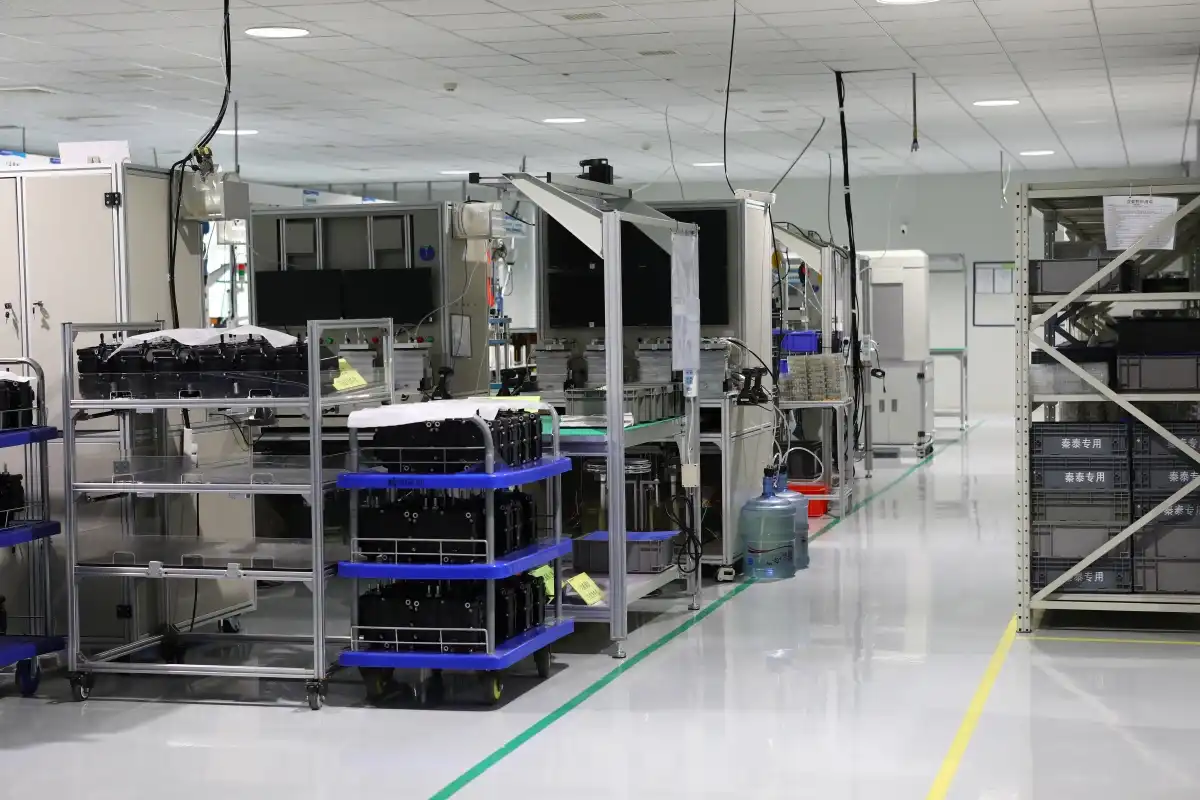
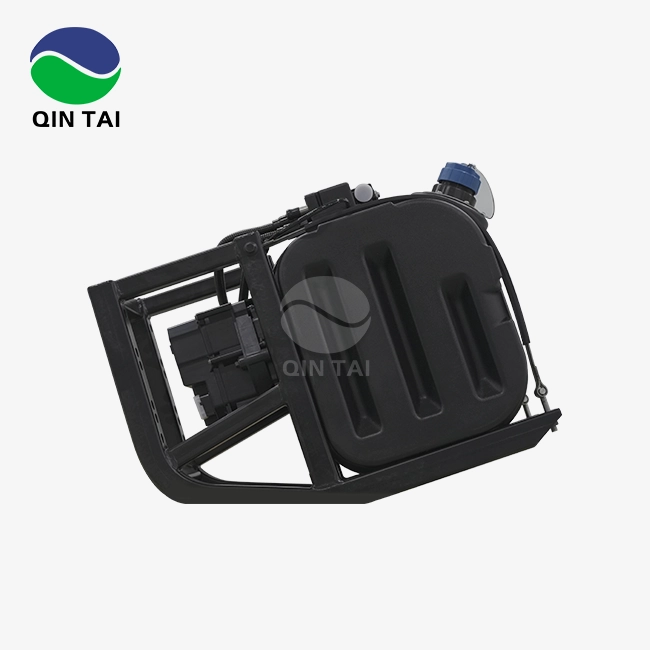
As of 2001, Qintai has been giving OEM systems all over the world SCR aftertreatment parts that are certified by IATF 16949, ISO 9001, CE, and UL. Our line of urea dosing pumps is made to meet the needs of both China VI and Euro VI. It has a control architecture that works with ECUs and a number of OEM/ODM configuration choices. We sell urea dose pumps to Weichai Power, Yuchai Power, and Quanchai Power. In China, we have the largest market share. We want a lot of things to be made, quickly, and with long-term technical cooperation. Please email our team at info@qt-sensor.com to talk about your apps' needs.
References
1. U.S. Environmental Protection Agency. Diesel Exhaust Aftertreatment Technologies for NOx Control. EPA, 2022.
2. European Commission. Euro VI Heavy-Duty Vehicle Emission Regulations: Technical Requirements. Official Journal of the European Union, 2021.
3. SAE International. Development and Validation of Urea-SCR Systems for Heavy-Duty Diesel Engines. SAE Technical Paper Series, 2020.
4. Johnson, M. & Patel, R. Selective Catalytic Reduction: Design, Operation, and Maintenance. Springer, 2019.
5. International Council on Clean Transportation (ICCT). NOx Emissions from Heavy-Duty Diesel Vehicles: Global Analysis and Technology Pathways. ICCT, 2023.
6. Dieselnet Technology Guide. Urea Injection Systems for SCR Aftertreatment. Dieselnet, 2022.
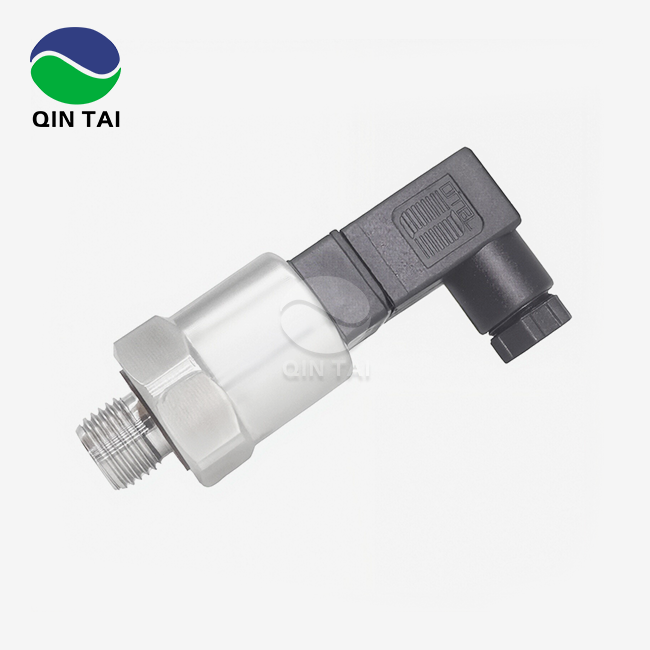
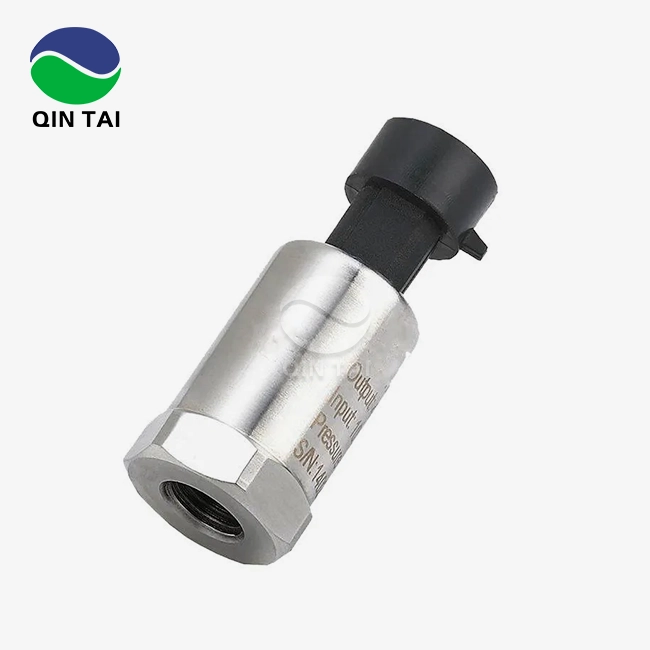

Our customers’ satisfaction speaks for our quality — contact us to experience the same reliable service.