- English
- French
- German
- Portuguese
- Spanish
- Russian
- Japanese
- Korean
- Arabic
- Greek
- German
- Turkish
- Italian
- Danish
- Romanian
- Indonesian
- Czech
- Afrikaans
- Swedish
- Polish
- Basque
- Catalan
- Esperanto
- Hindi
- Lao
- Albanian
- Amharic
- Armenian
- Azerbaijani
- Belarusian
- Bengali
- Bosnian
- Bulgarian
- Cebuano
- Chichewa
- Corsican
- Croatian
- Dutch
- Estonian
- Filipino
- Finnish
- Frisian
- Galician
- Georgian
- Gujarati
- Haitian
- Hausa
- Hawaiian
- Hebrew
- Hmong
- Hungarian
- Icelandic
- Igbo
- Javanese
- Kannada
- Kazakh
- Khmer
- Kurdish
- Kyrgyz
- Latin
- Latvian
- Lithuanian
- Luxembou..
- Macedonian
- Malagasy
- Malay
- Malayalam
- Maltese
- Maori
- Marathi
- Mongolian
- Burmese
- Nepali
- Norwegian
- Pashto
- Persian
- Punjabi
- Serbian
- Sesotho
- Sinhala
- Slovak
- Slovenian
- Somali
- Samoan
- Scots Gaelic
- Shona
- Sindhi
- Sundanese
- Swahili
- Tajik
- Tamil
- Telugu
- Thai
- Ukrainian
- Urdu
- Uzbek
- Vietnamese
- Welsh
- Xhosa
- Yiddish
- Yoruba
- Zulu
SCR Dosing System vs. EGR: Which Emission Solution Fits Best?
If you're sourcing emission control technology for heavy-duty diesel engines, you've probably weighed two dominant approaches: the SCR dosing system and Exhaust Gas Recirculation (EGR). Both reduce nitrogen oxide (NOx) emissions, but they work differently, cost differently, and suit different applications. Based on my experience working with OEMs and aftertreatment integrators, the right choice depends on your engine platform, regulatory targets, and total operating budget. This article breaks down both technologies so your technical and procurement teams can make a well-grounded decision.
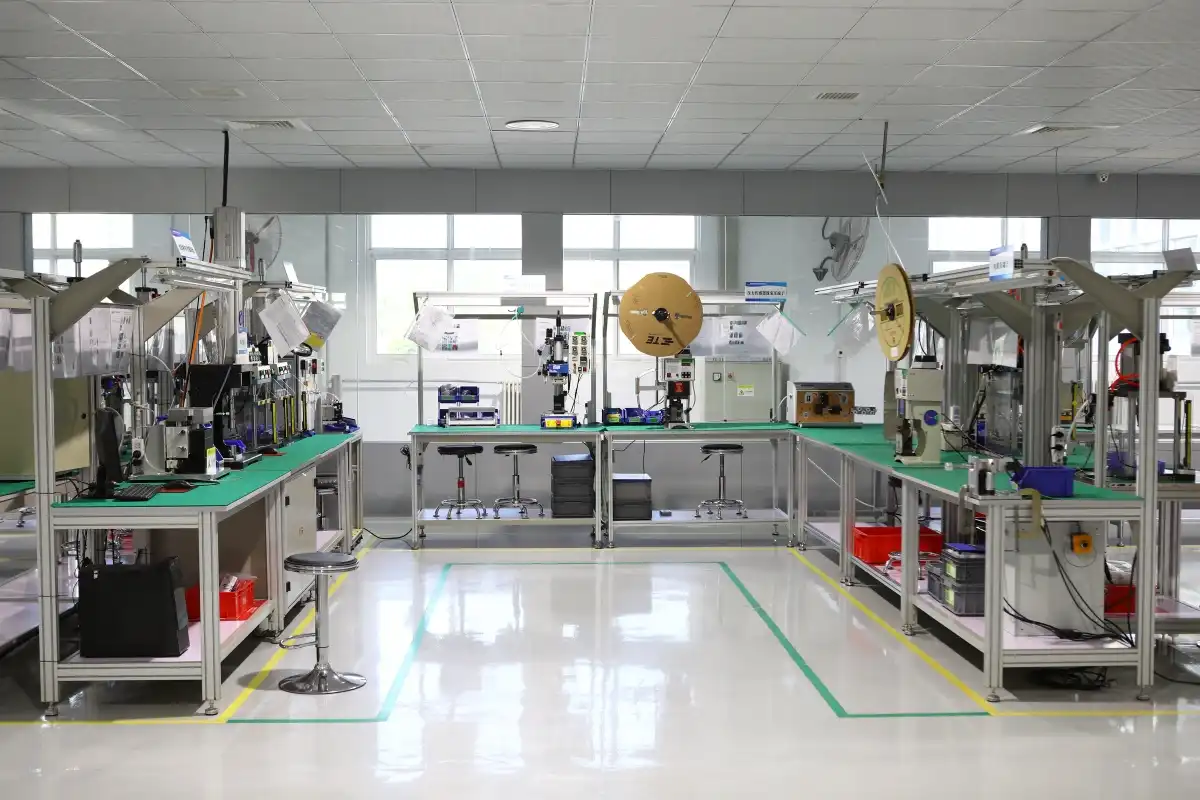
Understanding SCR Dosing Systems and EGR Technologies
How SCR Dosing Works
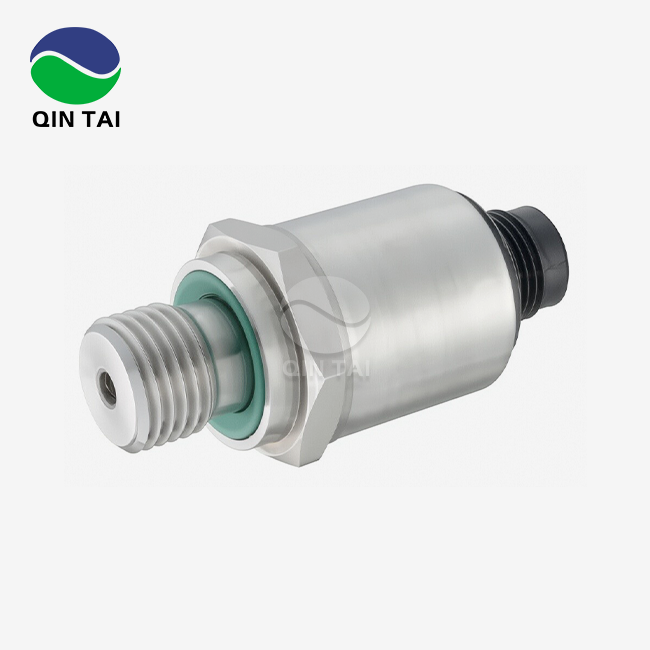
A device called Selective Catalytic Reduction adds the right amount of Diesel waste Fluid (DEF/AdBlue) to the waste stream after the engine. The pump, injector, processor, and urea pressure monitor in the dosing module break up the fluid into tiny particles before it combines with NOx over a catalyst. The urea pressure monitor is very important because it tells the Dosing Control Unit (DCU) about the hydraulic pressure in real time. This makes sure that the injection is correct and stops crystallization or blockage problems.
How EGR Works
EGR sends a certain amount of exhaust gas back into the intake manifold. It lowers the high combustion temperatures by diluting the fresh air-fuel charge. This stops NOx from being made at the source. The most common type of EGR in modern engines is cooled EGR, which heats the gas before putting it back into the engine. Both high-pressure and low-pressure EGR options give you choices, but they both make it harder to control heat and deposits over time.
How They Fit Together
Most China VI and Euro VI engines use both technologies at the same time. EGR reduces NOx inside the cylinders, and SCR deals with NOx that is still in the exhaust. Some engine configurations, like stationary generator sets or off-highway equipment, can meet regulatory standards with just SCR and no EGR. This makes the engine architecture simpler.
Technical Comparison: SCR Dosing System vs. EGR
Dosing Accuracy and NOx Reduction Efficiency
When set up correctly, SCR systems can convert more than 95% of NOx. The urea pressure sensor makes sure that there is closed-loop feedback. It can pick up pressure drops caused by leaks or blockages and overpressure caused by AdBlue that has frozen. OEMs can be sure that they will meet the EPA Tier 4 Final and Euro VI NOx standards across all production amounts with this level of accuracy. While EGR lowers NOx by about 30–50% based on load and recycling rate, it tends to raise particulate matter output, which is usually a trade-off that needs a DPF further downstream. This closed-loop feedback is what makes a urea pressure sensor essential in any SCR dosing system.
Maintenance Complexity and Fouling Risk
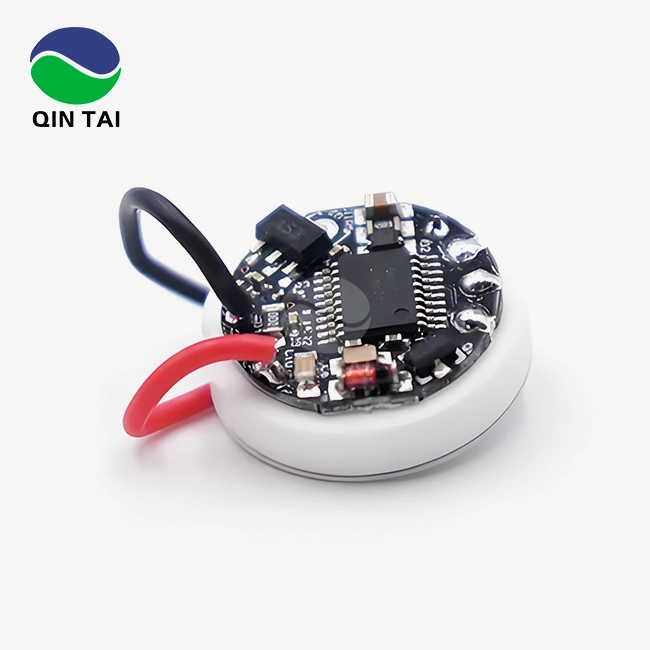
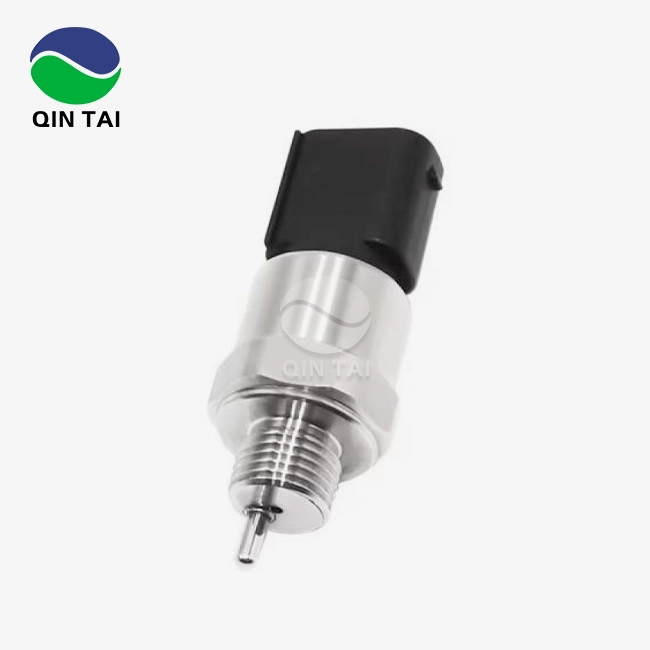
Carbs can build up in the valves, cooler, and intake ports of EGR systems. When heavy loads are present, like in long-haul trucks or mining equipment, this fouling shortens the time between services and raises the cost of upkeep work. Individual parts of SCR systems, like the dosing pump, injector, or pressure monitor, can be changed separately, which cuts down on downtime. For example, Qintai's urea dosing pressure sensors have gold-plated terminals and dead-volume minimization to lower crystallization and signal drift, which are two of the most common problems in the SCR field.
Cost Profile Over the System Lifecycle
EGR has lower hardware costs up front, but by the second or third year of running, the higher costs of upkeep can cancel out that benefit. SCR needs DEF fluid, which takes up about 3–5% of the diesel volume. However, with modern calibration, this amount is always known. SCR's total cost of ownership is usually cheaper for teams that drive more than 500,000 kilometers a year.

Application Suitability and Market Use Cases
Heavy-Duty Trucks and Commercial Logistics
SCR is the main way that NOx is cleaned up after being released by long-haul cars that meet China VI or Euro VI standards. Sensors inside the dosing module have to be able to handle over a million kilometers of road vibrations and changes in temperature. Qintai sells urea dosing pressure monitors to major Chinese OEMs like Weichai Power and Yuchai Power. Both of these companies work with a lot of big industrial vehicles.
Construction, Mining, and Agricultural Machinery
Off-road vehicles have to deal with a lot of dust, mechanical shock, and duty cycles that come and go. For these settings, SCR systems need pressure monitors that can handle rough industrial conditions. Some mid-level off-road engines still use EGR, but Tier 4 Final and Stage V rules are pushing these platforms more and more toward SCR-dominant architectures. Repair shops and sellers who manage fleets of different types of equipment really like how modular SCR parts are and how easy they are to change. These trends make a rugged urea pressure sensor increasingly important for off-road SCR dosing system applications.
Generator Sets and Stationary Industrial Engines
Generator sets and backup power units at mine sites usually run at steady load points, which is good for SCR. Since there aren't any load changes like there are with a truck engine, DEF use can be predicted, and the dose system works within a stable pressure range. In these situations, EGR has a lower chance of carbon fouling, which means that a setup with both SCR and EGR can work for big generator sets at power plants.
Procurement and Selection Guide for Emission Solutions
Evaluating Suppliers and Certifications
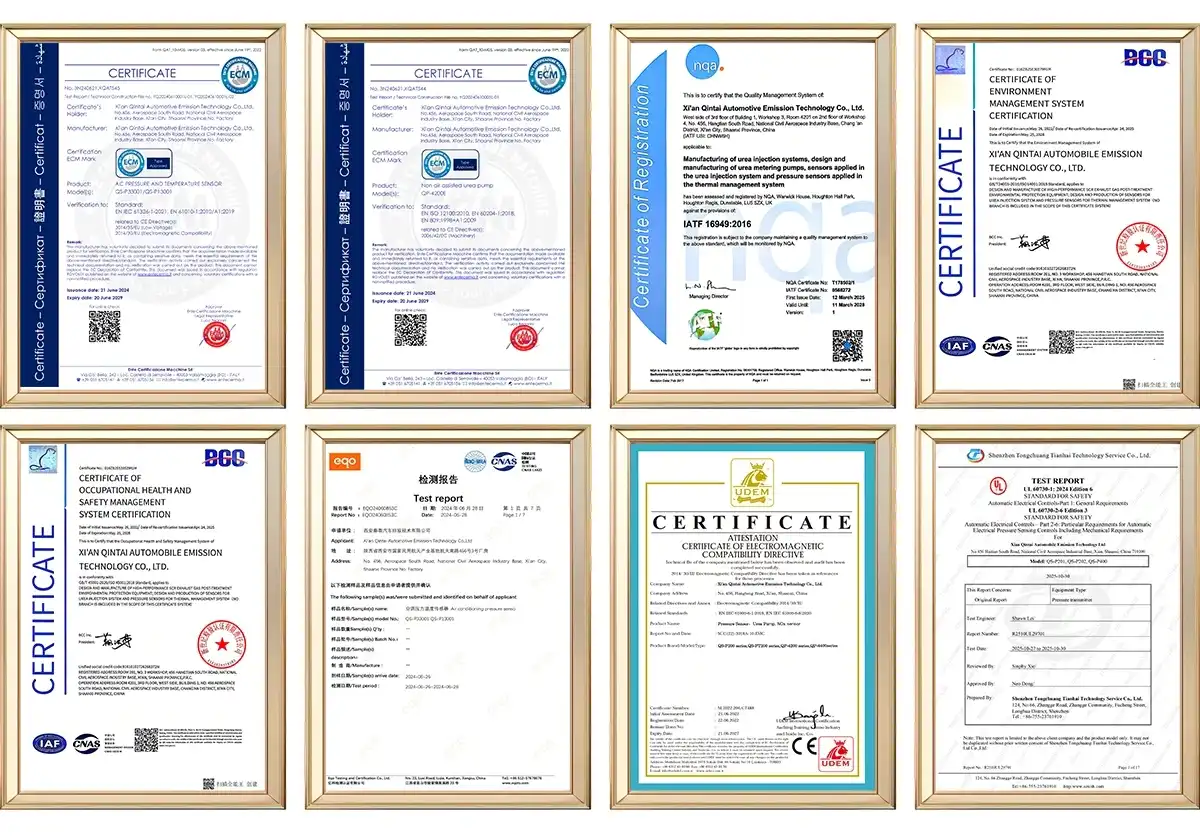
When choosing a supplier for SCR parts, qualifications for approval are important at every step of the process. Your technical team should check that the product meets ISO 9001, IATF 16949, and any regional requirements (CE, UL, REACH, RoHS). Qintai has all of these certificates and has also filed for 58 invention patents, which gives engineering teams a high standard they can follow. When purchasing managers are negotiating long-term contracts, the amount of inventory and the supplier's production capacity are both very important.
When procurement teams look at SCR dosing component suppliers, these are the main things they look at:
- Certification coverage: Confirm that the supplier holds IATF 16949 and any application-specific approvals (Ex certification for mining, marine certifications for vessel use).
- Signal compatibility: Verify that sensor output — whether 0.5V–4.5V analog or SENT protocol — matches your DCU calibration. Mismatched signals are a leading cause of P204B fault codes in the field.
- Customization capacity: OEM and aftermarket integrators often need custom thread specs (M10×1 or M12×1.5) or application-specific connector housings. Confirm the supplier supports OEM/ODM production.
- Delivery and after-sales response: For aftertreatment system integrators with tight production schedules, lead time and technical support availability are non-negotiable.
OEM and aftermarket integrators often need special thread specs (M10×1 or M12×1.5) or connector housings that are made just for their purpose. Make sure the supplier can do both OEM and ODM production.- Delivery and customer service after the sale: When aftertreatment system integrators are on a tight production schedule, they can't compromise on lead time or technical support.
DEF System Distinctions Buyers Should Know
These factors are the same whether you're looking for a whole dose module or just a few sensors to replace old ones. Early alignment on these points keeps costly redesigns from happening later. This early alignment is just as important when sourcing components for an SCR dosing system as it is for a complete module.
Future Outlook and Technological Trends in Emission Controls
Tighter Regulations Driving SCR Adoption
The world's NOx limits are getting stricter. The U.S. EPA's heavy-duty engine standards for 2027 call for NOx levels to be cut by about 80% from what they are now. The urea dosing pressure sensor is the most reliable part of SCR technology, which is the most scalable way to reach these goals. Most likely, EGR will not be a stand-alone solution in most new platform designs. Instead, it will be used as a supporting technology.
IoT Integration and Predictive Maintenance
The way fleets handle their emission systems is changing because of digital connectivity. IoT-enabled SCR units can send data about pressure, temperature, and dosing to fleet control systems in real time. This lets maintenance teams know about sensor drift or pump wear before a fault code sets off a service event. Qintai's pressure sensors are made to work with current ECU and telematics designs because they support signal outputs that are compatible with them.
Long-Term Planning for OEMs and Fleet Operators
OEMs that want to improve their platforms after 2027 should include how long SCR components will last in their design plans. The urea dosing pressure monitors made by Qintai are rated to work for 15,000 to 20,000 hours in industrial settings. They also have a flexible internal buffering structure that can handle the 9% volume growth of freezing AdBlue, which is an important feature in North American winters.
Conclusion
Both SCR and EGR have been shown to reduce NOx, but they are used in current pollution control architecture in different ways. In-cylinder NOx is reduced by EGR, and it works well with basic or less expensive systems. Higher conversion efficiency, better fuel economy at scale, and more compliance headroom for China VI, Euro VI, and the new EPA 2027 standards are all benefits of SCR. Heavy-duty, off-highway, and fixed diesel uses are more likely to last longer with an SCR dosing system that is well-designed and made of accurate, long-lasting parts.
FAQ
Is SCR more cost-effective than EGR for heavy-duty trucks?
For heavy-duty uses, SCR usually offers better value over the course of a vehicle's entire lifecycle. Even though DEF fluid is expensive, the higher NOx conversion rate lowers the risk of fines for not following the rules, and repair costs are lower than for overhauling the EGR cooler because parts are replaced in a modular way.
How often does an SCR dosing system need maintenance?
The pressure monitor and other parts of the SCR dosing system are made to last between 15,000 and 20,000 hours of normal business use. Regular checks should look at the quality of the DEF fluid, the pattern of the injector spray, and the output of the pressure sensor signal. One of the main reasons why dosing systems fail early is that the DEF is contaminated.
Can SCR and EGR run together in the same engine?
Yes. Most China VI and Euro VI diesel platforms have both systems built in. EGR stops NOx from forming in the cylinders at first, and SCR cleans up any NOx that is still in the exhaust stream. This two-pronged approach lets engine designers lower EGR rates, which lowers the amount of particulate matter released, while still following all regulations during the SCR stage.
Partner with Qintai for Your SCR Dosing System Needs
Since 2001, Qintai has sold SCR dose parts to OEMs in more than 60 countries. Qintai is the biggest SCR dosing system seller in China, with a large part of the market. They are also the main provider to Weichai Power and Yuchai Power. They offer OEM/ODM services, flexible customization, and full certifications such as IATF 16949, CE, UL, and REACH. Send an email to info@qt-sensor.com to get a price, whether you need help with high-volume production or expert support for a retrofit project.
References
1. Johnson, T. V. (2014). Review of Vehicular Emissions Trends. SAE International Journal of Engines.
2. Koebel, M., Elsener, M., & Kleemann, M. (2000). Urea-SCR: A Promising Technique to Reduce NOx Emissions from Automotive Diesel Engines. Catalysis Today.
3. U.S. Environmental Protection Agency. (2022). Control of Air Pollution from New Motor Vehicles: Heavy-Duty Engine and Vehicle Standards. EPA Rulemaking Document.
4. Payri, F., Benajes, J., Molina, S., & Riesco, J. M. (2003). Reduction of Pollutant Emissions in a HD Diesel Engine by Combining EGR and After-Treatment. SAE Technical Paper Series.
5. Tan, P., Hu, Z., & Lou, D. (2016). Performance and Emissions of a Diesel Engine with SCR and DOC Aftertreatment Systems. Applied Thermal Engineering.
6. International Council on Clean Transportation (ICCT). (2021). Global Commercial Vehicle Emission Standards: A Comparison of Heavy-Duty Regulations Across Key Markets. ICCT Policy Report.

Our customers’ satisfaction speaks for our quality — contact us to experience the same reliable service.