- English
- French
- German
- Portuguese
- Spanish
- Russian
- Japanese
- Korean
- Arabic
- Greek
- German
- Turkish
- Italian
- Danish
- Romanian
- Indonesian
- Czech
- Afrikaans
- Swedish
- Polish
- Basque
- Catalan
- Esperanto
- Hindi
- Lao
- Albanian
- Amharic
- Armenian
- Azerbaijani
- Belarusian
- Bengali
- Bosnian
- Bulgarian
- Cebuano
- Chichewa
- Corsican
- Croatian
- Dutch
- Estonian
- Filipino
- Finnish
- Frisian
- Galician
- Georgian
- Gujarati
- Haitian
- Hausa
- Hawaiian
- Hebrew
- Hmong
- Hungarian
- Icelandic
- Igbo
- Javanese
- Kannada
- Kazakh
- Khmer
- Kurdish
- Kyrgyz
- Latin
- Latvian
- Lithuanian
- Luxembou..
- Macedonian
- Malagasy
- Malay
- Malayalam
- Maltese
- Maori
- Marathi
- Mongolian
- Burmese
- Nepali
- Norwegian
- Pashto
- Persian
- Punjabi
- Serbian
- Sesotho
- Sinhala
- Slovak
- Slovenian
- Somali
- Samoan
- Scots Gaelic
- Shona
- Sindhi
- Sundanese
- Swahili
- Tajik
- Tamil
- Telugu
- Thai
- Ukrainian
- Urdu
- Uzbek
- Vietnamese
- Welsh
- Xhosa
- Yiddish
- Yoruba
- Zulu
What Is Urea Injection System in Diesel Exhaust Treatment
Urea injection system is the dosing unit of Selective Catalytic Reduction (SCR) systems on diesel engines. AdBlue®, typical diesel exhaust fluid (DEF) is stored, pumped, metered and sprayed onto the exhaust stream. The fluid breaks down into ammonia, which then combines with NOx over an SCR converter to generate nitrogen and water vapour. This book is written for purchasing managers, R&D engineers, integrators and parts buyers who want straightforward answers to how the system works, what it consists of and how to pick suppliers.


How a Urea Injection System Works in SCR Exhaust Treatment
Where the System Sits in the Exhaust Path
I think of SCR as chemistry in a tank, Dosing Unit, and exhaust pipe. Urea Injection System covers first two. Not a standalone emissions device. It uses a mixer, SCR Converter, and result-confirming sensors. Standard three-way converters cannot clear NOx from lean diesel engines. SCR addresses it using a reducing agent. SCR is a frequent technique to meet the 2010 U.S. EPA NOx limit for heavy-duty on-highway engines of 0.2 g/bhp-hr. Nonroad Tier 4 standards need construction and agricultural equipment.
The Chemistry in Two Steps
A simple reaction. First, urea converts to ammonia: CO(NH2)2 + H2O → 2NH3 + CO2. Second, ammonia and NOx react on the SCR Converter: 4NO + 4NH3 + O2 → 4N2 + 6H2O. This produces nitrogen and water vapour. These formulae only illustrate the final outcome since real situations include intermediate phases. Many studies and regulators quote the 90% NOx reduction of a well-tuned SCR system. Dosing requires heated exhaust, usually 200°C. Wet urea crystallises in the pipe after early dosage.
How Dosing Is Controlled
Fluid injection is determined by the ECU. Engine load, exit flow, exhaust humidity, and NOx sensor data are used to control the dosage rate in a closed loop. The injector atomises fluid into tiny droplets while the pump develops pressure. Urea nozzle pressure ranges from 5 to 9 bar, depending on system and manufacturer, according to industry sources. A lack of DEF lets NOx untreated. Engineers term tailpipe ammonia slip when too much DEF pushes ammonia out. The controller checks the pump's pressure during the dosing event using a Dosing Unit pressure sensor. DEF accounts for 2–3% of diesel fuel usage.
Urea Injection System Components, Fluid, and Design Types
Core Components and Their Jobs
A full Urea Injection System has more than a pump and injector. DEF tanks hold fluid and have level, temperature, and quality sensors and heaters. The supply module pumps, filters, and recycles fluid. The injector (urea nozzle) measures and atomises spray. In cold conditions, heated lines convey fluid, and the ECU controls everything via electrical and CAN. The mixer distributes spray downstream and the SCR Converter complete the process. Mixing distance, converter volume, and back pressure affect dosage. Thus, I propose confirming system compatibility rather than part by part.
DEF Quality and Freezing Protection
DEF is a water-based solution with 32.5% urea, ISO 22241 AUS 32. Only authorised fluid should be in the tank to avoid injector clogging and SCR Converter damage. Never combine with diesel, oil, or additives. The nozzle may be blocked or dosage interrupted by frozen DEF at -11°C (12°F). Heating features in the tank, pipes, and nozzle maintain fluid useable in cold climes, which is important in the north. The stronger solution, AUS 40 (ISO 18611), contains 40% urea and is used in maritime service. AUS 32 is used in road and off-road engines.
Air-Assisted vs. Airless Designs
Air-assisted sprayers increase spray quality using compressed air for the urea injection system. Additional valves, controls, and air supply need additional parts and packaging. Airless systems feature fewer parts and easier packaging due to pump pressure and injector shape. Most current machines employ electronic control for precise dosage, fast response, diagnostics, and adjustable calibration.
Engine designers compare exhaust flow, temperature, space, emissions standards, and servicing capacity to pick between the two. A big stationary engine with an air supply may tolerate an air-assisted configuration, whereas a heavy vehicle with constrained frame space may choose airlessness. Total ownership cost should determine, not pricing.

How to Choose the Right Urea Injection System
Start With the Application Data
I always urge purchasers to start with the engine, not the catalogue. Collect power rating, displacement, exhaust flow, duty cycle, running hours, and ambient conditions. Combine altitude, dust, vibration, and on-road/off-road machine operation. A dusty field tractor encounters different stress than a highway vehicle. In retrofit projects, exhaust shape, open space, converter size, ECU compatibility, and certification must be checked. With this data, an engineer can size the Urea Injection System accurately and save rework. Aftertreatment integrators should describe sensors and interfaces used so the supplier can match connections and signals.
Compare the Technical Parameters
Define performance figures next. Perform dosage, pressure stability, injector response time, temperature limits, supply voltage, and communication protocol checks. Request the NOx conversion aim and ammonia-slip limit. Pressure is important since urea nozzles operate between 5 and 9 bar, and the optimum value varies by platform. Stable pressure signals assist controllers maintain dosage precision. Since China VI, Euro VI, and EPA requirements apply to all engines, not only prototypes, R&D engineers should seek validation papers. Unit-to-unit consistency is as important as peak performance in mass manufacturing.
Weigh the Cost of Ownership
Buy price is just half of the tale. Field failure of a low-cost equipment causes downtime, warranty claims, and technician hours. Compare DEF, energy, service intervals, spare-part availability, and warranties. Aftermarket customers like repair shops and dealers value stock availability, quick installation, and low failure rates. OEM buyers consider lead time, order volume, and long-term supply. Mine generator set projects and backup power emphasise longevity and environmental suitability. I recommend evaluating each supplier on these factors before pricing discussions so the technical and buying teams can work from one sheet.
Installation, Troubleshooting, and Maintenance
Installation Steps That Protect Dosing Accuracy
Correct installation protects dosing accuracy and component life of the urea injection system. Check engine specifications, DEF quality, electrical connections, exhaust heat, injector placement, mixing distance. Securely install the tank to protect it. Make the pump serviceable. Do not make sharp bends, or rub on hot exhaust parts, with heated lines. Position the injector so that it does not spray the pipe wall as well as converter face where deposits are attracted. Commissioning - prime the circuit, check for leaks, pressure testing and flow, turn on the injector, verify sensors and interpret diagnostic data. Finally, testing of cold-start and high-load.
Common Faults and How to Troubleshoot Them
Common problems include clogged injectors, fluctuating stimulate pressure, frozen DEF, electric failures, sensor faults and crystallisation. Symptoms include wrong dose, higher NOx, white savings, unusual DEF use, warning lights or a non-firing injector. My order is to read fault codes, verify power and ground, DEF level and quality of service, pump pressure and flow rate, injector resistance, lines and filtering, and sensor and CAN data. If a nozzle is clogged and a technician can reach it, it may be manually cleaned using approved tools. Many systems now include a self-cleaning cycle that flushes the nozzle with warm fluid to dissolve crystals. If nothing else works, change the nozzle.
Maintenance Checklist
Failures are reduced by routine treatment. Verify DEF for contamination, leaks, damaged connections, crystal build-up, and dashboard warnings. Change filters, check injector spray, stimulate pressure, sensors and hot lines at each service interval. Frequency is affected by duty cycle, climate, dimensional element quality, vibration, dust and operating hours.
Follow the engine manufacturer’s schedule. Store DEF in clean, sealed containers, in the supplier's ambient temperature range, and away from fuel, oil, water, and chemical compounds. Fleet managers as well as shop owners may log each inspection to find pressure drift or excessive DEF use early and repair small defects before a breakdown.

Buying Guide: Urea Injection System Suppliers and OEM Options
What Drives Pricing
Pricing varies on pump and injector specs, tank capacity, heating setup, sensor and ECU integration, dosing range, pressure, customisation, testing, order volume, and logistics. Standard Urea Injection Systems fit when engine platform, connections, flow range, and communication protocol are specified. Custom or OEM development accommodates atypical exhaust layouts, voltage or CAN requirements, severe conditions, private labelling, or vehicle-specific calibration.
Before ordering the urea injection system, check operating pressure, dosage range, freeze protection, validation documentation, samples, drawings, minimum order quantity, lead time, warranty, and spare-part support. The buying manager can evaluate bids fairly and the engineer can prevent integration surprises with clear replies.
What to Request From a Supplier
Supplier competency impacts installation success, warranty being exposed and long-term supply. A reputable manufacturer looks at the interaction between pump, injector, mixer, SCR Converter, sensors and ECU, rather than only propose parts by price. Request specifications, wiring charts, drawings, inspection records, traceability data, test results, material data, installation instructions and shipping papers.
Review production capacity, crucial component supply, private label possibilities, forecast planning, technical response time. Early engineering interaction reduces integration risk. For U.S. projects, check the EPA standards for your engine and see whether the supplier has the paperwork needed for your certification route.
Why Qintai Fits OEM and Integrator Needs
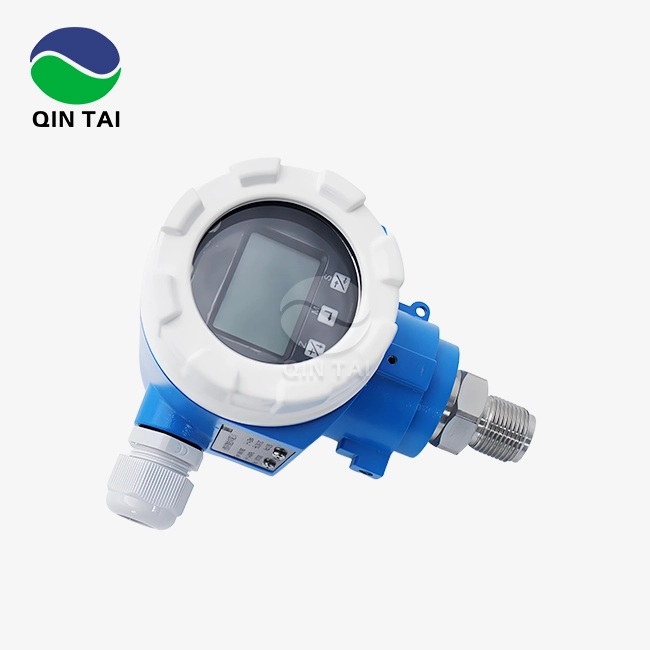
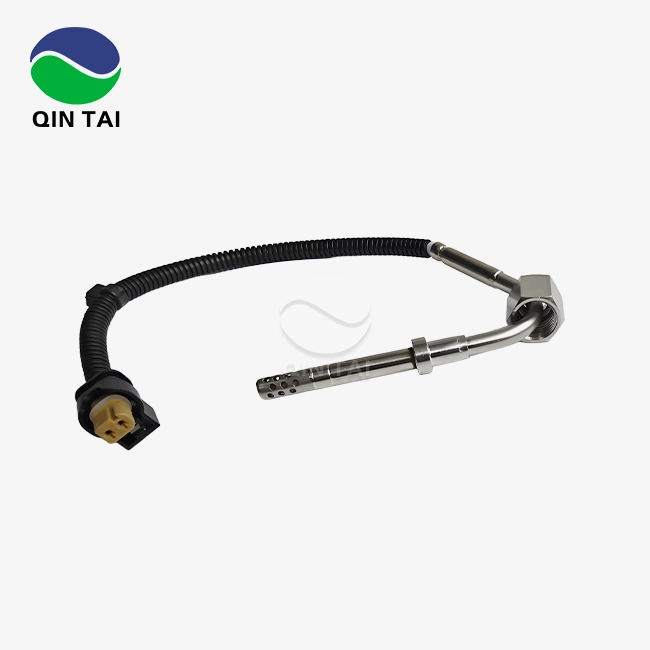
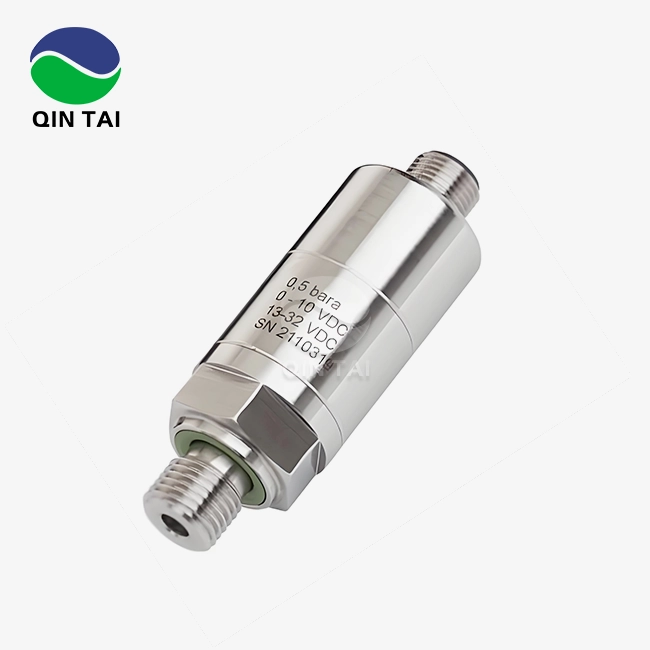
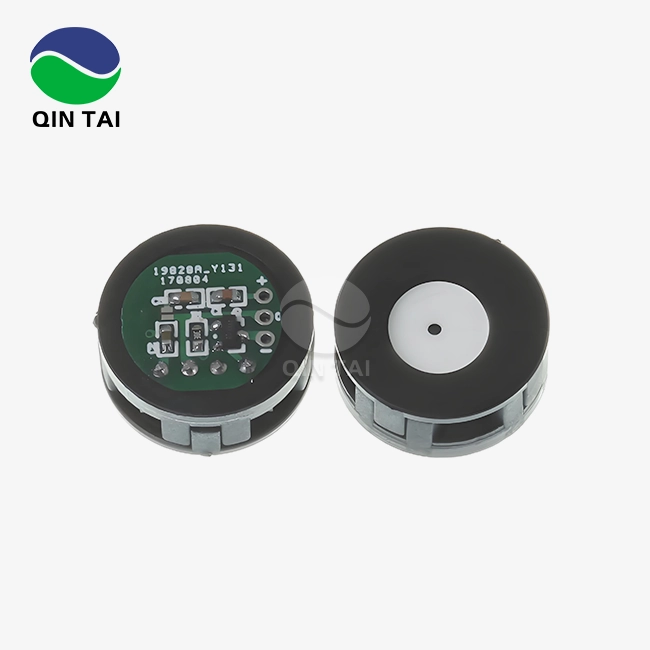
Xi'an Qintai Automotive Emission Technology Co. Ltd. was created in 2001 and is a national high-tech enterprise. We R&D, produce, market and service diesel engine SCR aftertreatment s and many sensors, particularly pressure sensors. We are certified to ISO 9001, IATF 16949, CMC, EC, UL, CE, REACH and RoHS and have 58 innovative patent applications. We are the main supplier to Weichai, Yuchai and Quanchai, the top 3 power firms in China. Our independent R&D team offers OEM and ODM design, mass production and application modification. Our products are sent to more than 60 countries and regions.
Conclusion
The urea injection system stores, pressurises, measures, and sprays DEF into exhaust to convert NOx into nitrogen and water using SCR Converters. Results depend on DEF quality, consistent pressure, spray position, exhaust heat, tank, pump, injector, sensors, ECU, mixer, and converter. Application should decide airless or air-assisted design for packing and servicing. Installing carefully, troubleshooting sequentially, and inspecting often avoid crystallisation, clogging, and freezing. EPA 2010, Euro VI, and China VI buyers weigh unit price, cost of ownership, documentation, manufacturing capacity, and technical support equally.

FAQ
Is a Urea Injection System the same as a diesel exhaust fluid system?
Not exactly. A DEF system usually includes the tank and sensors, while the injection system focuses on dosing. Suppliers sometimes use both names for similar products.
How does a Urea Injection System reduce diesel engine emissions?
It sprays DEF into the exhaust. The fluid forms ammonia, which reacts with NOx over the SCR Converter and produces nitrogen and water vapor.
What pressure does a Urea Injection System require?
It varies by design. Urea nozzles commonly run between about 5 and 9 bar, so confirm the exact value with your supplier.
What are the most common causes of a clogged urea injector?
Crystallized urea, poor DEF quality, spray hitting pipe walls, and low exhaust temperature cause most clogs.
Can a Urea Injection System be installed on an existing diesel engine?
Often yes, if the exhaust layout, space, ECU, converter size, and certification allow it. An engineer should review the engine data first.
How often should a Urea Injection System be maintained?
Follow the engine maker's schedule. Duty cycle, climate, DEF quality, dust, and vibration change the interval.
Talk to Qintai About Your Urea Injection System Needs
Qintai, a national high-tech enterprise founded in 2001, develops diesel engine SCR aftertreatment products and sensors, with OEM/ODM service and customization. If you need a Urea Injection System supplier, email your engine model, exhaust flow, voltage, protocol, and order quantity to info@qt-sensor.com. Our team will review your requirements and reply with technical support. For details, please visit qt-sensor.com.
References
1. ISO 22241-1, Diesel Engines—NOx Control Agent AUS 32—Part 1: Quality Requirements, 2019.
2. Catalysis Today, that year, Urea-SCR: A Promising Diesel Engine NOx Reduction Method
3. Vehicle Pollution Review, SAE J of Engines, 2016.
4. Federal Register (EPA), 2001, Heavy-Duty Engine for Vehicles Standards and Highway Fuel Fuel Sulphur Control Requirements.
5. 2004 EPA Federal Register: Nonroad Gasoline Engine and Fuel Air Pollution Control.
6. Directive (EC) Act 595/2009 on Types Approvals of Cars and Engines Concerning High Duty Vehicle Pollution (Euro VI), EU Gazette, 2009.

Our customers’ satisfaction speaks for our quality — contact us to experience the same reliable service.