- English
- French
- German
- Portuguese
- Spanish
- Russian
- Japanese
- Korean
- Arabic
- Greek
- German
- Turkish
- Italian
- Danish
- Romanian
- Indonesian
- Czech
- Afrikaans
- Swedish
- Polish
- Basque
- Catalan
- Esperanto
- Hindi
- Lao
- Albanian
- Amharic
- Armenian
- Azerbaijani
- Belarusian
- Bengali
- Bosnian
- Bulgarian
- Cebuano
- Chichewa
- Corsican
- Croatian
- Dutch
- Estonian
- Filipino
- Finnish
- Frisian
- Galician
- Georgian
- Gujarati
- Haitian
- Hausa
- Hawaiian
- Hebrew
- Hmong
- Hungarian
- Icelandic
- Igbo
- Javanese
- Kannada
- Kazakh
- Khmer
- Kurdish
- Kyrgyz
- Latin
- Latvian
- Lithuanian
- Luxembou..
- Macedonian
- Malagasy
- Malay
- Malayalam
- Maltese
- Maori
- Marathi
- Mongolian
- Burmese
- Nepali
- Norwegian
- Pashto
- Persian
- Punjabi
- Serbian
- Sesotho
- Sinhala
- Slovak
- Slovenian
- Somali
- Samoan
- Scots Gaelic
- Shona
- Sindhi
- Sundanese
- Swahili
- Tajik
- Tamil
- Telugu
- Thai
- Ukrainian
- Urdu
- Uzbek
- Vietnamese
- Welsh
- Xhosa
- Yiddish
- Yoruba
- Zulu
Choosing Certified Pressure Sensors for International Markets
For global B2B purchases, it is very important to choose certified industrial pressure sensors because safety, compliance, and reliability standards change a lot from one area to the next. Certifications like CE, ATEX, and UL make sure that sensors meet high international quality and safety standards. This makes sure that they are always accurate and safe to use. These approvals lower the risks that come with equipment that doesn't follow the rules and make it easier to do business across borders. Buyers can make better decisions when they know how certifications affect sensor performance and legal acceptance. This helps them keep their projects in line with the law while also improving operational efficiency across a wide range of industrial uses.
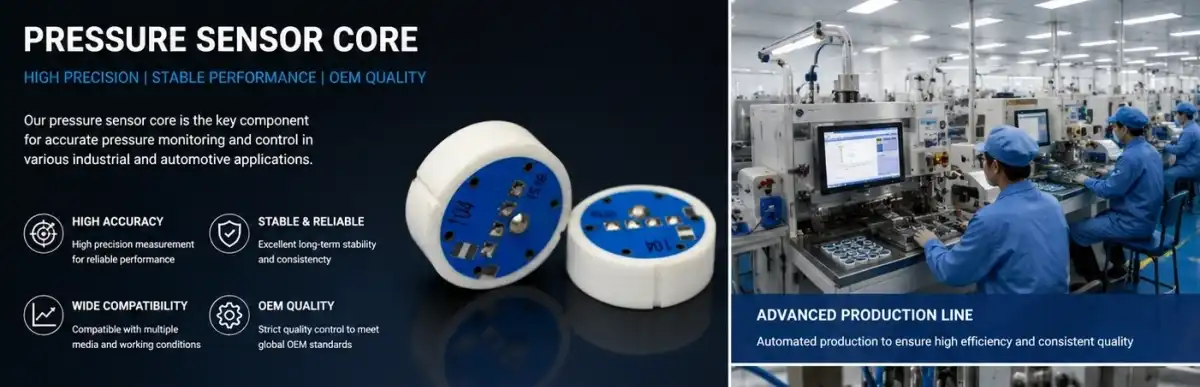
Understanding Industrial Pressure Sensors: Key Concepts and Certifications
Process control is based on industrial pressure measurement units, which are used in industry, energy, and infrastructure. These gadgets change the pressure in the air into electrical messages that computers can understand and use.
Differentiating Sensors, Transducers, and Transmitters
Pressure sensors pick up changes in pressure and turn them into signs that can be measured. This process is taken a step further by pressure sensors, which change pressure into standard electrical outputs like voltage or current. By adding signal filtering and communication protocols, pressure sensors make outputs that can be sent over long distances, usually in the form of 4-20 mA or digital protocols like HART and Modbus. Procurement workers can choose the right gadget for their needs when they understand these differences.
Common Sensor Technologies and Their Applications
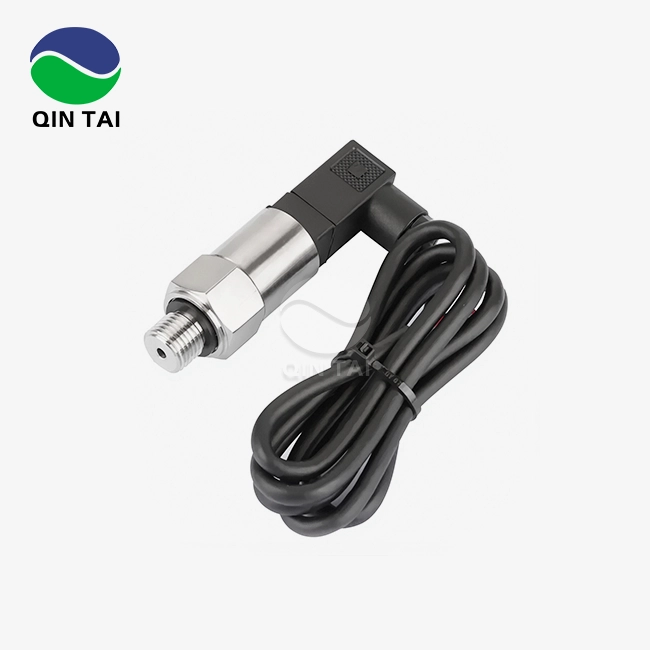
Ceramic piezoresistive pressure sensors are very sensitive and work well over a wide range of pressures. The ceramic diaphragm is very resistant to chemical contact, corrosion, and wear. This makes them perfect for tough industrial settings. These sensors work effectively in temperatures as low as -40°C and as high as 150°C, with accuracy rates of up to ±0.5% F.S. Capacitive sensors are great for measuring very low pressure, while piezoelectric sensors are better for measuring changing pressure. Each technology works best in certain working situations, and certified versions make sure that performance is the same in all foreign deployments.
Major International Certification Standards
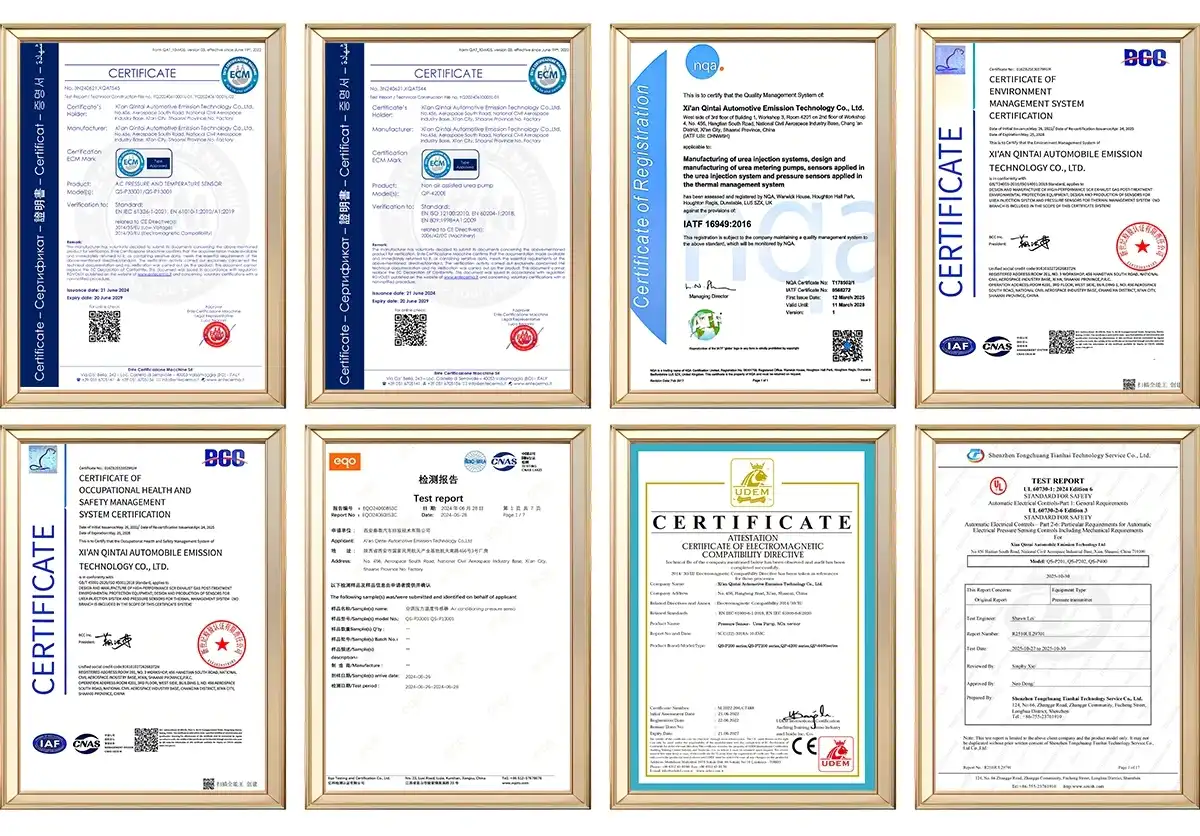
The CE mark demonstrates that industrial pressure sensors meet European health, safety, and environmental protection standards—mandatory for sale across all EU member states. ATEX certification proves industrial pressure sensors are safe for potentially explosive atmospheres, critical for oil, gas, and chemical processing plants. UL certification confirms industrial pressure sensors comply with North American safety standards for the US market.
IECEx certification ensures global acceptance for industrial pressure sensors used in flammable environments, while RoHS certification demonstrates environmental compliance by restricting hazardous substances. These certifications collectively prove that industrial pressure sensors are safe, high-quality, and environmentally responsible—reducing legal and logistical risks while supporting warranty fulfillment for organizations operating across multiple regulatory jurisdictions.

How to Choose the Right Certified Pressure Sensor for Your Application?
When choosing pressure measurement equipment that matches efficiency, compliance, and cost-effectiveness, procurement workers have to make hard choices. A planned strategy for making decisions makes this process easier.
Defining Application-Specific Variables
The pressure range needed for different tasks is very different. Diesel engine makers need sensors that can handle tracking exhaust back-pressure in SCR aftertreatment systems, which is usually between 0 and 500 kPa. For example, generator sets need sensors that can work continuously in stable conditions, and building equipment needs sensors that can handle shock and pressure.
Media compatibility is also very important—sensors that are exposed to diesel fumes must be able to handle soot buildup and acidic condensates. Temperature ratings must meet the working conditions. For example, automobile uses need to be able to handle temperatures between -40°C and 120°C. Explosive environment ratings, such as ATEX, are required in places like chemical processing plants and mines that use generators.
Core Selection Criteria for Industrial Environments
Accuracy has a direct effect on how well a pollution control device works. China VI and Euro VI rules need close tracking to keep NOx reduction working well, which means that ±0.5% F.S. precision or better is required for compliance. Response time affects how quickly a system reacts. For example, SCR systems need sensors with response times of less than 100 milliseconds so that dose changes can be made quickly.
Total cost of ownership is based on how long something lasts. In harmful exhaust conditions, ceramic diaphragm sensors last longer than metal ones. Signal types need to work with the systems that are already in place. For example, 4-20 mA outputs work well with older systems, and digital standards like CANbus let modern cars do more advanced checks. Planning maintenance is affected by how often the sensors are calibrated. High-quality, approved sensors stay accurate for 12 to 24 months of constant use, which cuts down on downtime and service costs.
Technology and Material Compatibility
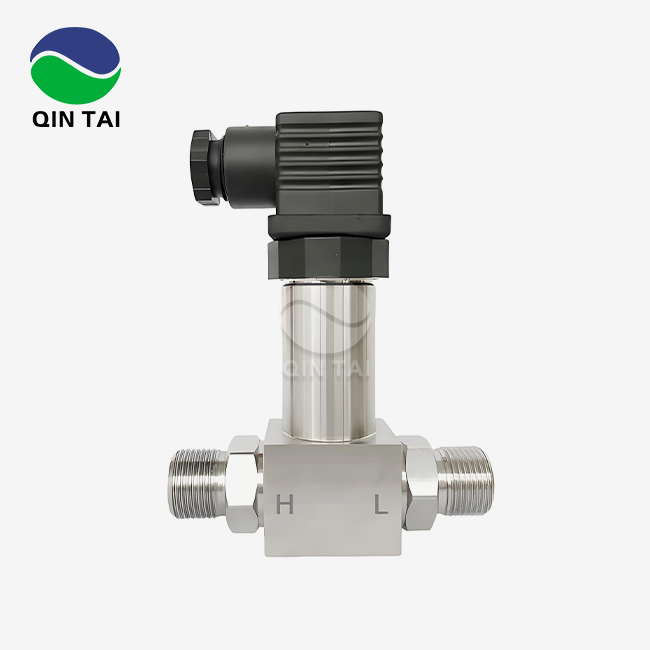
For industrial pressure sensors, wetted materials must withstand process media without degradation. For exhaust systems, ceramic offers superior chemical resistance, while stainless steel suits hydraulic applications. Electrical connections include multiple variants: DIN connectors for European applications and Packard connectors popular in North American automotive uses. Housing materials for industrial pressure sensors require appropriate ingress protection ratings—IP67 or IP69K for high-pressure washdown environments common in agricultural equipment, and IP65 for general industrial installations. These industrial pressure sensors specifications directly determine sensor longevity and reliability in demanding operating conditions.
Supplier Evaluation Framework
For a certification to be valid, it needs to be checked against government records. A real CE mark has notified body identification numbers on it, and an ATEX license lists the types of equipment and the levels of safety they offer. Supplier image is important. Well-known companies like Qintai that have IATF 16949 certification show they are dedicated to quality management systems for cars. Having technical support is very important during integration. Suppliers that offer application engineering help make sensor selection and installation go more smoothly. In foreign markets, where quick responses to technical problems keep production from stopping, the quality of after-sales service sets one provider apart from another.
Installation, Calibration, and Maintenance Guide for Certified Pressure Sensors
Installing, calibrating, and maintaining sensors correctly keeps them accurate and extends their useful life, which has a direct effect on system performance and compliance.
Pre-Installation Checks and Mounting Best Practices
Before installing, make sure that the sensor's specs meet the needs of the program. Make sure that the pressure values are higher than the maximum system pressure by the right amount of safety margins. For steady-state applications, this is usually 1.5x, and for pulsating pressure applications, it's usually 2x. Check the mounting places to make sure there is enough space for electricity connections and future entry for repair. Thoroughly clean the mounting ports to get rid of any dirt or dust that could harm the sensor diaphragms or make leak paths.
Use thread sealer that is compatible with the process media and temperature ranges. Be careful not to use too much sealant, as it could get into the pressure ports and cause contamination. Place sensors so that moisture doesn't build up in the electrical housings. Usually, this means mounting them so that the electrical connections face downward or sideways instead of upward. The right way to place something keeps it from failing too soon and keeps approval compliance.
Calibration Procedures and Intervals
Calibration makes sure that measurements are accurate for as long as the sensor is used. Connect sensors to standard pressure sources that are at least four times more accurate than the sensors' specifications. These sources should be deadweight testers or precision digital pressure calibrators that can be traced back to national standards. Put pressure on the sensor at 0%, 25%, 50%, 75%, and 100% of its full scale, and record the output at each point. To make sure the results are accurate within certain limits, compare them to standard values.
Write down the results of the calibration, including the date, the name of the worker, the tools used, and the conditions of the surroundings. The length of time between calibrations depends on how important the application is and how it is being used. Calibration should be done every year for emission control applications to stay in line with regulations. For less important uses, the time between calibrations can be extended to 18 to 24 months. In harsh settings with high or low temperatures, vibration, or corrosive media, testing needs to be done more often.
Routine Maintenance and Troubleshooting
Visual checks done on a regular basis find possible problems before they become problems. Check the electrical connections for rust or looseness, the housings for damage, and the mounting tools to make sure it stays in place. Check the output signals for shift or instability that could mean the sensor is failing. Clean the outside of sensors to keep dirt from building up and affecting their temperature function.
When looking into numbers that don't make sense, use known-good parts to figure out if the problems are with the sensors, the wires, or the receiving instruments. Choose between repair and replacement based on the age of the sensor, how it failed, and the prices of the two. In most cases, failed sensors that are past their warranty periods should be replaced instead of repaired because accurate pressure reading is so important for safety and compliance.
Top Certified Industrial Pressure Sensors and Trusted Suppliers for International Markets
It's helpful for global buyers to know about the top providers and what makes them special in different industries. The availability of high-quality industrial pressure sensors from reputable international sources ensures operational safety and long-term project reliability.
Established International Suppliers
ABB is an expert in making high-precision transmitters for process industries and provides a wide range of digital transmission choices. Honeywell has a wide range of certified instruments that are strong enough for use in aircraft and industry. Siemens focuses on integrating tools that work best with their control systems to automate processes. WIKA has a strong position in the European market and has a wide range of products for both regular and specialized uses.
With its superior clean designs, Endress+Hauser offers high-end options for processing pharmaceuticals and foods. Yokogawa makes products for oil, gas, and petroleum industries that are very stable over time. Keller is great at making tiny sensors that are used in mobile tools and to keep an eye on the surroundings. Gefran has a lot of experience with melt pressure and works with machines that process and package plastics.
Emerging Specialists with Certification Excellence
Qintai Automotive Emission Technology Co., Ltd. Since 2001, Ltd. has become a national high-tech company that specializes in pressure sensors and SCR aftertreatment systems for diesel engines. Qintai has many certificates, such as ISO9001, IATF 16949, CMC, Ex, UL, CE, REACH, and RoHS, which show that they are committed to meeting world safety and quality standards. Leading Chinese diesel engine makers like Weichai Power, Yuchai Power, and Quanchai Power buy most of their parts from this company. This gives them the biggest share of the Chinese diesel engine market.
With this much OEM knowledge, you can be sure that it will work reliably in demanding car and industrial settings. With 58 idea patents, Qintai's independent research and development team is always coming up with new ways to make products work better and be more reliable. Their sensors are accurate enough to meet the requirements for China VI and Euro VI pollution standards. For example, ceramic pressure sensor units offer ±0.5% F.S. accuracy, long life in exhaust settings that are acidic, and temperature ranges that work in a variety of climates.
Sector-Specific Solutions
Manufacturers of heavy trucks need sensors that meet car approval standards and can handle a wider range of temperatures and vibrations. Rugged designs that are better at handling shocks and IP69K protection against high-pressure washing are good for construction equipment. Agricultural equipment needs solutions that are both cheap and reliable in places that are dusty and wet. Generator set uses need industrial-grade dependability so they can run all the time with little upkeep. Integrators of SCR aftertreatment systems look for interfaces that can be changed to work well with control systems and make integration go smoothly. Aftermarket sellers look for parts that are cheap, work with a lot of different engine systems, and are easy to get from distributors.
Navigating the Procurement Process for Certified Pressure Sensors
To get the best sensor solutions when you buy things internationally, you need to know about methods, price, and the best ways to communicate.
Reliable Purchasing Channels
When sourcing industrial pressure sensors, working directly with a manufacturer provides the best pricing on volume orders and ensures access to engineering support and customization services. Authorized distributors simplify smaller-quantity purchases of industrial pressure sensors by maintaining local inventory and offering faster delivery, though per-unit costs are higher. Online B2B platforms like Alibaba facilitate industrial pressure sensors supplier discovery but require rigorous verification of certification claims and manufacturing capabilities. Trade shows and industry exhibitions allow hands-on evaluation of industrial pressure sensors and direct discussions with technical staff.
Managing Bulk Orders and Delivery Timelines
When you commit to a certain amount of work, you can negotiate for better prices, longer payment terms, and more importance when setting production. Lead times are very different. Catalog items may ship within weeks, but special devices need 8–12 weeks for planning, prototyping, and setting up production. Depending on where the package is going and where it is coming from, international shipping can take an extra two to four weeks. Keeping extra supplies on hand can help keep the supply chain running smoothly, especially for important uses where a sensor failure could stop activities.
Pricing Determinants and Warranty Considerations
Certification coverage has a big effect on prices; sensors with multiple foreign certifications cost more than basic models. Costs depend on the material you choose. For example, exotic metals or specialized finishes cost more because they work better. The amount of customization affects the price by requiring engineers to spend time and money on tools for non-standard setups. The first volume price usually starts at 100 pieces, and the saves get bigger at 500 and 1000 pieces. Warranty terms range from one to three years, and you can get longer insurance for an extra fee. International buyers should find out more about the warranty terms, such as whether the item has to be returned to the country of origin or if help is available through area service centers.
Initiating Supplier Inquiries Effectively
Requests for quotations that work speed up the buying process. Give specifics about the application, like the pressure range, the type of media, the temperature range, the environment, the level of accuracy needed, the type of output signal, the preferred electrical link, and the certification standards. Before you buy, ask for copies of the certification documents to make sure they are real. If normal goods don't fully meet your needs, ask if they can be customized. Make it clear what kind of technical help is available during integration and how service is handled after the sale for each area. It's easier to plan and budget for projects when you know the minimum order quantities, normal wait times, and payment terms.

SENSOR+TEST, June 9 – 11, 2026
We look forward to your visit,warmly welcome to our booth 1-634!
Get your free ticket online now:
https://www.sensor-test.de/service/ticket/?52790
Conclusion
It's important to find the right certified industrial pressure sensors for foreign markets by weighing technical performance, legal compliance, cost, and the supplier's abilities. Certifications such as CE, ATEX, UL, IECEx, and RoHS show that sensors meet strict quality and safety standards needed for global use. Knowing about different types of sensors, especially ceramic piezoresistive designs that are more accurate and last longer, helps buyers find the right options for their needs. Structured selection systems that take into account things like pressure range, media fit, accuracy, and the surroundings help people make good decisions.
Established providers have a history of doing a good job, while specialized makers like Qintai offer high-quality parts for cars at low prices and with quick customer service. Installing, calibrating, and maintaining sensors correctly will keep them working well for as long as they are used. Strategically navigating procurement channels gets you the best solutions that improve system reliability, make sure you're following the rules, and support long-term business success in a wide range of industry settings.
FAQ
Which certifications are essential for sensors used in hazardous environments?
In Europe, tools used in possibly explosive environments must have ATEX approval. This covers gas, vapor, mist, and dust hazards. IECEx gives the same level of foreign respect outside of European markets. UL Class I, Division 1 and 2 approvals meet the needs of dangerous locations in North America. These certificates show that the designs of sensors use the right explosion protection methods, like intrinsic safety, flameproof enclosures, or building with more safety in mind. These specific qualifications are usually needed for jobs in mining, oil and gas production, chemical processing, and grain handling centers.
How often should pressure sensors be calibrated under continuous operation?
How often you calibrate depends on how important the application is and how bad the operation is. Emission control systems should be calibrated once a year to make sure they are in line with regulations and running at their best. Most industrial process control systems need to be calibrated every 18 to 24 months. Extremely hot or cold places, places with a lot of shaking, or places with acidic media need to be checked more often, maybe every six months. For safety-critical tasks like power generation or tracking pressure vessels, checks may need to be done every three months. Keeping an eye on the steadiness of the sensor output between testing periods can help you spot signs of wear and tear that mean the machine needs to be serviced more often.
Can pressure sensors be customized to meet specific international standards?
Reliable makers offer customization services for electrical connections, pressure ports, output ranges, building materials, certification packages, and output ranges. Custom electrical connections are made to fit the needs of the area or the equipment that is already there. Different attachment needs can be met by different pressure port designs. The ranges of output signals are scaled to get the best clarity for each application's pressure ranges. The coats and materials used on the housing make it more compatible with certain process media. Multiple foreign approvals are included in certification packages so they can be used anywhere in the world. If you want to customize something, you usually need to order at least 100 to 500 pieces, and the planning and production processes can take up to 12 weeks.
Partner with Qintai for Your Certified Industrial Pressure Sensor Requirements
If you need certified industrial pressure sensors, Qintai is the company to talk to. They offer certified options that are made for tough car and industrial uses. We have been making industrial pressure sensors since 2001 and have a lot of experience working with OEMs. We also have a lot of foreign approvals, such as CE, ATEX, UL, IECEx, REACH, and RoHS. The accuracy of our ceramic pressure sensor units is ±0.5% F.S. Maintaining accuracy is important for following pollution regulations in difficult working conditions.
We provide full OEM and ODM services, allowing customization from the first design phase through mass production. Our prices are fair, and we offer quick expert support. Whether you need sensors for generator sets, building equipment, farming equipment, or diesel engine aftertreatment systems, our team can help you choose the right sensors and make sure they work well with other parts. Get in touch with us at info@qt-sensor.com to talk about your unique needs, get full technical specs, and get quotes for your industrial pressure sensors supplier needs
References
1. International Electrotechnical Commission. (2020). "IEC 61010-1: Safety Requirements for Electrical Equipment for Measurement, Control, and Laboratory Use." Geneva: IEC Publications.
2. European Parliament and Council. (2014). "Directive 2014/34/EU on Equipment and Protective Systems Intended for Use in Potentially Explosive Atmospheres (ATEX)." Official Journal of the European Union.
3. Underwriters Laboratories. (2019). "UL 508: Standard for Industrial Control Equipment." Northbrook: UL Standards & Engagement.
4. Webster, J.G., Eren, H. (2018). "Measurement, Instrumentation, and Sensors Handbook: Spatial, Mechanical, Thermal, and Radiation Measurement." 2nd Edition. Boca Raton: CRC Press.
5. Bao, M., Yang, H. (2019). "Ceramic Pressure Sensors: Technology and Applications in Harsh Environments." Journal of Microelectromechanical Systems, 28(4), 567-584.
6. Society of Automotive Engineers. (2021). "SAE J1979: E/E Diagnostic Test Modes and Pressure Sensor Specifications for Heavy-Duty Applications." Warrendale: SAE International.
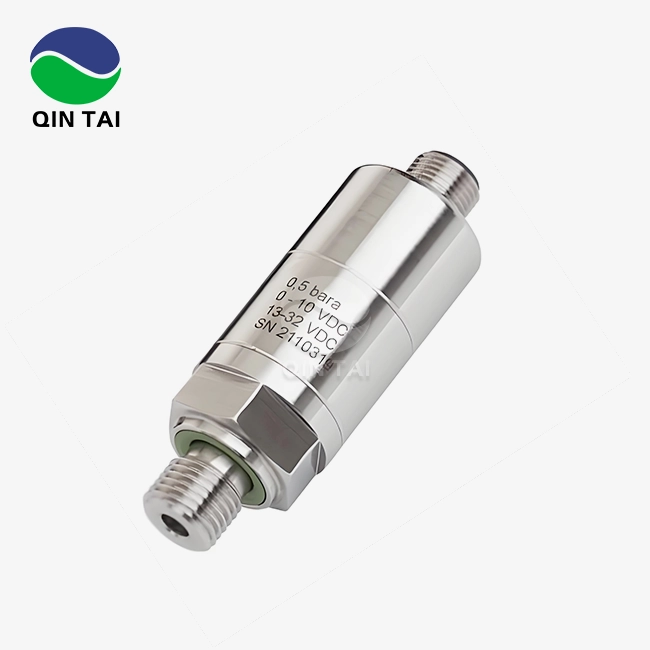
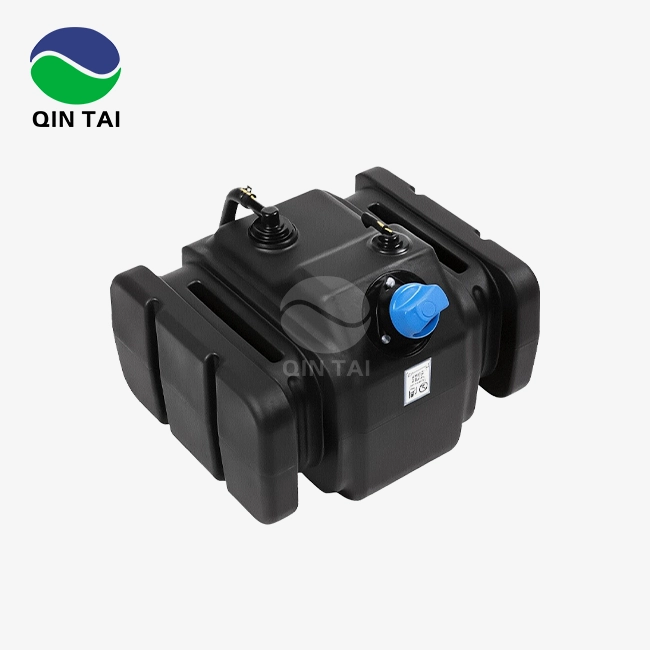

Our customers’ satisfaction speaks for our quality — contact us to experience the same reliable service.