- English
- French
- German
- Portuguese
- Spanish
- Russian
- Japanese
- Korean
- Arabic
- Greek
- German
- Turkish
- Italian
- Danish
- Romanian
- Indonesian
- Czech
- Afrikaans
- Swedish
- Polish
- Basque
- Catalan
- Esperanto
- Hindi
- Lao
- Albanian
- Amharic
- Armenian
- Azerbaijani
- Belarusian
- Bengali
- Bosnian
- Bulgarian
- Cebuano
- Chichewa
- Corsican
- Croatian
- Dutch
- Estonian
- Filipino
- Finnish
- Frisian
- Galician
- Georgian
- Gujarati
- Haitian
- Hausa
- Hawaiian
- Hebrew
- Hmong
- Hungarian
- Icelandic
- Igbo
- Javanese
- Kannada
- Kazakh
- Khmer
- Kurdish
- Kyrgyz
- Latin
- Latvian
- Lithuanian
- Luxembou..
- Macedonian
- Malagasy
- Malay
- Malayalam
- Maltese
- Maori
- Marathi
- Mongolian
- Burmese
- Nepali
- Norwegian
- Pashto
- Persian
- Punjabi
- Serbian
- Sesotho
- Sinhala
- Slovak
- Slovenian
- Somali
- Samoan
- Scots Gaelic
- Shona
- Sindhi
- Sundanese
- Swahili
- Tajik
- Tamil
- Telugu
- Thai
- Ukrainian
- Urdu
- Uzbek
- Vietnamese
- Welsh
- Xhosa
- Yiddish
- Yoruba
- Zulu
How to Select Pressure Sensors With Global Certifications
To choose the correct pressure sensors, you need to make sure that the device's specs match its working needs and that it meets all relevant global standards. When looking for pressure sensors for diesel engines, aftertreatment systems, or industrial equipment, qualifications like CE, UL, RoHS, and ATEX prove that the pressure sensors are reliable and meet safety standards. These guidelines protect your investment by making sure that performance is the same across countries, lowering technical risks, and speeding up the import process. OEMs and installers count on certified pressure sensors every day to get accurate readings in harsh settings. These pressure sensors help with emission compliance and system integrity.
Understanding Pressure Sensors and Their Working Principles
Pressure sensors take in real pressure and turn it into electrical signs. This lets HVAC systems, cars, and heavy machinery keep accurate records. Understanding how these tools work helps buying teams choose tools that meet technology needs and work in real-world situations.
Basic Function and Core Technologies
These measuring tools pick up on the force that gases or liquids put on sensing elements. When mechanical stress changes the shape of crystal structures, piezoelectric devices make voltage. This means that they can be used to measure changing pressure in engine cylinders. Capacitive pressure sensors pick up changes in the dielectric between plates when pressure changes the distance between them. They are very sensitive for low-pressure tasks like measuring differences in HVAC systems. Resistive pressure sensors work with strain gauges that change electrical resistance when they are deformed. This makes them very reliable in places like building equipment and generator sets where shaking and temperature changes happen all the time.
Common Sensor Types for Industrial Applications
Gauge pressure sensors measure in relation to the weather, keeping an eye on things like tire pressure or hydraulic lines. Absolute pressure sensors measure vacuum levels and are necessary for sealed chamber settings and fuel systems that adjust for altitude. Differential pressure sensors look at two pressure points at the same time and find odd drops in pressure across parts to find filter jams in SCR systems or valve problems. When R&D engineers understand these differences, they can choose pressure sensors that work well in different settings without making solutions too complicated or lowering the accuracy of measurements.
Comparing Piezoelectric and Capacitive Technologies
Piezoelectric types are great at measuring high frequencies and temperatures as high as 600°C, which makes them useful for tracking turbochargers and analyzing combustion. Their tough design can handle the shocks and vibrations that come from big cars and farm equipment. Capacitive versions offer better resolution at pressures below 1 bar, which makes them perfect for controlling airflow in clean rooms and finely regulating gas flow. When looking at different technologies, you should think about how fast they need to respond. Piezoelectric pressure sensors respond in microseconds, and capacitive models balance accuracy with stability over long periods of time, which lowers the need for tuning and maintenance.
Why Global Certifications Matter in Pressure Sensor Selection?
When it comes to buying things, international approval marks turn risky guesses into well-thought-out relationships. These references show that the companies that make pressure sensors follow strict testing procedures and quality management systems that are known all over the world.
Reducing Operational and Legal Risks
The CE mark shows that a product meets European standards for health, safety, and environmental protection. This makes it easy for products from different EU member states to be sold in each other's markets. RoHS compliance limits dangerous substances like lead and mercury, which protects your brand's image and keeps you from having to pay a lot of money for product refunds. UL approval confirms electrical safety through testing in a separate lab. This lowers the risk of responsibility when pressure sensors are used in potentially explosive environments or close to people. For example, ATEX approval is given to equipment that is used in possibly explosive environments, like mines and places that handle fuel. If a pressure sensor fails in these settings, terrible things could happen.
Simplifying Multinational Supply Chains
When entering new markets, certified pressure sensors speed up the process of clearing customs and getting governmental approvals. When sellers include ISO 13485 medical certifications or ANSI industrial standards with product specs, purchasing managers don't have to spend weeks going through paperwork. These badges build trust between technical teams that are checking out the capabilities of pressure sensors and management that is okaying relationships with suppliers. Integrators who are making SCR and DPF systems can use pre-certified parts that cut down on the time needed to validate the system. This speeds up the time it takes to market for emission-compliant powertrains that meet China VI and Euro VI standards.
Supporting Long-Term Partnership Stability
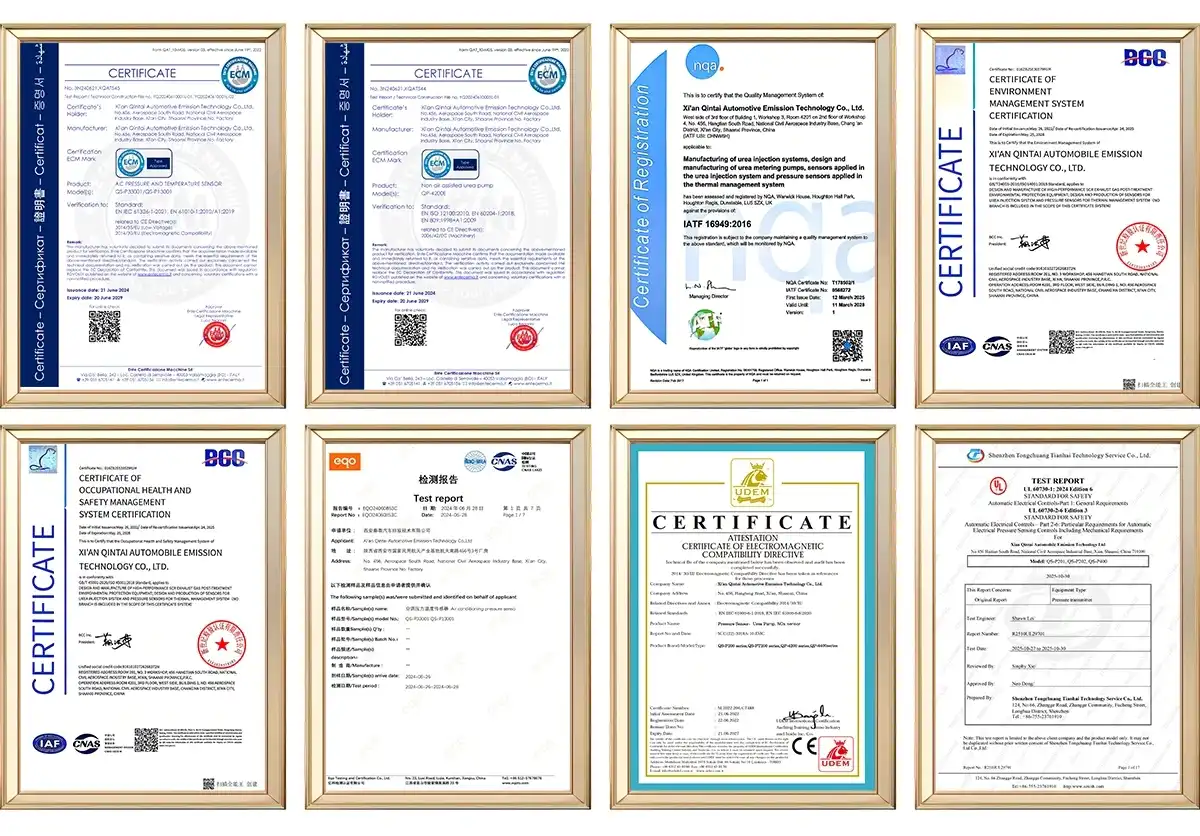
Suppliers who keep their certifications up to date show that their companies are disciplined and committed to ongoing growth. Every year, ISO 9001 checks make sure that quality management systems are still working well as production volumes rise. IATF 16949 approval is designed to meet the needs of the automobile supply chain. It makes sure that the process controls and tracking that aftermarket sellers and OEM buyers want are met. These ongoing efforts to comply show dependability beyond the initial purchase deals. This builds cooperative relationships where calls for technical help and customization get the most attention.
Core Selection Criteria for Pressure Sensors With Global Certifications
By matching pressure sensors specs to application needs, you can avoid expensive mistakes in the field and make sure that measurements stay accurate throughout the lifespan of a product. By systematically evaluating these factors, buying choices are led to the best options.
Pressure Range and Media Compatibility
Set the highest working pressures that your application can handle, including short-term spikes that happen when the engine starts up or the hydraulic system turns on. Pressure sensors rated 20% above peak pressures keep the diaphragm from rupturing as a safety measure. Media compatibility is very important. Diesel exhaust gases contain sulfur compounds that are toxic and need parts made of stainless steel that are wetted. Hydraulic fluids need materials that can handle chemicals that are based on petroleum. Generators that work near the coast need pressure sensors with marine-grade coatings that protect against salt spray rust, which weakens electrical connections and the building itself.
Temperature Tolerance and Accuracy Requirements
During renewal cycles, exhaust aftertreatment systems heat pressure sensors to more than 400°C, which means they need high-temperature electronics and adjusted calibration curves. When construction equipment is used in places as cold as the arctic and as hot as the desert, the pressure sensors need to be able to stay accurate over 100°C temperature ranges. Specifications for accuracy should meet what is actually needed. For example, emissions tracking needs to be accurate to within 0.5% in order to follow the rules, but simple leak detection can handle error bands of up to 2%. Overstating accuracy raises costs without improving operations, and understating accuracy raises the risk of fines for not following the rules and system failures.
Evaluating Supplier Transparency and Support
Professional makers are different from commodity dealers because their datasheets include full descriptions of calibration methods, temperature factors, and long-term stable data. Ask for test results that show how well the product works with electromagnetic interference, shaking, and humidity. After-sales support is very important. Technical hotlines filled by experts who know how hard it is to integrate diesel engines speed up troubleshooting when installation questions come up. When suppliers offer ports and output ranges that can be changed, system optimization can happen without having to rethink wire harnesses or mounting brackets.

How to Identify and Work with Certified Pressure Sensor Suppliers Globally?
Building ties with qualified pressure sensors makers protects supply and makes sure that product quality stays the same as production volumes rise. When choosing a strategic provider, you have to find a mix between technical skills and practical dependability.
Verifying Certification Authenticity
Instead of depending only on what the seller says, get pictures of the certificates directly from the organizations that issued them. When testing something, it's important for CE statements of conformity to list the exact guidelines and harmonized standards that were used. UL listing databases let you check online using model numbers and names of manufacturers, which confirms that the approval is still valid. ISO certificates have logos from approval bodies that show audits met international standards. Certificates that don't have these marks may be self-evaluations that haven't been checked by a third party. By checking expiration dates, you can avoid buying pressure sensors whose approvals have expired, which could leave your company open to fines from the government.
Assessing Manufacturing Capabilities
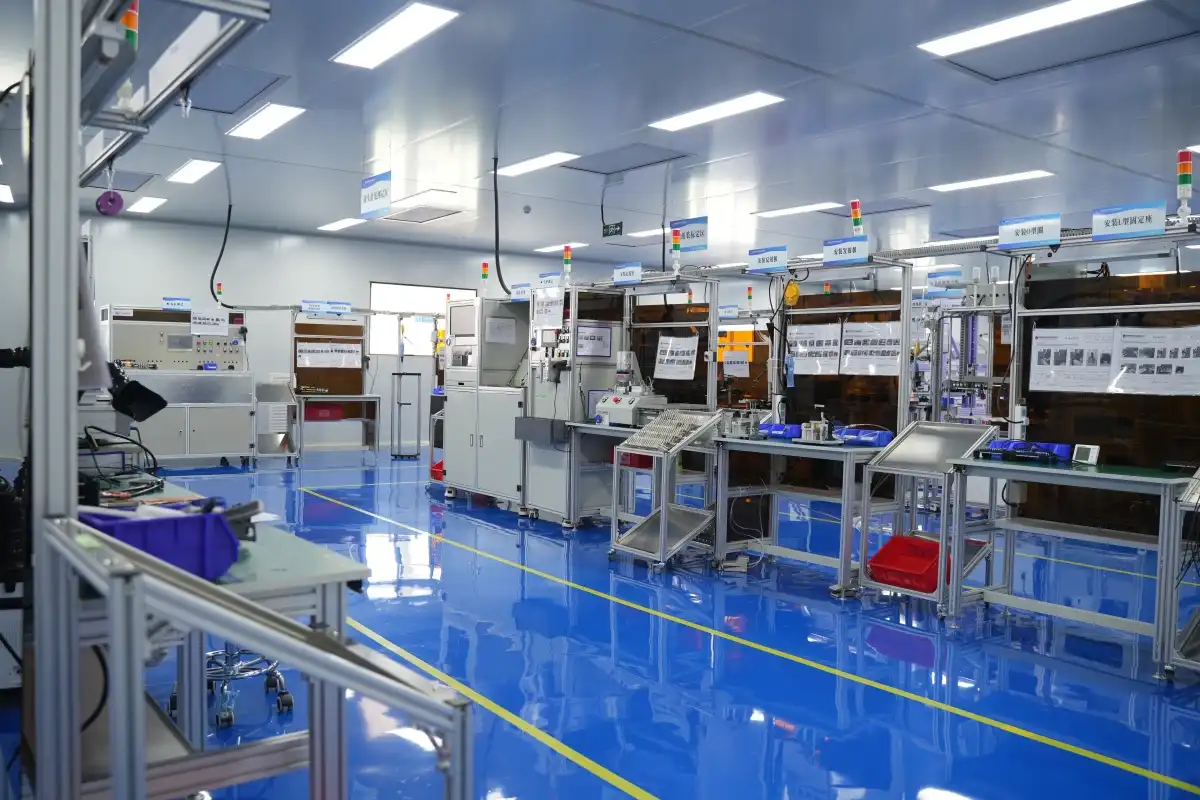
OEM providers that work with big diesel engine makers have shown they can make a lot of engines at a high quality level. As the main provider for Weichai Power, Yuchai Power, and Quanchai Power, Xi'an Qintai Automotive Emission Technology, which was founded in 2001 as a national high-tech company, is a great example of this ability. It has the largest market share in China. Their 58 product patents and IATF 16949 certification show that they are always coming up with new ideas and keeping strict process controls. When you look at your production capacity, you need to look at both the wait times for first orders and your equipment's ability to handle more volume as sales grow.
Conducting Supplier Audits and Performance Reviews
Plan trips to the plant to look at the work areas, calibration tools, and quality control methods. Check how the raw materials that come in are inspected and see if they are checked in environmental testing rooms before they are sent out. Talk to the expert staff to see how quickly they can respond and how well they can solve problems when special changes need to be made. Setting up KPIs to track things like on-time delivery rates, defect percentages, and technical help response times makes relationships more accountable and strengthens them. When compared to competitors who only focus on transaction price, suppliers who encourage openness and proactive contact usually offer better long-term value.
Maintenance, Calibration, and Long-Term Performance of Certified Pressure Sensors
To get the most out of pressure sensors life and measurement accuracy, you need to follow regular maintenance and testing procedures that are in line with certification standards. Unexpected problems can't throw off output plans when management is proactive.
Installation Best Practices and Environmental Protection
Isolation dampeners that absorb shock without blocking pressure port access can be used to mount pressure sensors away from direct sources of vibration. Make sure the electrical plugs are properly sealed to keep water out, especially if the generator is outside where it will be exposed to rain and humidity. Pressure taps need to be checked for jams that happen when particles build up in exhaust streams on a regular basis. Adding upstream filters greatly increases the pressure sensor's life. Extreme temperature needs to be taken into account. For example, pressure sensors near turbochargers need heat shields to protect them from damage caused by heat, and electronics in arctic uses need to be kept above their minimum working temperatures by heated shelters.
Calibration Protocols Maintaining Certification Compliance
Calibration intervals depend on how serious the application is and what the rules say. Emission tracking systems usually need to be re-calibrated once a year to make sure they are still accurate against standards that can be tracked. When used in safe settings, industrial equipment can go up to 24 months between checks without losing its reliability. Calibration methods should be done according to the manufacturer's instructions using approved deadweight testers or automatic calibrators that keep track of changes and adjustments. Auditors and certification bodies will be satisfied with documentation that shows calibration tracking during regular reviews. This keeps your system's compliance status and keeps it running while checks are happening.
Recognizing Replacement Indicators and Leveraging Vendor Support
If the drift goes beyond the acceptable range, it means that the pressure sensor is worn out and needs to be replaced instead of being re-calibrated. Damage to the hardware, like broken housings or corroded connections, can lead to mistakes in measurements and safety risks. Readings or outputs that come and go show that electrical parts are failing, which can happen after years of thermal cycles.
Manufacturers that offer longer warranties and technical assistance programs are very helpful for fixing because their experienced support teams can figure out problems online, which cuts down on downtime and the need for replacements that aren't necessary. Setting up stocking arrangements for important pressure sensor types makes sure that they are available quickly when replacements are needed without warning, which protects the continuity of production.
Conclusion
When you choose globally certified pressure sensors, you get a good mix of technical specs, source stability, and certification qualifications. By learning about measurement principles, checking certifications like CE and UL, and working with honest makers, you can make sure that pressure sensors meet emission standards, provide reliable performance, and help your business reach its long-term goals. It is best to carefully evaluate suppliers and do regular repair to get the best return on investment and lower compliance risks in diesel engines, aftertreatment systems, and industrial settings.
FAQ
What calibration intervals maintain certification compliance?
How often calibration is done relies on the rules and the conditions of work. Emission tracking systems that have to follow EPA or EU rules usually need to be calibrated once a year against standards that can be tracked. For industrial uses in safe settings, 18–24 month gaps are common without losing accuracy. In places with a lot of vibration, like building machines, checks may need to be done every six months. Always look at the certification paperwork and the manufacturer's suggestions. Keep records of your testing activities to keep inspectors happy and stay in compliance.
How do pressure sensors differ from pressure transducers?
People often use these terms to mean the same thing, but there are some small differences. Transducers are the parts of a pressure sensor that turn pressure into electrical signals, while pressure sensors are usually full measurement systems that include signal filtering electronics. In real life, both terms refer to devices that can be used in control systems and data gathering platforms and send voltage, current, or digital signals that are related to the pressure they measure.
What methods verify supplier certification claims effectively?
Ask for actual copies of the certificates that show the logos of the accrediting bodies and the times they expire. Check license numbers against records maintained by the organizations that issued them. For example, UL, CE, and ISO all have searchable registers. Do facility checks that look at quality control records and calibration tools. If you have any doubts about the validity of a certificate, you should contact the certification groups directly. This will make sure that sellers stay in compliance and don't use expired credentials.

SENSOR+TEST, June 9 – 11, 2026
We look forward to your visit,warmly welcome to our booth 1-634!
Get your free ticket online now:
https://www.sensor-test.de/service/ticket/?52790
Partner With Qintai for Certified Pressure Sensor Solutions
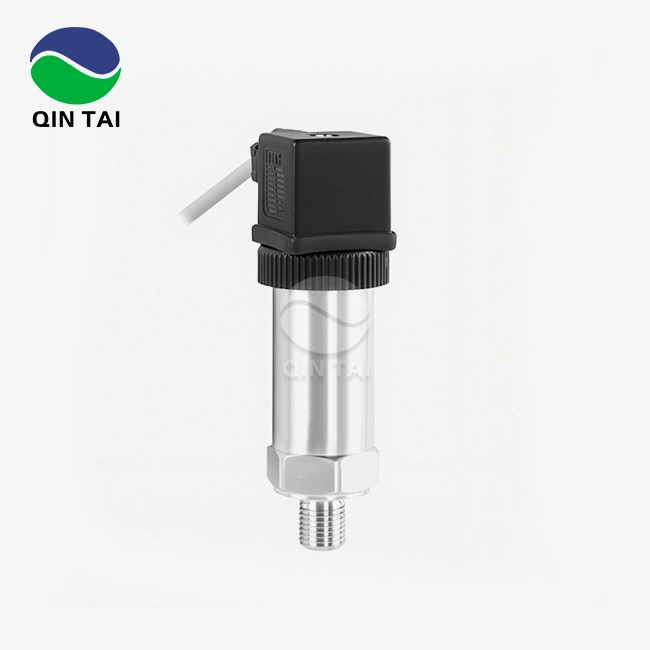
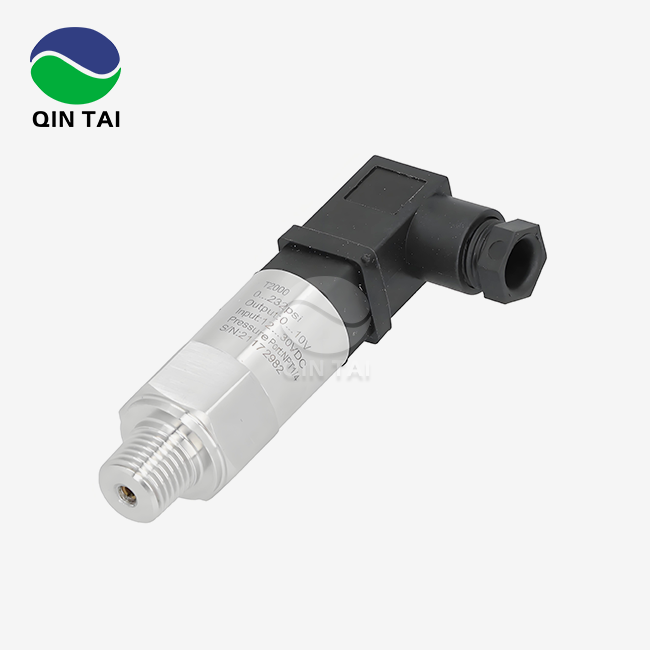
Xi'an Qintai Automotive Emission Technology has been making pressure sensors for over 20 years and serves the diesel engine and aftertreatment markets around the world. Our 58 creation patents and ISO 9001, IATF 16949, UL, CE, RoHS, and REACH certifications show that we are dedicated to quality and new ideas. We offer OEM and ODM services with customizable interfaces that meet Euro VI and China VI compliance standards. We are the main supplier of pressure sensors to China's top engine makers. As long as we have an independent research and development team, we can keep making our products better. And because we can make a lot of them, we can promise stable quality and low prices for large orders. Get in touch with our technical experts at info@qt-sensor.com to talk about your unique application needs and find out how our widely certified pressure sensors can help your system work better and follow the rules.
References
1. Miller, R. and Thompson, J. (2021). Industrial Pressure Measurement: Technologies and Applications. Technical Publishing International.
2. European Committee for Standardization (2020). Pressure Sensors: CE Marking and Compliance Standards. Brussels: CEN Publications.
3. Anderson, K. (2022). "Selecting Certified Sensors for Emission Control Systems," Automotive Engineering Journal, 47(3), pp. 156-174.
4. International Organization for Standardization (2019). ISO 9001:2015 Quality Management Systems – Requirements for Sensor Manufacturers. Geneva: ISO Press.
5. Williams, P. and Zhang, L. (2023). Global Certification Requirements for Industrial Instrumentation. New York: Industrial Press.
6. National Institute of Standards and Technology (2021). Calibration and Traceability in Pressure Measurement. Washington DC: NIST Technical Publications.

Our customers’ satisfaction speaks for our quality — contact us to experience the same reliable service.