- English
- French
- German
- Portuguese
- Spanish
- Russian
- Japanese
- Korean
- Arabic
- Greek
- German
- Turkish
- Italian
- Danish
- Romanian
- Indonesian
- Czech
- Afrikaans
- Swedish
- Polish
- Basque
- Catalan
- Esperanto
- Hindi
- Lao
- Albanian
- Amharic
- Armenian
- Azerbaijani
- Belarusian
- Bengali
- Bosnian
- Bulgarian
- Cebuano
- Chichewa
- Corsican
- Croatian
- Dutch
- Estonian
- Filipino
- Finnish
- Frisian
- Galician
- Georgian
- Gujarati
- Haitian
- Hausa
- Hawaiian
- Hebrew
- Hmong
- Hungarian
- Icelandic
- Igbo
- Javanese
- Kannada
- Kazakh
- Khmer
- Kurdish
- Kyrgyz
- Latin
- Latvian
- Lithuanian
- Luxembou..
- Macedonian
- Malagasy
- Malay
- Malayalam
- Maltese
- Maori
- Marathi
- Mongolian
- Burmese
- Nepali
- Norwegian
- Pashto
- Persian
- Punjabi
- Serbian
- Sesotho
- Sinhala
- Slovak
- Slovenian
- Somali
- Samoan
- Scots Gaelic
- Shona
- Sindhi
- Sundanese
- Swahili
- Tajik
- Tamil
- Telugu
- Thai
- Ukrainian
- Urdu
- Uzbek
- Vietnamese
- Welsh
- Xhosa
- Yiddish
- Yoruba
- Zulu
Why Urea Pumps Matter for DEF Dosing Accuracy and Efficiency
Choose Catalytic Reduction (SCR) systems depend on urea tanks, which directly affect whether DEF dosing is accurate enough to meet Euro VI and EPA requirements. Diesel engines risk not meeting NOx pollution standards, catalyst inefficiency, and costly operating downtime if they don't accurately measure how much Diesel Exhaust Fluid they put into the exhaust stream. The urea pump moves AdBlue from the tank to the dosing module at the right pressure. This makes sure that the right amount of AdBlue is used in big trucks, building equipment, and generator sets so that the catalyst works at its best and rules are followed.
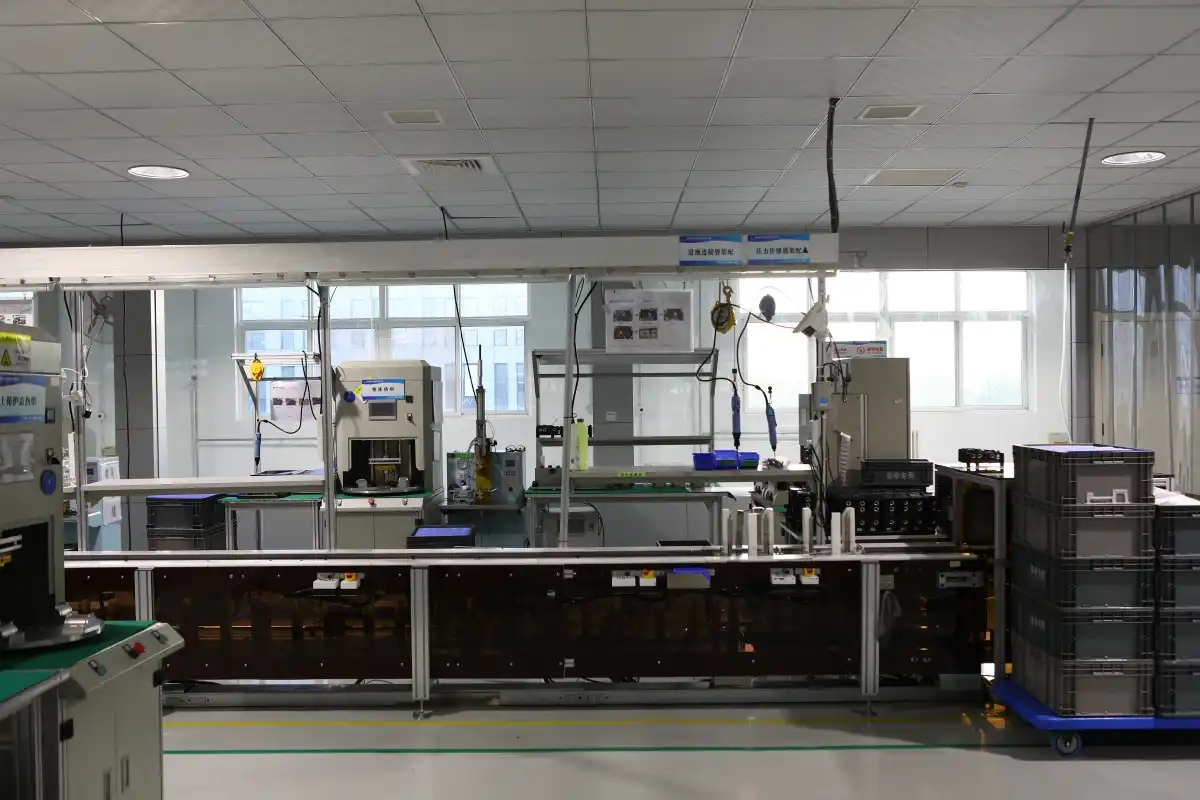
Understanding DEF Dosing and the Role of Urea Pumps
What is DEF Dosing and Why Does It Matter?
DEF dosing is a way to lower pollution by adding Diesel Exhaust Fluid, which is a mix of 32.5% high-purity urea and deionized water, to hot exhaust gases. Nitrogen oxides are dangerous, but this chemical process turns them into nitrogen and water gas, which are safe. The process depends on the urea pump being able to give the right amount of fluid at the right time, even when the engine is under a lot of stress and the exhaust temperature and flow rate change. If you don't measure the DEF correctly, it can either not reduce NOx enough or use too much, which can hurt compliance and profits.
How Urea Pumps Function Within SCR Systems?
The urea pump is an electrical part that talks to the Engine Control Unit (ECU) to change the amount of urea that is injected based on the load of the engine, the flow of waste, and feedback from NOx sensors. Modern pumps combine many parts, like filters, heating elements, and pressure controllers, into small units that keep the fluid's integrity even when it's below zero outside. Built-in freeze protection and purge features stop crystallization during shutdown processes. This solves one of the most recurring problems with aftertreatment systems' dependability.
The Link Between Pump Precision and Emission Compliance
To meet the strict Euro VI and China VI guidelines, doses must be accurate within ±5% of the target value at all times. Even small changes can set off diagnostic trouble codes, make the engine derate modes work, and cause field failures. Purchasing managers and research and development engineers judge the performance of pumps by things like how stable the pressure is (usually between 5 and 9 bar), how consistent the flow rate is, and how quickly the pump responds to ECU directions. These technical specs have a direct effect on whether an OEM can approve engine families for mass production or whether aftermarket installers can make sure that systems will work together.
Key Factors Affecting Urea Pump Performance and DEF Dosing Efficiency
Common Technical Challenges in Urea Pump Operation
Wear, crystallization, and clogging are the three primary failure modes that degrade DEF dosing pump effectiveness. Crystallization occurs when residual DEF dosing fluid evaporates inside pump chambers, leaving solid urea deposits that obstruct fluid flow. Contaminated AdBlue or inadequate filtration leads to clogging in DEF dosing systems. Additionally, diaphragms, seals, and solenoid valves in DEF dosing pumps wear out progressively through normal operation. These failure manifestations include inaccurate DEF dosing rates, pressure fluctuations, and complete pump failure—each requiring costly repairs and vehicle downtime. Preventing these DEF dosing failures requires proper fluid handling, adequate filtration, and regular maintenance of the DEF dosing components. A well-maintained DEF dosing system can achieve hundreds of thousands of operating hours, but ignoring early warning signs in DEF dosing performance inevitably leads to premature component replacement and reduced engine efficiency.
Innovations Enhancing Reliability and Durability
To deal with these problems, big companies like Bosch, Denso, and Continental have used new materials and precise engineering. Stainless steel housings can handle urea conditions that are acidic, and ceramic valve seats lower the rate of wear. Built-in pressure monitors provide real-time feedback loops that adjust for changes in the viscosity of the fluid as the temperature changes. Some pump designs have self-diagnosis tools that find early signs of wear and tear. This lets maintenance be planned ahead of time, before major problems happen.
New technologies are making pumps last longer and need less upkeep. Gold-plated connections keep connectors from rusting, and optimized internal shapes cut down on dead space where crystallization starts. The heating parts now work faster during cold starts, making sure that the DEF is properly atomized in seconds. These technical improvements directly lead to lower total costs of ownership for fleet operators and equipment makers who count on aftertreatment working the same way for millions of hours.
Comparing Urea Pump Solutions for Different B2B Procurement Needs
Evaluating Pump Types for Specific Applications
Mechanical pumps use devices that are powered by an engine. They are simple, but they can't be used to precisely measure doses. Because they work better with ECUs, electric pumps are now common in all new SCR systems. Integrated options put pumps, dosing units, and sensors all in one unit, which makes installation easier and cuts down on the number of parts that need to be connected. Heavy truck makers usually want their production lines to have combined systems, but aftermarket sellers like modular designs that can work with a variety of vehicle models.
Reliability and Maintenance Complexity Trade-offs
High-reliability pumps from well-known names cost more up front, but they work the same way in all kinds of situations. When construction equipment works in dusty places, it needs pumps with strong filters and sealed housings. Agricultural equipment is used at different times of the year, which raises the risk of crystals during storage periods. This means that it needs better clean capabilities. For generator set uses, industrial-grade parts that can handle steady job cycles of more than 10,000 hours are needed.
The balance between the purchase price at the start and the costs over the product's lifetime needs to be carefully looked at. If a pump fails too soon, it costs more in guarantee claims, field service, and unhappy customers than it saves on parts. When technical managers compare provider offers, they look at the mean time between failures (MTBF), the terms of the warranty, and the availability of replacement parts. More and more, people who work in procurement want total cost of ownership estimates that take into account things like labor costs for installation, upkeep schedules, and the expected service life.
Case Study Insights from Industrial Applications
When a big company that makes building tools switched to urea pumps with built-in pressure sensors and better purge algorithms, warranty claims dropped by 40%. Better diagnostics made it possible to get repair alerts ahead of time, which stopped breakdowns on the side of the road. In the same way, a fleet operator who was in charge of 500 heavy trucks cut DEF use by 15% by upgrading tanks that had tighter dosing limits. This had a direct effect on the fleet operator's running profits. These real-world results show that the choice of pump affects both following the rules and making money.

Maintenance and Operational Best Practices for Optimal Dosing Accuracy
Recommended Service Intervals and Monitoring Tools
Schedules for routine repair rely on job cycles and the conditions of the surroundings. In mild climates, highway trucks need pump checks every 100,000 miles. Off-road equipment that works in harsh situations needs more frequent attention. Telematics are now built into fleet management systems that keep track of how much DEF is used, how long pumps are used, and how the system pressure changes over time. When baseline conditions aren't met, maintenance alerts are sent before performance starts to suffer significantly.
Technicians use diagnostic tools to compare DEF dosing pump output against manufacturer specifications. Pressure gauges verify delivery rates across all engine speeds, while flow meters confirm dosing accuracy. Downstream NOx sensor readings indirectly validate that urea injection matches exhaust conditions. These checks ensure the DEF dosing pump remains calibrated throughout its service life and identify which components require adjustment or replacement.
Recognizing Early Warning Signs of Pump Failure
The most obvious signs are the warning lights on the dashboard, but more often than not, minor symptoms come before diagnostic codes. If you use more DEF and your range stays the same, it could mean that you are overdosing because of a problem with the pressure regulator. White exhaust smoke means that the atomization is wrong or that too much fluid is being injected. If the ECU goes into derate mode because it thinks the SCR system is broken, rough idle conditions may happen. Taking care of these signs right away keeps catalysts and exhaust parts from getting damaged again.
Fault codes like P204B usually mean that there is a problem with the pressure sensor circuit. This can be caused by rust in the connectors or signal shift. P20EE codes mean that the dose amount is below the standard. This could be because the filters are clogged or the pump motors are broken. Knowing the diagnostic tree helps repair teams quickly find the root causes of problems and keep car downtime to a minimum. When complicated failure modes happen, having access to expert help from pump suppliers speeds up the troubleshooting process.
Extending Pump Lifespan Through Proper Care
Failures caused by pollution can be avoided by using DEF that meets ISO 22241 standards. For storage tanks to keep fluids safe from dirt, water, and changes in temperature, they need to be shut off. Every time the system shuts down, purge processes must run to get rid of any leftover DEF in the pump rooms where crystallization happens. Technicians should check electrical connections every three months and use dielectric grease to keep them from rusting in harsh settings.
Working with certified service providers makes sure that techs get the right training on how to change pumps and meet the needs for system calibration. OEM-approved parts keep the guarantee valid and the system running smoothly. Setting up preventive repair plans based on running data instead of set intervals is the best way to make the best use of resources and get the most use out of equipment. All of these steps keep doses accurate and increase the service life of parts in a wide range of commercial settings.
How to Procure the Right DEF Dosing Pumps and Systems for Your Business?
Evaluating Suppliers and Certification Requirements
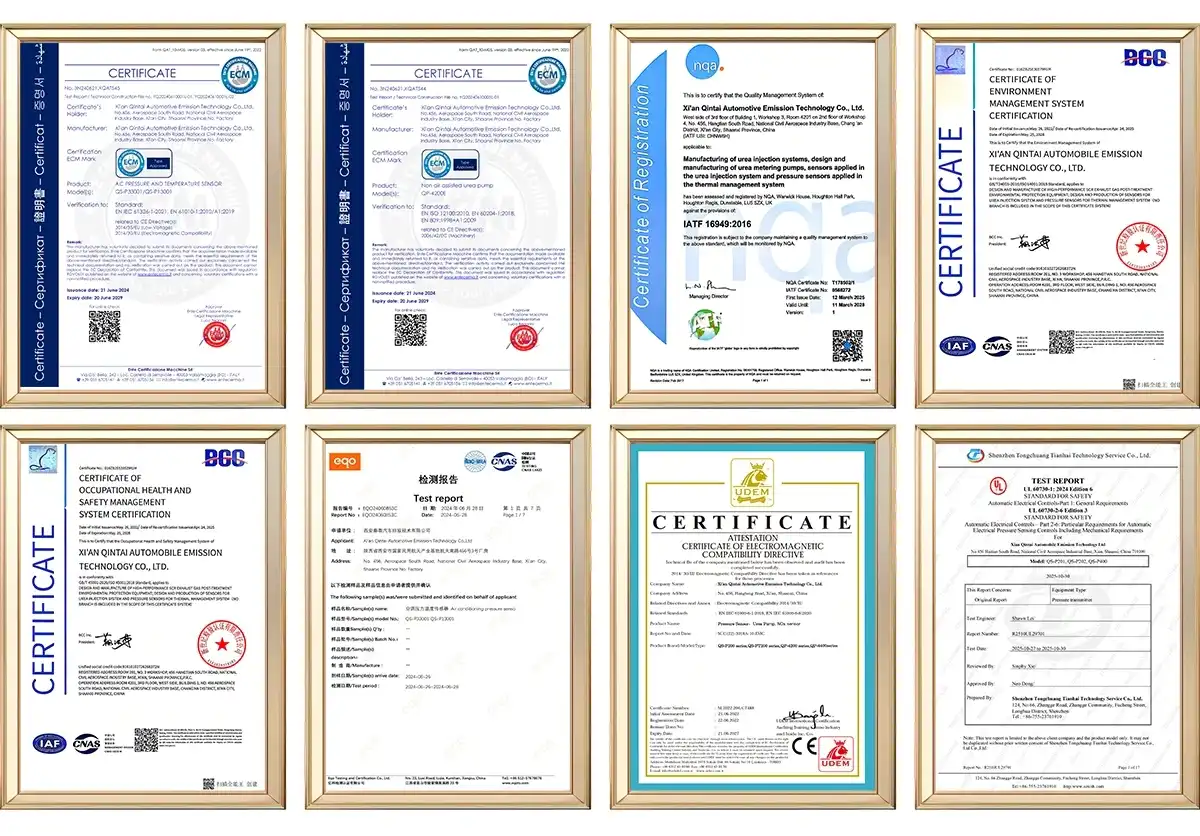
Suppliers with a good reputation show their quality by having ISO9001 and IATF16949 standards, which verify their manufacturing methods and quality management systems. Products that have an explosion-proof approval (Ex), a UL listing, or a CE mark show that they meet international safety standards. Purchasing managers should check patent files to make sure they show real R&D investment and not just copies of other ideas. When suppliers provide detailed technical information like CAD models and performance curves, it's easier for engineers to work together and the development process takes less time.
The ability to provide OEM help sets qualified partners apart from component sellers. Look for providers that offer help with application building, customization, and quick support after the sale. Language skills and time zone coverage affect how well people can talk to each other while making products and fixing problems. Businesses that have been in target markets for a long time can offer faster service and access to local technical tools that lower the risks of a project.
Budgeting for Total Lifecycle Costs
The purchase price is only a small part of the total cost. Costs go up right away because of installation work, system integration testing, and ECU tuning. Long-term costs depend on how often maintenance is done, how easy it is to get new parts, and how long the guarantee lasts. Service costs are higher for pumps that need special tools or diagnosis software that is only available from the manufacturer.
When you sign a bulk purchasing deal with an annual volume promise, you can often get better prices and earlier production slots. But the per-unit savings must be weighed against the costs of keeping goods and the risk of items becoming obsolete. Teams in charge of buying things should ask for price stability terms that last for more than one year and protect against changes in both commodities and currencies. With vendor-managed inventory systems, storage costs are spread out and parts are always available for just-in-time production settings.
The Value of Professional Integration Services
To install DEF dosing systems, you need more than just mechanical building skills. If you place it correctly, you can avoid air lock situations, and if you route the electricity correctly, it won't interfere with the engine sensors. For ECU programming to work, the flow features of the pump must match the engine maps. To do this, calibration tools and OEM-specific factors are needed. Professional installation cuts down on the time it takes to commission and gets rid of problems that can happen in the field because of bad integration.
Validation testing of a system makes sure it works right in a range of temperatures, at different elevations, and under changing loads. Emissions testing shows that the rate of NOx conversion meets the standards set by the government. Audit standards are met by documentation packages that include installation records, calibration certificates, and compliance reports. These packages also help with certification applications. These experienced services lower the risk of launching new products and making changes after the fact, and they also make sure that the system works at its best from the start.

SENSOR+TEST, June 9 – 11, 2026
We look forward to your visit,warmly welcome to our booth 1-634!
Get your free ticket online now:
https://www.sensor-test.de/service/ticket/?52790
Conclusion
Diesel engines' exact DEF dosing, which is necessary for emissions compliance and operating efficiency, is directly influenced by urea pumps. Leaders in the business are always coming up with new technologies that make things more reliable and easier to maintain. When making purchases, people need to weigh the current costs against the long-term performance, keeping in mind that when a pump fails, it has effects that are much worse than the cost of the parts. When used in difficult industrial settings, systems last longer when they are properly maintained and integrated by professionals. If buying managers and engineers know how important it is for pumps to be precise and for aftertreatment to work well, they can make choices that meet legal requirements and lower the total cost of ownership.
FAQ
How often should urea pumps be inspected or replaced?
Inspection times depend on the working environment and job schedule. Trucks on the highway usually need to be checked every 100,000 miles, but off-road equipment that works in rough situations needs to be checked more often. Replacement becomes necessary when diagnostic tests reveal pressure instability, flow rate deviations exceeding ±10%, or physical damage to housings and connectors. Most pumps in normal industrial settings last between 15,000 and 20,000 hours of use before they need to be replaced.
What performance indicators matter most when evaluating urea pumps?
Important factors include stable pressure between 5 and 9 bars, accurate dosing within a ±5% range, response time to ECU orders of less than 200 ms, and a temperature range of -40°C to +80°C. To work with certain SCR systems, the output signal forms (analog voltage or SENT protocol) must match the needs of the ECU. Specifications for materials that affect their resistance to corrosion and approval paperwork that proves they follow the rules are both important selection factors.
Are aftermarket pumps compatible with different diesel engine brands?
Mounting threads (M10x1 or M12x1.5) and other physical connections are standardized by the industry. However, electrical signals and flow patterns need to be matched to specific ECU calibrations. Some aftermarket providers make pumps that work with more than one platform by adjusting parameters, while others make pumps that are only good for one purpose. Before going into the field, integration is checked by verification tests with the target engine control systems. Talking to pump makers about matching matrices can help you avoid mistakes that cost a lot of money.
Partner with Qintai for Precision DEF Dosing Solutions
Qintai is China's biggest urea pump producer. Since 2001, they've had key OEM partnerships with Weichai Power, Yuchai Power, and Quanchai Power. Our built-in pump designs are very reliable because they use small parts that include filters, heaters, and pressure monitors to make sure that dosing is done correctly at all temperatures. We offer full OEM and ODM services for heavy trucks, construction equipment, farming equipment, and generator sets. These services are backed by 58 idea patents and certifications such as ISO9001, IATF16949, and REACH compliance.
Our independent research and development team is always improving emission control technology by making industrial-grade parts that protect against freezing, clean, and use little energy. Our technical support teams help with application engineering, and our mass production capacity meets the strict volume needs of diesel engine makers around the world. Talk to info@qt-sensor.com about how Qintai's DEF dosing systems can help your plan for meeting emissions standards and improve the efficiency of your operations.
References
1. Diesel Technology Forum. (2022). "Selective Catalytic Reduction: Technology and Performance Standards." Washington, DC: Diesel Technology Forum Publications.
2. Johnson, T. V. (2021). "Review of Selective Catalytic Reduction (SCR) and Related Technologies for Mobile Applications." SAE International Journal of Engines, 14(3), 345-372.
3. European Automobile Manufacturers Association. (2023). "Euro VI Heavy-Duty Vehicle Emissions Standards: Implementation Guide." Brussels: ACEA Technical Publications.
4. Zhang, L., & Wang, H. (2023). "Advances in Urea-SCR System Components for Diesel Engines." International Journal of Automotive Technology, 24(2), 487-503.
5. United States Environmental Protection Agency. (2022). "Diesel Exhaust Fluid Quality Requirements and Testing Protocols." EPA Publication EPA-420-B-22-008.
6. Bosch Automotive Aftermarket. (2023). "Selective Catalytic Reduction Systems: Technical Documentation and Service Guidelines." Stuttgart: Robert Bosch GmbH Technical Literature.
 Sensors.webp)

Our customers’ satisfaction speaks for our quality — contact us to experience the same reliable service.