- English
- French
- German
- Portuguese
- Spanish
- Russian
- Japanese
- Korean
- Arabic
- Greek
- German
- Turkish
- Italian
- Danish
- Romanian
- Indonesian
- Czech
- Afrikaans
- Swedish
- Polish
- Basque
- Catalan
- Esperanto
- Hindi
- Lao
- Albanian
- Amharic
- Armenian
- Azerbaijani
- Belarusian
- Bengali
- Bosnian
- Bulgarian
- Cebuano
- Chichewa
- Corsican
- Croatian
- Dutch
- Estonian
- Filipino
- Finnish
- Frisian
- Galician
- Georgian
- Gujarati
- Haitian
- Hausa
- Hawaiian
- Hebrew
- Hmong
- Hungarian
- Icelandic
- Igbo
- Javanese
- Kannada
- Kazakh
- Khmer
- Kurdish
- Kyrgyz
- Latin
- Latvian
- Lithuanian
- Luxembou..
- Macedonian
- Malagasy
- Malay
- Malayalam
- Maltese
- Maori
- Marathi
- Mongolian
- Burmese
- Nepali
- Norwegian
- Pashto
- Persian
- Punjabi
- Serbian
- Sesotho
- Sinhala
- Slovak
- Slovenian
- Somali
- Samoan
- Scots Gaelic
- Shona
- Sindhi
- Sundanese
- Swahili
- Tajik
- Tamil
- Telugu
- Thai
- Ukrainian
- Urdu
- Uzbek
- Vietnamese
- Welsh
- Xhosa
- Yiddish
- Yoruba
- Zulu
Signs Your Urea Pump Is Failing in a Diesel SCR System
Finding symptoms of diesel urea pump failure before it fails saves regulatory compliance and uptime. Modern SCR systems require precise urea dosing to remove NOx emissions, making dependable pumps essential for heavy-duty usage. If your diesel urea pump lights up or stops working, it may be broken. You may avoid costly engine damage, regulatory penalties, and unscheduled fleet downtime that disrupts production by recognizing these warning indicators early.
Understanding the Diesel Urea Pump and Its Functions
Discover how the diesel urea pump works. The SCR emission control system relies largely on the diesel urea pump. It accurately transfers AdBlue solution from tanks to exhaust. This sophisticated device contains numerous smaller elements that work together to maintain dosing rates even when the engine is stressed or the weather is severe. Electric motors, pressure controllers, flow meters, and temperature-controlled heaters are included.
Core Components Driving Pump Performance
At the correct pressure, the diesel urea pump transports AdBlue from tank to dosing module. It ensures that SCR systems eliminate enough NOx and maintain the correct flow and pressure for catalyst performance. Sealed motor units operate positive displacement mechanisms that generate 5–9 bar pressures within the casing. Electronic control units continually monitor voltage sources and adjust pump speed to match Engine Control Unit commands.
How Temperature Management Protects System Integrity?
The diesel urea pump's heating and freezing safety logic melts AdBlue before delivery. Only when the solution is above freezing does the machine dose. This heat control is crucial in cold climates because AdBlue crystallizes around -11°C and stops supply lines. When switched off, modern pumps expel any remaining solution. Crystallization damage is prevented during downtime. These safety measures prolong part life and ensure engine restart readiness.
Communication Between Pump and Engine Systems
The pump communicates with the ECU to adjust dosing based on engine load, exhaust flow, and NOx sensor data. Some SCR control methods work well with Bosch ECUs and Qintai diesel urea pumps. This makes them easy to combine with emission control systems. This closed-loop connection adjusts dosage rates in milliseconds to changing operational circumstances to maintain emissions without reducing fuel efficiency.
Identifying Early Signs Your Diesel Urea Pump Is Failing
Early detection differentiates fixable maintenance from unfixable system breakdown. Experienced fleet managers can notice little performance changes that indicate concerns so they can correct them before they become major issues.
Dashboard Warnings and Diagnostic Codes
If your diesel urea pump malfunctions, check for trouble warning lights. Internal sensors alert the SCR system to pressure, flow rate, and temperature changes. These difficulty numbers, from P20E8 for insufficient dosage to P2202 for circuit issues, pinpoint the issue. If you ignore these cautions, the engine may enter derate modes that reduce power output by 40% or more, making it difficult to use.
Performance Degradation Symptoms
Sometimes fuel economy drops because urea doesn't reach combustion chambers fast enough. Engines change injection timing to improve dosage accuracy, which requires more fuel to maintain power output. Using more diesel exhaust fluid without reducing emissions indicates a faulty diesel urea pump or internal problems. Rough idling, reduced torque responsiveness, and a lot of black smoke are symptoms of a pump failure affecting the SCR operation.
Physical Indicators of Mechanical Failure
Unusual noises during pump operation—grinding, whining, or clicking noises—reveal worn bearings or impellers. Vibrations felt through mounting clamps indicate unbalanced or loose interior elements. If pump housings, connectors, or dosage module injectors leak, seals are worn or parts are cracking. Blue-white crystalline crystals near fittings indicate AdBlue leakage, which decreases system pressure and contaminates parts.
Diagnosing Causes Behind Diesel Urea Pump Failure
Knowing how diesel urea pump failures arise enables you to find targeted solutions rather than trying and failing. Root cause analysis determines if dirt, electricity, or machine wear causes difficulties.
Crystallization and Contamination Issues
AdBlue crystallization still causes most field-dead diesel urea pump failures. Crystals occur in narrow places and valve seats when solution quality falls below ISO 22241. Contaminated water, poor storage, or substandard stock can cause this. These crystals halt flow, causing backpressure and overworking pump motors. To avoid crystal failures, check DEF quality often, ensure tanks have proper airflow, and maintain them between -5°C and 25°C.
Electrical System Complications
Voltage changes harm diesel urea pump computer settings. Corroded connections create resistance, breaking ECU-pump control signals. Intermittent faults are hard to diagnose because vibration or heat cycles harm the wire harness. Before replacing unnecessary mechanical parts, check ground circuit continuity, voltage source under load, and connection pin oxidation.
Mechanical Wear and Component Fatigue
Chemical exposure and temperature changes destroy internal seals. This lowers pressure, reducing dosage accuracy. As bearings wear out, play produces noise and shaking. Bad AdBlue particles damage impeller blades. Wear parts should be changed every 150,000–200,000 kilometers as specified by the manufacturer. This ensures system reliability and prevents costly catalyst substrate deterioration.

Comparing Diesel Urea Pumps: Making Informed Procurement Decisions
You must measure present cost against long-term dependability and compliance when picking replacement parts. Procurement managers consider more than pricing when choosing crucial emission system elements. Top manufacturers have millions of hours of running time in various applications. Most heavy-duty setups in Europe employ Bosch systems because they function effectively in tough conditions. Delphi components are compatible with many other parts and support many other products. Continental's clever tools simplify problem-solving. Certificates like ISO9001, IATF16949, and emission-specific certifications ensure that products fulfill OEM and regulatory criteria when reviewing sources.
Performance considerations affect system performance and cost. Engine size and power output must meet the flow rate, generally 0.5 to 3.5 liters per hour. Dosing accuracy depends on pressure tolerance. Good pumps maintain ±0.2 bar stability over load changes. The operational voltage ranges indicate if the gadget can function with business vehicle 12V or 24V electrical systems. The gadget works from -40°C to +85°C without losing function. The major reasons high-end diesel urea pumps are superior than inexpensive ones:
- High reliability and long service life through new materials that don't degrade in chemicals or heat.
- Compact, integrated design that integrates the pump, filter, and heater to simplify installation and reduce failure points.
- Accurate dosing under all temperature conditions no matter the environment to control emissions.
- Built-in freeze protection and purge function to eliminate startup delays and crystallization damage.
- Low energy consumption and noise to reduce power load and make long-term operations more pleasant.
Return on investment must include loss costs and portion price. Unplanned downtime costs $500–$2,000 per day, depending on equipment consumption. The Clean Air Act in the US fines violators up to $37,500 per automobile. Two- to five-year warranties protect against premature failure, but they need documentation of appropriate installation and maintenance. Assessing suppliers based on technical support response time, part availability, and application engineering assistance is as critical as unit pricing for long-term operating performance.
Acting on Urea Pump Issues: Solutions and Procurement Guidance
The speed at which a replacement diesel urea pump is purchased and the quality of the parts utilized determine how fast the equipment may be put back to operation after a diagnostic examination. By using certified sources with stock, lead times can be lowered from weeks to days. Replacement specs must match original equipment requirements for optimum ECU contact and dose. Compare part numbers to OEM documentation to avoid compatibility issues that might generate fault codes or decrease catalyst efficiency. For a wide range of customers, Qintai offers comprehensive OEM and ODM services, from product design to mass manufacturing, and flexible product modification depending on unique purposes.
Quality assurance covers both initial component specifications and continuing technical support. Suppliers reduce long-term expenses by providing installation, troubleshooting, and maintenance services. Application professionals that understand area emission requirements and equipment integration may assist build up systems for specific task cycles or environmental circumstances. How parts are placed affects their lifespan and system performance. New parts last longer if old AdBlue is purged, filthy filters updated, and electrical connections examined. The manufacturer's torque specifications for mounting nuts and fluid connections must be met to avoid stress concentrations and leak tracks. After installation, diagnostic scans ensure that ECUs can communicate and dosages are proper before resuming function.
Conclusion
Proactive tracking and quick response distinguish fleet operations that perform effectively from costly compliance failures. Dashboard notifications, performance changes, and physical complaints might help plan maintenance instead of emergency adjustments. Knowing how failures occur helps solve and avoid issues. Buying high-quality replacement parts from certified vendors with proven support protects long-term reliability and legal compliance. Regular inspections, AdBlue management, and maintenance programs will extend the life of your diesel urea pump fleet's parts and lower operating costs.
FAQ
Q1: How often should diesel urea pumps be inspected?
A: Business activity and weather determine inspection intervals. Standard maintenance plans recommend checking for leaks, faulty connections, and loose mounting every 20,000 kilometers. A complete system test should be performed every six months or 50,000 kilometers to verify electrical factors, pressure output, and flow rates. Annual cleaning prevents crystallization in dosage units and supply lines. Mining equipment, long-haul vehicles, and extreme temperatures benefit from shorter intervals to detect issues before they break. Standard maintenance schedules recommend inspecting the diesel urea pump regularly.
Q2: Can a faulty urea doser pump damage my engine?
A: Pump failures generate issues beyond emission regulations. Poor treatment raises NOx levels, which trigger engine derate modes that reduce power and leave equipment stranded. Overdosing diesel particle filters causes renewal failures and costly substrate replacement. Crystalline AdBlue damages sensor components and catalyst substrates in exhaust systems, which is expensive to repair. Modern engines need precise SCR function to manage combustion, therefore maintaining the diesel urea pump dependable extends system life.
Q3: Which brands offer the most reliable replacement pumps?
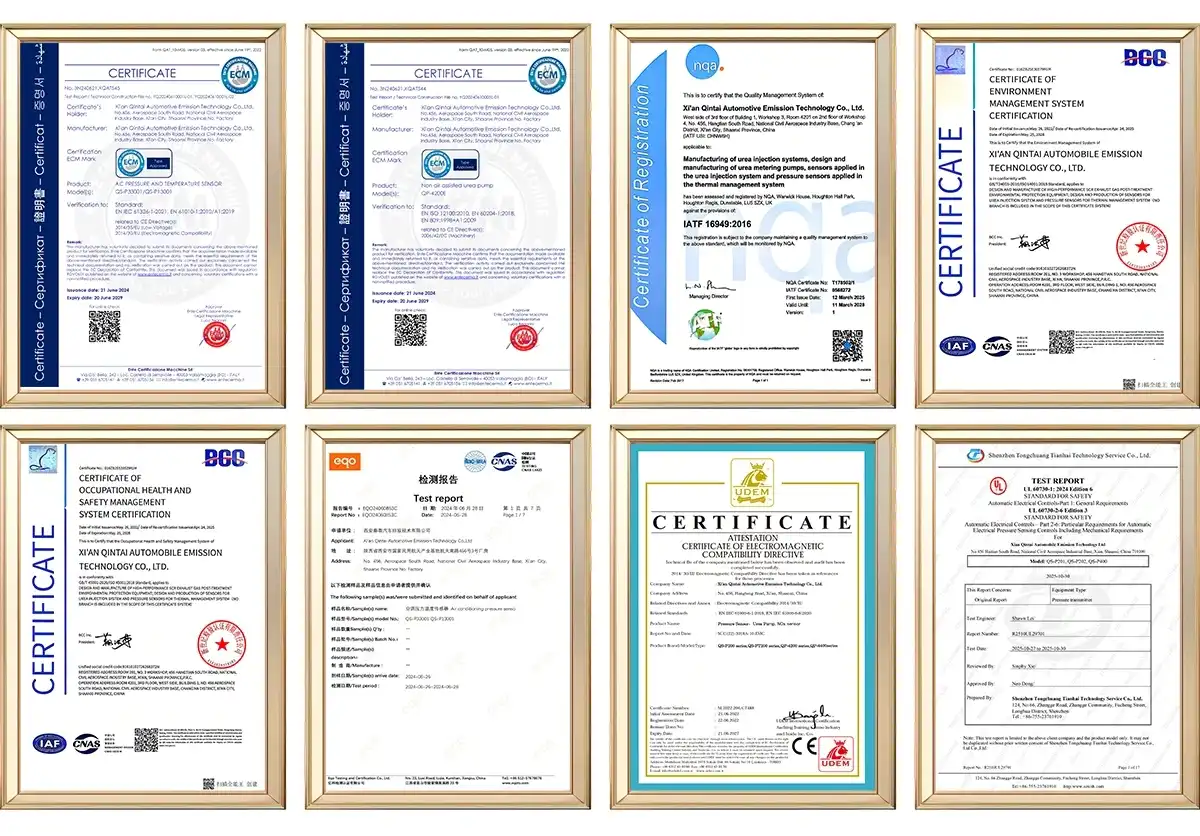
A: Bosch, Delphi, and Denso are well-known in North America and Europe due to their OEM partnerships and field performance. These firms monitor quality and follow approval procedures. Qintai sells mostly to China Weichai, Yuchai, and Quanchai Power. It leads China's market. The firm holds 58 concept patents, ISO9001, IATF16949, and other global standard technical qualifications. Checking certificates and guarantee conditions provides you greater peace of mind than brand name when picking suppliers for a diesel urea pump.

SENSOR+TEST, June 9 – 11, 2026
We look forward to your visit,warmly welcome to our booth 1-634!
Get your free ticket online now:
https://www.sensor-test.de/service/ticket/?52790
Partner with Qintai for Reliable Diesel Urea Pump Solutions
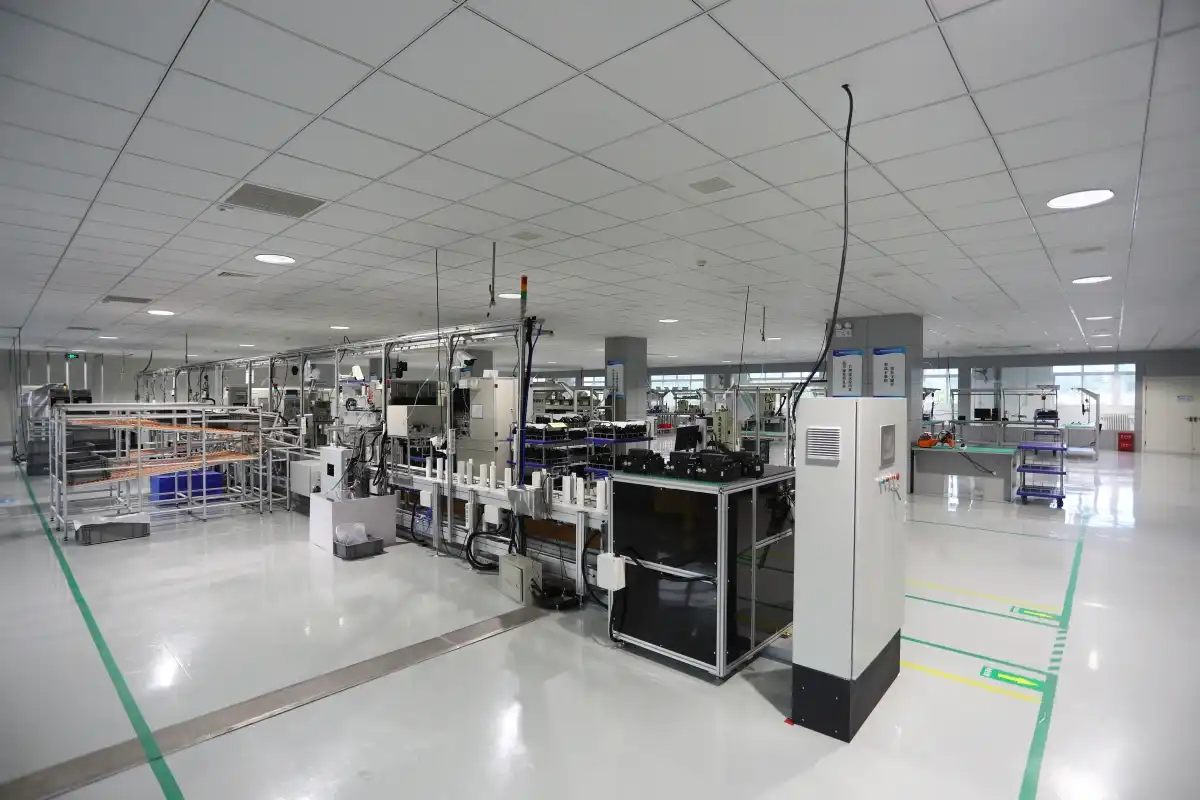
Parts must last in real life to fulfill pollution regulations and keep operations functioning. Qintai Auto Emission Tech. Ltd. is a national high-tech business created in 2001. It sells SCR aftertreatment systems and pollution monitors to diesel engine manufacturers worldwide. We build tiny, integrated diesel urea pumps that pump, filter, and heat. They also provide precise dosing from -40°C to +85°C.
Since we create diesel urea pumps, we enable OEM and dealer partnerships by supplying interfaces that may be customized for any ECU and application. From design to installation and maintenance, our engineering staff provides technical assistance. REACH, RoHS, and emission-specific regulations, as well as IATF16949 quality certification, ensure overseas markets obey the laws.
Contact our skilled sales staff at info@qt-sensor.com to discuss your needs. We provide competitive bids, detailed product specifications, and business-specific application engineering. Qintai is trusted by top Chinese engine builders, who export to over 60 nations. Diesel pollution systems benefit from their quality and assistance.
References
1. Johnson, M., & Peterson, R. (2022). Diesel Emission Control Systems: Technologies and Maintenance Strategies. Society of Automotive Engineers International.
2. Environmental Protection Agency (2021). Selective Catalytic Reduction Systems: Performance Standards and Compliance Guidelines. EPA Office of Transportation and Air Quality.
3. Zhang, L., Kumar, S., & O'Brien, T. (2023). Urea Injection System Reliability in Heavy-Duty Diesel Applications. International Journal of Automotive Technology, 24(3), 487-502.
4. Anderson, P. (2022). SCR System Component Failure Analysis: Field Data from Commercial Vehicle Fleets. Commercial Vehicle Engineering Congress Proceedings.
5. Mueller, K., & Chen, W. (2021). AdBlue Quality Impact on SCR Component Longevity. Fuel Processing Technology, 218, 106851.
6. Roberts, J. (2023). Procurement Strategies for Diesel Aftertreatment Components: Balancing Cost and Reliability. Fleet Maintenance Magazine, 28(2), 34-41.
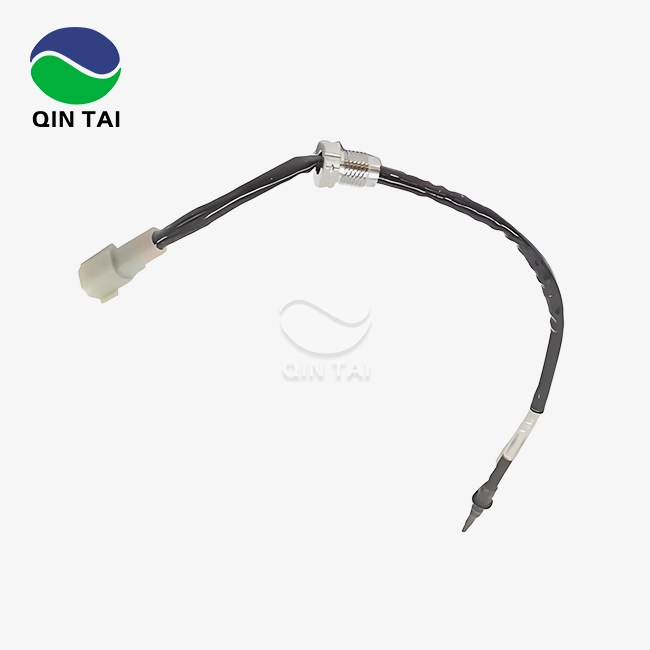
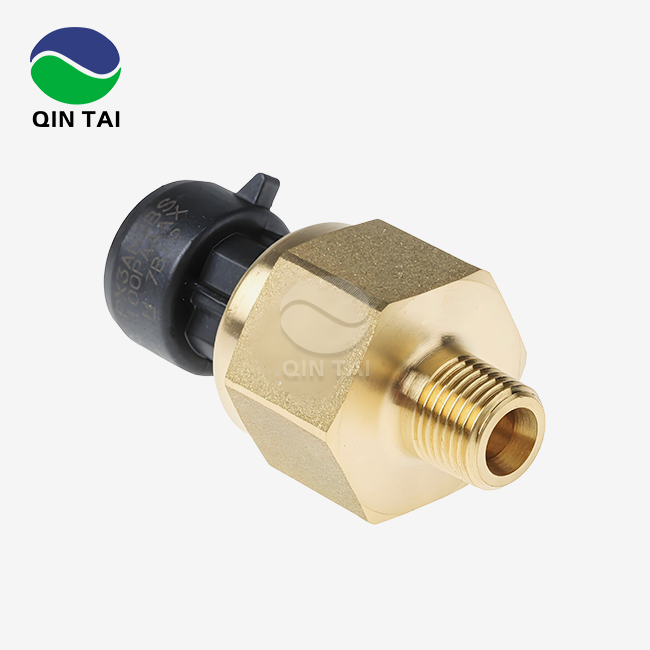

Our customers’ satisfaction speaks for our quality — contact us to experience the same reliable service.