- English
- French
- German
- Portuguese
- Spanish
- Russian
- Japanese
- Korean
- Arabic
- Greek
- German
- Turkish
- Italian
- Danish
- Romanian
- Indonesian
- Czech
- Afrikaans
- Swedish
- Polish
- Basque
- Catalan
- Esperanto
- Hindi
- Lao
- Albanian
- Amharic
- Armenian
- Azerbaijani
- Belarusian
- Bengali
- Bosnian
- Bulgarian
- Cebuano
- Chichewa
- Corsican
- Croatian
- Dutch
- Estonian
- Filipino
- Finnish
- Frisian
- Galician
- Georgian
- Gujarati
- Haitian
- Hausa
- Hawaiian
- Hebrew
- Hmong
- Hungarian
- Icelandic
- Igbo
- Javanese
- Kannada
- Kazakh
- Khmer
- Kurdish
- Kyrgyz
- Latin
- Latvian
- Lithuanian
- Luxembou..
- Macedonian
- Malagasy
- Malay
- Malayalam
- Maltese
- Maori
- Marathi
- Mongolian
- Burmese
- Nepali
- Norwegian
- Pashto
- Persian
- Punjabi
- Serbian
- Sesotho
- Sinhala
- Slovak
- Slovenian
- Somali
- Samoan
- Scots Gaelic
- Shona
- Sindhi
- Sundanese
- Swahili
- Tajik
- Tamil
- Telugu
- Thai
- Ukrainian
- Urdu
- Uzbek
- Vietnamese
- Welsh
- Xhosa
- Yiddish
- Yoruba
- Zulu
Choosing Temperature Sensors for High Heat and Corrosive Areas
It is very important to choose the right temperature monitors for industrial settings with a lot of heat and corrosion to make sure that the process controls work well and the equipment is safe. Industrial sensors used in these harsh environments are subjected to mechanical wear, chemical breakdown, and heat stress that can lower their accuracy and reduce their useful lives. Procurement managers, R&D experts, and technical decision-makers need to know about the problems that only happen in these tough environments so they can make choices that improve performance and durability. This guide talks about how hard it is to pick devices that can handle high temperatures and harsh chemicals. It gives useful information for people around the world who buy things for diesel engines, aftertreatment systems, and big machinery.
Understanding the Challenges of Temperature Measurement in High Heat and Corrosive Environments
There are a lot of problems with using normal sensors to measure temperature correctly in places with a lot of heat and corrosion. Extreme heat—often more than 600°C in systems that treat diesel exhaust—causes thermal stress that speeds up sensor wear. Repeatedly expanding and contracting materials can cause mechanical failure, signal drift, and loss of tuning over time.
Material Degradation Under Corrosive Exposure
Acids, alkalis, sulfates, and chlorides are corrosive chemicals that are found in exhaust fumes and industrial processes. They wear away sensor housings and sensing elements. When moisture and high temperatures come together, they speed up corrosion, which damages metal parts and protection layers. In SCR (Selective Catalytic Reduction) systems, standard stainless steel sensors start to split and crack after only a few months of use. This can lead to wrong results or the sensor failing completely.
Thermal Cycling and Shock Effects
When diesel engines and other industry machines start up, run, and stop, their temperatures change quickly. These sudden changes in temperature weaken solder joints in electronic parts and cause stress cracks in materials that are easily broken. Intermittent flaws, erratic signals, and early failure are common problems with sensors that aren't built well, which slows down production and raises upkeep costs.
Signal Interference and Noise
Motors, inverters, and other high-voltage equipment in harsh industrial settings can cause electromagnetic interference that can mess up sensor readings. Without the right insulation and wiring, temperature readings aren't accurate, which affects the performance of the control system and the ability to meet emission standards. Industrial workers who want to reduce measurement errors and machine downtime in tough settings need to understand these degradation processes.

Key Selection Criteria for Temperature Sensors in High Heat and Corrosive Areas
To choose the right sensor, you must first look at the specifics of the application, such as the temperature ranges, types of chemical contact, and mechanical pressures. When making a choice, core performance measures like accuracy, response time, longevity, and material compatibility become very important. A methodical review technique helps procurement teams balance the original costs with the costs that come up over time and the reliability of operations.
Temperature Range and Accuracy Requirements
For diesel exhaust aftertreatment applications, industrial sensors must operate reliably between -40°C and 850°C while maintaining accuracy within ±2°C. Generator set applications may require even tighter tolerances to ensure emissions compliance with EPA Tier 4 and Euro VI regulations. These industrial sensors must retain calibration across thousands of thermal cycles without degradation exceeding 0.1% of full scale per year. The demanding operating environment of exhaust systems pushes industrial sensors to their thermal limits, making material selection—particularly for sensing elements and signal conditioning electronics—critical to achieving the five-to-ten-year service life that fleet operators expect from industrial sensors installed in heavy-duty vehicles and stationary equipment.
Material Compatibility and Corrosion Resistance
Certain acidic agents in your application must not damage sensor housings or protective sheaths. Ceramics, such as alumina and zirconia, are very good at withstanding high temperatures and acidic exhaust gases. In places with a lot of sulfur, high-grade metals like Inconel 600 or Hastelloy are better at resisting rust than regular stainless steel. Protective coverings, such as plasma-sprayed ceramics, make sensors last a lot longer in the harshest circumstances.
Response Time and Sensing Technology
Different types of sensor systems respond in different ways. Thermocouples can respond quickly (often in less than a second) and over a wide temperature range, which makes them good for tracking waste gases. Resistance temperature monitors (RTDs) are more accurate and stable, but they take longer to answer. For surface temperature tracking, infrared sensors allow for non-contact measurement, which gets rid of all worries about chemical exposure. Fiber optic sensors work best in places with a lot of electrical noise, where regular sensors can't work because of electromagnetic interference.
Installation Constraints and Form Factors
Sensor design is often limited by the amount of room available in engine areas and exhaust systems. Small sensor heads with flexible wire routing make it easier to place in small areas. To avoid having to make expensive changes, thread sizes, insertion lengths, and mounting positions must fit how the system is already designed. Heavy trucks and building tools still use M18x1.5 and 1/2-NPT threads, which are industry standards.
Using a weighted criteria method helps procurement pros find the best mix between costs, performance, and lifecycle needs that are specific to their industry.
Innovative Industrial Temperature Sensor Technologies for Harsh Environments
Recent improvements in sensor technology have made it much easier to measure temperature in harsh situations than it used to be. Sensors can now work reliably in places where older generations of devices would have broken because of advances in material science and digital integration.
Advanced Material Technologies
Aluminum oxide is used to make high-purity ceramic sensor elements that are very resistant to temperature shock and chemical stability. The structure of these materials doesn't crack or break down after thousands of heat cycles from room temperature to 850°C. Using platinum-rhodium alloys in precious metal electrodes makes the resistance fixed over long periods of time, which lowers the frequency needed for tuning. Protective layers made for aircraft use, like thermal barrier ceramics and chemical-resistant polymers, keep sensor housings from corroding while still letting heat flow through them.
Digital Integration and Smart Sensor Capabilities
IoT-enabled monitors can now be calibrated from a distance, send data in real time, and work seamlessly with Industry 4.0 systems. This makes predictive maintenance better and operations more efficient. Digital signal processing at the sensor head gets rid of noise and fixes known drift patterns, which makes measurements more accurate without the need for extra equipment. In upgrade situations, wireless communication methods like Bluetooth Low Energy and industrial Wi-Fi get rid of the need to route cables. Connecting to the cloud lets you check the performance of all sensors in a group, finding broken units before they shut down the whole system.
Self-Diagnostic and Redundancy Features
Modern industrial sensors have built-in tests that check their own health and find problems like insulation breakdown, moisture entry, or element degradation before they break down completely. Dual-element designs offer measurement reliability, so they can keep working even if one of the detecting elements stops working. These features make important apps safer and cut down on unplanned downtime and maintenance costs.
Case studies from chemical processing, metal heat treatment, and car exhaust aftertreatment show how these cutting-edge technologies make sensors more reliable and lower their operating costs by 30–40% over five years.
Practical Guidelines for Integrating and Maintaining Temperature Sensors in Demanding Industrial Settings
For sensors to last as long as possible in harsh settings, they need to be installed and maintained correctly. Even the most durable sensor will break down early if it is put wrong or not taken care of properly. The following rules are based on the best practices that have been found in heavy-duty diesel, building equipment, and industry process control.
Optimal Installation Techniques
The placement of sensors has a big effect on how accurate measurements are and how long they last. In exhaust systems, sensors should be put at least 300 mm below the exits of turbochargers or DPFs (Diesel Particulate Filters) to keep particles and high temperature differences from touching them directly. When mounting at angles between 30 and 45 degrees from vertical, moisture doesn't build up inside the sensor housings and there is enough heat contact with the exhaust gases. Thread engagement should be at least 15-20 mm, as specified by the maker, to make sure proper sealing and heat transfer without over-tightening, which can damage ceramic parts.
Shielding and Protection Strategies
Exhaust gas speeds faster than 50 m/s can damage sensor elements that are exposed to them. Putting in perforated metal shields or deflectors ahead of the sensor head lowers the effect of particles while keeping enough flow for accurate temperature reading. Moving the cables away from hot objects keeps the insulation from getting damaged, which can cause signal problems. In engine compartments where temperatures hit 150°C while the engine is running, heat-resistant sleeving rated to 200°C keeps the wires safe.
Calibration and Verification Protocols
Regular testing makes sure that sensors stay accurate for as long as they are used. Heavy-duty diesel uses usually need to be calibrated once a year using reference standards that can be traced back to NIST. If sensors show drift of more than ±3°C, they should be changed instead of recalibrated, because internal degradation typically means the failure is close. Automated calibration systems are becoming more popular for fleet operations because they save money on work and make sure that all of the units are calibrated the same way.
Preventive Maintenance Best Practices
Every 500 hours of use, a visual check finds rust, physical damage, or loose connections before they stop measuring correctly. It is important to check the stability of connector seals and repair them if cracks or hardening are seen. By measuring the electrical resistance between the sensor parts and the ground, early signs of insulation decay can be found. By keeping detailed service records, you can use trend analysis to figure out when sensors need to be replaced, which avoids unplanned downtime.
Working with reliable suppliers who offer customization, expert support, and strong warranty services is another way to make sure that sensors work reliably throughout the entire span of a demanding application.
Comparing Top Industrial Temperature Sensors and Suppliers for High Heat and Corrosive Environments
It is just as important to choose the right provider as it is to choose the right sensing technology. Leading makers set themselves apart by offering technical knowledge, quality licenses, customization options, and help after the sale, all of which have a direct effect on the success of your operations.
Leading Global Sensor Manufacturers
Well-known manufacturers like Siemens, Honeywell, and ABB offer extensive industrial sensors portfolios with comprehensive application engineering support. These companies supply industrial sensors certified to international standards—IEC 60751 for RTDs and ASTM E230 for thermocouples—ensuring compliance with emissions-critical applications. Their global service networks enable rapid access to technical support and replacement industrial sensors, minimizing downtime for fleet operators and plant engineers who cannot afford extended equipment outages. For procurement teams, sourcing industrial sensors from these established brands typically commands premium pricing but reduces the qualification burden, as the industrial sensors arrive with pre-validated performance documentation accepted by regulators worldwide.
However, one company that only makes harsh-environment sensors, on the other hand, often has better performance in difficult situations. Companies that do research on ceramic sensing technologies and materials that don't rust make sensors that work best with diesel exhaust aftertreatment. These sensors are more reliable for checking the temperatures of the SCR and DPF.
Customization and Application Engineering
In complicated manufacturing settings, standard stock sensors don't always meet all the needs. Customization services allow suppliers to change probe lengths, thread types, cable designs, and temperature ranges to fit the needs of a particular application. This makes it possible to avoid expensive system changes and boosts sensor reliability by ensuring a perfect fit. Having engineering help with the development of specifications can help find possible installation problems before they are made. This cuts down on the time and money needed for testing and troubleshooting.
Quality Certifications and Manufacturing Standards
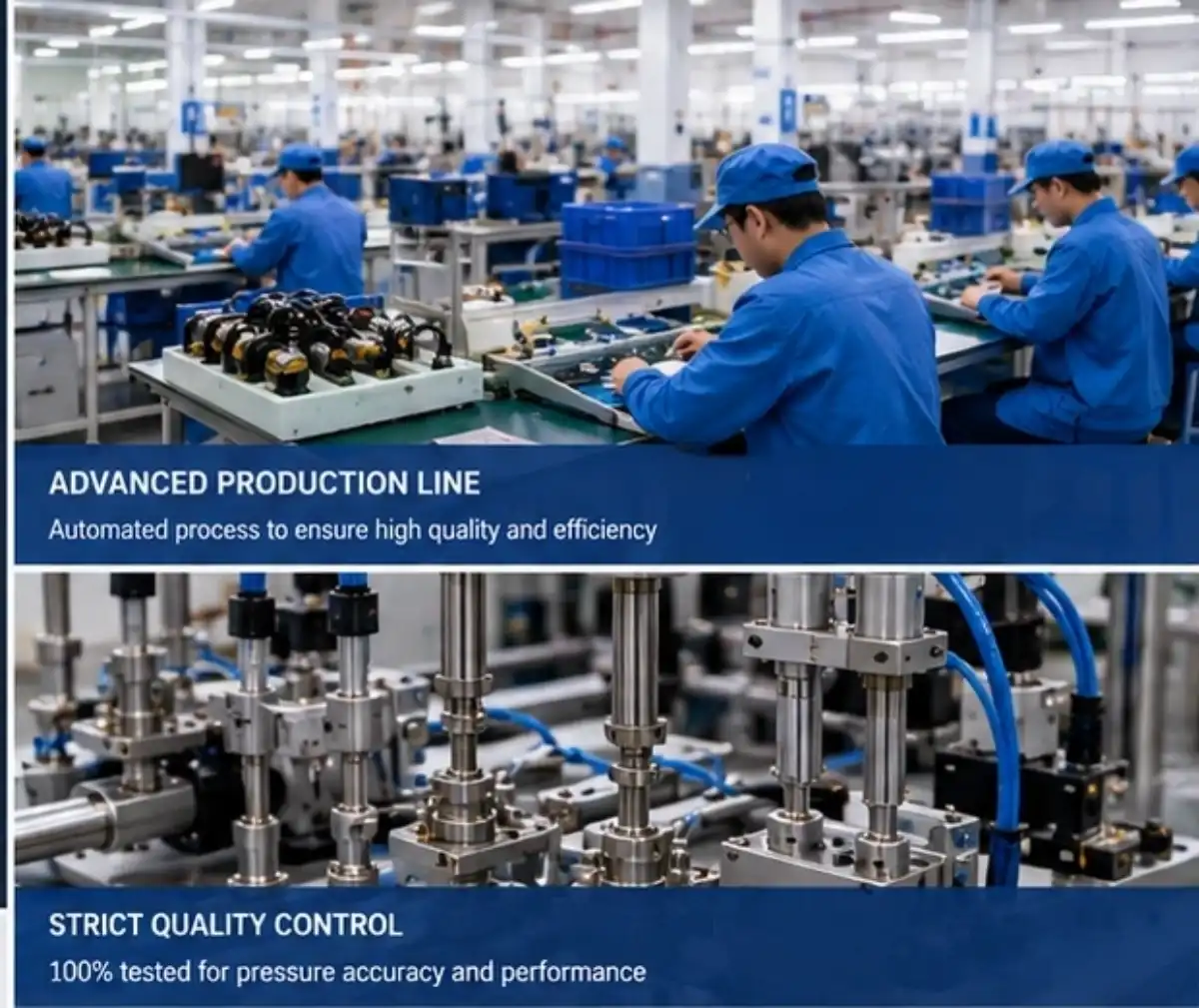
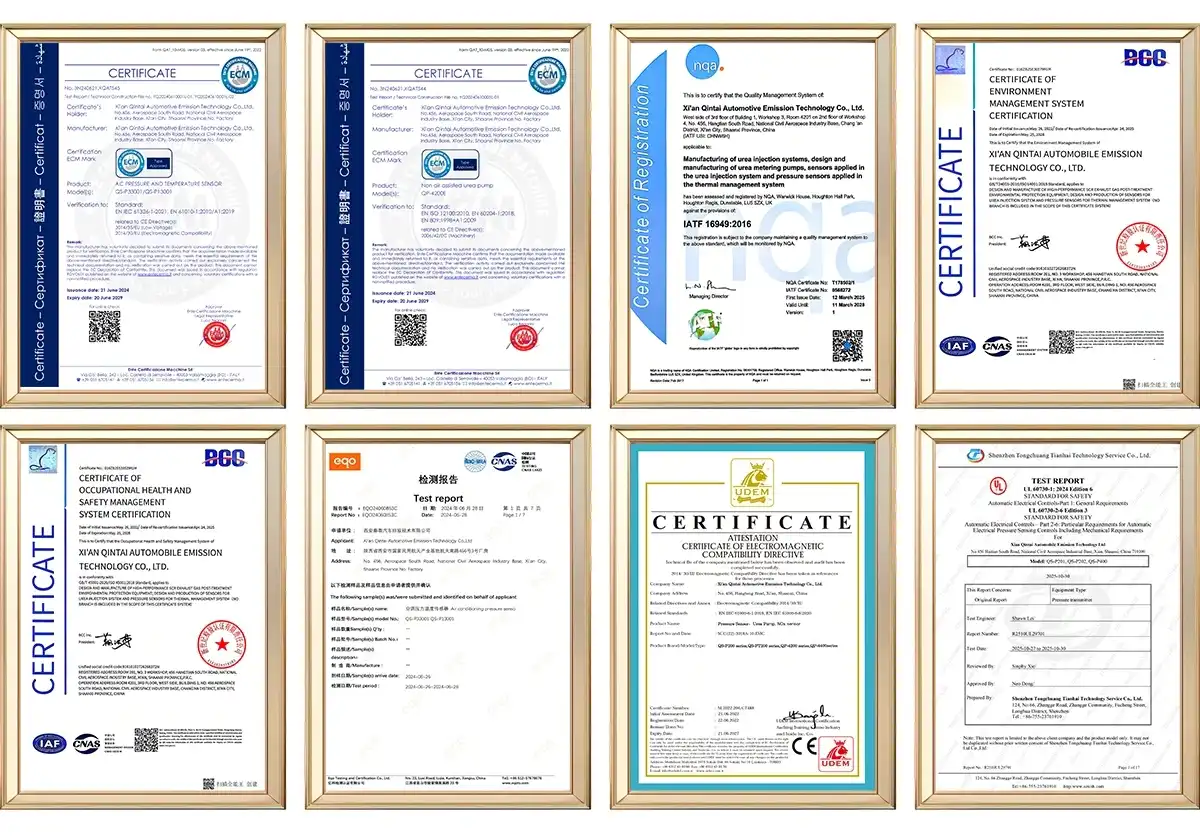
Suppliers with ISO 9001, IATF 16949, and other industry-specific licenses show that they are dedicated to maintaining quality control. These approvals are especially important for OEM uses where sensor failures can void guarantees and hurt the brand's image. Sensors that are made in factories with clean rooms for assembly and full testing at the end of the line are sure to meet published standards, not just average performance values.
Qintai's Temperature Sensing Solutions
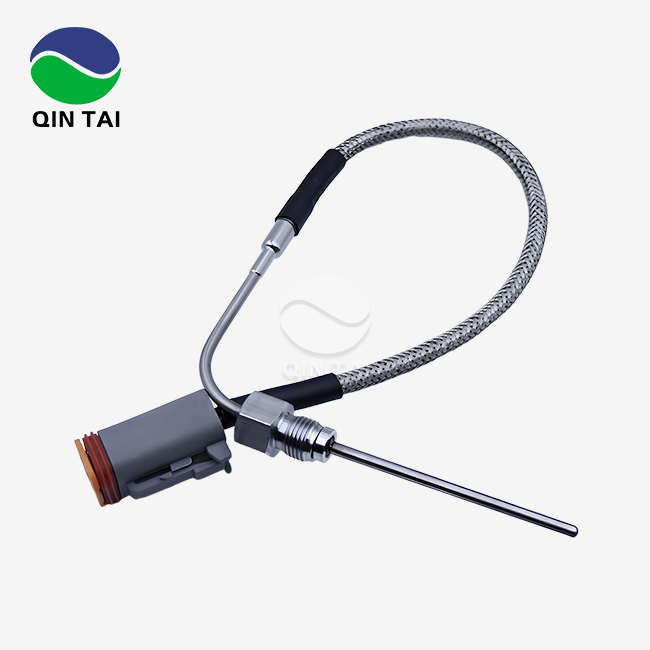
Qintai Automotive Emission Technology Co., Ltd. Ltd brings more than 20 years of specialized knowledge in diesel engine aftertreatment sensors to heavy-duty uses around the world. We understand the strict dependability needs of measuring emission-critical temperatures because we are the main OEM provider to China's biggest power companies, such as Weichai, Yuchai, and Quanchai. Our temperature sensors are designed to work with SCR systems, track DPF renewal, and measure the temperature of exhaust gases. If a sensor fails in these applications, it can affect compliance with regulations and equipment safety.
Ceramic sensing elements in our devices can work continuously at 850°C and keep their ±1.5°C accuracy over 8,000-hour service intervals. Special protection layers stop sulfur compound corrosion, which breaks down regular sensors in months. Response times of less than 800 milliseconds allow for precise control during DPF renewal cycles, which keeps surfaces from getting damaged by heat. Qintai sensors are reliable enough for heavy-duty uses because they have IATF 16949 and ISO 9001 certifications, 58 idea patents, and go through a lot of tests that include thermal cycles, vibration, and corrosion resistance.
We provide full OEM and ODM services to help customers customize products from the very beginning, right through mass production. Technical support teams work directly with your engineering staff to help you choose the best sensors, plan their placement, and make sure they work well with control systems. Qintai is the best company to work with if you need to offer industrial temperature sensors because they have low prices for large orders, can make prototypes quickly, and ship to over 60 countries around the world.
Conclusion
When selecting industrial sensors for high-temperature, corrosive environments, careful consideration must be given to material compatibility, accuracy requirements, installation constraints, and supplier capabilities. In demanding applications such as diesel exhaust aftertreatment, industrial processing, and heavy equipment, industrial sensors require specialized designs with enhanced chemical resistance and thermal tolerance. The right industrial sensors for these conditions typically feature Inconel or ceramic sheaths rather than standard stainless steel, hermetically sealed connections to prevent moisture ingress, and extended warranty terms that reflect the manufacturer's confidence in their industrial sensors surviving thousands of thermal cycles without calibration drift.
Procurement professionals should demand field test data from similar applications before committing to a specific industrial sensors supplier, as laboratory specifications alone rarely predict real-world longevity in these punishing operating environments. Ceramic sensing elements, improved protective layers, and digital integration features now make it possible to measure accurately in places where other sensors fail. Long-term measurement reliability and regulatory compliance can be ensured by working with experienced providers who offer customization, expert support, and quality systems that have been tried and tested. When sensors are used in difficult industrial settings, they last longer and cause fewer problems if they are installed correctly and maintained regularly.

SENSOR+TEST, June 9 – 11, 2026
We look forward to your visit,warmly welcome to our booth 1-634!
Get your free ticket online now:
https://www.sensor-test.de/service/ticket/?52790
FAQ
Which temperature sensor types work best in highly corrosive exhaust environments?
Compared to metal sensing elements, ceramic-based devices with alumina or zirconia elements are better at resisting erosion. Type K thermocouples with Inconel or ceramic protection sheaths work well in fairly corrosive environments. RTD sensors with ceramic housings, on the other hand, are more accurate when they are exposed to very strong chemicals. The best material to use depends on the toxic agents that are present, such as sulfur compounds, chlorides, or acidic condensates.
How often should temperature sensors be calibrated in high-temperature applications?
Heavy-duty fuel and industrial uses usually need to have their calibration checked once a year. Systems that stay above 700°C all the time or go through a lot of temperature cycling may need to be checked every six months. If sensors deviate more than ±2°C from their calibration standards, they should be changed because internal degradation generally means they are about to fail. Digital devices that can diagnose themselves can keep track of their own performance drift to extend the time between calibrations.
Are wireless temperature sensors reliable in harsh industrial environments?
When set up correctly, modern industrial wireless devices that use protocols like WirelessHART and ISA100 show great dependability. Battery-powered units work well in places where the weather isn't too hot or too cold (up to 125°C outdoor). Line-powered radio receivers are needed in places with higher temperatures. Communication stays clear as long as the receiver is placed correctly, away from metal objects and sources of electromagnetic interference. In critical situations, redundant measurement systems with both wired and wireless sensors offer the highest level of dependability.
Partner with Qintai for Reliable Industrial Sensors Supply
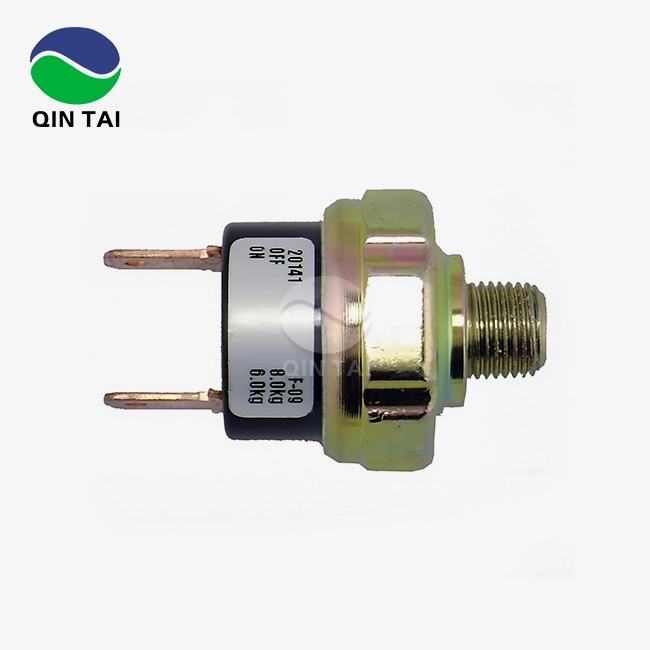
Qintai makes temperature and pressure devices that are specifically designed for use in diesel engines and other industry settings. Because we've been serving China's top engine makers for more than 20 years, we can make sensors that you can trust to meet your most important temperature measurement needs. Whether you need standard exhaust gas temperature sensors or special solutions for fitting problems that are unique to your situation, our engineering team can help you with everything from the design phase to production. You can email us at info@qt-sensor.com to talk about your temperature tracking needs, get full technical specs, or get bulk prices for your OEM applications. Our IATF 16949 quality systems, fast prototyping, and competitive industrial sensors maker prices will help you meet your cost-cutting goals while ensuring accurate measurements for a long time.
References
1. Bentley, R.E. (2017). Temperature and Humidity Measurement: Theory and Practice in Industrial Applications. Springer Nature.
2. McGee, T.D. (2018). Principles and Methods of Temperature Measurement in Harsh Industrial Environments. John Wiley & Sons.
3. International Society of Automation (2019). Industrial Temperature Sensor Selection Guide for Corrosive Applications. ISA Technical Report.
4. Society of Automotive Engineers (2020). SAE J1746: Recommended Practice for Exhaust Gas Temperature Sensor Installation. SAE International Standards.
5. Webster, J.G. & Eren, H. (2019). Measurement, Instrumentation, and Sensors Handbook: Electromagnetic, Optical, Radiation, Chemical, and Biomedical Measurement. CRC Press.
6. National Institute of Standards and Technology (2021). Temperature Sensor Calibration Standards and Best Practices for Industrial Applications. NIST Special Publication 250-80.

Our customers’ satisfaction speaks for our quality — contact us to experience the same reliable service.