- English
- French
- German
- Portuguese
- Spanish
- Russian
- Japanese
- Korean
- Arabic
- Greek
- German
- Turkish
- Italian
- Danish
- Romanian
- Indonesian
- Czech
- Afrikaans
- Swedish
- Polish
- Basque
- Catalan
- Esperanto
- Hindi
- Lao
- Albanian
- Amharic
- Armenian
- Azerbaijani
- Belarusian
- Bengali
- Bosnian
- Bulgarian
- Cebuano
- Chichewa
- Corsican
- Croatian
- Dutch
- Estonian
- Filipino
- Finnish
- Frisian
- Galician
- Georgian
- Gujarati
- Haitian
- Hausa
- Hawaiian
- Hebrew
- Hmong
- Hungarian
- Icelandic
- Igbo
- Javanese
- Kannada
- Kazakh
- Khmer
- Kurdish
- Kyrgyz
- Latin
- Latvian
- Lithuanian
- Luxembou..
- Macedonian
- Malagasy
- Malay
- Malayalam
- Maltese
- Maori
- Marathi
- Mongolian
- Burmese
- Nepali
- Norwegian
- Pashto
- Persian
- Punjabi
- Serbian
- Sesotho
- Sinhala
- Slovak
- Slovenian
- Somali
- Samoan
- Scots Gaelic
- Shona
- Sindhi
- Sundanese
- Swahili
- Tajik
- Tamil
- Telugu
- Thai
- Ukrainian
- Urdu
- Uzbek
- Vietnamese
- Welsh
- Xhosa
- Yiddish
- Yoruba
- Zulu
Why Ceramic Pressure Sensors Outperform Metal Sensors
In tough industrial settings with corrosion, temperature extremes, and abrasive media, Ceramic Pressure Sensors outperform metal ones. The main benefit is that 96% alumina (Al2O3) ceramic is chemically inert and mechanically strong, unlike metal diaphragms. Under China VI and Euro VI emission compliance demands, diesel engine manufacturers and aftertreatment system integrators must measure accurately. Ceramic Pressure Sensors offer consistent SCR and DPF data over operational ranges from -40°C to 135°C with linearity within 0.3% full scale. Their resistance to exhaust gas condensates, urea deposits, and thermal cycling extends service intervals and lowers total cost of ownership, which purchasing managers consider when considering long-term supplier agreements.
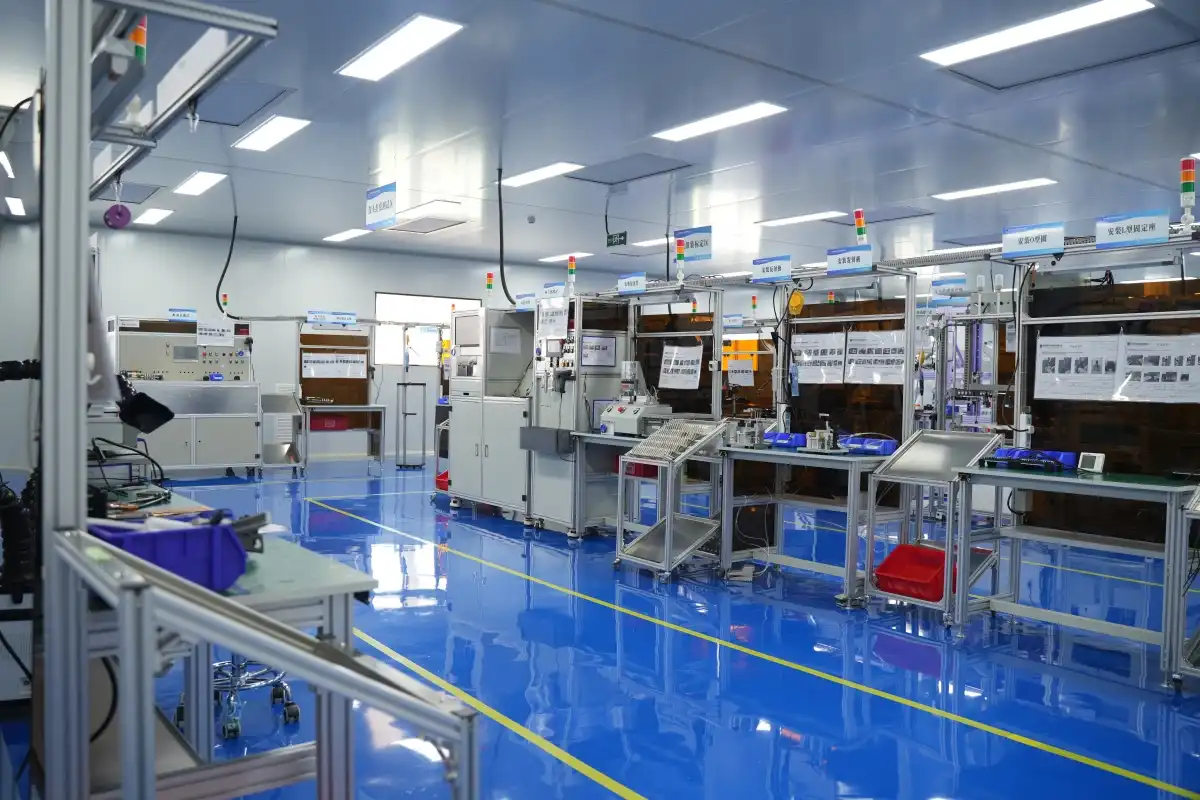
Understanding Ceramic Pressure Sensors and Their Core Advantages
Ceramic Pressure Sensors differ greatly from metal-based devices. Piezoresistive devices use ceramic substrates with implanted resistive elements to change electrical resistance when mechanically stressed. Many metal sensors have oil-filled holes and intricate mechanical connections, whereas the 96% Al2O3 ceramic diaphragm measures directly.
Material Science Driving Performance
Amazing features of advanced ceramics solve many industrial problems. Alumina's chemical and fluid resistance is due to its thick, non-porous atomic structure. Ceramic materials are robust from extremely acidic to strongly alkaline solutions, unlike stainless steel alloys that produce passive oxide layers and require special environmental conditions. Sensors in diesel exhaust aftertreatment systems that encounter sulfuric acid-containing condensed exhaust gasses benefit from this trait.
Mechanical Strength and Durability
Ceramic diaphragms can tolerate burst pressures above 200% of their rated full scale, providing safety margins during hydraulic and combustion pressure transients. Much harder than hardened steel, the material resists scratching and erosion from pneumatic line particle matter or industrial process abrasive slurries. Since polluted fuel systems and dusty atmospheres quickly deteriorate sensors with softer diaphragm materials, generator set makers working in mining conditions value this resilience.
Temperature Stability Advantages
Thermal performance distinguishes Ceramic Pressure Sensors from metal ones in demanding applications. With zero temperature drift < 0.05% FS/°C over its working range, the QS-P105 type provides reliable readings for hydraulic pressure in cold construction equipment and exhaust backpressure in desert generator systems. Metal sensors have two to three times more thermal drift, necessitating regular recalibration or complicated temperature compensation circuitry that increases system complexity and failure spots.
Ceramic vs Metal Pressure Sensors – A Detailed Comparative Analysis
Understanding performance variations that affect operating costs and equipment uptime helps procurement managers evaluate sensor technology. Beyond initial purchase price, lifespan economics and system integration are compared.
Corrosion Resistance and Chemical Compatibility
Chemically hostile media restrict metal pressure sensors. Some stainless steel versions tolerate many industrial fluids but degrade when exposed to chlorides, acids, or alkalis at high temperatures. Exotic alloys like titanium improve chemical resistance but raise component prices. Ceramic Pressure Sensors minimize these trade-offs since the alumina substrate is inert to most industrial chemicals, hydraulic fluids, and coolants used in heavy truck, construction, and agricultural equipment. Ceramic Pressure Sensors retain calibration accuracy after 5,000 hours of condensed exhaust exposure, but coated metal sensors require replacement after 1,500 hours owing to diaphragm pitting and coating deterioration.
Accuracy and Long-Term Stability
Emission control system performance depends on measurement accuracy. Modern SCR systems modify urea injection rates depending on NOx sensor data and exhaust pressure, needing ±0.5% full scale precision for compliance margins. The QS-P105 Ceramic Pressure Sensors boast ±0.5% accuracy due to its monolithic structure, in which the detecting element and diaphragm are a single piece without joined or welded seams. Metal sensors with bonded strain gauges incur creep and hysteresis when adhesive qualities vary over temperature cycles, creating measurement drift that affects emission compliance and causes superfluous diagnostic fault codes.
Total Cost of Ownership Comparison
Lifecycle research shows Ceramic Pressure Sensors are cost-effective despite higher starting prices. Corrosive metal sensors require quarterly calibration checks, annual unit replacements, and labor charges to reach installed components. Ceramic alternatives can provide yearly or biannual calibrations and service lifetimes over five years in applications where metal sensors last less than eighteen months. Aftermarket parts distributors carry Ceramic Pressure Sensors to prevent warranty claims and customer callbacks, which hurt company margins and supplier relationships.

Choosing the Right Ceramic Pressure Sensor for Industrial Applications
Technical capabilities must match environmental conditions and performance expectations when choosing Ceramic Pressure Sensors specifications. Pressure range, precision, electrical connections, and mounting options are weighed against application-specific issues.
Pressure Range and Application Matching
The QS-P105 measures pressure from vacuum (-1 bar) to high-pressure hydraulic systems (600 bar) for diesel fuel rail monitoring, hydraulic brake accumulators, pneumatic control systems, and exhaust backpressure. Low-pressure versions are suitable for turbocharged intake manifold absolute pressure detection, while high-pressure versions monitor 2,000 bar common rail fuel injection systems. Sensors with overpressure protection avoid premature failures during hydraulic shock events or pressure relief valve operations. Understanding system pressure dynamics is crucial.
Environmental Factors and Sensor Selection
Beyond pressure, operating conditions determine sensor arrangement. Ceramic Pressure Sensors must operate continuously from -40°C to 135°C without performance deterioration in engine compartments and outdoor applications. Mobile equipment sensors mounted directly to engine blocks or hydraulic pumps generate constant mechanical stress, making vibration resistance crucial. High mechanical damping in the ceramic diaphragm reduces vibration-induced signal noise, decreasing electronic filtering and enhancing closed-loop control system reaction times.
Electrical Output and Integration Considerations
Technical managers considering system integration select between millivolt ratiometric outputs (2-4.0 mV/V as in the QS-P105) needing extra signal conditioning or amplified voltage/current outputs for PLC compatibility. Supply voltage variations cancel with ratiometric Ceramic Pressure Sensors, making them useful in high-noise electrical situations like diesel engines and generator sets. The 2-30 VDC supply voltage adaptability allows diverse control system topologies without separate regulated power sources, simplifying retrofit applications with established electrical infrastructure.
Technical Insights – Installation, Calibration, and Integration of Ceramic Sensors
Ceramic Pressure Sensors performance and lifespan are maximized by proper placement. Understanding installation factors that impact measurement accuracy and reliability helps pressure monitoring system engineers.
Installation Best Practices
Mounting placement affects sensor accuracy and lifespan. Sensors placed to reduce diaphragm-process media temperature gradients avoid thermal shock during fast pressure fluctuations. In gas-moisture applications, horizontal installation with downward-facing pressure ports eliminates liquid collection that may freeze in cold situations or cause measurement mistakes. PTFE tape on male threads works well, but liquid sealants should never touch the detecting surface.
Calibration Procedures and Maintenance
Maintenance of measurement accuracy needs frequent verification against national metrology institute reference standards. For regulatory compliance, emission-critical readings may require semi-annual calibrations, however most industrial applications use yearly calibrations. Calibration comprises applying known pressures over the sensor's range, recording output voltages, and comparing findings to manufacturer calibration data. Deviations above ±1% suggest sensor deterioration needing replacement. Ceramic Pressure Sensors generally retain ±0.3% calibration over three years, but metal alternatives may drift beyond permissible limits within 18 months.
System Integration Strategies
Connecting Ceramic Pressure Sensors to contemporary control systems needs signal processing and electrical noise management. Differential amplification near the sensor maximizes signal-to-noise ratio for millivolt output signals before transmission to control panels. Shielded twisted-pair wire with grounded amplifier shields blocks ignition system and alternator field electromagnetic interference. Programmable logic controllers that take 4-20mA signals require transmitter modules to convert the sensor's ratiometric output, which adds expense but compensates for cable resistance and simplifies loop-powered.
Procurement and Sourcing Guide for Ceramic Pressure Sensors
Supplier selection decisions by purchasing managers affect product quality, delivery reliability, and long-term support. Ceramic Pressure Sensors manufacturers must be assessed beyond unit price.
Supplier Qualification and Certification
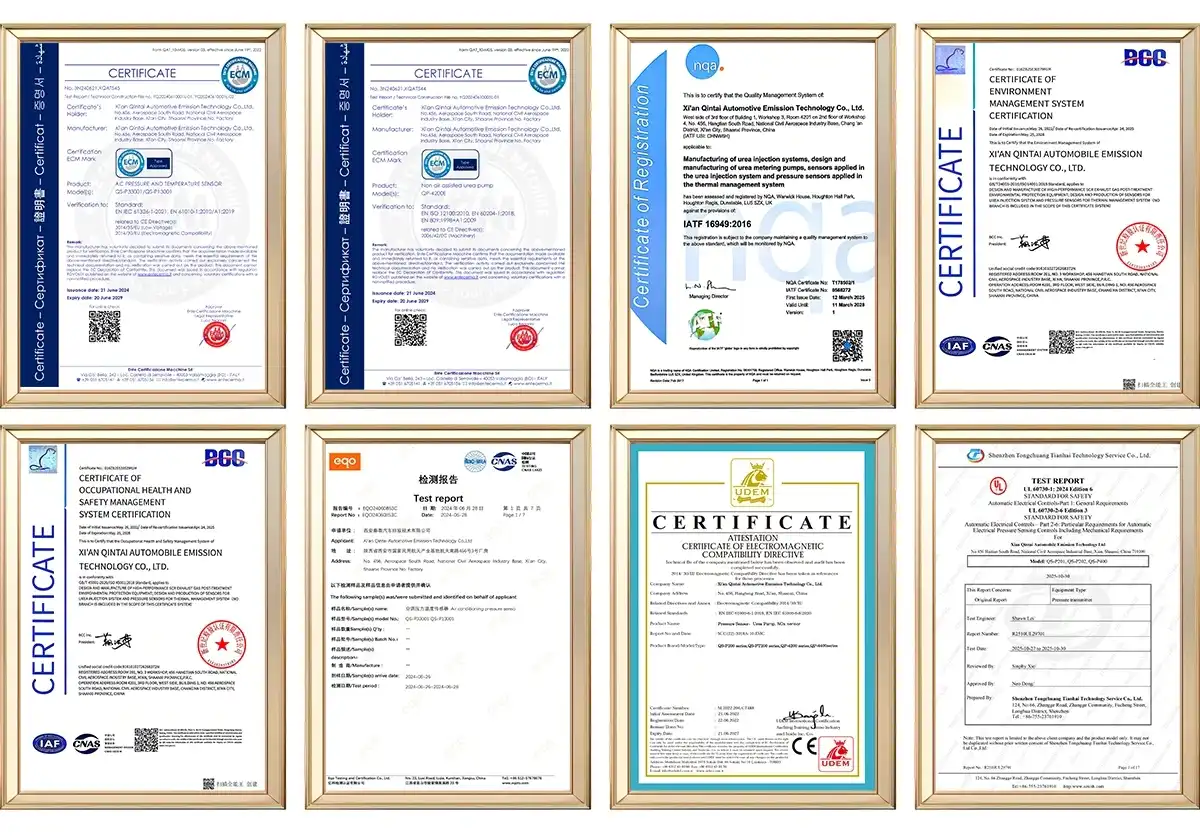
Quality management certifications show rigorous process controls in reliable manufacturing. ISO9001 sets quality system standards, whereas IATF16949 addresses automotive supply chain needs including production part approval and continual improvement. Emission-related components need CMC (China Metrology Certification) measurement accuracy certification and Ex certification for fuel system explosive atmospheres. UL, CE, REACH, and RoHS certification allow global distribution without restrictions. The certifications and 58 innovation patents of Xi'an Qintai Automotive Emission Technology demonstrate continued Ceramic Pressure Sensors technology engineering investment.
Technical Support and Customization Capabilities
Catalog goods meet general needs, while tailored solutions maximize performance for specialized applications. Engineering-supporting manufacturers define pressure ranges, electrical outputs, and mechanical connections for particular installation limitations. Pressure port threads, electrical connector types, and calibration ranges can be customized for narrow working windows where typical sensors compromise resolution. Qintai's autonomous R&D teams may change designs and build application-specific versions, giving OEM customers seeking distinctive products an edge. This versatility helps integrate Ceramic Pressure Sensors into emission systems with precise packaging or peculiar environmental requirements.
Bulk Ordering and Inventory Management
Mass manufacturing component prices are affected by volume pricing. Manufacturers give discounts for 100, 500, and 1,000 pieces, and yearly blanket purchases of 10,000 units may be negotiated. Established manufacturers with automated ceramic processes provide in four to six weeks, with accelerated alternatives for urgent orders. To avoid client downtime, aftermarket distributors choose suppliers with consignment stock or quick replacement. Qintai's position as China's largest OEM supplier to Weichai Power, Yuchai Power, and Quanchai Power shows manufacturing scalability for high-volume contracts and smaller aftermarket orders.
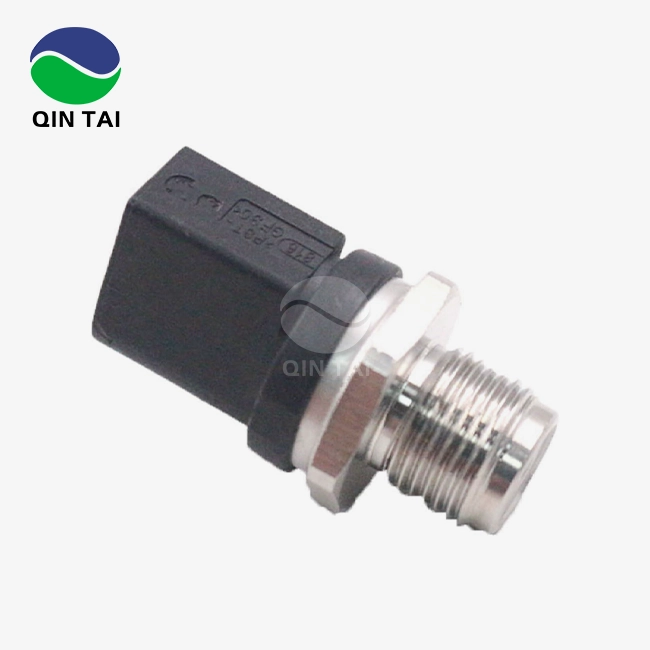
Spotlight: Qintai QS-P105 Ceramic Pressure Sensor
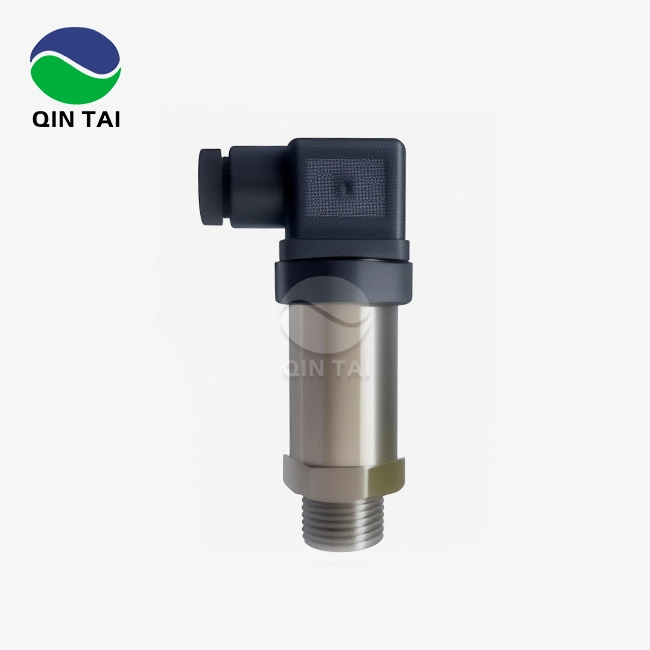
Advanced Ceramic Pressure Sensors technology for demanding industrial applications is shown in the QS-P105. This device uses established materials science and precise manufacturing to monitor pressure in challenging conditions.
A 96% Al2O3 ceramic diaphragm protects the QS-P105 from diesel exhaust condensates, hydraulic fluids, and industrial gases while retaining mechanical integrity during abrasive particle exposure. The sensor's small size allows installation in current engine and retrofitting emission system spaces. Compared to larger flanged sensors, conventional pressure port mounting lowers installation work and leak spots.
Technical specifications show emission compliance and process control precision. The sensor measures pressures from vacuum to 600 bar with 2-4.0 mV/V sensitivity and 0.3% whole scale non-linearity. Zero temperature drift is below 0.05% FS/°C from 0 to 175°C, ensuring consistent readings for frozen hydraulic systems or continuous-duty generator exhaust pressures. Providing ±0.5% full scale accuracy satisfies strict emission monitoring needs without sophisticated algorithms.
Electrical properties for tough industrial settings can also be robust. Control system topologies from battery-powered mobile devices to regulated industrial power sources can use the 2-30 VDC supply voltage range. In multi-sensor systems, a bridge resistance of 11 kΩ ±30% ensures sufficient signal output while conserving power. The 200% full-scale safety overload rating prevents pressure transients during system startup, emergency shutdowns, and hydraulic shock events that harm sensors with lower overload tolerances.

SENSOR+TEST, June 9 – 11, 2026
We look forward to your visit,warmly welcome to our booth 1-634!
Get your free ticket online now:
https://www.sensor-test.de/service/ticket/?52790
Conclusion
Ceramic Pressure Sensors outperform metal ones in key industrial measures. Superior corrosion resistance, thermal stability, and mechanical durability prolong service periods, save maintenance costs, and enhance measurement reliability in chemically hostile and high-temperature settings. Although ceramic technology may cost more initially, its longer working lifespans and lower calibration needs lower its total cost of ownership. OEM manufacturers, aftertreatment integrators, and aftermarket suppliers benefit from working with Ceramic Pressure Sensors suppliers that offer certified quality systems, customization, and scalable production to meet diverse volume and technical requirements.
FAQ
Q1: Why are Ceramic Pressure Sensors better than metal ones in corrosive environments?
A: Because of their chemical inertness, 96% alumina ceramics resist corrosion from acids, alkalis, and industrial solvents. Ceramic substrates are structurally stable without surface treatments, unlike metal sensors, which corrode over time when exposed to severe chemicals.
Q2: Do Ceramic Pressure Sensors work at high temperatures?
A: Ceramic Pressure Sensors can constantly work from -40°C to 135°C, with special types reaching 200°C. The material's low thermal expansion coefficient reduces temperature-induced stress and fast heat dissipation prevents metal diaphragm sensor damage from hot spots.
Q3: How does sensor accuracy influence emission compliance?
A: Selective catalytic reduction and exhaust gas recirculation must be precisely controlled under modern pollution rules. Exceeding ±0.5% pressure measurement errors can lead to inaccurate urea dosing or EGR valve configuration, leading to NOx emissions over regulatory standards and certification testing compliance failures.
Q4: Ceramic Pressure Sensors: what customisation possibilities exist?
A: Manufacturers customize pressure ranges, electrical outputs (millivolt, amplified voltage, current loop), pressure port threads (NPT, BSPT, metric), electrical connections, and calibration ranges. Custom solutions optimize integration into specific equipment designs while preserving certification.
Partner with Qintai for Superior Ceramic Pressure Sensor Solutions
With advanced Ceramic Pressure Sensors technology, Qintai can meet your pressure measurement needs. We have two decades of emission control experience and OEM and ODM capabilities as China's leading Ceramic Pressure Sensors manufacturer for key diesel engine manufacturers. Our ISO9001 and IATF16949-certified production methods assure quality, and our independent R&D team creates bespoke solutions for particular application issues. Our engineering help turns specifications into dependable manufacturing components for pressure ranges, electrical outputs, and mounting options. Send requests for technical datasheets, sample units, and application consults to info@qt-sensor.com.
References
1. Chen, S., & Zhang, L. (2022). Advanced Ceramic Materials in Industrial Pressure Measurement Systems. Journal of Materials Engineering and Performance, 31(4), 2847-2859.
2. Müller, H., & Schmidt, K. (2021). Comparative Lifecycle Analysis of Pressure Sensor Technologies in Automotive Applications. SAE International Journal of Engines, 14(3), 415-428.
3. Tanaka, Y., Watanabe, M., & Kobayashi, T. (2023). High-Temperature Stability of Piezoresistive Ceramic Pressure Sensors. Sensors and Actuators A: Physical, 349, 114087-114096.
4. European Commission Joint Research Centre. (2022). Best Available Techniques Reference Document for Emission Monitoring Systems. Publications Office of the European Union, Luxembourg.
5. Anderson, P., & Williams, R. (2021). Corrosion Resistance of Ceramic and Metal Diaphragms in Diesel Exhaust Environments. Corrosion Science, 188, 109542-109553.
6. International Organization for Standardization. (2023). ISO 15208-2: Diesel Engines—Measurement of Exhaust Gas Pressure Pulsation. ISO Technical Committee 70, Geneva, Switzerland.

Our customers’ satisfaction speaks for our quality — contact us to experience the same reliable service.