- English
- French
- German
- Portuguese
- Spanish
- Russian
- Japanese
- Korean
- Arabic
- Greek
- German
- Turkish
- Italian
- Danish
- Romanian
- Indonesian
- Czech
- Afrikaans
- Swedish
- Polish
- Basque
- Catalan
- Esperanto
- Hindi
- Lao
- Albanian
- Amharic
- Armenian
- Azerbaijani
- Belarusian
- Bengali
- Bosnian
- Bulgarian
- Cebuano
- Chichewa
- Corsican
- Croatian
- Dutch
- Estonian
- Filipino
- Finnish
- Frisian
- Galician
- Georgian
- Gujarati
- Haitian
- Hausa
- Hawaiian
- Hebrew
- Hmong
- Hungarian
- Icelandic
- Igbo
- Javanese
- Kannada
- Kazakh
- Khmer
- Kurdish
- Kyrgyz
- Latin
- Latvian
- Lithuanian
- Luxembou..
- Macedonian
- Malagasy
- Malay
- Malayalam
- Maltese
- Maori
- Marathi
- Mongolian
- Burmese
- Nepali
- Norwegian
- Pashto
- Persian
- Punjabi
- Serbian
- Sesotho
- Sinhala
- Slovak
- Slovenian
- Somali
- Samoan
- Scots Gaelic
- Shona
- Sindhi
- Sundanese
- Swahili
- Tajik
- Tamil
- Telugu
- Thai
- Ukrainian
- Urdu
- Uzbek
- Vietnamese
- Welsh
- Xhosa
- Yiddish
- Yoruba
- Zulu
Urea Pressure Sensors in SCR Emission Control Systems
Urea dosing pressure sensors are important parts of Selective Catalytic Reduction systems because they measure the Diesel Exhaust Fluid's hydraulic pressure as it moves from the dosing pump to the injection tip. These precise devices let Engine Control Units precisely control the amount of urea injected, which keeps NOx pollution below the levels needed to meet EPA Tier 4 Final and Euro VI standards. Without reliable pressure input, SCR systems can't keep up with the right amount of dosing, which can cause incomplete NOx conversion, crystallization blockages, and possible engine derate conditions that have a big effect on working output.
Understanding Urea Dosing Pressure Sensors and Their Functions
Emission guidelines for modern diesel engines are getting stricter, which means that NOx reduction methods need to be carefully controlled. Pressure analysis is a key part of getting this level of accuracy in SCR aftertreatment systems.
What Defines a Urea Dosing Pressure Sensor?
A Urea dosing pressure sensor is a very accurate measuring tool that is built into SCR systems to keep an eye on the AdBlue or DEF hydraulic pressure. This part tells the Dosing Control Unit what's going on in real time, making sure that the right amount of urea is injected into the waste stream. The main job of the sensor is to solve important problems in the industry, such as incorrect dosing that results in NOx emissions that aren't allowed and urea crystals that blocks systems. By making sure that the dose module's pressure stays at the right level, these sensors stop limp mode triggers that would otherwise lower engine power and output.
Core Functions in Emission Control
In SCR designs, pressure monitors play a number of important roles. They keep an eye on the urea pressure in the line that goes from the pump to the injector and send constant feedback to the ECU. This real-time information helps control the dosing pump and keeps the system safe from overpressure or leaks. The sensor helps with diagnosis and closed-loop control of urea doses. This lets the ECU change the time and amount of injections based on the temperature, flow rate, and load of the exhaust.
Technical Architecture and Measurement Principles
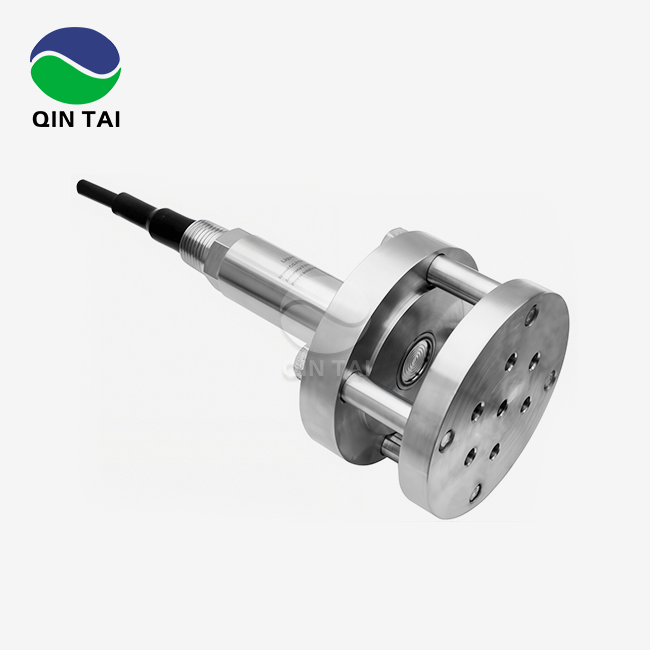
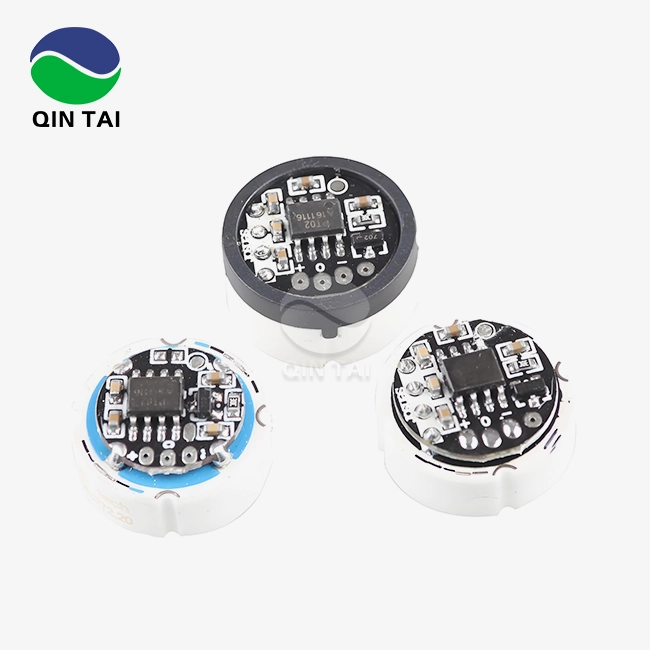
With its own sensor core technology, the Qintai Model QS-P226 is an example of advanced sensor design. This device works with a 5V source and gives out analog signals between 0.5 and 4.5 VDC for ratiometric signals. The measuring range goes from -14 psi to +130.5 psi, which is the full range of pressures that current SCR dosing systems can handle. With an accuracy of ±0.5%, the monitor makes sure that pressure readings are accurate even when the temperature changes. The internal sensing chamber has methods for minimizing dead volume and smooth internal flow paths that keep urea from building up and blocking the diaphragm, which is a typical way for cheaper options to fail.
Troubleshooting, Maintenance, and Calibration of Urea Dosing Pressure Sensors
To keep Urea dosing pressure sensors reliable, you need to know how they usually break down and set up preventative maintenance plans that make sure measurements are accurate and extend the life of the sensors.
Recognizing Failure Symptoms and System Impact
There are effects on the whole aftertreatment system when a urea pressure monitor stops working right. The ECU can't control the right amount of AdBlue, which stops the SCR system from working. Vehicles may go into "limp mode," which means the engine has less power, which has a big effect on output in business settings. There are a lot more emissions, and diagnostic trouble codes are saved in the ECU memory. The system could stop AdBlue injection totally to keep parts from getting damaged by using the wrong dose pressures.
Diagnostic Procedures for Quick Resolution
Systematic diagnostic methods are the first step to effective fixing. Technicians should check the electrical connections and look for rust on the connecting pins because contamination is a common reason for the P204B trouble code that means there are problems with the circuit range or performance. Making sure the voltage source is stable makes sure the monitor gets 5V power. By measuring the output signal voltage in a number of different working situations, signal drift caused by old sensors can be found. When you compare pressure readings to known standard values, you can see that the measurements are less accurate, which means that the sensor needs to be replaced.
Maintenance Best Practices
Regular repair plans greatly increase the useful life of sensors. Checking electrical lines on a regular basis keeps moisture out, which lowers the strength of the signal. By looking for urea crystallization around the fixing point of the sensor, any possible contamination can be found before it affects the accuracy of the reading. The reliable operation of our QS-P226 sensor in tough vehicle settings is ensured by its strong sealing, which keeps out moisture, dust, and chemicals. The internal buffering structure is flexible enough to handle the 9% volume growth that happens when urea freezes. This keeps the structure from breaking when it's used in cold weather.
Comparing Urea Dosing Pressure Sensors for Optimal Procurement Decisions
Before choosing the right Urea dosing pressure sensors, you need to know a lot about the different technologies that are out there, how they work, and what the specific needs of the application are that will affect how reliable and cost-effective the sensors are in the long run.
Industrial-Grade Versus Automotive-Grade Specifications
Different working conditions and durability needs are reflected in the different categories of sensors. Industrial-grade sensors made for generator sets, mining equipment, and fixed power uses put durability and adaptability to different environments at the top of their list of priorities. These devices have to be able to handle constant use, high and low temperatures, and vibrations that are common in industrial settings. Automotive-grade sensors are good for on-highway trucks and building equipment because they match performance with cost. This difference affects the choice of components. For example, better seals, a wider temperature range, and longer calibration stability are all benefits for commercial uses.
Sensing Technology Variations
Different measurement methods have different benefits, based on the needs of the application. Piezoelectric devices can measure high frequencies and respond quickly to changes in pressure, which makes them good for situations where fast pressure changes need to be found. Capacitive sensors work steadily over time and don't move much, making them perfect for apps that need to keep an eye on things all the time. The QS-P226 uses advanced analog output technology that offers 0.5-4.5V ratiometric signals that work with all current control architectures. This technology pairs measurement accuracy with compatibility across a wide range of ECU platforms.
Role Differentiation: Pressure Versus Flow Sensors
Specification mistakes can be avoided by understanding the useful differences between sensor types. Pressure sensors check the hydraulic force in the dosing circuit to make sure the injection tip has enough supply pressure. Volumetric urea delivery rates are measured by flow sensors, which make sure that the real amounts injected match the numbers that were given. Both types of sensors work well together in full SCR repair plans because they double-check that the system is working right and let more advanced fault-finding methods work.
Buying Guide and Procurement Tips for Urea Dosing Pressure Sensors
Buying Urea dosing pressure sensors has a big effect on the total cost of ownership, the dependability of the system, and the long-term ties with suppliers that help keep operations running and push technology forward.
Evaluating OEM Versus Aftermarket Options
Original Equipment Manufacturer (OEM) sensors ensure that they will work with the car or equipment and meet their performance requirements. OEM parts usually come with longer warranties and expert help from the companies that make the tools. Aftermarket options are cheaper and, based on feedback from users in the field, may offer better features or longer reliability. As China's top original equipment manufacturer (OEM) supplier to major power system makers like Weichai Power, Yuchai Power, and Quanchai Power, Qintai has proven that it can meet strict OEM quality standards and offer competitive pricing structures that help aftermarket procurement strategies.
Supplier Evaluation Criteria
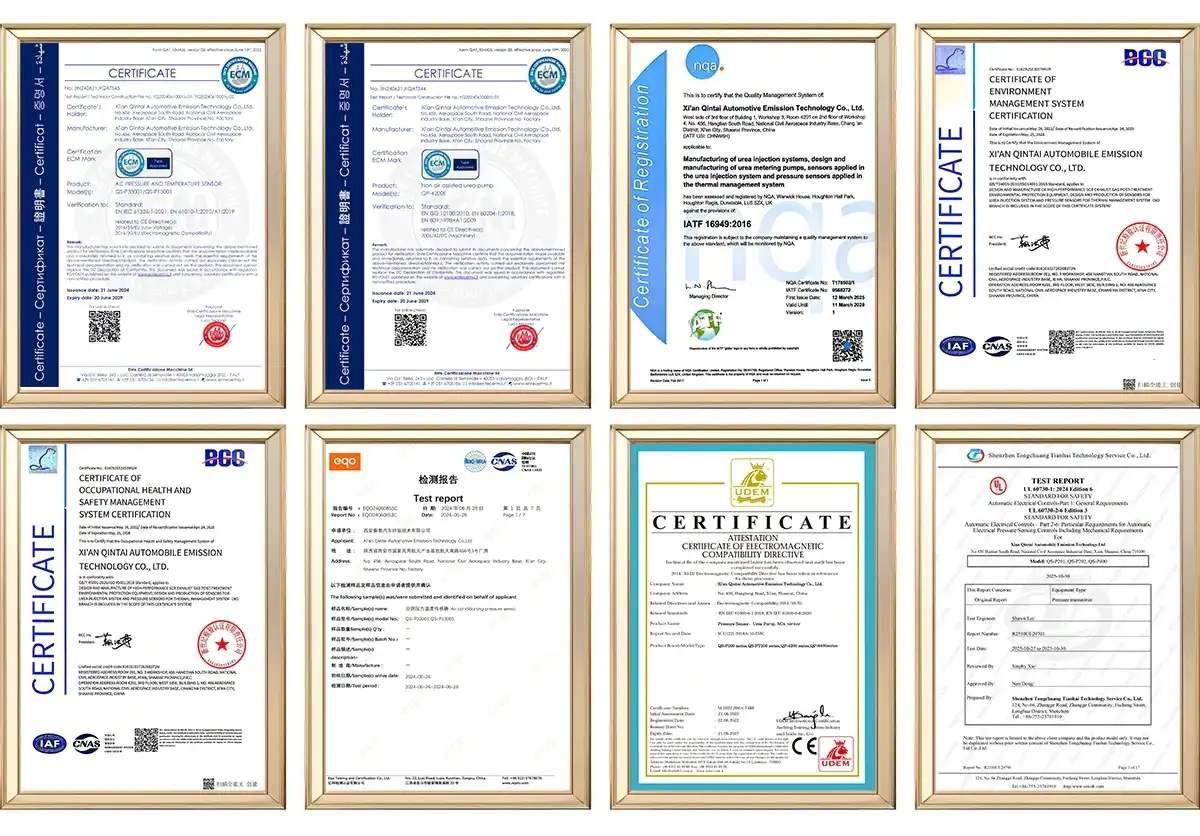
To find trusted sensor providers, you need to look at things from a lot of different angles. Quality management systems in production are checked by certifications like ISO9001, IATF16949, and area standards that apply. Technical help makes sure that questions about applications and problems with connection are answered quickly. Metrics for delivery performance show how reliable a provider is at meeting production plans and urgent replacement needs. Our 86-person research and development team is always coming up with new ways to make sensors work better. They are backed by 58 idea patents that are linked to emission control systems for cars.
Bulk Order Negotiation and Pricing Structures
There are several ways that purchasing in bulk can help you save a lot of money. Annual buying deals get you better prices and make sure you always have a supply. While keeping goods available, consignment inventory programs lower the amount of operating capital that is needed. Working together technically on specific needs adds value that goes beyond unit price. Qintai can meet large-volume needs while maintaining high quality standards thanks to its annual production capacity of more than two million sensors. This offers economies of scale that benefit high-volume buyers in the commercial vehicle, construction machinery, and industrial power generation markets.
Future Trends and Innovations in Urea Pressure Sensor Technology
As regulations change, technology trends happen, and business efficiency needs are met, technological progress keeps changing what Urea dosing pressure sensors can do. This is what gives companies in the emission control market a competitive edge.
Material and Design Innovations
Recent developments in sensor designs use high-tech materials that don't rust and last longer in harsh chemical conditions. Miniaturization efforts lower the size of the packaging while keeping the measurement accuracy. This makes it possible to incorporate into aftertreatment systems with limited room. Better temperature adjustment methods make measurements more stable over a wider range of temperatures. Our self-developed sensor core technology gets rid of the need for a supply chain and guarantees consistent performance, giving accurate readings across the entire working range, even when conditions are very harsh.
Regulatory Drivers and Market Demand
Emission standards around the world are getting stricter, which speeds up the use of monitor technology and raises performance standards. The US EPA's rules for heavy-duty engines keep lowering the allowed NOx levels, which means that measurements need to be more accurate. European markets are moving closer to goals of zero emissions, which means that SCR systems need to work better as an intermediate technology. These government rules increase the need for sensors in heavy trucks, building equipment, farm tools, and stationary power generation systems where diesel engines will likely stay cost-effective for a while.
Smart Integration and the Ability to Predict
Digital revolution changes how sensors work in ways other than just measuring. Integrated diagnostics let monitors report on a system's health and tell you when it needs repair before it breaks down. Wireless connectivity makes it easier to keep an eye on the performance of the whole fleet's aftertreatment system from afar, finding systemic problems and making the best use of repair schedules. Machine learning systems look at patterns of pressure to find early signs of component wear and tear. This lets them take action before they break down, which saves money on costly downtime. With these smart features, sensors go from being idle measuring tools to active parts of operating intelligence systems that help make things run more smoothly and save money.
Conclusion
Urea dosing pressure sensors are crucial parts of current SCR emission control systems because they have a direct impact on legal compliance, operating dependability, and total cost of ownership. To choose the right sensors, you have to weigh the technical specs, the supplier's skills, and the prices over the product's lifetime against the needs of the application. The Qintai QS-P226 is an example of advanced sensor design because it has self-developed core technology, full environmental protection, and a track record of stability backed by partnerships with top engine makers. Knowing how sensors work, how to buy them, how to maintain them, and what new technologies are coming out helps people make smart choices that improve the performance of aftertreatment systems and prepare businesses to meet changing emission standards and operating needs.
FAQ
How Does Sensor Design Prevent Urea Crystallization?
Inside sensing chambers, dead-volume reduction techniques and smooth flow lines keep urea from building up in places where it doesn't need to be. This way of designing keeps crystallization from blocking the diaphragm, which is a common way for the Urea dosing pressure sensor to break down and affect the accuracy of measurements and its lifespan.
What Causes the P204B Fault Code?
This diagnostic trouble code usually means that the signal is drifting, which can be caused by an old sensor or dirty connecting pins. Gold-plated leads make this problem a lot less of a problem because they don't rust, which weakens electrical connections and signal quality over time.
Can Sensors Work Across Different SCR System Brands?
The actual mounting threads usually have standard sizes, but the output signal features need to match certain ECU calibrations. Ratiometric 0.5-4.5V signals are generally compatible, but it is still important to check the electrical interface specs before buying.
What Service Life Should Be Expected?
The service life for standard business uses is usually between 15,000 and 20,000 hours. The actual length of time it lasts relies on how it is used, how it is maintained, and the quality of the urea, which affects the amount of chemical contact and mechanical stress.
Partner with a Trusted Urea Dosing Pressure Sensor Manufacturer
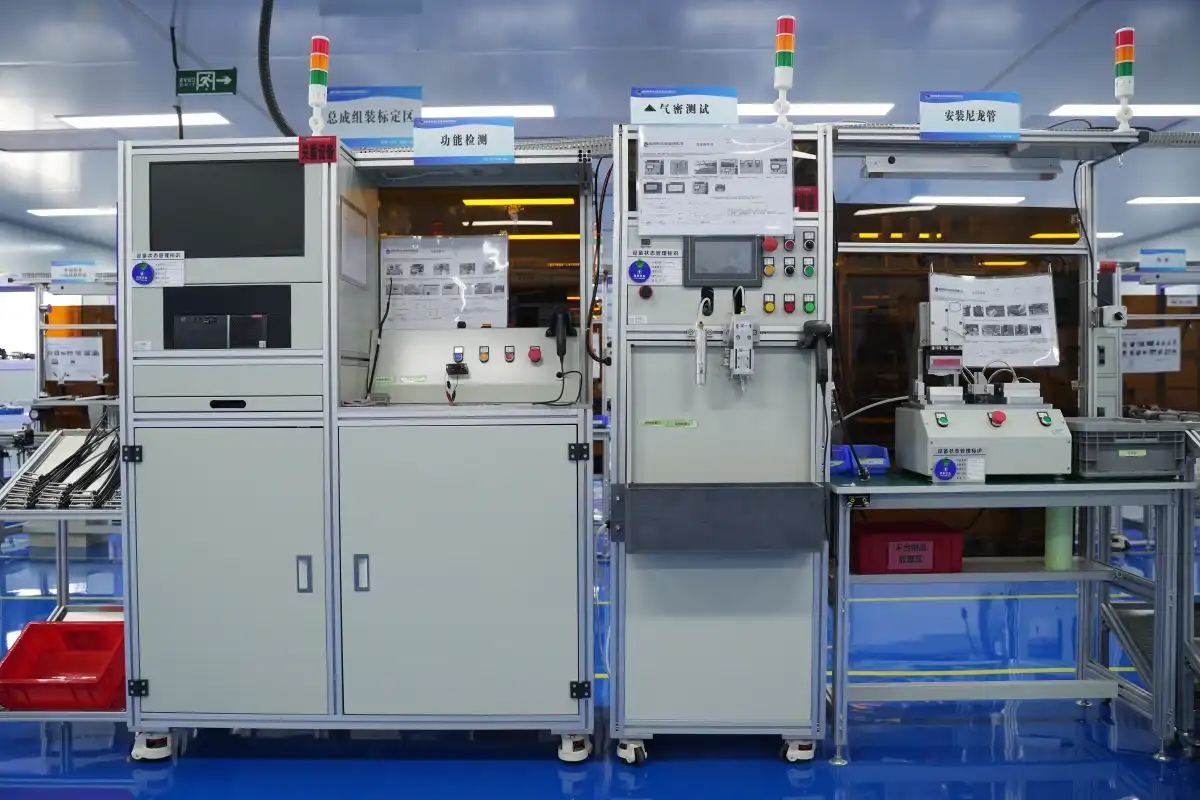
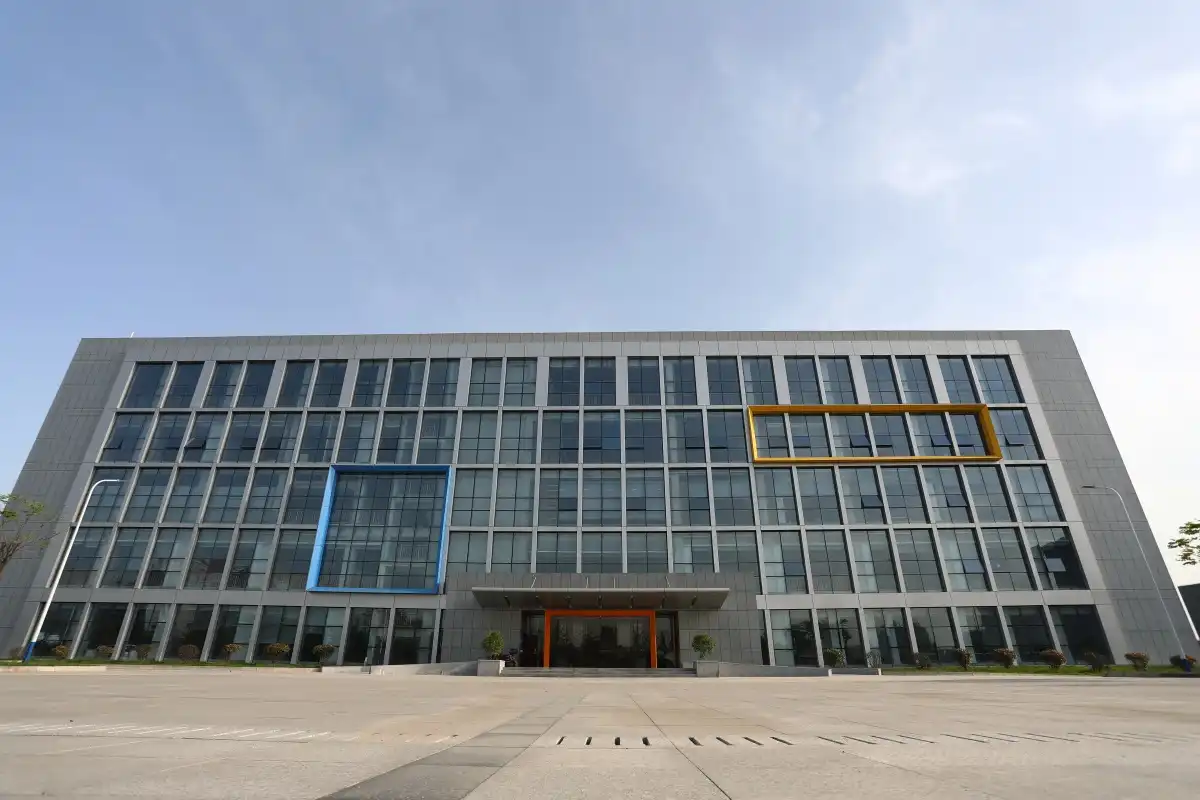
As a national high-tech company that focuses on diesel engine SCR aftertreatment solutions, Qintai has more than 20 years of specialized experience. We are committed to meeting world quality standards, as shown by our many approvals, such as ISO9001, IATF16949, CMC, Ex, UL, CE, REACH, and RoHS. We serve users in more than 60 countries in Europe, the Middle East, and South America. We are the biggest provider of Urea dosing pressure sensors to the commercial vehicle market in China.
We can support both OEM partnerships and aftermarket distribution needs thanks to our independent research and development, open customization services, and production capacity of more than two million pieces per year. Talk to our expert team at info@qt-sensor.com about your unique needs and find out how Qintai's QS-P226 sensor can meet those needs with the dependability, accuracy, and value that your emission control systems need.
References
1. Society of Automotive Engineers. "Selective Catalytic Reduction Systems for Heavy-Duty Diesel Engines: Performance and Diagnostics." SAE International Journal of Engines, 2023.
2. United States Environmental Protection Agency. "Heavy-Duty Highway Compression-Ignition Engines and Urban Buses: Exhaust Emission Standards." Federal Register Emission Regulations, 2024.
3. Automotive Industry Action Group. "Diesel Exhaust Fluid Quality and SCR System Performance: Technical Guidelines for Commercial Vehicle Applications." AIAG Publications, 2023.
4. International Organization for Standardization. "Road Vehicles - Compressed Air System Components - Test Methods and Requirements for Pressure Sensors." ISO Technical Standards, 2024.
5. European Automobile Manufacturers Association. "Euro VI Emission Control Technology: Implementation Strategies and Component Specifications for Commercial Vehicles." ACEA Technical Reports, 2023.
6. Advanced Automotive Technologies Research. "Sensor Technologies in Modern Diesel Aftertreatment Systems: Materials, Design, and Predictive Diagnostics." Automotive Engineering International, 2024.

Our customers’ satisfaction speaks for our quality — contact us to experience the same reliable service.