- English
- French
- German
- Portuguese
- Spanish
- Russian
- Japanese
- Korean
- Arabic
- Greek
- German
- Turkish
- Italian
- Danish
- Romanian
- Indonesian
- Czech
- Afrikaans
- Swedish
- Polish
- Basque
- Catalan
- Esperanto
- Hindi
- Lao
- Albanian
- Amharic
- Armenian
- Azerbaijani
- Belarusian
- Bengali
- Bosnian
- Bulgarian
- Cebuano
- Chichewa
- Corsican
- Croatian
- Dutch
- Estonian
- Filipino
- Finnish
- Frisian
- Galician
- Georgian
- Gujarati
- Haitian
- Hausa
- Hawaiian
- Hebrew
- Hmong
- Hungarian
- Icelandic
- Igbo
- Javanese
- Kannada
- Kazakh
- Khmer
- Kurdish
- Kyrgyz
- Latin
- Latvian
- Lithuanian
- Luxembou..
- Macedonian
- Malagasy
- Malay
- Malayalam
- Maltese
- Maori
- Marathi
- Mongolian
- Burmese
- Nepali
- Norwegian
- Pashto
- Persian
- Punjabi
- Serbian
- Sesotho
- Sinhala
- Slovak
- Slovenian
- Somali
- Samoan
- Scots Gaelic
- Shona
- Sindhi
- Sundanese
- Swahili
- Tajik
- Tamil
- Telugu
- Thai
- Ukrainian
- Urdu
- Uzbek
- Vietnamese
- Welsh
- Xhosa
- Yiddish
- Yoruba
- Zulu
Choosing the Right Pressure Sensor: 5 Factors to Consider
Choosing the right pressure sensor has a direct effect on how well your diesel engine meets pollution standards, how reliable it is, and how much it costs to maintain over time. These gadgets find out how much force is acting on a certain area of a gas or liquid by turning changes in the real world into electrical signals that your tracking systems can understand. If you're looking for parts for big trucks, farm equipment, or SCR aftertreatment systems, you need to know which sensor technology is best for your application. This will help you avoid costly downtime and make sure you follow the rules. To make the right choice, you have to look at things like the types of sensors, the accuracy standards, the surroundings, the signal processing needs, and the supplier's abilities to get the best performance across all of your production processes.
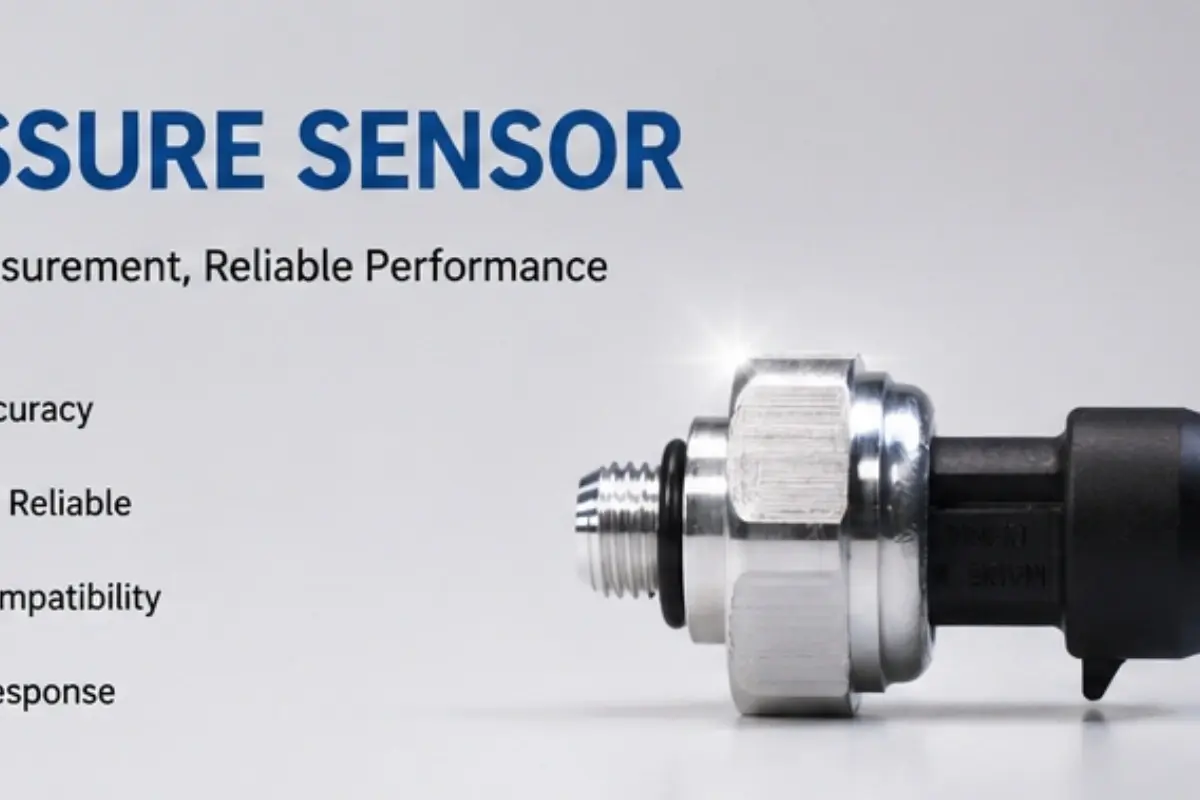
Understanding Pressure Sensor Types and Their Working Principles
To choose the right pressure sensor technology, you must first understand how different methods meet your working needs. Several core technologies are used in industrial settings. Each one has its own benefits based on measurement range, reaction time, and installation location.
Strain Gauge Sensors
In diesel engine uses, strain gauge technology is still the most common option. There is a motorized part in these sensors that grows or shrinks when the pressure changes. The change in shape affects the electrical resistance, which is then turned into voltage signs that your computer systems can understand. This method gives accurate data from 0 to 10,000 psi, so it can be used for measuring the exhaust system and keeping an eye on the fuel line. Manufacturers like strain gauge sensors because they keep their output stable over long periods of time, which lowers the need for recalibration and helps with predictive maintenance plans.
Capacitive Ceramic Sensors
Capacitive ceramic sensors have a ceramic diaphragm that works as an electrode and a set electrode that works as a capacitor. When pressure is put on the diaphragm, it changes the gap between the sensors, which changes the capacitance. This capacitance is turned into an electrical signal that tells the computer what pressure to measure. The ceramic structure is very resistant to chemicals and stable at high temperatures, which is especially helpful in exhaust settings that are corrosive, like those where SCR and DPF systems work. When OEMs add pollution control equipment, they often choose ceramic sensors because they can handle harsh conditions without losing their signal. This makes sure that adaptive dosing algorithms have accurate data.
Piezoelectric Technology
When solid materials are put under mechanical stress, piezoelectric sensors make an electrical charge. This method works best for tracking changes in dynamic pressure, not changes in static pressure. Piezoelectric sensors are used by engine makers to study burning and track changes in pressure when speed is more important than accuracy. The technology doesn't need much power from outside sources and works well in a wide range of temperatures. However, it needs to be rezeroed every so often to keep it stable over time. Piezoelectric sensors can pick up high-frequency changes in pressure that other technologies might miss, which is useful for measuring vibrations and analyzing cylinder pressure.
Signal Output Considerations
Besides the sensing methods, you need to check whether analog or digital output works with the way your system is built. Analog sensors send out constant voltage or current signals that are related to the pressure they are measuring. These signals are usually between 0V and 5V or 4mA and 20mA. This makes it easy to connect to older computer systems and provides simple wiring options. Digital sensors send data using protocols like CAN, I2C, or SPI. These protocols make it easier to calibrate and block out noise. Digital sensors are becoming more popular in modern aftertreatment systems because they allow for remote monitoring and complicated control schemes without signal degradation over long cable runs.
Assessing Accuracy and Calibration Requirements
The accuracy of your measurements tells you if your systems meet pollution standards and work safely. Understanding the different accuracy levels needed by different apps will help you avoid over-specifying or lowering the speed of your system using the right pressure sensor.
Precision Requirements Across Applications
To make sure the right amount of urea is added and the right time for recovery, diesel engine pollution control needs to be accurate to within ±1% of full scale. Since the error margins are bigger, generator set uses that check the oil pressure in the bearings usually accept ±2% accuracy. Because fuel pressure differences have a direct impact on combustion efficiency and particle formation, heavy truck fuel system sensors require tighter tolerances.
When choosing sensors, you should think about the whole measurement chain, which includes transmitters, wires, and display units, since each part can cause mistake. Industrial-grade sensors from well-known brands usually list their accuracy classes, which take into account things like temperature changes, long-term drift, and measurement ranges that aren't straight lines.
Calibration Practices and Intervals
To keep measurements accurate, you need to set up testing procedures that are in line with your quality management system and government rules. Depending on how harsh the application is, most industrial pressure sensors need to be re-calibrated every 12 to 24 months. In harsh settings with changing temperatures, vibrations, and chemical contact, drift happens faster and needs to be checked more often. When a sensor is being calibrated, its output is compared to known reference standards at a number of pressure points within its working range. Modern testing equipment simplifies this process and makes certificates that show traceability to national standards. These certificates meet the audit requirements of ISO9001 and IATF16949 for OEM providers.
Common Measurement Errors
During operation, there are a number of things that can affect how accurately pressure is measured. Changes in temperature can affect the electronics and mechanical parts of a sensor, leading to output changes if adjustment isn't done right. When mounting stress is caused by bad fitting, it puts extra pressure on sensing elements, which causes offset mistakes.
Noise in sensor data is caused by electromagnetic interference from power lines or ignition systems that are close by. Over time, process media growth on diaphragms changes how they respond. When procurement teams know about these error sources, they can choose the right features for sensors, such as temperature compensation circuits, stress-isolated mounting designs, and protected wire assemblies that keep measurements accurate during service intervals.
Evaluating Environmental and Installation Conditions
The operating setting has a direct effect on how long a pressure sensor lasts and how accurate its measurements are. When sensor specs are matched to real-world conditions, early breakdowns are avoided and the total cost of ownership is lowered.
Temperature Performance
In places near turbochargers or DPF units, diesel exhaust systems put sensors in direct contact with temperatures higher than 600°C. Standard sensors that are marked for 85°C don't work well in these conditions and break after just a few weeks. Specialized materials and covering technologies are used in high-temperature sensors to keep their accuracy from -40°C to 150°C. Some units can even work continuously at 200°C.
Applications that need to work in cold climates have special problems, like sensor ports getting damaged when condensation freezes. Ice that stops pressure transfer can't form in heated sensor housings or drain configurations. When looking at temperature specs, make sure you check both the adjusted temperature range where accuracy stays the same and the highest temperature that the sensor can handle without getting permanently damaged.
Vibration and Shock Resistance
When they are used off-road, construction equipment and big trucks put sensors through constant shaking and shock loads. When sensors don't have the right mechanical design, internal parts wear out faster, electrical connections become loose, and housings crack. For mobile tools, ruggedized sensors have stronger housings, electronics that are protected from damage, and sensing elements that are not affected by shaking.
Military standards, such as MIL-STD-810, set the rules for testing sensors to make sure they last a long time. In industry, however, many uses look to car standards that describe vibration profiles. The position of the mounting has a big effect on how long the sensors last. Putting them on vibration-isolated clamps or putting them somewhere away from direct engine mounts makes them last a lot longer.
Chemical Compatibility and Ingress Protection
Exhaust gas has corrosive chemicals in it, like sulfur dioxide, nitrogen oxides, and low-pH water that has collected. Materials that are wet on sensors must be able to withstand chemical attack for the whole service time. 316L stainless steel is good for most diesel exhaust uses because it doesn't rust, but ceramic diaphragms are better for harsh settings. Electrical lines need the same care. Ratings of IP67 or IP69K make sure that dust and moisture can't mess up the signal. Corrosion, which leads to broken connections and wrong readings, can't happen in connector systems with gold-plated pins and environmental seals. Higher IP ratings that can handle direct water jets and submersion events are better for applications that need to be cleaned or installed outside.
Installation Best Practices
Using the right positioning method keeps measurements accurate and increases the life of the sensor. To get the most out of motion effects, sensors should be put in so that they are not facing the direction of the flow. Process ports need changes that are smooth and don't have any sharp edges that could cause noise that would mess up readings. To keep wire stress from moving to sensor terminals, electrical links need strain relief. Maintaining stable orientation and mounting force across measurement points is important when adding multiple sensors to a system. Installation teams should carefully follow the torque specs, thread sealant suggestions, and wiring diagrams in technical paperwork from reliable makers in order to get the recommended performance.

Automechanika Istanbul 2026 (19-22,May,2026)
We look forward to your visit,warmly welcome to our booth 11A-B117-5!
Get your free ticket online now:
https://www.automechanikaistanbulplus.com/register/en

SENSOR+TEST, June 9 – 11, 2026
We look forward to your visit,warmly welcome to our booth 1-634!
Get your free ticket online now:
https://www.sensor-test.de/service/ticket/?52790
Comparing Analog vs Digital and Specialized Sensor Technologies
The design of signal processing affects how complicated a system is, how well it can be diagnosed, and how reliable it is in the long run. Knowing the pros and cons of both analog and digital methods can help you choose a pressure sensor that meets the needs of your control system.
Analog Sensor Advantages
Industrial uses still use a lot of analog pressure sensors with 4-20mA output signals because they are easy to connect and work well. The current loop design naturally blocks out electrical noise, which makes it possible to send signals reliably over 1000-meter wire runs without signal loss. To troubleshoot analog systems, you only need a basic multimeter, and new sensors from different companies often work with each other without having to change the code.
This makes it easier to keep track of extra parts supplies. Legacy PLCs and control systems can always accept analog inputs without worrying about whether they will work with other protocols. Analog replacements are often chosen for retrofit projects that need to replace failed sensors because they don't require any changes to the current wires or control software. This means that there is less downtime during maintenance windows.
Digital Sensor Benefits
Digital pressure sensors send measurement data over communication channels, which lets doctors do more advanced tests and keep an eye on things from afar. Microprocessors built into these devices do temperature correction, linearization, and self-diagnosis tasks on the inside. CAN bus sensors are often used in diesel engines. They send not only pressure readings but also diagnostic codes that show whether the sensor is healthy or out of range, as well as its calibration state.
This data lets control systems find sensors that are breaking down before they completely stop working. This is called predictive maintenance. Digital sensors can give addresses, which lets multiple devices share data lines. This makes wiring simpler in systems with a lot of measurement points. Gateway devices change digital sensor data into types that cloud-based tracking platforms can use. This lets fleet managers and performance analysts control and analyze vehicles from afar.
Technology Selection Framework
There are more than just initial buy price factors that affect the choice between analog and digital sensors. Digital sensors are more expensive, but they require less work to install because the wiring is easier, and they give information about how they're working that lowers the cost of upkeep. Digital sensors that sample at rates higher than 1000 Hz are better for applications that need to measure things quickly because they can pick up on short-lived events that analog systems might miss.
Analog sensors are often used in fail-safe systems because they are simple and have fewer parts that can go wrong. Also, when they degrade, they usually send out-of-range signs that can be seen instead of losing contact completely. Aftertreatment system designers often choose digital sensors because they can quickly find problems and fix them during system setup and production support.
Procurement Considerations: Price, Supplier Reliability, and Customization
A good way to buy a pressure sensor is to weigh the original cost against the total costs of ownership while making sure that the relationships with suppliers can support long-term output needs.
Cost Analysis Beyond Unit Price
Sensor prices include not only how much it costs to make, but also how well it works and how long it's supposed to last. Entry-level sensors that cost $30 to $50 are good for non-critical tasks and only need to be replaced every so often. On the other hand, industrial-grade sensors that cost $200 to $400 last longer and are more accurate. To find the total cost of ownership, you have to add up the prices of installation work, calibration, failure rates, and downtime.
A sensor that costs 50% more but lasts three times longer lowers total costs and makes the system more reliable. Original Equipment Manufacturers (OEMs) that make thousands of engines a year can get big discounts on parts when they buy in bulk, but only if they work with sources that can keep quality high during large production runs. Asking for detailed quotes that break down the costs of materials, tests, and certification helps you find places where you can save money without sacrificing efficiency.
Supplier Qualification Criteria
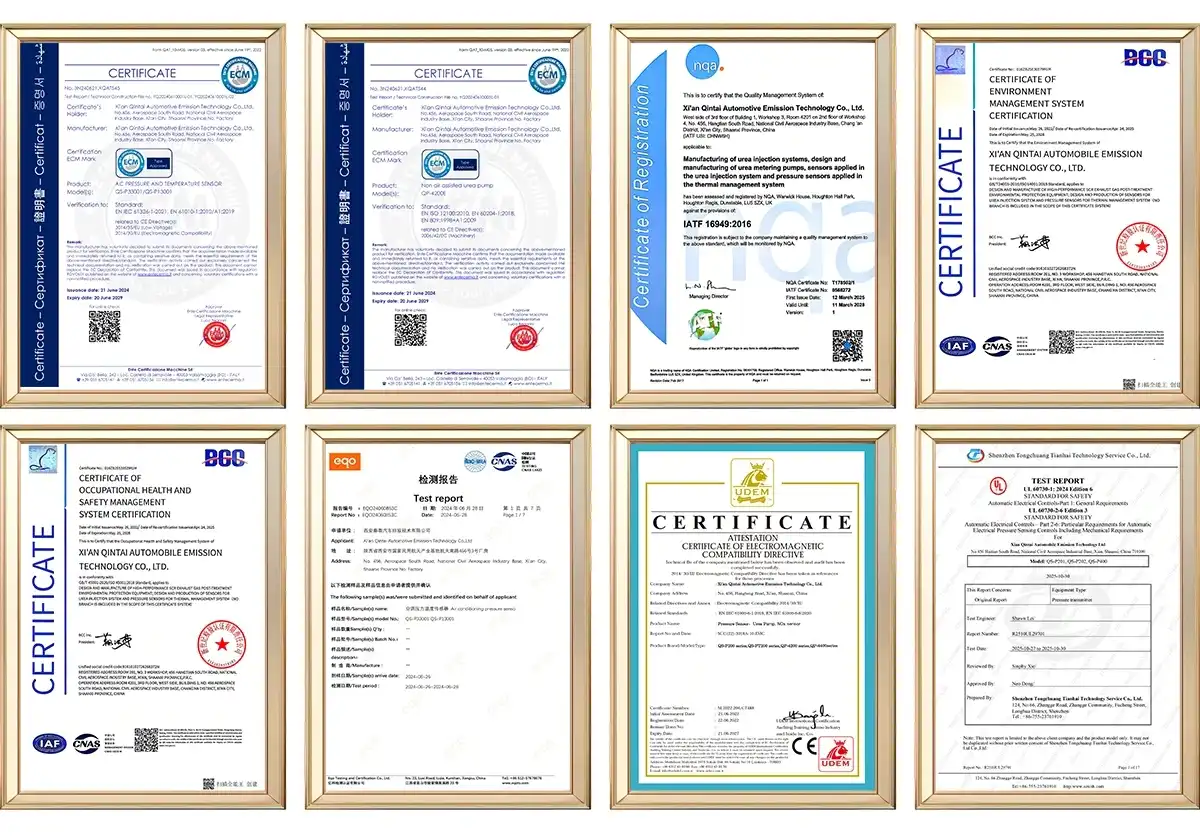
When looking at possible sensor providers, you need to look at more than just the product specs. Manufacturing standards like ISO9001 and IATF16949 show that quality management systems are well-established and can meet the needs of car production. Product certificates like UL, CE, and REACH show that a product meets regional safety and environmental rules, which is necessary to sell the product in any market in the world.
As part of a technical capability assessment, patent collections, R&D spending levels, and the engineering support resources that are available for custom development projects should all be looked at. seller financial stability is important because making sensors for specific uses requires a big investment up front. Having a consistent seller also makes sure that spare parts are always available and that customers can get expert help throughout the lifespan of a product.
Customization and Technical Support
Catalog sensors are good for most uses, but sometimes you need to make your own setups for specific needs. Adjustments to the pressure range, different electrical connections, changed mounting measurements, and special certifications usually need the buyer and seller to work together as engineers. Manufacturers with strong customization programs have application engineering teams that can look over installation plans, suggest the best specs, and oversee the development process.
This professional relationship is helpful when making new products, since adding sensors can change how well the whole system works. When suppliers give design teams specific datasheets with full electrical characteristics, mechanical drawings, and application notes, they can finish integration work quickly and without having to go through multiple rounds of clarification.
Conclusion
To choose the right pressure sensor, you have to weigh technical specs against working needs, environmental factors, and the order of purchases. Different technologies, like strain gauge, capacitive ceramic, and piezoelectric, are used for different things. Also, analog and digital signal processing have different benefits when it comes to integrating them. The level of accuracy needed must match how important the application is, and the calibration procedures must keep the measurements accurate during service times.
Extreme temperatures, vibrations, and chemical contact in the environment require ruggedized designs that make sure equipment works reliably for its entire life. Maximizing value in purchasing means looking at more than just the original price. You should also consider how reliable the seller is, how much customization is possible, and the total cost of ownership. This all-around approach to choosing sensors helps with emission control, working efficiency, and planned repair plans that set competitive diesel engine makers and aftertreatment system integrators apart.
FAQ
Q1: What pressure range should I specify for diesel engine applications?
A: Diesel fuel systems usually work between 300 and 2000 bar, so the sensors they use need to be rated correctly and have a safety buffer. 0-5 bar ranges are used to measure exhaust backpressure, but 0-10 bar ranges are needed for a pressure sensor in SCR systems that track urea flow. Since sensors work best in the middle 20–80% of their rated span, choosing ranges that match the real working pressures improves accuracy. Too wide of a range hurts the sharpness, and not wide enough of a range can damage the sensor during short-lived events.
Q2: How do temperature variations affect measurement accuracy?
A: When the temperature changes by 10°C, uncompensated sensors see their output move by 0.5 to 2%. Good industrial sensors have temperature compensation circuits or digital correction methods that keep this mistake to less than 0.1% over certain ranges. Extreme temperature changes mean that sensors need to be specifically rated for those conditions and have accuracy standards that are written down for the whole temperature range, not just at room temperature.
Q3: Can I replace one manufacturer's sensor with another directly?
For parts to be physically interchangeable, their mounting holes, electrical connectors, and pressure port configurations must match. For electrical compatibility, the source voltage and outgoing signals must be the same. To have performance equivalence, the accuracy, reaction time, and environmental scores must all be the same. Cross-brand replacement is often allowed in aftermarket uses, but OEM production usually validates part numbers before allowing alternatives to make sure that the system always works the same way.
Partner with Qintai for Reliable Pressure Sensor Solutions
Since 2001, Xi'an Qintai Automotive Emission Technology has been a leader in China as the main OEM supplier to Weichai Power, Yuchai Power, and Quanchai Power for diesel engine sensors. Our 58 invention patents and ISO9001, IATF16949, and UL certifications show that we have the technical know-how that heavy truck makers, aftertreatment system installers, and generator set manufacturers need to meet emission standards. We can completely change the specs of a pressure sensor to fit your exact needs, whether you need different temperature ratings, custom electrical connections, or different mounting arrangements.
Our independent research and development team is always coming up with new ways to meet changing emission standards, such as the EPA2027 and China VII standards. To talk about your application needs and get detailed datasheets, email our research team at info@qt-sensor.com. As a well-known company that makes pressure sensors and does business in more than 60 countries, we offer procurement managers the production capacity, quality stability, and technical help they need for long-term partnerships to work.
References
1. Webster, J. G. (2020). The Measurement, Instrumentation and Sensors Handbook: Spatial, Mechanical, Thermal and Radiation Measurement. CRC Press.
2. Johnson, C. D. (2018). Process Control Instrumentation Technology (8th ed.). Pearson Education.
3. Bao, M. (2019). Analysis and Design Principles of MEMS Devices. Elsevier Science.
4. Fraden, J. (2016). Handbook of Modern Sensors: Physics, Designs, and Applications (5th ed.). Springer International Publishing.
5. Bentley, J. P. (2017). Principles of Measurement Systems (4th ed.). Pearson Education Limited.
6. Liptak, B. G. (2018). Instrument Engineers' Handbook: Process Measurement and Analysis (5th ed.). CRC Press.
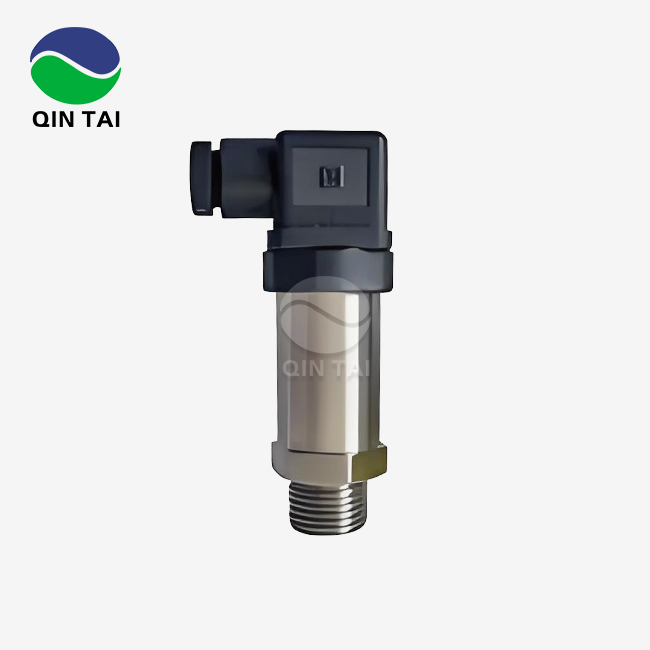
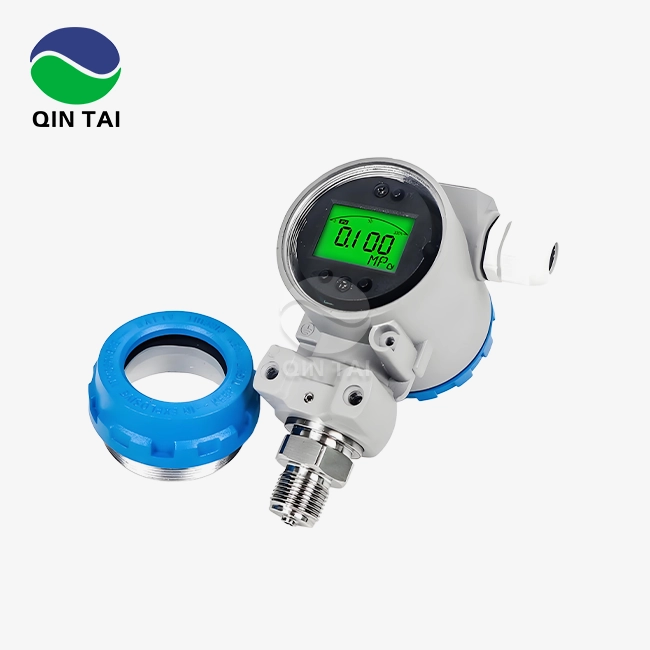
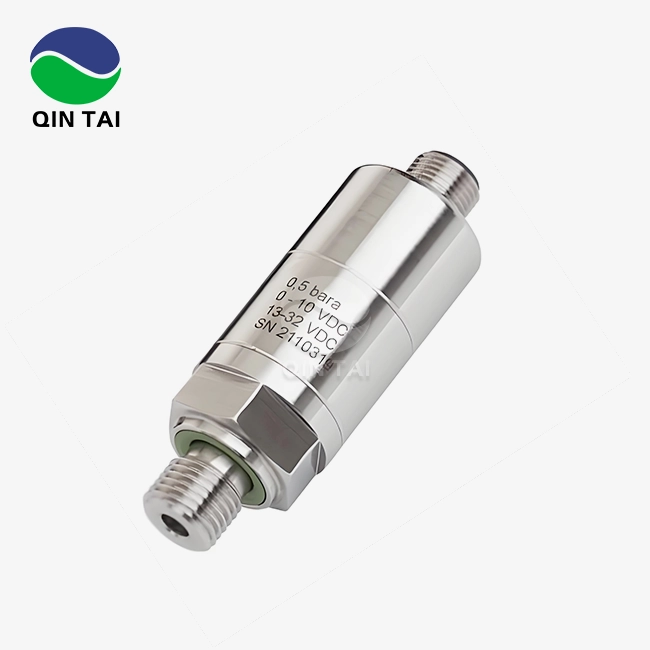
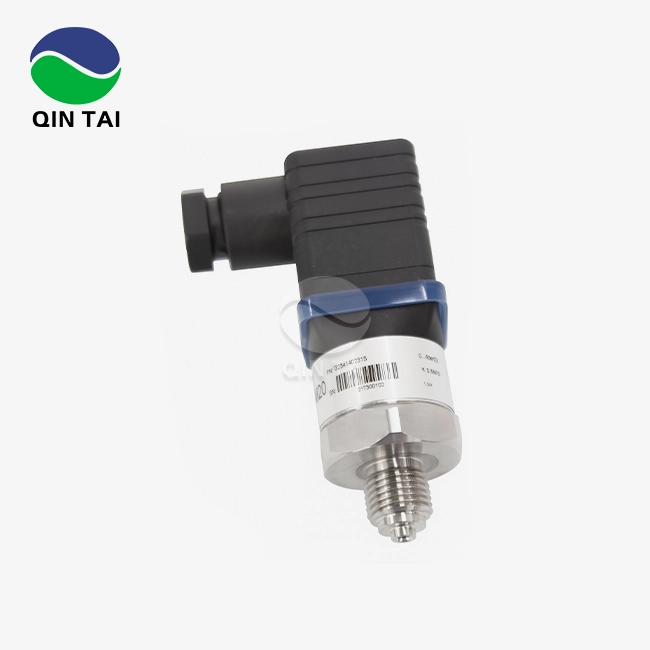

Our customers’ satisfaction speaks for our quality — contact us to experience the same reliable service.